TL;DR
The National Health Service (NHS) stands as a cornerstone of British society, a source of immense national pride and a testament to the principle of universal healthcare, free at the point of use. It is, without question, the bedrock of our nation's health. Yet, even the most cherished institutions face evolving challenges.
Key takeaways
- Emergency Services: If you have a heart attack, a severe accident, or any life-threatening condition, your first and only port of call should be an NHS A&E department. Private hospitals do not have A&E facilities equipped to handle complex emergencies. Once stabilised by the NHS, transfer to a private facility for ongoing care might be possible, but the initial emergency response is always NHS.
- Chronic Conditions: Long-term, incurable conditions like diabetes, asthma, epilepsy, or multiple sclerosis are managed by the NHS. While PMI might cover an acute flare-up of a chronic condition (e.g., a chest infection in an asthmatic), it will not cover the ongoing monitoring, medication, or management of the chronic condition itself.
- Pre-existing Conditions: Any medical condition you had or showed symptoms of before taking out the policy will almost certainly be excluded from coverage. This is a fundamental principle of insurance you can't insure something that has already happened or is ongoing.
- Individuals Seeking Peace of Mind: For those who value certainty and control over their health journey, knowing that they can bypass long waiting lists for diagnosis and treatment for acute conditions offers immense psychological relief.
- Busy Professionals and Self-Employed Individuals: Time is money. A prolonged wait for a diagnosis or elective surgery can mean significant time off work, impacting income and business operations. PMI allows for quicker treatment, minimising disruption and facilitating a faster return to productivity.
The National Health Service (NHS) stands as a cornerstone of British society, a source of immense national pride and a testament to the principle of universal healthcare, free at the point of use. It is, without question, the bedrock of our nation's health. Yet, even the most cherished institutions face evolving challenges. Long waiting lists, strained resources, and the sheer volume of demand mean that while the NHS is always there for us, the journey to diagnosis and treatment isn't always as swift or as comfortable as one might hope.
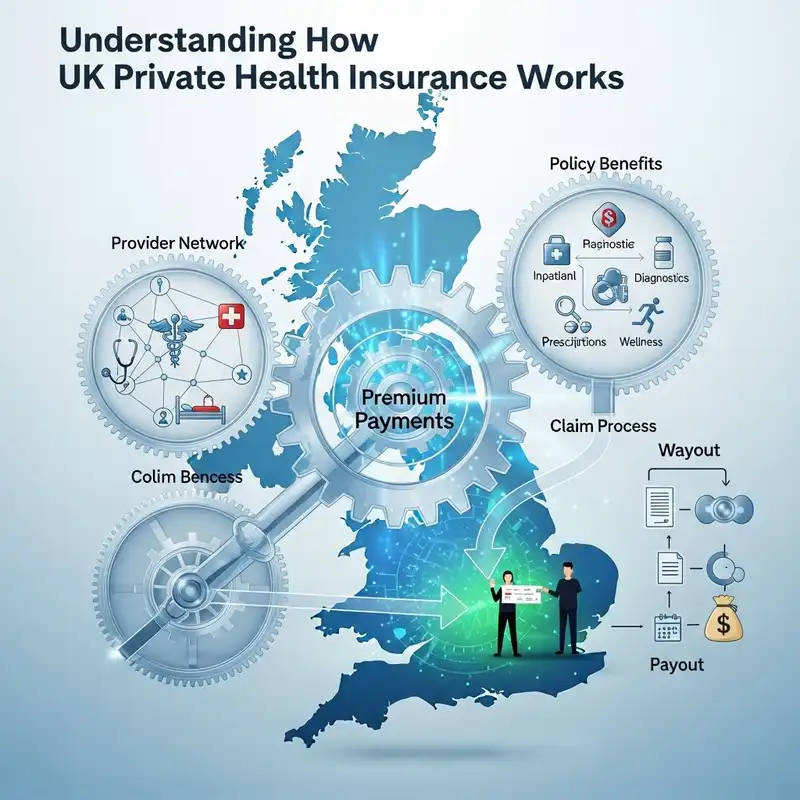
It is in this context that Private Medical Insurance (PMI) emerges, not as a challenger or a replacement for the NHS, but as a sophisticated and increasingly vital complement. For many, PMI offers a strategic pathway to enhance their healthcare experience, providing access to speed, choice, and comfort that can significantly alleviate the pressures felt by the public system. This article delves deep into how private health insurance integrates seamlessly with the NHS, fostering an approach to healthcare that is truly holistic and beneficial for individuals across the UK.
We will explore the distinct roles of both the NHS and PMI, debunk common myths, and illustrate how, together, they form a robust and responsive healthcare ecosystem. Our aim is to demystify PMI, helping you understand its unique benefits and how it can empower you to navigate your health journey with greater control and peace of mind.
Understanding the Pillars of UK Healthcare
To fully grasp the complementary relationship between private medical insurance and the NHS, it's essential to first understand the distinct, yet often interconnected, roles each plays in the UK healthcare landscape.
The National Health Service (NHS): A Foundation of Care
Founded on the principle that good healthcare should be available to all, regardless of wealth, the NHS remains a colossal achievement. It is a comprehensive system, funded primarily through general taxation, providing a vast range of services from primary care (your GP) to emergency services, complex surgeries, chronic disease management, and public health initiatives.
Strengths of the NHS:
- Universal Access: Available to all UK residents, free at the point of use. This ensures a safety net for everyone, regardless of their financial situation.
- Emergency Care: The NHS excels in emergencies, providing immediate, life-saving treatment through its accident and emergency (A&E) departments and ambulance services.
- Chronic Disease Management: For long-term conditions like diabetes, asthma, or heart disease, the NHS offers continuous care, monitoring, and medication.
- Highly Specialised and Complex Treatment: For rare diseases, organ transplants, and highly complex surgical procedures, the NHS often leads the way with world-class expertise.
- Research and Training: The NHS is a global leader in medical research and training, fostering innovation and developing the healthcare professionals of tomorrow.
Challenges Faced by the NHS:
Despite its strengths, the NHS operates under immense pressure.
- Waiting Lists: Perhaps the most visible challenge, patients often face significant waits for elective surgeries, specialist consultations, and diagnostic tests.
- Resource Strain: Budget constraints, staff shortages, and an ageing population place ongoing strain on resources.
- Access to Choice: Patients typically have limited choice over consultants, hospitals, or appointment times.
- Postcode Lottery: The availability of certain treatments or services can vary geographically.
Private Medical Insurance (PMI): An Elective Enhancement
Private Medical Insurance, often referred to simply as health insurance, is a policy that covers the cost of private medical treatment for acute conditions. It is designed to provide quicker access to diagnosis and treatment for conditions that are sudden in onset and treatable, rather than long-term or ongoing.
Key Benefits of PMI (at a glance):
- Speed of Access: Significantly reduced waiting times for consultations, diagnostic tests (e.g., MRI, CT scans), and elective surgeries.
- Choice: The ability to choose your consultant, hospital, and often the date and time of your appointments.
- Comfort and Privacy: Access to private rooms in private hospitals, often with en-suite facilities, flexible visiting hours, and a quieter environment.
- Access to Specific Treatments: In some cases, access to drugs or treatments that may not yet be routinely available on the NHS.
Crucial Limitations and Exclusions of PMI:
It is absolutely vital to understand what PMI does not cover, as this clarifies its complementary role rather than its status as a replacement.
- Pre-existing Conditions: This is one of the most significant exclusions. A "pre-existing condition" is generally defined as any illness, injury, or symptom that you have had, or received advice or treatment for, before taking out your policy. Insurers will typically not cover treatment for these conditions. For example, if you had knee pain before buying insurance, future treatment for that specific knee pain would likely be excluded.
- Chronic Conditions: PMI is designed for acute conditions, not chronic ones. A "chronic condition" is a disease, illness, or injury that has no known cure, is likely to recur, or requires ongoing treatment or management (e.g., diabetes, asthma, hypertension, arthritis). The NHS remains responsible for the long-term management of these conditions.
- Emergency Care: A&E services are provided exclusively by the NHS. If you experience a medical emergency, you should always call 999 or go to your nearest NHS A&E department. PMI does not cover emergency treatment.
- Maternity Care: Routine pregnancy and childbirth are generally not covered by standard PMI policies, though some may offer limited cash benefits.
- Cosmetic Surgery: Procedures primarily for aesthetic improvement are excluded.
- Fertility Treatment: This is typically not covered.
- Drug Addiction/Alcohol Abuse Treatment: Generally excluded.
- Primary Care: Your initial GP consultation typically falls outside PMI coverage, though some policies offer online GP services as an added benefit.
Understanding these distinctions is crucial for anyone considering private health insurance. It highlights that PMI works with the NHS, filling specific gaps rather than replacing the comprehensive safety net it provides.
The Complementary Relationship: Bridging the Gaps
The true power of private medical insurance lies in its ability to fill the gaps and alleviate the pressures on the NHS, creating a more efficient and comfortable healthcare experience for the individual. This isn't about one system being superior to the other; it's about intelligent integration.
Reducing Waiting Times
One of the most compelling reasons individuals opt for PMI is the promise of significantly reduced waiting times. The NHS, while performing miracles daily, struggles with elective care waiting lists that can stretch into months, or even years, for non-urgent but necessary procedures.
- Faster Diagnostics: If your GP suspects a condition requiring an MRI, CT scan, endoscopy, or other specialised test, an NHS wait could be weeks or even months. With PMI, a referral often leads to an appointment within days. This rapid diagnosis can be invaluable, reducing anxiety and allowing for quicker treatment planning.
- Example: Imagine experiencing persistent, unexplained headaches. Your GP refers you for an MRI scan. On the NHS, this could mean a 6-week wait. With PMI, you could have the scan booked for later that week, leading to a much faster diagnosis and peace of mind, or the initiation of appropriate treatment.
- Prompt Specialist Consultations: Similarly, getting an initial appointment with a specialist consultant (e.g., an orthopaedic surgeon, dermatologist, or gynaecologist) can involve substantial delays on the NHS. PMI allows for much quicker access, often seeing a consultant within a week or two.
- Expedited Elective Surgeries: For procedures like hip or knee replacements, cataract removal, or hernia repairs, the difference in waiting times between the NHS and private care can be dramatic. PMI can transform a year-long wait into a few weeks or months. This means less pain, faster recovery, and a quicker return to daily life.
Access to Choice and Control
PMI empowers patients with a level of choice and control largely unavailable within the NHS framework.
- Choice of Consultant: You can often choose the specific consultant you wish to see, perhaps one with a particular specialism or reputation. You can research their background, experience, and patient reviews, giving you confidence in your care provider.
- Choice of Hospital: Policies typically allow you to select from a network of private hospitals or designated private wings within NHS hospitals. These facilities often boast higher staff-to-patient ratios, single en-suite rooms, and a generally more hotel-like environment, promoting comfort and privacy during recovery.
- Flexible Appointments: Private appointments are often more flexible, allowing you to schedule around work or family commitments.
- Second Opinions: If you are unsure about a diagnosis or treatment plan, PMI can facilitate a swift second opinion, offering further reassurance.
Specialised Treatments and Drugs
While the NHS strives to provide the best available treatments, new drugs or therapies can take time to be approved and rolled out nationally, often due to cost-effectiveness assessments by NICE (National Institute for Health and Care Excellence).
- Newer Therapies: In some instances, PMI may cover access to newer drugs, experimental therapies (within ethical guidelines), or cutting-edge procedures that are not yet widely available or routinely funded by the NHS.
- Cancer Care: Many PMI policies offer comprehensive cancer cover, including access to a wider range of chemotherapy drugs, radiotherapy techniques, or biological therapies that might not be immediately available through the NHS, or that have a long waiting list for initial consultation.
Comprehensive Diagnostics and Referrals
Beyond just speed, the private route often offers a more streamlined diagnostic pathway.
- Holistic Assessment: Private consultants often have more time for initial consultations, allowing for a more thorough discussion of symptoms and concerns.
- Direct Access to Tests: Once a consultant determines a diagnostic test is needed, it can be arranged almost immediately within the private system, avoiding the administrative delays sometimes experienced in the NHS.
- Clearer Pathways: The journey from symptom to diagnosis to treatment can feel more cohesive and less fragmented when managed privately.
Enhanced Post-Operative Care and Rehabilitation
Recovery is just as important as the surgery itself. PMI can offer advantages here too.
- Dedicated Physiotherapy: After surgery, access to prompt and frequent physiotherapy can be crucial for a full recovery. Private care often provides quicker and more intensive rehabilitation programmes tailored to your needs.
- Extended Stays: While not always necessary, if a consultant deems it beneficial, private hospitals might allow for slightly longer post-operative stays in a comfortable environment, aiding recovery.
- Nurse Support: Higher nursing ratios in private facilities can mean more attentive and personalised care during recovery.
In essence, PMI acts as a pressure release valve for the NHS while simultaneously providing individuals with a more personalised, efficient, and comfortable healthcare experience for acute conditions. It means that while the NHS continues its vital role in emergency, chronic, and complex care, those with PMI can choose to reduce waiting times (subject to policy terms) for specific, treatable conditions.
Debunking Myths: PMI is Not a Replacement
Despite its growing popularity, private medical insurance is often misunderstood. It's crucial to dispel the myth that it somehow replaces the NHS. This misconception can lead to ill-informed decisions and unrealistic expectations.
Myth 1: PMI Covers All Medical Needs
Reality: As discussed, PMI is specifically designed for acute conditions – illnesses or injuries that are sudden in onset and treatable. It explicitly excludes:
- Emergency Services: If you have a heart attack, a severe accident, or any life-threatening condition, your first and only port of call should be an NHS A&E department. Private hospitals do not have A&E facilities equipped to handle complex emergencies. Once stabilised by the NHS, transfer to a private facility for ongoing care might be possible, but the initial emergency response is always NHS.
- Chronic Conditions: Long-term, incurable conditions like diabetes, asthma, epilepsy, or multiple sclerosis are managed by the NHS. While PMI might cover an acute flare-up of a chronic condition (e.g., a chest infection in an asthmatic), it will not cover the ongoing monitoring, medication, or management of the chronic condition itself.
- Pre-existing Conditions: Any medical condition you had or showed symptoms of before taking out the policy will almost certainly be excluded from coverage. This is a fundamental principle of insurance – you can't insure something that has already happened or is ongoing.
Myth 2: Having PMI Means You Don't Need a GP
Reality: Your NHS GP remains your primary point of contact for healthcare. In almost all cases, you will need a referral from your GP to access private specialist care covered by your PMI policy. Your GP acts as the gatekeeper, performing initial assessments, making referrals, and often coordinating care between the NHS and private providers if you're using both. Some PMI policies offer virtual GP services, but these are typically for initial advice or private prescriptions, not for bypassing your established NHS GP relationship entirely.
Myth 3: PMI Undermines the NHS
Reality: While some argue that private healthcare drains resources from the NHS, the reality is often the opposite. By treating individuals with acute, elective conditions privately, PMI helps to:
- Reduce NHS Waiting Lists: Every patient treated privately is one less patient on an NHS waiting list, freeing up capacity for those who rely solely on the NHS or for more complex cases.
- Alleviate Pressure: By taking on some of the burden of elective care, PMI indirectly supports the NHS, allowing it to focus its resources on emergencies, chronic conditions, and highly specialised treatments.
- Invest in Healthcare Infrastructure: Private hospitals and clinics contribute to the overall healthcare infrastructure, and private consultants often work across both NHS and private sectors, bringing their expertise to both.
In summary, private medical insurance is not a rival but a partner to the NHS. It's an elective choice for individuals seeking to enhance their healthcare experience for specific, defined conditions, without diminishing the indispensable role of the public health service.
Who Benefits Most from Private Health Insurance?
While private medical insurance can offer peace of mind to almost anyone, certain individuals and groups tend to derive the most significant benefits from its complementary nature.
- Individuals Seeking Peace of Mind: For those who value certainty and control over their health journey, knowing that they can bypass long waiting lists for diagnosis and treatment for acute conditions offers immense psychological relief.
- Busy Professionals and Self-Employed Individuals: Time is money. A prolonged wait for a diagnosis or elective surgery can mean significant time off work, impacting income and business operations. PMI allows for quicker treatment, minimising disruption and facilitating a faster return to productivity.
- Families (especially with Young Children): Children often pick up illnesses, and the thought of long waits for specialist paediatric appointments or minor procedures can be daunting. PMI can provide quicker access to child specialists and private facilities. For parents, faster access to treatment for themselves also ensures they can continue to care for their families.
- Individuals with a High Health Awareness: Those who are proactive about their health and want prompt attention to new symptoms or concerns find PMI invaluable for prompt access, where available, to diagnostics and specialist opinions.
- People Living in Areas with Particularly Long NHS Waits: While the NHS generally strives for equitable access, regional variations in waiting times exist. In areas where NHS elective waits are consistently long, PMI can provide a critical alternative.
- Corporate Clients and Employees: Many businesses offer PMI as an employee benefit, recognising that a healthy workforce is a productive one. It aids in staff retention, reduces absenteeism, and demonstrates a commitment to employee wellbeing. It's a highly valued perk that attracts top talent.
- Those Desiring Enhanced Comfort and Privacy: For individuals who prefer a private room, more flexible visiting hours, and a generally calmer, more personal hospital experience, PMI delivers this level of comfort during what can be a vulnerable time.
- Individuals Considering Elective Surgery: If you know you'll eventually need a non-urgent procedure (e.g., knee replacement, hernia repair, cataract surgery), PMI can dramatically reduce the wait, allowing you to regain your quality of life much sooner.
It’s important to reiterate that PMI isn't about avoiding the NHS entirely. Instead, it's about making an informed choice to augment your healthcare options, particularly for those acute conditions where speed and choice are paramount.
Navigating the PMI Landscape: Key Considerations
Choosing the right private medical insurance policy can seem daunting, given the variety of providers and policy structures. Understanding the key components and knowing where to get regulated advice is crucial.
Types of Coverage
PMI policies are highly customisable, allowing you to tailor coverage to your needs and budget. Common levels of cover include:
- Inpatient/Day-patient Only: This is the most basic and often most affordable level. It covers hospital stays for diagnosis or treatment where you occupy a bed overnight (inpatient) or for a day (day-patient, without an overnight stay). It typically includes surgical procedures, consultant fees, and diagnostic tests while you are an inpatient.
- Outpatient Cover: This extends your policy to cover consultations and diagnostic tests (like blood tests, X-rays, MRI scans) that don't require a hospital stay. Outpatient cover usually has an annual limit. Many people find this particularly valuable for faster diagnosis, as many initial consultations and tests are done on an outpatient basis.
- Therapies: Coverage for complementary therapies such as physiotherapy, osteopathy, chiropractic treatment, and sometimes acupuncture. These are often capped at a certain number of sessions or a financial limit.
- Mental Health Cover: An increasingly important component, many policies now offer comprehensive mental health benefits, covering psychiatrist consultations, therapy sessions (e.g., CBT, counselling), and sometimes inpatient treatment for mental health conditions. This can provide much faster access to support than typical NHS waiting lists.
- Cancer Cover: This is often a robust part of more comprehensive policies. It typically includes cover for cancer diagnosis, treatment (chemotherapy, radiotherapy, surgery), and post-treatment follow-up, often including access to a wider range of drugs or treatments.
- Optional Extras: Many insurers offer additional benefits like travel health cover, optical and dental benefits (often cash plans), private GP access (online or face-to-face), and health assessments.
Understanding Policy Terms and Exclusions
Before committing to a policy, it is absolutely paramount to read the fine print.
- Pre-existing Conditions: We've mentioned this repeatedly, but it bears repeating: understand how your chosen insurer defines and handles pre-existing conditions. Most policies will exclude any condition you've had symptoms or treatment for prior to taking out the policy.
- Moratorium Underwriting vs. Full Medical Underwriting:
- Moratorium: The most common type. You don't declare your full medical history upfront. Instead, the insurer excludes conditions you've had in the last five years for an initial period (usually two years). If you go two continuous years without symptoms, treatment, medication, or advice for that condition, it may then become covered.
- Full Medical Underwriting: You declare your entire medical history upfront. The insurer then assesses it and may apply specific exclusions to your policy from the outset, or, in some cases, cover conditions that would typically be excluded under moratorium, if they deem the risk low. This offers more certainty from day one.
- Excess: This is the amount you agree to pay towards the cost of any claim before your insurer pays the rest. Choosing a higher excess can significantly reduce your annual premium.
- No-Claims Discount (NCD): Similar to car insurance, many PMI policies offer an NCD, rewarding you with lower premiums if you don't make a claim. Be aware of how making a claim might affect your NCD.
- Hospital Lists: Policies often come with different "hospital lists," which determine which private hospitals you can access. A more extensive list generally means a higher premium. Check that your preferred hospitals or those convenient to you are included.
The Importance of a Broker
Navigating the complexities of private medical insurance can be overwhelming. This is where a specialist at WeCovr or one of our broker partners becomes an invaluable asset.
- Regulated Advice: A good broker isn't tied to a single insurer. They work with all the major UK providers (such as Bupa, AXA PPP, Vitality, Aviva, WPA, and others) and can objectively compare policies to find the right fit for your specific needs, health history, and budget.
- Market Knowledge: They have an in-depth understanding of policy nuances, exclusions, and the latest offerings across our panel, saving you countless hours of research.
- Tailored Solutions: Instead of a generic policy, a broker will ask detailed questions about your health priorities, lifestyle, and financial situation to recommend a policy that genuinely meets your requirements. They can help you understand the pros and cons of different underwriting types and coverage levels.
- Cost-Effective: Crucially, using a specialist at WeCovr or one of our broker partners typically costs you nothing. Brokers are paid a commission by the insurer when you take out a policy, meaning you get regulated guidance and access to the best deals without paying extra. In fact, due to their market access and relationships, they can sometimes even secure better terms than going direct.
- Simplifying the Process: From initial quote comparison to understanding policy documents and even assisting with claims, a broker simplifies what can otherwise be a complex process. WeCovr empowers clients to make informed decisions by providing clear, concise information and support every step of the way.
By leveraging the expertise of a broker, you can ensure that your private medical insurance truly complements your NHS access, providing a robust safety net without unnecessary expenditure or unwelcome surprises.
The Integrated Healthcare Journey: Real-World Scenarios
To truly understand how private health insurance complements the NHS, let's explore a few real-world scenarios illustrating this integrated approach.
Scenario 1: The Diagnostic Dilemma
- Patient: Sarah, 45, starts experiencing persistent, unusual abdominal pain.
- NHS Journey: Sarah sees her GP, who suspects a gallstone issue and refers her for an ultrasound scan. The NHS waiting list for this scan is 8-10 weeks in her area. During this wait, Sarah's pain continues, causing anxiety and impacting her work.
- Integrated Journey with PMI: Sarah sees her GP, who makes the same referral. However, Sarah immediately contacts her private medical insurer (or her broker, WeCovr, helps her understand how to proceed). Within days, she has a private ultrasound scan booked. The scan quickly identifies gallstones. Her private consultant then discusses treatment options, and Sarah is scheduled for gallbladder removal surgery within three weeks in a private hospital.
- Outcome: Sarah's diagnosis and treatment are expedited by months. If the gallstones had been complicated by an infection or acute attack, the NHS would have provided emergency care, but for the elective surgery, PMI offered speed and choice.
Scenario 2: The Elective Surgery
- Patient: John, 62, needs a knee replacement due to severe osteoarthritis impacting his mobility and quality of life.
- NHS Journey: John's orthopaedic consultant places him on the NHS waiting list for surgery, estimated at 12-18 months. During this time, his pain worsens, and he struggles with daily activities, relying heavily on painkillers.
- Integrated Journey with PMI: John has a private medical insurance policy that includes cover for elective surgeries. After his initial NHS GP referral, he sees a private orthopaedic consultant of his choice within two weeks. The consultant confirms the need for surgery. John is able to choose a date for his knee replacement within the next month, at a private hospital with excellent facilities. Post-surgery, he has dedicated physiotherapy sessions arranged through his private policy, aiding a quicker and more comfortable recovery.
- Outcome: John regains his mobility and quality of life significantly sooner, avoiding prolonged pain and disability, while the NHS capacity is freed up for another patient.
Scenario 3: Unexpected Illness (Non-Emergency)
- Patient: Emily, 30, develops a painful lump in her neck. Her GP is concerned and recommends a referral to a specialist for further investigation.
- NHS Journey: Emily is referred to an ENT specialist. The waiting time for a first appointment is 6-8 weeks. The waiting causes Emily significant stress and worry about the nature of the lump.
- Integrated Journey with PMI: Emily uses her private medical insurance. Her GP's referral is all that's needed. Within a few days, she has an appointment with a leading private ENT consultant. The consultant quickly arranges a biopsy and further scans, all within the private system in a matter of days. Fortunately, the lump is benign, and Emily receives this reassuring news swiftly, avoiding weeks of anxiety.
- Outcome: Rapid diagnosis and peace of mind, allowing Emily to return to her normal life without undue stress. This integrated approach, facilitated by comprehensive advice from experts like WeCovr, ensures you can leverage the best of both worlds.
Scenario 4: Mental Health Support
- Patient: David, 50, starts experiencing symptoms of anxiety and low mood, affecting his work and personal life.
- NHS Journey: David consults his GP, who suggests counselling. The NHS talking therapies service has a waiting list of several months for initial assessment, and then further waits for ongoing therapy.
- Integrated Journey with PMI: David's PMI policy includes mental health cover. His GP refers him to a psychiatrist. Within a week, David has a private consultation, leading to a diagnosis and a referral for private therapy sessions (e.g., CBT) that begin almost immediately.
- Outcome: David receives timely and consistent support, helping him manage his anxiety and depression before it escalates, improving his overall well-being and reducing the potential for long-term impact on his life.
These scenarios vividly demonstrate how private medical insurance provides a tangible benefit, accelerating access to care for acute conditions and allowing the NHS to focus its extraordinary resources where they are most critically needed: emergencies, chronic conditions, and highly complex cases.
The Future of UK Healthcare: Collaboration, Not Competition
The discourse around private healthcare in the UK often defaults to a binary "NHS vs. Private" mindset. However, as we have explored, this perspective is increasingly outdated and unhelpful. The future of UK healthcare, if it is to be truly resilient and responsive to the needs of its population, lies in a collaborative, integrated model where both the NHS and private providers play distinct, yet mutually supportive, roles.
The NHS will, and must, remain the bedrock of healthcare provision. Its principles of universal access and care free at the point of use are fundamental to our national identity and social fabric. It will continue to be the primary provider for emergencies, chronic disease management, and the most complex and expensive treatments.
Private Medical Insurance, meanwhile, serves as a crucial enhancement. It acts as a vital pressure valve, alleviating some of the strain on NHS resources by handling a significant volume of elective, acute care. By providing faster access to diagnostics and treatment for those who choose and can afford it, PMI frees up capacity within the NHS, allowing it to better serve the vast majority of the population and those who rely solely on public provision.
As demand for healthcare continues to grow, driven by an ageing population and advances in medical science, it is clear that no single system can bear the entire burden alone. An intelligent integration of public and private services offers the most pragmatic path forward:
- Shared Expertise: Many highly skilled medical professionals work across both NHS and private sectors, ensuring a cross-pollination of knowledge and best practices.
- Innovation Diffusion: While new technologies and treatments often appear in the private sector first, their eventual adoption by the NHS is a testament to shared progress.
- Patient Choice: For those able to choose, private care offers a valuable alternative, providing more control over their healthcare journey without abandoning the NHS safety net.
The goal is not to privatise the NHS, but to recognise the value of diverse pathways to care. It's about empowering individuals with choices that align with their personal circumstances and health priorities, while simultaneously safeguarding and supporting the essential public service that underpins our health.
Conclusion
The decision to invest in private medical insurance is a personal one, but it is increasingly becoming a strategic choice for many in the UK. Far from undermining the National Health Service, private health insurance stands as a powerful complement, designed to enhance your healthcare experience by offering speed, choice, and comfort for acute conditions.
We've seen that PMI can drastically reduce waiting times for crucial diagnostics and elective treatments, offer greater control over your care provider and environment, and in some cases, provide access to a wider range of therapies. Critically, it does all this while the NHS remains your indispensable safety net for emergencies, chronic conditions, and complex long-term care – areas where PMI simply does not operate.
Understanding the nuances of private medical insurance, particularly its limitations regarding pre-existing and chronic conditions, is paramount. This knowledge ensures that you make an informed decision that genuinely meets your expectations and integrates seamlessly with your access to the NHS.
Ultimately, integrating private medical insurance into your personal health strategy, with expert guidance from firms like WeCovr, can lead to a more responsive, comfortable, and ultimately, healthier healthcare experience, allowing you to leverage the best of both the public and private sectors in the UK. It's about smart healthcare management, ensuring you have the right support, at the right time, when it matters most.
Sources
- NHS England: Waiting times and referral-to-treatment statistics.
- Office for National Statistics (ONS): Health, mortality, and workforce data.
- NICE: Clinical guidance and technology appraisals.
- Care Quality Commission (CQC): Provider quality and inspection reports.
- UK Health Security Agency (UKHSA): Public health surveillance reports.
- Association of British Insurers (ABI): Health and protection market publications.
Important Information and Risks
No advice: This article is for general information only. It is not financial, legal, insurance, or tax advice, and it is not a personal recommendation. WeCovr does not assess your individual circumstances or recommend a specific product through this article.
Policy exclusions and underwriting: Insurance policies, including life insurance, private medical insurance, critical illness cover, and income protection, are subject to insurer underwriting, eligibility, acceptance criteria, terms, conditions, limits, and exclusions. Pre-existing medical conditions may be excluded, restricted, or accepted on special terms unless an insurer confirms otherwise in writing.
Tax treatment: References to tax treatment, HMRC rules, or business reliefs are based on current UK legislation and guidance, which can change. Tax treatment depends on your personal or business circumstances and may differ from examples in this article.
Before you buy: Always read the Insurance Product Information Document (IPID), policy summary, and full policy terms before buying, renewing, changing, or keeping cover. If you are unsure whether a policy is suitable for you, speak to an insurance adviser.
Compare private health insurance quotes from leading UK insurers
Answer a few quick questions and a specialist from WeCovr or one of its broker partners will help you compare cover from insurers such as Bupa, AXA, Aviva and Vitality. No obligation.
Takes about 2-3 minutes
Compare cover from leading UK insurers
No obligation to buy
Get a quote
Get a private health insurance quote
Answer a few questions, then a specialist helps you compare cover and prices.
Tell us who needs cover
Just you, a partner, your family or your staff.
Compare your options
A specialist compares cover and prices from leading UK insurers.
Decide in your own time
There is no obligation to buy.
What you get
A specialist from WeCovr or one of its broker partners
Options compared across leading UK insurers
No obligation to buy