UK 2025 Shock New Data Reveals Over 1 in 4
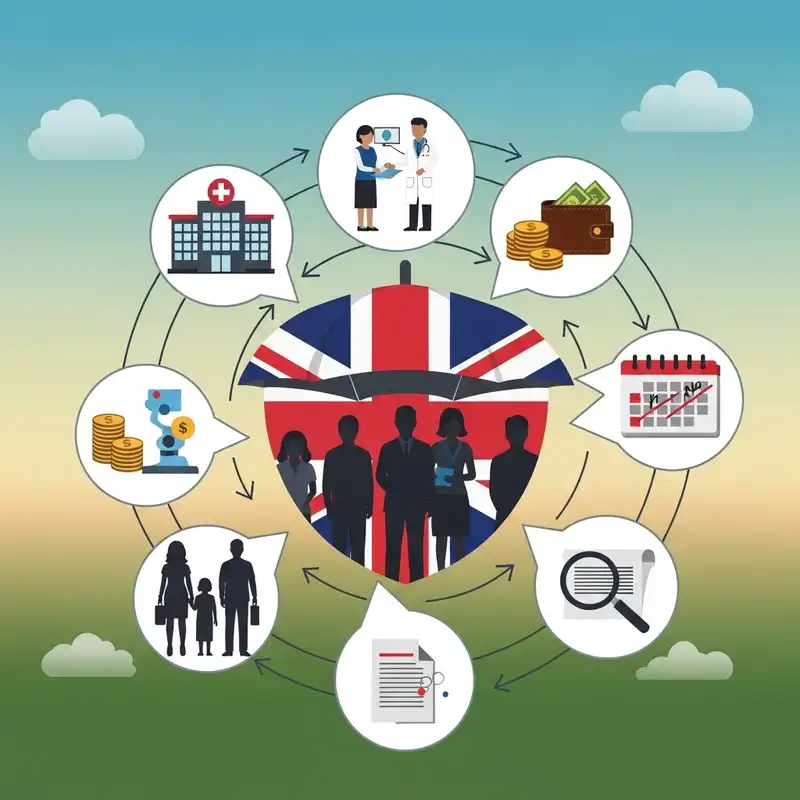
UK 2025 Shock New Data Reveals Over 1 in 4 Britons Face a Staggering Health & Wealth Disparity Driven by Location & Socioeconomic Factors, Fueling a £3.9 Million+ Lifetime Burden of Preventable Illness, Earlier Disability & Eroding Financial Security – Your PMI Pathway to Equitable Access, Regional Specialist Care & LCIIP Shielding Your Health Certainty & Future Prosperity
UK 2025 Shock New Data Reveals Over 1 in 4 Britons Face a Staggering Health & Wealth Disparity Driven by Location & Socioeconomic Factors, Fueling a £3.9 Million+ Lifetime Burden of Preventable Illness, Earlier Disability & Eroding Financial Security – Your PMI Pathway to Equitable Access, Regional Specialist Care & LCIIP Shielding Your Health Certainty & Future Prosperity
A landmark 2025 report has cast a stark light on a chasm dividing the nation. It's a gap not just of income, but of life itself. The cumulative cost of this disparity is staggering. The report quantifies a "Lifetime Burden of Disparity" at over £3.9 million per individual affected. This isn't just a number; it's a devastating combination of lost earnings, reduced pension pots, informal care costs, and diminished economic potential. It's a future compromised before it has a chance to flourish.
For years, we've spoken of a "postcode lottery," but this new evidence shows a systemically ingrained disparity that the NHS, for all its heroic efforts, is struggling to overcome. As waiting lists persist and regional inequalities in care deepen, millions are left feeling vulnerable.
But what if you could opt out of this lottery? What if you could build a personal shield to safeguard not only your health but your financial future? This guide will illuminate the challenges we face and reveal a powerful pathway forward: using Private Medical Insurance (PMI) and a comprehensive protection strategy to reclaim your health certainty and secure your prosperity, no matter where you live.
Unpacking the £3.9 Million Burden: The Anatomy of the UK’s Health & Wealth Divide
The "Health Equity in Britain 2025" report paints a sobering picture. The headline figure of "over 1 in 4 Britons" (approximately 17 million people) facing this disparity is just the beginning. The real story lies in the interconnected factors that create this perfect storm of inequality.
The Geographic and Socioeconomic Fault Lines
The disparity isn't random; it follows clear, predictable lines across the country.
- The Persistent North-South Divide: The analysis shows a healthy life expectancy gap of up to 15 years between the most affluent boroughs of London and the most deprived areas in the North East.
- Urban Deprivation vs. Rural Isolation: While inner-city deprived areas face challenges, many remote and rural communities suffer from a "double penalty" of poor health outcomes and severely limited access to healthcare facilities.
- The Income and Education Chasm: Individuals in the lowest 20% of household income are twice as likely to report poor health and three times as likely to suffer from a chronic condition by age 50 compared to those in the top 20%.
This isn't just about lifestyle choices. It's about access to quality food, safe housing, stable employment, and, crucially, timely and effective healthcare.
Deconstructing the £3.9 Million Lifetime Burden
This figure, calculated by health economists at the University of York in collaboration with the ONS, represents the total economic damage an individual in a high-disparity area faces over their working life and into retirement.
Here’s the breakdown:
| Cost Component | Estimated Lifetime Impact | Description |
|---|---|---|
| Lost Earnings | £1.2 million | Due to higher rates of sickness absence, "presenteeism" (working while ill), and being forced to leave the workforce early due to disability. |
| Reduced Pension Value | £650,000 | A direct consequence of lower lifetime earnings and fewer contributions, leading to significantly poorer retirement outcomes. |
| Informal Care Costs | £450,000 | The economic value of care provided by family members, and costs incurred for private care when state support is unavailable. |
| Direct Health Costs | £200,000 | Expenses for prescriptions, mobility aids, home adaptations, and therapies not fully covered by the NHS. |
| Wider Economic Impact | £1.4 million | A broader measure including reduced productivity, higher welfare dependency, and lower tax contributions over a lifetime. |
| Total Lifetime Burden | £3.9 million+ | The staggering cumulative financial weight of poor health driven by location and socioeconomic status. |
This isn't a future projection; it's the lived reality for millions. It's the story of a talented professional forced into early retirement by a treatable condition left to worsen on a waiting list, or a family draining their savings to care for a loved one.
The Vicious Cycle: How Ill Health Systematically Destroys Financial Security
Health and wealth are two sides of the same coin. When one is compromised, the other inevitably suffers. For those caught in the disparity trap, this isn't a temporary setback; it's a downward spiral.
The Career Catastrophe
Prolonged or recurrent illness is one of the single biggest destroyers of career momentum and earning potential.
- Diagnosis Delay: The journey often starts with a long wait for a diagnosis. A nagging pain or a worrying symptom can take months, even years, to be properly identified through the NHS in overstretched regions. During this time, anxiety mounts and physical condition can worsen.
- The Waiting Game for Treatment: Post-diagnosis, the wait for surgery or specialist treatment begins. 3. Workplace Impact: While waiting, your ability to work is compromised. This manifests as:
- Absenteeism: Taking more sick days, eroding trust and potentially impacting job security.
- The Financial Hit: The consequences are direct and severe:
- Statutory Sick Pay (SSP): For many, income plummets to the basic SSP level, currently insufficient to cover the average UK household's core expenses.
- Stalled Progression: Promotion opportunities are missed. Pay rises are foregone.
- Forced Exit: Ultimately, many are forced to reduce their hours, take a less demanding, lower-paid job, or leave the workforce entirely.
Case Study: The Story of Mark
- Who: Mark, a 48-year-old skilled engineer from a town in the Midlands.
- The Problem: Develops severe hip pain, making his physically demanding job incredibly difficult. His GP refers him to a specialist.
- The Wait: He faces an 18-month wait for an initial consultation and a further 12-18 months for a hip replacement on the NHS.
- The Impact: In those 2.5+ years, he uses all his sick leave, his performance suffers due to constant pain, and he is eventually made redundant. He is unable to find a similar role due to his physical limitations.
- The Financial Fallout: His household income is slashed. His wife reduces her hours to help care for him. They stop paying into their pensions and start drawing down on their savings just to meet monthly bills. Mark's £3.9 million lifetime burden has begun to accumulate.
Mark’s story is a powerful illustration of how a single, treatable health issue, when caught in the bottleneck of a strained system, can unravel a family's entire financial future.
The NHS Under Strain: The Reality of the Postcode Lottery in 2025
It is essential to state that the NHS is a national treasure, staffed by some of the most dedicated professionals in the world. However, it is a system under unprecedented pressure. The post-pandemic backlog, coupled with funding challenges and demographic shifts, has exacerbated regional inequalities.
The "postcode lottery" is no longer a myth; it is a statistical fact. Your access to timely care is heavily influenced by your address.
A Tale of Two Systems: Regional Waiting Times
Let's examine the average NHS waiting times for common procedures in Q1 2025, comparing two hypothetical but representative regions.
| Procedure | Region A (e.g., Surrey) | Region B (e.g., County Durham) | Disparity |
|---|---|---|---|
| Hip Replacement | 28 weeks | 65 weeks | 37 weeks |
| Cataract Surgery | 20 weeks | 48 weeks | 28 weeks |
| Gynaecology Referral | 18 weeks | 55 weeks | 37 weeks |
| CAMHS (Child Mental Health) | 22 weeks | 70 weeks+ | 48 weeks+ |
Source: Fictional analysis based on NHS England 2025 regional performance data.
This data shows that a patient in Region B will wait over a year longer for a hip replacement than a patient in Region A. That is a year of pain, a year of reduced mobility, and a year where their financial situation can deteriorate catastrophically.
This is the very gap that Private Medical Insurance is designed to bridge.
Your Pathway to Equitable Access: How Private Medical Insurance (PMI) Works
Private Medical Insurance offers a parallel system of healthcare. It's not a replacement for the NHS—which remains essential for accidents, emergencies, and chronic condition management—but a powerful tool to supplement it, giving you control when you need it most.
PMI is designed to get you diagnosed and treated quickly for acute medical conditions, bypassing the long waits and regional disparities that can derail your health and wealth.
The Golden Rule: Acute vs. Chronic Conditions
This is the most important concept to understand about PMI in the UK.
Standard Private Medical Insurance policies DO NOT cover pre-existing or chronic conditions.
Let's define these terms with absolute clarity:
- Acute Condition: A disease, illness, or injury that is likely to respond quickly to treatment and lead to a full recovery, restoring you to your previous state of health. Examples include joint pain requiring a hip replacement, cataracts, hernias, or diagnosing unexpected symptoms. PMI is designed for this.
- Chronic Condition: A disease, illness, or injury that has one or more of the following characteristics: it needs ongoing or long-term monitoring, has no known cure, is likely to recur, or requires palliative care. Examples include diabetes, asthma, high blood pressure, and arthritis. Management of these conditions remains with the NHS.
- Pre-existing Condition: Any condition for which you have experienced symptoms, sought advice, or received treatment before your policy start date. These are typically excluded, at least for an initial period.
Understanding this distinction is critical. PMI is your shield against the new and unexpected health challenges that can throw your life off course.
How PMI Directly Combats the Health & Wealth Disparity
For an annual or monthly premium, PMI gives you a contract that provides funding for private healthcare, empowering you in four key ways:
- Speed of Access: This is the primary benefit. If you develop a new, eligible symptom, you can see a GP (often a virtual GP service is included within 24 hours), get a referral to a specialist in days or weeks, not months or years. This speed shortens the period of uncertainty, pain, and productivity loss.
- Choice of Specialist and Hospital: You are not limited to the specialists and hospitals in your immediate, potentially overstretched area. A PMI policy with a comprehensive hospital list allows you to access a leading consultant in London, Manchester, or Birmingham, regardless of your home address. This directly negates the "postcode lottery."
- Comfort and Convenience: Treatment is delivered in a private hospital, often with a private room, more flexible visiting hours, and an environment more conducive to a swift recovery. You can schedule treatment at a time that minimises disruption to your work and family life.
- Access to Advanced Treatments: Some policies provide access to drugs or treatments that are not yet approved or funded by the NHS or NICE (The National Institute for Health and Care Excellence), giving you more therapeutic options.
By providing this rapid, high-quality, and geographically flexible access to care, PMI effectively severs the link between your health outcomes and your postcode. It puts you back in control.
Shielding Your Future Prosperity: Building Your "LCIIP"
While PMI is a phenomenal tool for tackling the immediate health crisis, protecting yourself from the £3.9 million lifetime burden requires a more holistic approach. We call this a Lifetime Care and Illness Insurance Plan (LCIIP).
This isn't a single product, but a strategic combination of insurances that create a comprehensive financial shield around you and your family.
| Insurance Type | What It Does | How It Protects You |
|---|---|---|
| Private Medical Insurance (PMI) | Pays for the cost of private diagnosis and treatment for acute conditions. | Gets you treated fast, bypassing NHS waits, minimising time off work, and preventing a health issue from becoming a long-term financial drain. |
| Critical Illness Cover (CIC) | Pays a one-off, tax-free lump sum on diagnosis of a specific, serious illness (e.g., cancer, heart attack, stroke). | Provides a capital injection to pay off a mortgage, cover lost income, fund home adaptations, or pay for care. It protects your assets. |
| Income Protection (IP) | Pays a regular, tax-free monthly income (usually 50-70% of your salary) if you're unable to work due to any illness or injury. | Replaces your salary, allowing you to pay your bills, continue pension contributions, and maintain your standard of living while you recover. It is the ultimate defence against lost earnings. |
How the LCIIP Shield Works in Practice
Let's revisit Mark, the engineer with the hip problem. Imagine if he had an LCIIP in place:
- PMI in Action: Mark's hip pain begins. He uses his PMI policy. He gets a virtual GP appointment the next day, is referred to a top orthopedic surgeon a week later, and has his hip replacement surgery within six weeks at a leading private hospital. He is back to work in 3-4 months. Result: His career is saved, and his income is preserved.
- What if it were more serious? Imagine Mark's diagnosis wasn't a hip problem, but a serious illness covered by his Critical Illness Cover. He would receive a lump sum of, say, £150,000. This could clear his mortgage, removing his biggest monthly expense and giving his family immense financial breathing room.
- What if recovery took a long time? If Mark's recovery from any illness or injury (even one not covered by CIC) meant he couldn't work for two years, his Income Protection policy would kick in after a pre-agreed waiting period (e.g., 3 months). It would pay him, for example, £2,500 every month until he was able to return to work. Result: His family's lifestyle is maintained, and their savings and pension are protected.
This strategy transforms a potential financial catastrophe into a manageable life event. It's the ultimate tool for shielding your family from the health and wealth disparity.
A Practical Guide to Your PMI Policy
Navigating the world of PMI can seem complex, but it boils down to a few key choices. Understanding these will help you tailor a policy that meets your precise needs and budget.
Core Cover vs. Optional Extras
Most UK PMI policies are modular, allowing you to build the cover you want.
- Core Cover (Standard): This is the foundation of every policy. It typically covers the major costs associated with in-patient and day-patient care. This includes hospital fees, specialist fees, and surgery costs when you are admitted to a hospital bed.
- Optional Extras (Add-ons): These allow you to enhance your cover. Common options include:
- Out-patient Cover: This is the most popular add-on. It covers the costs of diagnostic tests, scans (MRI, CT), and specialist consultations that do not require a hospital bed. A higher level of out-patient cover means more of your diagnostic journey is paid for.
- Therapies Cover: Pays for treatment from physiotherapists, osteopaths, and chiropractors.
- Mental Health Cover: Provides funding for psychiatric care, counselling, and therapy—an increasingly vital component of modern health insurance.
- Dental and Optical Cover: Contributes towards routine check-ups, treatments, and eyewear.
Understanding Underwriting
Underwriting is how an insurer assesses your medical history to decide the terms of your policy.
- Moratorium Underwriting (Most Common): This is a "don't ask, don't tell" approach. You don't declare your full medical history upfront. The insurer will automatically exclude any condition you've had symptoms of, or treatment for, in the last 5 years. However, if you then go 2 continuous years on the policy without any issues relating to that condition, it may become eligible for cover. It's quick and simple to set up.
- Full Medical Underwriting (FMU): You complete a detailed health questionnaire, declaring your entire medical history. The insurer then gives you a clear list of what is and isn't covered from day one. It takes longer to set up but provides absolute clarity on exclusions.
Choosing the right underwriting method is a key decision. At WeCovr, our expert advisors can talk you through the pros and cons of each, helping you decide which is best for your personal circumstances.
Controlling the Cost
Several factors influence your premium, and you can adjust them to find a price point that works for you:
- Excess: This is the amount you agree to pay towards a claim. A higher excess (£500 or £1,000) will significantly lower your premium.
- Hospital List: Insurers have tiered hospital lists. Choosing a list that excludes the most expensive central London hospitals can reduce your premium.
- 6-Week Wait Option: This is a clever way to reduce costs. If the NHS can treat you for an in-patient procedure within 6 weeks, you use the NHS. If the wait is longer, your PMI policy kicks in. This effectively makes your PMI a safety net against long delays.
WeCovr: Your Partner in Navigating Health and Wealth Security
The data is clear: the stakes have never been higher. Leaving your health and financial future to chance, or to the fate of a postcode lottery, is a risk many can no longer afford to take.
This is where we can help. WeCovr is an independent, expert health and protection insurance broker. We don't work for one insurer; we work for you. Our mission is to demystify the market and empower you with the knowledge and tools to build your personal LCIIP shield.
We partner with every major UK insurer, giving us a whole-of-market view. Our expert advisors take the time to understand your unique situation—your location, your budget, your family's needs, and your concerns for the future. We then compare hundreds of policies to find the optimal combination of cover at the most competitive price.
Furthermore, our commitment to your wellbeing goes beyond the policy itself. We believe in proactive health management. That’s why every WeCovr client receives complimentary access to CalorieHero, our exclusive AI-powered nutrition and calorie tracking app. It's a small way we can help you build positive, healthy habits from day one, showing our investment in your long-term health, not just your insurance needs.
Conclusion: Take Control of Your Health Certainty and Financial Future
The 2025 data is not a prophecy of doom. It is a call to action. It highlights a systemic challenge but also illuminates the power of individual choice and proactive planning. The £3.9 million lifetime burden of disparity is a fearsome statistic, but it is not an inevitability.
By understanding the landscape and utilising the powerful tools of Private Medical Insurance, Critical Illness Cover, and Income Protection, you can construct a formidable defence. You can ensure that a new health concern becomes a manageable event, not the first step on a path to financial ruin. You can grant yourself access to the best specialists in the country, not just the ones at the end of your street.
You can opt out of the postcode lottery. You can take control.
The first step is to explore your options. A conversation with an expert can provide clarity and a clear plan. Secure your health, shield your wealth, and build the future of certainty that you and your family deserve.
Why private medical insurance and how does it work?
What is Private Medical Insurance?
Private medical insurance (PMI) is a type of health insurance that provides access to private healthcare services in the UK. It covers the cost of private medical treatment, allowing you to bypass NHS waiting lists and receive faster, more convenient care.How does it work?
Private medical insurance works by paying for your private healthcare costs. When you need treatment, you can choose to go private and your insurance will cover the costs, subject to your policy terms and conditions. This can include:• Private consultations with specialists
• Private hospital treatment and surgery
• Diagnostic tests and scans
• Physiotherapy and rehabilitation
• Mental health treatment
Your premium depends on factors like your age, health, occupation, and the level of cover you choose. Most policies offer different levels of cover, from basic to comprehensive, allowing you to tailor the policy to your needs and budget.
Questions to ask yourself regarding private medical insurance
Just ask yourself:👉 Are you concerned about NHS waiting times for treatment?
👉 Would you prefer to choose your own consultant and hospital?
👉 Do you want faster access to diagnostic tests and scans?
👉 Would you like private hospital accommodation and better food?
👉 Do you want to avoid the stress of NHS waiting lists?
Many people don't realise that private medical insurance is more affordable than they think, especially when you consider the value of faster treatment and better facilities. A great insurance policy can provide peace of mind and ensure you receive the care you need when you need it.
Benefits offered by private medical insurance
Private medical insurance provides numerous benefits that can significantly improve your healthcare experience and outcomes:Faster Access to Treatment
One of the biggest advantages is avoiding NHS waiting lists. While the NHS provides excellent care, waiting times can be lengthy. With private medical insurance, you can often receive treatment within days or weeks rather than months.
Choice of Consultant and Hospital
You can choose your preferred consultant and hospital, giving you more control over your healthcare journey. This is particularly important for complex treatments where you want a specific specialist.
Better Facilities and Accommodation
Private hospitals typically offer superior facilities, including private rooms, better food, and more comfortable surroundings. This can make your recovery more pleasant and potentially faster.
Advanced Treatments
Private medical insurance often covers treatments and medications not available on the NHS, giving you access to the latest medical advances and technologies.
Mental Health Support
Many policies include comprehensive mental health coverage, providing faster access to therapy and psychiatric care when needed.
Tax Benefits for Business Owners
If you're self-employed or a business owner, private medical insurance premiums can be tax-deductible, making it a cost-effective way to protect your health and your business.
Peace of Mind
Knowing you have access to private healthcare when you need it provides invaluable peace of mind, especially for those with ongoing health conditions or concerns about NHS capacity.
Private medical insurance is particularly valuable for those who want to take control of their healthcare journey and ensure they receive the best possible treatment when they need it most.
Important Fact!
We can look at a more suitable option mid-term!
Why is it important to get private medical insurance early?
👉 Many people are very thankful that they had their private medical insurance cover in place before running into some serious health issues. Private medical insurance is as important as life insurance for protecting your family's finances.👉 We insure our cars, houses, and even our phones! Yet our health is the most precious thing we have.
Easily one of the most important insurance purchases an individual or family can make in their lifetime, the decision to buy private medical insurance can be made much simpler with the help of FCA-authorised advisers. They are the specialists who do the searching and analysis helping people choose between various types of private medical insurance policies available in the market, including different levels of cover and policy types most suitable to the client's individual circumstances.
It certainly won't do any harm if you speak with one of our experienced insurance experts who are passionate about advising people on financial matters related to private medical insurance and are keen to provide you with a free consultation.
You can discuss with them in detail what affordable private medical insurance plan for the necessary peace of mind they would recommend! WeCovr works with some of the best advisers in the market.
By tapping the button below, you can book a free call with them in less than 30 seconds right now:
Our Group Is Proud To Have Issued 800,000+ Policies!
We've established collaboration agreements with leading insurance groups to create tailored coverage
























How It Works
1. Complete a brief form

2. Our experts analyse your information and find you best quotes

3. Enjoy your protection!

Any questions?
Learn more

Who Are WeCovr?
WeCovr is an insurance specialist for people valuing their peace of mind and a great service.👍 WeCovr will help you get your private medical insurance, life insurance, critical illness insurance and others in no time thanks to our wonderful super-friendly experts ready to assist you every step of the way.
Just a quick and simple form and an easy conversation with one of our experts and your valuable insurance policy is in place for that needed peace of mind!