UK 2025 Shock New Data Reveals Over 1 in 4
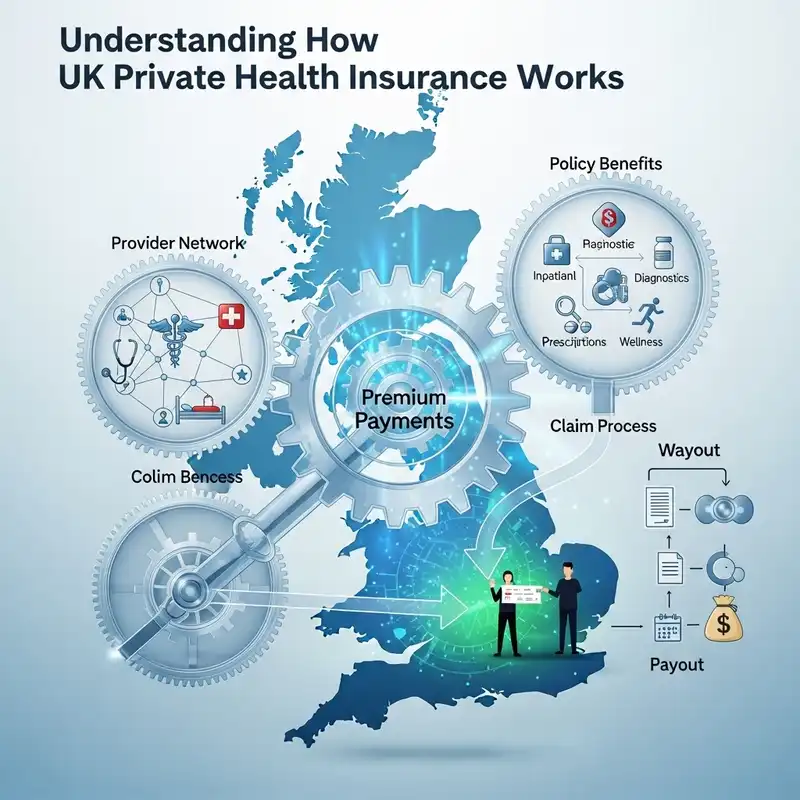
UK 2025 Shock New Data Reveals Over 1 in 4 Britons Carry Unactivated Genetic Risks for Major Chronic Diseases, Fueling a Staggering £2.8 Million+ Lifetime Burden of Preventable Illness, Eroding Quality of Life & Lost Financial Independence – Your PMI Pathway to Advanced Genomic Screening, Precision Prevention & LCIIP Shielding Your Future Health Destiny & Financial Legacy
UK 2025 Shock New Data Reveals Over 1 in 4 Britons Carry Unactivated Genetic Risks for Major Chronic Diseases, Fueling a Staggering £2.8 Million+ Lifetime Burden of Preventable Illness, Eroding Quality of Life & Lost Financial Independence – Your PMI Pathway to Advanced Genomic Screening, Precision Prevention & LCIIP Shielding Your Future Health Destiny & Financial Legacy
The Ticking Time Bomb in Our DNA: A 2025 Wake-Up Call
In the quiet hum of our daily lives, a silent risk lies dormant within millions of us. A groundbreaking 2025 study has just sent a shockwave through the UK's health and financial landscape, revealing a stark new reality: more than one in four Britons are unknowingly carrying unactivated genetic risks for major chronic diseases.
This isn't science fiction. This is the conclusion of the landmark 'UK BioFuture Study 2025', a collaborative effort between the ONS, NHS Digital, and the Wellcome Sanger Institute. The report, published in The Lancet Digital Health, highlights that an estimated 27% of the UK adult population has a significant genetic predisposition to conditions like heart disease, Type 2 diabetes, and certain cancers. These are not destiny; they are vulnerabilities—genetic switches that can be flipped 'on' by lifestyle, environment, and chance.
The personal cost is immeasurable, but the financial toll is staggering. The Health Foundation's latest 'Cost of Preventable Disease Report' estimates the average lifetime burden of a major chronic illness at a jaw-dropping £2.8 million. This figure encompasses everything from lost earnings and private care costs to the immense strain on our NHS. It represents a future of eroded quality of life and a profound loss of financial independence.
But this revelation is not a sentence; it's a profound opportunity. For the first time, we have the power to look into our own biological blueprint and take decisive, preventative action. This guide will illuminate the path forward, exploring how a modern, intelligent approach combining Private Medical Insurance (PMI), advanced genomic screening, and a robust financial shield of Life Insurance, Critical Illness Cover, and Income Protection (LCIIP) can empower you to rewrite your health destiny and secure your financial legacy.
Unpacking the 2025 UK BioFuture Study: What Do These "Unactivated Risks" Mean?
The term "unactivated genetic risk" can sound alarming, but understanding it is the first step toward empowerment. Think of your DNA as a vast library of instruction manuals. A genetic predisposition is like a specific chapter in one of those manuals that contains a potential vulnerability—a misprint or a weak point. It doesn't mean the machine will break, only that it's more susceptible to a fault if placed under the wrong kind of stress.
The UK BioFuture Study 2025 utilised a sophisticated method called Polygenic Risk Scoring (PRS). Unlike older genetic tests that looked for a single "faulty" gene (like BRCA for breast cancer), PRS analyses hundreds or thousands of small genetic variations across your genome to calculate your overall statistical risk for a specific disease compared to the general population.
Key Findings of the Study:
- Prevalence: 27% of UK adults have a high PRS for at least one of the seven major chronic conditions studied.
- Key Conditions: The most common high-risk predispositions were for Coronary Artery Disease, Type 2 Diabetes, and Atrial Fibrillation.
- The Lifestyle Factor: The study powerfully concluded that for individuals with high genetic risk, adopting a healthy lifestyle could reduce their actual lifetime risk of developing the disease by up to 50%.
Your genes load the gun, but your lifestyle pulls the trigger. This data proves that knowledge of your genetic predispositions is not about predicting an inevitable future, but about identifying the battlefield so you can build the strongest possible defences.
Table 1: Common Genetic Predispositions and Associated Conditions
| Genetic Predisposition (High Polygenic Risk Score) | Associated Chronic Disease(s) | Potential "Triggers" (Lifestyle/Environmental Factors) |
|---|---|---|
| Coronary Artery Disease (CAD) | Heart Attack, Angina, Heart Failure | High Cholesterol, High Blood Pressure, Smoking, Sedentary Lifestyle |
| Type 2 Diabetes | Diabetes, Kidney Disease, Nerve Damage | Poor Diet (High Sugar/Processed Foods), Obesity, Lack of Exercise |
| Atrial Fibrillation (AF) | Irregular Heartbeat, Stroke | High Blood Pressure, Obesity, Excessive Alcohol Consumption |
| Inflammatory Bowel Disease | Crohn's Disease, Ulcerative Colitis | Diet, Stress, Gut Microbiome Imbalance |
| Breast/Prostate Cancer | Specific forms of Cancer | Hormonal Factors, Diet, Obesity, Alcohol |
| Alzheimer's Disease | Early- & Late-Onset Dementia | Lack of Cognitive Stimulation, Poor Cardiovascular Health |
The £2.8 Million Question: Calculating the True Lifetime Cost of Chronic Illness
The figure of £2.8 million can seem abstract. How can the cost of getting sick spiral so high? The Health Foundation's 2025 analysis provides a sobering breakdown, revealing that the impact extends far beyond hospital bills. It's a creeping financial catastrophe that dismantles wealth, careers, and future plans.
Let's break down the lifetime financial journey of an individual, "David," diagnosed with a severe heart condition at age 50, forcing him to leave his £60,000-a-year job.
1. Direct Costs (The Immediate Outlay):
- Initial Private Treatment: Procedures not immediately available on the NHS or for a second opinion, such as advanced cardiac imaging and specialist consultations (£15,000 - £30,000).
- Ongoing Medication: Specialist medications not covered by a standard NHS prescription (£2,000 - £5,000 per year).
- Home & Vehicle Adaptations: Modifications to make daily living manageable (£10,000 - £25,000).
- Private Therapies: Cardiac rehabilitation, physiotherapy, and mental health support to cope with the diagnosis (£3,000 - £7,000 per year).
2. Indirect Costs (The Long-Term Financial Drain):
- Lost Income (Individual): David was earning £60,000. Over the 17 years until his state pension age, this represents a gross loss of £1,020,000 in salary alone.
- Lost Pension Contributions: The cessation of employer and personal pension contributions decimates his retirement pot, potentially costing him hundreds of thousands of pounds in his later years.
- Lost Income (Caregiver): David's partner may need to reduce their working hours or leave their job to provide care, further reducing household income by a potential £20,000-£40,000 per year.
- Cost to the NHS: The long-term burden on the state, including GP visits, hospital stays, and standard prescriptions, is estimated by the report to exceed £500,000 over a lifetime.
Table 2: Illustrative Lifetime Cost of a Major Chronic Illness (Diagnosed at 50)
| Cost Category | Description | Estimated Lifetime Cost |
|---|---|---|
| Direct Medical & Care | Private treatments, ongoing medication, therapies. | £150,000+ |
| Adaptations | Home, car, and lifestyle modifications. | £25,000+ |
| Lost Earnings (Individual) | Based on average UK salary until retirement. | £800,000 - £1.5M+ |
| Lost Earnings (Carer) | Partner reducing or stopping work. | £300,000 - £600,000+ |
| Lost Pension Value | Impact on retirement savings from lost contributions. | £250,000 - £500,000+ |
| NHS Burden | The cost absorbed by the public healthcare system. | £500,000+ |
| TOTAL ESTIMATED BURDEN | A conservative calculation. | £2,025,000 - £2,825,000+ |
This staggering financial reality underscores a critical point: relying solely on the NHS and state benefits in the face of a life-changing illness is no longer a viable plan for maintaining your family's financial stability.
Knowledge is Power: How Advanced Genomic Screening is Changing the Game
For decades, healthcare has been reactive. We wait for symptoms to appear, then seek a diagnosis and treatment. The revolution heralded by the UK BioFuture Study is the shift to proactive, preventative healthcare, and advanced genomic screening is the key that unlocks it.
This is not the same as the direct-to-consumer ancestry tests you see advertised online. Clinical-grade genomic screening, often facilitated through premium Private Medical Insurance (PMI) policies, provides a comprehensive, medically-validated analysis of your Polygenic Risk Scores. It’s a tool for your doctor, not just a curiosity.
How does PMI give you access?
Leading UK insurers have recognised this preventative shift. By 2025, many top-tier PMI plans have evolved beyond simply covering treatment. They now actively invest in their members' long-term health by including benefits such as:
- Preventative Genomic Screening: Covering the cost of a clinical-grade test to identify genetic predispositions.
- Follow-up Consultations: Providing access to genetic counsellors and specialists to interpret the results and create a personalised health plan.
- Enhanced Screening Pathways: Funding earlier or more frequent screenings (e.g., mammograms, colonoscopies) if a high genetic risk is identified.
This access is transformative. It moves you from the standard "one-size-fits-all" public health pathway to a bespoke health journey tailored to your unique biology.
Table 3: NHS Standard Pathway vs. PMI-Enabled Precision Prevention
| Feature | Standard NHS Pathway | PMI-Enabled Precision Prevention Pathway |
|---|---|---|
| Genetic Risk Assessment | Limited to specific, high-risk family histories (e.g., BRCA). | Broad genomic screening available as a preventative benefit. |
| Health Screening | Age-based (e.g., bowel screening from 60, mammograms from 50). | Risk-based (e.g., earlier screening if a high genetic risk is found). |
| Lifestyle Advice | Generalised "eat well, exercise more" guidance. | Precision prevention: targeted diet (nutrigenomics) and exercise plans. |
| Specialist Access | Long waiting lists for consultations and diagnostics. | Fast-track access to specialists and advanced imaging. |
| Approach | Reactive: Treat illness after symptoms appear. | Proactive: Prevent illness before it starts. |
Real-Life Scenario: Sarah's Story
Sarah, a 42-year-old marketing director in Manchester, had no family history of heart disease. Through her company's PMI policy, she opted for the included genomic screening benefit. The results were a shock: she had a very high Polygenic Risk Score for Coronary Artery Disease.
Her PMI provider immediately funded a consultation with a private cardiologist and a genetic counsellor. They explained that while her genes made her vulnerable, she had immense power to counteract the risk. Her personalised plan included:
- Switching to a Mediterranean diet rich in specific fatty acids.
- Starting a targeted exercise regime focused on cardiovascular health.
- A prescription for a low-dose statin years earlier than it would ever have been offered on the NHS.
- An annual advanced cardiac check-up, funded by her PMI.
Sarah hasn't been diagnosed with a disease. She has been gifted with the knowledge to prevent one. This is the new frontier of health, and PMI is the passport.
From Prediction to Precision Prevention: Your Action Plan
Receiving a report detailing your genetic risks can be daunting. But the goal is not to create anxiety; it is to create an action plan. This is where precision prevention comes in—the art and science of tailoring your lifestyle to counter your specific genetic weak spots.
1. Master Your Diet (Nutrigenomics): This emerging field studies how your specific genes respond to different foods. A genomic report can provide insights like:
- How efficiently your body processes fats, carbohydrates, and proteins.
- Your genetic predisposition to vitamin deficiencies (e.g., B12, Vitamin D).
- Your sensitivity to salt's effect on blood pressure or caffeine's effect on sleep.
This allows you to move beyond generic dietary advice and build a nutritional plan that is optimised for your body. To make this easier, we believe in providing our clients with every possible advantage. As part of our commitment to your long-term health, at WeCovr we provide complimentary access to CalorieHero, our proprietary AI-powered nutrition app. It helps you effortlessly track your intake and apply the crucial dietary changes recommended by your health professionals.
2. Optimise Your Exercise: Your genes can also influence how your body responds to different types of physical activity. Some people may get more cardiovascular benefit from High-Intensity Interval Training (HIIT), while others with a predisposition to joint inflammation might be better suited to low-impact activities like swimming or cycling. A precision plan helps you exercise smarter, not just harder.
3. Embrace Proactive Screening: Knowledge of a high genetic risk is a powerful mandate for vigilance.
- High risk for colon cancer? Your specialist may recommend a colonoscopy at 40 instead of waiting for the national screening programme at 60.
- High risk for heart disease? Your GP and cardiologist will monitor your cholesterol and blood pressure more aggressively and frequently.
- High risk for glaucoma? You’ll know to have more regular, comprehensive eye exams.
4. Utilise Your PMI Wellness Benefits: Modern PMI policies are packed with tools to help you on this journey:
- Virtual GP services: For quick advice and referrals.
- Mental health support: To help manage the psychological impact of your health journey.
- Nutritionist and lifestyle coaching services: To help you translate your plan into daily habits.
The Financial Shield: Why LCIIP is the Cornerstone of Your Future Security
Preventative health is your first line of defence. A robust financial safety net is your second, and it's non-negotiable. Even with the best prevention plan, illness can still strike. That is where Life Insurance, Critical Illness Cover, and Income Protection (LCIIP) form an impenetrable shield for your finances.
These are not "death policies"; they are "life policies," designed to ensure that a health crisis does not become a financial crisis.
1. Critical Illness Cover: The Financial First Responder
- What it does: Pays out a tax-free lump sum on the diagnosis of a specified serious illness (e.g., heart attack, stroke, cancer).
- How it helps: This money provides immediate breathing room. It can be used for anything:
- Covering the direct costs of private treatment.
- Paying off your mortgage to eliminate your biggest monthly expense.
- Adapting your home.
- Replacing a partner's income if they need to stop work to care for you.
- Simply reducing financial stress so you can focus 100% on your recovery.
2. Income Protection: Your Monthly Salary Safeguard
- What it does: If you are unable to work due to illness or injury, this policy pays you a regular, tax-free monthly income (typically 50-70% of your gross salary).
- How it helps: This is arguably the most vital protection for anyone of working age. It ensures that your core financial life continues uninterrupted. You can still pay your bills, buy groceries, and fund your lifestyle. It protects your independence and prevents you from becoming a financial burden on your family.
3. Life Insurance: The Legacy Protector
- What it does: Pays out a lump sum to your loved ones if you pass away.
- How it helps: It ensures that your family is not left with debts like a mortgage, and provides the funds for them to maintain their standard of living, cover children's education costs, and navigate the future without financial hardship.
Table 4: LCIIP in Action - How the Financial Shield Works
| Scenario | Challenge | How Critical Illness Cover Helps | How Income Protection Helps | How Life Insurance Helps |
|---|---|---|---|---|
| Cancer Diagnosis | Need to stop work for 12 months for treatment. High stress. | Provides a £100,000 lump sum to clear debts and pay for private care. | Replaces £2,500 of monthly income, covering all household bills. | Not triggered |
| Heart Attack | Unable to return to a high-stress job. Need to retrain. | Provides a £75,000 lump sum to adapt lifestyle and fund retraining. | Pays a monthly income while you are unable to work. | Not triggered |
| Terminal Diagnosis | The worst-case scenario. | May pay out early if policy includes terminal illness benefit. | May pay out until the end of the claim period. | Provides a £350,000 payout to the family to secure their future. |
Getting this cover in place before any health issues arise is paramount. A diagnosis—or even just symptoms—can make cover more expensive or, in some cases, impossible to obtain.
Navigating the Market: How to Find the Right PMI and Protection Policies
The world of insurance can seem complex, filled with jargon and fine print. This is not a journey you should take alone. Choosing the right policy is as important as the decision to get covered in the first place.
This is where working with an expert, independent broker becomes invaluable. At WeCovr, we specialise in demystifying this process. Our role is not to sell you a policy, but to understand your unique situation—your health, your family, your finances, and your goals—and then search the entire market to find the perfect solution. We compare policies from all the UK's leading insurers, including Aviva, Bupa, Axa, Legal & General, and Vitality, ensuring you get the most comprehensive cover at the most competitive price.
The Impact of Genetic Information on Insurance Underwriting
It's a common and valid question: "If I take a genetic test, will I have to disclose the results and be unable to get insurance?"
The UK has a clear and robust agreement in place to protect consumers: The Code on Genetic Testing and Insurance.
- You cannot be forced to take a genetic test by an insurer to get cover.
- For most policies, you do not have to disclose the result of a predictive genetic test. An insurer cannot ask for it, and it will not affect your application.
- The major exception is for very high-value life insurance policies (currently over £500,000), and even then, only for the result of a test for Huntington's Disease.
- Crucially, this protection applies to predictive tests. If you have taken a test and it has led to a formal diagnosis of a condition, or you are receiving treatment or surveillance, you must disclose this.
This framework is designed to encourage people to use preventative genetic information for their health without fear of being penalised when seeking financial protection. It makes the case for acting now even stronger: secure your protection policies based on your current health, and then use the tools available through PMI to investigate your genetic risks and build your prevention plan.
Table 5: Key Questions to Ask When Comparing Insurance Policies
| Policy Type | Key Questions to Ask Your Broker |
|---|---|
| Private Medical Insurance (PMI) | Does the policy include preventative benefits like genomic screening? What are the outpatient limits? Which hospital network is included? Is there a no-claims discount? |
| Critical Illness Cover | How many conditions are covered? Are there partial payments for less severe conditions? What are the exact definitions for major conditions like heart attack and cancer? |
| Income Protection | Is the definition 'Own Occupation'? What is the deferment period (how long until it pays out)? How long will the policy pay out for (e.g., 2 years, or until retirement)? |
| Life Insurance | Is the cover 'Level' or 'Decreasing'? Is it written 'in trust' to avoid inheritance tax and probate delays? Is Terminal Illness Cover included as standard? |
Conclusion: Taking Control of Your Health Destiny and Financial Legacy
The revelations of 2025 have drawn a new map of health and risk for every person in the UK. The knowledge that over a quarter of us walk around with a latent, unactivated genetic risk for serious illness is not a reason for fear. It is a call to arms—a call for proactive, intelligent, and decisive action.
We stand at a unique crossroads in history where science has given us the ability to peer into our future risk, and a mature financial services market has provided the tools to defend against it.
The path forward is clear:
- Acknowledge the Risk: Understand that your health is your greatest asset, and it faces hidden threats.
- Seek Knowledge: Leverage the power of modern Private Medical Insurance to access advanced genomic screening and understand your personal risk profile.
- Act Decisively: Use that knowledge to build a precision prevention plan, making targeted changes to your lifestyle that can dramatically lower your real-world risk.
- Build Your Shield: Secure a comprehensive financial safety net of Life Insurance, Critical Illness Cover, and Income Protection to ensure that if illness does strike, it doesn't destroy your family's financial wellbeing.
Don't wait for a "what if" to become a devastating "what now." The power to influence your long-term health and secure your financial future is in your hands today. Our team of expert advisors at WeCovr is ready to guide you through every step of this journey, helping you build a comprehensive shield for your health and your wealth, empowering you to face the future with confidence and security.
Why life insurance and how does it work?
What is Life Insurance?
Life insurance is an insurance policy that can provide financial support for your loved ones when you or your joint policy holder passes away. It can help clear any outstanding debts, such as a mortgage, and cover your family's living and other expenses such costs of education, so your family can continue to pay bills and living expenses. In addition to life insurance, insurance providers offer related products such as income protection and critical illness, which we will touch upon below.How does it work?
Life insurance pays out if you die. The payout can be in the form of a lump sum payment or can be paid as a replacement for a regular income. It's your decision how much cover you'd like to take based on your financial resources and how much you'd like to leave to your family to help them deal with any outstanding debts and living expenses. Your premium depends on a number of factors, including your occupation, health and other criteria.The payout amount can change over time or can be fixed. A level term or whole of life policy offers a fixed payout. A decreasing term policy offers a payout that decreases over the term of the cover.
With critical illness policies, a payout is made if you’re diagnosed with a terminal illness with a remaining life expectancy of less than 12 months. While income protection policies ensure you can continue to meet your financial commitments if you are forced to take an extended break from work. If you can’t work because you’ve had an accident, fallen sick, or lost your job through no fault of your own, income protection insurance pays you an agreed portion of your salary each month.
Income protection is particularly helpful for people in dangerous occupations who want to be sure their mortgage will always be covered. Income protection only covers events beyond your control: you’re much less likely to be covered if you’re fired from your job or if you injure yourself deliberately.
Questions to ask yourself regarding life insurance
Just ask yourself:👉 Who would pay your mortgage or rent if you were to pass away or fall seriously ill?
👉 Who would pay for your family’s food, clothing, study fees or lifestyle?
👉 Who would provide for the costs of your funeral or clear your debts?
👉 Who would pay for your costs if you're unable to work due to serious illness or disability?
Many families don’t realise that life, income protection and critical illness insurance is one of the most effective ways to protect their finances. A great insurance policy can cover costs, protect a family from inheriting debts and even pay off a mortgage.
Many would think that the costs for all the benefits provided by life insurance, income protection insurance or critical illness insurance are too high, but the great news is in the current market policies are actually very inexpensive.
Benefits offered by income protection, life and critical illness insurance
Life insurance, income protection and critical illness insurance are indispensable for every family because a child loses a parent every 22 minutes in the UK, while every single day tragically 60 people suffer major injuries on the UK roads. Some people become unable to work because of sickness or disability.Life insurance cover pays out a lump sum to your family, loved ones or whomever you choose to get the money. This can be used to secure the financial future of your loved ones meaning they would not have to struggle financially in the event of your death.
If it's a critical illness cover, the payout happens sooner - upon diagnosis of a serious illness, disability or medical condition, easing the financial hardship such an event inevitably brings.
Income protection insurance can be very important for anyone who relies on a pay check to cover their living costs, but it's especially important if you’re self-employed or own a small business, where your employment and income is a bit less stable. It pays a regular income if you can't work because of sickness or disability and continues until you return to paid work or you retire.
In a world where 1 in 4 of us would struggle financially after just four weeks without work, the stark reality hits hard – a mere 7% of UK adults possess the vital shield of income protection. The urgency of safeguarding our financial well-being has never been more palpable.
Let's face it – relying on savings isn't a solution for everyone. Almost 25% of people have no savings at all, and a whopping 50% have £1,000 or less tucked away. Even more concerning, 51% of Brits – that's a huge 27 million people – wouldn't last more than one month living off their savings. That's a 10% increase from 2022.
And don't even think about state benefits being a safety net. The maximum you can expect from statutory sick pay is a mere £109.40 per week for up to 28 weeks. Not exactly a financial lifeline, right?
Now, let's tackle a common objection: "But I have critical illness insurance. I don't need income protection too." Here's the deal – the two policies apply to very different situations. In a nutshell:
- Critical illness insurance pays a single lump sum if you're diagnosed with or undergo surgery for a specified potentially life-threatening illness. It's great for handling big one-off expenses or debts.
- Income protection, on the other hand, pays a percentage of your salary as a regular payment if you can't work due to illness or injury. It's the superhero that tackles those relentless monthly bills.
Types of life insurance policies
Common reasons for getting a life insurance policy are to:✅ Leave behind an amount of money to keep your family comfortable
✅ Protect the family home and pay off the mortgage in full or in part
✅ Pay for funeral costs
Starting from as little as a couple of pounds per week, you can do all that with a Life Policy.
Level Term Life Insurance
One of the simplest forms of life insurance, level term life insurance works by selecting a length of time for which you would want to be covered and then deciding how much you would like your loved ones to receive should the worst happen. Should your life insurance policy pay out to your family, it would be in a lump sum amount that can be used in whatever way the beneficiary may wish.
Decreasing Term Life Insurance
Decreasing term life insurance works in the same way as level term, except the lump sum payment amount upon death decreases with time. The common use for decreasing term life cover is to protect against mortgage repayment as the lump sum decreases along with the principal of the mortgage itself.
Increasing Term Life Insurance
Increasing term life insurance aims to pay out a cash sum growing each year if the worst happens while covered by the policy. With increasing term life cover amount insured increases annually by a fixed amount for the length of the policy. This can protect your policy's value against inflation, which could be advantageous if you’re looking to maintain your loved ones’ living standards, continue paying off your mortgage in line with its repayment schedule and cover your children’s education fees.
Whole of Life Insurance
Whereas term life insurance policies only pay out if you pass away during their term, whole of life insurance pays out to your beneficiaries whenever this should happen. The most common uses for whole life insurance are to cover the costs of a funeral or as a vehicle for your family's inheritance tax planning.
Family Income Benefit
Family income benefit is a somewhat lesser-known product in the family of life insurance products. Paying out a set amount every month of year to your beneficiaries, it is the most cost-effective way of maintaining your family's living standards to an age where you'd expect them to be able to support themselves financially. The most common use would be for a family with children who are not working yet so are unable to take care of themselves financially.
Relevant Life Insurance
Relevant Life Insurance is a tax-efficient policy for a director or single employee. A simple level term life insurance product, it is placed in a specific trust to ensure its tax efficiency. The premiums are tax deductible and any benefit payable should a claim arise is also paid out tax free, which makes it an attractive product for entrepreneurs and their businesses.
Important Fact!
We can look at a more suitable option mid-term!
Why is it important to get life insurance early?
👉 Many people are very thankful that they had their life, income protection, and critical illness insurance cover in place before running into some serious issues. Critical illness and income protection insurance is as important as life insurance for protecting your family's finances.👉 We insure our cars, houses, bicycles and even bags! Yet our life and health are the most precious things we have.
Easily one of the most important insurance purchases an individual or family can make in their lifetime, the decision to buy life, income protection, critical illness and private medical health insurance can be made much simpler with the help of FCA-authorised advisers. They are the specialists who do the searching and analysis helping people choose between various types of life insurance policies available in the market, including income protection, critical illness and other types of policies most suitable to the client's individual circumstances.
It certainly won't do any harm if you speak with one of our experienced FCA-authorised insurance partner experts who are passionate about advising people on financial matters related to life insurance and are keen to provide you with a free consultation.
You can discuss with them in detail what affordable life, income protection, critical illness or private medical health insurance plan for the necessary peace of mind they would recommend! WeCovr works with some of the best advisers in the market.
By tapping the button below, you can book a free call with them in less than 30 seconds right now:
Our Group Is Proud To Have Issued 800,000+ Policies!
We've established collaboration agreements with leading insurance groups to create tailored coverage
























How It Works
1. Complete a brief form

2. Our experts analyse your information and find you best quotes

3. Enjoy your protection!

Any questions?
Learn more

Who Are WeCovr?
WeCovr is an insurance specialist for people valuing their peace of mind and a great service.👍 WeCovr will help you get your private medical insurance, life insurance, critical illness insurance and others in no time thanks to our wonderful super-friendly experts ready to assist you every step of the way.
Just a quick and simple form and an easy conversation with one of our experts and your valuable insurance policy is in place for that needed peace of mind!