UK Autoimmune Crisis
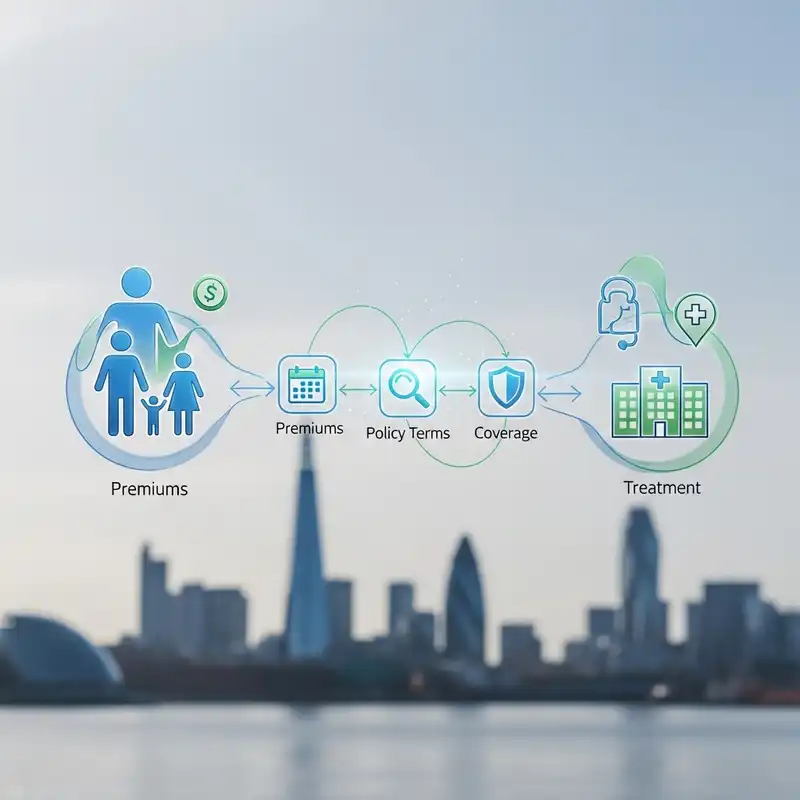
UK 2025 Shock New Data Reveals Over 4 Million Britons Battle Autoimmune Diseases, Fueling a Staggering £4.1 Million+ Lifetime Burden of Misdiagnosis, Chronic Pain, Unfunded Specialist Care & Eroding Quality of Life – Is Your PMI Pathway Your Urgent Access to Rapid Diagnosis & Integrated Specialist Support
The United Kingdom is in the grip of a silent, escalating health crisis. It doesn't always make the primetime news, but it's being felt in millions of homes, workplaces, and GP surgeries across the country. New data projections for 2025 reveal a startling reality: over 4 million people in the UK are now living with one or more autoimmune diseases.
This isn't just a statistic. It represents a vast and growing number of individuals navigating a complex and often painful journey. Conditions like Rheumatoid Arthritis, Multiple Sclerosis, Lupus, and Coeliac Disease are becoming household names for all the wrong reasons.
The personal cost is immense. But the financial toll, a lifetime burden of care, cost, and lost opportunity, is equally staggering. For those with severe, early-onset conditions, this burden can exceed a shocking £4.1 million over a lifetime. This figure isn't a single medical bill; it's the crushing accumulation of delayed diagnosis, chronic pain management, unfunded specialist treatments, necessary home adaptations, mental health support, and, most significantly, a lifetime of lost earnings and career potential.
For the millions caught in this web, the path through the NHS, while staffed by dedicated professionals, can feel like a labyrinth of waiting lists and uncertainty. The critical window for early diagnosis and intervention—the period that can dramatically alter the course of a disease—is often missed.
This is where the conversation must turn to proactive solutions. How can you, your family, or your employees bypass the diagnostic bottleneck? The answer may lie in a pathway that offers speed, choice, and control: Private Medical Insurance (PMI). This guide will unpack the scale of the UK's autoimmune crisis, demystify the true lifetime cost, and explore how PMI can serve as an urgent, vital tool for securing rapid diagnosis and the integrated specialist support you need when it matters most.
The Hidden Epidemic: Unpacking the UK's 2025 Autoimmune Disease Statistics
The term "autoimmune disease" covers over 80 different conditions where the body's immune system, designed to fight off invaders like viruses, mistakenly attacks its own healthy cells and tissues. This internal friendly fire can affect almost any part of the body, from joints and skin to vital organs and the nervous system.
immunology.org/), the number of affected Britons has now surpassed the 4 million mark. To put that in perspective, it's more than the entire population of Wales.
This isn't a static problem; it's a rapidly growing one. Research published in journals like The Lancet has shown a significant rise in the incidence of autoimmune conditions over the past few decades. While genetics play a role, experts believe environmental factors, modern dietary habits, and the "hygiene hypothesis"—which suggests that overly sterile environments can lead to an undertrained immune system—are key drivers of this increase.
Common Autoimmune Conditions in the UK
While there are many autoimmune diseases, a few account for the majority of cases in the UK. Understanding their prevalence and common symptoms highlights the scale of the diagnostic challenge.
| Disease | Estimated UK Sufferers (2025) | Key Symptoms & What is Attacked |
|---|---|---|
| Rheumatoid Arthritis (RA) | ~720,000 | Joint lining (synovium), causing painful swelling, stiffness, and fatigue. |
| Type 1 Diabetes | ~420,000 | Insulin-producing cells in the pancreas. Leads to high blood sugar. |
| Coeliac Disease | ~700,000 (1 in 100 people) | Lining of the small intestine, triggered by gluten. Causes digestive issues. |
| Multiple Sclerosis (MS) | ~135,000 | Myelin sheath protecting nerve fibres in the brain and spinal cord. |
| Lupus (SLE) | ~55,000 | Can affect joints, skin, kidneys, blood cells, brain, heart, and lungs. |
| Psoriasis / Psoriatic Arthritis | ~1.8 Million (Psoriasis) | Skin cells (Psoriasis) and joints (Psoriatic Arthritis). |
| Hashimoto's Thyroiditis | ~1 in 15 women | Thyroid gland, leading to an underactive thyroid (hypothyroidism). |
The challenge with these conditions is that their early symptoms—fatigue, general aches, brain fog, digestive upset—are often vague and can be mistaken for stress, lifestyle factors, or other less serious illnesses. This is where the long and painful journey of misdiagnosis often begins.
The £4.1 Million Lifetime Burden: More Than Just a Medical Bill
The headline figure of a £4.1 million lifetime burden seems astronomical, and it's important to understand how such a cost can accumulate. This is not the reality for every person with an autoimmune disease, but it represents a plausible, devastating financial trajectory for someone diagnosed with a severe, debilitating condition like aggressive Multiple Sclerosis or Rheumatoid Arthritis in their 20s or 30s.
This figure is a combination of direct costs, indirect costs, and lost opportunities. Let's break down how this "lifetime burden" is calculated in a high-impact scenario.
A Hypothetical Breakdown of the Lifetime Burden
Consider a 30-year-old professional with a promising career, earning slightly above the national average, who is diagnosed with a severe form of autoimmune disease.
| Cost Category | Description | Potential Lifetime Cost |
|---|---|---|
| Lost Earnings | Reduced working hours, career stagnation, or early retirement over a 35-year working life. | £1,500,000 - £2,500,000+ |
| Private Specialist Care | Out-of-pocket costs for consultations, treatments, and therapies not readily available on the NHS. | £250,000 - £500,000 |
| Home & Vehicle Adaptations | Modifications for mobility, such as ramps, stairlifts, wet rooms, and adapted vehicles. | £100,000 - £250,000 |
| Daily Living Aids & Consumables | Wheelchairs, mobility scooters, specialised equipment, and ongoing medical supplies. | £75,000 - £150,000 |
| Private Mental Health Support | Ongoing therapy (CBT, counselling) to manage the psychological impact of chronic illness. | £50,000 - £100,000 |
| Informal Care Costs | The economic value of care provided by family members who may have to reduce their own work hours. | £500,000 - £1,000,000+ |
| TOTAL POTENTIAL BURDEN | (Illustrative High-Impact Scenario) | £2,475,000 - £4,500,000+ |
How the Costs Escalate:
- Lost Earnings: This is the single largest factor. An individual who might have reached a senior management position with a six-figure salary may be forced to switch to a less demanding, lower-paid role, work part-time, or stop working altogether. The cumulative loss over 30-40 years is enormous.
- The Diagnostic Odyssey: Before a diagnosis is even reached, a patient might spend years visiting GPs, trying ineffective treatments, and taking time off work for appointments and due to sickness. This initial period of lost productivity and out-of-pocket expenses for minor therapies can run into thousands.
- Unfunded and Underfunded Care: While the NHS provides excellent core care, access to specific treatments like hydrotherapy, specialist physiotherapy, or novel biologic drugs can be restricted by 'postcode lotteries' or long waits. Patients often turn to the private sector, funding this care themselves at a significant cost.
- The Mental Toll: Living with chronic pain and uncertainty has a profound psychological impact. The cost of private counselling or therapy to cope with the anxiety, depression, and grief that often accompany a chronic diagnosis is a significant and necessary expense.
While the £4.1 million figure represents a severe outcome, even for those with more manageable conditions, the lifetime financial impact from lost workdays, prescription costs, and supplementary therapies can easily run into the tens or even hundreds of thousands of pounds.
The NHS Pathway: Navigating the Waiting Lists & Diagnostic Maze
The National Health Service is a cornerstone of British society, and its healthcare professionals work tirelessly. However, the system is under unprecedented strain, and for patients with suspected autoimmune diseases, this strain translates into a long and frustrating journey.
As of 2025, the challenge is clear:
- GP Appointments: Getting a timely appointment can take weeks, delaying the first crucial step.
- Referral Waiting Times: The wait to see a specialist is a significant bottleneck. england.nhs.uk/statistics/statistical-work-areas/rtt-waiting-times/), the median wait time for a first appointment in specialties like Rheumatology or Neurology can be many months. The target of seeing 92% of patients within 18 weeks is consistently missed in many trusts.
- Diagnostic Test Delays: Even after seeing a specialist, there are further waits for essential diagnostic tools like MRI scans, ultrasounds, and specific, complex blood tests.
This process is often called the "diagnostic odyssey." Let’s walk through a common scenario:
- Initial Symptoms: A patient experiences persistent fatigue, joint pain, and a rash.
- First GP Visit: The GP, seeing these non-specific symptoms, might initially suspect a viral infection or stress. They advise rest and over-the-counter painkillers.
- Symptoms Worsen: Weeks or months later, the symptoms are worse. A second GP visit results in a basic blood test.
- Unclear Results: The initial bloods may not show a clear marker. The patient is told to "watch and wait."
- The Tipping Point: The patient suffers a major flare-up. The GP finally makes a referral to a rheumatologist.
- The Long Wait: The patient joins a 9-month waiting list for a specialist appointment. During this time, their condition may worsen, impacting their ability to work and live normally.
- Specialist & Diagnosis: Finally, the rheumatologist sees them, orders the correct, specific tests, and confirms a diagnosis of Lupus.
In this typical scenario, over a year can pass between the onset of symptoms and a definitive diagnosis. This is more than just a frustrating wait; it's a period where irreversible joint or organ damage can occur, making the condition harder to manage in the long term.
The PMI Advantage: Your Urgent Pathway to Clarity and Care
This is where Private Medical Insurance (PMI) fundamentally changes the narrative. It's not about replacing the NHS; it's about providing a parallel, accelerated pathway for the most critical phase of any illness: diagnosis.
PMI empowers you to bypass the bottlenecks in the system, giving you immediate control over your health journey when you feel most vulnerable.
1. Rapid Diagnosis: From Weeks to Days
The core benefit of PMI for a suspected autoimmune condition is speed.
- Fast-Track GP Access: Most policies include access to a virtual or private GP, often available within 24 hours. You can discuss your symptoms at length without feeling rushed.
- Swift Specialist Referrals: A private GP can provide an open referral, allowing you to choose a leading consultant in the relevant field—be it a rheumatologist, neurologist, or endocrinologist. You can often secure an appointment within a matter of days, not months.
- Prompt Advanced Diagnostics: The specialist can immediately request the necessary tests. An MRI, CT scan, or complex immunological blood panel that might have a months-long wait on the NHS can often be completed within a week.
This acceleration means a diagnostic journey that takes over a year on the NHS can be compressed into just two or three weeks through a PMI pathway. This speed is invaluable for starting the right treatment and preventing long-term damage.
2. Integrated Specialist Support and Choice
Beyond speed, PMI offers choice and a more integrated approach to your initial care.
- Choice of Specialist and Hospital: You are not limited by your local trust. You can choose to see a nationally recognised expert at a hospital known for its excellence in treating autoimmune conditions.
- Access to a Multi-Disciplinary Team: Private hospitals often provide seamless access to physiotherapists, occupational therapists, and dietitians as part of your initial diagnostic and treatment planning phase.
- Mental Health Support: Many comprehensive PMI policies include cover for mental health, providing access to counsellors or psychologists to help you process the emotional impact of your diagnosis—a critical but often overlooked part of care.
The Critical Caveat: The Unbreakable Rule of Chronic & Pre-existing Conditions
This is the single most important point to understand about PMI in the UK. It must be stated with absolute clarity:
Standard Private Medical Insurance is designed to cover acute conditions that arise after your policy begins. It does not cover the long-term management of chronic conditions. Autoimmune diseases are, by definition, chronic.
What does this mean in practice?
- PMI is for the diagnosis: Your policy is your key to getting a fast, definitive answer for new symptoms. It will cover the consultations, scans, and tests needed to identify the problem.
- PMI covers initial treatment: It may also cover the initial stages of treatment to stabilise the condition.
- Long-term management reverts to the NHS: Once your autoimmune disease is diagnosed and you are on a stable treatment plan, it becomes a recognised chronic condition. The ongoing, routine management—repeat prescriptions, regular check-ups, long-term monitoring—will typically no longer be covered by your PMI policy and will revert to the care of the NHS or be self-funded.
Think of PMI as the A&E and acute diagnostic unit of your healthcare. It’s there for the urgent, unforeseen event. The long-term, ongoing care for a chronic condition is the domain of a GP and specialist NHS clinics. Understanding this distinction is vital to having the right expectations and using your policy effectively.
At WeCovr, we make this distinction crystal clear to all our clients. Our role as expert brokers is not just to sell a policy, but to ensure you understand exactly what it does—and doesn't—cover.
Demystifying Health Insurance for Autoimmune Concerns: A Practical Guide
If you're considering PMI to safeguard against the uncertainty of a potential autoimmune diagnosis, it's crucial to know what to look for. Not all policies are created equal, and the small print matters.
What to Look for in a Policy
- Comprehensive Outpatient Cover: This is the most important feature. Ensure your policy has a high limit (or full cover) for specialist consultations and diagnostic tests that don't require a hospital stay. This is the engine of your rapid diagnosis.
- Guided vs. Non-Guided Consultant Lists: Some policies offer a 'guided' option where the insurer provides a list of pre-approved specialists, which can lower premiums. Others give you complete freedom to choose any consultant. Consider which is right for you.
- Strong Hospital List: Check that the policy's hospital list includes facilities with renowned centres for rheumatology, neurology, and immunology.
- Mental Health Add-On: Given the psychological toll of these conditions, we strongly recommend including mental health cover.
- Therapies Cover: Look for generous limits on physiotherapy, osteopathy, and other therapies that can be crucial in the early stages of managing conditions like arthritis or MS.
Comparing Key PMI Features for Diagnostics
The level of diagnostic cover you get is directly related to the tier of policy you choose.
| Feature | Basic 'Inpatient Only' Policy | Mid-Range Policy | Comprehensive Policy |
|---|---|---|---|
| Specialist Consultations | Not covered or very limited | Good outpatient limits (e.g., £1,000) | Full cover |
| Diagnostic Scans (MRI/CT) | Only if you are admitted | Covered up to outpatient limit | Full cover |
| Virtual GP Access | Usually an add-on | Often standard | Standard, often with extra perks |
| Mental Health Cover | Not included | Usually an optional add-on | Often included as standard |
| Therapies Cover | Not included or post-op only | Good limits (e.g., 10 sessions) | Generous or full cover |
As you can see, for the purpose of securing a rapid diagnosis, a mid-range or comprehensive policy is essential. A basic, inpatient-only policy will not serve this purpose.
At WeCovr, our advisors specialise in cutting through this complexity. We take the time to understand your concerns and budget, then compare policies from every major UK insurer—including Bupa, AXA Health, Aviva, and Vitality—to find the plan that offers the robust diagnostic pathway you need.
Furthermore, we believe in supporting our clients' overall well-being. That's why every WeCovr customer receives complimentary access to our proprietary AI-powered nutrition app, CalorieHero. Managing diet can be a key component of living well with many inflammatory and autoimmune conditions, and providing this tool is just one of the ways we go above and beyond standard brokerage services.
Case Study: Sarah's Journey to a Rheumatoid Arthritis Diagnosis
To illustrate the profound difference a PMI pathway can make, let's consider a realistic, tale of two journeys.
Sarah, 35, a marketing manager, starts experiencing painful, swollen knuckles and debilitating morning stiffness.
Path 1: The NHS Route
- Week 1: Sarah calls her GP for an appointment. The earliest available is in 3 weeks.
- Week 4: She sees the GP, who suspects "some kind of inflammatory arthritis" and orders routine blood tests.
- Week 6: The blood test results are back but are inconclusive for a specific marker. The GP advises ibuprofen and refers her to the local NHS rheumatology department.
- Month 8: After an 8-month wait, Sarah finally has her appointment with the rheumatologist. She has been in significant pain and has taken a lot of sick leave from work.
- Month 9: The specialist orders more detailed bloodwork and a joint ultrasound. The results confirm a diagnosis of aggressive Rheumatoid Arthritis. By now, some minor erosion is already visible in her hand joints. Her diagnostic journey took 9 months.
Path 2: The PMI Pathway
- Day 1: Sarah feels the pain. She uses her PMI's 24/7 virtual GP app and speaks to a doctor that evening.
- Day 2: The private GP provides an open referral to a rheumatologist. Sarah's insurer provides a list of approved specialists, and she books an appointment with a leading consultant for the following week.
- Day 8: Sarah sees the top rheumatologist. He suspects RA and sends her for a comprehensive blood panel and an ultrasound scan at the same private hospital, which she has done the next day.
- Day 12: The consultant calls Sarah with the results. It's a definitive diagnosis of Rheumatoid Arthritis.
- Day 14: Sarah has a follow-up consultation to discuss a treatment plan, which begins immediately. Her diagnostic journey took 2 weeks.
The Outcome: In both scenarios, Sarah has RA, a chronic condition whose long-term management will primarily fall to the NHS. But the Sarah from Path 2 has gained 8.5 months. In that time, she has avoided months of pain, anxiety, and uncertainty. She has missed far less work. Most importantly, her treatment started early, significantly increasing the chances of preventing permanent joint damage and achieving long-term remission. This is the power of a PMI-enabled diagnostic pathway.
Taking Control: Your Next Steps
The UK's autoimmune crisis is a complex, growing challenge with profound personal and financial consequences. The data is not meant to scare, but to empower. It highlights the urgent need to be proactive about your health and to understand the tools available to you.
While the NHS remains the bedrock of care for chronic illness, the reality of its waiting lists for diagnosis cannot be ignored. In this landscape, Private Medical Insurance emerges as a powerful solution, not as a replacement for the NHS, but as a vital tool for one specific, critical purpose: securing a fast, accurate diagnosis when symptoms first appear.
Key Takeaways:
- The Problem is Real: Over 4 million Britons live with autoimmune disease, and the number is rising.
- The Cost is High: The lifetime burden of a severe diagnosis can be crippling, with lost earnings being the biggest factor.
- Diagnosis is Time-Critical: Early intervention dramatically improves long-term outcomes for most autoimmune conditions.
- PMI is for Diagnosis: Its primary value lies in bypassing waiting lists for specialist consultations and advanced scans.
- Understand the Limits: PMI does not cover the ongoing management of chronic conditions. This care will revert to the NHS.
Feeling overwhelmed by the options or unsure where to start? You don't have to navigate this alone. The expert, friendly advisors at WeCovr are here to provide a no-obligation quote and a clear explanation of how PMI can fit into your life. We will demystify the jargon, compare the entire market on your behalf, and help you find a policy that gives you the peace of mind and swift access to care that you and your family deserve.
In an uncertain world, taking control of your health pathway is one of the most powerful decisions you can make. Don't wait for a diagnosis to become a crisis. Explore your options today.
Why private medical insurance and how does it work?
What is Private Medical Insurance?
Private medical insurance (PMI) is a type of health insurance that provides access to private healthcare services in the UK. It covers the cost of private medical treatment, allowing you to bypass NHS waiting lists and receive faster, more convenient care.How does it work?
Private medical insurance works by paying for your private healthcare costs. When you need treatment, you can choose to go private and your insurance will cover the costs, subject to your policy terms and conditions. This can include:• Private consultations with specialists
• Private hospital treatment and surgery
• Diagnostic tests and scans
• Physiotherapy and rehabilitation
• Mental health treatment
Your premium depends on factors like your age, health, occupation, and the level of cover you choose. Most policies offer different levels of cover, from basic to comprehensive, allowing you to tailor the policy to your needs and budget.
Questions to ask yourself regarding private medical insurance
Just ask yourself:👉 Are you concerned about NHS waiting times for treatment?
👉 Would you prefer to choose your own consultant and hospital?
👉 Do you want faster access to diagnostic tests and scans?
👉 Would you like private hospital accommodation and better food?
👉 Do you want to avoid the stress of NHS waiting lists?
Many people don't realise that private medical insurance is more affordable than they think, especially when you consider the value of faster treatment and better facilities. A great insurance policy can provide peace of mind and ensure you receive the care you need when you need it.
Benefits offered by private medical insurance
Private medical insurance provides numerous benefits that can significantly improve your healthcare experience and outcomes:Faster Access to Treatment
One of the biggest advantages is avoiding NHS waiting lists. While the NHS provides excellent care, waiting times can be lengthy. With private medical insurance, you can often receive treatment within days or weeks rather than months.
Choice of Consultant and Hospital
You can choose your preferred consultant and hospital, giving you more control over your healthcare journey. This is particularly important for complex treatments where you want a specific specialist.
Better Facilities and Accommodation
Private hospitals typically offer superior facilities, including private rooms, better food, and more comfortable surroundings. This can make your recovery more pleasant and potentially faster.
Advanced Treatments
Private medical insurance often covers treatments and medications not available on the NHS, giving you access to the latest medical advances and technologies.
Mental Health Support
Many policies include comprehensive mental health coverage, providing faster access to therapy and psychiatric care when needed.
Tax Benefits for Business Owners
If you're self-employed or a business owner, private medical insurance premiums can be tax-deductible, making it a cost-effective way to protect your health and your business.
Peace of Mind
Knowing you have access to private healthcare when you need it provides invaluable peace of mind, especially for those with ongoing health conditions or concerns about NHS capacity.
Private medical insurance is particularly valuable for those who want to take control of their healthcare journey and ensure they receive the best possible treatment when they need it most.
Important Fact!
We can look at a more suitable option mid-term!
Why is it important to get private medical insurance early?
👉 Many people are very thankful that they had their private medical insurance cover in place before running into some serious health issues. Private medical insurance is as important as life insurance for protecting your family's finances.👉 We insure our cars, houses, and even our phones! Yet our health is the most precious thing we have.
Easily one of the most important insurance purchases an individual or family can make in their lifetime, the decision to buy private medical insurance can be made much simpler with the help of FCA-authorised advisers. They are the specialists who do the searching and analysis helping people choose between various types of private medical insurance policies available in the market, including different levels of cover and policy types most suitable to the client's individual circumstances.
It certainly won't do any harm if you speak with one of our experienced insurance experts who are passionate about advising people on financial matters related to private medical insurance and are keen to provide you with a free consultation.
You can discuss with them in detail what affordable private medical insurance plan for the necessary peace of mind they would recommend! WeCovr works with some of the best advisers in the market.
By tapping the button below, you can book a free call with them in less than 30 seconds right now:
Our Group Is Proud To Have Issued 800,000+ Policies!
We've established collaboration agreements with leading insurance groups to create tailored coverage
























How It Works
1. Complete a brief form

2. Our experts analyse your information and find you best quotes

3. Enjoy your protection!

Any questions?
Learn more

Who Are WeCovr?
WeCovr is an insurance specialist for people valuing their peace of mind and a great service.👍 WeCovr will help you get your private medical insurance, life insurance, critical illness insurance and others in no time thanks to our wonderful super-friendly experts ready to assist you every step of the way.
Just a quick and simple form and an easy conversation with one of our experts and your valuable insurance policy is in place for that needed peace of mind!