UK Diabetes Time Bomb
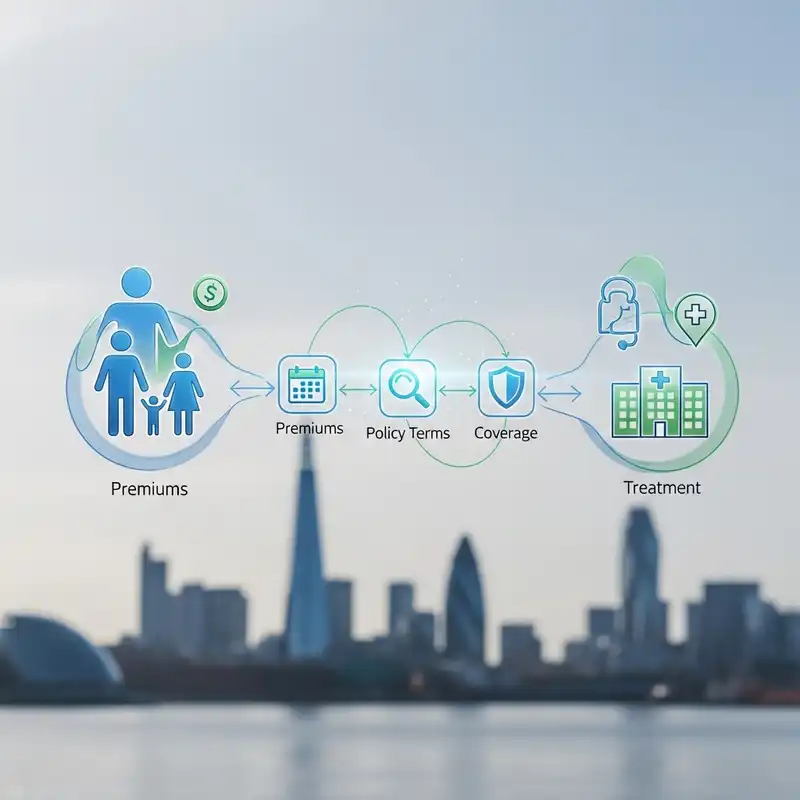
1 in 3 Britons Are Pre-Diabetic or Undiagnosed. Learn How Private Health Insurance Provides Early Detection, Specialist Support, and Critical Disease Prevention
A silent health crisis is unfolding across the United Kingdom. It doesn’t always make the front-page headlines, but its impact on millions of lives and the NHS is staggering. We’re talking about the UK's diabetes time bomb. Latest analysis from leading health bodies in 2025 reveals a shocking statistic: as many as one in three adults in Britain are living with pre-diabetes, many of them completely unaware. This puts them on a direct path towards developing Type 2 diabetes, a chronic condition with life-altering consequences.
The NHS, our cherished national healthcare service, is valiantly fighting on the front lines, managing the millions already diagnosed. But it is a system under immense pressure, often forced to be reactive rather than proactive. Waiting lists for GP appointments, diagnostic tests, and specialist consultations can stretch for weeks, if not months. In that crucial window, pre-diabetes can quietly progress into an irreversible chronic disease.
This is where private health insurance (PMI) emerges not as a replacement for the NHS, but as a powerful, proactive partner in your health journey. While PMI is designed to cover new, acute conditions—and it's crucial to understand it does not cover the day-to-day management of chronic conditions like diagnosed diabetes—its true power lies in prevention and early intervention.
This definitive guide will unpack the scale of the UK's diabetes challenge and reveal how a robust private medical insurance policy can empower you with the tools you need: rapid diagnostics, fast-track access to top specialists, and comprehensive wellness benefits designed to stop disease in its tracks. It's about taking control of your health narrative before it's written for you.
The UK's Escalating Diabetes Crisis: A Nation at Risk
To grasp the value of proactive health management, we must first understand the sheer scale of the challenge. The term "diabetes" is familiar, but the nuances of pre-diabetes and the frightening trajectory of the disease in the UK are often underestimated.
What is Pre-Diabetes? The Critical Warning Sign
Pre-diabetes is not a mild form of diabetes; it is a serious health state that acts as a final warning. It means your blood sugar levels are higher than they should be, but not yet high enough to be classified as Type 2 diabetes.
Think of it as a crossroads. Your body is struggling to process sugar effectively, and your insulin resistance is increasing. At this stage, with the right interventions—changes in diet, increased physical activity, and expert guidance—it is often possible to reverse the condition and return to normal blood sugar levels. However, if left unchecked, an estimated 50% of people with pre-diabetes will go on to develop Type 2 diabetes within five to ten years.
The Staggering Statistics of 2025
The numbers paint a stark picture of a nation on the brink of a public health emergency.
- A Growing Epidemic: Diabetes UK projects that by 2030, more than 5.5 million people in the UK will be living with diabetes. The vast majority of these cases (around 90%) will be Type 2.
- The Hidden Population: It's estimated that over 14 million people in the UK are at high risk of developing Type 2 diabetes, a figure that includes those with pre-diabetes. Crucially, there are believed to be nearly 1 million people living with undiagnosed Type 2 diabetes right now.
- A Colossal Cost: The crisis places an immense burden on the NHS. The treatment of diabetes and its complications currently consumes around £10 billion per year, which is a staggering 10% of the entire NHS budget. This is money spent on medication, hospital care, and managing devastating complications like amputations, blindness, kidney failure, and stroke.
The primary drivers behind this surge are multifaceted and deeply embedded in modern lifestyles. Rising levels of obesity, diets high in processed foods and sugar, and increasingly sedentary work and leisure habits are creating a perfect storm for metabolic disease.
The NHS and Diabetes Care: A System of Strengths and Strains
The National Health Service provides excellent, comprehensive care for individuals who have been diagnosed with diabetes. From ongoing GP support and prescription management to specialist clinics and structured education programmes, the NHS is the bedrock of chronic disease management in the UK. We are incredibly fortunate to have it.
However, the system's ability to engage in proactive prevention and early diagnosis is hampered by significant structural pressures.
- GP Appointment Delays: Securing a timely GP appointment to discuss vague symptoms like fatigue or increased thirst can be a challenge, with waiting times often spanning several weeks.
- Diagnostic Bottlenecks: Even after seeing a GP, there can be further delays in getting the necessary blood tests (like the crucial HbA1c test) and receiving the results.
- Referral Waiting Lists: Should your results indicate a problem, the waiting list to see an NHS specialist, such as an endocrinologist or a dietitian, can be painfully long. * The "10-Minute" Consultation: GPs are dedicated professionals, but they are overworked. A standard 10-minute appointment slot is simply not enough time to have a deep, meaningful conversation about the nuanced lifestyle, diet, and exercise changes required to reverse pre-diabetes.
This reactive model means that for many, the health system only intervenes once pre-diabetes has already tipped over into a full-blown chronic diagnosis. At that point, the goal shifts from prevention to lifelong management.
The Golden Rule of Private Health Insurance: Understanding Your Cover
Before we explore how PMI can help, we must establish its fundamental principle with absolute clarity. This is the single most important concept to understand when considering private cover.
Standard UK private health insurance is designed to cover acute conditions that arise after you take out your policy.
It is NOT designed to cover:
- Chronic Conditions: These are illnesses that are long-lasting, require ongoing management, and typically have no cure. Diagnosed Type 1 or Type 2 diabetes falls squarely into this category. The routine management, medication, and check-ups for diabetes would be handled by the NHS.
- Pre-existing Conditions: This refers to any disease, illness, or injury for which you have experienced symptoms, received medication, advice, or treatment before the start date of your PMI policy.
This means if you already have diagnosed diabetes, or if you have recently been treated for high blood sugar, a standard PMI policy will not cover the management of that specific condition.
So, how can it possibly help with the diabetes crisis?
The answer lies in its power to act before a chronic diagnosis is made and to treat related new, acute conditions that may develop later. It is a tool for the proactive, the undiagnosed, and those seeking to prevent disease.
How Private Health Insurance Empowers You Before a Diagnosis
This is where PMI transitions from a simple insurance product to a comprehensive health and wellness tool. For the millions of people who are currently healthy or in the undiagnosed, pre-diabetic stage, it offers a pathway to take decisive, informed action.
1. Rapid Diagnostics and Health Screenings
The single biggest advantage of PMI is speed. It cuts through the waiting lists and gives you direct access to the diagnostic tools you need, when you need them.
- Fast-Track GP Access: Most modern PMI policies include access to a digital or virtual GP service, often available 24/7. Instead of waiting three weeks for an appointment, you can speak to a doctor within hours. This allows you to discuss concerns like fatigue, weight gain, or a family history of diabetes immediately.
- Swift Referrals for Tests: If the GP recommends tests, a PMI policy can get them done in days, not weeks or months. This includes the vital HbA1c blood test, which provides a clear picture of your average blood sugar levels over the past three months and is the gold standard for diagnosing pre-diabetes.
- Comprehensive Health Screens: Many comprehensive PMI plans offer regular health screenings as a benefit. These go beyond a single test, offering a full panel that might include cholesterol levels, liver function, kidney function, and blood sugar analysis, providing a complete snapshot of your metabolic health.
| Feature | Typical NHS Pathway | Typical Private Health Insurance Pathway |
|---|---|---|
| Initial GP Consult | Wait of 1-3 weeks | Same-day/next-day virtual or phone appointment |
| Blood Tests | Further wait for appointment at local phlebotomy clinic | Arranged at a private hospital or clinic within days |
| Receiving Results | Can take up to a week after the test | Often available within 24-48 hours |
| Total Time to Diagnosis | Several weeks to over a month | A few days |
This speed is not just about convenience; it is clinically significant. It can be the difference between catching pre-diabetes at a fully reversible stage and finding out too late.
2. Immediate Access to World-Class Specialists
Receiving a pre-diabetes diagnosis is a critical call to action. The right advice at this stage is paramount. PMI provides an open door to a network of leading specialists without the NHS wait.
- Endocrinologists: These are the leading experts in hormones and metabolic disorders, including diabetes. A PMI policy allows for a quick referral to an endocrinologist who can conduct further investigations and provide an expert opinion on your specific situation.
- Dietitians and Nutritionists: This is perhaps the most powerful intervention. PMI can fund a course of sessions with a registered dietitian or nutritionist. They will work with you to create a personalised, sustainable eating plan designed to lower your blood sugar, help you lose weight, and reverse insulin resistance. This is a level of personalised care that is difficult to access quickly on the NHS.
Gaining this expert guidance within days of a worrying result empowers you to make immediate, effective changes.
3. Comprehensive Wellness Benefits and Proactive Support
Modern insurers understand that prevention is better than cure. Many of the leading PMI policies now include a wealth of wellness benefits designed to support a healthier lifestyle—the very lifestyle needed to combat pre-diabetes.
These can include:
- Discounted Gym Memberships and Fitness Trackers: Insurers like Vitality and Aviva actively reward you for being physically active, offering significant discounts on gym fees, smartwatches, and fitness gear.
- Mental Health Support: Stress has a direct impact on blood sugar levels through the hormone cortisol. Access to therapy, counselling, and mindfulness apps can be an integral part of managing your overall health.
- Digital Health Tools: Many insurers provide sophisticated apps to help you track your food, activity, and sleep, offering personalised insights and coaching.
Furthermore, some expert brokers like us at WeCovr go the extra mile. We provide our customers with complimentary access to our proprietary AI-powered calorie tracking app, CalorieHero, to empower them on their health journey. This commitment shows that we care about our customers' long-term wellbeing, far beyond simply selling a policy.
What If an Acute Condition Arises Related to a Pre-Existing Condition?
This is a common and important question. Let's be clear: the day-to-day, chronic management of diagnosed diabetes will always remain with the NHS. However, what happens if you develop a new, acute condition that may be a complication of diabetes?
The answer depends on your policy's terms and underwriting, but in many cases, PMI can step in. The key distinction is that the treatment is for a new, acute event that can be resolved, rather than ongoing management.
Potential examples could include:
- Cardiovascular Issues: If you need heart surgery, such as fitting a stent to open a newly blocked artery.
- Eye Surgery: The development of cataracts is more common in people with diabetes. Cataract surgery is a one-off, curative procedure that is often covered by PMI.
- Neuropathy Issues: Surgery to relieve a nerve issue like carpal tunnel syndrome.
- Foot Problems: Treatment for a specific ulcer or infection that requires hospital intervention.
Crucial Caveat: Coverage for these conditions is not guaranteed. It will depend on the specific wording of your policy and your medical history at the time you took it out. Navigating these complexities is where an experienced broker like WeCovr becomes invaluable. We help you understand the nuances of different policies from insurers like Bupa, AXA, and Vitality, ensuring you have absolute clarity on what is and isn't covered.
Choosing the Right Private Health Insurance Policy
With the stakes this high, selecting the right PMI policy is not a decision to be taken lightly. It's not a one-size-fits-all product. Here are the key factors you need to consider.
Key Policy Considerations
- Level of Cover: Policies range from basic, which might only cover inpatient treatment, to fully comprehensive, which includes extensive outpatient diagnostics, therapies, and mental health support. For proactive health management, a more comprehensive plan is usually better.
- The Excess: This is the amount you agree to pay towards a claim. A higher excess will result in a lower monthly premium, but you need to ensure it's an amount you can afford to pay.
- Hospital List: Insurers offer different tiers of hospital access. You might choose a local list to keep costs down or a national or premium list that includes top London hospitals for maximum choice.
- Underwriting Type: This is a critical choice that determines how the insurer treats your pre-existing conditions.
Understanding Underwriting: Moratorium vs. Full Medical
This choice has significant implications for your cover.
| Underwriting Type | How It Works | Pros | Cons |
|---|---|---|---|
| Moratorium (Mori) | You don't declare your full medical history upfront. The policy automatically excludes any condition you've had symptoms of or treatment for in the last 5 years. | Simple and fast to set up. Exclusions can be removed later. | Can be a "grey area" at the point of claim. You may not know what's covered until you need it. |
| Full Medical (FMU) | You complete a detailed health questionnaire. The insurer assesses it and gives you a clear list of what is and isn't covered from day one. | Total clarity and certainty. You know exactly where you stand. | The application process is longer. Exclusions are typically permanent. |
For someone concerned about potential borderline health issues, Full Medical Underwriting can provide invaluable peace of mind, as you know precisely what is excluded before you commit.
Why You Should Always Use an Expert Broker
The UK private health insurance market is complex. The jargon can be confusing, and the differences between policies can be subtle but significant. Trying to navigate it alone can lead to buying an inadequate or overpriced policy.
An independent broker works for you, not the insurer.
- Whole-of-Market Advice: We compare plans from all the major UK insurers.
- Expert Guidance: We translate the jargon and explain the fine print.
- Personalised Solutions: We take the time to understand your health concerns, budget, and priorities.
At WeCovr, we pride ourselves on being expert guides in this market. We don't just sell you a policy; we listen to your concerns and find the solution that offers the best value and protection for your unique circumstances, helping you build a proactive shield against future health risks.
Real-Life Scenarios: PMI in Action
Let's look at how this works in practice.
Scenario 1: David, The Proactive Professional
David is a 52-year-old accountant with a family history of Type 2 diabetes. He feels fine but is worried about his future risk. He has a comprehensive PMI policy.
- Action: He uses his policy's annual health screening benefit. The HbA1c test comes back in the pre-diabetic range.
- PMI Intervention: His policy gives him an immediate referral to a private dietitian for six sessions. He also uses the 50% discount on his gym membership offered by his insurer.
- Outcome: Over the next nine months, David loses 10kg and his follow-up HbA1c test is back in the normal range. He has successfully reversed his pre-diabetes and avoided a chronic diagnosis, a process made seamless and rapid by his PMI.
Scenario 2: Maria, The Worried Mother
Maria, 44, has been feeling unusually tired and thirsty for a few months. The earliest GP appointment she can get is in four weeks.
- Action: She uses her PMI's 24/7 virtual GP service and speaks to a doctor that evening.
- PMI Intervention: The GP arranges a full blood panel at a private clinic for the following day. The results are back 24 hours later, showing she is pre-diabetic and also has low iron levels. She gets an immediate plan for both issues.
- Outcome: Maria is able to start making informed lifestyle changes and take iron supplements immediately, weeks before she would have even had her initial NHS appointment. She feels empowered and in control.
Conclusion: Taking Control of Your Health in a High-Risk World
The diabetes and pre-diabetes crisis is one of the greatest public health challenges facing the UK today. It is a silent threat that affects millions, driven by lifestyles that are increasingly at odds with our metabolic health.
While the NHS stands as a magnificent safety net for treating established, chronic disease, its capacity for proactive, preventative medicine is under unprecedented strain. The waiting lists and time pressures inherent in the system mean that the crucial window to act against pre-diabetes is often missed.
Private Medical Insurance, when properly understood and utilised, offers a powerful solution. It is not about replacing the NHS or managing chronic diabetes. It is about changing the narrative. It is about leveraging speed, specialist access, and wellness tools to get ahead of the problem.
By providing rapid diagnostics, immediate consultations with experts, and incentives for a healthier life, PMI empowers you to catch and reverse pre-diabetes before it becomes a lifelong burden. It puts the control firmly back in your hands.
In the face of a national health time bomb, taking proactive steps is not just a sensible choice; it is an essential one. Investing in your health today is the single most important thing you can do to ensure a healthier, more vibrant tomorrow.
Why private medical insurance and how does it work?
What is Private Medical Insurance?
Private medical insurance (PMI) is a type of health insurance that provides access to private healthcare services in the UK. It covers the cost of private medical treatment, allowing you to bypass NHS waiting lists and receive faster, more convenient care.How does it work?
Private medical insurance works by paying for your private healthcare costs. When you need treatment, you can choose to go private and your insurance will cover the costs, subject to your policy terms and conditions. This can include:• Private consultations with specialists
• Private hospital treatment and surgery
• Diagnostic tests and scans
• Physiotherapy and rehabilitation
• Mental health treatment
Your premium depends on factors like your age, health, occupation, and the level of cover you choose. Most policies offer different levels of cover, from basic to comprehensive, allowing you to tailor the policy to your needs and budget.
Questions to ask yourself regarding private medical insurance
Just ask yourself:👉 Are you concerned about NHS waiting times for treatment?
👉 Would you prefer to choose your own consultant and hospital?
👉 Do you want faster access to diagnostic tests and scans?
👉 Would you like private hospital accommodation and better food?
👉 Do you want to avoid the stress of NHS waiting lists?
Many people don't realise that private medical insurance is more affordable than they think, especially when you consider the value of faster treatment and better facilities. A great insurance policy can provide peace of mind and ensure you receive the care you need when you need it.
Benefits offered by private medical insurance
Private medical insurance provides numerous benefits that can significantly improve your healthcare experience and outcomes:Faster Access to Treatment
One of the biggest advantages is avoiding NHS waiting lists. While the NHS provides excellent care, waiting times can be lengthy. With private medical insurance, you can often receive treatment within days or weeks rather than months.
Choice of Consultant and Hospital
You can choose your preferred consultant and hospital, giving you more control over your healthcare journey. This is particularly important for complex treatments where you want a specific specialist.
Better Facilities and Accommodation
Private hospitals typically offer superior facilities, including private rooms, better food, and more comfortable surroundings. This can make your recovery more pleasant and potentially faster.
Advanced Treatments
Private medical insurance often covers treatments and medications not available on the NHS, giving you access to the latest medical advances and technologies.
Mental Health Support
Many policies include comprehensive mental health coverage, providing faster access to therapy and psychiatric care when needed.
Tax Benefits for Business Owners
If you're self-employed or a business owner, private medical insurance premiums can be tax-deductible, making it a cost-effective way to protect your health and your business.
Peace of Mind
Knowing you have access to private healthcare when you need it provides invaluable peace of mind, especially for those with ongoing health conditions or concerns about NHS capacity.
Private medical insurance is particularly valuable for those who want to take control of their healthcare journey and ensure they receive the best possible treatment when they need it most.
Important Fact!
We can look at a more suitable option mid-term!
Why is it important to get private medical insurance early?
👉 Many people are very thankful that they had their private medical insurance cover in place before running into some serious health issues. Private medical insurance is as important as life insurance for protecting your family's finances.👉 We insure our cars, houses, and even our phones! Yet our health is the most precious thing we have.
Easily one of the most important insurance purchases an individual or family can make in their lifetime, the decision to buy private medical insurance can be made much simpler with the help of FCA-authorised advisers. They are the specialists who do the searching and analysis helping people choose between various types of private medical insurance policies available in the market, including different levels of cover and policy types most suitable to the client's individual circumstances.
It certainly won't do any harm if you speak with one of our experienced insurance experts who are passionate about advising people on financial matters related to private medical insurance and are keen to provide you with a free consultation.
You can discuss with them in detail what affordable private medical insurance plan for the necessary peace of mind they would recommend! WeCovr works with some of the best advisers in the market.
By tapping the button below, you can book a free call with them in less than 30 seconds right now:
Our Group Is Proud To Have Issued 800,000+ Policies!
We've established collaboration agreements with leading insurance groups to create tailored coverage
























How It Works
1. Complete a brief form

2. Our experts analyse your information and find you best quotes

3. Enjoy your protection!

Any questions?
Learn more

Who Are WeCovr?
WeCovr is an insurance specialist for people valuing their peace of mind and a great service.👍 WeCovr will help you get your private medical insurance, life insurance, critical illness insurance and others in no time thanks to our wonderful super-friendly experts ready to assist you every step of the way.
Just a quick and simple form and an easy conversation with one of our experts and your valuable insurance policy is in place for that needed peace of mind!