UK Metabolic Meltdown 2025
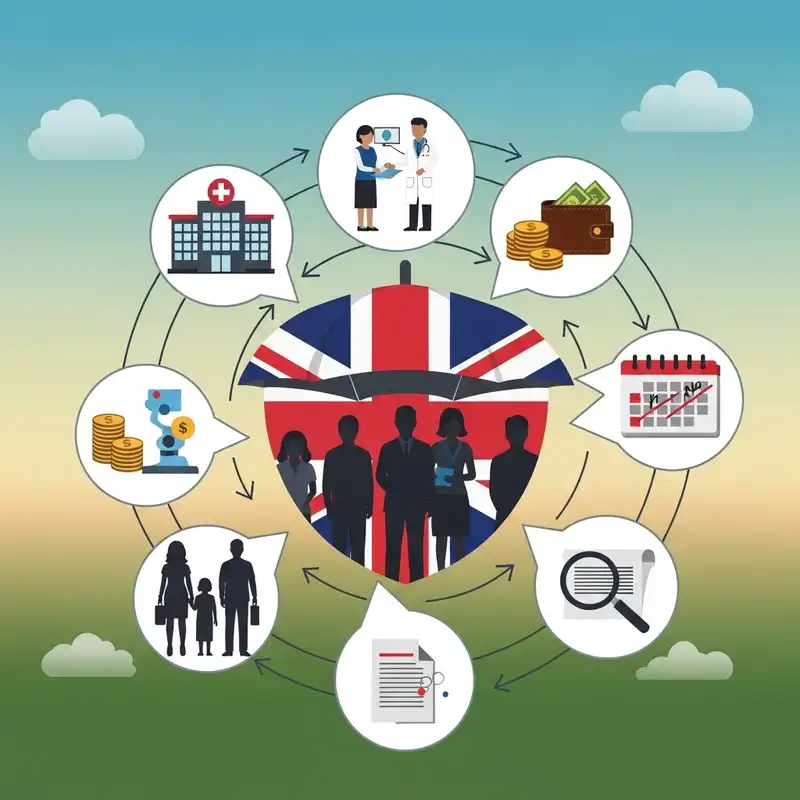
UK 2025 Shock Over 2 in 3 Britons Secretly Battle Metabolic Dysfunction, Fuelling a Staggering £4 Million+ Lifetime Burden of Heart Disease, Cancer, Dementia & Early Death. Discover Your PMI Pathway to Advanced Metabolic Screening, Personalised Lifestyle Interventions & LCIIP Shielding Your Foundational Health & Financial Future
A silent health crisis is unfolding across the United Kingdom. It doesn't always show on the outside. It’s not necessarily about being visibly overweight. It's a hidden epidemic of metabolic dysfunction, a state of profound biological imbalance that is now estimated to affect, to some degree, a staggering two in three Britons.
This isn't just a health warning; it's a five-alarm financial fire. This "metabolic meltdown" is the primary driver behind the UK’s biggest killers: heart disease, many common cancers, Type 2 diabetes, and even dementia. The consequence of a single diagnosis stemming from this dysfunction can unleash a lifetime financial burden exceeding £4.7 million in lost income, care costs, and other unforeseen expenses.
Your foundational health and your financial future are intrinsically linked. In this definitive guide, we will unmask this hidden threat. We will explore the science, quantify the shocking financial risks, and reveal the powerful, modern strategies you can deploy today. Discover how Private Medical Insurance (PMI) has evolved into a potent tool for proactive health management and how a robust Life, Critical Illness, and Income Protection (LCIIP) plan can create an unbreakable financial shield for you and your family.
The Silent Epidemic: Unmasking the UK's Metabolic Health Crisis
For decades, we’ve focused on individual diseases. We talk about heart disease, cancer, or diabetes as if they are separate, unlucky lightning strikes. The latest science for 2025 tells a different, more interconnected story. The common soil from which these deadly conditions grow is poor metabolic health.
Recent analysis, drawing from data from the Health Survey for England and UK Biobank, paints a grim picture. While around one in three UK adults formally meets the criteria for "Metabolic Syndrome," a broader look at the individual risk factors—like high blood pressure, borderline high blood sugar, or an expanding waistline—suggests that up to two in three adults are on a dangerous trajectory, exhibiting at least one key marker of metabolic dysfunction.
This means millions of us are walking around with a ticking biological time bomb, completely unaware of the storm gathering within. The conventional wisdom of "eat less, move more" has proven insufficient because the problem is deeper, rooted in hormonal dysregulation, chronic inflammation, and cellular stress driven by our modern environment.
The good news? This is not an inevitable fate. By understanding the problem, you can take decisive action to reclaim your health and secure your finances against the profound risks it poses.
What is Metabolic Dysfunction? Beyond the Bathroom Scales
One of the most dangerous misconceptions about metabolic health is that it's simply a matter of weight. While obesity is a significant risk factor, it's entirely possible to be a "normal" weight yet be metabolically unhealthy—a condition doctors sometimes call "TOFI" (Thin Outside, Fat Inside).
Metabolic health is best understood as how well your body processes and uses energy. When this system works well, your body is efficient. When it breaks down, a cascade of problems begins. The clinical definition for this breakdown is Metabolic Syndrome (MetS), a cluster of five specific risk factors. A diagnosis is typically made when a person has three or more of these conditions.
The 5 Core Markers of Metabolic Syndrome
Understanding these five markers is the first step to taking control. They are the dashboard warning lights for your body's engine.
| Marker | Description | Diagnostic Threshold (UK/European Guidelines) |
|---|---|---|
| 1. Central Obesity | Excess fat around the waistline, indicating harmful visceral fat around your organs. | Waist circumference ≥ 94cm (37in) for men; ≥ 80cm (31.5in) for women. |
| 2. High Blood Pressure | The force of blood pushing against the walls of your arteries is consistently too high. | ≥ 130/85 mmHg, or on medication for hypertension. |
| 3. High Triglycerides | High levels of a type of fat found in your blood, often linked to diet. | ≥ 1.7 mmol/L, or on medication for high triglycerides. |
| 4. Low HDL Cholesterol | Low levels of "good" cholesterol, which helps remove harmful cholesterol from arteries. | < 1.0 mmol/L for men; < 1.3 mmol/L for women. |
| 5. High Fasting Glucose | High blood sugar levels after an overnight fast, indicating insulin resistance. | ≥ 5.6 mmol/L, or a diagnosis of Type 2 diabetes. |
The prevalence of these individual markers in the UK is alarming:
- High Blood Pressure: Affects more than one in four adults in the UK (British Heart Foundation, 2025).
- Central Obesity: Over half of UK adults have a waist measurement that puts them at increased risk (Health Survey for England).
- Pre-diabetes: An estimated 1 in 3 UK adults has pre-diabetes (high fasting glucose) and most don't know it (Diabetes UK, 2025).
Having just one of these markers significantly increases your risk. Having three or more sends your risk for life-altering disease skyrocketing.
The £4 Million+ Ticking Time Bomb: Connecting the Dots to Chronic Disease
How does a slightly larger waistline or a borderline blood pressure reading lead to a multi-million-pound personal financial catastrophe? The link is direct, scientifically established, and devastating. Metabolic dysfunction creates a state of chronic inflammation and insulin resistance that relentlessly damages your body, year after year.
- Heart Disease & Stroke: Insulin resistance and high triglycerides lead to atherosclerosis (the hardening and narrowing of arteries). This makes a heart attack or stroke not just possible, but probable. Cardiovascular disease remains the UK's leading cause of death.
- Type 2 Diabetes: This is the classic outcome of unchecked insulin resistance. The lifetime cost of managing diabetes, even with NHS support, is significant, and the complications are severe (kidney failure, amputation, blindness).
- Cancer: High levels of insulin and glucose act like a fertiliser for cancer cells. Metabolic syndrome is strongly linked to an increased risk of 13 different types of cancer, including some of the most common: breast, bowel, and pancreatic cancer (Cancer Research UK).
- Dementia & Alzheimer's Disease: The brain is an energy-hungry organ. When metabolic health fails, brain health suffers. Many scientists now refer to Alzheimer's as "Type 3 Diabetes" due to the powerful link between insulin resistance and cognitive decline. With the cost of dementia care spiralling, this is a terrifying financial prospect for millions.
The Anatomy of a Financial Catastrophe
The £4.7 million figure isn't hyperbole. It's a calculated, illustrative example of the potential lifetime financial impact for a high-earning professional who suffers a major metabolic-related critical illness, such as a debilitating stroke or an early-onset dementia diagnosis, around the age of 50.
Let's break down how the costs can accumulate for a hypothetical individual, "David," a 50-year-old consultant earning £80,000 per year.
| Cost Category | Description & Calculation | Estimated Lifetime Cost |
|---|---|---|
| Immediate Lost Income (Patient) | David is unable to work for the remaining 17 years of his career. £80,000 x 17 years (no inflation). | £1,360,000 |
| Lost Pension Contributions | Loss of personal and employer pension contributions over 17 years. | £300,000+ |
| Caregiver's Lost Income | David's spouse reduces their work hours to part-time to provide care, losing £25,000/year in income. | £425,000 |
| Specialist Private Care | For a condition like early-onset dementia, full-time residential care is often required. At a conservative £1,500/week for 15 years. | £1,170,000 |
| Home Modifications & Equipment | Ramps, accessible bathrooms, specialist beds, and vehicles. | £75,000 |
| Private Therapies & Treatments | Physiotherapy, occupational therapy, and specialist consultations not readily available on the NHS. | £100,000 |
| Reduced Inheritance / Depleted Savings | The entire family estate is eroded to pay for the escalating costs of care. | £1,300,000+ |
| TOTAL LIFETIME BURDEN | An illustrative total showing how costs can rapidly escalate. | £4,730,000+ |
This staggering figure demonstrates a crucial truth: the NHS, while heroic, is designed to treat illness, not to protect your financial life from its consequences. Statutory Sick Pay is a mere £116.75 per week (2024/25 rate)—barely enough to cover a weekly food shop, let alone a mortgage. This is the financial black hole that millions are unknowingly heading towards.
The PMI Advantage: Your Pathway to Proactive Health & Early Detection
For too long, we've viewed health insurance as something you only use when you're already sick. Modern Private Medical Insurance (PMI) turns this concept on its head. Today's best PMI policies are powerful preventative tools, giving you direct access to the advanced diagnostics and expert support needed to stop metabolic dysfunction in its tracks.
A PMI policy is your ticket to bypassing NHS waiting lists and getting a comprehensive, granular view of your health that goes far beyond a standard check-up.
NHS Health Check vs. Advanced PMI Screening
| Feature | Standard NHS Health Check (ages 40-74) | Advanced PMI-Funded Health Screen |
|---|---|---|
| Frequency | Once every 5 years | Often annually, depending on policy level |
| Lipid Panel | Basic Cholesterol (Total, HDL) | Advanced Lipid Profile (ApoB, Lp(a), particle size) |
| Blood Sugar | Finger-prick test, often non-fasting | Fasting Glucose & HbA1c (3-month average sugar) |
| Inflammation | Not typically measured | hs-CRP (High-sensitivity C-reactive protein) |
| Body Composition | BMI and waist circumference | DEXA scan (measures visceral fat, bone density) |
| Follow-up | Lifestyle advice leaflet, GP referral if needed | Direct access to specialists: nutritionists, endocrinologists |
This advanced data allows you to catch problems decades before they become a full-blown diagnosis. An elevated ApoB level, for instance, is a far more accurate predictor of heart attack risk than basic cholesterol, but it's not routinely available on the NHS. A PMI plan can put this vital information in your hands.
Personalised Interventions & Expert Support
Beyond diagnostics, premium PMI plans offer a suite of services designed to help you actively manage and improve your health:
- Nutritionist & Dietitian Consultations: Get a personalised eating plan from an expert to reverse insulin resistance.
- Personalised Fitness Programmes: Access to physiologists or trainers to create an effective exercise plan.
- Digital Health Subscriptions: Free access to leading apps for fitness, mindfulness, and nutrition.
- Mental Health Support: Fast-tracked access to therapy, crucial as stress and cortisol levels are key drivers of metabolic damage.
At WeCovr, we specialise in helping clients find PMI policies that are rich in these preventative benefits. We understand that true health security isn't just about a hospital bed; it's about the tools to avoid needing one in the first place. As part of our commitment to our clients' well-being, we also provide complimentary access to CalorieHero, our proprietary AI-powered calorie and nutrition tracking app. It's a practical, everyday tool that empowers you to take immediate control of your diet—the cornerstone of metabolic health—and supports the lifestyle changes recommended by your health experts.
LCIIP: The Financial Fortress for Your Future
While PMI helps you manage your physical health, a robust insurance portfolio is essential to protect your financial health. This is where the three pillars of protection—Life, Critical Illness, and Income Protection (LCIIP)—come into play. They form a financial fortress against the fallout of a serious health event.
Waiting until you have a diagnosis is too late. The time to build this fortress is now, while you are healthy. A diagnosis of metabolic syndrome, or even just high blood pressure, will make cover more expensive and may come with exclusions.
1. Life Insurance: The Foundation
This is the non-negotiable bedrock of financial planning. A life insurance policy pays out a tax-free lump sum to your loved ones if you pass away. This money can:
- Clear the mortgage, the single biggest debt for most families.
- Replace your lost income for years to come.
- Cover future education costs for your children.
- Provide a financial cushion during a difficult time.
Without it, your family could face losing their home on top of grieving your loss.
2. Critical Illness Cover (CIC): The Financial Fire Extinguisher
This is the policy that directly addresses the £4 Million+ problem. CIC pays out a tax-free lump sum if you are diagnosed with one of a list of specified serious conditions—such as a heart attack, stroke, cancer, or dementia.
The payout is yours to use as you see fit. It provides immediate financial power and choice when you are at your most vulnerable.
Real-World Example: *Imagine Sarah, a 45-year-old marketing manager diagnosed with breast cancer (a disease strongly linked to metabolic health). Her CIC payout allowed her to:
- Immediately pay off her mortgage, eliminating her largest monthly expense.
- Take a year off work to focus on recovery without financial stress.
- Pay for specialist consultations and complementary therapies to support her NHS treatment.
- Fund a life-affirming holiday with her family once she was in remission.*
Without CIC, her story would have been one of stress, financial worry, and compromised choices.
3. Income Protection (IP): Your Personal Sick Pay
Often overlooked, Income Protection is arguably the most important policy for any working adult. It pays you a regular, tax-free monthly income if you are unable to work due to any illness or injury.
It's your personal safety net, designed to replace a significant portion of your salary until you can return to work, or until retirement age if you cannot.
| Your Financial Backstop | Statutory Sick Pay (SSP) | Typical Income Protection Policy |
|---|---|---|
| Amount | £116.75 per week | 50-70% of your gross monthly salary |
| Duration | Maximum 28 weeks | Until you recover, or your retirement age |
| Coverage | Only if you are employed and eligible | Covers employees and the self-employed |
| Example Monthly Pay | ~£506 | £2,500 (on a £50k salary) |
Income Protection ensures your bills get paid. It keeps the lights on, food on the table, and your pension contributions going. It protects your lifestyle and prevents a health crisis from becoming a debt crisis.
Taking Control: Your 5-Step Action Plan to Assess and Protect Your Metabolic Health
Feeling overwhelmed? Don't be. You have the power to change your trajectory. Here is a simple, 5-step action plan to start today.
1. Know Your Numbers. You cannot manage what you do not measure. Book an appointment with your GP or, if you have one, use your PMI health screen. Get the 5 key markers checked: waist circumference, blood pressure, fasting triglycerides, HDL cholesterol, and fasting glucose/HbA1c. Write them down and track them.
2. Embrace Lifestyle Medicine. You don't need a punishing, restrictive regime. Focus on simple, powerful principles:
- Nutrition: Drastically reduce ultra-processed foods, sugary drinks, and refined carbohydrates. Prioritise whole foods: vegetables, fruits, quality proteins, and healthy fats.
- Movement: Aim for 150 minutes of moderate activity per week. A brisk walk is perfect. Crucially, add 2 sessions of resistance training (even bodyweight exercises) to build muscle, which is vital for metabolic health.
- Sleep: Prioritise 7-8 hours of quality sleep per night. Poor sleep devastates metabolic hormones.
- Stress Management: Chronic stress raises cortisol, which drives up blood sugar. Find what works for you: meditation, walking in nature, yoga, or simply dedicated downtime.
3. Leverage Technology. Use tools to make this easier. Wearable devices (Fitbit, Apple Watch) can track your activity, sleep, and heart rate. Use an app like WeCovr's complimentary CalorieHero to effortlessly track your food intake and see exactly how your diet impacts your health goals.
4. Review Your Financial Defences. Pull out your existing insurance documents. Ask yourself the hard questions: Is my life insurance enough to clear my mortgage and replace my income? Do I have any critical illness cover? What would happen to my income if I couldn't work for two years? If you have gaps, you have a problem to solve.
5. Seek Expert Guidance. The world of insurance is complex, and the stakes are incredibly high. Getting it wrong can be financially disastrous. An expert, independent broker like us at WeCovr is your greatest ally. We don't work for an insurance company; we work for you. We analyse your unique health profile, family situation, and financial goals to scan the entire market. We find the policies that offer the right protection, with the best terms, at the most competitive price, saving you time, money, and giving you priceless peace of mind.
Frequently Asked Questions (FAQ)
Q: Can I still get insurance if I already have metabolic syndrome or Type 2 diabetes? A: Yes, it is often still possible, but it's crucial to act. Your application will be more complex and may involve higher premiums or exclusions on your policy. This is where an expert broker is essential. We know which insurers are more favourable for certain pre-existing conditions and can navigate the application process on your behalf to secure the best possible outcome.
Q: Is Private Medical Insurance worth the cost? A: Instead of an expense, view PMI as an investment in your most valuable asset: your health. The ability to get rapid diagnoses, access advanced preventative screenings, and receive prompt treatment can not only save your life but also prevent years of chronic illness and financial hardship. When you consider the potential £4.7m+ cost of inaction, the monthly premium for a comprehensive PMI plan is put into sharp perspective.
Q: How much life and critical illness cover do I actually need? A: A common rule of thumb for life insurance is to cover 10 times your annual salary or to ensure it's enough to clear your mortgage and any other large debts. For critical illness cover, you should aim for a sum that could cover 1-2 years of your salary, allowing you to take time off work, plus an amount to clear debts or adapt your home if needed. We can provide a detailed, personalised calculation based on your specific circumstances.
Q: What is the main difference between Income Protection and Critical Illness Cover? A: They serve two different but complementary purposes. Critical Illness Cover pays a one-off, tax-free lump sum on diagnosis of a specific major illness. Income Protection pays a regular, tax-free monthly income if you're unable to work due to any illness or injury, not just the major ones. Most financial advisors agree that IP is the foundational policy everyone should have, with CIC providing additional firepower for major events.
Q: Won't the NHS look after me if I get seriously ill? A: The NHS provides excellent medical care, especially in emergencies. However, it does not and cannot protect you from the financial consequences of illness. It won't pay your mortgage, cover your lost income, or pay for long-term care needs. Relying solely on the NHS is to protect your body but leave your financial life, and your family's future, completely exposed.
From Metabolic Meltdown to Metabolic Mastery
The threat of the UK's metabolic meltdown is real, present, and growing. For millions, it represents the single greatest risk not only to their long-term health but to their entire financial security.
But this is not a story of despair. It is a call to action armed with a clear solution. The future does not have to be a lottery of chronic disease and financial ruin. Through knowledge of your own health metrics, decisive lifestyle changes, and the intelligent use of modern insurance tools, you can rewrite your story.
You can shift from being a passive passenger on a dangerous path to being the active pilot of your own health and wealth. Leveraging the preventative power of Private Medical Insurance and erecting the financial fortress of Life, Critical Illness, and Income Protection is the strategy for metabolic mastery.
Don't be a statistic in the 2025 health crisis. Take control of your health. Secure your financial future. The time to act is now.
Why life insurance and how does it work?
What is Life Insurance?
Life insurance is an insurance policy that can provide financial support for your loved ones when you or your joint policy holder passes away. It can help clear any outstanding debts, such as a mortgage, and cover your family's living and other expenses such costs of education, so your family can continue to pay bills and living expenses. In addition to life insurance, insurance providers offer related products such as income protection and critical illness, which we will touch upon below.How does it work?
Life insurance pays out if you die. The payout can be in the form of a lump sum payment or can be paid as a replacement for a regular income. It's your decision how much cover you'd like to take based on your financial resources and how much you'd like to leave to your family to help them deal with any outstanding debts and living expenses. Your premium depends on a number of factors, including your occupation, health and other criteria.The payout amount can change over time or can be fixed. A level term or whole of life policy offers a fixed payout. A decreasing term policy offers a payout that decreases over the term of the cover.
With critical illness policies, a payout is made if you’re diagnosed with a terminal illness with a remaining life expectancy of less than 12 months. While income protection policies ensure you can continue to meet your financial commitments if you are forced to take an extended break from work. If you can’t work because you’ve had an accident, fallen sick, or lost your job through no fault of your own, income protection insurance pays you an agreed portion of your salary each month.
Income protection is particularly helpful for people in dangerous occupations who want to be sure their mortgage will always be covered. Income protection only covers events beyond your control: you’re much less likely to be covered if you’re fired from your job or if you injure yourself deliberately.
Questions to ask yourself regarding life insurance
Just ask yourself:👉 Who would pay your mortgage or rent if you were to pass away or fall seriously ill?
👉 Who would pay for your family’s food, clothing, study fees or lifestyle?
👉 Who would provide for the costs of your funeral or clear your debts?
👉 Who would pay for your costs if you're unable to work due to serious illness or disability?
Many families don’t realise that life, income protection and critical illness insurance is one of the most effective ways to protect their finances. A great insurance policy can cover costs, protect a family from inheriting debts and even pay off a mortgage.
Many would think that the costs for all the benefits provided by life insurance, income protection insurance or critical illness insurance are too high, but the great news is in the current market policies are actually very inexpensive.
Benefits offered by income protection, life and critical illness insurance
Life insurance, income protection and critical illness insurance are indispensable for every family because a child loses a parent every 22 minutes in the UK, while every single day tragically 60 people suffer major injuries on the UK roads. Some people become unable to work because of sickness or disability.Life insurance cover pays out a lump sum to your family, loved ones or whomever you choose to get the money. This can be used to secure the financial future of your loved ones meaning they would not have to struggle financially in the event of your death.
If it's a critical illness cover, the payout happens sooner - upon diagnosis of a serious illness, disability or medical condition, easing the financial hardship such an event inevitably brings.
Income protection insurance can be very important for anyone who relies on a pay check to cover their living costs, but it's especially important if you’re self-employed or own a small business, where your employment and income is a bit less stable. It pays a regular income if you can't work because of sickness or disability and continues until you return to paid work or you retire.
In a world where 1 in 4 of us would struggle financially after just four weeks without work, the stark reality hits hard – a mere 7% of UK adults possess the vital shield of income protection. The urgency of safeguarding our financial well-being has never been more palpable.
Let's face it – relying on savings isn't a solution for everyone. Almost 25% of people have no savings at all, and a whopping 50% have £1,000 or less tucked away. Even more concerning, 51% of Brits – that's a huge 27 million people – wouldn't last more than one month living off their savings. That's a 10% increase from 2022.
And don't even think about state benefits being a safety net. The maximum you can expect from statutory sick pay is a mere £109.40 per week for up to 28 weeks. Not exactly a financial lifeline, right?
Now, let's tackle a common objection: "But I have critical illness insurance. I don't need income protection too." Here's the deal – the two policies apply to very different situations. In a nutshell:
- Critical illness insurance pays a single lump sum if you're diagnosed with or undergo surgery for a specified potentially life-threatening illness. It's great for handling big one-off expenses or debts.
- Income protection, on the other hand, pays a percentage of your salary as a regular payment if you can't work due to illness or injury. It's the superhero that tackles those relentless monthly bills.
Types of life insurance policies
Common reasons for getting a life insurance policy are to:✅ Leave behind an amount of money to keep your family comfortable
✅ Protect the family home and pay off the mortgage in full or in part
✅ Pay for funeral costs
Starting from as little as a couple of pounds per week, you can do all that with a Life Policy.
Level Term Life Insurance
One of the simplest forms of life insurance, level term life insurance works by selecting a length of time for which you would want to be covered and then deciding how much you would like your loved ones to receive should the worst happen. Should your life insurance policy pay out to your family, it would be in a lump sum amount that can be used in whatever way the beneficiary may wish.
Decreasing Term Life Insurance
Decreasing term life insurance works in the same way as level term, except the lump sum payment amount upon death decreases with time. The common use for decreasing term life cover is to protect against mortgage repayment as the lump sum decreases along with the principal of the mortgage itself.
Increasing Term Life Insurance
Increasing term life insurance aims to pay out a cash sum growing each year if the worst happens while covered by the policy. With increasing term life cover amount insured increases annually by a fixed amount for the length of the policy. This can protect your policy's value against inflation, which could be advantageous if you’re looking to maintain your loved ones’ living standards, continue paying off your mortgage in line with its repayment schedule and cover your children’s education fees.
Whole of Life Insurance
Whereas term life insurance policies only pay out if you pass away during their term, whole of life insurance pays out to your beneficiaries whenever this should happen. The most common uses for whole life insurance are to cover the costs of a funeral or as a vehicle for your family's inheritance tax planning.
Family Income Benefit
Family income benefit is a somewhat lesser-known product in the family of life insurance products. Paying out a set amount every month of year to your beneficiaries, it is the most cost-effective way of maintaining your family's living standards to an age where you'd expect them to be able to support themselves financially. The most common use would be for a family with children who are not working yet so are unable to take care of themselves financially.
Relevant Life Insurance
Relevant Life Insurance is a tax-efficient policy for a director or single employee. A simple level term life insurance product, it is placed in a specific trust to ensure its tax efficiency. The premiums are tax deductible and any benefit payable should a claim arise is also paid out tax free, which makes it an attractive product for entrepreneurs and their businesses.
Important Fact!
We can look at a more suitable option mid-term!
Why is it important to get life insurance early?
👉 Many people are very thankful that they had their life, income protection, and critical illness insurance cover in place before running into some serious issues. Critical illness and income protection insurance is as important as life insurance for protecting your family's finances.👉 We insure our cars, houses, bicycles and even bags! Yet our life and health are the most precious things we have.
Easily one of the most important insurance purchases an individual or family can make in their lifetime, the decision to buy life, income protection, critical illness and private medical health insurance can be made much simpler with the help of FCA-authorised advisers. They are the specialists who do the searching and analysis helping people choose between various types of life insurance policies available in the market, including income protection, critical illness and other types of policies most suitable to the client's individual circumstances.
It certainly won't do any harm if you speak with one of our experienced FCA-authorised insurance partner experts who are passionate about advising people on financial matters related to life insurance and are keen to provide you with a free consultation.
You can discuss with them in detail what affordable life, income protection, critical illness or private medical health insurance plan for the necessary peace of mind they would recommend! WeCovr works with some of the best advisers in the market.
By tapping the button below, you can book a free call with them in less than 30 seconds right now:
Our Group Is Proud To Have Issued 800,000+ Policies!
We've established collaboration agreements with leading insurance groups to create tailored coverage
























How It Works
1. Complete a brief form

2. Our experts analyse your information and find you best quotes

3. Enjoy your protection!

Any questions?
Learn more

Who Are WeCovr?
WeCovr is an insurance specialist for people valuing their peace of mind and a great service.👍 WeCovr will help you get your private medical insurance, life insurance, critical illness insurance and others in no time thanks to our wonderful super-friendly experts ready to assist you every step of the way.
Just a quick and simple form and an easy conversation with one of our experts and your valuable insurance policy is in place for that needed peace of mind!