Guide to electric bikes in the UK
Are Electric Bikes Legal? What Electric Bikes are Legal in the UK? Do you need a license for electric bikes?
Yes, Electric bikes are legal, but there are subtle differences that determine if a bike is legal or not. These factors include: the rider's age, whether or not they have a driving/motorcycle license, the maximum power output of the vehicle's motor and what vehicle classification it actually belongs to.
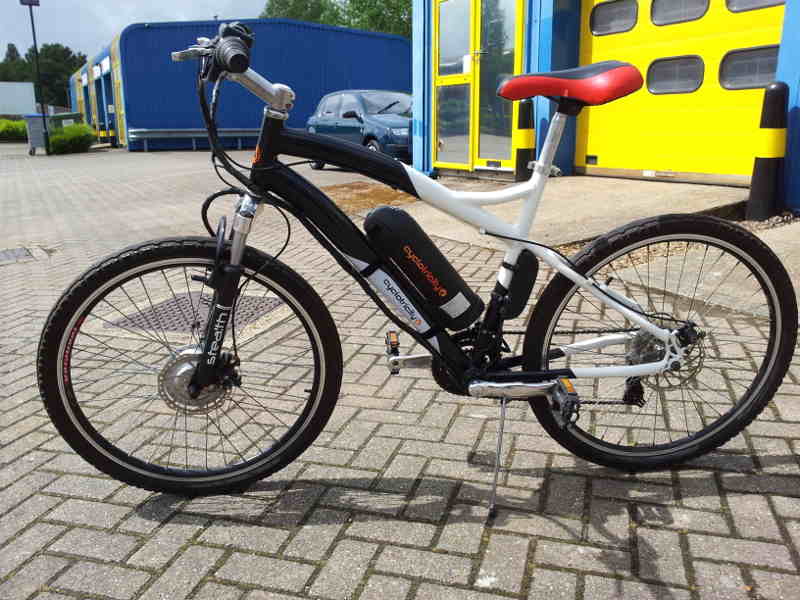
To work out if an Electric Bike is legal, we need to define what an electric bike actually is. In the UK, what most people refer to as electric bikes are actually EAPCs or (or Electrically Assisted Pedal Cycles). These are essentially bicycles with an electric battery designed to aid the cyclist by providing additional power to the cyclist's ability. Anyone who is the age of 14 or older can ride one of these. To be classified as an EAPC, there are a number of a requirements:
- It must have pedals to propel it.
- It must show:
- the power output
- the manufacturer of the motor
- It must also show either:
- the battery’s voltage
- the maximum speed of the bike
- Its electric motor:
- must have a maximum power output of 250 watts
- should not be able to propel the bike when it’s travelling more than 15.5mph
- An EAPC can have more than 2 wheels (for example, a tricycle).
Source: GOV.UK
So what happens if your Electric Bike ISN'T an EAPC? If that's the case then it should be classified as a motorcycle or moped, and will have specific rider requirements. In fact, the laws that apply to ICE (Internal Combustion Engine) and Petrol Motorbikes.
1. Electric Mopeds (L1e-B)
Electric mopeds are restricted to 28mph (45kmh) and are viewed by the law in the exact way that 50cc petrol mopeds are. These can be ridden by any rider aged 16 or over with category AM or P on their existing driver's licence or who has passed their Compulsory Basic Training (CBT). These vehicles are classed as L1e-B.
2. Electric Motorbikes (L3e-A1)
Electric Motorbikes / Mopeds that are able to exceed 28mph are class L3e-A1. These vehicles are not restricted by speed, but require a minimum age of 17 years old for the rider and a passed CBT course/full motorcycle licence. These vehicles go up to 11kW.
3. Electric Motorbikes (L3e-A2)
The rider should be 19 years old or older and must have an A2 Motorcycle Licence. A2 bikes are categorised as Medium-performance motorcycles and are powered by up to 35kW.
4. Electric Motorbikes (L3e-A3)
Requiring an A-license, these are motorbikes which exceed 500cc (35kW), and are considered high-performance motorcycles. You will need to be 24 years+ to qualify for an A-license, or have held an A2 license for 2 years.
Conclusion:
Electric Bikes as classified as EAPC (Electrically Assisted Pedal Cycles) are legal, but the rider must be over 14 years old and wear a helmet, and they can't be ridden where regular bicycles are not allowed. However, if by 'Electric Bike' you mean 'Electric Motorbike', then you will need an appropriate license based on the power of the bike.
Are Electric Bikes Worth it?
Electric Motorbikes and Electric Bikes (Electrically Assisted Pedal Cycles) are two different things. If we're talking about the advantages of EAPCs (Electrically Assisted Pedal Cycles), then the answer would have to be: it depends. But if we're talking about Electric Motorbikes? The same thing, it still depends. Like all electric vehicles, they have pros and cons, and various costs, so check out our breakdown below.
EAPCs - are they worth it?
Pros:
- EAPCs offer an easy and fun introduction to fitness for people who aren't necesarily fit enough to ride a regular bike, and who want a bit of support going the extra distance. They can be encouraging for newer exercise enthusiasts, or perhaps more elderly people looking to get out and about.
- EAPCs are essentially electric motorbikes/motorcycles that you can use without a license.
- EAPCs are safer, as cycling uphill can often result in slower speeds and more wobbling of the bike, making cycling uphill a potentially hazardous activity, especially on the road. They can also help you accelerate faster, meaning that you won't be caught up in a dangerous position at the traffic lights
- EAPCs can go further than a traditional bicycle. This makes them excellent commuter vehicles for eco-conscious riders, especially for those who live in cities. It also means that you can use your bike to go further than you previously would have been able, opening up new options, either from a standpoint of discovering new places, or perhaps even tackling longer bicycle trails than you would normally,
Cons:
- They're more expense than regular bikes. With Electric bikes costing on average £1000 going up to £10,000 or more, there's no doubt that EAPCs are more expensive than regular bicycles.
- You have to charge them. One of the many beauties of owning a bike lies in your ability to pick one up and be ready to go at the drop of a hat. Unfortunately, if you don't remember to charge your battery inbetween trips, you may find yourself cycling a lot harder than you would normally, because you would be lugging around a useless battery.
Electric Motorbikes - are they worth it? (Electric Bike vs. Petrol)
Pros:
- They're more environmentally friendly (sort of). Electric Motorbikes don't produce any of their own emissions, and instead are as environmentally friendly as the grid that supplies them. This means that for a country like Norway, with 98% of its energy coming form green sources, Electric Motorbikes charged on the grid are 98% green.
- They're cheaper to run. A moderately large petrol motorcycle which delivers approximately 50mpg would end up costing the rider approximately 13p per mile, as compared to an electric motorcycle of a similar performance standard managing 2.8p per mile - an average saving of 10p per mile. This savings rate is further accentuated in the 11kW category, where equivalent running costs can be closer to 1p per mile.
- They're cheaper to maintain. Without an engine, they have fewer difficult-to-replace parts and less wear-and-tear. Furthermore, most Electric Motorbikes come with a 5 year warranty on the battery as standard.
- They're future-proof. Energy must become renewable or we will simply run out of energy sources and civilisation will grind to a halt. In our international and interconnected age, travel will always be a necessity, and so it stands to reason that the only future for personal transport will lie in electric (or at least renewable) vehicles. Eventually, this will lead to lower consumer costs and will benefit everyone involved.
Cons:
- The production cost of a battery is very high, and often produces high levels of CO
2, especially for higher kWh vehicles. As such, you would need to travel a significant distance using an Electric Motorbike to offset the carbon cost of production. - The initial cost-of-purchase is higher than that of an equivalent motorbike. Having had even fewer years of development than electric cars, the uptake of electric motorbikes has been relatively low, and the technology is slightly further behind. This means that they are, on average, more expensive vehicles to own, although they are becoming increasingly cheaper, and there are many great budget options depending on your power requirements.
Are Electric Bikes Fast?
Electric Bikes can be split up into multiple categories of power and design: EAPCs, L1e-B, L3e-A1, L3e-A2 and L3e-A3.
-
EAPCs (Electrically Assisted Pedal Cycles) can supply power to the bicycle to help it reach speeds up to 15.5mph, beyond which the rider is responsible for any additional pedal power used to bring the bicycle's speed above that. In fact, even an amateur cyclist would easily be able to exceed this speed of 15.5 mph, making a regular road-bicycle a better option for top-speed pedal power. In fact, some top-tier road cyclists can hit 45mph, although these speeds are generally acquired on ultra-light, expensive road-bikes.
-
L1e-B Bikes are essentially electric mopeds that are restricted to 28mph (45kmh). Good for urban areas, and a step above an EAPC, but nothing special.
-
L3e-A1 Bikes are not limited by speed, but instead by power (<11kW), making the top speed variable. In fact, the Zero S has a top speed of 95mph, despite only requiring an A1 Motorcycle license.
-
L3e-A2 are sub 35kW electric motorcycles, and require an A2 license. While there isn't much information on the fastest A2 electric bike, the 35kW model of the fuell flow has a 0-100km/h time of just 2.7 seconds, and a top speed of 135km/h. Nifty.
-
L3e-A3 is a category of bike that requires a category A license to ride. The A-license is essentially an unrestricted motorcycle license, allowing you to ride the fastest road-legal vehicles in existence. For example, the Lightning LS-218 has a top speed of 218 mph (351 km/h) and a 0 to 60 m/h speed of just 2.2 seconds.
Where are Electric Scooters Made?
The majority of electric scooters are made in China, in one of Ninebot Inc.'s three megafactories. Ninebot Inc estimates that four out of five of electric scooters in existence worldwide are made in its factories in China.
Where can I charge my electric motorcycle?
Most riders opt to use a three-pin socket to charge their electric motorcycle at home, but these are only rated to 3kW, and realistically can only supply about 2.3kW to your bike. The typical electric motorbike can store around 12.5kwh in its battery, making a charging cycle approximately 5.5 hours. Alternatively, you can use a Type Two/Mennekes charger, which can charge your electric bike with approximately 7.2kw from a single phase electricity supply, and bringing charging times down to under 2 hours. These will obviously cost you a bit extra to install. The other popular type of a charger is the CCS DC Fast Charger, but only Energica and Harley-Davidson use them currently, and you're unlikely to be able to install one at home. It's recommended that you don't use these too often, as they could effect the longevity of your battery.
It's one thing knowing that you can charge your vehicle at home, but it's another thing knowing where you can charge your electric motorcycle when you're out and about. Furthermore, some vehicles require much more charge than others, with certain public chargers only supplying 3-5kW, while others can supply up to 350kW. From CCS Combo to Tesla Superchargers, and from Mennekes to Yazaki plugs, electric charging solutions are far from homogenised, so it pays to have an all in one solution.
Can Electric Bikes get wet?
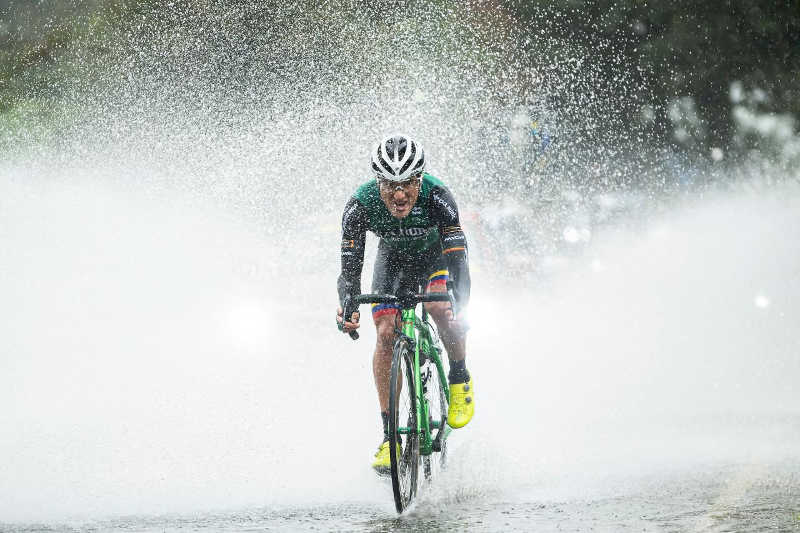
Picture this: you're cycling up steep incline on a B-road; your helmet, hair, lycra, legs and shoes all soaked through with water from a torrential downpour. Traffic blasts past you at speed, spraying you with gritty water. Suddenly, you see a spark coming from between your legs on the frame of your bike, as the electric battery on your Electric Bike short-circuits in the rain. You lose half your pedalling strength and start wobbling from side to side as you struggle to maintain the kind of speed you need to keep from falling over. Losing balance, you swerve into the road and get clipped from behind by a passing car. Nightmare.
This is what might happen to you if you suddenly lost all power supply from your electric bicycle while you were cycling up-hill because of a malfunction in your electric bike's power supply due to the rain. And it's incredibly unlikely to happen, because electric bikes are designed to be ridden in the rain. Most of them have brushless motors which can take light water exposure as long as they are given a chance to dry out after your ride. The only weak points are the controller and any circuit boards in the wiring, but realistically these are going to be kept safe from the rain.
"But what about full submersion in water?" I hear you ask. Good question. Most premium e-bikes will be able to withstand a small period of full submersion, but this isn't a promise that they'll survive, as some motors have different ratings for waterproofing. Bosch motors, for example are only IP54 rated, meaning they can take splashes of water from any direction, but can't be fully submerged. On the other hand, the ZuGo Rhino Step-Thru e-bike is rated to IP67, which indicates it can survive a submersion between 15cm and 1m of water for a limited period of time. Any e-bike rated IP67 or IP68, will be able to survive limited submersion in water, but since many bike manufacturers don't list an IP rating for their batteries or motors, submerging your bike may be an unecessary risk to take.
Can Electric Bikes go up hills?
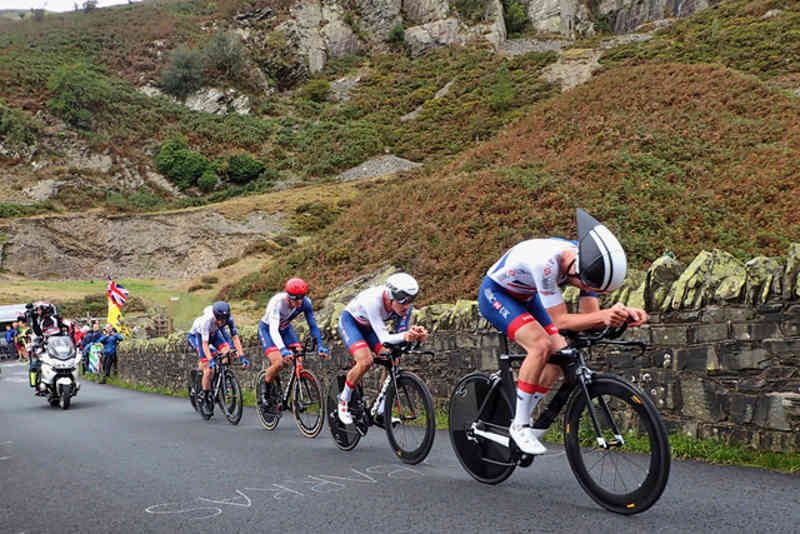
Yes, electric bikes can go up hills. In fact, they actually make it easier for you to go up a hill, with mid-drive motors being the best for this, due to their ability to quickly output power efficiently. Most electric bikes can manage between 18-25mph up a hill, with reduced levels of exertion from the rider. Because of this, electric bikes are a great introduction into cycling for those less physically able, making it a fun and exciting assisted workout.
Why Electric Motorcycles?
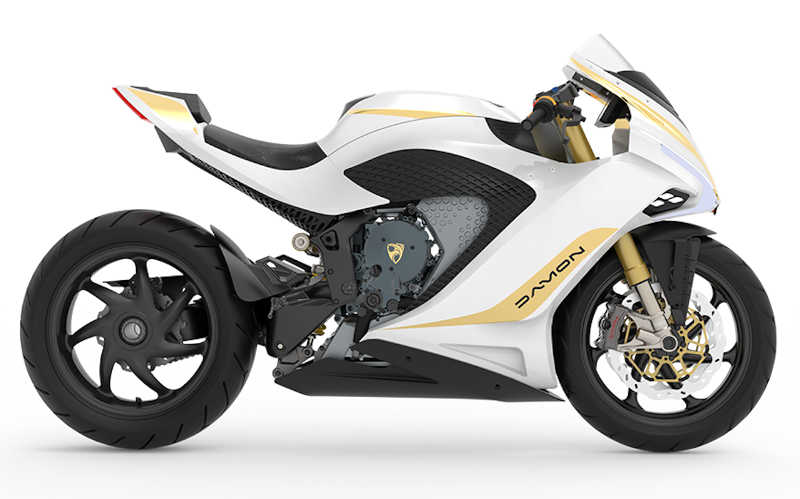
Small, compact, super quick acceleration, easy to park, great for cities and super mobile. What's not to love about motorcycles? Well that's all fine and dandy, but what about... electric motorcycles? Are they the same?
Well, the answer is that electric motorcycles share pretty much the same characteristics as petrol motorcycles, with the exception of maybe a bit of range. The BMW R1250GSA, for example, has an incredible 393.3miles of range on a single fuel tank, making it the longest range production motorcycle on the planet. The longest range electric motorcycle, by comparison, is the 2021 Damon HyperSport Premier, with a range of more than 200 Miles. Big difference (although for the average rider, 200 miles is more than enough).
But what about price? The truth of the matter is that electric motorbikes cost more than regular petrol motorbikes, unless you're willing to compromise on power and speed.
Of course, the typical disadvantages to electric motorbikes still apply, with their reduced safety and limited passenger space being most key (as well as being more unpleasant to ride in difficult weather conditions.
Will electric motorcycles take over? When will it happen?
With all new petrol motorcycles set to stop being in production by 2035 in the UK, the future is looking bright for electric motorcycles. Experts estimate that by 2055, more than 95% of vehicles on the road will be electric, a calculation which takes into account the likely possibility that 100% of motorbikes produced by 2040 will be electric.
According to the Financial Times, electric vehicle sales in Europe have overtaken diesel car sales for the first time in history, signalling the beginning of the end for petrol purchasers and the start of the electric era.
How does an Electric Motorbike Engine Work?
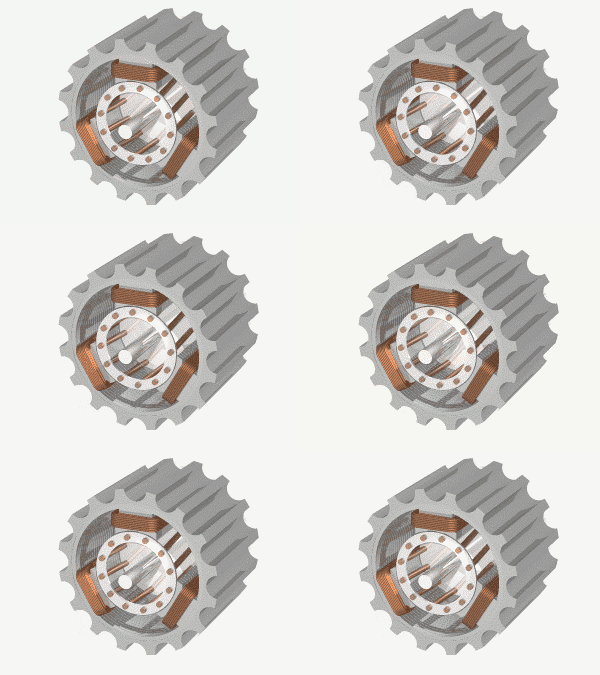
An electric motorbike engine works much in the same way as a petrol motorbike engine, in that it outputs power through turning a shaft which is connected to a wheel, either through a chain drive, shaft drive (as in BMW touring bikes), or gilmer belt (as in some Harley Davidson motorbikes). The main difference, of course is that the power is generated by an internal battery, rather than complicated cylinder/piston designs. Instead of the crankshaft being turned by a series of pistons, most electric motors can directly turn specifically designed rotating parts via electromagnetism. This principal operates on the assumption that a magnetic field is generated when eletricity is passed through a wire. Through clever wiring, a shaft can be turned via the interaction between the motor's magnetic field and the elctric current flowing through a wound set of wires, which in turn generates torque on the motor's shaft. In an electric motorbike, this primarily takes the form of a Brushless DC motor (BLDC or BLDM).
Of course, this is only one form of motor (DC), and there are many ways to turn a shaft, so to speak. The two other semi-common forms of motor used in electric vehicles are different forms of the Reluctance Motor: Synchronous Reluctance Motors or Switched/Variable Reluctance Motors (SRM). Both forms are AC (alternating current), and require a power inverter to transmit energy from the battery. They both have winded coils in the casing, rather than in spinning shaft itself and require complex electronics to monitor and regulate current, due to the SRM's propensity for "torque ripple" which is the ebbing and flowing of torque due to uneven power output caused by the complications of having to use multi-phase AC currents. The advantage is that there is very minimal wear and tear, unlike in a brushed motor, where the brushes wear out eventually.
Will Electric Bikes Get Cheaper?
Yes, they will. Simple economics dictates that as the demand for an item goes up, its price goes down, as suppliers and producers will compete with each other to bring the price down so as to capitalise on the higher demand. By dint of ever-reducing supplies of fossil fuels, and an increasing reliance on sustainable energy, the future looks set to be filled with Electric Bikes, both as EAPCs (Electrically Assisted Pedal Cycles) and as Electric Motorbikes. This is because the UK government (among many others) is incentivising an early switch to electronic vehicles in a two-stage process in 2030 (cessation of full-petrol/diesel car production) and 2035 (cessation of hybrid vehicle/petrol motorbike production). Furthermore, as more and more people move to cities, short-distance, compact mobile vehicles like electric bikes will become increasingly more popular - just see how quickly electric scooters have taken off!
Electric Motorbikes with Pedals
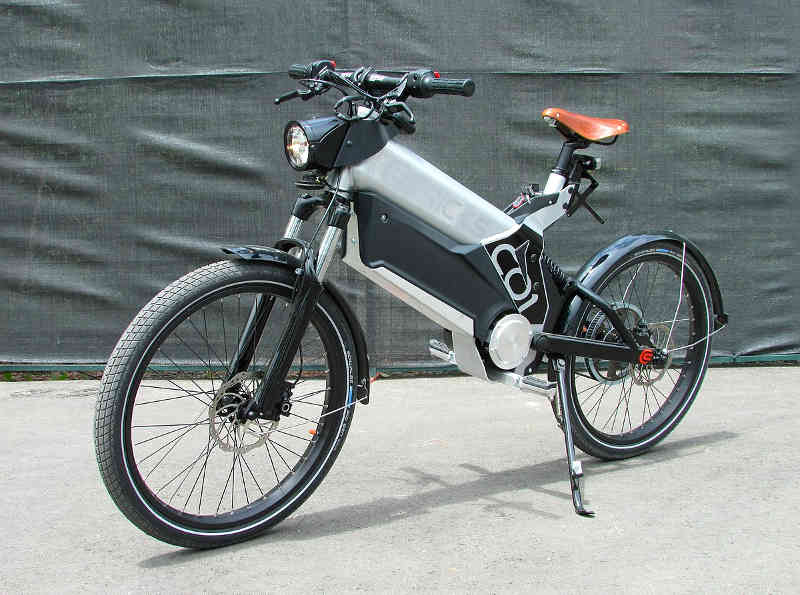
Can you get an Electric Motorbike with Pedals? Yes, they're called EAPCs, but we've already covered those in the first part of this article. Some EAPCs even look like real motorbikes. So far we've covered electric motorbikes as EAPCs (Electrically Assisted Pedal Cycles), but this kind is closer to a bicycle with an extra boost from an electric motor than a real electric motorbike (check the section below for a list of Electric Motorbikes you may want to consider if you're looking for the best models in any price range).
But what about road-legal motorbikes that are electrically powered above and beyond the typical 250watt, 15.5mph-assisted EAPC range? There aren't many, but there are a select handful of electric motorbikes you can buy which require an A1 motorbike license and have pedals. Pretty wild.
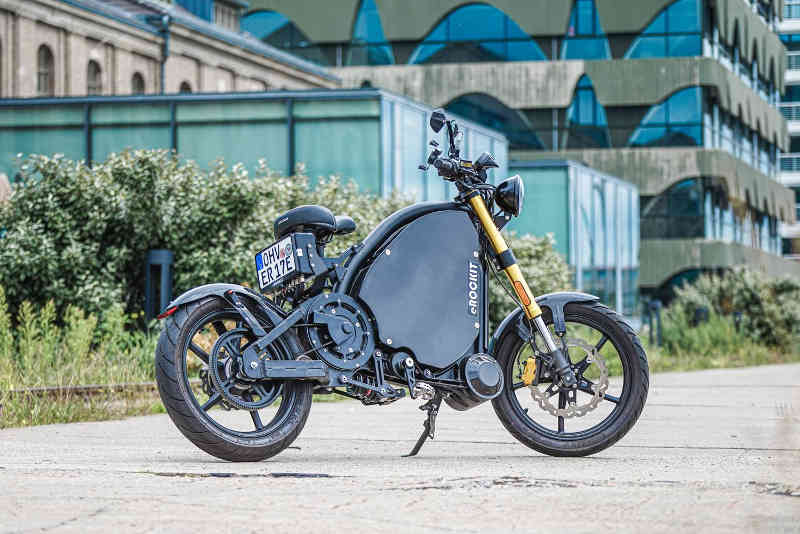
The eRockit Limited Edition 100 is an e-bike with a twist: it can reach speeds of up to 90kmh, but you will need to pedal harder to reach those speeds. Pedal slower and it will move slower. You will need an A1 license to ride it, and it is currently a limited edition concept which will set you back €11850 and has a range up to 120km.
What Electric Bike should I get?
If you want to get an Electric Bike, you need to take into account a number of factors, including price, range, and type of vehicle. To make things confusing, not all Electric Bikes are pedal bikes, and not all pedal-powered electric bikes are classified as legal to riders without a license. So to make things easier for you, we're going to simplify things into three categories of EAPC (Electrically Assisted Pedal Cycles).
Best under £1000
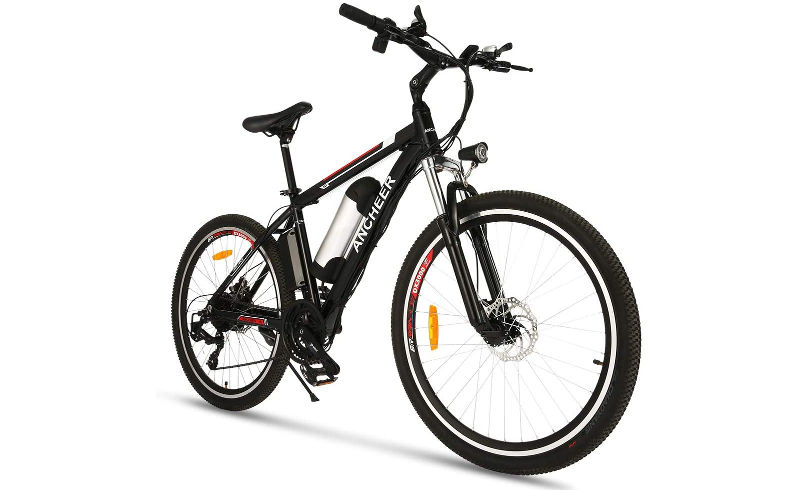
Ancheer Electric Mountain Bike The Ancheer Electric Bike is a light bike with excellent range for the very well-priced £739 as well as front suspension and disc brakes which allow for a smooth and enjoyable ride. It even comes with a removeable battery, which is pretty handy given the 4-6 hour charging time. Best under £2000
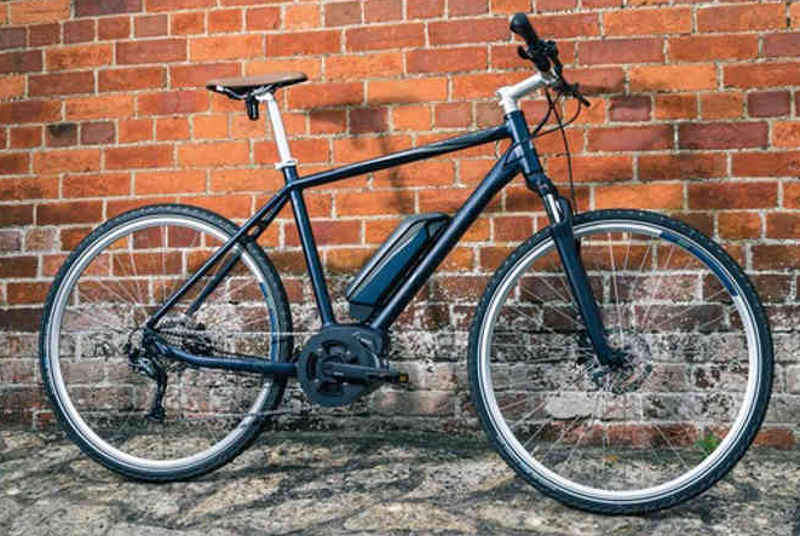
Carrera Crossfuse Electric Hybrid Bike Coming with a great torque sensor that gives you a boost as and when you need it, the Carrera Crossfuse is a great midrange offering at £1,899.00. Furthermore, the powerful Bosch motor can easily switch between multiple modes, allowing you to save battery power when you want to go the distance, or to power up a hill when you need the extra boost. Furthermore, the hybrid bike is more than capable of going off-road, with its frame and tyres designed for bumpy gravel riding. Replaceable batteries, comfortable suspension bring this offering together as a great all-rounder. Best Overall
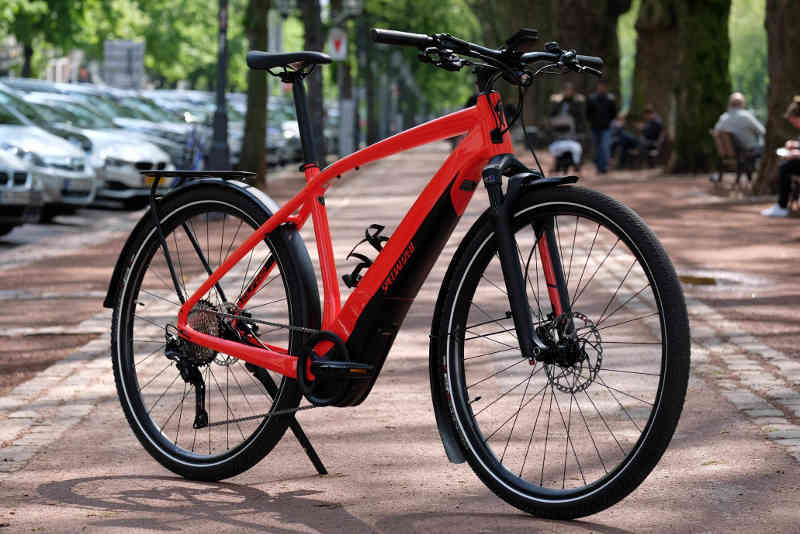
Specialized Turbo Vado 4.0 (2023) With a pedal-assisted range of 90 miles and a finely tuned ride computer providing some of the smoothest augmented cycling power on the market, the £3,900.00 Specialized Turbo Vado 4.0 is one of the finest electric bikes money can buy. Furthermore, its operating system updates by itself. Coming with all the trimmings (lights, rear/front fenders, front suspension), the only downsides to this bike is the weight and price. Weighing in at 24kg due to the hefty battery, this bike has been made with long-distance travel in mind.
Electric Motorbike with Removable Battery
Electric motorbikes are great, but they fall short in just one area compared to petrol motorbikes: range. Fortunately, there are some electric motorbikes with replaceable batteries, meaning you can charge up spare batteries whenever you need, theoretically reducing your stop-over time to mere minutes. Unfortunately, removeable batteries are often used in motorbikes with less power, as more powerful electric motorbikes often require dedicated batteries with their own cooling systems. As a result, most electric motorbikes with removeable batteries are mopeds, but there are some exceptions.
Super Soco TC-Max
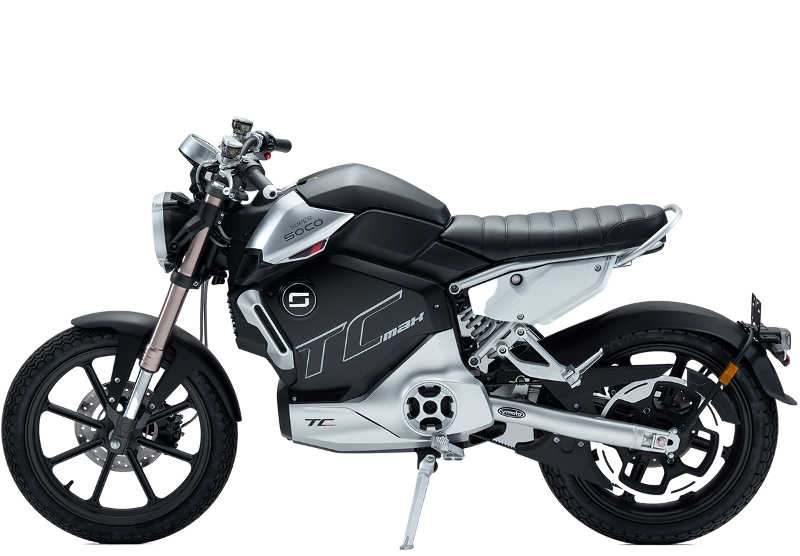
While this one technically has a removeably battery, it does weigh 21kg (which is pretty heavy in my opinion). However, for only £4249 (after the government grant), it's a great 125cc offering, coming in with a range of about 60 miles. For these purposes, it's best left as a city-commuter motorbike, or perhaps for a night-time delivery rider looking to avoid the ULEZ fines. Furthermore, it has handy power-modes that can be switched on-the-go, allowing you to save battery power when you're not in a hurry. Will it outpace a standard 125cc motorbike? No. But it will be cheaper to run, and also only needs a CBT license to ride.
Zapp i300
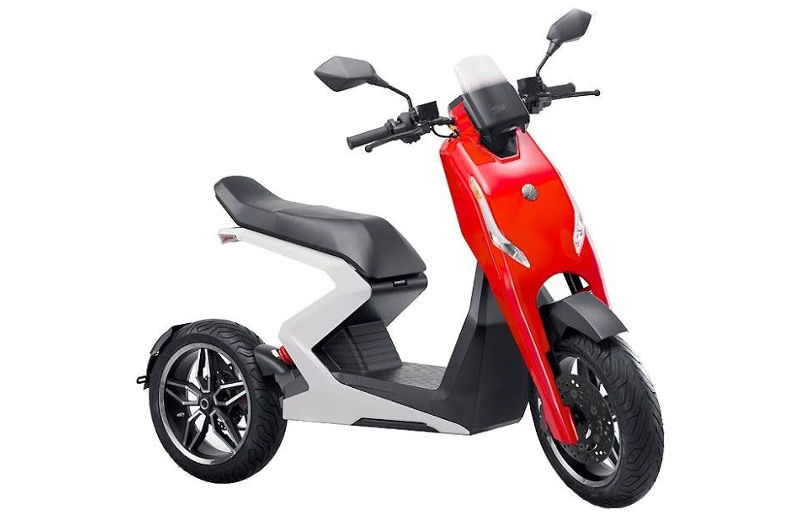
A premium offering, the Zapp i300 is the electric motorbike start-up company Zapp's first offering. Now in pre-order phase, from £4,796 for the Ocean Edition (made from recycled ocean plastic) and £7,995 for the Carbon Launch Edition (made with fibre), the Zapp i300 is set to be a great mid-range electric motorbike. With 0-31 mph in 2.38 seconds and a restricted top speed of 62 mph, the Zapp's two removeable Lithium batteries give a respectable combined range of 56 miles - not bad considering the batteries only weight 5kg each.
NIU MQi+ Sport ER
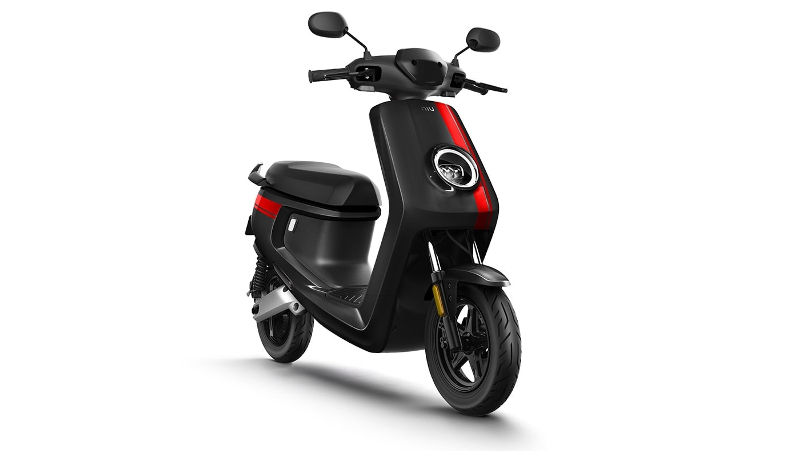
Coming in at around £2156 after grant, the NIU MQi+ Sport ER is a cheap e-moped with reasonable performance. With approximately 50miles of range at 28mph, and a charging time of 6 hours through a three-pin socket, this mini offering packs a moderate 2kwh in its removeable battery. With regenerative braking fuelling up the battery and increasing efficiency, the MQi+ Sport ER is solid choice for anyone looking for a budget vehicle for short trips in and around the urban landscape.
Can you get an Electric Motorbike with a Sidecar?
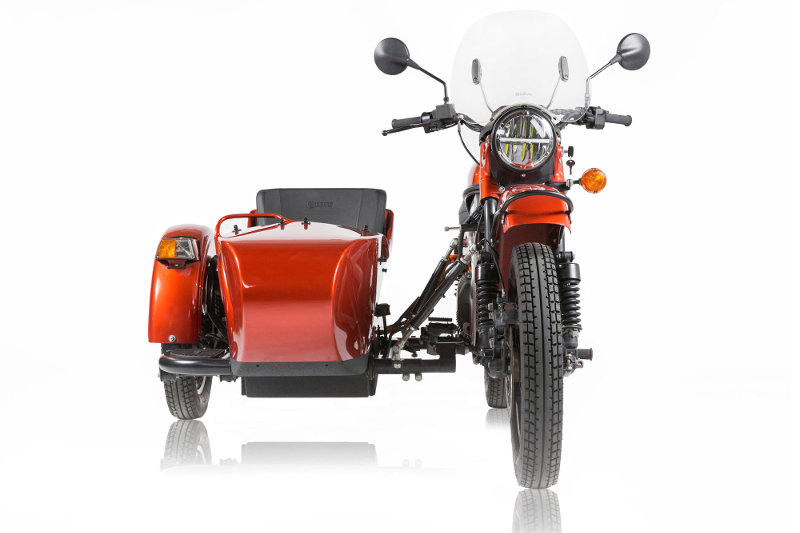
Yes you can technically get an electric motorbike with a sidecar. Falling under the technical specification of L4e, an electric motorbike with a sidecar is essentially an L3e motorbike with a sidecar. Do they actually exist? In a way, but they're not widely available.
The Electric Ural Sidecar Prototype is exactly what it says on the tin. An Electric Motorbike with a sidecar. Why you would want it is beyond me, but hey, you're reading this, who am I to judge your tastes. Other versions include some cheap, mass-specced offerings from China, but whether or not they'd be road legal in the UK would be subject to a passed MOT. Of course, you can always fit your own sidecar, provided you install it on the left of your vehicle, but you'll need to make sutre the battery on your electric motorbike will be able to provide enough power to carry the extra weight.
Any questions?
Learn more

Who Are WeCovr?
WeCovr is an insurance specialist for people valuing their peace of mind and a great service.👍 WeCovr will help you get your private medical insurance, life insurance, critical illness insurance and others in no time thanks to our wonderful super-friendly experts ready to assist you every step of the way.
Just a quick and simple form and an easy conversation with one of our experts and your valuable insurance policy is in place for that needed peace of mind!