Flexible UK LCIIP Insurers for Life Changes
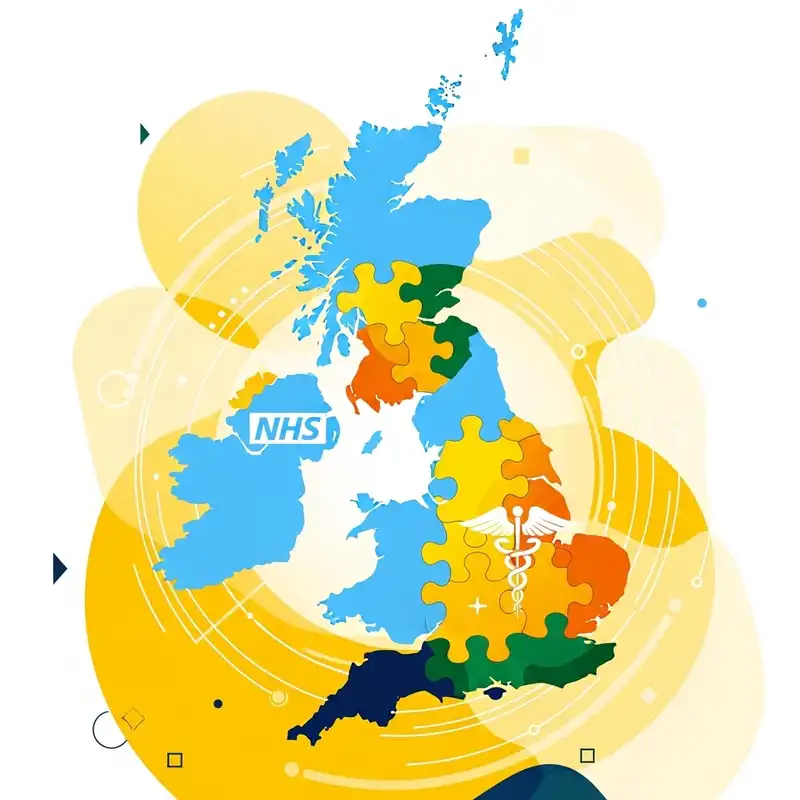
Flexible UK LCIIP Insurers: Mastering Regional Adaptability for Life's Evolving Demands
Flexible UK LCIIP Insurers: Regional Adaptability for Life's Changes
Life is a dynamic journey, characterised by unexpected twists and turns. From career changes and family growth to health challenges and geographic relocations, our circumstances are in constant flux. In this ever-evolving landscape, the financial protection we establish for ourselves and our loved ones must possess an inherent capacity for adaptation. This is where the concept of flexibility within UK Life Insurance, Critical Illness, and Income Protection (LCIIP) policies becomes not just beneficial, but essential.
This comprehensive guide delves deep into the nuances of flexible LCIIP policies in the UK, exploring how insurers accommodate the shifting sands of life, and critically, how regional factors subtly yet significantly influence your protection needs and policy considerations. We'll uncover why a 'set and forget' approach to insurance is rarely sufficient and how proactive planning, supported by adaptable policies, offers the most robust financial security.
Understanding LCIIP: A Foundation of Financial Security
Before exploring flexibility and regional adaptability, it's crucial to grasp the core components of LCIIP insurance and why they form a vital safety net for millions across the UK.
Life Insurance: Protecting Your Legacy
Life insurance pays out a lump sum or regular payments to your beneficiaries if you pass away during the policy term. Its primary purpose is to provide financial stability for your loved ones, covering essential expenses such as mortgage repayments, outstanding debts, living costs, and even future education for children.
Key Types of Life Insurance:
- Term Life Insurance: Provides cover for a specified period (e.g., 10, 20, 30 years). If you die within this term, a payout is made. This is often linked to the duration of a mortgage or the period until children become financially independent.
- Level Term: Payout remains constant.
- Decreasing Term: Payout reduces over time, typically aligned with a repayment mortgage.
- Increasing Term: Payout increases to combat inflation, often linked to RPI or a fixed percentage.
- Whole of Life Insurance: Provides cover for your entire life, paying out whenever you die. It's often used for inheritance tax planning or to guarantee a sum for funeral costs.
Critical Illness Insurance: Battling Life-Altering Diagnoses
Critical Illness (CI) insurance pays out a tax-free lump sum if you are diagnosed with one of a pre-defined list of serious illnesses during the policy term. These typically include conditions like cancer, heart attack, stroke, and multiple sclerosis. The payout can be used to cover medical treatments, adapt your home, replace lost income, or simply provide financial breathing space during a challenging time.
According to Cancer Research UK, around 393,000 new cancer cases are diagnosed in the UK each year (2017-2019 data), highlighting the very real risk. Similarly, the British Heart Foundation reports that someone has a heart attack every five minutes in the UK. These statistics underscore the critical importance of CI cover.
Income Protection Insurance: Safeguarding Your Livelihood
Income Protection (IP) insurance pays a regular tax-free income if you're unable to work due to illness or injury. Unlike critical illness cover, which pays a lump sum for specific conditions, IP covers a broader range of health issues that prevent you from working, from back pain to stress-related conditions. It typically pays out a percentage of your gross income (e.g., 50-70%) until you recover, reach retirement age, or the policy term ends.
Key Features of IP:
- Deferred Period: The waiting period before payments begin (e.g., 4, 8, 13, 26, 52 weeks). Choosing a longer deferred period often reduces premiums.
- Benefit Period: How long the payments will continue (e.g., 2 years, 5 years, until retirement).
- Definition of Incapacity: Crucial for understanding when you qualify for a claim (e.g., 'Own Occupation', 'Suited Occupation', 'Any Occupation').
Table: Key Differences & Benefits of LCIIP Components
| Feature | Life Insurance | Critical Illness Insurance | Income Protection Insurance |
|---|---|---|---|
| Trigger Event | Death of the insured | Diagnosis of a pre-defined critical illness | Inability to work due to illness or injury |
| Payout Type | Lump sum or regular payments | Lump sum | Regular monthly income |
| Primary Purpose | Financial support for dependents/legacy | Financial support during serious illness | Replacement of lost income due to incapacitation |
| Typical Use | Mortgage protection, family income, funeral | Medical costs, home adaptations, lifestyle support | Covering living expenses, bills, mortgage payments |
| Tax Treatment | Generally tax-free | Generally tax-free | Generally tax-free (for individual policies) |
| Claim Frequency | Once | Once (can be partial for some conditions) | Potentially multiple claims over policy term |
The Imperative of Flexibility in Insurance
Life is not static, and neither should be your financial protection. A policy taken out at 25 will likely not meet the needs of someone at 35 or 45. Rigidity in insurance can leave significant protection gaps, precisely when you need cover the most.
Why Static Policies Fail in Dynamic Lives
Imagine taking out a life insurance policy as a single individual with no dependents. A decade later, you're married with two children and a larger mortgage. Your financial responsibilities have multiplied, but if your policy hasn't adapted, the original sum assured will be woefully inadequate to support your family should the worst happen. This scenario highlights the critical flaw of static insurance: it doesn't account for the evolving financial obligations and risks that accompany life's progression.
Common Life Events Requiring Policy Adjustments
Life events often come with significant financial shifts, necessitating a review and potential adjustment of your insurance portfolio.
- Marriage or Civil Partnership: Merged finances, potentially new joint debts (e.g., joint mortgage), increased dependency.
- Buying a Home or Remortgaging: Significant increase in debt; need for mortgage protection. UK house prices have risen by an average of 1.* Birth of a Child/Adoption: Increased financial dependency, future education costs.
- Job Change/Promotion: Higher income might mean higher living expenses, or a new job could have different occupational risks affecting IP.
- Starting a Business: Greater financial uncertainty, potential need for business protection.
- Divorce/Separation: Division of assets and liabilities, potential need for individual policies.
- Significant Health Change: While this might trigger a claim, it could also impact future insurability or prompt a review of existing cover levels.
- Children Becoming Financially Independent: Reduced dependency might allow for a reduction in cover.
- Inheritance or Windfall: Could reduce debt, impacting the level of cover needed.
- Retirement: Income protection may no longer be relevant, life insurance needs might shift from income replacement to estate planning.
Table: Life Events and Their Impact on Insurance Needs
| Life Event | Potential Impact on Insurance Needs | Action Required for LCIIP Policies |
|---|---|---|
| Marriage/Partnership | Increased joint debt, new dependents (spouse) | Consider joint life policy, increase cover to protect partner |
| New Mortgage/Home Purchase | Large new debt, need for debt protection | Increase life cover (decreasing or level term) to match mortgage |
| Birth/Adoption of Child | Significant new financial dependency, future costs | Increase life cover, consider critical illness for children |
| Significant Pay Rise | Increased lifestyle costs, potential for higher income protection | Review IP to ensure adequate income replacement |
| Job Change (e.g., safer job) | Reduced occupational risk for IP premiums | Inform insurer, potentially lower IP premiums |
| Divorce/Separation | Split finances, individual debts, maintenance payments | Review existing joint policies, consider new individual policies |
| Children Leave Home | Reduced financial dependency | Consider reducing life cover, especially if mortgage is small |
| Receiving Inheritance | Debt reduction, increased savings; might reduce cover need | Review existing cover levels; consider whole of life for IHT |
| Moving House (esp. region) | Different cost of living, local health stats, new mortgage | Review sum assured based on new cost of living, new mortgage |
Regional Adaptability: How Location Influences Your Policy
While personal factors (age, health, occupation, lifestyle) are paramount in determining LCIIP premiums, the region in which you live or work in the UK can subtly, yet significantly, influence your insurance needs, the amount of cover you require, and even the perception of risk from an insurer's perspective. It's less about a direct postcode premium loading for individuals, and more about the contextual factors that shape your financial landscape and health profile based on where you reside.
1. Cost of Living Disparities
The UK exhibits significant regional variations in the cost of living. Areas like London and the South East have notoriously higher housing costs, transport expenses, and general living expenditures compared to many parts of the North, Wales, or Scotland.
- Impact on Sum Assured: If you live in a high-cost area, the sum assured for your life insurance or critical illness policy may need to be substantially higher to cover mortgage repayments, living expenses for your family, or adapting your home, should you make a claim. For instance, the average house price in London was £501,000 in March 2024, compared to £188,000 in the North East (ONS data). This disparity directly impacts the level of mortgage protection required.
- Income Protection Needs: Similarly, the percentage of income replaced by an IP policy might need to be higher to maintain a similar standard of living if you reside in an expensive region.
2. Health Demographics and Regional Health Trends
While individual medical underwriting is king, population-level health data varies regionally, and insurers consider broad demographic trends. Certain regions may exhibit higher incidences of specific health conditions, often linked to socioeconomic factors, historical industry, or lifestyle trends.
- Prevalence of Conditions: For example, areas with higher levels of deprivation tend to have poorer health outcomes, including higher rates of chronic diseases such as heart disease, diabetes, and certain cancers. The NHS Health Survey for England consistently highlights regional health inequalities. While this doesn't mean an individual in a "less healthy" region will automatically pay more without personal health issues, it forms part of the broader risk pool data insurers analyse.
- Access to Healthcare: Variations in NHS waiting lists and the availability of private healthcare services across regions might subtly influence how individuals perceive their need for private critical illness payouts to access faster treatment or specialized care, impacting the value they place on such cover.
3. Occupational Concentrations and Regional Industries
The UK's economic geography means certain industries are concentrated in specific regions. These industries can carry varying levels of risk, which directly influences income protection and, to a lesser extent, critical illness and life insurance premiums.
- High-Risk Industries: For instance, fishing communities on the coast, heavy manufacturing in the Midlands, or construction in major urban centres might have higher occupational injury rates. While your job title and specific duties are assessed, the regional concentration of such roles means that insurers have specific underwriting guidelines based on industry risk profiles common to those areas.
- Regional Economic Stability: Areas heavily reliant on a single industry might face greater economic vulnerability. This could influence an individual's perception of job security and therefore the urgency or type of income protection needed.
4. Environmental Factors and Lifestyle Habits
Regional environmental factors (e.g., air quality in urban centres) or prevalent lifestyle habits (e.g., rates of smoking or physical activity) can also contribute to regional health profiles.
- Air Quality: Major cities like London, Birmingham, and Manchester often have higher levels of air pollution compared to rural areas, which can be linked to respiratory and cardiovascular diseases. While an insurer won't charge you more for living in London solely due to air quality, it's a macro factor considered in population health models.
- Sedentary Lifestyles: Urbanisation and certain regional cultures might lead to more sedentary lifestyles, which in turn contribute to higher rates of obesity and related health issues.
Table: Regional Factors and Potential Insurance Implications
| Regional Factor | Examples (UK) | Potential Insurance Implication |
|---|---|---|
| Cost of Living | London, South East (high) vs. North East, Wales (lower) | Higher sum assured needed for life/CI in high-cost areas to cover expenses; IP needs to cover higher living costs. |
| Health Demographics | Higher incidence of heart disease in Scottish central belt; lower life expectancy in some deprived areas. | Insurers consider population health data; individual underwriting is key but regional trends inform risk models. |
| Occupational Concentration | Fishing in Cornwall, heavy industry in Midlands, financial services in London. | Occupational risk primarily assessed by individual job, but regional concentration means insurers have established risk profiles for local industries. |
| Environmental Factors | Urban air pollution vs. rural clean air | Long-term population health trends are considered; individual health paramount. |
| Socioeconomic Deprivation | Certain postcodes/boroughs with higher deprivation indices. | Often correlated with poorer health outcomes, which impacts overall risk assessment (though individual health is key). |
The key takeaway is that while LCIIP policies are fundamentally underwritten based on the individual's age, health, and lifestyle, the context provided by their regional location influences the amount of cover they genuinely need and subtly contributes to the actuarial models insurers use to price risk across their entire customer base. An expert broker like WeCovr understands these regional nuances and can help tailor policies that are truly fit for purpose, regardless of where you call home in the UK.
How Flexible Policies Respond to Life's Milestones
The true strength of modern LCIIP policies lies in their built-in flexibility. Insurers understand that a policy isn't a static contract but a dynamic tool that must evolve with your life.
1. Increase Cover Options (Guaranteed Insurability Options - GIOs)
One of the most valuable features is the ability to increase your cover without further medical underwriting, provided it's linked to specific life events. This is often referred to as a Guaranteed Insurability Option (GIO).
- Common Trigger Events for GIOs:
- Marriage or Civil Partnership: Often allows an increase of 25-50% of the original sum assured or up to a pre-defined maximum.
- Birth or Adoption of a Child: Similar increase percentages to marriage, recognising new financial dependencies.
- Increase in Mortgage: If you take on a larger mortgage (e.g., moving house, remortgaging), you can often increase your life or critical illness cover to match the new debt without additional medical questions.
- Significant Salary Increase: Some income protection policies may allow an increase in the benefit amount to reflect your higher income, ensuring the replacement income remains adequate.
- Children Starting Higher Education: Recognising ongoing financial dependency.
The importance of GIOs cannot be overstated. If your health deteriorates after taking out a policy, you might struggle to get additional cover or face significantly higher premiums. GIOs safeguard your ability to increase protection when your responsibilities grow, irrespective of your current health status.
2. Decrease Cover Option
Just as life responsibilities can grow, they can also shrink. Once your mortgage is paid off, or your children become financially independent, you may no longer need the same level of life cover. Most flexible policies allow you to reduce your sum assured, which will in turn reduce your premiums. This ensures you're not paying for cover you no longer need.
3. Payment Holiday or Waiver of Premium
Life can throw unexpected curveballs, such as redundancy or long-term illness that doesn't trigger a full claim but impacts your ability to pay premiums.
- Payment Holiday: Some insurers offer short payment holidays (e.g., 3-6 months) during periods of financial hardship, often with specific conditions. The policy remains in force during this time, but the missed premiums might need to be paid back later, or the policy term extended.
- Waiver of Premium: This is a common add-on benefit where your premiums are waived if you become seriously ill or incapacitated and unable to work for a specified period (e.g., 6 months). The policy remains active, and you don't have to pay anything until you recover. This is a crucial safeguard for the policy itself.
4. Changing Term Length
If you initially took out a 20-year term life policy tied to a mortgage, but then remortgage over 25 years, some policies may allow you to extend the term to match your new mortgage period. Conversely, if you pay off your mortgage early, you might choose to shorten the term.
5. Adding or Removing Benefits/Riders
Flexible policies often allow you to customise your cover by adding or removing 'riders' or additional benefits.
- Adding Critical Illness: You might initially take out life cover and later decide to add critical illness cover.
- Adding Income Protection: Conversely, you might add IP to an existing life or CI policy.
- Fracture Cover/Child Cover: Some policies offer minor benefits for specific conditions or for children's critical illness. You might add or remove these as your needs change.
6. Policy Portability
Generally, LCIIP policies are 'portable' within the UK. If you move house from Manchester to London, your policy remains valid, though as discussed, your needs may change due to the differing cost of living. The policy itself doesn't need to be rewritten solely due to a change of UK address. If you move abroad, the situation becomes more complex and usually requires a new policy in the country of residence.
Table: Common Flexibility Features and Their Purpose
| Flexibility Feature | Description | Purpose/Benefit |
|---|---|---|
| Guaranteed Insurability Option (GIO) | Increase cover without new medical underwriting for specific life events (marriage, birth, mortgage increase). | Ensures continued adequate protection even if health deteriorates; invaluable. |
| Option to Decrease Cover | Reduce sum assured/benefit amount, lowering premiums. | Avoid paying for unnecessary cover as responsibilities reduce. |
| Payment Holiday/Premium Freeze | Temporary suspension of premium payments during financial hardship. | Provides financial breathing room without losing cover immediately. |
| Waiver of Premium | Premiums are waived if you become incapacitated and unable to work. | Protects the policy itself from lapsing during illness/injury. |
| Changing Policy Term | Adjusting the length of the policy to match evolving needs. | Align cover duration with new mortgages or life stages. |
| Adding/Removing Riders/Benefits | Customise policy by adding e.g., Critical Illness, or removing features. | Tailor cover precisely to current needs and budget. |
| Policy Portability (UK) | Policy remains valid if you move address within the UK. | No need to reapply solely due to internal UK relocation. |
Underwriting and Regional Data: A Deeper Dive
Underwriting is the process by which insurers assess the risk of providing insurance to an applicant and determine the terms and price of that cover. While highly individualised, it does incorporate broader data.
How Insurers Use Data
Insurers utilise vast datasets, including:
- Individual Data: Medical history, lifestyle questionnaires (smoking, alcohol, exercise), occupation, age, sum assured requested.
- Population Data: Mortality rates, morbidity rates (incidence of illness), life expectancy statistics, claims data. This is where regional trends subtly feed in. For example, if national data suggests higher rates of a particular illness in a specific demographic or geographical area, this informs the overall risk models.
Individual vs. Population Level Data
For LCIIP, the focus is heavily on the individual. A healthy, non-smoking individual living in a region with generally poorer health outcomes will still typically receive preferential rates because their individual risk profile is strong. However, population-level data helps insurers understand the broader landscape of risk, informing their overall pricing strategies and product development.
Ethical Considerations and GDPR Implications
The use of vast data, including potentially geo-demographic data, raises ethical questions about fairness and discrimination. Insurers operate under strict regulations from the Financial Conduct Authority (FCA) and the Prudential Regulation Authority (PRA). They must demonstrate that their pricing is fair and non-discriminatory.
Furthermore, the General Data Protection Regulation (GDPR) and the Data Protection Act 2018 govern how personal data, including health and location data, is collected, processed, and stored. Insurers must be transparent about how data is used and ensure it is kept secure. They cannot simply charge you more because of your postcode unless there is a justifiable, actuarially sound reason based on your individual risk, or the cost of providing the benefit (e.g., needing a much higher sum assured due to regional housing costs).
The Financial Landscape: Cost vs. Value in Flexible Policies
When considering LCIIP, the cost is naturally a significant factor. However, it's crucial to distinguish between 'cost' and 'value'. A cheaper, rigid policy might offer less value if it doesn't adapt to your evolving needs.
Factors Influencing Premiums
The premium you pay for LCIIP is determined by a combination of factors:
- Age: Younger applicants generally pay less as the risk of claim is lower.
- Health: Pre-existing conditions, BMI, blood pressure, cholesterol levels, family medical history all influence premiums.
- Smoking Status: Smokers pay significantly more due to elevated health risks.
- Occupation: High-risk jobs (e.g., working at heights, heavy machinery) lead to higher IP premiums, and sometimes life/CI.
- Sum Assured/Benefit Amount: The higher the payout, the higher the premium.
- Policy Term: Longer terms mean higher premiums as the insurer is exposed to risk for a longer period.
- Deferred Period (for IP): A longer deferred period means lower IP premiums.
- Policy Type and Features: Critical illness cover generally adds to the cost of life insurance. Adding waiver of premium or other riders also increases the premium.
- Insurer: Different insurers have different underwriting approaches and pricing structures.
Does Flexibility Cost More?
Surprisingly, intrinsic flexibility features like GIOs often don't add a significant premium loading. They are considered standard features of quality policies. What does increase the cost is adding more cover, increasing the term, or adding riders like critical illness or waiver of premium. The value lies in the option to adjust without penalty or re-underwriting when life changes. It's about paying for the potential to adapt, which is often bundled into competitive policy offerings.
The Value of Peace of Mind
Ultimately, LCIIP insurance is about peace of mind. It's about knowing that if the worst happens, you and your loved ones are financially protected. A flexible policy amplifies this peace of mind by ensuring that your protection remains relevant and robust throughout your life's journey, adapting as your circumstances, responsibilities, and even your regional context evolve. The cost of not having adequate or adaptable cover can be far greater than the premiums paid.
Choosing the Right Flexible Policy: A Step-by-Step Guide
Navigating the complexities of LCIIP policies and their myriad flexibility options can be daunting. A structured approach can help you make an informed decision.
1. Assess Your Current and Future Needs
- Current Financial Obligations: Mortgage, debts, living expenses, dependents' needs.
- Future Goals: Planning for children's education, retirement, potential property moves, career changes.
- Health and Lifestyle: Be honest about your health, smoking status, and occupation.
- Regional Context: Consider how your location affects your cost of living and specific occupational risks.
2. Research Insurers and Their Offerings
Not all insurers offer the same level of flexibility or the same range of GIOs. Some might specialise in particular types of cover (e.g., highly comprehensive critical illness definitions). Look for providers known for good customer service and claims payout rates.
3. Compare Policies Thoroughly
- Cover Amount and Term: Are they appropriate for your needs?
- Flexibility Features: Specifically look for GIOs, waiver of premium, and options to increase/decrease cover.
- Definitions (for CI/IP): Especially critical for critical illness and income protection. Understand what conditions are covered and under what criteria.
- Exclusions: Be clear about what is not covered.
- Cost: Compare premiums, but don't let it be the sole deciding factor.
- Customer Reviews and Financial Strength Ratings: A financially stable insurer is crucial.
4. Read the Fine Print
This cannot be stressed enough. Policy documents are legally binding. Pay close attention to definitions, terms, conditions, and how flexibility options can be exercised.
5. Consider a Financial Adviser or Specialist Broker
This is where expert guidance becomes invaluable. A qualified adviser can:
- Help you accurately assess your needs.
- Explain complex terms in plain English.
- Navigate the entire market to find suitable policies.
- Help you understand the regional nuances relevant to your situation.
- Assist with the application process and even claims.
6. Regular Reviews
Your insurance needs will change. Commit to reviewing your policies at least every 2-3 years, or immediately after any significant life event (marriage, new baby, house move, job change).
The Role of an Expert Broker (Like WeCovr)
In the intricate world of LCIIP, navigating the multitude of insurers, policy types, and flexible features can be overwhelming. This is where an expert broker, like WeCovr, becomes your invaluable ally.
Why Use a Broker?
- Whole-of-Market Access: Unlike going directly to a single insurer, a broker can compare policies from across the entire UK market. This means you gain access to a wider range of options, ensuring you don't miss out on a policy that perfectly fits your unique needs and budget.
- Expert Advice Tailored to You: WeCovr's experienced advisers understand the nuances of different policies and insurers. We take the time to understand your personal circumstances, financial goals, and regional context, providing tailored recommendations rather than a one-size-fits-all approach. For instance, we know that someone living in central London might need different levels of cover or might face different occupational risk considerations compared to someone in rural Scotland, even if the core individual factors are the same.
- Simplifying Complexity: Insurance jargon can be impenetrable. WeCovr translates complex terms, definitions, and exclusions into clear, understandable language, empowering you to make informed decisions with confidence. We explain exactly how 'Guaranteed Insurability Options' work, or the differences between 'own occupation' and 'any occupation' for income protection.
- Navigating the Application Process: Filling out applications can be tedious and require detailed information. WeCovr guides you through this process, ensuring accuracy and helping you provide all necessary details to the insurer, streamlining underwriting.
- Assistance with Claims: While our primary role is to help you secure the right policy, an expert broker can often provide guidance and support should you ever need to make a claim, helping to ensure the process runs as smoothly as possible.
- Ongoing Support: We believe in building long-term relationships. WeCovr can remind you when it's time to review your policy, especially after significant life events, ensuring your cover remains appropriate as your circumstances evolve.
By leveraging our expertise, you can save time, avoid common pitfalls, and gain the confidence that your LCIIP policies are truly fit for purpose, adaptable, and offer the best value for your peace of mind. We pride ourselves on helping individuals and families across the UK secure the flexible protection they need.
Case Studies: Flexibility in Action
Real-life scenarios best illustrate the power of flexible LCIIP policies.
Case Study 1: The Growing Family – From Single to Settled
- Initial Situation: Sarah, 28, single, first-time buyer with a £150,000 mortgage in Leeds. She takes out a £150,000 decreasing term life insurance policy for 25 years. She also adds a small income protection policy, as she's an accountant.
- Life Change (Age 32): Sarah marries Mark. They decide to move to Manchester, purchasing a larger family home with a £350,000 joint mortgage. Shortly after, they have their first child, Emily.
- Flexibility in Action: Using the Guaranteed Insurability Option (GIO) linked to marriage and the birth of a child, Sarah can increase her existing life cover to £350,000 without new medical underwriting, matching their new mortgage and increased family responsibilities. They can convert her individual policy to a joint one or add a new policy. Her income protection also has a GIO, allowing her to increase the monthly benefit amount to reflect her higher salary and increased living costs in Manchester, ensuring her family is still adequately supported if she can't work. The regional move from Leeds to Manchester, while influencing the cost of their needs (e.g., higher house prices), didn't invalidate her policy, only necessitated an increase in cover to match new liabilities.
- Outcome: Sarah's family is fully protected, with cover levels aligning perfectly with their new financial commitments, all thanks to the flexibility embedded in her original policy.
Case Study 2: The Career Changer – Adapting Income Protection
- Initial Situation: David, 35, an architect in Bristol, has a comprehensive income protection policy covering 70% of his £60,000 salary until retirement age, with a 4-week deferred period.
- Life Change (Age 40): David decides to pursue his passion and retrains as a freelance graphic designer. His income initially drops significantly to £30,000 per year, and his work becomes less stable.
- Flexibility in Action: David reviews his income protection policy. While his occupation has changed (which can sometimes impact future premiums on renewal if not handled properly), he can decrease his benefit amount to reflect his lower income, reducing his monthly premiums. He also considers extending his deferred period to 13 weeks, as his freelance contracts might offer more short-term flexibility, further reducing his costs. Had his new career been higher risk, he might have faced premium increases, but the policy's flexibility allowed him to adjust the cover level to suit his new financial reality.
- Outcome: David maintains crucial income protection, but at a more affordable premium that aligns with his new income and occupational stability, preventing him from cancelling a vital policy.
Case Study 3: The Urban Relocation – Recalibrating Needs
- Initial Situation: Maria, 45, lives in a quiet village in Northumberland, mortgage-free. She has a life insurance policy for £100,000 to cover future funeral costs and leave a small legacy.
- Life Change (Age 48): Maria's new job opportunity requires her to move to Central London. She takes out a new, significant mortgage of £400,000 to buy a flat.
- Flexibility in Action: Maria contacts her insurer. While her existing policy is still valid, the move to London dramatically changes her cost of living and debt burden. Her existing £100,000 life cover is now inadequate. While she might not be able to 'increase' her old policy to £400,000 instantly without full underwriting (as it's a very large jump not necessarily covered by standard GIOs, which are typically capped percentages), she can keep her old policy and take out a new decreasing term life insurance policy specifically for the £400,000 mortgage. Her previous cover was low and for different reasons, so a GIO wouldn't fully apply to this entirely new, much larger liability. This scenario highlights how regional moves, especially to much higher cost areas, often necessitate new cover or significant additions that go beyond standard GIOs. The need for insurance, influenced by regional economics, significantly shifts.
- Outcome: Maria's overall protection portfolio now accurately reflects her increased financial responsibilities and the high cost of living in her new London home.
Future Trends in Flexible LCIIP
The insurance landscape is constantly evolving, driven by technological advancements and changing consumer expectations.
g., smartwatches tracking activity, sleep, heart rate) could lead to more highly personalised premiums and incentives for healthy living.
- Preventative Health Incentives: Insurers are increasingly offering rewards for maintaining a healthy lifestyle, from gym discounts to cash back on healthy food. This aligns with a focus on prevention and wellness.
- Modular Policies: Expect to see more 'pick and mix' style policies, allowing consumers to build highly customised packages of cover that can be easily adjusted as life evolves.
- Digitalisation and AI: AI-powered tools will streamline the application and claims process, making policies more accessible and responsive. Digital platforms will enable easier policy management and real-time adjustments.
Conclusion: Securing Your Future with Dynamic Protection
In a world defined by change, static financial protection is an oxymoron. Flexible LCIIP policies are not merely a convenience; they are a fundamental necessity for securing your financial future in the UK. From accommodating the joyous milestones of marriage and new arrivals to cushioning the blows of unexpected illness, job changes, or geographical shifts, adaptable insurance ensures that your safety net remains robust and relevant.
Understanding how regional factors subtly influence your needs – whether it's the higher cost of living in urban centres impacting your sum assured, or local health trends informing broader risk assessments – empowers you to make more informed decisions. The true power lies in anticipating change and selecting policies that can bend without breaking.
Proactive planning, regular reviews, and most importantly, leveraging the expertise of an independent specialist broker like WeCovr, are the cornerstones of effective long-term financial security. We are here to guide you through the complexities, comparing comprehensive plans from all major UK insurers to help you find the right coverage, ensuring your LCIIP truly adapts to the dynamic journey of your life, no matter where it takes you in the UK.
Why life insurance and how does it work?
What is Life Insurance?
Life insurance is an insurance policy that can provide financial support for your loved ones when you or your joint policy holder passes away. It can help clear any outstanding debts, such as a mortgage, and cover your family's living and other expenses such costs of education, so your family can continue to pay bills and living expenses. In addition to life insurance, insurance providers offer related products such as income protection and critical illness, which we will touch upon below.How does it work?
Life insurance pays out if you die. The payout can be in the form of a lump sum payment or can be paid as a replacement for a regular income. It's your decision how much cover you'd like to take based on your financial resources and how much you'd like to leave to your family to help them deal with any outstanding debts and living expenses. Your premium depends on a number of factors, including your occupation, health and other criteria.The payout amount can change over time or can be fixed. A level term or whole of life policy offers a fixed payout. A decreasing term policy offers a payout that decreases over the term of the cover.
With critical illness policies, a payout is made if you’re diagnosed with a terminal illness with a remaining life expectancy of less than 12 months. While income protection policies ensure you can continue to meet your financial commitments if you are forced to take an extended break from work. If you can’t work because you’ve had an accident, fallen sick, or lost your job through no fault of your own, income protection insurance pays you an agreed portion of your salary each month.
Income protection is particularly helpful for people in dangerous occupations who want to be sure their mortgage will always be covered. Income protection only covers events beyond your control: you’re much less likely to be covered if you’re fired from your job or if you injure yourself deliberately.
Questions to ask yourself regarding life insurance
Just ask yourself:👉 Who would pay your mortgage or rent if you were to pass away or fall seriously ill?
👉 Who would pay for your family’s food, clothing, study fees or lifestyle?
👉 Who would provide for the costs of your funeral or clear your debts?
👉 Who would pay for your costs if you're unable to work due to serious illness or disability?
Many families don’t realise that life, income protection and critical illness insurance is one of the most effective ways to protect their finances. A great insurance policy can cover costs, protect a family from inheriting debts and even pay off a mortgage.
Many would think that the costs for all the benefits provided by life insurance, income protection insurance or critical illness insurance are too high, but the great news is in the current market policies are actually very inexpensive.
Benefits offered by income protection, life and critical illness insurance
Life insurance, income protection and critical illness insurance are indispensable for every family because a child loses a parent every 22 minutes in the UK, while every single day tragically 60 people suffer major injuries on the UK roads. Some people become unable to work because of sickness or disability.Life insurance cover pays out a lump sum to your family, loved ones or whomever you choose to get the money. This can be used to secure the financial future of your loved ones meaning they would not have to struggle financially in the event of your death.
If it's a critical illness cover, the payout happens sooner - upon diagnosis of a serious illness, disability or medical condition, easing the financial hardship such an event inevitably brings.
Income protection insurance can be very important for anyone who relies on a pay check to cover their living costs, but it's especially important if you’re self-employed or own a small business, where your employment and income is a bit less stable. It pays a regular income if you can't work because of sickness or disability and continues until you return to paid work or you retire.
In a world where 1 in 4 of us would struggle financially after just four weeks without work, the stark reality hits hard – a mere 7% of UK adults possess the vital shield of income protection. The urgency of safeguarding our financial well-being has never been more palpable.
Let's face it – relying on savings isn't a solution for everyone. Almost 25% of people have no savings at all, and a whopping 50% have £1,000 or less tucked away. Even more concerning, 51% of Brits – that's a huge 27 million people – wouldn't last more than one month living off their savings. That's a 10% increase from 2022.
And don't even think about state benefits being a safety net. The maximum you can expect from statutory sick pay is a mere £109.40 per week for up to 28 weeks. Not exactly a financial lifeline, right?
Now, let's tackle a common objection: "But I have critical illness insurance. I don't need income protection too." Here's the deal – the two policies apply to very different situations. In a nutshell:
- Critical illness insurance pays a single lump sum if you're diagnosed with or undergo surgery for a specified potentially life-threatening illness. It's great for handling big one-off expenses or debts.
- Income protection, on the other hand, pays a percentage of your salary as a regular payment if you can't work due to illness or injury. It's the superhero that tackles those relentless monthly bills.
Types of life insurance policies
Common reasons for getting a life insurance policy are to:✅ Leave behind an amount of money to keep your family comfortable
✅ Protect the family home and pay off the mortgage in full or in part
✅ Pay for funeral costs
Starting from as little as a couple of pounds per week, you can do all that with a Life Policy.
Level Term Life Insurance
One of the simplest forms of life insurance, level term life insurance works by selecting a length of time for which you would want to be covered and then deciding how much you would like your loved ones to receive should the worst happen. Should your life insurance policy pay out to your family, it would be in a lump sum amount that can be used in whatever way the beneficiary may wish.
Decreasing Term Life Insurance
Decreasing term life insurance works in the same way as level term, except the lump sum payment amount upon death decreases with time. The common use for decreasing term life cover is to protect against mortgage repayment as the lump sum decreases along with the principal of the mortgage itself.
Increasing Term Life Insurance
Increasing term life insurance aims to pay out a cash sum growing each year if the worst happens while covered by the policy. With increasing term life cover amount insured increases annually by a fixed amount for the length of the policy. This can protect your policy's value against inflation, which could be advantageous if you’re looking to maintain your loved ones’ living standards, continue paying off your mortgage in line with its repayment schedule and cover your children’s education fees.
Whole of Life Insurance
Whereas term life insurance policies only pay out if you pass away during their term, whole of life insurance pays out to your beneficiaries whenever this should happen. The most common uses for whole life insurance are to cover the costs of a funeral or as a vehicle for your family's inheritance tax planning.
Family Income Benefit
Family income benefit is a somewhat lesser-known product in the family of life insurance products. Paying out a set amount every month of year to your beneficiaries, it is the most cost-effective way of maintaining your family's living standards to an age where you'd expect them to be able to support themselves financially. The most common use would be for a family with children who are not working yet so are unable to take care of themselves financially.
Relevant Life Insurance
Relevant Life Insurance is a tax-efficient policy for a director or single employee. A simple level term life insurance product, it is placed in a specific trust to ensure its tax efficiency. The premiums are tax deductible and any benefit payable should a claim arise is also paid out tax free, which makes it an attractive product for entrepreneurs and their businesses.
Important Fact!
We can look at a more suitable option mid-term!
Why is it important to get life insurance early?
👉 Many people are very thankful that they had their life, income protection, and critical illness insurance cover in place before running into some serious issues. Critical illness and income protection insurance is as important as life insurance for protecting your family's finances.👉 We insure our cars, houses, bicycles and even bags! Yet our life and health are the most precious things we have.
Easily one of the most important insurance purchases an individual or family can make in their lifetime, the decision to buy life, income protection, critical illness and private medical health insurance can be made much simpler with the help of FCA-authorised advisers. They are the specialists who do the searching and analysis helping people choose between various types of life insurance policies available in the market, including income protection, critical illness and other types of policies most suitable to the client's individual circumstances.
It certainly won't do any harm if you speak with one of our experienced FCA-authorised insurance partner experts who are passionate about advising people on financial matters related to life insurance and are keen to provide you with a free consultation.
You can discuss with them in detail what affordable life, income protection, critical illness or private medical health insurance plan for the necessary peace of mind they would recommend! WeCovr works with some of the best advisers in the market.
By tapping the button below, you can book a free call with them in less than 30 seconds right now:
Our Group Is Proud To Have Issued 800,000+ Policies!
We've established collaboration agreements with leading insurance groups to create tailored coverage
























How It Works
1. Complete a brief form

2. Our experts analyse your information and find you best quotes

3. Enjoy your protection!

Any questions?
Learn more

Who Are WeCovr?
WeCovr is an insurance specialist for people valuing their peace of mind and a great service.👍 WeCovr will help you get your private medical insurance, life insurance, critical illness insurance and others in no time thanks to our wonderful super-friendly experts ready to assist you every step of the way.
Just a quick and simple form and an easy conversation with one of our experts and your valuable insurance policy is in place for that needed peace of mind!