How Wearable Technology and AI are Reshaping Private Health Insurance Policies in the UK
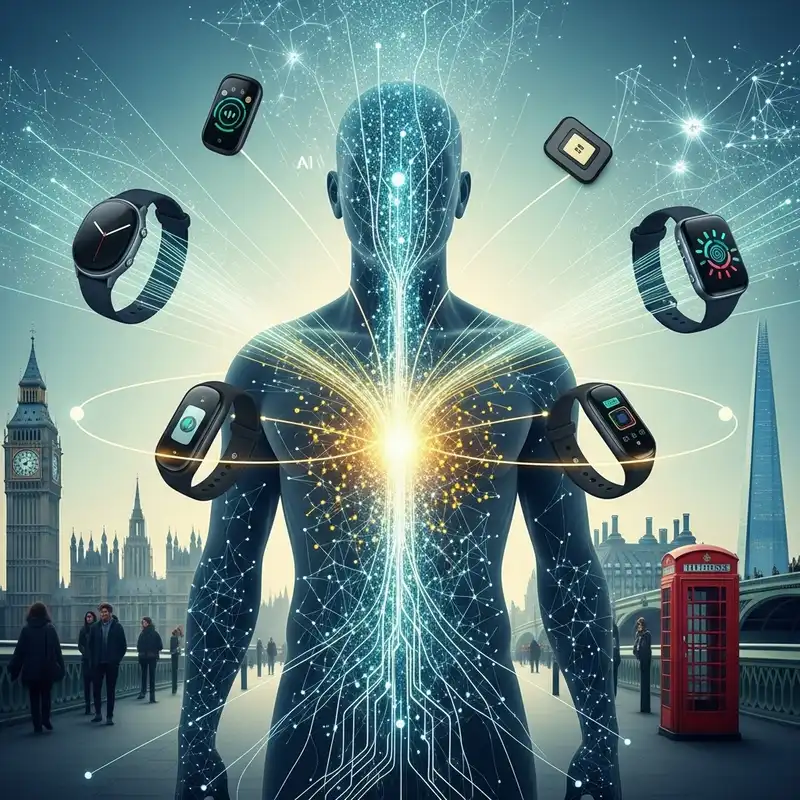
How Wearable Technology and AI are Reshaping Private Health Insurance Policies in the UK
The landscape of private health insurance (PMI) in the UK has long been characterised by a somewhat traditional model: you pay a premium, and in return, you gain access to prompt private medical treatment should you fall ill or require an operation. However, a silent revolution is underway, driven by the relentless march of technological innovation. Wearable technology and Artificial Intelligence (AI) are no longer futuristic concepts; they are actively reshaping how health insurance policies are designed, priced, and experienced, offering unprecedented opportunities for personalisation, prevention, and efficiency.
For decades, health insurers have relied on aggregated demographic data, medical history questionnaires, and general lifestyle factors to assess risk and set premiums. This approach, while effective to a degree, painted a broad-brush picture of an individual's health. Today, smartwatches, fitness trackers, and AI-powered platforms are providing a far more granular, real-time understanding of our well-being, moving the industry from a reactive "sick care" model to a proactive "well-being" one.
This seismic shift promises a future where your health insurance isn't just a safety net for when things go wrong, but an active partner in helping you stay healthy. It's a future where your premium could be influenced by your daily steps, your sleep patterns, or your engagement with preventative health programmes. But what does this truly mean for the everyday UK policyholder, and what are the benefits and challenges that lie ahead? This comprehensive guide delves deep into how these cutting-edge technologies are fundamentally transforming private medical insurance across the nation.
Understanding UK Private Medical Insurance (PMI)
Before we explore the technological disruption, it's crucial to grasp the fundamentals of Private Medical Insurance (PMI) in the UK. PMI is designed to provide access to private medical treatment for acute conditions that develop after your policy starts. It offers an alternative to NHS waiting lists, choice over specialists and hospitals, and often more comfortable, private facilities.
What Does PMI Typically Cover?
A standard PMI policy usually covers:
- In-patient treatment: Hospital accommodation, nursing care, surgeon, anaesthetist, and consultant fees for procedures requiring an overnight stay.
- Day-patient treatment: Procedures carried out in hospital or clinic facilities that don't require an overnight stay.
- Out-patient consultations: Appointments with consultants and specialists.
- Diagnostic tests: X-rays, MRI scans, blood tests, and other investigations.
- Cancer care: Often a significant component, covering chemotherapy, radiotherapy, and other treatments.
- Mental health support: Increasingly, policies include coverage for counselling and psychiatric care.
- Physiotherapy and complementary therapies: Often covered, subject to consultant referral.
The Exclusion of Pre-existing and Chronic Conditions
It is a fundamental principle of UK private health insurance that pre-existing medical conditions are generally not covered. A pre-existing condition is any disease, illness, or injury for which you have received medication, advice, or treatment, or experienced symptoms, before the start of your insurance policy, whether diagnosed or not. Similarly, chronic conditions, which are long-term, incurable conditions (e.g., diabetes, asthma, epilepsy) that require ongoing management, are also typically excluded from private health insurance coverage. PMI is designed for new, acute conditions. This distinction is crucial and ensures the sustainability of the insurance model, preventing individuals from purchasing cover only once a condition has manifested. Any implications that technology could lead to the coverage of such conditions would be misleading and inaccurate.
Why Do People Choose PMI?
Many individuals and businesses opt for PMI for several compelling reasons:
- Reduced Waiting Times: Accessing treatment often more quickly than through the NHS, particularly for non-emergency procedures.
- Choice and Flexibility: The ability to choose your consultant, hospital, and appointment times.
- Comfort and Privacy: Access to private rooms and facilities, offering a more comfortable recovery environment.
- Specialist Access: Direct access to a wide range of specialists.
- Comprehensive Cover: Peace of mind knowing that significant medical costs for acute conditions are covered.
Traditionally, the risk assessment for these policies has been somewhat static, relying on past medical history and general lifestyle questions. This is where wearable technology and AI are truly beginning to make their mark, moving towards a more dynamic and personalised approach.
The Rise of Wearable Technology in Health
Wearable technology encompasses a vast array of electronic devices that can be worn on the body, collecting data about the user's health, fitness, and activity levels. From basic pedometers to sophisticated smartwatches and continuous glucose monitors, these devices are becoming ubiquitous, seamlessly integrating into our daily lives.
Types of Wearable Health Devices
The market for wearables is diverse and constantly expanding:
- Fitness Trackers (e.g., Fitbit, Garmin): Primarily track steps, calories burned, distance, sleep patterns, and heart rate.
- Smartwatches (e.g., Apple Watch, Samsung Galaxy Watch): Offer advanced health monitoring beyond basic fitness, including ECG readings, blood oxygen levels, fall detection, and advanced sleep analysis.
- Smart Rings (e.g., Oura Ring): Focus on sleep quality, recovery, and readiness scores using advanced biosensors.
- Smart Patches/Sensors: Devices that adhere to the skin to monitor specific vital signs (e.g., temperature, heart rate variability) or conditions (e.g., continuous glucose monitors).
- Smart Clothing: Apparel embedded with sensors to track various physiological metrics during exercise or daily activities.
How Wearables Collect and Utilise Data
These devices are packed with an array of sensors that collect a wealth of biometric data:
- Accelerometers and Gyroscopes: Measure movement, steps, activity levels, and detect falls.
- Optical Heart Rate Sensors (PPG): Measure heart rate, heart rate variability, and blood oxygen saturation.
- Electrodes (ECG): Record electrical activity of the heart, detecting arrhythmias like atrial fibrillation.
- Temperature Sensors: Monitor skin temperature, which can indicate illness or cycle phases.
- GPS: Tracks outdoor activity routes and distances.
- Sleep Trackers: Utilise movement, heart rate, and sometimes sound to analyse sleep stages and quality.
The data collected is typically synced to a smartphone app or cloud platform, providing users with insights into their health and habits. For health insurers, this real-time, objective data offers an unprecedented opportunity to understand policyholders' health behaviours beyond a static questionnaire.
The Transformative Power of Artificial Intelligence (AI) in Healthcare
Artificial Intelligence (AI) refers to the simulation of human intelligence processes by machines, especially computer systems. These processes include learning, reasoning, problem-solving, perception, and language understanding. In the context of healthcare and insurance, AI is not about sentient robots taking over; it's about sophisticated algorithms and machine learning models that can process vast amounts of data to identify patterns, make predictions, and automate complex tasks.
Key AI Technologies Relevant to Health Insurance
- Machine Learning (ML): A subset of AI that allows systems to learn from data without being explicitly programmed. In insurance, this means algorithms can learn to identify fraud patterns, predict health risks, or personalise policy recommendations based on historical data.
- Deep Learning (DL): A more advanced form of ML, inspired by the structure and function of the human brain (neural networks). It's particularly powerful for analysing complex data types like medical images, voice recordings, and large datasets from wearables.
- Natural Language Processing (NLP): Enables computers to understand, interpret, and generate human language. Crucial for processing claims notes, customer queries, and medical reports.
- Predictive Analytics: Uses statistical algorithms and machine learning techniques to identify the likelihood of future outcomes based on historical data. This is invaluable for risk assessment and preventative health.
- Computer Vision: Allows AI systems to "see" and interpret visual information, which can be applied to medical imaging for diagnostics.
How AI is Revolutionising Healthcare and Insurance
AI's ability to process and derive insights from big data is game-changing. In healthcare, it's being used for everything from drug discovery and personalised treatment plans to enhancing diagnostic accuracy. In insurance, AI is set to redefine how policies are underwritten, claims are processed, and how customers interact with their providers. It moves the industry towards a more intelligent, responsive, and data-driven future.
How Wearables are Reshaping PMI Policies
The integration of wearable technology into private health insurance is arguably the most tangible way policyholders are experiencing this technological shift. Insurers are no longer just asking about your health; they're offering incentives to help you actively manage it.
1. Wellness Programmes and Premium Discounts
This is perhaps the most visible impact of wearables on PMI. Insurers are partnering with wearable device manufacturers or developing their own platforms to encourage policyholders to lead healthier lifestyles.
Real-Life Example: UK-based insurers like VitalityHealth pioneered this approach. Policyholders who link their fitness trackers (e.g., Apple Watch, Fitbit, Garmin) to their Vitality account can earn "Vitality points" for hitting activity targets, exercising regularly, or engaging with health checks. These points can translate into:
- Reduced Premiums: Active engagement can lead to discounts on renewal premiums.
- Cashback: Rewards paid directly to the policyholder.
- Vouchers and Rewards: Discounts on healthy food, gym memberships, cinema tickets, and other lifestyle benefits.
- Subsidised Devices: Offers on smartwatches or fitness trackers to encourage participation.
How it works: The insurer sets activity goals (e.g., 10,000 steps a day, a certain number of active minutes per week). The wearable device tracks this data and securely transmits it to the insurer's platform (with the policyholder's explicit consent). The system then calculates points or rewards based on adherence to these goals.
Benefits:
- For Policyholders: Financial incentives, improved health outcomes, motivation to stay active.
- For Insurers: Healthier policy pool, reduced claims frequency and severity in the long term, increased customer engagement and loyalty.
2. Proactive Health Management and Prevention
Wearables empower individuals to take a more active role in managing their own health. Insurers are leveraging this by integrating wearables into preventative strategies.
- Early Detection: Some smartwatches can detect irregular heart rhythms (like atrial fibrillation) or provide low/high heart rate alerts. While these are not diagnostic tools, they can prompt users to seek medical advice earlier, potentially preventing more serious conditions.
- Chronic Condition Management Support (General Wellness, not Coverage): While pre-existing and chronic conditions are not covered by PMI, wearables can still play a role in general wellness. For individuals managing conditions like diabetes (not covered by the policy, but for general health monitoring), continuous glucose monitors (CGMs) can provide real-time data, aiding in lifestyle adjustments that improve overall well-being. Insurers might offer resources or discounts on such devices as part of a general wellness programme, but importantly, these do not equate to cover for the condition itself.
- Stress Management: Many wearables track heart rate variability and sleep patterns, offering insights into stress levels. Insurers might integrate this data with mindfulness apps or stress-reduction programmes.
3. Dynamic Risk Assessment
Traditionally, risk assessment is done at the point of underwriting and remains largely static. Wearables offer the potential for more dynamic risk profiling. While the UK regulatory environment and ethical considerations are complex, the data from wearables could theoretically inform ongoing risk models.
- Behavioural Underwriting: Instead of relying solely on self-reported data, insurers can use objective data on activity levels, sleep quality, and heart health to contribute to a more nuanced risk profile. This is still in its infancy due to privacy concerns and the potential for discrimination.
- Personalised Premium Adjustments: In the future, highly engaged and consistently healthy policyholders might see more significant, ongoing premium benefits. Conversely, a lack of engagement or concerning health trends (observed via consented data sharing) could theoretically impact premiums, though this is a highly contentious area ethically and legally in the UK.
4. Integration with Telemedicine and Virtual Care
Wearables complement the growing trend of telemedicine. Data from a wearable can provide context for a virtual consultation, allowing a remote doctor to have a more informed picture of a patient's vital signs and activity levels before or during an online appointment. Some insurers are integrating virtual GP services directly into their apps, which can pull relevant wearable data (with consent).
How AI is Revolutionising PMI Operations
Beyond wearables, AI is working behind the scenes to streamline operations, enhance customer experience, and improve the overall efficiency and effectiveness of private health insurance.
1. Streamlined Claims Processing and Fraud Detection
- Automated Claims Processing: AI-powered systems can quickly analyse vast amounts of claims data, including medical codes, invoices, and policy terms. This can automate the approval of straightforward claims, significantly reducing processing times and administrative costs.
- Fraud Detection: Machine learning algorithms are exceptionally good at identifying anomalies and suspicious patterns in claims data that human eyes might miss. By analysing historical fraudulent claims, AI can flag potentially fraudulent activity, protecting the insurer and ultimately keeping premiums lower for honest policyholders. This involves looking at inconsistencies in medical records, unusual billing practices, or repetitive claims from specific providers or individuals.
2. Personalised Policy Recommendations and Customer Service
- Tailored Policies: AI can analyse an individual's demographic data, past health history (within regulatory limits and consent), lifestyle choices (if shared), and even their engagement with wellness programmes to recommend the most suitable policy options. This moves away from a one-size-fits-all approach to highly customised plans that meet specific needs and budgets. For example, an AI could identify that a policyholder consistently uses physiotherapy benefits and suggest a policy with higher coverage in that area.
- Chatbots and Virtual Assistants: AI-powered chatbots are increasingly used for 24/7 customer support, answering common queries about policy benefits, claims status, and general health information. They can handle routine inquiries, freeing up human agents for more complex cases, leading to quicker resolutions for policyholders.
- Proactive Engagement: AI can predict when a policyholder might be considering cancelling or changing their policy based on usage patterns or engagement levels, allowing insurers to proactively reach out with relevant offers or support.
3. Predictive Analytics for Risk Management and Underwriting
While traditional underwriting is based on historical data, AI elevates predictive capabilities.
- More Accurate Risk Assessment: AI can process diverse data points (anonymised and aggregated population health data, socio-economic factors, environmental data) to build more sophisticated risk models. This allows for more precise premium calculations, ensuring fairness and financial stability for the insurer. It helps insurers understand population-level trends in health, which can inform product design and pricing. It's crucial to reiterate that this is about statistical likelihoods across populations, not individual discrimination based on a pre-existing condition, which remains excluded.
- Identifying High-Risk Populations (for preventative programmes): AI can help identify segments of the policyholder population who might be at higher risk of developing certain conditions (based on general, anonymised data, not individual medical history from a pre-existing condition perspective). This allows insurers to offer targeted preventative health programmes or resources before acute issues arise, ultimately reducing future claims costs. Again, this is for general population health management, not about covering individuals for conditions they already have.
4. Virtual Health Assistants and Symptom Checkers
Some insurers are integrating AI-powered symptom checkers or virtual health assistants into their platforms.
- Guided Care Pathways: These tools can ask a series of questions about symptoms and guide users towards appropriate next steps – whether it's self-care advice, a virtual GP consultation, or an urgent care referral.
- Information Hubs: They provide reliable health information, answering common questions about conditions, treatments, and healthy living, empowering policyholders with knowledge.
Benefits for Policyholders in the UK
The confluence of wearable technology and AI offers a compelling proposition for individuals seeking private health insurance.
1. Lower Premiums and Incentives
- Direct Discounts: As seen with wellness programmes, active participation can lead to tangible premium reductions or cashback. This directly rewards healthier lifestyles.
- Indirect Savings: By encouraging preventative health and detecting issues earlier, the overall claims burden on the insurer may reduce over time, potentially translating into more stable or competitive premiums across the board.
- Value-Added Benefits: Beyond direct financial incentives, policyholders gain access to discounted gym memberships, healthy food vouchers, and subsidised health checks, enhancing the overall value proposition of their policy.
2. Improved Health Outcomes and Proactive Care
- Personalised Health Insights: Wearables provide individuals with real-time data about their activity, sleep, and heart health, empowering them to make informed decisions about their lifestyle.
- Early Intervention: The ability of some wearables to detect anomalies (like irregular heart rhythms) can prompt earlier consultation with a doctor, potentially leading to earlier diagnosis and treatment of conditions, improving prognosis.
- Motivational Support: Gamification and rewards within wellness programmes provide a continuous incentive to maintain healthy habits.
- Easier Access to Care: Telemedicine integration and AI-powered symptom checkers make it simpler and quicker to get initial advice or consultations without leaving home.
3. Enhanced User Experience and Convenience
- Simplified Claims: AI-driven automation means quicker processing of claims, reducing the administrative burden and stress for policyholders.
- 24/7 Support: AI chatbots provide instant answers to common queries, improving accessibility and reducing waiting times for customer service.
- Personalised Interactions: Policy recommendations and communications become more relevant and tailored to individual needs, making the insurance experience feel less generic.
4. Greater Transparency and Control
- Data Insight: Policyholders have access to their own health data collected by wearables, giving them a clearer picture of their well-being.
- Informed Choices: With AI guiding personalised policy selections, individuals can feel more confident they are choosing the right cover for their specific circumstances.
Benefits for Insurers in the UK
The adoption of these technologies is not just beneficial for policyholders; it presents significant strategic advantages for health insurers.
1. Reduced Costs and Improved Efficiencies
- Lower Claims Frequency and Severity: By incentivising preventative health, insurers can reduce the incidence of certain lifestyle-related diseases and potentially mitigate the severity of others, leading to fewer and less costly claims over time.
- Operational Automation: AI automating claims processing, customer service, and administrative tasks significantly reduces operational overheads and human error.
- Fraud Reduction: AI's superior ability to detect and prevent fraudulent claims directly impacts the insurer's bottom line.
2. More Accurate Risk Assessment and Pricing
- Granular Data: Wearable data, combined with AI's analytical capabilities, allows for a more nuanced and accurate understanding of individual and population health risks. This can lead to more precise underwriting and pricing models.
- Dynamic Risk Management: The ability to continuously monitor health behaviours (with consent) allows for a more adaptive risk management strategy, rather than relying solely on static, historical data.
3. Increased Customer Engagement and Retention
- Value Proposition: Wellness programmes and personalised services enhance the value proposition of a health insurance policy beyond just covering medical bills, leading to higher customer satisfaction.
- Loyalty and Stickiness: Engaged customers who are benefiting from health incentives and seamless service are more likely to renew their policies and recommend the insurer to others.
- Data-Driven Relationship: Understanding customer behaviour through data allows insurers to proactively offer relevant services and support, fostering stronger relationships.
4. Product Innovation and Competitive Edge
- Tailored Products: The insights gained from AI and wearables enable insurers to develop highly innovative and customised products that cater to niche markets or specific health needs.
- Market Leadership: Insurers that embrace these technologies effectively position themselves as modern, forward-thinking providers, attracting new customers and staying ahead of competitors.
- New Revenue Streams: The focus on wellness and prevention could open up opportunities for insurers to offer additional health-related services or products.
Challenges and Ethical Considerations
Despite the immense potential, the integration of wearable technology and AI into private health insurance is not without its complexities and significant ethical dilemmas. Navigating these challenges responsibly is paramount for widespread adoption and public trust.
1. Data Privacy and Security
- Sensitive Health Data: Health data is among the most personal and sensitive information an individual possesses. Its collection, storage, and analysis by insurers raise significant privacy concerns.
- GDPR Compliance: The UK's General Data Protection Regulation (GDPR) sets strict rules for how personal data, especially sensitive categories like health data, must be collected, processed, and stored. Insurers must ensure robust consent mechanisms, transparent data usage policies, and stringent security measures to protect against breaches.
- Anonymisation vs. Re-identification: While data may be anonymised or aggregated, there's always a theoretical risk of re-identification, particularly with increasingly granular datasets.
2. Bias, Discrimination, and Fairness
- Digital Divide: Not everyone owns a wearable device, nor do all demographics engage with technology equally. Relying heavily on wearable data could inadvertently exclude or disadvantage segments of the population (e.g., older individuals, lower-income groups) who cannot afford or are unwilling to use these devices. This could lead to a two-tiered insurance system where access to benefits or lower premiums is contingent on technological adoption.
- Data Bias: AI algorithms learn from the data they are fed. If this data is biased or unrepresentative, the AI's outputs could perpetuate or even amplify existing health inequalities. For instance, if a dataset primarily reflects healthier populations, the AI might misinterpret health patterns in less healthy groups.
- The "Healthy Discount" vs. "Unhealthy Surcharge": While current programmes frame benefits as "discounts for healthy behaviour," there's a concern that this could morph into a "surcharge for unhealthy behaviour" in the future. This could unfairly penalise individuals who, through no fault of their own (e.g., genetic predisposition, chronic illness not covered by PMI anyway, socio-economic factors), are less able to meet health targets. This must be carefully managed to avoid discrimination.
- Pre-existing and Chronic Conditions: It is absolutely vital to reiterate that private health insurance in the UK does not cover pre-existing or chronic conditions. While wearables and AI can assist with general wellness and preventative health, they do not change this fundamental principle of cover. Insurers must ensure that any use of these technologies does not create an implicit expectation of cover for conditions that are explicitly excluded.
3. Regulatory Framework and Compliance
- Evolving Landscape: Technology is moving faster than regulation. Governments and industry bodies are grappling with how to regulate the ethical use of AI and health data in insurance.
- Consumer Protection: Regulators like the Financial Conduct Authority (FCA) need to ensure that policyholders are treated fairly and transparently, and that new technological approaches do not lead to exploitative practices or unfair discrimination.
- Interoperability and Standards: A lack of common standards for data collection, sharing, and security across different wearable devices and health platforms can hinder seamless integration and raise security concerns.
4. Consumer Trust and Acceptance
- "Big Brother" Concerns: Many individuals are wary of their health data being shared with or scrutinised by their insurer, fearing that it could be used against them (e.g., to deny claims or increase premiums). Building and maintaining trust through clear communication and demonstrable benefits is crucial.
- Accuracy of Data: Wearable data, while useful, is not always clinically accurate and can be subject to variability. Basing critical insurance decisions solely on this data without clinical oversight could lead to errors.
- Opt-in vs. Opt-out: The industry largely operates on an opt-in basis for sharing wearable data, which is essential. Any move towards an opt-out model would likely face significant public backlash.
5. Technological Gaps and Limitations
- Device Reliability: The accuracy and reliability of data from all wearable devices vary, and they are not medical-grade diagnostic tools.
- Data Interpretation: Raw data needs sophisticated AI models to be interpreted meaningfully and accurately for health insights.
- Algorithm Complexity and Explainability: AI models, especially deep learning ones, can be "black boxes," making it difficult to understand why they reached a certain conclusion. This lack of explainability can be a problem in a regulated industry like insurance, where decisions often need to be justified.
Addressing these challenges requires a collaborative effort between insurers, regulators, technology providers, and policyholders to ensure that the benefits of innovation are realised responsibly and ethically.
The Role of Brokers like WeCovr in This Evolving Landscape
As private health insurance becomes increasingly complex, influenced by technology and offering a wider array of options, the role of an expert health insurance broker becomes more critical than ever. Navigating the nuances of policies, understanding the implications of wearable data sharing, and finding the best fit for individual needs can be daunting for the average consumer.
This is where modern brokers like WeCovr step in. WeCovr acts as an indispensable guide through the increasingly tech-driven private health insurance market in the UK. Their expertise is invaluable for several reasons:
- Unbiased Guidance: Unlike a direct insurer, WeCovr works independently, offering unbiased advice across all major UK health insurance providers. This ensures you get a holistic view of the market, not just the products of a single company.
- Navigating Complexities: They can explain the intricacies of policies that integrate wellness programmes and AI-driven features. They help you understand how linking a wearable might affect your premium, what data is shared, and what benefits you can realistically expect.
- Finding the Right Fit: With a deep understanding of your individual health needs, budget, and lifestyle, WeCovr can identify policies that align best with your circumstances. For example, if you're an active individual keen to leverage wearable incentives, they can highlight insurers with robust wellness programmes. If data privacy is a primary concern, they can guide you towards policies that offer strong protection or alternative benefits.
- Access to the Best Deals: WeCovr has relationships with all major insurers, allowing them to compare plans and find the most competitive quotes, ensuring you get the best coverage for your money.
- No Cost to You: Crucially, utilising a broker like WeCovr for your private health insurance needs typically comes at no direct cost to you. They are compensated by the insurance providers, meaning you receive expert advice and support without adding to your premium.
In an era where technology is rapidly transforming what health insurance means, having a knowledgeable partner like WeCovr can make all the difference. They empower you to make informed decisions, ensuring you not only find the most suitable policy but also understand how to maximise its benefits in this exciting new technological landscape. Whether you're looking for a new policy or reviewing your existing one, WeCovr simplifies the process, helping you find the best coverage from all major insurers, at no cost to you.
Future Outlook: What's Next?
The current integration of wearables and AI is just the beginning. The future of private health insurance promises even deeper levels of personalisation, prevention, and proactive health management.
1. Hyper-Personalisation
Beyond just activity and sleep, future policies could integrate data from a wider array of sensors (e.g., smart scales, continuous glucose monitors for general wellness, environmental sensors) to create truly individualised health profiles. AI will then use this data to recommend highly specific preventative interventions or even suggest tailored nutrition and exercise plans.
2. Integration with Digital Therapeutics (DTx)
DTx are evidence-based therapeutic interventions driven by high-quality software programs to prevent, manage, or treat a medical disorder or disease. Insurers might integrate DTx programmes (e.g., for managing chronic pain, mental health conditions, or certain lifestyle diseases) into their offerings, perhaps as a benefit or an incentive. AI could then monitor engagement and effectiveness.
3. Precision Medicine and Genomics
While still nascent in insurance, the long-term future could see AI-powered analysis of genomic data (with strict ethical guidelines and consent) influencing highly personalised preventative health strategies. This is far in the future due to ethical and regulatory complexities, and would still not circumvent the fundamental exclusion of pre-existing or chronic conditions for cover.
4. Proactive Healthcare Navigation
AI will play an increasingly sophisticated role in guiding policyholders through their healthcare journey, not just when they're ill. This could include AI-powered personalised reminders for health screenings, vaccination schedules, or even suggestions for preventative specialist visits based on predicted risk factors.
5. Greater Interoperability and Ecosystems
Expect to see more seamless integration between wearable data, electronic health records (EHRs - with strict consent and patient control), and insurer platforms. This holistic view will allow for more comprehensive health management and quicker, more informed decision-making.
6. Value-Based Care Models
The shift from a "pay-for-service" to a "pay-for-outcome" model in healthcare could see insurers becoming more invested in ensuring policyholders stay healthy, as this directly impacts their profitability. Wearables and AI will be crucial tools in measuring and proving health outcomes.
The trajectory is clear: private health insurance is moving from a passive reimbursement model to an active partnership in maintaining health.
Conclusion
The convergence of wearable technology and Artificial Intelligence is undeniably reshaping the private health insurance landscape in the UK. We are transitioning from a reactive, illness-centric model to a proactive, well-being-focused one, driven by data and intelligent automation.
For policyholders, this means a future of more personalised policies, tangible financial incentives for healthy living, quicker claims processing, and enhanced tools to manage their own health. The potential for improved health outcomes through prevention and early intervention is immense, leading to a mutually beneficial relationship between insurer and insured.
However, this exciting evolution comes with a crucial caveat. The ethical considerations around data privacy, potential for bias, and the digital divide are not merely theoretical concerns; they are fundamental challenges that the industry, regulators, and policyholders must navigate collaboratively and transparently. It is paramount that the benefits of these technologies are accessible and fair to all, without leading to undue discrimination or compromising personal freedoms. And it bears repeating that while these technologies support general health and wellness, they do not fundamentally alter the core principle that pre-existing and chronic conditions are excluded from private medical insurance coverage.
As the industry continues its journey into this technologically advanced era, the role of expert guidance becomes more vital. Brokers like WeCovr stand at the forefront, helping UK consumers understand the evolving complexities, compare diverse offerings from major insurers, and find the most suitable, technologically-integrated private health insurance policies for their needs, all without incurring any direct cost to the policyholder.
The future of private health insurance in the UK is dynamic, intelligent, and increasingly focused on empowerment and prevention. By embracing these advancements responsibly, the industry has the potential to not only provide financial protection but also genuinely contribute to a healthier nation.
Why private medical insurance and how does it work?
What is Private Medical Insurance?
Private medical insurance (PMI) is a type of health insurance that provides access to private healthcare services in the UK. It covers the cost of private medical treatment, allowing you to bypass NHS waiting lists and receive faster, more convenient care.How does it work?
Private medical insurance works by paying for your private healthcare costs. When you need treatment, you can choose to go private and your insurance will cover the costs, subject to your policy terms and conditions. This can include:• Private consultations with specialists
• Private hospital treatment and surgery
• Diagnostic tests and scans
• Physiotherapy and rehabilitation
• Mental health treatment
Your premium depends on factors like your age, health, occupation, and the level of cover you choose. Most policies offer different levels of cover, from basic to comprehensive, allowing you to tailor the policy to your needs and budget.
Questions to ask yourself regarding private medical insurance
Just ask yourself:👉 Are you concerned about NHS waiting times for treatment?
👉 Would you prefer to choose your own consultant and hospital?
👉 Do you want faster access to diagnostic tests and scans?
👉 Would you like private hospital accommodation and better food?
👉 Do you want to avoid the stress of NHS waiting lists?
Many people don't realise that private medical insurance is more affordable than they think, especially when you consider the value of faster treatment and better facilities. A great insurance policy can provide peace of mind and ensure you receive the care you need when you need it.
Benefits offered by private medical insurance
Private medical insurance provides numerous benefits that can significantly improve your healthcare experience and outcomes:Faster Access to Treatment
One of the biggest advantages is avoiding NHS waiting lists. While the NHS provides excellent care, waiting times can be lengthy. With private medical insurance, you can often receive treatment within days or weeks rather than months.
Choice of Consultant and Hospital
You can choose your preferred consultant and hospital, giving you more control over your healthcare journey. This is particularly important for complex treatments where you want a specific specialist.
Better Facilities and Accommodation
Private hospitals typically offer superior facilities, including private rooms, better food, and more comfortable surroundings. This can make your recovery more pleasant and potentially faster.
Advanced Treatments
Private medical insurance often covers treatments and medications not available on the NHS, giving you access to the latest medical advances and technologies.
Mental Health Support
Many policies include comprehensive mental health coverage, providing faster access to therapy and psychiatric care when needed.
Tax Benefits for Business Owners
If you're self-employed or a business owner, private medical insurance premiums can be tax-deductible, making it a cost-effective way to protect your health and your business.
Peace of Mind
Knowing you have access to private healthcare when you need it provides invaluable peace of mind, especially for those with ongoing health conditions or concerns about NHS capacity.
Private medical insurance is particularly valuable for those who want to take control of their healthcare journey and ensure they receive the best possible treatment when they need it most.
Important Fact!
We can look at a more suitable option mid-term!
Why is it important to get private medical insurance early?
👉 Many people are very thankful that they had their private medical insurance cover in place before running into some serious health issues. Private medical insurance is as important as life insurance for protecting your family's finances.👉 We insure our cars, houses, and even our phones! Yet our health is the most precious thing we have.
Easily one of the most important insurance purchases an individual or family can make in their lifetime, the decision to buy private medical insurance can be made much simpler with the help of FCA-authorised advisers. They are the specialists who do the searching and analysis helping people choose between various types of private medical insurance policies available in the market, including different levels of cover and policy types most suitable to the client's individual circumstances.
It certainly won't do any harm if you speak with one of our experienced insurance experts who are passionate about advising people on financial matters related to private medical insurance and are keen to provide you with a free consultation.
You can discuss with them in detail what affordable private medical insurance plan for the necessary peace of mind they would recommend! WeCovr works with some of the best advisers in the market.
By tapping the button below, you can book a free call with them in less than 30 seconds right now:
Our Group Is Proud To Have Issued 800,000+ Policies!
We've established collaboration agreements with leading insurance groups to create tailored coverage
























How It Works
1. Complete a brief form

2. Our experts analyse your information and find you best quotes

3. Enjoy your protection!

Any questions?
Learn more

Who Are WeCovr?
WeCovr is an insurance specialist for people valuing their peace of mind and a great service.👍 WeCovr will help you get your private medical insurance, life insurance, critical illness insurance and others in no time thanks to our wonderful super-friendly experts ready to assist you every step of the way.
Just a quick and simple form and an easy conversation with one of our experts and your valuable insurance policy is in place for that needed peace of mind!