Kent Private Health Insurance: Commuters & Coastal
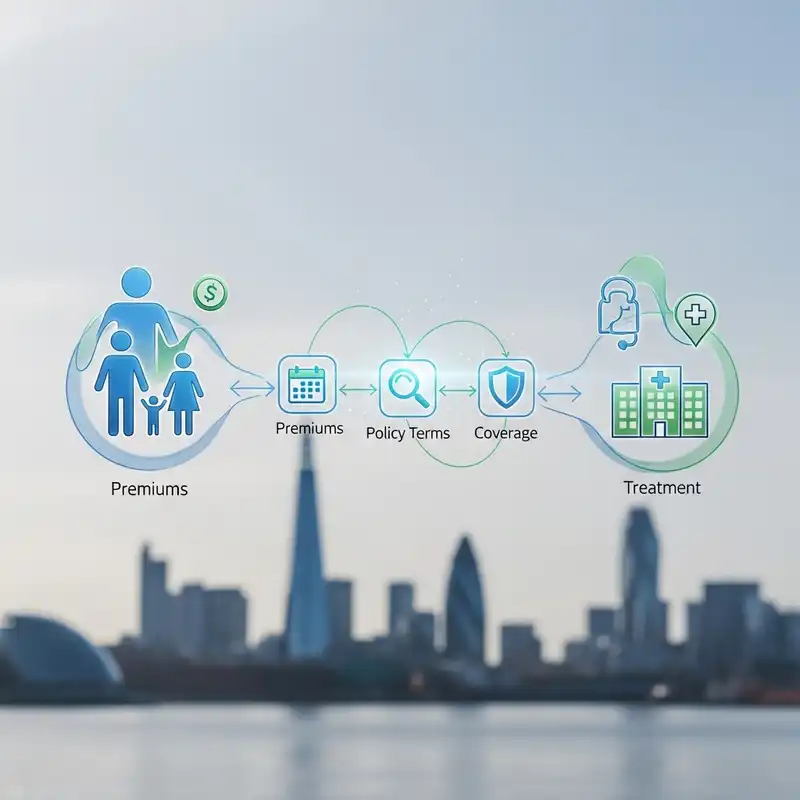
Navigating Kent's Private Health Insurance Networks: Essential Advice for Commuters and Coastal Communities
UK Private Health Insurance in Kent: Navigating Local Networks for Commuters & Coastal Communities
Kent, often dubbed the "Garden of England," is a county of remarkable diversity, blending bustling commuter towns with tranquil rural landscapes and vibrant coastal communities. From the fast-paced life in Sevenoaks, Dartford, and Tunbridge Wells, where residents often commute into London, to the serene charm of Whitstable, Deal, and Folkestone along its picturesque coastline, Kent offers a unique lifestyle. This blend of demographics brings with it distinct healthcare needs and considerations, making the prospect of private medical insurance (PMI) particularly relevant for its residents.
In a healthcare landscape increasingly strained, where NHS waiting lists for specialist consultations and non-urgent procedures can be substantial – at times reaching hundreds of thousands nationally for elective care, as reported by NHS England data (though specific Kent data fluctuates, the national picture informs local experience) – private health insurance offers a valuable alternative. It promises faster access to diagnosis and treatment, greater choice over consultants and facilities, and a level of comfort and privacy not always available within the public system. For Kent residents, understanding how PMI interacts with their local environment – from accessible private hospitals to the unique health demands of their lifestyle – is paramount.
This comprehensive guide delves into the intricacies of UK private health insurance specifically for those living in Kent. We'll explore why PMI is a significant consideration for commuters seeking efficiency and coastal dwellers prioritising specific care, detail the local private healthcare network, analyse cost factors, and crucially, highlight what private medical insurance does and does not cover. Our aim is to provide you with the most insightful, helpful, and definitive resource to navigate your healthcare choices in the Garden of England.
Understanding Private Medical Insurance (PMI) in the UK
Private Medical Insurance, commonly referred to as PMI or health insurance, is designed to cover the costs of private healthcare for acute conditions that arise after your policy begins. It functions as a complementary service to the National Health Service (NHS), providing an alternative pathway to diagnosis and treatment.
Crucial Distinction: Acute vs. Chronic Conditions
It is absolutely vital to understand that standard UK private medical insurance policies are designed to cover acute conditions, not chronic ones. This is a non-negotiable rule across almost all standard PMI policies.
-
Acute Condition: This is a disease, illness, or injury that is likely to respond quickly to treatment and return you to your previous state of health. Examples include a broken bone, an appendix removal, cataracts requiring surgery, or a sudden onset of joint pain requiring investigation. PMI is primarily for these types of conditions, facilitating rapid diagnosis and treatment, such as specialist consultations, diagnostic tests (MRI, CT scans), and surgical procedures.
-
Chronic Condition: This is a disease, illness, or injury that has one or more of the following characteristics: it needs ongoing or long-term management, recurs or is likely to recur, continues indefinitely, has no known cure, or requires rehabilitation or special training. Examples include diabetes, asthma, high blood pressure (hypertension), certain forms of arthritis, or long-term mental health conditions. Standard PMI policies explicitly exclude cover for chronic conditions. This means that if you have a pre-existing condition, or if a condition becomes chronic after the policy starts, PMI will generally not cover its ongoing management, monitoring, or treatment. The NHS remains the primary provider for chronic condition management.
Furthermore, pre-existing conditions – any medical condition you have received advice or treatment for, or were aware of, before taking out the policy – are typically excluded from private medical insurance cover. While some policies offer "moratorium underwriting" where certain pre-existing conditions might become covered after a specified claim-free period (usually 2 years), this is not guaranteed, and full medical underwriting will often still exclude them. It is paramount to check the specific terms of any policy regarding pre-existing conditions.
How PMI Complements the NHS
PMI is not intended to replace the NHS, but rather to offer an alternative route for specific types of care. The NHS remains the cornerstone of healthcare in the UK, providing emergency care, GP services, and managing chronic conditions. PMI offers:
- Faster Access: Significantly reduced waiting times for specialist consultations, diagnostic tests, and elective surgeries. This can be crucial for peace of mind and preventing conditions from worsening.
- Choice of Consultants: The ability to choose your consultant and often the specific private hospital or clinic where you receive treatment.
- Private Facilities: Access to private rooms, often with en-suite bathrooms, and more flexible visiting hours, enhancing comfort and privacy during hospital stays.
- Specialised Treatments: Access to certain drugs or treatments that may not yet be routinely available on the NHS (though this varies by policy and treatment).
- Convenience: Appointments can often be scheduled at times that suit you, making it easier to manage alongside work or family commitments.
Key Types of PMI Policies
PMI policies generally fall into categories based on their level of cover:
- Inpatient Only: This is the most basic level, covering the costs of treatment received as an inpatient (when you stay overnight in hospital) or for day-patient treatment (when you are admitted to a hospital bed for a procedure and discharged the same day). It typically includes surgical fees, anaesthetist fees, and hospital accommodation.
- Outpatient Options: This adds cover for consultations with specialists, diagnostic tests (e.g., MRI, X-rays), and therapies (e.g., physiotherapy) that do not require an overnight stay. Policies can offer varying limits on outpatient cover, from basic to comprehensive.
- Comprehensive: This offers the highest level of cover, combining extensive inpatient and outpatient benefits, often including psychiatric treatment, complementary therapies, and sometimes optical or dental benefits (though these are less common as standard).
Understanding these fundamental aspects of PMI is your first step in determining if it's the right choice for your healthcare needs in Kent.
The Unique Landscape of Kent: Demographics and Healthcare Needs
Kent's geography and diverse population create a unique tapestry of healthcare requirements. From the high-pressure lives of London commuters to the tranquil, often older, coastal communities, and the families enjoying rural life, each demographic presents specific considerations for private health insurance.
Kent's Appeal and Demographic Trends:
- Commuter Belt Towns (West Kent): Areas like Sevenoaks, Tunbridge Wells, Tonbridge, Dartford, and Maidstone are magnets for those working in London. Residents here often face long working hours, stressful commutes, and a premium on time. The average age in these areas tends to be slightly younger, with a significant proportion of families.
- Healthcare Needs: Rapid access to diagnosis and treatment for stress-related conditions, musculoskeletal issues from commuting, and prompt paediatric care for young families. The ability to schedule appointments outside of core working hours or close to transport links is highly valued.
- Coastal Communities (East Kent): Towns such as Whitstable, Deal, Folkestone, Margate, Ramsgate, and Dover attract retirees and those seeking a quieter pace of life. These areas often have an older demographic, leading to a different set of health concerns.
- Healthcare Needs: Comprehensive cover for age-related conditions like orthopaedic issues (e.g., hip/knee replacements), ophthalmology (e.g., cataracts), and cardiovascular health. Proximity to good quality local hospitals is a key factor.
- Rural Areas (Central Kent): The heart of Kent, encompassing market towns and villages, attracts families and individuals seeking a blend of community and countryside.
- Healthcare Needs: Similar to commuter areas for families but with a greater emphasis on local access and potentially less concern for London links.
According to the Office for National Statistics (ONS) data, Kent's population is over 1.9 million, making it one of the largest counties. The proportion of residents aged 65 and over is consistently above the national average in many coastal districts, while the working-age population dominates the commuter belts. This demographic spread directly influences healthcare demand.
NHS Landscape in Kent
While the NHS in Kent provides comprehensive care through major hospitals like Darent Valley Hospital (Dartford), Medway Maritime Hospital (Gillingham), Maidstone Hospital, Tunbridge Wells Hospital at Pembury, and the William Harvey Hospital (Ashford), it faces the same pressures as the rest of the UK. These include:
- Waiting Lists: Elective care waiting lists can be substantial. For instance, national data consistently shows millions of people awaiting treatment, and Kent's NHS trusts are part of this challenge. While exact figures fluctuate, at points in late 2023 and early 2024, some NHS Trusts in Kent had over 100,000 patients on their waiting lists for various treatments.
- Appointment Availability: Difficulty securing timely GP appointments or specialist referrals.
- Emergency Department Pressures: Overcrowding and long waits in A&E.
- Bed Occupancy: High bed occupancy rates affecting flow and discharge.
These pressures mean that while the NHS is always there for emergencies and core care, accessing non-urgent or specialist care can involve significant delays, which is where PMI can offer a distinct advantage for Kent residents.
Why Kent Residents Might Consider PMI:
- Convenience for Commuters: Minimise disruption to work and personal life with flexible appointments and quicker access to specialists, allowing for faster return to health.
- Faster Diagnosis: Reduce the anxiety of waiting for test results or specialist opinions, especially for worrying symptoms.
- Access to Specific Services: For coastal residents, ensuring local access to private facilities for orthopaedics or eye care can be a strong motivator.
- Peace of Mind for Families: Knowing that children can get swift access to paediatricians or minor procedures without lengthy waits.
- Choice and Control: The ability to choose a consultant, schedule, and location for treatment, offering a greater sense of control over one's healthcare journey.
The unique demographic and geographical characteristics of Kent underscore the diverse reasons why private medical insurance is a compelling consideration for many of its residents, seeking to augment the vital services provided by the NHS.
Key Considerations for PMI in Kent: Network and Hospital Access
When choosing a private medical insurance policy, one of the most critical aspects, particularly in a diverse county like Kent, is understanding the hospital network. This dictates where you can receive treatment and significantly impacts your premium.
Understanding Hospital Networks
PMI providers operate different types of hospital networks:
- Open Referral: This gives you the most choice. You can typically choose any private hospital in the UK that is recognised by your insurer, allowing maximum flexibility to find a specialist or facility that suits you, whether it's local in Kent or even in London. This usually comes with a higher premium.
- Guided Options / Restricted Networks: These policies offer a specific list of hospitals or clinics where you can receive treatment. This list is usually smaller than an "open referral" list but is carefully curated by the insurer to provide quality care at a more controlled cost. Choosing a restricted network can significantly lower your premium. Some insurers offer tiered networks, where opting for a smaller list of core hospitals results in a lower premium, while an extended list costs more.
- "Six Week Option": Some policies offer a further reduction in premium if you agree to use the NHS if the waiting list for your required treatment is less than six weeks. If the wait is longer, your PMI policy kicks in. This is a popular option for cost-conscious individuals.
For Kent residents, considering where you live, where you work, and how far you're willing to travel for treatment is essential. Someone in West Kent might want a network that includes London hospitals, while someone in East Kent might prioritise strong local links.
Major Private Hospitals and Clinics in Kent
Kent is home to several reputable private hospitals and clinics that form the backbone of private healthcare provision in the county. Their presence ensures that many residents can access private care without needing to travel far.
| Hospital Name | Location | Primary Operator (if applicable) | Key Specialisms/Notes |
|---|---|---|---|
| KIMS Hospital (Kent Institute of Medicine & Surgery) | Maidstone | Independent | Largest independent hospital in Kent. Comprehensive range of services including orthopaedics, general surgery, cardiology, neurosurgery, diagnostics, and oncology. State-of-the-art facilities. |
| Nuffield Health Tunbridge Wells Hospital | Tunbridge Wells | Nuffield Health | Wide range of services including orthopaedics, general surgery, cosmetic surgery, ophthalmology, physiotherapy, and diagnostics. Known for high patient satisfaction. |
| Spire Tunbridge Wells Hospital | Tunbridge Wells | Spire Healthcare | Offers orthopaedics, general surgery, ENT, gynaecology, urology, and diagnostics. Convenient for West Kent residents. |
| Spire Alexandra Hospital | Walderslade (near Chatham/Gillingham) | Spire Healthcare | Services include orthopaedics, ophthalmology, general surgery, urology, dermatology, and diagnostics. Covers Medway and surrounding areas. |
| Circle Health Group - Chelsfield Park Hospital | Orpington (borders Kent/SE London) | Circle Health Group (formerly BMI) | Comprehensive services including orthopaedics, general surgery, ENT, gynaecology, and diagnostics. Popular for those in North West Kent. |
| Circle Health Group - The Sloane Hospital | Beckenham (borders Kent/SE London) | Circle Health Group (formerly BMI) | Offers a range of specialisms including orthopaedics, ophthalmology, general surgery, and cosmetic surgery. Convenient for North West Kent and Bromley areas. |
| Benenden Hospital | Cranbrook (near Tenterden) | Independent Charity | Primarily known for eye care (cataracts, glaucoma), general surgery, orthopaedics (hips, knees), and diagnostics. Offers private patient services alongside its core charitable work. |
| Chaucer Hospital | Canterbury | Circle Health Group | Serves East Kent with specialisms in orthopaedics, general surgery, ENT, gynaecology, and diagnostics. Convenient for Canterbury, Whitstable, and Thanet areas. |
| Kent Medical Campus (including Diagnostic Centre) | Various Locations | Multiple Providers | Modern diagnostic imaging centres and specialist clinics are increasingly available across Kent, offering MRI, CT, X-ray, and ultrasound services. These are crucial for fast diagnosis. |
Note: Hospital affiliations can change. Always verify the latest information with your insurer and the hospital directly.
Geographical Impact within Kent
Your specific location in Kent will heavily influence your practical access to private hospitals and, therefore, the suitability of different networks:
- West Kent (e.g., Sevenoaks, Tunbridge Wells, Dartford): Residents here have excellent access to Nuffield Health Tunbridge Wells, Spire Tunbridge Wells, Chelsfield Park, and The Sloane. Commuters may also find networks that include central London hospitals beneficial, although this often significantly increases premiums.
- Mid-Kent (e.g., Maidstone, Medway): KIMS Hospital in Maidstone is a significant advantage, offering a broad range of services locally. Spire Alexandra also serves this area well.
- East Kent (e.g., Canterbury, Folkestone, Margate, Deal): The Chaucer Hospital in Canterbury is a key facility. Residents may also consider Benenden Hospital, though it has specific specialisms. Travel may be required for certain highly specialised treatments.
When selecting a policy, it is crucial to ensure that your preferred hospitals are included in the chosen network. WeCovr helps our clients understand these networks, ensuring that the policy you select grants you access to convenient and appropriate facilities close to where you live or work. Our expert advisors can map your geographical location to the available private hospital networks from different insurers, providing a clear picture of your options.
Tailoring PMI for Kent Commuters
Commuting from Kent into London is a daily reality for thousands of residents. This lifestyle brings with it specific health challenges and a heightened need for efficient, flexible healthcare solutions. Private medical insurance can be uniquely tailored to meet the demands of this fast-paced demographic.
Specific Needs of Kent Commuters:
- Time-Poor Individuals: Long working hours and travel time mean less flexibility for appointments. Commuters need swift diagnosis and treatment that minimises disruption to their professional and personal lives.
- High-Stress Jobs: The nature of London work, combined with the commute, can lead to increased stress, anxiety, and mental health challenges.
- Musculoskeletal Issues: Prolonged sitting, repetitive strain from computer use, and the physical demands of commuting can lead to back pain, neck pain, and other musculoskeletal problems.
- Need for Quick Resolution: Delays in diagnosis or treatment can impact work performance and income. Getting back to full health quickly is a priority.
- Location Flexibility: The ability to choose a hospital or clinic close to home in Kent or close to work in London (if the policy allows) is a significant advantage.
Policy Features Highly Valued by Commuters:
- Extensive Outpatient Cover:
- Commuters often need fast access to diagnostics like MRI scans, CT scans, and X-rays to get a rapid diagnosis without waiting for NHS referrals.
- Generous limits for specialist consultations are crucial for initial assessment and follow-ups.
- Physiotherapy and other therapies for musculoskeletal issues are frequently required, and strong outpatient benefits ensure these are covered without additional cost.
- Access to Virtual GP Services/Telemedicine:
- Many policies now include 24/7 virtual GP services, allowing commuters to consult a doctor from home or office, avoiding travel and waiting times. This is invaluable for initial assessments, prescriptions, and referrals.
- Some insurers also offer virtual consultations with specialists for certain conditions, further enhancing convenience.
- Mental Health Support:
- Given the prevalence of stress and burnout in demanding careers, policies that include robust mental health benefits (e.g., outpatient therapy, psychiatric consultations) are increasingly important.
- Rehabilitation Services:
- Following surgery or injury, swift access to rehabilitation (e.g., physio, osteopathy, chiropractic care) can accelerate recovery and return to work.
- Flexible Appointment Times:
- Private facilities often offer a wider range of appointment times, including early mornings, late evenings, or Saturdays, which is ideal for those with fixed working hours.
Network Considerations for Commuters:
- Dual-Location Networks: For some, a policy that offers access to both Kent-based private hospitals (like Nuffield Tunbridge Wells or KIMS Maidstone) and private facilities in Central London or specific parts of London (e.g., London Bridge, Canary Wharf) could be ideal. Be aware that policies including central London hospitals often command significantly higher premiums due to the higher cost of care in the capital.
- Commuter-Friendly Locations: Even if London is not covered, ensure the Kent network includes hospitals easily accessible from major transport hubs (e.g., Tunbridge Wells, Maidstone).
Example Scenario: A Commuter from Sevenoaks
Eleanor, 38, lives in Sevenoaks and commutes daily to a demanding job in Canary Wharf. She develops persistent back pain, making her long commute and desk work uncomfortable. Waiting for an NHS GP appointment and then a specialist referral feels overwhelming.
- PMI Solution: With her comprehensive PMI policy, Eleanor uses the virtual GP service. Within hours, she has a video consultation. The GP refers her to a private orthopaedic consultant at Nuffield Health Tunbridge Wells, whom she sees within days. An MRI scan is quickly arranged. The diagnosis is a slipped disc. She receives private physiotherapy locally, tailored to her recovery. This entire process, from first symptom to effective treatment, is completed in weeks, significantly reducing her pain and preventing time off work, which would have been unavoidable with longer NHS waits.
For Kent commuters, PMI is not just about healthcare; it's an investment in efficiency, reducing stress, and protecting their earning capacity and quality of life.
Tailoring PMI for Kent's Coastal and Rural Communities
Kent's coastal and rural areas, while offering a slower pace of life, present their own distinct healthcare needs. These communities often have an older demographic, with a greater emphasis on conditions common in later life, and can face challenges with geographical access to specialised services.
Specific Needs of Coastal and Rural Residents:
- Older Demographics: Coastal towns in particular often attract retirees, leading to a higher prevalence of age-related conditions such as arthritis, cataracts, heart conditions, and mobility issues.
- Lifestyle-Related Conditions: While often enjoying a more active outdoor lifestyle, residents may still require care for conditions arising from long-term wear and tear or chronic illnesses.
- Proximity to Local Amenities: While willing to travel for highly specialised care, many prefer to access routine diagnostics, consultations, and therapies closer to home.
- Rehabilitation Needs: Post-operative rehabilitation (e.g., after joint replacement) is often a longer process requiring consistent access to physiotherapy or other therapies.
- Peace of Mind: For many retirees, PMI offers peace of mind that they can quickly address new health concerns without lengthy waits, ensuring their quality of life remains high.
Policy Features Highly Valued by Coastal/Rural Residents:
- Comprehensive Inpatient Cover:
- Given the higher likelihood of needing surgical procedures (e.g., hip/knee replacements, cataract surgery), robust inpatient cover with generous limits for hospital accommodation, surgeon fees, and anaesthetist fees is paramount.
- Access to Local Diagnostic Facilities:
- While major hospitals may be a drive away, policies that cover diagnostics at smaller, local clinics (e.g., standalone MRI or X-ray centres) are highly beneficial for convenience.
- Home Nursing Options (where available):
- Some premium policies may offer limited home nursing following a hospital stay, which can be invaluable for recovery in a familiar environment, particularly for older individuals.
- Rehabilitation Services:
- Extensive cover for physiotherapy, hydrotherapy, and other forms of rehabilitation is crucial for regaining mobility and independence after surgery or injury.
- Mental Well-being Support:
- Although often associated with younger demographics, mental health support is equally important for older individuals facing loneliness, bereavement, or age-related anxieties. Policies that include psychiatric and psychological support can be beneficial.
- Good Coverage for Specific Specialisms:
- Ensuring the policy adequately covers common conditions like orthopaedics, ophthalmology, cardiology, and general surgery is vital.
Network Considerations for Coastal/Rural Residents:
- Local Hospital Inclusion: It's essential that the chosen policy's network includes key local hospitals such as Chaucer Hospital in Canterbury, KIMS Hospital in Maidstone, and potentially Benenden Hospital (for its specialisms).
- Wider Regional Coverage: For highly specialised treatments not available locally, the network should include access to larger regional centres or even London, provided the individual is willing and able to travel.
- Accessibility: Consider transport links and ease of access to the listed hospitals from your specific location.
Example Scenario: A Retired Couple in Deal
Arthur, 72, and Margaret, 70, live a peaceful life in Deal. Arthur begins to notice his vision deteriorating significantly, suspecting cataracts. He's concerned about long NHS waiting lists for diagnosis and surgery.
- PMI Solution: Their comprehensive PMI policy allows them to choose a consultant at the Chaucer Hospital in Canterbury, which is a manageable drive. Within a week, Arthur has a consultation with an ophthalmologist. The diagnosis of cataracts is confirmed, and surgery is scheduled for the following month. He receives prompt, expert care, leading to a swift improvement in his vision and a return to his hobbies, all without the anxiety of a prolonged wait. Margaret values the private room and flexible visiting hours during his short stay.
For residents of Kent's coastal and rural communities, PMI provides a safety net, offering quicker access to specialist care for conditions that can significantly impact their quality of life and independence, complementing the essential services provided by the local NHS.
Cost Factors and Premiums in Kent
The cost of private medical insurance in Kent, as elsewhere in the UK, is highly variable. Premiums are influenced by a multitude of factors, making it essential to understand these drivers to find a policy that balances cover with affordability.
Factors Influencing PMI Premiums:
- Age: This is arguably the biggest factor. As we age, the likelihood of needing medical treatment increases, so premiums rise significantly with age. A 60-year-old will pay considerably more than a 30-year-old for the same level of cover.
- Postcode: Your geographical location within Kent can impact your premium. Areas with a higher cost of living or where private healthcare facilities are more expensive (e.g., West Kent commuter towns closer to London) may see higher premiums compared to more rural or lower-cost areas in East Kent. The availability and cost of local private hospitals in your chosen network also play a role.
- Level of Cover Chosen:
- Inpatient Only vs. Comprehensive: Comprehensive policies (covering inpatient, extensive outpatient, mental health, etc.) are significantly more expensive than basic inpatient-only policies.
- Outpatient Limits: Policies with higher limits for outpatient consultations, diagnostics, and therapies will cost more.
- Hospital Network Chosen:
- Open Referral vs. Restricted List: An open referral network (allowing access to virtually any private hospital) is the most expensive option. Choosing a restricted hospital list or a core network will reduce your premium. Policies including central London hospitals are particularly expensive.
- Excess: This is the amount you agree to pay towards the cost of any claim before your insurer pays. A higher excess (e.g., £500 or £1,000) will reduce your monthly or annual premium, but you'll pay more out-of-pocket if you make a claim.
- Underwriting Method:
- Moratorium: Typically cheaper initially but carries the risk that pre-existing conditions won't be covered until a claim-free period has passed.
- Full Medical Underwriting: Requires you to declare your full medical history upfront. Can be more expensive if you have pre-existing conditions, as they will often be explicitly excluded, but provides clarity from the outset.
- Claims History (for renewals): If you make significant claims, your premium may increase upon renewal.
- Lifestyle Factors: While less common for direct premium adjustment, factors like smoking status can sometimes be considered by insurers.
Average Costs in Kent (Illustrative, Highly Variable):
It's difficult to provide precise average costs as they are so individual. However, for a healthy non-smoker:
- A 30-year-old might pay anywhere from £30 - £70 per month for a good level of comprehensive cover with a moderate excess, depending on the network.
- A 50-year-old could expect to pay between £70 - £150 per month for similar cover.
- A 65-year-old might see premiums ranging from £150 - £300+ per month, reflecting the increased risk.
These figures are highly illustrative. Location within Kent (e.g., Sevenoaks vs. Dover), chosen network, and desired level of outpatient cover will significantly swing these numbers.
Ways to Reduce Premiums:
There are several strategies to make PMI more affordable without entirely compromising on essential cover:
- Increase Your Excess: Opting for a higher excess (e.g., £250, £500, or £1,000 per claim or per year) will immediately lower your premium.
- Choose a Restricted Hospital List: If you're comfortable with a defined list of private hospitals in Kent, this can offer substantial savings compared to an open referral network.
- Opt for the "6-Week NHS Wait" Option: If your condition has an NHS waiting list shorter than six weeks, you agree to use the NHS. If it's longer, your PMI policy kicks in. This can provide a significant discount.
- Limit Outpatient Cover: Reducing the annual limit for outpatient consultations and diagnostics (or removing it entirely, though this is not recommended for comprehensive cover) will lower costs.
- Pay Annually: Many insurers offer a small discount (e.g., 5-10%) if you pay your premium annually rather than monthly.
- Maintain a Healthy Lifestyle: While not a direct discount upfront, maintaining good health can help keep renewal premiums stable and avoid claims.
- Review Annually: Don't automatically renew. Use a broker like WeCovr to review your policy and compare options from other insurers each year to ensure you're still getting the best value.
| Factor Affecting Premium | Impact on Cost | Explanation |
|---|---|---|
| Age | Higher with age | Increased likelihood of needing medical treatment as you get older. |
| Postcode in Kent | Varies by location | Areas with higher cost of living or more expensive private facilities (e.g., West Kent) may incur higher premiums. |
| Level of Cover | Higher for comprehensive | More extensive benefits (e.g., high outpatient limits, mental health, therapies) lead to higher premiums. |
| Hospital Network | Higher for open/central London | Access to a wider range of hospitals, especially those in expensive areas, increases cost. Restricted lists reduce it. |
| Excess Amount | Lower with higher excess | You pay more out-of-pocket per claim, so insurer's risk is lower, reducing premium. |
| Underwriting Method | Varies (e.g., Moratorium often cheaper initially) | How your medical history is assessed affects initial cost and future cover clarity. |
| Smoking Status | Higher for smokers | Increased health risks associated with smoking. |
| Claims History (at renewal) | Can increase | Frequent or large claims may lead to higher renewal premiums. |
Understanding these factors is crucial for making an informed decision. While cost is important, it should always be balanced against the level of cover and the convenience you require.
Navigating Policy Options and Finding the Right Fit with Expert Help
The UK private medical insurance market is vast and complex, with numerous providers offering a bewildering array of policies, features, exclusions, and network options. For someone in Kent, trying to compare these options independently can be a daunting and time-consuming task. This is where the expertise of a specialist broker becomes invaluable.
Comparing Policies: Why it's Complex
- Varying Terminology: Insurers use different terms for similar benefits or exclusions, making direct comparisons difficult.
- Hidden Limits and Sub-limits: A policy might advertise "full outpatient cover," but closer inspection reveals sub-limits on specific treatments (e.g., only 10 physiotherapy sessions).
- Network Differences: Each insurer has its own network of approved hospitals, which might not align with your preferred local facilities in Kent.
- Underwriting Differences: How pre-existing conditions are handled can vary significantly between providers (e.g., moratorium vs. full medical underwriting), impacting future claims.
- Exclusions: Standard exclusions (like chronic conditions) are universal, but specific policy exclusions can differ.
Key Questions to Ask (or Have Your Broker Ask for You):
- What specific acute conditions are covered (and explicitly, what is NOT covered, especially for chronic/pre-existing conditions)?
- What are the limits on outpatient consultations, diagnostic tests, and therapies?
- Which private hospitals and clinics in Kent (and potentially London, if applicable) are included in the network?
- What is the excess amount, and how does it apply (per claim, per year)?
- How are pre-existing conditions handled under the proposed underwriting method?
- Are there any waiting periods before certain benefits become active?
- Does the policy include virtual GP services or mental health support?
The Role of a Specialist Broker (WeCovr):
An independent specialist health insurance broker, like WeCovr, acts as your advocate, navigating the complexities of the market on your behalf. We are not tied to any single insurer, allowing us to provide impartial, unbiased advice tailored specifically to your needs.
- Access to the Whole Market: WeCovr works with all major UK private medical insurance providers (e.g., AXA Health, Bupa, Vitality, Aviva, WPA, National Friendly, Freedom Health Insurance). This means we can compare a wide range of plans to find the one that best suits your requirements and budget.
- Expertise in Policy Details: We understand the nuances of each policy, including the small print, limits, and specific exclusions. We can clearly explain what each policy offers and, crucially, what it doesn't.
- Understanding of Local Networks (Kent Focus): Our knowledge extends to the specific private hospital networks in Kent. We can advise you on which policies offer access to KIMS Hospital, Nuffield Tunbridge Wells, Chaucer Hospital, or other facilities important to you based on your postcode. We can ensure the policy you choose includes your preferred local options, saving you unnecessary travel.
- Saving You Time and Money: We do the legwork of researching and comparing policies. Our strong relationships with insurers often allow us to secure competitive quotes that you might not find by going directly to providers.
- Personalised Advice: We take the time to understand your unique circumstances – whether you're a busy commuter in Dartford, a family in Canterbury, or a retiree in Whitstable – to recommend a policy that aligns with your lifestyle and health priorities. We ensure you understand the critical distinction between acute and chronic conditions and how this affects your cover.
- Ongoing Support: Our service doesn't end once you've purchased a policy. We're here to answer questions, assist with claims, and review your policy at renewal to ensure it continues to meet your evolving needs.
| Common PMI Policy Feature | What It Means | Importance for Kent Residents |
|---|---|---|
| Inpatient Cover | Costs when staying overnight or admitted for a day procedure in hospital (e.g., surgery, accommodation). | High: Core of PMI. Essential for major procedures like joint replacements common in older Kent residents or for any unexpected surgery. |
| Outpatient Cover | Costs for consultations, diagnostic tests (MRI, CT), physiotherapy, and therapies without an overnight stay. | Very High: Crucial for fast diagnosis and non-surgical treatment. Especially vital for commuters needing quick answers and therapies. |
| Excess | Amount you pay towards a claim before insurer pays. | Cost Control: Choosing a higher excess can significantly lower premiums, balancing affordability with personal financial contribution. |
| Hospital List/Network | Approved private hospitals where you can receive treatment. | Location Specific: Paramount for Kent residents to ensure local hospitals (e.g., KIMS, Nuffield, Chaucer) or strategically located London hospitals are included. |
| Underwriting Method | How your medical history is assessed (e.g., Moratorium, Full Medical Underwriting). | Clarity on Exclusions: Determines what pre-existing conditions are excluded. Essential to understand from the outset, especially regarding the non-coverage of chronic conditions. |
| Virtual GP Service | Online/phone consultations with a GP. | Convenience: Invaluable for busy commuters or those in rural areas for quick access to initial advice and referrals without travel. |
| Mental Health Cover | Support for mental health conditions (e.g., therapy, psychiatric consultation). | Growing Need: Increasingly important for stress-related conditions common in commuters and for general well-being across all demographics. |
| No Claims Discount | Discount on renewal if you don't make a claim. | Long-term Value: Rewards healthy living and can help manage premium increases over time. |
| Cancer Cover | Comprehensive cover for cancer diagnosis, treatment, and aftercare. | Critical: A major concern for many. Most comprehensive policies include robust cancer cover, including new drug therapies. |
WeCovr empowers you to make informed decisions by demystifying the process and presenting clear, comparable options. We ensure that your private medical insurance truly serves your specific needs in Kent.
Exclusions and Limitations: What PMI Does Not Cover (Crucial)
While private medical insurance offers significant benefits, it is equally important to understand its limitations and standard exclusions. Misconceptions in this area can lead to disappointment and unexpected costs. This section reiterates and expands upon the core principle: PMI is for acute, not chronic or pre-existing conditions.
What Standard UK PMI Policies Typically DO NOT Cover:
- Chronic Conditions: This is the most important exclusion. PMI does not cover chronic conditions. This means if you have an ongoing, long-term illness that requires continuous management, monitoring, or has no known cure (e.g., diabetes, asthma, high blood pressure, certain heart conditions, epilepsy, long-term mental health conditions, most forms of arthritis, multiple sclerosis), your private medical insurance will not cover the treatment, medication, or ongoing care for that condition. The NHS remains responsible for the management of chronic conditions.
- Pre-existing Conditions: Any medical condition you had, were aware of, or received treatment or advice for, before you took out the policy, will typically be excluded from cover. While some underwriting methods (like moratorium) might offer the possibility of coverage after a claim-free period, this is not guaranteed, and many pre-existing conditions are permanently excluded. Full medical underwriting often explicitly lists these exclusions upfront.
- Emergency Services/Accident & Emergency (A&E): PMI is not for life-threatening emergencies. If you have an accident or a sudden severe illness requiring urgent care (e.g., heart attack, stroke, major trauma), you should always go to an NHS A&E department. PMI policies do not cover emergency hospital admissions initiated via A&E.
- Normal Pregnancy and Childbirth: Standard PMI policies generally exclude routine antenatal care, childbirth, and postnatal care. Some policies may cover complications arising from pregnancy, but this is a specific add-on or exception.
- Cosmetic Surgery: Procedures primarily for aesthetic improvement are almost universally excluded unless they are reconstructive following an accident or illness covered by the policy.
- Organ Transplants: The cost of organ transplants and associated donor care is typically excluded, as these are highly specialised and often carried out within the NHS.
- HIV/AIDS and Related Conditions: Treatment for HIV/AIDS is generally excluded.
- Drug and Alcohol Abuse: Treatment for addiction to drugs or alcohol is usually excluded.
- Fertility Treatment: Infertility investigations and treatments (e.g., IVF) are typically not covered.
- Self-inflicted Injuries: Injuries resulting from intentional self-harm are excluded.
- Overseas Treatment: PMI policies are for treatment within the UK. If you need medical attention abroad, you would typically rely on travel insurance.
- Experimental or Unproven Treatments: Treatments that are not widely recognised or are still undergoing clinical trials are usually not covered.
- Routine GP Visits: While many policies include virtual GP services, face-to-face routine GP visits are generally not covered, as these are managed by the NHS.
- Dental and Optical Care: Routine dental check-ups, fillings, and optical care (eye tests, glasses) are usually excluded from standard PMI, though some comprehensive policies may offer limited benefits or add-ons.
Importance of Reading the Small Print:
Every policy's terms and conditions, specifically its exclusions section, must be read carefully. Insurers are very clear about what they cover and, more importantly, what they do not. If in doubt, always ask your broker, such as WeCovr, for clarification. We can help you understand the nuances of different policies' exclusions, ensuring there are no unpleasant surprises if you need to make a claim.
| Common Exclusions in UK Private Medical Insurance | Explanation |
|---|---|
| Chronic Conditions | Long-term illnesses requiring ongoing management; e.g., diabetes, asthma, high blood pressure. NOT COVERED. |
| Pre-existing Conditions | Any condition you had or were aware of before starting the policy. Usually excluded, though specific terms apply for moratorium. |
| Emergency Care (A&E) | Life-threatening situations or accidents requiring immediate A&E attendance. Always NHS. |
| Normal Pregnancy & Childbirth | Routine maternity care. Complications may be covered by some policies, but it's not standard. |
| Cosmetic Surgery | Procedures solely for aesthetic improvement, not medical necessity. |
| Fertility Treatment | Investigations or treatments for infertility (e.g., IVF). |
| Organ Transplants | Costs associated with organ transplantation. |
| Drug/Alcohol Abuse | Treatment for addiction. |
| Self-inflicted Injuries | Injuries caused intentionally. |
| Overseas Treatment | Treatment received outside the UK (requires travel insurance). |
| Experimental Treatments | Therapies not yet widely accepted or proven. |
| Routine Dental/Optical | Standard check-ups, fillings, eye tests, glasses. |
| HIV/AIDS | Treatment for HIV or AIDS-related conditions. |
Understanding these exclusions is not about deterring you from PMI, but about setting realistic expectations. PMI is a powerful tool for managing acute health issues swiftly, complementing the essential and broader services provided by the NHS.
Real-Life Scenarios and Case Studies (Illustrative)
To better illustrate how private medical insurance can benefit Kent residents, let's explore a few hypothetical, yet common, scenarios. These examples highlight the convenience, speed, and peace of mind that PMI can offer across different demographics and health needs.
Scenario 1: Young Professional in Dartford (Commuter)
-
Individual: Liam, 32, lives in Dartford and works long hours in London. He's generally fit but has recently developed persistent, sharp knee pain after jogging, which is now impacting his ability to commute comfortably and exercise. He dreads the thought of lengthy NHS waits for diagnosis and fears it could impact his career.
-
Problem: Liam needs a quick diagnosis to understand the cause of his knee pain and determine if it's serious, without taking significant time off work or waiting weeks for specialist appointments. The pain is starting to affect his productivity and mental well-being.
-
PMI Solution:
- Fast Access to GP: Liam uses his policy's virtual GP service. Within a day, he has a video consultation. The GP quickly assesses his symptoms and issues an immediate referral to a private orthopaedic consultant.
- Swift Specialist Appointment & Diagnostics: He secures an appointment at Spire Alexandra Hospital near Medway (or potentially Chelsfield Park if that's closer to his Dartford home) within three days. The consultant immediately recommends an MRI scan. The scan is booked and completed within 48 hours.
- Rapid Diagnosis & Treatment Plan: The MRI reveals a minor meniscus tear. The consultant discusses non-surgical options, recommending a course of physiotherapy.
- Effective Rehabilitation: Liam attends private physiotherapy sessions near his home, scheduled flexibly around his work hours. His pain significantly improves, and he's back to jogging within weeks, avoiding a potential long-term issue and disruption to his professional life that NHS waiting lists might have caused.
Scenario 2: Family in Canterbury (Rural/Town Mix)
-
Individuals: Sarah, 40, and Mark, 42, live in Canterbury with their two children, Lily (7) and Tom (5). Tom has been suffering from recurrent ear infections, leading to disturbed sleep and school absences. Their GP recommends seeing an ENT specialist, but the NHS waiting list is several months long.
-
Problem: The ongoing ear infections are affecting Tom's quality of life and disrupting the family. They want a swift diagnosis and, if necessary, a minor procedure (e.g., grommets) to resolve the issue before it impacts his hearing or development.
-
PMI Solution:
- Prompt Paediatric ENT Consultation: Through their family PMI policy, Sarah contacts their insurer. They are given a choice of private ENT paediatric consultants at the Chaucer Hospital in Canterbury. They secure an appointment within a week.
- Quick Diagnosis & Minor Procedure: The consultant diagnoses fluid behind the eardrums and recommends grommets. The procedure is scheduled for the following week.
- Private Hospital Comfort: Tom has his grommets inserted as a day patient at the Chaucer Hospital. The private facilities mean a quiet, child-friendly environment, and Sarah can stay with him comfortably in a private room until he is discharged.
- Fast Recovery: Tom recovers quickly, and his ear infections cease. The family avoids months of anxiety and disruption, ensuring Tom's health and schooling are not compromised by long waits.
Scenario 3: Retired Couple in Deal (Coastal)
-
Individuals: Arthur, 72, and Margaret, 70, are retired and live in Deal. Arthur has noticed a significant decline in his vision, making daily activities like reading and driving difficult. He suspects cataracts and is worried about losing his independence.
-
Problem: Arthur needs prompt diagnosis and treatment for his deteriorating vision to maintain his quality of life and independence. Long waiting lists for cataract surgery on the NHS are a concern.
-
PMI Solution:
- Immediate Ophthalmologist Access: Using their comprehensive PMI policy, Margaret arranges an appointment for Arthur with a private ophthalmologist at Benenden Hospital (renowned for eye care) or Chaucer Hospital in Canterbury, both accessible from Deal. The appointment is within a few days.
- Rapid Diagnosis and Surgery: The ophthalmologist confirms advanced cataracts in both eyes. Due to his vision impairment, they are deemed medically necessary, and surgery is scheduled for the following month for the first eye, with the second eye a few weeks later.
- Comfort and Care: Arthur undergoes successful cataract surgery at the private facility. He benefits from a private room for his brief stay, attentive nursing care, and a comfortable recovery.
- Restored Vision: Within a short period, Arthur's vision is significantly improved, allowing him to resume driving, reading, and enjoying his hobbies, preventing a prolonged period of visual impairment and dependence.
These scenarios illustrate how private medical insurance, carefully chosen to reflect the needs and geographical considerations of Kent residents, can provide invaluable peace of mind, rapid access to care, and a swifter return to health and normal life.
Future Trends and Considerations for PMI in Kent
The private medical insurance landscape is dynamic, continually evolving in response to technological advancements, changes in healthcare needs, and pressures on the public system. For Kent residents considering PMI, understanding these emerging trends can help them make forward-looking choices.
1. Telemedicine and Virtual Consultations: This trend has accelerated dramatically, especially since the pandemic. Virtual GP appointments are now a standard offering with most policies. We are seeing an expansion into virtual consultations with specialists for initial assessments or follow-ups where a physical examination isn't strictly necessary.
- Relevance for Kent: This is particularly beneficial for Kent's commuters, offering extreme flexibility, and for those in rural areas, reducing the need for travel. The convenience saves time and stress.
2. Increased Focus on Mental Health Support: There's a growing recognition of the importance of mental well-being. Many insurers are enhancing their mental health benefits, offering more extensive cover for talking therapies, psychiatric consultations, and even digital mental health apps.
- Relevance for Kent: Essential for managing stress and burnout prevalent among commuters, and providing support for all age groups across Kent dealing with life's challenges.
3. Preventative Health and Well-being Programmes: Some insurers are shifting towards a more holistic approach, offering incentives or benefits for preventative health measures, such as health assessments, gym memberships, weight management programmes, and even wearable tech that tracks activity. The aim is to keep members healthy and reduce the need for future claims.
- Relevance for Kent: Encourages healthier lifestyles across all demographics, from active coastal residents to busy professionals, potentially leading to better long-term health outcomes.
4. Impact of NHS Pressures: The ongoing and likely escalating pressures on NHS waiting lists and service delivery will continue to be a primary driver for people considering PMI. As the public system struggles to meet demand for elective care, the value proposition of faster private access becomes more compelling.
- Relevance for Kent: Directly impacts access to specialists and procedures at major Kent NHS Trusts, making PMI an increasingly attractive option for those who can afford it.
5. Personalisation and Digital Integration: Policies are becoming more personalised, with flexible modular options allowing individuals to tailor cover precisely to their needs. Digital platforms for managing policies, accessing services, and submitting claims are also becoming more sophisticated.
- Relevance for Kent: Allows for highly specific coverage, whether focusing on orthopaedics for an older coastal resident or comprehensive outpatient for a young family, all managed conveniently online.
6. Sustainability of PMI and Potential Cost Increases: While demand for PMI is rising, so are the costs of medical treatment and technological advancements. Insurers continually balance comprehensive cover with affordability. Premiums are likely to continue their upward trend, driven by medical inflation and increased utilisation.
- Relevance for Kent: Residents will need to regularly review their policies and consider cost-saving measures (like higher excesses or restricted networks) to maintain affordability, highlighting the ongoing need for expert advice from brokers like WeCovr.
7. Specialised Clinics and Diagnostic Centres: Beyond traditional private hospitals, there's a growth in standalone specialised clinics (e.g., for ophthalmology, endoscopy) and advanced diagnostic imaging centres across the UK, including parts of Kent. These offer highly focused, often more efficient, services.
- Relevance for Kent: Enhances local access to specific treatments and diagnostics, improving convenience for residents across the county, particularly where full-service private hospitals are further away.
These trends indicate a future where private medical insurance becomes even more integrated with personal well-being, leveraging technology for convenience and focusing on preventative care, all while continuing to offer a vital alternative route for acute care amidst ongoing NHS challenges. Staying informed and reviewing policies regularly will be key.
How WeCovr Can Help Kent Residents
Navigating the complex world of private medical insurance, particularly with the unique geographical and demographic considerations of Kent, can be a challenging endeavour. At WeCovr, we pride ourselves on being expert health insurance brokers dedicated to simplifying this process and finding the perfect cover for you.
Our Expertise in the Kent Market:
We understand that Kent is not a homogenous county. Whether you're a London commuter in Sevenoaks, a family in Canterbury, or enjoying retirement in Whitstable, your healthcare needs and access to facilities will differ. We leverage our in-depth knowledge of the UK private health insurance market to:
- Identify Relevant Networks: We know which insurers offer strong private hospital networks in Kent, including access to key facilities like KIMS Hospital in Maidstone, Nuffield Health Tunbridge Wells, Spire Alexandra, and the Chaucer Hospital in Canterbury. We can advise you on which networks best suit your location and travel preferences.
- Tailor Policies to Your Lifestyle: We take the time to understand your individual or family circumstances. If you're a commuter, we'll focus on policies with excellent outpatient cover and virtual GP services. If you're an older resident, we'll prioritise robust inpatient and rehabilitation benefits.
- Account for Local Cost Factors: We understand how postcode and local facility availability might influence premiums in Kent, helping you find cost-effective solutions without compromising on essential cover.
Benefits of Using WeCovr:
- Unbiased, Comprehensive Comparison: We are independent and work with all leading UK private medical insurance providers. This means we can compare a wide array of plans, ensuring you see the full picture and receive truly impartial advice, not just options from one or two insurers.
- Save Time and Reduce Stress: Instead of spending hours researching, contacting multiple insurers, and deciphering complex policy documents, you can rely on our expertise. We do the heavy lifting, presenting you with clear, understandable options.
- Find the Right Fit, Not Just the Cheapest: Our focus is on finding the right coverage that meets your specific health needs and budget, rather than simply the cheapest option that might leave you underinsured when you need it most. We'll highlight the crucial distinctions, such as the non-coverage of chronic and pre-existing conditions, ensuring you have absolute clarity.
- Expert Guidance Through Complexities: From understanding underwriting options (moratorium vs. full medical underwriting) to deciphering policy exclusions and limits, our expert advisors will guide you through every step, answering all your questions clearly and concisely.
- Ongoing Support: Our relationship doesn't end after you purchase a policy. We're here to assist with queries, help with claims, and review your policy annually to ensure it continues to be the best fit for you as your circumstances or the market changes.
At WeCovr, our commitment is to empower Kent residents to make informed decisions about their private healthcare. We're here to provide clarity, choice, and confidence in securing the right private medical insurance for your peace of mind.
Conclusion
Kent, with its unique blend of bustling commuter towns and serene coastal communities, presents a distinctive set of healthcare needs and considerations for its residents. While the National Health Service remains a cornerstone of care, the increasing pressures on its services, particularly in terms of waiting times for elective procedures and specialist consultations, mean that private medical insurance is becoming an increasingly compelling option for many.
Investing in private medical insurance in Kent is an investment in peace of mind, offering faster access to diagnosis and treatment, greater choice over medical professionals and facilities, and the comfort and privacy that come with private care. Whether you're a time-poor commuter seeking efficient access to specialists, a family prioritising swift paediatric care, or a retiree looking for timely management of age-related conditions, PMI can be tailored to meet your specific requirements.
It is paramount to reiterate that private medical insurance in the UK is designed for acute conditions that arise after your policy begins, and it does not cover chronic or pre-existing conditions. Understanding this fundamental distinction is key to managing expectations and making an informed decision.
By carefully considering your location within Kent, your lifestyle, your budget, and the specific features and networks offered by various insurers, you can find a private health insurance policy that complements the NHS and provides valuable access to private healthcare. Utilising the expertise of a specialist broker like WeCovr can demystify this process, ensuring you navigate the options effectively and secure the most suitable and cost-effective solution for your healthcare needs in the beautiful Garden of England.
Why private medical insurance and how does it work?
What is Private Medical Insurance?
Private medical insurance (PMI) is a type of health insurance that provides access to private healthcare services in the UK. It covers the cost of private medical treatment, allowing you to bypass NHS waiting lists and receive faster, more convenient care.How does it work?
Private medical insurance works by paying for your private healthcare costs. When you need treatment, you can choose to go private and your insurance will cover the costs, subject to your policy terms and conditions. This can include:• Private consultations with specialists
• Private hospital treatment and surgery
• Diagnostic tests and scans
• Physiotherapy and rehabilitation
• Mental health treatment
Your premium depends on factors like your age, health, occupation, and the level of cover you choose. Most policies offer different levels of cover, from basic to comprehensive, allowing you to tailor the policy to your needs and budget.
Questions to ask yourself regarding private medical insurance
Just ask yourself:👉 Are you concerned about NHS waiting times for treatment?
👉 Would you prefer to choose your own consultant and hospital?
👉 Do you want faster access to diagnostic tests and scans?
👉 Would you like private hospital accommodation and better food?
👉 Do you want to avoid the stress of NHS waiting lists?
Many people don't realise that private medical insurance is more affordable than they think, especially when you consider the value of faster treatment and better facilities. A great insurance policy can provide peace of mind and ensure you receive the care you need when you need it.
Benefits offered by private medical insurance
Private medical insurance provides numerous benefits that can significantly improve your healthcare experience and outcomes:Faster Access to Treatment
One of the biggest advantages is avoiding NHS waiting lists. While the NHS provides excellent care, waiting times can be lengthy. With private medical insurance, you can often receive treatment within days or weeks rather than months.
Choice of Consultant and Hospital
You can choose your preferred consultant and hospital, giving you more control over your healthcare journey. This is particularly important for complex treatments where you want a specific specialist.
Better Facilities and Accommodation
Private hospitals typically offer superior facilities, including private rooms, better food, and more comfortable surroundings. This can make your recovery more pleasant and potentially faster.
Advanced Treatments
Private medical insurance often covers treatments and medications not available on the NHS, giving you access to the latest medical advances and technologies.
Mental Health Support
Many policies include comprehensive mental health coverage, providing faster access to therapy and psychiatric care when needed.
Tax Benefits for Business Owners
If you're self-employed or a business owner, private medical insurance premiums can be tax-deductible, making it a cost-effective way to protect your health and your business.
Peace of Mind
Knowing you have access to private healthcare when you need it provides invaluable peace of mind, especially for those with ongoing health conditions or concerns about NHS capacity.
Private medical insurance is particularly valuable for those who want to take control of their healthcare journey and ensure they receive the best possible treatment when they need it most.
Important Fact!
We can look at a more suitable option mid-term!
Why is it important to get private medical insurance early?
👉 Many people are very thankful that they had their private medical insurance cover in place before running into some serious health issues. Private medical insurance is as important as life insurance for protecting your family's finances.👉 We insure our cars, houses, and even our phones! Yet our health is the most precious thing we have.
Easily one of the most important insurance purchases an individual or family can make in their lifetime, the decision to buy private medical insurance can be made much simpler with the help of FCA-authorised advisers. They are the specialists who do the searching and analysis helping people choose between various types of private medical insurance policies available in the market, including different levels of cover and policy types most suitable to the client's individual circumstances.
It certainly won't do any harm if you speak with one of our experienced insurance experts who are passionate about advising people on financial matters related to private medical insurance and are keen to provide you with a free consultation.
You can discuss with them in detail what affordable private medical insurance plan for the necessary peace of mind they would recommend! WeCovr works with some of the best advisers in the market.
By tapping the button below, you can book a free call with them in less than 30 seconds right now:
Our Group Is Proud To Have Issued 800,000+ Policies!
We've established collaboration agreements with leading insurance groups to create tailored coverage
























How It Works
1. Complete a brief form

2. Our experts analyse your information and find you best quotes

3. Enjoy your protection!

Any questions?
Learn more

Who Are WeCovr?
WeCovr is an insurance specialist for people valuing their peace of mind and a great service.👍 WeCovr will help you get your private medical insurance, life insurance, critical illness insurance and others in no time thanks to our wonderful super-friendly experts ready to assist you every step of the way.
Just a quick and simple form and an easy conversation with one of our experts and your valuable insurance policy is in place for that needed peace of mind!