Leading Insurers: UK Local Risk Adaptation
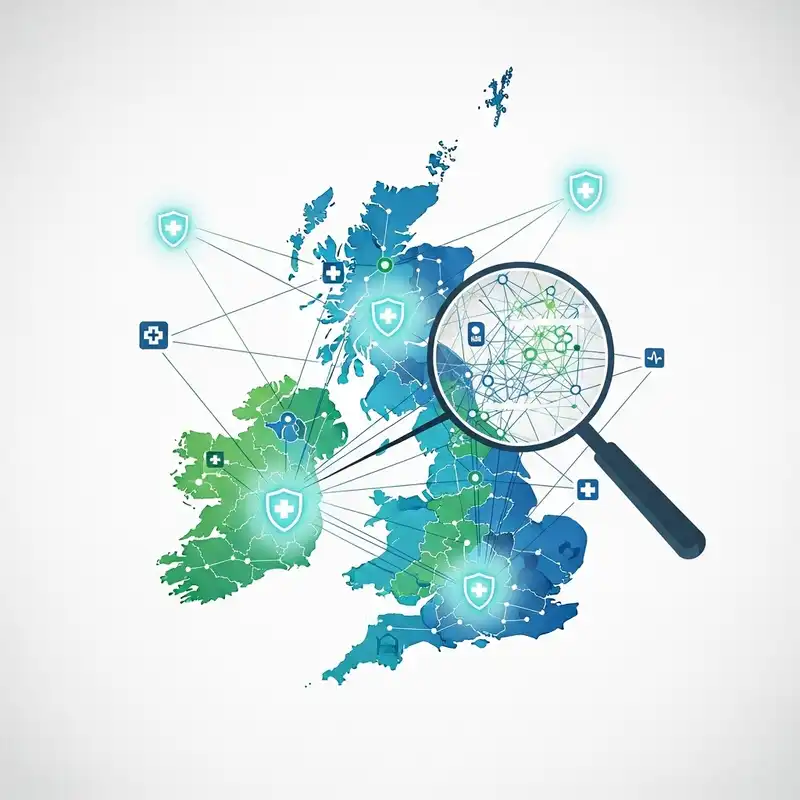
How Britain's Leading Insurers Are Navigating Evolving Local Threats and Uncovering New Opportunities
UK LCIIP Regional Risk Horizon - How Leading Insurers Adapt to UK's Evolving Local Threats & Opportunities
The United Kingdom, a nation famed for its rich tapestry of cultures, landscapes, and economies, is also a land of stark regional contrasts when it comes to health, wealth, and environmental risks. While national averages often paint a broad picture, the reality on the ground is a finely stitched mosaic of varying challenges and opportunities. For the life, critical illness, and income protection (LCIIP) insurance industry, understanding and responding to these regional nuances is no longer a strategic advantage – it's a fundamental necessity.
Leading insurers are moving beyond a 'one-size-fits-all' approach, embarking on a sophisticated journey to map the UK's 'Regional Risk Horizon'. This involves deep dives into localised data, predictive analytics, and flexible product design, all aimed at providing tailored protection in an increasingly dynamic environment. This comprehensive guide will explore the profound impact of these regional disparities, the innovative ways insurers are adapting, and how consumers can navigate this complex landscape to secure the right cover.
Understanding the LCIIP Landscape: Beyond a 'One-Size-Fits-All' Approach
Life, critical illness, and income protection insurance form the bedrock of financial security for millions of UK households.
- Life Insurance: Provides a lump sum payment to beneficiaries upon the policyholder's death, offering financial support for mortgage payments, living costs, or inheritance.
- Critical Illness (CI) Insurance: Pays out a lump sum if the policyholder is diagnosed with one of a predefined list of serious illnesses, such as cancer, heart attack, or stroke, helping to cover medical costs, lifestyle adjustments, or lost income.
- Income Protection (IP) Insurance: Replaces a portion of lost income if the policyholder is unable to work due to illness or injury, ensuring financial stability during recovery.
Traditionally, these products were often designed with a broad national perspective, relying on aggregated statistics. However, the UK's inherent regional diversity means that national averages can obscure significant variations in risk factors. For instance, an individual living in a deprived urban area might face a vastly different health outlook than someone in a prosperous rural community. Similarly, a region heavily reliant on a specific industry might have a distinct set of occupational risks.
The concept of a "regional risk horizon" acknowledges these localised realities. It’s about insurers looking beyond postcode averages to understand the specific threats – and opportunities – that define a particular geographical area, and then translating that understanding into more accurate underwriting, fairer pricing, and more relevant product offerings. This proactive approach ensures that insurance remains accessible, affordable, and truly effective for everyone, regardless of where they live in the UK.
The UK's Patchwork of Risk: Key Regional Disparities Affecting LCIIP
The UK is not homogenous. Its regions display distinct characteristics that directly influence the prevalence of illness, the likelihood of injury, and the economic impact of unforeseen events. Insurers must meticulously analyse these disparities to accurately assess risk.
Health & Morbidity Trends
Health outcomes vary significantly across the UK, influenced by a complex interplay of genetic, lifestyle, environmental, and socio-economic factors.
Life Expectancy Differences: Perhaps the most striking disparity is in life expectancy. Data consistently shows a "North-South divide," with healthier and longer lives generally found in the South East of England, and lower life expectancies in areas like the North East and parts of Scotland and Wales. This isn't just about how long people live, but how long they live in good health, known as "Healthy Life Expectancy."
| UK Region | Male Life Expectancy (2020-2022) | Female Life Expectancy (2020-2022) |
|---|---|---|
| South East England | 80.7 | 84.4 |
| South West England | 80.5 | 84.0 |
| East of England | 80.3 | 84.0 |
| London | 80.2 | 84.2 |
| East Midlands | 79.2 | 83.1 |
| West Midlands | 78.4 | 82.6 |
| Yorkshire & Humber | 78.0 | 82.0 |
| North West England | 77.7 | 81.7 |
| North East England | 77.0 | 81.1 |
| Scotland | 76.5 | 80.8 |
| Wales | 77.8 | 81.7 |
| Northern Ireland | 78.4 | 82.4 |
Source: Office for National Statistics (ONS)
Prevalence of Specific Critical Illnesses: Certain critical illnesses, particularly those linked to lifestyle and deprivation, show regional clustering.
- Cancer: While cancer is prevalent nationwide, incidence and survival rates can differ. For example, lung cancer rates are historically higher in industrialised areas, linked to smoking and occupational exposures.
- Heart Disease & Stroke: These conditions are often linked to factors like obesity, smoking, physical inactivity, and socio-economic deprivation, which are more prevalent in certain regions.
- Diabetes: Type 2 diabetes, closely associated with obesity, also exhibits regional variations.
Mental Health Disparities: Mental health issues are a growing concern. Regional differences exist, often correlated with deprivation, unemployment, and social isolation. Areas with higher rates of poverty or unemployment, for example, often report higher instances of depression and anxiety. According to the Mental Health Foundation, adults living in the poorest 20% of areas in England are more than twice as likely to be diagnosed with common mental health problems as those living in the richest 20%.
Obesity Rates and Related Conditions: Obesity is a major risk factor for numerous critical illnesses, including heart disease, stroke, type 2 diabetes, and certain cancers. Its prevalence varies significantly by region.
| England Region | Adult Obesity Prevalence (2022) |
|---|---|
| North East | 33.7% |
| West Midlands | 29.8% |
| North West | 29.3% |
| Yorkshire & Humber | 28.7% |
| East Midlands | 27.9% |
| South West | 25.1% |
| London | 24.3% |
| South East | 23.9% |
| East of England | 23.3% |
Source: NHS Digital, Health Survey for England 2022
These health disparities present a clear challenge for LCIIP insurers, directly influencing expected claims and, consequently, premium calculations.
Socio-Economic Factors
The economic landscape of a region profoundly affects health, lifestyle, and financial resilience.
Deprivation and Poverty Levels: The Index of Multiple Deprivation (IMD) in England (and similar indices in Scotland, Wales, and Northern Ireland) highlights areas experiencing various forms of deprivation. These areas often correlate with poorer health outcomes, lower educational attainment, and higher unemployment.
| Top 5 Most Deprived Local Authorities (IMD 2019, England) |
|---|
| Middlesbrough |
| Liverpool |
| Knowsley |
| Kingston upon Hull |
| Hackney |
Source: Ministry of Housing, Communities & Local Government
Employment Sectors and Occupational Risks: Different regions are dominated by specific industries, each carrying its own set of occupational risks.
- Heavy Industry/Manufacturing (e.g., parts of the North, Midlands): Higher risks of industrial accidents, respiratory diseases, musculoskeletal disorders.
- Agriculture (e.g., rural South West, East Anglia): Risks include machinery accidents, exposure to chemicals, zoonotic diseases.
- Construction (nationwide, but concentrated in growth areas): High rates of accidents, falls, long-term musculoskeletal issues.
- Service Sector (e.g., London, major cities): While generally lower physical risk, can carry significant mental health stressors, long working hours, sedentary lifestyles.
Income Levels and Financial Resilience: Regions with lower average incomes and higher unemployment rates mean individuals may have less disposable income for insurance premiums, but also a greater need for financial protection in case of illness or injury, as their capacity to absorb financial shocks is lower.
Environmental & Climate-Related Risks
The UK's geography and climate expose different regions to varying environmental threats, some of which are exacerbated by climate change.
Flood Risk: Parts of the UK are highly susceptible to flooding, from rivers, surface water, and coastal inundation. While this primarily impacts property insurance, it has indirect implications for LCIIP. Displacement, stress, and mental health issues arising from flood events can impact overall wellbeing and potentially lead to claims.
| UK Regions Most Prone to Flooding (Illustrative) | Primary Flood Type |
|---|---|
| Yorkshire & Humber | River, Surface |
| East Anglia | Coastal, River |
| South West England | Coastal, Surface |
| North West England | River, Surface |
| Thames Estuary & London | River, Surface |
Source: Environment Agency, local flood authorities
Air Quality: Urban centres, particularly those with heavy traffic and industrial activity, often suffer from poorer air quality. Long-term exposure to air pollutants can contribute to respiratory diseases (like asthma and COPD) and cardiovascular problems, directly impacting health and potential critical illness claims.
Impact on Health from Extreme Weather: Beyond flooding, heatwaves and extreme cold snaps, increasingly common due to climate change, can have direct health consequences, particularly for vulnerable populations, leading to increased strain on health services and potentially higher mortality rates.
Emerging Threats and Opportunities
The risk horizon is not static; it's constantly evolving.
- Long COVID Impacts: The long-term health consequences of COVID-19, including fatigue, cognitive issues, and organ damage, are still being understood but pose a potential long-term claims risk. Regional variations in infection rates and population density could lead to differing impacts.
- Technological Advancements in Healthcare: Regions with strong university research clusters or health-tech hubs (e.g., Oxford, Cambridge, Manchester) may see earlier adoption of advanced diagnostics and treatments, potentially improving health outcomes and reducing the severity of critical illnesses.
- Shifting Demographics: Ageing populations in some rural areas and younger, more diverse populations in urban centres create different risk profiles. An older demographic might have higher critical illness risk, while a younger demographic might value income protection more.
- Regional Economic Regeneration Projects: Investment in new industries (e.g., green energy, tech parks) can bring new jobs and prosperity, potentially improving regional health and economic resilience over time, but also introducing new occupational risks.
The Insurer's Toolkit: Adapting to Local Nuances
In the face of such diverse regional landscapes, leading LCIIP insurers are deploying sophisticated tools and strategies to ensure their offerings remain relevant, competitive, and sustainable.
Advanced Data Analytics & Predictive Modelling
At the heart of modern insurance lies data. Insurers are moving beyond simple demographic segmentation to embrace complex data analytics.
- Leveraging Big Data, AI, and Machine Learning: Insurers are ingesting vast datasets from various sources – public health records, ONS statistics, environmental data, geographical information systems (GIS), and their own claims history. AI and machine learning algorithms can then identify subtle patterns and correlations that human analysts might miss, allowing for more precise risk profiling at a granular, postcode level. For example, identifying specific health conditions that show higher prevalence in particular urban areas due to pollution or lifestyle.
- Geospatial Analysis: Mapping tools allow insurers to visualise risks geographically. This means overlaying layers of data – deprivation indices, air quality maps, flood zones, access to healthcare facilities, and local mortality rates – to create a comprehensive risk picture for any given location. This can inform not only underwriting but also targeted wellness initiatives.
- Combining Public and Proprietary Data: The synergy between publicly available, anonymised data (e.g., NHS Digital's hospital admissions data, Public Health England reports) and an insurer's own anonymised customer data provides a powerful predictive capability. This allows them to project future claims trends more accurately based on regional health trajectories.
Refined Underwriting Practices
Underwriting, the process of assessing risk for an applicant, is becoming increasingly sophisticated.
- Personalised Risk Assessment: Instead of relying solely on national averages for certain conditions, underwriters can now factor in regional prevalence. While individual medical history remains paramount, regional health profiles can inform the breadth and depth of medical enquiries, or even the type of health information requested.
- Flexible Underwriting Criteria: For some risks, insurers might introduce more flexible criteria in regions where certain conditions are less prevalent, or conversely, apply stricter scrutiny where local data indicates a higher risk. This isn't about discrimination, but about actuarial fairness – ensuring premiums reflect the actual likelihood of a claim.
- Importance of Medical Information and Lifestyle Factors: Despite the regional data, individual health declarations, GP reports, and details about personal lifestyle (e.g., smoking, occupation, hobbies) remain crucial. Regional data acts as an overlay, providing context and helping identify areas where a deeper dive into individual risk factors might be warranted.
Dynamic Product Design & Customisation
The days of rigid, unchanging insurance products are fading. Insurers are now designing more agile and modular offerings.
- Regional Product Variations: While not common for every product, some insurers might introduce regional riders or benefits. For example, a critical illness policy might offer enhanced support services (e.g., specific cancer support lines) in areas with higher cancer incidence, or income protection policies might offer more flexible deferred periods in regions with higher unemployment.
- Modular Policies: Offering components that can be added or removed allows individuals to tailor their cover to their specific needs, which might be influenced by their regional context. For example, someone in a high-risk flood area might choose to add a specific mental health support module to their policy.
- Emphasis on Prevention: Recognising that prevention is better than cure, insurers are increasingly integrating wellness benefits. These can be regionally targeted – e.g., promoting physical activity in areas with high obesity rates, or offering mental health resources in regions identified with higher stress levels.
Pricing Strategies
Pricing is a delicate balance between competitiveness, fairness, and profitability. Regional data plays a crucial role.
- Geographic Rating Factors: Similar to car insurance, LCIIP premiums can now incorporate geographic rating. This means a postcode could be one of many factors influencing the premium. Areas with consistently poorer health outcomes or higher occupational risks might see slightly higher premiums, while healthier regions could benefit from lower costs.
- Risk-Based Pricing vs. Community Rating: The shift towards more granular, risk-based pricing aims to ensure that individuals pay a premium proportionate to their personal and regional risk profile. This moves away from a purely 'community rated' approach where everyone pays roughly the same, regardless of their individual or local risk factors. This aims to make insurance fairer and more sustainable in the long run.
- Balancing Competitiveness with Profitability: Insurers must use these insights to price accurately without becoming uncompetitive. The goal is not to penalise specific regions, but to create a sustainable model where premiums truly reflect the underlying risk.
Claims Management
Regional insights also inform how claims are managed, from initial assessment to ongoing support.
- Understanding Regional Claims Patterns: By analysing past claims data against regional characteristics, insurers can gain insights into common types of claims in specific areas. This foresight allows them to streamline claims processes and allocate resources more efficiently.
- Local Support Networks for Claimants: Awareness of regional healthcare structures and support services enables insurers to signpost claimants to local resources, whether it's rehabilitation centres, mental health services, or support groups relevant to their specific condition.
- Faster Processing Through Data Insights: Predictive models can flag claims that align with known regional patterns, potentially expediting processing and payout, especially for common conditions in a given area.
Collaborative Ecosystems
Insurers are increasingly looking beyond their own operations to partner with external organisations.
- Partnerships with Regional Health Bodies, Charities, and Employers: Collaborating with local NHS trusts, regional charities (e.g., local cancer support groups, mental health organisations), and major regional employers allows insurers to contribute to preventative health, improve health literacy, and offer targeted wellness programmes. For example, sponsoring local health check-up initiatives in high-risk areas.
- Investment in Local Wellness Initiatives: Beyond direct partnerships, some insurers are investing in community-based wellness programmes, recognising that improving regional health reduces overall risk for their policyholders. This could involve funding local sports initiatives, healthy eating programmes, or stress management workshops.
Case Studies in Adaptation (Illustrative Examples)
To illustrate how these strategies play out, consider these hypothetical, yet plausible, scenarios:
Example 1: Health Disparities and Cancer Coverage
Scenario: An insurer identifies through geospatial analytics that a specific urban postcode sector in the North East of England consistently has higher incidence rates for certain types of cancer (e.g., lung or bowel cancer) compared to national averages, correlated with socio-economic deprivation and historical industrial activity.
Insurer's Adaptation:
- Product: While the core CI policy remains the same, the insurer might offer enhanced early detection support for policyholders in this specific region. This could involve subsidised or free access to advanced diagnostic screenings (e.g., specific cancer biomarkers not typically covered by standard NHS screening for younger ages) or genetic counselling if there's a family history.
- Underwriting: For applicants from this specific postcode, the underwriting process might include a more detailed questionnaire on lifestyle factors (e.g., smoking history, occupational exposure) or family medical history, allowing for more precise risk pricing, potentially with very minor adjustments to premiums rather than outright exclusions.
- Wellness: Partner with local community health centres or charities to run awareness campaigns on early cancer symptoms and healthy living, tailored to the specific demographics and cultural context of that area.
Example 2: Occupational Risk and Income Protection
Scenario: A large rural region in the South West has a disproportionately high number of people employed in agriculture and construction, sectors known for higher rates of musculoskeletal injuries and specific occupational illnesses.
Insurer's Adaptation:
- Product: The insurer could introduce a modular IP product specifically designed for manual occupations in this region. This might include:
- A shorter deferred period option (e.g., 4 weeks instead of 13) acknowledging that manual workers often need income replacement sooner after injury.
- Access to specialised rehabilitation services for back and joint injuries, with local physiotherapy networks.
- Vocational retraining support specific to the region's alternative employment opportunities if a return to the original occupation is impossible.
- Underwriting: Underwriting for these occupations might be more streamlined, as the insurer has a deep understanding of the inherent risks, potentially offering faster quotes for common roles.
- Prevention: Collaborate with regional agricultural bodies or construction federations to promote safety best practices, offer workshops on manual handling, or provide subsidies for ergonomic equipment.
Example 3: Climate Change and Future Risk
Scenario: A coastal town in East Anglia is identified by environmental models as having an increasing risk of coastal erosion and more frequent storm surges in the coming decades, potentially leading to long-term displacement and mental health impacts.
Insurer's Adaptation:
- Product: While life insurance won't directly cover property damage, the insurer might consider offering enhanced mental health support within CI or IP policies for policyholders in identified high-risk climate zones. This could include unlimited counselling sessions, or specific support for anxiety and depression related to environmental threats.
- Underwriting: For long-term policies, insurers might consider the projected environmental risks of a location, especially for new applications, though this is a very nascent area. The focus would be more on the indirect health impacts rather than property.
- Prevention/Community Resilience: Engage with local councils and environmental agencies to understand and potentially support community resilience projects, such as coastal defence improvements or community preparedness programmes, recognising that a more resilient community translates to fewer claims.
The Role of Technology and Innovation in Shaping the Regional Horizon
Technology is not just a tool for analysis; it's a transformative force reshaping how insurers engage with risk and provide value.
- Wearable Tech and Health Data: The proliferation of fitness trackers and smartwatches offers unprecedented access to real-time health data (with policyholder consent). While still in its early stages for LCIIP, this data could eventually allow for highly personalised premiums and proactive wellness interventions, moving beyond static regional data to individualised risk profiles, regardless of location.
- Telemedicine and Remote Diagnostics: The pandemic accelerated the adoption of virtual consultations. This is particularly beneficial for individuals in remote or rural areas with limited access to specialist medical care, potentially leading to earlier diagnoses and better health outcomes, thereby reducing critical illness claims severity. Insurers are integrating these services into their wellness propositions.
- AI for Personalised Recommendations: AI algorithms can analyse a policyholder's regional risk profile, personal health data, and lifestyle choices to offer highly tailored health recommendations, preventative advice, and even suggest relevant policy add-ons. This proactive approach benefits both the insurer (reduced claims) and the policyholder (improved health).
- Blockchain for Secure Data Sharing (Future Outlook): While still largely experimental in insurance, blockchain technology could facilitate secure, transparent, and immutable sharing of health data (with explicit consent) between healthcare providers, insurers, and other relevant parties. This could streamline underwriting and claims processes, leading to more efficient and accurate risk assessment across regions.
Navigating the Complexities: How WeCovr Helps UK Consumers
The landscape of UK LCIIP is undeniably complex, with leading insurers developing increasingly sophisticated methods to assess regional risks and tailor their offerings. For the average consumer, understanding these nuances and finding the policy that best suits their individual needs and local context can be overwhelming.
This is where expert independent advice becomes invaluable. At WeCovr, we specialise in helping individuals navigate this intricate market. We understand that your protection needs are unique, influenced not just by your personal circumstances but also by the specific regional threats and opportunities where you live and work.
How WeCovr assists you:
- Comprehensive Market Comparison: We work with all major UK LCIIP insurers, giving us a broad view of the products and underwriting approaches available. This allows us to compare policies from different providers, taking into account their regional risk assessments and how they might apply to you.
- Expert, Unbiased Advice: Our team of experienced advisors is adept at interpreting complex policy wordings and understanding the varying approaches insurers take to regional risk. We provide clear, unbiased guidance, explaining how factors like your postcode, occupation, and local health statistics might influence your cover and premiums.
- Tailored Solutions: We don't just find the cheapest policy; we find the right policy. By understanding your personal profile alongside your regional context, we can identify insurers whose products and underwriting best align with your specific requirements. Whether you're in a high flood-risk area, an industrial zone, or a bustling urban centre, we help you find coverage that accounts for these realities.
- Simplifying Complexity: The jargon and vast number of options in LCIIP can be daunting. We break down the complexities into understandable terms, empowering you to make informed decisions about your financial protection. We ensure you understand what you're covered for, and why certain regional factors might be relevant to your policy.
At WeCovr, we believe everyone in the UK deserves access to the right LCIIP cover, tailored to their unique life and location. We remove the guesswork, helping you secure the peace of mind that comes from knowing you're truly protected.
The Future of LCIIP: A Regionally Responsive and Proactive Industry
The journey of the UK LCIIP industry towards a more regionally responsive model is far from complete. However, the trajectory is clear: the future of personal protection is increasingly localised, proactive, and data-driven.
- Continued Refinement of Data Analytics: As data sources become richer and analytical tools more powerful, insurers will gain even deeper insights into regional risk factors, allowing for ever more precise underwriting and product development. * Greater Emphasis on Prevention and Wellness: The shift from 'payer to partner' will accelerate. Insurers will continue to invest in wellness initiatives and preventative care, often targeted at specific regional health challenges. This proactive approach benefits everyone: policyholders lead healthier lives, and insurers see reduced claims.
- Further Personalisation of Products: The ideal is a policy that truly adapts to the individual's evolving life and location. Modular, flexible products will become the norm, allowing consumers to easily adjust their cover as their regional risks or personal circumstances change.
- Increased Collaboration: Insurers will forge stronger ties with local government, healthcare providers, community organisations, and tech companies. These collaborative ecosystems will be crucial for addressing complex regional challenges that no single entity can tackle alone.
- The Imperative for Insurers to Remain Agile: The UK's risk horizon is dynamic. Climate change, evolving health trends, and socio-economic shifts demand that insurers remain constantly vigilant, adapting their models and offerings to remain relevant and effective.
Conclusion
The UK's regional diversity is a defining characteristic, and its impact on life, critical illness, and income protection insurance is profound. Leading insurers are embracing this complexity, leveraging advanced data, innovative product design, and collaborative partnerships to move beyond a national average to a truly localised understanding of risk.
For consumers, this means a more nuanced and potentially fairer insurance landscape. However, it also underscores the importance of seeking expert guidance. Understanding how your regional context influences your LCIIP needs and how different insurers respond to these factors is crucial for securing adequate and appropriate cover.
As the UK's regional risk horizon continues to evolve, the LCIIP industry stands poised to offer increasingly tailored and effective protection, safeguarding the financial wellbeing of individuals and families across the nation's diverse communities. Ensuring you have the right cover means appreciating this regional mosaic, and choosing a policy that truly understands where you stand within it.
Why life insurance and how does it work?
What is Life Insurance?
Life insurance is an insurance policy that can provide financial support for your loved ones when you or your joint policy holder passes away. It can help clear any outstanding debts, such as a mortgage, and cover your family's living and other expenses such costs of education, so your family can continue to pay bills and living expenses. In addition to life insurance, insurance providers offer related products such as income protection and critical illness, which we will touch upon below.How does it work?
Life insurance pays out if you die. The payout can be in the form of a lump sum payment or can be paid as a replacement for a regular income. It's your decision how much cover you'd like to take based on your financial resources and how much you'd like to leave to your family to help them deal with any outstanding debts and living expenses. Your premium depends on a number of factors, including your occupation, health and other criteria.The payout amount can change over time or can be fixed. A level term or whole of life policy offers a fixed payout. A decreasing term policy offers a payout that decreases over the term of the cover.
With critical illness policies, a payout is made if you’re diagnosed with a terminal illness with a remaining life expectancy of less than 12 months. While income protection policies ensure you can continue to meet your financial commitments if you are forced to take an extended break from work. If you can’t work because you’ve had an accident, fallen sick, or lost your job through no fault of your own, income protection insurance pays you an agreed portion of your salary each month.
Income protection is particularly helpful for people in dangerous occupations who want to be sure their mortgage will always be covered. Income protection only covers events beyond your control: you’re much less likely to be covered if you’re fired from your job or if you injure yourself deliberately.
Questions to ask yourself regarding life insurance
Just ask yourself:👉 Who would pay your mortgage or rent if you were to pass away or fall seriously ill?
👉 Who would pay for your family’s food, clothing, study fees or lifestyle?
👉 Who would provide for the costs of your funeral or clear your debts?
👉 Who would pay for your costs if you're unable to work due to serious illness or disability?
Many families don’t realise that life, income protection and critical illness insurance is one of the most effective ways to protect their finances. A great insurance policy can cover costs, protect a family from inheriting debts and even pay off a mortgage.
Many would think that the costs for all the benefits provided by life insurance, income protection insurance or critical illness insurance are too high, but the great news is in the current market policies are actually very inexpensive.
Benefits offered by income protection, life and critical illness insurance
Life insurance, income protection and critical illness insurance are indispensable for every family because a child loses a parent every 22 minutes in the UK, while every single day tragically 60 people suffer major injuries on the UK roads. Some people become unable to work because of sickness or disability.Life insurance cover pays out a lump sum to your family, loved ones or whomever you choose to get the money. This can be used to secure the financial future of your loved ones meaning they would not have to struggle financially in the event of your death.
If it's a critical illness cover, the payout happens sooner - upon diagnosis of a serious illness, disability or medical condition, easing the financial hardship such an event inevitably brings.
Income protection insurance can be very important for anyone who relies on a pay check to cover their living costs, but it's especially important if you’re self-employed or own a small business, where your employment and income is a bit less stable. It pays a regular income if you can't work because of sickness or disability and continues until you return to paid work or you retire.
In a world where 1 in 4 of us would struggle financially after just four weeks without work, the stark reality hits hard – a mere 7% of UK adults possess the vital shield of income protection. The urgency of safeguarding our financial well-being has never been more palpable.
Let's face it – relying on savings isn't a solution for everyone. Almost 25% of people have no savings at all, and a whopping 50% have £1,000 or less tucked away. Even more concerning, 51% of Brits – that's a huge 27 million people – wouldn't last more than one month living off their savings. That's a 10% increase from 2022.
And don't even think about state benefits being a safety net. The maximum you can expect from statutory sick pay is a mere £109.40 per week for up to 28 weeks. Not exactly a financial lifeline, right?
Now, let's tackle a common objection: "But I have critical illness insurance. I don't need income protection too." Here's the deal – the two policies apply to very different situations. In a nutshell:
- Critical illness insurance pays a single lump sum if you're diagnosed with or undergo surgery for a specified potentially life-threatening illness. It's great for handling big one-off expenses or debts.
- Income protection, on the other hand, pays a percentage of your salary as a regular payment if you can't work due to illness or injury. It's the superhero that tackles those relentless monthly bills.
Types of life insurance policies
Common reasons for getting a life insurance policy are to:✅ Leave behind an amount of money to keep your family comfortable
✅ Protect the family home and pay off the mortgage in full or in part
✅ Pay for funeral costs
Starting from as little as a couple of pounds per week, you can do all that with a Life Policy.
Level Term Life Insurance
One of the simplest forms of life insurance, level term life insurance works by selecting a length of time for which you would want to be covered and then deciding how much you would like your loved ones to receive should the worst happen. Should your life insurance policy pay out to your family, it would be in a lump sum amount that can be used in whatever way the beneficiary may wish.
Decreasing Term Life Insurance
Decreasing term life insurance works in the same way as level term, except the lump sum payment amount upon death decreases with time. The common use for decreasing term life cover is to protect against mortgage repayment as the lump sum decreases along with the principal of the mortgage itself.
Increasing Term Life Insurance
Increasing term life insurance aims to pay out a cash sum growing each year if the worst happens while covered by the policy. With increasing term life cover amount insured increases annually by a fixed amount for the length of the policy. This can protect your policy's value against inflation, which could be advantageous if you’re looking to maintain your loved ones’ living standards, continue paying off your mortgage in line with its repayment schedule and cover your children’s education fees.
Whole of Life Insurance
Whereas term life insurance policies only pay out if you pass away during their term, whole of life insurance pays out to your beneficiaries whenever this should happen. The most common uses for whole life insurance are to cover the costs of a funeral or as a vehicle for your family's inheritance tax planning.
Family Income Benefit
Family income benefit is a somewhat lesser-known product in the family of life insurance products. Paying out a set amount every month of year to your beneficiaries, it is the most cost-effective way of maintaining your family's living standards to an age where you'd expect them to be able to support themselves financially. The most common use would be for a family with children who are not working yet so are unable to take care of themselves financially.
Relevant Life Insurance
Relevant Life Insurance is a tax-efficient policy for a director or single employee. A simple level term life insurance product, it is placed in a specific trust to ensure its tax efficiency. The premiums are tax deductible and any benefit payable should a claim arise is also paid out tax free, which makes it an attractive product for entrepreneurs and their businesses.
Important Fact!
We can look at a more suitable option mid-term!
Why is it important to get life insurance early?
👉 Many people are very thankful that they had their life, income protection, and critical illness insurance cover in place before running into some serious issues. Critical illness and income protection insurance is as important as life insurance for protecting your family's finances.👉 We insure our cars, houses, bicycles and even bags! Yet our life and health are the most precious things we have.
Easily one of the most important insurance purchases an individual or family can make in their lifetime, the decision to buy life, income protection, critical illness and private medical health insurance can be made much simpler with the help of FCA-authorised advisers. They are the specialists who do the searching and analysis helping people choose between various types of life insurance policies available in the market, including income protection, critical illness and other types of policies most suitable to the client's individual circumstances.
It certainly won't do any harm if you speak with one of our experienced FCA-authorised insurance partner experts who are passionate about advising people on financial matters related to life insurance and are keen to provide you with a free consultation.
You can discuss with them in detail what affordable life, income protection, critical illness or private medical health insurance plan for the necessary peace of mind they would recommend! WeCovr works with some of the best advisers in the market.
By tapping the button below, you can book a free call with them in less than 30 seconds right now:
Our Group Is Proud To Have Issued 800,000+ Policies!
We've established collaboration agreements with leading insurance groups to create tailored coverage
























How It Works
1. Complete a brief form

2. Our experts analyse your information and find you best quotes

3. Enjoy your protection!

Any questions?
Learn more

Who Are WeCovr?
WeCovr is an insurance specialist for people valuing their peace of mind and a great service.👍 WeCovr will help you get your private medical insurance, life insurance, critical illness insurance and others in no time thanks to our wonderful super-friendly experts ready to assist you every step of the way.
Just a quick and simple form and an easy conversation with one of our experts and your valuable insurance policy is in place for that needed peace of mind!