Medical Travel UK: NHS Delays & PMI Solutions
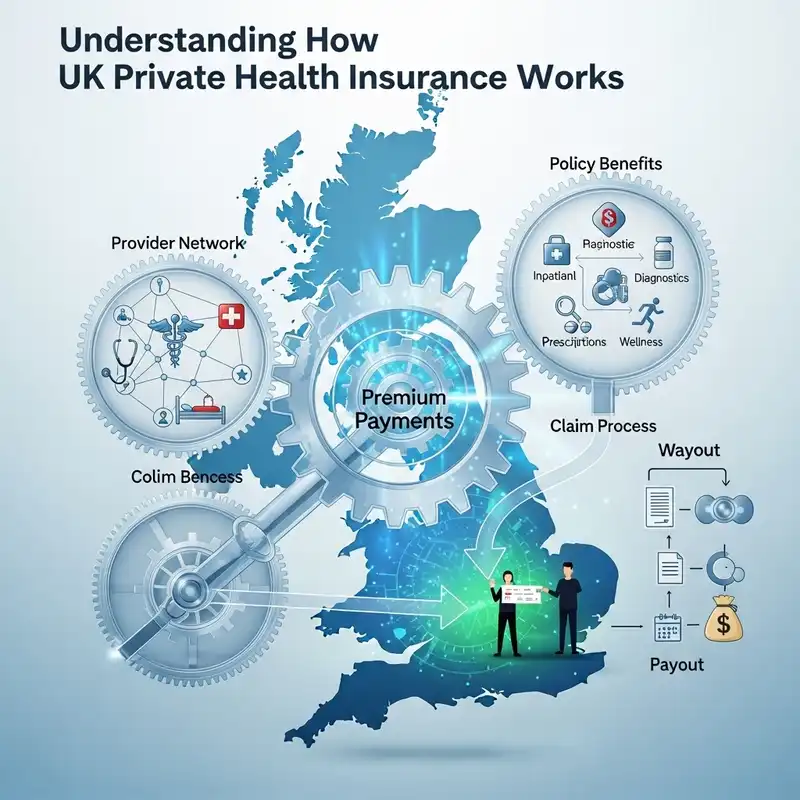
The UK's Healthcare Shock: Why 1 in 4 Britons Are Considering Medical Travel Abroad Due to NHS Waits – Secure Your World-Class Care with PMI, Right Here at Home.
UK 2025 Shock 1 in 4 Britons Considering Medical Travel Abroad Due to NHS Waits – Your PMI Pathway to World-Class Care at Home
The headlines are stark, and the reality for millions is even starker. As we navigate 2025, the UK's healthcare system is at a critical juncture. A staggering one in four Britons are now seriously considering travelling abroad for medical treatment, a trend driven by record-breaking NHS waiting lists. While the prospect of a 'medical holiday' might seem like a quick fix, it's a path laden with hidden risks, from questionable standards to a lack of aftercare.
But what if there was a better way? A pathway to bypass the queues, access the UK's own world-class private medical facilities, and receive prompt, cutting-edge treatment without leaving the country?
This is the power of Private Medical Insurance (PMI). It's not about abandoning the NHS, which remains a cornerstone of our society for emergencies and chronic care. It's about empowering yourself with a choice. It's about taking control of your health when you need it most.
In this definitive guide, we will unpack the 2025 healthcare landscape, explore the real dangers of medical tourism, and provide a comprehensive walkthrough of how Private Medical Insurance works. We’ll demystify the jargon, break down the costs, and show you how you can secure peace of mind and swift access to the best possible care, right here at home.
The 2025 UK Healthcare Crossroads: Why Are Britons Looking Abroad?
The concept of a 'Health Service' free at the point of use is woven into the British identity. Yet, the pressures on the NHS have created a perfect storm, forcing many to question whether it can deliver the timely care they need.
The State of the NHS in 2025: A System Under Strain
The numbers paint a clear, if concerning, picture. As of mid-2025, the situation has reached a critical point:
- Record Waiting Lists: The combined NHS waiting list for elective treatment in the UK has surpassed 8.5 million treatment pathways. This means millions of people are waiting in pain and uncertainty for procedures like hip replacements, cataract surgery, and hernia repairs.
- Diagnostic Delays: The wait for crucial diagnostic tests such as MRI and CT scans can stretch for many months, delaying diagnoses and, consequently, treatment. The Royal College of Radiologists reports a significant backlog, impacting everything from cancer detection to orthopaedic planning.
- The 18-Week Target: The long-held target for 92% of patients to start treatment within 18 weeks of a GP referral feels like a distant memory for many specialities. In some regions, the average wait time for routine orthopaedic surgery, for instance, has crept towards 18 months.
Let's consider a real-world scenario. Imagine Sarah, a 58-year-old graphic designer from Bristol suffering from debilitating hip pain due to osteoarthritis. Her GP confirms she needs a total hip replacement. On the NHS, she's told the wait for surgery could be anywhere from 12 to 20 months. For over a year, she faces the prospect of living with constant pain, struggling with her mobility, and potentially being unable to work. This is the reality for hundreds of thousands of people across the UK.
The Siren Call of Medical Tourism
Faced with scenarios like Sarah's, it's no surprise that medical tourism is booming. A 2025 survey by the Patients Association revealed that 25% of UK adults are either actively researching or seriously considering going abroad for medical procedures.
The appeal is obvious:
- Shorter Waits: European hospitals in countries like Poland, the Czech Republic, or Spain can often schedule a procedure within weeks.
- Lower 'Sticker Price': The upfront cost for a procedure can appear significantly cheaper than the 'self-pay' price in a UK private hospital.
Popular destinations have emerged for specific needs:
- Turkey: A hub for cosmetic surgery, dental work, and hair transplants.
- Spain & Portugal: Popular for orthopaedics, eye surgery, and general wellness.
- Eastern Europe (e.g., Poland, Lithuania): Known for orthopaedic, bariatric, and dental procedures.
The Hidden Dangers of a 'Medical Holiday'
While a glossy brochure showing a state-of-the-art clinic on a sunny coast is tempting, the reality can be very different. The risks are substantial and often overlooked in the rush for a quick solution.
| Risk Factor | The Hidden Reality |
|---|---|
| Regulatory Standards | The UK's Care Quality Commission (CQC) enforces some of the strictest healthcare standards in the world. These standards are not globally uniform. |
| Language & Culture | Miscommunication with medical staff can lead to serious misunderstandings about your procedure, consent, and aftercare. |
| Aftercare & Complications | This is the biggest risk. What happens if you develop an infection or a blood clot on the flight home? Your local NHS is not obligated to fix complications from private treatment performed abroad, leaving you in a clinical and financial limbo. |
| Legal Recourse | If something goes wrong, pursuing a medical negligence claim in a foreign legal system is incredibly complex, expensive, and often impossible. |
| Travel & Recovery | Flying shortly after major surgery increases the risk of Deep Vein Thrombosis (DVT). Recovering in an unfamiliar hotel room is far from ideal. |
| Hidden Costs | The advertised price rarely includes flights, accommodation, food, travel insurance (which may not cover planned surgery), or the cost of follow-up care back home. |
Consider the cautionary tale of Mark, a 45-year-old builder who, frustrated by a year-long wait for knee surgery, travelled to Eastern Europe. The initial procedure seemed fine, but two weeks after returning to the UK, his knee became swollen and infected. His GP was able to prescribe antibiotics, but when the situation worsened, the NHS hospital explained they couldn't perform revision surgery for a procedure done privately overseas. Mark was left facing a huge bill to see a private UK surgeon to fix the problem, wiping out any initial savings and causing immense stress.
The Smarter Alternative: Unlocking UK's World-Class Private Healthcare with PMI
There is a robust, reliable, and safe alternative to rolling the dice on medical tourism. Private Medical Insurance (PMI) provides a direct pathway to the UK's own network of outstanding private hospitals, consultants, and specialists.
What is Private Medical Insurance (PMI)?
At its core, Private Medical Insurance is a policy you pay for—typically monthly or annually—that covers the costs of private medical care for eligible conditions. Think of it as a key that unlocks a parallel healthcare system, one that runs alongside the NHS, ready for you when you need it.
Its primary purpose is to provide cover for acute conditions. An acute condition is a disease, illness, or injury that is likely to respond quickly to treatment and lead to a full recovery. This includes things like joint replacements, cataract removal, hernia repair, and diagnostics for new symptoms.
The Golden Rule of PMI: Pre-existing and Chronic Conditions
This is the single most important concept to understand about PMI, and we must be absolutely clear.
Standard UK Private Medical Insurance does NOT cover pre-existing conditions or chronic conditions.
Let's break this down:
- Pre-existing Conditions: These are any illnesses, diseases, or injuries for which you have experienced symptoms, received medication, or sought advice or treatment before the start date of your policy. If you have a known knee problem before taking out insurance, the policy will not pay for treatment on that knee.
- Chronic Conditions: These are long-term conditions that cannot be cured, only managed. Examples include diabetes, asthma, Crohn's disease, and high blood pressure. The NHS is the primary provider for managing these lifelong conditions. PMI is designed for conditions that can be resolved.
Why this rule? Insurance, by its nature, is designed to protect against unforeseen future events. Covering pre-existing conditions would be like trying to buy home insurance for a house that is already on fire. It would make premiums unaffordable for everyone. PMI is for the new and unexpected health challenges that life may throw your way.
How PMI Bypasses the Queues: A Tale of Two Pathways
The real power of PMI lies in its speed. Let's compare the journey for a patient needing investigation for abdominal pain.
| Stage | Typical NHS Pathway | Typical PMI Pathway |
|---|---|---|
| 1. GP Visit | You visit your GP with symptoms. They agree you need to see a specialist. | You visit your GP with symptoms. You tell them you have PMI. They write an 'open referral' letter. |
| 2. Referral | The GP refers you into the NHS system. You join the back of the queue. | You call your insurer, get the claim authorised (usually on the same day), and are given a list of approved specialists. |
| 3. Specialist Wait | Wait time for a gastroenterology appointment could be 4-6 months, or longer. | You book an appointment with your chosen specialist, often within a week or two. |
| 4. Diagnostics | If the specialist needs an MRI or CT scan, you join another NHS queue. This could add 6-8 weeks. | The specialist refers you for an MRI. With out-patient cover, this is often done within a few days at a private facility. |
| 5. Treatment Plan | After all results are in, a treatment plan (e.g., surgery) is made. You join the surgical waiting list. | Following diagnosis, surgery is booked at a private hospital of your choice (from your insurer's list), often within 2-4 weeks. |
| Total Time (Start to Surgery) | 9 - 18+ Months | 4 - 8 Weeks |
The difference is not just about convenience; it's about your quality of life, reducing anxiety, and getting you back to health and work faster.
A Deep Dive into Your PMI Policy: What's Covered (and What's Not)?
Not all PMI policies are created equal. They are highly customisable, allowing you to balance the level of cover with your budget. Understanding the building blocks of a policy is key.
Core Coverage: The Foundation of Every Policy
Nearly every PMI policy in the UK includes 'in-patient' and 'day-patient' cover as standard.
- In-patient Treatment: This is when you are admitted to a hospital and stay overnight, for example, for a hip replacement. The policy covers the hospital room, nursing care, surgeon fees, anaesthetist fees, and medication.
- Day-patient Treatment: This is for procedures where you are admitted to a hospital for a bed but do not stay overnight, such as a colonoscopy or minor surgery.
Optional Add-ons: Tailoring Your Protection
This is where you can truly shape your policy to your needs. The most common and important options are:
1. Out-patient Cover
This is arguably the most crucial add-on. It covers the costs incurred before you are admitted to hospital. Without it, you would have to pay for initial specialist consultations and diagnostic scans yourself.
- What it covers: Specialist consultations, diagnostic tests (MRI, CT, PET scans), and X-rays.
- Levels: Insurers typically offer different levels of cover, such as £500, £1,000, £1,500, or a fully comprehensive 'unlimited' option. A higher limit provides more protection but increases the premium.
2. Therapies Cover
This provides a set number of sessions for treatments like:
- Physiotherapy
- Osteopathy
- Chiropractic care
This is invaluable for recovery after surgery or for treating musculoskeletal issues.
3. Mental Health Cover
Increasingly vital, this add-on provides cover for consultations with psychiatrists and psychologists, as well as in-patient care for acute mental health conditions. Given the long waits for mental health support on the NHS, this can be a lifeline.
4. Cancer Cover
This is a cornerstone of modern PMI. While the NHS provides excellent cancer care, private cover can offer significant advantages:
- Access to Specialists: Rapid access to leading oncologists.
- Choice of Treatment: The ability to be treated in a comfortable, private hospital setting.
- Advanced Drugs & Treatments: Crucially, comprehensive cancer cover often provides access to cutting-edge drugs, therapies, and treatments that may not yet be approved for use on the NHS or funded by the Cancer Drugs Fund. This can open up life-extending options.
Common Exclusions: What PMI Won't Cover
It's just as important to know what is not covered. Being aware of these standard exclusions prevents surprises later on.
| Category | Examples of What's Typically Excluded |
|---|---|
| Chronic Conditions | Diabetes, asthma, high blood pressure, arthritis, and other long-term illnesses. |
| Emergencies | A&E visits for heart attacks, strokes, or serious accidents. The NHS is the best place for this. |
| Normal Pregnancy | Routine check-ups and uncomplicated childbirth. Some policies cover complications. |
| Cosmetic Surgery | Procedures for purely aesthetic reasons (e.g., face-lifts, tummy tucks). |
| Self-inflicted Injuries | Issues arising from substance abuse, dangerous sports (unless specifically covered). |
| Fertility Treatment | IVF and other fertility procedures are usually excluded. |
Demystifying the Jargon: Underwriting, Excess, and Hospital Lists
The language of insurance can be confusing. Let's translate three of the most important terms you'll encounter.
1. Underwriting: How Insurers Assess Your Health History
Underwriting is the process an insurer uses to decide what they will and will not cover based on your medical history. There are two main types:
- Moratorium Underwriting (Most Common): This is the "wait and see" approach. You don't have to fill out a detailed medical questionnaire. Instead, the insurer automatically excludes treatment for any medical condition you've had symptoms, advice, or treatment for in the 5 years before your policy began. This exclusion is usually in place for the first 2 years of your policy. If, after 2 continuous years, you have not had any further symptoms, advice, or treatment for that condition, it may become eligible for cover. It's simple and quick to set up.
- Full Medical Underwriting (FMU): This is the "disclose everything" approach. You complete a detailed health questionnaire, listing your medical history. The insurer then reviews it and gives you a definitive list of what is excluded from your policy from day one. It takes longer to set up but provides absolute clarity from the start.
| Feature | Moratorium (MORI) | Full Medical Underwriting (FMU) |
|---|---|---|
| Application Process | Quick and simple, no medical forms. | Longer, requires a full health declaration. |
| Clarity on Cover | Exclusions are general; can be uncertainty at claim time. | Crystal clear from the start what is excluded. |
| Claim Process | Can be slower as insurer needs to check medical history then. | Often quicker as underwriting was done upfront. |
| Best For | People with little or no recent medical history. | People with a complex medical history who want certainty. |
2. The 'Excess': Your Contribution to a Claim
An excess (or deductible) is the amount you agree to pay towards the cost of a claim each policy year. For example, if you have a £250 excess and your surgery costs £8,000, you pay the first £250, and the insurer pays the remaining £7,750.
The key thing to remember is: A higher excess leads to a lower monthly premium.
Choosing an excess is a balancing act. Common options are £0, £100, £250, £500, or even £1,000. Selecting a manageable excess that you could afford to pay is a great way to make your policy more affordable.
3. Hospital Lists: Choosing Where You Can Be Treated
Insurers don't just let you go to any hospital. They have negotiated rates with specific hospital groups, which they compile into 'hospital lists'. The list your policy includes will dictate your choice of facilities.
- Tier 1: Local/Regional Lists: These include private hospitals in your local area but may exclude major city centres or renowned specialist hospitals. This is the most budget-friendly option.
- Tier 2: National Lists: This is the most common choice, offering access to a broad network of private hospitals across the UK, but often excluding the most expensive hospitals in Central London.
- Tier 3: Premium/London Lists: This gives you access to almost all private hospitals, including the famous and highly specialised facilities in Central London (e.g., The London Clinic, Cromwell Hospital). This option carries the highest premium.
The Cost of Peace of Mind: What Determines Your PMI Premium in 2025?
This is the big question for many: "How much does it cost?" There's no single answer, as premiums are highly personalised. However, we can break down the key factors that insurers use to calculate your price.
Key Factors Influencing Your Premium:
- Age: This is the most significant factor. The older you are, the higher the statistical likelihood of needing treatment, so premiums increase with age.
- Location: Private healthcare costs vary by region. Living in or near London and the South East, where hospital costs are highest, will result in a higher premium than living in other parts of the UK.
- Level of Cover: A basic, core-only policy will be much cheaper than a comprehensive policy with unlimited out-patient cover, therapies, and mental health support.
- Excess Level: As discussed, a £500 excess will make your premium significantly cheaper than a £0 excess.
- Hospital List: Choosing a national list over a premium London list will reduce the cost.
- No Claims Discount (NCD): Similar to car insurance, many insurers offer a discount for every year you don't make a claim, which can significantly lower your renewal price over time.
- Smoker Status: Smokers are considered higher risk and will pay more than non-smokers.
Illustrative Monthly Premiums (2025)
To give you a ballpark idea, here are some illustrative examples. Please remember these are for guidance only.
| Profile | Assumed Cover | Estimated Monthly Premium |
|---|---|---|
| 30-year-old, Manchester Non-smoker, healthy | Mid-range cover with £1,000 out-patient & £250 excess | £45 - £65 |
| 45-year-old, Birmingham Non-smoker, healthy | Mid-range cover with £1,000 out-patient & £250 excess | £70 - £95 |
| 55-year-old couple, Surrey Non-smokers, healthy | Comprehensive cover with unlimited out-patient & £500 excess | £180 - £250 (total) |
| 65-year-old, Bristol Non-smoker, healthy | Core cover only (in-patient) with £500 excess | £120 - £160 |
The variations in price for the same profile can be huge between different insurers. This is why specialist advice is so important. At WeCovr, our job is to navigate this complex market for you. We compare policies from all the major UK insurers—including Aviva, AXA Health, Bupa, The Exeter, and Vitality—to find the plan that offers the best possible cover for your specific budget and needs.
As a bonus for choosing us to arrange your policy, we also provide our clients with complimentary access to CalorieHero, our exclusive AI-powered calorie and nutrition tracking app. We believe in proactive health, and CalorieHero is our way of helping you stay on top of your wellness goals, adding value far beyond the insurance policy itself.
Your PMI Journey with an Expert Broker
You can buy PMI directly from an insurer, but you risk paying more for a policy that might not be right for you. Using an independent, expert broker like WeCovr offers a wealth of advantages.
Why Use a Broker Instead of Going Direct?
- Whole-of-Market Advice: An insurer can only sell you their own products. We compare everyone, giving you a transparent view of the best options available.
- Expertise and Simplicity: We live and breathe this market. We translate the jargon, explain the fine print, and help you understand the crucial differences between policies that look similar on the surface.
- Personalised Service: We take the time to understand your individual needs, health concerns, and budget to recommend a truly tailored solution.
- It Costs You Nothing: Our service is free for you to use. We are paid a commission by the insurer you choose, which is already built into the price of the policy. You get expert, impartial advice without paying a penny extra.
- Support for the Long Term: We are here to help you at renewal to ensure you're still on the best deal, and we can provide guidance if you ever need to make a claim.
Our process is simple and designed around you:
- Discovery Call: A friendly, no-obligation chat to understand what you're looking for.
- Market Analysis: We meticulously research the entire market based on your requirements.
- Clear Comparison: We present you with 2-3 of the best options in an easy-to-understand format, explaining the pros and cons of each.
- Seamless Application: We handle the paperwork and guide you through the application process.
- Ongoing Partnership: We remain your point of contact for any future questions or policy reviews.
Conclusion: Taking Control of Your Health in an Uncertain World
The pressures on our beloved NHS are undeniable, and the resulting waiting lists are forcing many to consider drastic options like medical travel abroad. While understandable, this path is fraught with risks that can jeopardise both your health and your finances.
There is a smarter, safer, and more secure way forward. Private Medical Insurance offers a clear pathway to prompt, world-class medical care from leading specialists in top-tier UK hospitals. It puts you back in control, allowing you to bypass the queues and focus on what truly matters: your recovery.
It’s about choice, speed, and peace of mind. It’s about knowing that should an acute medical issue arise, you have a plan in place. You don't have to leave your health to chance, long waiting lists, or the uncertainties of a foreign healthcare system.
The first step is knowledge. By understanding how PMI works, what it covers, and how it can be tailored to your budget, you can make an informed decision for yourself and your family. The next step is to find out what it would cost for you. A personalised quote can show just how affordable this vital protection can be.
Why private medical insurance and how does it work?
What is Private Medical Insurance?
Private medical insurance (PMI) is a type of health insurance that provides access to private healthcare services in the UK. It covers the cost of private medical treatment, allowing you to bypass NHS waiting lists and receive faster, more convenient care.How does it work?
Private medical insurance works by paying for your private healthcare costs. When you need treatment, you can choose to go private and your insurance will cover the costs, subject to your policy terms and conditions. This can include:• Private consultations with specialists
• Private hospital treatment and surgery
• Diagnostic tests and scans
• Physiotherapy and rehabilitation
• Mental health treatment
Your premium depends on factors like your age, health, occupation, and the level of cover you choose. Most policies offer different levels of cover, from basic to comprehensive, allowing you to tailor the policy to your needs and budget.
Questions to ask yourself regarding private medical insurance
Just ask yourself:👉 Are you concerned about NHS waiting times for treatment?
👉 Would you prefer to choose your own consultant and hospital?
👉 Do you want faster access to diagnostic tests and scans?
👉 Would you like private hospital accommodation and better food?
👉 Do you want to avoid the stress of NHS waiting lists?
Many people don't realise that private medical insurance is more affordable than they think, especially when you consider the value of faster treatment and better facilities. A great insurance policy can provide peace of mind and ensure you receive the care you need when you need it.
Benefits offered by private medical insurance
Private medical insurance provides numerous benefits that can significantly improve your healthcare experience and outcomes:Faster Access to Treatment
One of the biggest advantages is avoiding NHS waiting lists. While the NHS provides excellent care, waiting times can be lengthy. With private medical insurance, you can often receive treatment within days or weeks rather than months.
Choice of Consultant and Hospital
You can choose your preferred consultant and hospital, giving you more control over your healthcare journey. This is particularly important for complex treatments where you want a specific specialist.
Better Facilities and Accommodation
Private hospitals typically offer superior facilities, including private rooms, better food, and more comfortable surroundings. This can make your recovery more pleasant and potentially faster.
Advanced Treatments
Private medical insurance often covers treatments and medications not available on the NHS, giving you access to the latest medical advances and technologies.
Mental Health Support
Many policies include comprehensive mental health coverage, providing faster access to therapy and psychiatric care when needed.
Tax Benefits for Business Owners
If you're self-employed or a business owner, private medical insurance premiums can be tax-deductible, making it a cost-effective way to protect your health and your business.
Peace of Mind
Knowing you have access to private healthcare when you need it provides invaluable peace of mind, especially for those with ongoing health conditions or concerns about NHS capacity.
Private medical insurance is particularly valuable for those who want to take control of their healthcare journey and ensure they receive the best possible treatment when they need it most.
Important Fact!
We can look at a more suitable option mid-term!
Why is it important to get private medical insurance early?
👉 Many people are very thankful that they had their private medical insurance cover in place before running into some serious health issues. Private medical insurance is as important as life insurance for protecting your family's finances.👉 We insure our cars, houses, and even our phones! Yet our health is the most precious thing we have.
Easily one of the most important insurance purchases an individual or family can make in their lifetime, the decision to buy private medical insurance can be made much simpler with the help of FCA-authorised advisers. They are the specialists who do the searching and analysis helping people choose between various types of private medical insurance policies available in the market, including different levels of cover and policy types most suitable to the client's individual circumstances.
It certainly won't do any harm if you speak with one of our experienced insurance experts who are passionate about advising people on financial matters related to private medical insurance and are keen to provide you with a free consultation.
You can discuss with them in detail what affordable private medical insurance plan for the necessary peace of mind they would recommend! WeCovr works with some of the best advisers in the market.
By tapping the button below, you can book a free call with them in less than 30 seconds right now:
Our Group Is Proud To Have Issued 800,000+ Policies!
We've established collaboration agreements with leading insurance groups to create tailored coverage
























How It Works
1. Complete a brief form

2. Our experts analyse your information and find you best quotes

3. Enjoy your protection!

Any questions?
Learn more

Who Are WeCovr?
WeCovr is an insurance specialist for people valuing their peace of mind and a great service.👍 WeCovr will help you get your private medical insurance, life insurance, critical illness insurance and others in no time thanks to our wonderful super-friendly experts ready to assist you every step of the way.
Just a quick and simple form and an easy conversation with one of our experts and your valuable insurance policy is in place for that needed peace of mind!