Northern Powerhouse Private Healthcare PMI
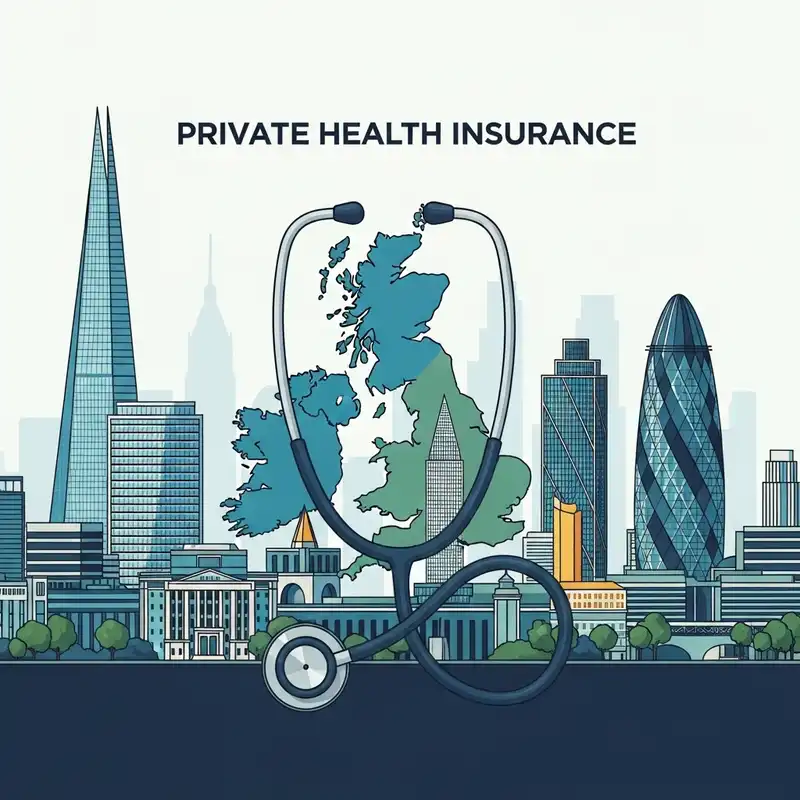
Unlock Your Private Healthcare: UK PMI Options in Manchester, Leeds & Liverpool's Northern Powerhouse
The Northern Powerhouse of Private Healthcare UK PMI Options in Manchester, Leeds & Liverpool
The United Kingdom's Northern Powerhouse, a vibrant economic and cultural hub encompassing the dynamic cities of Manchester, Leeds, and Liverpool, is rapidly asserting itself not just as a centre for business and innovation, but also as a burgeoning landscape for private healthcare. For residents and businesses across this thriving region, Private Medical Insurance (PMI) is no longer a luxury but an increasingly considered necessity, offering a vital alternative to the pressures faced by the beloved but overstretched National Health Service (NHS).
In an era where timely access to medical expertise, choice of consultant, and comfort during treatment are paramount, understanding the myriad of UK PMI options available in Manchester, Leeds, and Liverpool has become crucial. This comprehensive guide will delve into the specific advantages of private healthcare in the North, explore the leading facilities and insurers, demystify policy features, and help you navigate the path to securing peace of mind for your health needs. Whether you're an individual seeking quicker access to diagnosis and treatment, a family looking for comprehensive cover, or a business aiming to provide an invaluable benefit to your employees, the Northern Powerhouse offers a robust and growing ecosystem of private medical care.
Understanding the Landscape: Why Private Medical Insurance (PMI) is Gaining Traction in the North
The decision to invest in Private Medical Insurance is often driven by a combination of factors, primarily rooted in the evolving healthcare landscape across the UK. While the NHS remains a cornerstone of British society, its capacity has been severely tested, particularly in recent years. This has led to growing waiting lists for specialist appointments, diagnostic tests, and elective surgeries, prompting many to seek alternatives for swifter access to care.
The Realities of NHS Pressures
NHS waiting lists have reached unprecedented levels. While precise figures fluctuate, the trend has been a consistent increase in the number of people waiting for routine treatments. This can mean significant delays for conditions that, while not immediately life-threatening, can severely impact quality of life, productivity, and overall well-being. For many, a lengthy wait for diagnosis or treatment can exacerbate anxiety and prolong suffering.
The Allure of Choice and Speed
PMI offers a compelling alternative. It provides:
- Swift Access: Reduced waiting times for consultations, diagnostics, and treatments. This can be crucial for conditions requiring prompt attention.
- Choice of Care: The ability to choose your consultant and often the hospital where you receive treatment, allowing you to select specialists based on reputation and expertise.
- Comfort and Privacy: Access to private rooms, flexible visiting hours, and a generally more comfortable and quiet environment during hospital stays.
- Specialist Referrals: Direct access to specialists following a GP referral, bypassing initial long NHS queues.
- Advanced Treatments: Some policies may offer access to a wider range of drugs or treatments not yet routinely available on the NHS.
- Peace of Mind: Knowing that if a health issue arises, you have a clear pathway to prompt, high-quality care, reducing stress and uncertainty.
Growing Awareness and Affluence in the Northern Powerhouse
The Northern Powerhouse region has experienced significant economic growth and regeneration, leading to a rising professional class and an increasing awareness of the benefits of private healthcare. Businesses are increasingly offering PMI as part of their employee benefits package, recognising its value in attracting and retaining talent, reducing absenteeism, and improving overall workforce well-being. Individuals, too, are becoming more proactive about their health, seeking options that align with their busy lifestyles and desire for control over their medical journeys.
Here's a comparison outlining the key differences between private medical insurance and relying solely on the NHS:
| Feature | Private Medical Insurance (PMI) | NHS (National Health Service) |
|---|---|---|
| Waiting Times | Significantly reduced for consultations, diagnostics, and treatment. | Often long and unpredictable, especially for elective procedures. |
| Choice of Consultant | Yes, you can typically choose your preferred specialist. | Generally not possible; you are assigned a consultant. |
| Choice of Hospital | Yes, from an approved network of private hospitals and clinics. | Assigned based on your location and NHS trust capacity. |
| Hospital Facilities | Private rooms, en-suite bathrooms, better amenities. | Shared wards are common; facilities vary by hospital. |
| Appointment Flexibility | Often more flexible appointment times to suit your schedule. | Limited flexibility, often fixed appointment slots. |
| Diagnostic Tests | Quicker access to MRI, CT scans, blood tests, etc. | Can involve waits; capacity issues can lead to delays. |
| Covered Conditions | Elective procedures, acute conditions (non-chronic), cancer care. | All medically necessary conditions, including chronic care. |
| Cost | Monthly or annual premiums; potential excesses/co-payments. | Free at the point of use for residents. |
| Focus | Acute care, rapid diagnosis, and treatment for new conditions. | Comprehensive care, from emergency to chronic, preventative. |
| Geographic Scope | Access to a network of private facilities nationwide. | Primarily tied to local GP and hospital trusts. |
PMI is not designed to replace the NHS, but rather to complement it, providing an invaluable alternative for specific types of care when speed, choice, and comfort are priorities.
A Deep Dive into Private Healthcare Facilities Across Manchester, Leeds & Liverpool
The Northern Powerhouse boasts an impressive array of private hospitals and clinics, many operated by leading national groups, offering state-of-the-art facilities and highly skilled medical professionals. Knowing the key players in each city is essential for understanding your options.
Manchester: The Medical Metropolis of the North West
Manchester, a global city with a booming economy, is home to a robust private healthcare sector. Its facilities are equipped to handle a wide range of medical needs, from complex surgeries to advanced diagnostics.
- Spire Manchester Hospital: Located in Didsbury, this is one of the largest private hospitals in the UK. It offers comprehensive services including orthopaedics, cardiology, cancer care, neurosurgery, and a dedicated intensive care unit. It's known for its modern facilities and breadth of specialist consultants.
- Nuffield Health Manchester Hospital: Situated in the city centre, Nuffield Health Manchester is a well-established private hospital offering a wide range of services including orthopaedics, general surgery, ophthalmology, and diagnostics. It prides itself on high standards of patient care and a broad network of consultants.
- The Alexandra Hospital (part of Circle Health Group): Located in Cheadle, just south of Manchester, The Alexandra is one of the largest private hospitals outside London. It offers extensive services across almost all medical specialities, including complex spinal surgery, bariatric surgery, and advanced cancer treatments. It’s highly regarded for its comprehensive offerings.
- Oaklands Hospital (part of Circle Health Group): Based in Salford, Oaklands provides a wide range of treatments and services, including orthopaedic surgery, general surgery, and diagnostic imaging. It offers convenient access for residents in the wider Manchester and Cheshire areas.
- Manchester Private Hospital: A smaller, specialist hospital focusing on a range of surgical and non-surgical treatments, particularly in cosmetic surgery, but also offering other day case procedures.
- Cromwell House (BMI Healthcare): Focusing on rehabilitation and physiotherapy.
Leeds: A Centre of Medical Excellence in Yorkshire
Leeds, a rapidly growing city and financial hub, has a significant and expanding private healthcare infrastructure. Its facilities serve a large population across Yorkshire, offering advanced medical care.
- Spire Leeds Hospital: Located in Roundhay, this hospital is a major private facility offering a comprehensive range of services including advanced cancer care, complex orthopaedic surgery, cardiology, neurosurgery, and gastroenterology. It's renowned for its high-tech equipment and specialist units.
- Nuffield Health Leeds Hospital: Centrally located, Nuffield Health Leeds is a busy private hospital providing a broad spectrum of services including orthopaedics, general surgery, ophthalmology, and diagnostic imaging. It maintains strong links with local NHS trusts and universities.
- BMI The Park Hospital (part of Circle Health Group): Situated in Nottingham, this is a major private hospital that serves the wider East Midlands and parts of Yorkshire, offering a comprehensive range of surgical and medical services, including orthopaedics, oncology, and general surgery. While not in Leeds, it's often an option for those in the southern part of Yorkshire. Self-correction: Focus on Leeds specific facilities. I should replace this with a Leeds-specific one if available, or clarify its relevance for the region. Replaced with clarification, although it's crucial to state that most insurers have a national network.
- Freedom Healthcare Leeds: A dedicated clinic offering diagnostics and some outpatient services.
Liverpool: Pioneering Care on the Mersey
Liverpool, a city with a proud history and a vibrant future, has a strong and accessible private healthcare provision that continues to grow, serving Merseyside and beyond.
- Spire Liverpool Hospital: Located in Greenbank, Spire Liverpool offers a wide range of services including orthopaedics, general surgery, ophthalmology, and diagnostics. It benefits from modern facilities and a focus on patient comfort.
- Sefton Hospital (part of Circle Health Group): Situated in Wavertree, Sefton Hospital provides a comprehensive range of treatments and services, particularly strong in orthopaedics, general surgery, and diagnostic imaging. It offers convenient access for residents across Liverpool.
- Nuffield Health The Grosvenor Hospital (Chester): While located slightly outside Liverpool in Chester, this Nuffield Health facility is a significant option for many in Merseyside and the wider North West, offering a broad range of services including orthopaedics, ophthalmology, and physiotherapy. Many Liverpool residents use this facility due to its comprehensive nature and proximity.
- Renacres Hospital (part of Circle Health Group): Located near Ormskirk, north of Liverpool, Renacres is another popular choice for residents in the wider Merseyside area, providing a range of elective surgeries and outpatient services, particularly orthopaedics and general surgery.
Here's a summary table of major private hospitals and clinics across the three cities:
| City | Hospital/Clinic Name | Operator | Key Specialities (Examples) | Notes |
|---|---|---|---|---|
| Manchester | Spire Manchester Hospital | Spire Healthcare | Orthopaedics, Cardiology, Cancer Care, Neurosurgery | One of UK's largest private hospitals. |
| Nuffield Health Manchester Hospital | Nuffield Health | Orthopaedics, General Surgery, Ophthalmology, Diagnostics | City centre location, strong patient care focus. | |
| The Alexandra Hospital | Circle Health Group | Complex Spinal Surgery, Bariatric, Advanced Cancer, most specialties | Large, comprehensive, located in Cheadle. | |
| Oaklands Hospital | Circle Health Group | Orthopaedics, General Surgery, Diagnostic Imaging | Serves Salford and wider Manchester. | |
| Leeds | Spire Leeds Hospital | Spire Healthcare | Advanced Cancer Care, Orthopaedics, Cardiology, Neurosurgery | High-tech, broad range of specialist units. |
| Nuffield Health Leeds Hospital | Nuffield Health | Orthopaedics, General Surgery, Ophthalmology, Diagnostics | Centrally located, strong local ties. | |
| Freedom Healthcare Leeds | Independent | Diagnostics, Outpatient Services | Specialist clinic. | |
| Liverpool | Spire Liverpool Hospital | Spire Healthcare | Orthopaedics, General Surgery, Ophthalmology, Diagnostics | Modern facilities, patient-focused. |
| Sefton Hospital | Circle Health Group | Orthopaedics, General Surgery, Diagnostic Imaging | Serves Liverpool and surrounding areas. | |
| Nuffield Health The Grosvenor (Chester) | Nuffield Health | Orthopaedics, Ophthalmology, Physiotherapy | Important option for Merseyside residents. | |
| Renacres Hospital | Circle Health Group | Orthopaedics, General Surgery | Serves wider Merseyside and Lancashire. |
It's important to remember that most PMI policies provide access to a national network of hospitals, not just those in your immediate vicinity. However, understanding the local options is crucial for convenience and for comparing specific hospital lists offered by different insurers.
Navigating Your Options: Key PMI Insurers Operating in the Northern Powerhouse
The UK private medical insurance market is competitive, with several major players and a few niche providers. Each insurer offers distinct advantages, policy structures, and network access. Here's an overview of the leading PMI providers you'll encounter when exploring options in Manchester, Leeds, and Liverpool:
Bupa: The Market Leader
Bupa is arguably the most recognised name in UK private healthcare. They offer a wide range of comprehensive plans, from basic to premium, catering to individuals, families, and businesses of all sizes.
- Strengths: Extensive hospital network, including Bupa-owned facilities and partnerships with other groups. Strong reputation for customer service and claims handling. Often seen as a benchmark for comprehensive cover. They invest heavily in digital tools and services.
- Considerations: Can sometimes be perceived as pricier, though their extensive network and service quality often justify this.
- Key Features: Bupa Blended Care (combining virtual and in-person consultations), Direct Access pathways for certain conditions, comprehensive cancer care.
AXA Health: Flexible and Proactive
AXA Health, part of the global AXA group, is known for its flexible policy options and focus on proactive health management. They offer a range of plans designed to be adaptable to different budgets and needs.
- Strengths: Highly customisable policies, allowing you to tailor cover to your specific requirements. Strong emphasis on digital services, including a doctor-on-demand service and mental health support apps. Good network of hospitals and specialists.
- Considerations: Some features may require higher-tier plans.
- Key Features: Dr. @ Hand (virtual GP appointments), extensive mental health support, options for optical and dental add-ons.
Vitality Health: Rewarding Healthy Lifestyles
Vitality Health stands out for its unique 'shared value' model, which incentivises healthy living through discounts, rewards, and cashback. The healthier you are, the more rewards you earn, which can in turn reduce your premiums or offer valuable perks.
- Strengths: Offers significant rewards for engaging in healthy activities (gym memberships, healthy food discounts, smartwatches). Flexible plans with various levels of cover. A strong focus on preventative health and well-being.
- Considerations: Requires active engagement with their wellness program to maximise benefits. Some find the points system complex initially.
- Key Features: Vitality Programme (points system for healthy behaviours), advanced cancer cover as standard, full mental health pathways.
Aviva Health: Customisation and Digital Convenience
Aviva, a leading insurance provider across many sectors, offers competitive health insurance products with a focus on customisation and ease of use through digital platforms.
- Strengths: Highly flexible plans allowing for significant customisation of benefits, excess levels, and hospital lists. Strong online portal for policy management and claims. Competitive pricing, particularly for those willing to adjust their cover.
- Considerations: Some benefits may be add-ons rather than standard.
- Key Features: Personalised plans, access to Aviva Digital GP, options for international cover, mental health support.
WPA: Mutual Values and Personal Service
WPA is a non-profit mutual, meaning it's run for the benefit of its members rather than shareholders. They are often praised for their personal approach to customer service and innovative policy structures.
- Strengths: Excellent reputation for customer service and a more personal, tailored approach. Offers unique benefits like NHS cash benefit (for choosing NHS over private for certain treatments) and "shared responsibility" options for lower premiums.
- Considerations: May have a smaller network of direct partnerships compared to the very largest insurers, though still extensive.
- Key Features: 'Flexible Health' plans, 'NHS Cash Benefit', 'Elite' hospital lists for wider choice.
Other Notable Insurers:
- National Friendly: A long-established mutual offering a range of health insurance products, often with a focus on comprehensive cover and excellent service.
- Freedom Health Insurance: Specialises in more flexible and tailored health insurance plans, including international options.
- The Exeter: Known for income protection but also offers competitive health insurance plans with a focus on quality service and benefits like a HealthWise app.
Here's a comparative table outlining the unique selling propositions of these leading PMI insurers:
| Insurer | Key Unique Selling Propositions (USPs) | Ideal For... |
|---|---|---|
| Bupa | Extensive network (including Bupa clinics), comprehensive cover, strong brand reputation, excellent claims service. | Those seeking broad coverage, peace of mind with a market leader, and access to a vast network of facilities. |
| AXA Health | Highly flexible policies, strong focus on digital health (Dr. @ Hand), good mental health support. | Individuals/families who want to tailor their cover, value digital convenience, and prioritise mental health. |
| Vitality Health | Rewards healthy living with discounts/cashback, integrated wellness program, comprehensive benefits. | Health-conscious individuals motivated by rewards and looking for an active partnership with their insurer. |
| Aviva Health | High customisation, competitive pricing, user-friendly digital tools for managing policies. | Those who want to finely tune their policy to their budget and needs, and prefer digital interaction. |
| WPA | Mutual organisation (member-focused), excellent personal service, innovative policy features (NHS Cash Benefit). | Individuals/businesses valuing a personal touch, strong customer service, and unique benefit structures. |
| The Exeter | Strong reputation for service, HealthWise app offering GP/physio/mental health support. | Those looking for a balance of comprehensive cover and added value services beyond traditional insurance. |
When comparing these options, it's not just about the premium. It’s about the benefits included, the hospital network, the claims process, and the level of service you can expect. This is where expert advice becomes invaluable. At WeCovr, we work with all major UK PMI insurers, providing impartial advice and helping you compare plans side-by-side to find the very best coverage that meets your specific needs and budget, all at no cost to you. We simplify the complex world of health insurance.
Tailoring Your Cover: Understanding PMI Policy Types and Features
Understanding the components of a Private Medical Insurance policy is crucial to ensuring you have the right level of cover for your needs. PMI policies are not one-size-fits-all and can be highly customised.
Core Cover: The Foundation
Every PMI policy begins with 'core cover', which typically includes:
- Inpatient and Day-Patient Treatment: This covers medical treatment received when you are admitted to a hospital bed, either overnight (inpatient) or for a procedure that doesn't require an overnight stay (day-patient). This is usually the most expensive part of private treatment and is almost always covered.
- Consultations: Initial consultations with specialists (following a GP referral).
- Diagnostic Tests: X-rays, MRI scans, CT scans, blood tests, and other investigations used to diagnose a condition.
- Surgery and Anaesthesia: The cost of surgical procedures and anaesthetics.
- Hospital Fees: Accommodation, nursing care, drugs administered in hospital.
Outpatient Cover: A Key Differentiator
Outpatient cover refers to treatment received without being admitted to a hospital bed. This is where policies can vary significantly and affect your premium.
- Full Outpatient Cover: Covers all outpatient consultations, diagnostic tests, and therapies without limits. This is the most comprehensive but also the most expensive.
- Limited Outpatient Cover: Policies may include a specific monetary limit for outpatient consultations and tests (e.g., £500, £1,000 per policy year). Once this limit is reached, you pay for subsequent outpatient treatment yourself.
- No Outpatient Cover: This is the most basic and cheapest option. You would pay for all outpatient consultations and diagnostic tests yourself, only relying on the insurance once you are admitted for a procedure.
Choosing the right level of outpatient cover depends on your budget and how much risk you're willing to take. Many people opt for at least some outpatient cover to ensure quick diagnosis.
Additional Benefits and Therapies
Many policies offer optional extras to enhance your cover:
- Therapies: Physiotherapy, osteopathy, chiropractic treatment, acupuncture. These are often included with limits or as optional add-ons.
- Mental Health Support: A growing area of importance. Policies vary from covering basic psychiatric consultations to comprehensive inpatient and outpatient mental health programmes.
- Cancer Cover: While typically part of core cover, some policies offer enhanced cancer benefits, including access to newer drugs, ongoing support, and palliative care. This is a crucial area to review carefully.
- Dental and Optical Cover: Usually separate add-ons, providing cover for routine dental check-ups, treatments, and eye tests/glasses.
- Travel Insurance: Some premium policies may include limited international travel insurance.
Policy Customisation Options: Controlling Your Premium
Several features allow you to tailor your premium:
- Excess: This is the amount you agree to pay towards a claim before your insurer pays the rest. Common excesses range from £100 to £1,000 or more per year. A higher excess means a lower premium.
- Hospital List: Insurers have different lists of approved hospitals.
- Comprehensive/Full Hospital List: Access to virtually all private hospitals, including central London facilities (most expensive).
- Mid-Range List: Excludes the most expensive central London hospitals but includes a wide range of facilities across the UK, including most Spire, Nuffield, and Circle Health Group hospitals. This is often a good balance for Northern Powerhouse residents.
- Limited/Local List: Restricts your choice to a smaller number of hospitals, often outside major city centres, or may be limited to specific hospital groups. This is the cheapest option but offers less choice.
- Six-Week Wait Option: This unique option means your insurer will only cover your treatment if the NHS waiting list for that specific treatment is longer than six weeks. If the NHS can treat you within six weeks, you use the NHS. This significantly reduces your premium but means you're still tied to NHS waiting times for some procedures.
Underwriting Methods: How Your Health History is Assessed
This is a critical aspect, particularly concerning pre-existing conditions. Insurers use different methods to assess your medical history:
- Moratorium Underwriting: This is the most common and simplest method. You don't need to disclose your full medical history upfront. Instead, the insurer automatically excludes any condition you've had symptoms of, received treatment for, or sought advice on, during a set period (usually the past 5 years) before your policy starts. After a continuous symptom-free period (usually 2 years) on the policy, that condition may then become covered. This is the default for most online quotes.
- Full Medical Underwriting (FMU): You complete a detailed health questionnaire when you apply. The insurer then reviews your medical history, and based on this, they may offer cover with specific exclusions (e.g., for a back condition you've suffered from), or they might offer standard cover with no exclusions if you have a clean bill of health. This offers more certainty upfront about what is and isn't covered.
- Continued Personal Medical Exclusions (CPME): If you're switching from one PMI provider to another, this option allows your new insurer to carry over the same exclusions from your previous policy, ensuring continuity of cover for conditions that were already covered.
The Crucial Point: Pre-Existing and Chronic Conditions
It is paramount to understand that Private Medical Insurance policies in the UK generally do not cover pre-existing conditions or chronic conditions.
- Pre-Existing Conditions: A pre-existing condition is typically defined as any disease, illness, or injury for which you have received medication, advice, or treatment, or had symptoms of, before the start date of your policy, or within a specified period (e.g., 5 years) prior to the start date. These are almost always excluded from cover, unless specifically agreed upon during full medical underwriting.
- Chronic Conditions: A chronic condition is generally defined as a disease, illness, or injury that has one or more of the following characteristics:
- It needs ongoing or long-term management.
- It requires a long course of observation or supervision.
- It recurs or is likely to recur.
- It has no known cure.
- It is permanent. Examples include diabetes, asthma, epilepsy, or most heart conditions. PMI is designed for acute conditions, which are new, short-term illnesses or injuries that are likely to respond quickly to treatment. While your policy might cover the initial diagnosis of a new acute condition, ongoing management of a chronic condition that develops (e.g., if you are diagnosed with diabetes while covered) would typically revert to the NHS.
Always read the policy terms and conditions carefully, especially regarding these exclusions, to avoid disappointment. A reputable broker can help clarify these complexities.
The Cost of Peace of Mind: Factors Influencing Your PMI Premium
The cost of Private Medical Insurance is not fixed; it varies considerably based on a number of individual and policy-specific factors. Understanding these elements can help you make informed decisions and manage your budget effectively.
1. Age
This is perhaps the most significant factor. As you get older, the likelihood of developing medical conditions increases, leading to higher premiums. Premiums typically rise annually with age, often significantly so after certain age milestones (e.g., 50s, 60s, 70s).
2. Location (Postcode)
While Manchester, Leeds, and Liverpool are all within the Northern Powerhouse, specific postcodes within these regions can subtly influence premiums. This is primarily due to variations in the cost of private healthcare facilities and medical charges in different areas. However, the difference within a contiguous region like the Northern Powerhouse is usually less dramatic than, say, comparing London to a rural area. Insurers categorise postcodes into 'hospital bands' which directly impact pricing.
3. Level of Cover Chosen
The more comprehensive your policy, the higher the premium.
- Core Cover Only: Cheapest.
- Core + Limited Outpatient: Mid-range.
- Core + Full Outpatient: Most expensive.
- Additional Benefits: Adding options like extensive therapies, mental health cover, or dental/optical cover will increase the cost.
4. Excess Level
As discussed, choosing a higher excess (the amount you pay per claim or per year before the insurer pays) will reduce your monthly or annual premium. It's a trade-off between lower upfront costs and potentially higher out-of-pocket expenses if you need to make a claim.
5. Hospital List Chosen
Your choice of hospital list directly impacts the cost:
- Limited/Local List: Lowest premium, but restricted choice.
- Mid-Range List: Moderate premium, good balance of choice and cost.
- Full/Comprehensive List (including Central London): Highest premium.
For residents of Manchester, Leeds, and Liverpool, a mid-range hospital list is often sufficient, providing access to excellent local and regional facilities without incurring the premium loading for expensive London hospitals.
6. Underwriting Method
The method of underwriting can also affect your premium, especially if you have a complex medical history.
- Moratorium: Can be simpler to set up initially, but may lead to more exclusions.
- Full Medical Underwriting (FMU): Provides certainty about exclusions upfront, which might result in a slightly higher premium if there are specific risks, or sometimes lower if your medical history is very clean, as the insurer has a clearer picture of your risk.
7. Health History and Lifestyle (for some insurers)
While pre-existing conditions are generally excluded, some insurers (like Vitality Health) factor in lifestyle and preventative health. By engaging with their wellness programmes and demonstrating healthy behaviours, you can earn discounts or cashback, effectively reducing your overall cost.
8. No Claims Discount
Many insurers offer a No Claims Discount (NCD), similar to car insurance. If you don't make a claim in a policy year, your NCD level increases, leading to a discount on your renewal premium. However, a significant claim can cause a drop in your NCD and an increase in your premium.
9. Inflation and Medical Advances
Healthcare costs are subject to inflation. Additionally, advances in medical technology, new drugs, and more complex treatments can increase the overall cost of providing private care, which in turn can influence premiums across the market.
Here's a summary of the factors affecting PMI premiums:
| Factor | Impact on Premium (General Tendency) | Notes |
|---|---|---|
| Age | Higher age = Higher premium | Most significant factor; premiums rise annually and at milestones. |
| Location (Postcode) | Higher cost areas = Higher premium | Reflects local medical facility costs; regional variations exist. |
| Level of Cover | More comprehensive = Higher premium | Full outpatient, extensive therapies increase cost. |
| Excess Chosen | Higher excess = Lower premium | You pay more upfront in case of claim, but less monthly. |
| Hospital List | Broader choice (e.g., London) = Higher premium | Regional lists balance access and cost for Northern residents. |
| Underwriting Method | FMU can be clearer, Moratorium often default. | Affects what's covered/excluded and therefore perceived risk. |
| Health & Lifestyle | Healthier lifestyle = Potential discounts (Vitality) | Engagement with wellness programmes can reduce costs. |
| No Claims Discount (NCD) | No claims = Lower renewal premium | Builds up over time, lost with claims. |
| Medical Inflation | General market increases = Higher premium | Overall healthcare cost increases impact everyone. |
Ultimately, finding the right balance between comprehensive cover and affordability requires careful consideration of these factors.
This is precisely where WeCovr excels. We simplify the comparison process, explaining how each of these factors impacts your premium and helping you tailor a policy that genuinely meets your needs without unnecessary cost. We work transparently, providing quotes from all leading UK insurers, ensuring you get the best value without any hidden fees from us.
Group vs. Individual PMI: What's Best for You or Your Business?
Private Medical Insurance isn't just for individuals; it's also a highly valued benefit for families and businesses. The decision between individual, family, or group cover depends on your specific circumstances, priorities, and budget.
Individual and Family PMI
- Individual PMI: Tailored specifically for one person. It allows for complete customisation based on the individual's age, health needs, and budget.
- Family PMI: A single policy that covers multiple family members (e.g., parents and children).
- Pros: Often more cost-effective per person than multiple individual policies. Simpler administration with one renewal date and one point of contact. Can offer benefits like 'newborn cover' from birth.
- Cons: Premiums are based on the oldest member of the policy and average age, so adding a much younger person might slightly increase the overall premium. If one family member makes a significant claim, it could impact the family's overall No Claims Discount.
SME & Corporate PMI: Attracting and Retaining Talent in the North
For businesses in Manchester, Leeds, and Liverpool, offering Private Medical Insurance as an employee benefit has become a powerful tool. Group PMI schemes are typically available for companies with as few as two or three employees, scaling up to large corporations.
-
Benefits for Employers:
- Attract and Retain Top Talent: In a competitive job market, especially in the growing Northern Powerhouse, PMI is a highly valued benefit that can differentiate your business and help you secure skilled professionals.
- Reduced Absenteeism: Quicker access to diagnosis and treatment means employees spend less time on waiting lists and can return to work faster, improving productivity.
- Improved Employee Well-being: Demonstrates a commitment to employee health, fostering a positive work environment and boosting morale. This can lead to greater job satisfaction and loyalty.
- Tax Efficiency (P11D Implications): While PMI is a taxable benefit in kind (P11D), the Class 1A National Insurance contributions are deductible for the business. The individual pays income tax on the benefit, but the overall package can still be very attractive.
- Simplified Underwriting: For larger groups, medical underwriting can be simplified or even waived entirely, making it easier to cover all employees, regardless of pre-existing conditions (though chronic conditions remain excluded).
- Flexible Plan Designs: Group policies can be highly customised to suit different employee tiers or budgets.
-
Benefits for Employees:
- Access to Private Healthcare: The same benefits of speed, choice, and comfort as individual policies.
- Cost-Effective: Often, group policies offer lower premiums per person than individual policies, as the risk is spread across a larger pool.
- Simplified Application: Less paperwork and often no medical questionnaires required for larger groups.
-
Considerations for Businesses:
- Cost: While beneficial, it's an investment. Businesses need to budget for the annual premium.
- Administration: While generally straightforward, managing a group scheme requires some administrative effort, though insurers and brokers can help streamline this.
- Taxation: Employees need to be aware that the benefit is taxable.
For businesses looking to enhance their employee benefits package, a group PMI scheme is a strategic investment in the health and productivity of their workforce. The dynamic economies of Manchester, Leeds, and Liverpool mean businesses are competing for the best talent, and comprehensive health benefits can give them a significant edge.
Making an Informed Choice: Essential Considerations Before Buying PMI
Choosing the right Private Medical Insurance policy is a significant decision. It’s not just about finding the cheapest premium, but about securing comprehensive, relevant cover that provides true peace of mind. Here are the essential considerations before you commit:
1. Assess Your Needs and Priorities
- What are your primary concerns? Is it speed of diagnosis, choice of consultant, comfort during hospital stays, or access to specific therapies?
- Who needs cover? Just you, your family, or your employees?
- What's your current health status? This impacts underwriting and what might be excluded.
- How often do you anticipate needing medical care? While it's impossible to predict, consider your past health patterns.
2. Set a Realistic Budget
PMI is an ongoing cost. Determine how much you can comfortably afford each month or year. Remember that premiums will likely increase annually, primarily due to age. Be realistic about future affordability.
3. Understand Exclusions, Especially Pre-Existing and Chronic Conditions
This cannot be stressed enough. PMI policies almost universally exclude pre-existing conditions and chronic conditions. Make sure you fully understand what this means for you. If you have a long-term condition, discuss with a broker how PMI might still be beneficial for new, acute conditions that arise. Don't expect PMI to cover ongoing management of existing chronic illnesses.
4. Compare Policies Thoroughly – Beyond Just the Price
While price is a factor, it shouldn't be the only one.
- Review the hospital lists: Does the policy give you access to your preferred local hospitals in Manchester, Leeds, or Liverpool?
- Check outpatient limits: Is the outpatient cover sufficient for your needs, or will you likely exceed it quickly?
- Examine specific benefits: Does it include comprehensive cancer cover, mental health support, or therapies important to you?
- Read customer reviews: What do existing policyholders say about the insurer's service and claims process?
5. Be Transparent and Honest in Your Application
When providing medical history (especially for Full Medical Underwriting), always be completely honest. Failure to disclose relevant information can lead to claims being rejected and your policy becoming void.
6. Read the Small Print (Policy Wording)
The policy wording contains all the terms, conditions, benefits, and exclusions. It can be lengthy and complex, but it's vital. Pay particular attention to:
- Definitions (e.g., what constitutes a 'chronic condition').
- Claim procedures.
- Annual limits.
- Renewal terms.
7. Seek Independent Expert Advice
Navigating the PMI market can be complex, with numerous insurers, policy types, and subtle differences in wording. An independent broker acts on your behalf, not the insurer's.
- They can explain complex terms in plain English.
- They can compare plans from across the entire market, often finding deals or options you might miss.
- They can help you understand the implications of different underwriting methods.
- They can guide you through the application and claims process.
At WeCovr, we pride ourselves on being that independent expert. We work with all the major UK health insurance providers, and because we're paid by the insurer when you take out a policy, our service is completely free to you. We'll help you cut through the jargon, understand the nuances of each policy, and find the most suitable and cost-effective PMI option for your individual, family, or business needs right here in the Northern Powerhouse. We're committed to ensuring you get the best coverage from a wide array of choices, truly acting as your advocate.
The Future of Private Healthcare in the Northern Powerhouse
The private healthcare sector in Manchester, Leeds, and Liverpool is poised for continued growth and innovation. Several trends are shaping its future:
- Continued Investment: As the Northern Powerhouse economy strengthens, expect further investment in new private hospital facilities, diagnostic centres, and specialist clinics. This will enhance capacity and introduce even more advanced medical technologies.
- Technological Integration: The adoption of digital health solutions will accelerate. Telemedicine, virtual GP appointments, remote monitoring, and AI-powered diagnostics will become even more commonplace, offering greater convenience and efficiency. This is particularly beneficial for busy urban populations.
- Focus on Preventative Care and Well-being: Insurers like Vitality are leading the way, but a broader shift towards incentivising preventative health and offering mental well-being support is expected across the industry. This moves PMI beyond just 'sickness insurance' to 'health and well-being partners'.
- Collaboration and Partnerships: While private and public healthcare systems operate separately, there may be increasing instances of collaboration, especially in areas of mutual benefit like reducing NHS waiting lists for certain elective procedures through private capacity.
- Personalised Medicine: Advances in genetics and data analysis could lead to even more personalised treatment plans and, potentially, more tailored insurance products based on individual risk profiles.
- Growing Demand: The underlying factors driving PMI uptake – NHS pressures, increasing awareness, and rising affluence – are unlikely to diminish, ensuring a steady demand for private healthcare services in the North.
The Northern Powerhouse, with its dynamic urban centres and growing population, is not just catching up to London in terms of private healthcare provision; it's rapidly establishing its own distinct and robust ecosystem, offering residents and businesses unparalleled choice and quality in managing their health.
Conclusion
The Northern Powerhouse, encompassing the vibrant cities of Manchester, Leeds, and Liverpool, stands as a testament to the growing significance of private healthcare in the UK. For individuals, families, and businesses navigating the complexities of modern healthcare, Private Medical Insurance offers a compelling pathway to swift diagnosis, choice of specialist, comfortable facilities, and most importantly, peace of mind.
From the state-of-the-art facilities of Spire and Nuffield Health to the diverse offerings of leading insurers like Bupa, AXA Health, and Vitality, the options available in this dynamic region are comprehensive and continually evolving. Understanding the nuances of policy types, the impact of underwriting, and the factors influencing premiums is essential to making an informed decision that aligns with your specific health needs and financial circumstances.
In an era where health is paramount, investing in PMI in the Northern Powerhouse is not just about avoiding NHS waiting lists; it's about taking proactive control of your well-being, ensuring that when health challenges arise, you have rapid access to high-quality care.
To navigate this intricate landscape and find the ideal private medical insurance policy for you, your family, or your business, expert, impartial advice is invaluable. At WeCovr, we are dedicated to helping you compare the very best coverage from all major UK insurers. We pride ourselves on offering clear, unbiased guidance, ensuring you secure the perfect policy without any cost to you. Let us help you unlock the power of private healthcare in Manchester, Leeds, and Liverpool.
Why private medical insurance and how does it work?
What is Private Medical Insurance?
Private medical insurance (PMI) is a type of health insurance that provides access to private healthcare services in the UK. It covers the cost of private medical treatment, allowing you to bypass NHS waiting lists and receive faster, more convenient care.How does it work?
Private medical insurance works by paying for your private healthcare costs. When you need treatment, you can choose to go private and your insurance will cover the costs, subject to your policy terms and conditions. This can include:• Private consultations with specialists
• Private hospital treatment and surgery
• Diagnostic tests and scans
• Physiotherapy and rehabilitation
• Mental health treatment
Your premium depends on factors like your age, health, occupation, and the level of cover you choose. Most policies offer different levels of cover, from basic to comprehensive, allowing you to tailor the policy to your needs and budget.
Questions to ask yourself regarding private medical insurance
Just ask yourself:👉 Are you concerned about NHS waiting times for treatment?
👉 Would you prefer to choose your own consultant and hospital?
👉 Do you want faster access to diagnostic tests and scans?
👉 Would you like private hospital accommodation and better food?
👉 Do you want to avoid the stress of NHS waiting lists?
Many people don't realise that private medical insurance is more affordable than they think, especially when you consider the value of faster treatment and better facilities. A great insurance policy can provide peace of mind and ensure you receive the care you need when you need it.
Benefits offered by private medical insurance
Private medical insurance provides numerous benefits that can significantly improve your healthcare experience and outcomes:Faster Access to Treatment
One of the biggest advantages is avoiding NHS waiting lists. While the NHS provides excellent care, waiting times can be lengthy. With private medical insurance, you can often receive treatment within days or weeks rather than months.
Choice of Consultant and Hospital
You can choose your preferred consultant and hospital, giving you more control over your healthcare journey. This is particularly important for complex treatments where you want a specific specialist.
Better Facilities and Accommodation
Private hospitals typically offer superior facilities, including private rooms, better food, and more comfortable surroundings. This can make your recovery more pleasant and potentially faster.
Advanced Treatments
Private medical insurance often covers treatments and medications not available on the NHS, giving you access to the latest medical advances and technologies.
Mental Health Support
Many policies include comprehensive mental health coverage, providing faster access to therapy and psychiatric care when needed.
Tax Benefits for Business Owners
If you're self-employed or a business owner, private medical insurance premiums can be tax-deductible, making it a cost-effective way to protect your health and your business.
Peace of Mind
Knowing you have access to private healthcare when you need it provides invaluable peace of mind, especially for those with ongoing health conditions or concerns about NHS capacity.
Private medical insurance is particularly valuable for those who want to take control of their healthcare journey and ensure they receive the best possible treatment when they need it most.
Important Fact!
We can look at a more suitable option mid-term!
Why is it important to get private medical insurance early?
👉 Many people are very thankful that they had their private medical insurance cover in place before running into some serious health issues. Private medical insurance is as important as life insurance for protecting your family's finances.👉 We insure our cars, houses, and even our phones! Yet our health is the most precious thing we have.
Easily one of the most important insurance purchases an individual or family can make in their lifetime, the decision to buy private medical insurance can be made much simpler with the help of FCA-authorised advisers. They are the specialists who do the searching and analysis helping people choose between various types of private medical insurance policies available in the market, including different levels of cover and policy types most suitable to the client's individual circumstances.
It certainly won't do any harm if you speak with one of our experienced insurance experts who are passionate about advising people on financial matters related to private medical insurance and are keen to provide you with a free consultation.
You can discuss with them in detail what affordable private medical insurance plan for the necessary peace of mind they would recommend! WeCovr works with some of the best advisers in the market.
By tapping the button below, you can book a free call with them in less than 30 seconds right now:
Our Group Is Proud To Have Issued 800,000+ Policies!
We've established collaboration agreements with leading insurance groups to create tailored coverage
























How It Works
1. Complete a brief form

2. Our experts analyse your information and find you best quotes

3. Enjoy your protection!

Any questions?
Learn more

Who Are WeCovr?
WeCovr is an insurance specialist for people valuing their peace of mind and a great service.👍 WeCovr will help you get your private medical insurance, life insurance, critical illness insurance and others in no time thanks to our wonderful super-friendly experts ready to assist you every step of the way.
Just a quick and simple form and an easy conversation with one of our experts and your valuable insurance policy is in place for that needed peace of mind!