PMI: Avoid UK's 7M Preventable A&E Visits
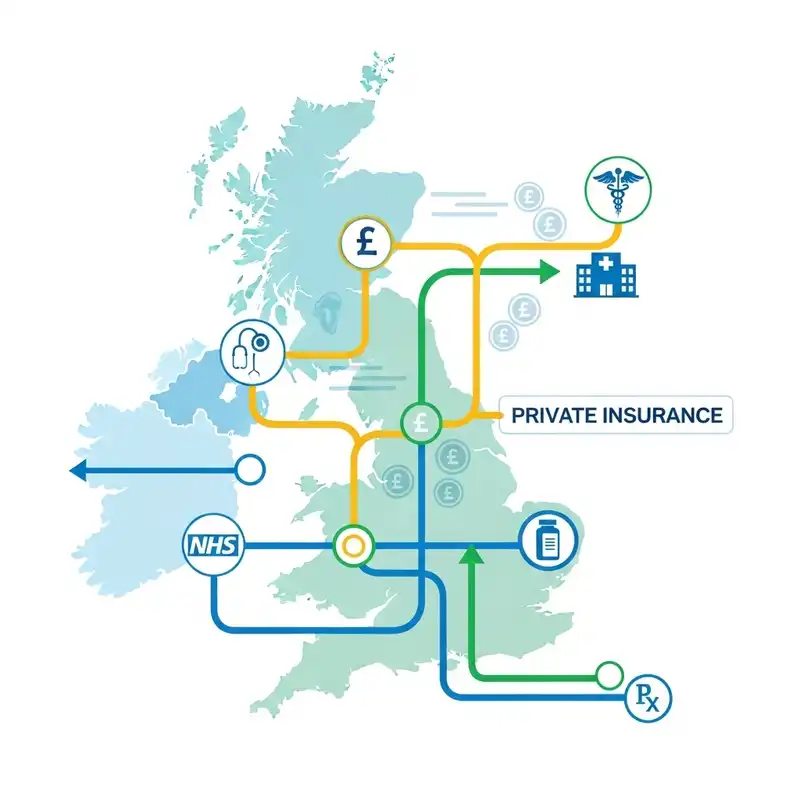
UK's A&E Crisis: With 7 Million Preventable Visits Looming, Discover How Private Medical Insurance Offers Your Fast Track to Specialist Care.
UK 2025 7 Million Preventable A&E Visits – PMI Your Fast Track to Specialist Care
The blue lights of an ambulance and the bustling corridors of an Accident & Emergency department are symbols of urgent, life-saving care. Yet, in 2025, a staggering statistic casts a long shadow over our cherished NHS: an estimated seven million A&E visits in the UK will be for conditions that could have been treated more appropriately elsewhere.
This isn't just a number. It represents millions of hours of clinical time diverted from genuine emergencies. It translates into longer waits for everyone, from a child with a broken arm to an elderly person suffering a heart attack. It's a symptom of a healthcare system under immense pressure, where lengthy waits for GP appointments and specialist consultations are pushing worried people towards the only door they feel is always open: A&E.
While systemic solutions are debated in Parliament, what can you do, right now, to safeguard your own health and that of your family? How can you bypass the queues and gain rapid access to the specialist care you need, when you need it?
The answer, for a growing number of UK residents, is Private Medical Insurance (PMI). This article is your definitive guide to understanding the strain on the NHS in 2025 and how PMI can serve as your personal fast track to diagnosis, treatment, and peace of mind.
The Staggering Reality: A&E Under Unprecedented Pressure in 2025
To grasp the value of private healthcare, we must first understand the landscape of the public system it complements. The latest figures for 2024-2025 paint a stark picture of a service stretched to its absolute limit.
According to projections from NHS England and health-focused think tanks, total A&E attendances are set to exceed 26 million this year. Of these, a significant portion do not require emergency intervention. These "preventable visits" are often born out of anxiety and a lack of viable alternatives.
What constitutes a 'preventable' A&E visit?
- Minor illnesses like coughs, colds, and sore throats.
- Requests for repeat prescriptions.
- Minor injuries like small cuts or sprains that could be handled by an Urgent Treatment Centre or even a pharmacist.
- Long-standing conditions that have flared up but are not emergencies.
The Nuffield Trust estimates that these visits cost the NHS upwards of £1 billion annually—funds that could be used to hire more nurses, fund more cancer treatments, or reduce the very waiting lists that fuel the problem.
Table: Top Reasons for Preventable A&E Visits (2025 Projections)
| Rank | Condition / Reason | More Appropriate Service | Estimated Annual Visits |
|---|---|---|---|
| 1 | Minor respiratory infections (colds, flu) | Pharmacy / Self-care / NHS 111 | 1.5 million |
| 2 | Minor sprains and strains | Urgent Treatment Centre / Physio | 1.1 million |
| 3 | Prescription-related queries | GP / Pharmacy / NHS App | 900,000 |
| 4 | Minor skin complaints (rashes, bites) | Pharmacy / GP | 750,000 |
| 5 | Headaches (non-emergency) | Pharmacy / GP / NHS 111 | 600,000 |
Source: Projections based on NHS Digital data and analysis from The King's Fund, 2025.
The knock-on effect is a vicious cycle. Overcrowded A&E departments lead to:
- Record "Trolley Waits": The number of patients waiting more than 12 hours from a decision to admit to actually being given a bed has hit an all-time high in 2025.
- Ambulance Delays: Paramedics are forced to wait with their patients at hospitals, unable to respond to the next 999 call.
- Staff Burnout: Clinical staff face relentless pressure, impacting morale and patient safety.
- Impact on Elective Care: The overall NHS waiting list for routine operations like hip replacements and cataract surgery continues to hover stubbornly above 8 million people, with the median wait time now exceeding 18 weeks.
This is the challenging environment in which we all seek healthcare. The question is no longer just about the quality of NHS care—which remains world-class—but about the timeliness of that care.
Why Do People Go to A&E Unnecessarily? The Root Causes
It’s too simplistic to blame patients for this crisis. The 7 million preventable visits are a rational response to a system with critical access problems. The primary driver is the struggle to see a GP.
The "8 am scramble" to get an appointment has become a national punchline, but its consequences are serious. Faced with a worrying symptom and unable to see their family doctor, many feel they have no choice but to head to A&E for reassurance.
Other contributing factors include:
- Lack of Awareness: Many people are still unsure about the role of Urgent Treatment Centres (UTCs), which are specifically designed for non-life-threatening injuries and illnesses.
- The "Digital Divide": While services like the NHS App and NHS 111 online are brilliant, they aren't accessible or suitable for everyone.
- Genuine Anxiety: A new, unexplained pain or symptom can be terrifying. When you're worried, waiting several weeks for a GP appointment can feel like an eternity. A&E offers an immediate (if not always appropriate) answer.
Table: Alternative NHS Services and When to Use Them
| Service | Best for... | Example |
|---|---|---|
| Self-Care | Very minor illnesses like hangovers, grazed knees. | Stocking a medicine cabinet. |
| Pharmacy | Coughs, colds, rashes, diarrhoea, pain relief. | Expert advice without an appointment. |
| NHS 111 | Urgent medical problems that aren't an emergency. | Unsure where to go? Start here. |
| GP Surgery | Ongoing conditions, new persistent symptoms. | Blood pressure checks, new lumps. |
| Urgent Centre | Sprains, fractures, minor burns, cuts. | When it's urgent but not life-threatening. |
| A&E / 999 | Genuine emergencies, loss of consciousness. | Chest pain, severe bleeding, stroke. |
Introducing Private Medical Insurance (PMI): Your Personal Health Pathway
This is where Private Medical Insurance (PMI) enters the conversation. It isn't a replacement for the NHS—it's a powerful supplement designed to work alongside it.
In simple terms, PMI is an insurance policy you pay for (either monthly or annually) that covers the cost of private medical treatment for eligible conditions. Its primary, transformative benefit is speed of access. With PMI, you can bypass the NHS queues for specialist consultations, diagnostic scans, and elective surgery.
The Golden Rule: Acute vs. Chronic Conditions
Before we go any further, it is absolutely essential to understand what PMI is designed for. This is the single most important concept to grasp.
PMI is for acute conditions that arise after your policy begins.
- An acute condition is a disease, illness, or injury that is likely to respond quickly to treatment and lead to a full recovery. Think of things like cataracts, joint replacements, hernias, or diagnosing and treating cancer.
- A chronic condition is a disease, illness, or injury that has one or more of the following characteristics: it needs long-term monitoring, it has no known cure, it is likely to recur, or it requires ongoing management. Examples include diabetes, asthma, high blood pressure, and arthritis.
CRITICAL CLARIFICATION: Standard UK Private Medical Insurance policies DO NOT COVER CHRONIC CONDITIONS. They also DO NOT COVER PRE-EXISTING CONDITIONS—any medical issue you had symptoms of, or received advice or treatment for, before you took out the policy.
PMI is your key to getting a new, unexpected (acute) problem diagnosed and treated, fast. It is not for managing a condition you already have.
How PMI Directly Addresses the A&E Gridlock (For You)
While PMI doesn't replace A&E for emergencies, it fundamentally tackles the root causes that drive people there unnecessarily: waiting and uncertainty. By providing a swift, clear pathway to a specialist, it eliminates the anxiety and frustration that lead to so many preventable A&E visits.
Let's look at two common real-world scenarios.
Scenario 1: The Worrisome Back Pain
John, a 45-year-old self-employed plumber, develops a persistent, nagging pain in his lower back that starts to affect his ability to work. It's not a 999 emergency, but it's causing him immense stress and loss of income.
- The NHS Route: John spends three days trying to get a GP appointment. When he finally gets one, the GP prescribes painkillers and recommends rest. After two more weeks with no improvement, he gets another appointment and is referred for physiotherapy on the NHS. The waiting list is 12 weeks. Frustrated, in pain, and worried it might be something serious, a weekend visit to A&E feels like his only option.
- The PMI Route: John uses his PMI's digital GP service and speaks to a doctor the same day. The GP gives him an open referral to a specialist. He calls his insurer, who approves the referral and provides a list of private orthopaedic consultants. He sees a consultant within five days. The consultant recommends an MRI scan to rule out a slipped disc, which he has the following week. The scan is clear, and he's referred for an intensive course of private physiotherapy, which starts three days later.
The result: Within two weeks, John has seen a specialist, had an MRI, and started treatment. He has avoided A&E, his anxiety is managed, and he's on the road to recovery, able to return to work far sooner.
Table: NHS vs. PMI Timeline – A Typical Patient Journey (Suspected Hernia)
| Stage | NHS Average Wait Time (2025) | PMI Typical Wait Time |
|---|---|---|
| Initial GP Consultation | 1-2 weeks for routine appointment | Same day / Next day (via Digital GP) |
| Referral to Specialist | 18-24 weeks | 1-2 weeks |
| Diagnostic Scan (e.g., Ultrasound) | 6-8 weeks | Within 1 week |
| Surgical Treatment | 25-40 weeks | 2-4 weeks |
| Total Time to Treatment | ~ 50 - 74 weeks | ~ 4 - 7 weeks |
Note: NHS wait times can vary significantly by region and trust. These are indicative national averages for 2025.
By choosing the PMI route, you not only secure faster care for yourself but also do your part to ease the burden on the NHS. Every person who uses PMI for an eligible condition frees up a space on an NHS waiting list for someone who has no alternative. It's a win-win.
Deconstructing a PMI Policy: What's Actually Covered?
No two PMI policies are identical, but they are all built from similar components. Understanding these building blocks is key to choosing the right plan for your needs and budget.
1. Core Cover
This is the foundation of every policy. It typically covers the most expensive aspects of private treatment.
- In-patient Treatment: Covers costs when you are admitted to a hospital bed overnight for surgery or treatment. This includes surgeon and anaesthetist fees, hospital accommodation, and nursing care.
- Day-patient Treatment: Similar to in-patient, but for procedures where you are admitted and discharged on the same day (e.g., an endoscopy).
- Cancer Cover: This is a cornerstone of modern PMI. Most policies offer extensive cover for the diagnosis and treatment of cancer, including surgery, chemotherapy, and radiotherapy, often with access to drugs and treatments not yet available on the NHS.
2. Out-patient Cover
This is usually the most significant optional extra you can choose. It covers diagnostics and consultations that do not require a hospital bed.
- Specialist Consultations: The fees for seeing a consultant privately before or after any hospital treatment.
- Diagnostic Tests & Scans: The cost of MRIs, CT scans, PET scans, X-rays, and blood tests needed to find out what's wrong.
While you can buy a policy without out-patient cover, including it is what truly unlocks the "fast track" benefit, as it's the diagnosis stage where many NHS delays occur.
3. Optional Extras
These allow you to tailor your policy to your specific priorities.
- Therapies: Covers treatments like physiotherapy, osteopathy, and chiropractic care. Invaluable for musculoskeletal issues.
- Mental Health Cover: Provides access to private psychiatrists, psychologists, and therapy to support your mental wellbeing. This has become an increasingly popular and vital add-on.
- Dental and Optical Cover: Contributes towards the cost of routine check-ups, dental treatments, and prescription eyewear.
- Digital GP: Offers 24/7 access to GP appointments via phone or video call, often a standard feature on modern plans.
Table: Common PMI Policy Components & What They Mean
| Component | Description | Why It's Important |
|---|---|---|
| Underwriting | The method used to assess your medical history. | Determines what pre-existing conditions are excluded. |
| Excess | A fixed amount you pay towards a claim. | A higher excess lowers your premium. |
| Hospital List | A list of private hospitals your policy allows you to use. | A wider choice of hospitals increases the premium. |
| 6-Week Wait | An option where you only use PMI if the NHS wait for treatment is over 6 weeks. | Significantly reduces your premium. |
| Cancer Cover | The level of cover for cancer diagnosis and treatment. | A core feature; check the specifics carefully. |
Navigating these options can feel overwhelming. At WeCovr, we specialise in simplifying this process. Our experts compare plans from every major UK insurer—including Aviva, Bupa, AXA Health, and Vitality—to find the policy that perfectly aligns with your needs and budget. We provide clear, impartial advice to help you build the right cover.
The Elephant in the Room: The Cost of Private Health Insurance
Let's be direct: PMI is a financial commitment. The cost, or "premium," can vary dramatically based on a handful of key factors.
- Age: This is the single biggest driver of cost. Premiums increase as you get older because the statistical likelihood of needing to claim rises.
- Level of Cover: A comprehensive plan with full out-patient cover and multiple therapies will cost more than a basic plan covering in-patient treatment only.
- Location: Treatment costs are higher in some areas, particularly Central London, so policies for residents there are typically more expensive.
- Excess: Just like with car insurance, choosing to pay a higher excess (£250, £500, or even £1,000) towards any claim will lower your monthly premium.
- Underwriting Type: The two main types are Moratorium and Full Medical Underwriting. The choice can affect your premium and how pre-existing conditions are handled.
So, what's a realistic figure? A healthy 35-year-old in Manchester might pay £40-£60 per month for a comprehensive policy. A 55-year-old in Surrey seeking the same level of cover could be looking at £110-£150 per month.
However, there are excellent ways to manage this cost.
Table: How to Reduce Your PMI Premium
| Strategy | How It Works | Potential Saving |
|---|---|---|
| Increase Your Excess | You agree to pay more of the initial cost of a claim. | High (15-30%) |
| Choose the 6-Week Wait | You use the NHS if treatment is available in under 6 weeks. | Very High (20-40%) |
| Select a Limited Hospital List | You opt for a network of hospitals that excludes the most expensive ones. | Medium (10-20%) |
| Reduce Out-patient Cover | You can cap the financial limit for out-patient care (e.g., to £1,000). | Medium (10-25%) |
| Review Optional Extras | Only pay for the add-ons you genuinely think you will need. | Varies |
The Crucial Exclusions: What PMI Will NOT Cover
An expert insurance writer has a duty to be as clear about what a policy doesn't cover as what it does. Understanding the exclusions is vital to having the right expectations and avoiding disappointment.
As stated before, but it bears repeating, the two most important exclusions are:
- Pre-existing Conditions: PMI will not cover any medical condition for which you have experienced symptoms, sought advice, or received treatment before the policy start date. For example, if you have an existing knee injury, you cannot buy a PMI policy to get private surgery on that knee.
- Chronic Conditions: PMI is designed to return you to your previous state of health, not for the long-term management of incurable conditions like diabetes, multiple sclerosis, asthma, or hypertension. The day-to-day management of these will always remain with your NHS GP.
Other standard exclusions typically include:
- Emergency Services: If you have a heart attack or are in a serious accident, you still call 999 and go to an NHS A&E. PMI is for planned, non-emergency treatment.
- Normal Pregnancy & Childbirth: While complications of pregnancy may be covered, routine maternity care is not.
- Cosmetic Surgery: Procedures for purely aesthetic reasons are excluded.
- Organ Transplants
- Treatment for Alcohol or Substance Abuse
Is PMI Right for You? A Decision-Making Checklist
Making the choice to invest in your health is a personal one. Use this checklist to help you decide if PMI aligns with your priorities and circumstances.
✅ Consider PMI if you:
- Are worried about long NHS waiting lists and want the peace of mind of faster access.
- Value the ability to choose your specialist and hospital.
- Are self-employed or run a small business and cannot afford to be out of action for months waiting for treatment.
- Want access to the latest cancer drugs and treatments, some of which may not be available on the NHS.
- Have savings you would prefer to protect rather than spend on unexpected, costly private medical bills.
- Appreciate the comfort and privacy of a private hospital room.
❌ PMI might not be the best fit if you:
- Are on a very tight budget where a monthly premium would cause financial strain.
- Have several pre-existing or chronic conditions that are your main health concerns.
- Are generally healthy and content with the level of NHS service available in your area.
- Have a comprehensive company health insurance scheme provided by your employer.
This decision involves balancing cost against benefit. The best way to get a clear picture is to get personalised quotes and advice. This is where an independent broker like WeCovr is invaluable. We take the time to understand your unique situation and provide a transparent comparison of the market, ensuring you find the most suitable and cost-effective cover.
The Future of UK Healthcare: A Hybrid Approach
The NHS is, and will remain, the bedrock of UK healthcare. But the pressures it faces are undeniable. The 7 million preventable A&E visits are a clear signal that the public's needs for timely, non-emergency care are not always being met.
Increasingly, the future of healthcare for many in the UK is a hybrid one. It's not about abandoning the NHS but intelligently complementing it. You rely on the NHS for emergencies, GP services, and chronic care management. You use your Private Medical Insurance to bypass the queues for acute conditions, getting you diagnosed and treated quickly so you can get back to your life.
PMI is more than just an insurance policy; it is a tool for proactive health management. It gives you a measure of control in an uncertain environment. It provides a clear, swift, and effective pathway to care, reducing the anxiety and frustration that drives so many to an already overwhelmed A&E.
In 2025, taking control of your healthcare journey is one of the most powerful decisions you can make. By understanding the system and exploring your options, you can ensure that when you need medical help, you get the very best, fast.
Why private medical insurance and how does it work?
What is Private Medical Insurance?
Private medical insurance (PMI) is a type of health insurance that provides access to private healthcare services in the UK. It covers the cost of private medical treatment, allowing you to bypass NHS waiting lists and receive faster, more convenient care.How does it work?
Private medical insurance works by paying for your private healthcare costs. When you need treatment, you can choose to go private and your insurance will cover the costs, subject to your policy terms and conditions. This can include:• Private consultations with specialists
• Private hospital treatment and surgery
• Diagnostic tests and scans
• Physiotherapy and rehabilitation
• Mental health treatment
Your premium depends on factors like your age, health, occupation, and the level of cover you choose. Most policies offer different levels of cover, from basic to comprehensive, allowing you to tailor the policy to your needs and budget.
Questions to ask yourself regarding private medical insurance
Just ask yourself:👉 Are you concerned about NHS waiting times for treatment?
👉 Would you prefer to choose your own consultant and hospital?
👉 Do you want faster access to diagnostic tests and scans?
👉 Would you like private hospital accommodation and better food?
👉 Do you want to avoid the stress of NHS waiting lists?
Many people don't realise that private medical insurance is more affordable than they think, especially when you consider the value of faster treatment and better facilities. A great insurance policy can provide peace of mind and ensure you receive the care you need when you need it.
Benefits offered by private medical insurance
Private medical insurance provides numerous benefits that can significantly improve your healthcare experience and outcomes:Faster Access to Treatment
One of the biggest advantages is avoiding NHS waiting lists. While the NHS provides excellent care, waiting times can be lengthy. With private medical insurance, you can often receive treatment within days or weeks rather than months.
Choice of Consultant and Hospital
You can choose your preferred consultant and hospital, giving you more control over your healthcare journey. This is particularly important for complex treatments where you want a specific specialist.
Better Facilities and Accommodation
Private hospitals typically offer superior facilities, including private rooms, better food, and more comfortable surroundings. This can make your recovery more pleasant and potentially faster.
Advanced Treatments
Private medical insurance often covers treatments and medications not available on the NHS, giving you access to the latest medical advances and technologies.
Mental Health Support
Many policies include comprehensive mental health coverage, providing faster access to therapy and psychiatric care when needed.
Tax Benefits for Business Owners
If you're self-employed or a business owner, private medical insurance premiums can be tax-deductible, making it a cost-effective way to protect your health and your business.
Peace of Mind
Knowing you have access to private healthcare when you need it provides invaluable peace of mind, especially for those with ongoing health conditions or concerns about NHS capacity.
Private medical insurance is particularly valuable for those who want to take control of their healthcare journey and ensure they receive the best possible treatment when they need it most.
Important Fact!
We can look at a more suitable option mid-term!
Why is it important to get private medical insurance early?
👉 Many people are very thankful that they had their private medical insurance cover in place before running into some serious health issues. Private medical insurance is as important as life insurance for protecting your family's finances.👉 We insure our cars, houses, and even our phones! Yet our health is the most precious thing we have.
Easily one of the most important insurance purchases an individual or family can make in their lifetime, the decision to buy private medical insurance can be made much simpler with the help of FCA-authorised advisers. They are the specialists who do the searching and analysis helping people choose between various types of private medical insurance policies available in the market, including different levels of cover and policy types most suitable to the client's individual circumstances.
It certainly won't do any harm if you speak with one of our experienced insurance experts who are passionate about advising people on financial matters related to private medical insurance and are keen to provide you with a free consultation.
You can discuss with them in detail what affordable private medical insurance plan for the necessary peace of mind they would recommend! WeCovr works with some of the best advisers in the market.
By tapping the button below, you can book a free call with them in less than 30 seconds right now:
Our Group Is Proud To Have Issued 800,000+ Policies!
We've established collaboration agreements with leading insurance groups to create tailored coverage
























How It Works
1. Complete a brief form

2. Our experts analyse your information and find you best quotes

3. Enjoy your protection!

Any questions?
Learn more

Who Are WeCovr?
WeCovr is an insurance specialist for people valuing their peace of mind and a great service.👍 WeCovr will help you get your private medical insurance, life insurance, critical illness insurance and others in no time thanks to our wonderful super-friendly experts ready to assist you every step of the way.
Just a quick and simple form and an easy conversation with one of our experts and your valuable insurance policy is in place for that needed peace of mind!