Private Health Insurance for Families What to Consider
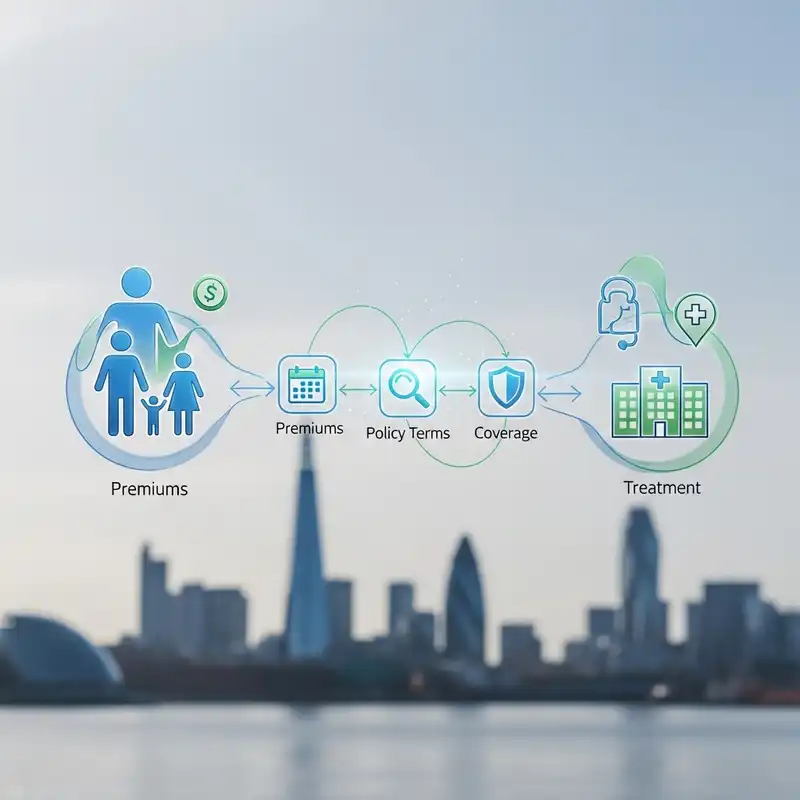
As an FCA-authorised expert broker that has helped arrange over 800,000 policies, WeCovr understands that your family's health is your top priority. This guide to private medical insurance in the UK is designed to demystify your options, helping you find comprehensive and affordable cover for complete peace of mind.
WeCovr's family-focused guide to comprehensive, affordable private health cover
Navigating the world of private medical insurance (PMI) can feel overwhelming, especially when you're making decisions for your entire family. The jargon, the policy options, the cost implications—it’s a lot to take in. Yet, the desire to ensure your loved ones get the best possible care, precisely when they need it, is a powerful motivator.
This guide is here to cut through the noise. We will walk you through every critical aspect of family health insurance, from understanding the core benefits to choosing the right level of cover and making it work for your budget. Our goal is to empower you with the knowledge to make a confident and informed choice for the people who matter most.
Why Consider Private Health Insurance for Your Family in the UK?
The National Health Service (NHS) is a cornerstone of British life, providing essential care to millions. We are fortunate to have it. However, the system is facing unprecedented demand, leading to challenges that can directly impact your family’s healthcare journey.
According to recent NHS England data, the waiting list for routine consultant-led hospital treatment stands at several million people. The median waiting time can stretch into many weeks or months, a period of uncertainty and discomfort that no parent wants for their child or partner.
Private medical insurance is not a replacement for the NHS—it works alongside it. It’s a parallel system designed to offer speed, choice, and comfort when you face a new, treatable health issue.
Key Advantages of Family PMI:
- Prompt Access to Specialists: Bypass long waiting lists to see a consultant and get a diagnosis quickly. This can be particularly reassuring when a child is unwell.
- Faster Treatment: Once a diagnosis is made, you can proceed with eligible treatment without the lengthy waits often experienced for elective procedures on the NHS.
- Choice and Control: You often have a say in who treats you and where. This includes choosing a specific surgeon or a hospital that is convenient for your family.
- Comfort and Privacy: A significant benefit is the access to a private room during a hospital stay, offering a quiet and comfortable environment for recovery with more flexible visiting hours for family members.
- Access to Specialist Treatments: Some policies provide cover for drugs, treatments, or technologies that may not be available on the NHS due to funding decisions or other criteria.
- Peace of Mind: This is perhaps the most significant benefit. Knowing you have a plan in place to swiftly address health concerns provides an invaluable sense of security for your family's future.
The Core Concept: PMI Covers Acute Conditions, Not Chronic Ones
This is the single most important principle to understand about private medical insurance in the UK. Failure to grasp this concept is the root of most misunderstandings.
Standard PMI policies are designed to cover acute conditions that arise after your policy has started. They are not designed for long-term management of incurable illnesses or for treating conditions you already had when you took out the cover.
-
What is an Acute Condition? An acute condition is a disease, illness, or injury that is likely to respond quickly to treatment and from which you are expected to make a full recovery.
- Examples: A hip replacement, cataract surgery, hernia repair, removal of gallstones, or treatment for an infection.
-
What is a Chronic Condition? A chronic condition is a health issue that is long-lasting and has no known cure. It requires ongoing management rather than a short course of curative treatment.
- Examples: Diabetes, asthma, high blood pressure, arthritis, Crohn's disease, and eczema.
-
What is a Pre-existing Condition? This refers to any illness or injury for which you have sought advice, received treatment, or experienced symptoms before the start date of your insurance policy.
Insurers exclude chronic and pre-existing conditions to manage their risk and keep premiums affordable for the collective pool of customers. PMI is for unforeseen, treatable problems, not for the ongoing management of known health issues.
| Feature | Acute Condition (Typically Covered) | Chronic Condition (Typically Excluded) |
|---|---|---|
| Definition | Short-term, curable, responds to treatment. | Long-term, no known cure, needs management. |
| Examples | Joint replacement, broken bones, appendicitis. | Diabetes, asthma, high blood pressure. |
| PMI Goal | To return you to your previous state of health. | Not designed for long-term, ongoing care. |
| NHS Role | Provides treatment (often with a wait). | Manages the condition throughout your life. |
What Does a Typical Family Health Insurance Policy Cover?
Policies are built in layers, allowing you to tailor the cover to your family's needs and budget. It starts with a core foundation, to which you can add optional extras.
Core Cover: The Essentials
Almost every policy includes in-patient and day-patient cover as standard. This is the heart of any PMI plan.
- In-patient Treatment: When you are admitted to a hospital bed overnight or longer.
- Day-patient Treatment: When you are admitted to a hospital for a procedure but do not need to stay overnight.
Core cover typically pays for:
- Hospital accommodation and nursing care.
- Operating theatre fees.
- Surgeon and anaesthetist fees.
- Specialist consultations while you are admitted.
- Diagnostic tests like MRI scans, CT scans, and X-rays during your hospital stay.
- Limited post-treatment therapies, such as a few physiotherapy sessions after a knee replacement.
Optional Add-On: Out-patient Cover
This is the most common and valuable addition to a core policy. It covers the diagnostic journey before you are admitted to hospital. Without it, you would rely on the NHS for all your initial tests and specialist appointments.
Out-patient cover typically includes:
- Specialist Consultations: Seeing a consultant to diagnose your symptoms.
- Diagnostic Tests & Scans: MRIs, CT scans, blood tests, and X-rays performed on an out-patient basis.
- Therapies: Physiotherapy, osteopathy, and chiropractic treatment.
Most insurers offer different levels of out-patient cover, for example, a monetary limit of £500, £1,000, or a fully comprehensive option. Choosing a lower limit is a good way to reduce your premium.
Other Popular Family-Friendly Add-ons
- Mental Health Cover: Increasingly important for families, this can provide access to psychiatrists, psychologists, and therapy sessions for conditions like anxiety and depression.
- Dental and Optical Cover: This helps with the costs of routine check-ups, dental treatments, and prescription eyewear. It's often less about major emergencies and more about managing routine family health costs.
- Therapies Cover: While some therapies may be included in out-patient cover, you can often purchase enhanced limits for physiotherapy, osteopathy, and even podiatry or acupuncture.
Here’s a simplified breakdown of how cover levels build up:
| Level of Cover | What It Typically Includes | Best For |
|---|---|---|
| Basic | In-patient and day-patient treatment only. | Families on a tight budget who want cover for major procedures but are happy to use the NHS for diagnosis. |
| Mid-Range | Core cover + limited out-patient cover (e.g., up to £1,000). | A good balance of cost and benefit, speeding up diagnosis and providing core hospital cover. |
| Comprehensive | Core cover + full out-patient cover, often with mental health and therapy options included. | Families wanting complete peace of mind and the fastest possible access to the full private healthcare journey. |
Key Factors to Consider When Choosing a Family Policy
Choosing the right policy is about balancing four key elements: your family's needs, the level of cover, your budget, and the insurer's terms.
1. Underwriting: How the Insurer Assesses Your Medical History
This is a technical but vital choice that determines how pre-existing conditions are handled.
- Moratorium (Mori) Underwriting: This is the most common and simplest option. You don't have to declare your full medical history upfront. Instead, the insurer automatically excludes any condition that you (or any family member on the policy) have had symptoms, treatment, or advice for in the past 5 years. However, if you then go for 2 continuous years after your policy starts without any issues related to that condition, the exclusion may be lifted.
- Full Medical Underwriting (FMU): This requires you to complete a detailed health questionnaire for every family member. The insurer assesses this information and gives you a definitive list of what is excluded from day one. These exclusions are usually permanent.
| Feature | Moratorium Underwriting | Full Medical Underwriting (FMU) |
|---|---|---|
| Application Process | Quick and simple, no health forms. | Longer, requires a detailed health questionnaire. |
| Clarity on Exclusions | "Rolling" exclusions, can be uncertain. | Clear list of exclusions from the start. |
| Claim Process | Insurer will investigate medical history at the point of a claim. | Simpler claim process as exclusions are pre-defined. |
| Best For | People with a clean bill of health or those who prefer a simpler sign-up. | People with a complex medical history who want certainty about what is covered. |
2. The Excess
An excess is the amount you agree to pay towards the cost of a claim. For example, if you have a £250 excess and your eligible treatment costs £4,000, you pay the first £250 and the insurer pays the remaining £3,750.
- The Rule: A higher excess leads to a lower monthly premium.
- Common Options: £0, £100, £250, £500, £1,000.
- Per Person or Per Policy: Check if the excess applies to each family member who claims in a year, or just once per policy year. A "per policy" excess is often better value for families.
Choosing an excess you can comfortably afford is one of the most effective ways to manage the cost of your premium.
3. The Hospital List
Insurers negotiate rates with private hospitals, creating "hospital lists" or networks. The list you choose directly impacts your premium.
- Local/Regional List: Includes a good selection of hospitals outside of major city centres. More affordable.
- National List: A comprehensive list of hospitals across the UK, but may exclude the most expensive facilities in Central London.
- Premium/London List: Includes everything, even the high-cost hospitals in Central London like The London Clinic or The Cromwell. This is the most expensive option.
Actionable Tip: Check which private hospitals are near your home and work. If a local list covers them, you can save a significant amount of money by not paying for access to hospitals you are unlikely to use.
4. Adding Children to a Policy
You can typically add children to your policy up to the age of 21 (or 25 if they are in full-time education).
- Newborns: Most insurers allow you to add a newborn baby to your policy, often on a "medical history disregarded" basis if you do so within a set period (e.g., 90 days of birth). This is a fantastic benefit as it means any congenital conditions they may be born with could be covered.
- Pricing Structure: Some insurers charge per child, while others have a "second child goes free" or "family pricing" structure. A PMI broker like WeCovr can find the most cost-effective structure for your family size.
How to Make Family Private Health Insurance More Affordable
Beyond choosing a higher excess and a sensible hospital list, there are other clever ways to control the cost.
-
The 6-Week Option: This is a brilliant cost-saving feature. If the NHS waiting list for your required in-patient procedure is less than six weeks, you agree to use the NHS. If the wait is longer, your private cover kicks in. As this significantly reduces the risk for the insurer, it can cut your premium by 20-30%. It provides a fantastic safety net against long waits while keeping costs down.
-
Guided Consultant Lists: Some of the best PMI providers offer a "guided" or "expert select" option. This means that for a claim, the insurer will provide you with a shortlist of 3-5 specialists they have vetted for quality and value. Agreeing to use a specialist from this list can result in a lower premium. You still get excellent care, just with slightly less choice.
-
Review Your Cover Annually: Your family's needs change. Don't just let your policy auto-renew. Speak to your broker each year to ensure the cover is still right for you and to check if other insurers are offering better value.
-
Pay Annually: If you can, paying your premium in one annual lump sum often works out cheaper than paying monthly, as it avoids interest charges.
-
Utilise Wellness Programmes: Some insurers, like Vitality, offer discounts and rewards for staying active. By engaging with these programmes (tracking steps, going to the gym), you can earn rewards and potentially reduce your renewal premium.
Comparing the Best PMI Providers for Families in the UK
The UK market is served by several outstanding insurers, each with its own strengths. The "best" one is entirely dependent on your specific circumstances. This is where using an impartial PMI broker is invaluable, as they can match your needs to the right provider.
Here is an illustrative comparison of some leading names:
| Provider | Key Family-Friendly Features | Unique Selling Point |
|---|---|---|
| AXA Health | Strong core product, excellent digital GP service, flexible options for adding family members. | Focus on proactive health support and a seamless digital customer experience. |
| Aviva | "BacktoBetter" programme for musculoskeletal issues, often competitive on price, strong brand reputation. | The 'Aviva Digital GP' app is highly rated for convenient, quick medical advice. |
| Bupa | The UK's best-known health insurer, extensive network of hospitals and clinics, comprehensive mental health cover. | Direct access pathways for some conditions (e.g., cancer, mental health) without needing a GP referral. |
| Vitality | Shared-value model that rewards healthy living with discounts and perks (cinema tickets, coffee). | The wellness programme is its core differentiator, making it great for active families. |
| The Exeter | A friendly society known for excellent customer service and considering members with some pre-existing conditions. | Focus on flexibility and a more personal approach to underwriting and claims. |
Disclaimer: This table is for illustrative purposes only. Features and benefits change, and the right choice requires a detailed comparison of quotes.
Beyond Insurance: WeCovr's Commitment to Your Family's Wellbeing
We believe that supporting your family's health goes beyond just providing an insurance policy. It’s about empowering you with tools and knowledge to live healthier lives every day. That’s why we offer additional benefits to our clients.
Wellness Tips for a Healthier Family
- Nourish Together: Make meal times a family affair. Cooking and eating together promotes healthier eating habits and strengthens family bonds. Aim for a balanced diet rich in fruits, vegetables, and whole grains.
- Prioritise Sleep: Consistent sleep schedules are vital for everyone, especially growing children. A good night's sleep boosts immunity, improves mood, and enhances concentration at school and work. Aim for 7-9 hours for adults and 9-12 hours for children, depending on age.
- Move Every Day: You don’t need a gym membership to stay active. Family walks, bike rides, park visits, or even a simple game of catch in the garden are fantastic ways to build fitness and have fun together.
- Digital Detox: In today's connected world, scheduling screen-free time is essential for mental health. Encourage reading, board games, or outdoor play to foster creativity and reduce stress.
WeCovr's Added Value for Your Family
At WeCovr, we go the extra mile for our private medical insurance and life insurance clients:
- Complimentary CalorieHero App: All clients gain free access to our AI-powered calorie and nutrition tracking app, CalorieHero. It’s an easy-to-use tool to help your family make smarter food choices and understand their dietary needs.
- Multi-Policy Discounts: When you take out a PMI or life insurance policy with us, you become eligible for exclusive discounts on other types of cover you may need, such as home or travel insurance. We believe in rewarding loyalty.
- Exceptional Service: Our high customer satisfaction ratings are a testament to our commitment. We provide clear, expert advice and are always here to help you, from choosing your policy to making a claim.
The Application Process: How WeCovr Makes It Simple
We remove the complexity and paperwork, making the journey to getting covered straightforward and stress-free.
- Free Consultation: It starts with a conversation. You’ll speak to one of our friendly, UK-based PMI experts. We’ll listen to your needs, your concerns, and your budget. There's no hard sell, just helpful advice.
- Whole-of-Market Comparison: We then do the hard work for you. We search the market, comparing policies from all the UK's leading insurers to find the ones that offer the best combination of cover and value for your family.
- Personalised Recommendation: We present you with a clear, jargon-free summary of your best options. We’ll explain the pros and cons of each, ensuring you understand exactly what you are buying.
- Effortless Application: Once you’ve made your choice, we handle the application process from start to finish, liaising with the insurer on your behalf to get your cover set up smoothly. Our service is completely free to you.
Frequently Asked Questions About Family Health Insurance
Is private health insurance for families worth it in the UK?
This is a personal decision based on your priorities and financial situation. If you value fast access to specialists, choice over your treatment, and the comfort of private facilities, then it can provide immense peace of mind. It acts as a safety net against long NHS waits for eligible acute conditions, which many families find invaluable.
How much does family health insurance cost?
The cost varies significantly based on factors like the age of family members, your location, the level of cover chosen (especially out-patient), the excess, and the hospital list. A basic policy for a young family of four might start from around £70 per month, while a comprehensive policy could be £200 or more. The only way to know for sure is to get a personalised quote.
Can I add a newborn baby to my private health insurance policy?
Yes, absolutely. Most insurers allow you to add a new baby to your policy, and many offer a special "newborn benefit." If you add your baby within a set timeframe (usually 3 to 6 months of birth), they may be accepted without any medical underwriting. This is a significant benefit, as it means any conditions they are born with may be covered.
What is not covered by standard family PMI?
Standard exclusions across most UK policies include: pre-existing conditions, long-term chronic conditions (like diabetes or asthma), routine pregnancy and childbirth, A&E visits, cosmetic surgery, organ transplants, and treatment for drug or alcohol addiction.
Why should I use a broker like WeCovr instead of going direct to an insurer?
An insurer can only sell you their own products. An expert broker like WeCovr works for you, not the insurer. We provide impartial advice and compare policies from the entire market to find the one that truly fits your family's needs and budget. We do all the research, explain the complex terms, and our service is free, as we are paid a commission by the insurer you choose.
Ready to secure peace of mind for your family's health? Contact WeCovr today for a free, no-obligation quote and let our experts find the perfect private medical insurance for you.
Why private medical insurance and how does it work?
What is Private Medical Insurance?
Private medical insurance (PMI) is a type of health insurance that provides access to private healthcare services in the UK. It covers the cost of private medical treatment, allowing you to bypass NHS waiting lists and receive faster, more convenient care.How does it work?
Private medical insurance works by paying for your private healthcare costs. When you need treatment, you can choose to go private and your insurance will cover the costs, subject to your policy terms and conditions. This can include:• Private consultations with specialists
• Private hospital treatment and surgery
• Diagnostic tests and scans
• Physiotherapy and rehabilitation
• Mental health treatment
Your premium depends on factors like your age, health, occupation, and the level of cover you choose. Most policies offer different levels of cover, from basic to comprehensive, allowing you to tailor the policy to your needs and budget.
Questions to ask yourself regarding private medical insurance
Just ask yourself:👉 Are you concerned about NHS waiting times for treatment?
👉 Would you prefer to choose your own consultant and hospital?
👉 Do you want faster access to diagnostic tests and scans?
👉 Would you like private hospital accommodation and better food?
👉 Do you want to avoid the stress of NHS waiting lists?
Many people don't realise that private medical insurance is more affordable than they think, especially when you consider the value of faster treatment and better facilities. A great insurance policy can provide peace of mind and ensure you receive the care you need when you need it.
Benefits offered by private medical insurance
Private medical insurance provides numerous benefits that can significantly improve your healthcare experience and outcomes:Faster Access to Treatment
One of the biggest advantages is avoiding NHS waiting lists. While the NHS provides excellent care, waiting times can be lengthy. With private medical insurance, you can often receive treatment within days or weeks rather than months.
Choice of Consultant and Hospital
You can choose your preferred consultant and hospital, giving you more control over your healthcare journey. This is particularly important for complex treatments where you want a specific specialist.
Better Facilities and Accommodation
Private hospitals typically offer superior facilities, including private rooms, better food, and more comfortable surroundings. This can make your recovery more pleasant and potentially faster.
Advanced Treatments
Private medical insurance often covers treatments and medications not available on the NHS, giving you access to the latest medical advances and technologies.
Mental Health Support
Many policies include comprehensive mental health coverage, providing faster access to therapy and psychiatric care when needed.
Tax Benefits for Business Owners
If you're self-employed or a business owner, private medical insurance premiums can be tax-deductible, making it a cost-effective way to protect your health and your business.
Peace of Mind
Knowing you have access to private healthcare when you need it provides invaluable peace of mind, especially for those with ongoing health conditions or concerns about NHS capacity.
Private medical insurance is particularly valuable for those who want to take control of their healthcare journey and ensure they receive the best possible treatment when they need it most.
Important Fact!
We can look at a more suitable option mid-term!
Why is it important to get private medical insurance early?
👉 Many people are very thankful that they had their private medical insurance cover in place before running into some serious health issues. Private medical insurance is as important as life insurance for protecting your family's finances.👉 We insure our cars, houses, and even our phones! Yet our health is the most precious thing we have.
Easily one of the most important insurance purchases an individual or family can make in their lifetime, the decision to buy private medical insurance can be made much simpler with the help of FCA-authorised advisers. They are the specialists who do the searching and analysis helping people choose between various types of private medical insurance policies available in the market, including different levels of cover and policy types most suitable to the client's individual circumstances.
It certainly won't do any harm if you speak with one of our experienced insurance experts who are passionate about advising people on financial matters related to private medical insurance and are keen to provide you with a free consultation.
You can discuss with them in detail what affordable private medical insurance plan for the necessary peace of mind they would recommend! WeCovr works with some of the best advisers in the market.
By tapping the button below, you can book a free call with them in less than 30 seconds right now:
Our Group Is Proud To Have Issued 800,000+ Policies!
We've established collaboration agreements with leading insurance groups to create tailored coverage
























How It Works
1. Complete a brief form

2. Our experts analyse your information and find you best quotes

3. Enjoy your protection!

Any questions?
Learn more

Who Are WeCovr?
WeCovr is an insurance specialist for people valuing their peace of mind and a great service.👍 WeCovr will help you get your private medical insurance, life insurance, critical illness insurance and others in no time thanks to our wonderful super-friendly experts ready to assist you every step of the way.
Just a quick and simple form and an easy conversation with one of our experts and your valuable insurance policy is in place for that needed peace of mind!