Private Health Insurance UK: Health Anxiety
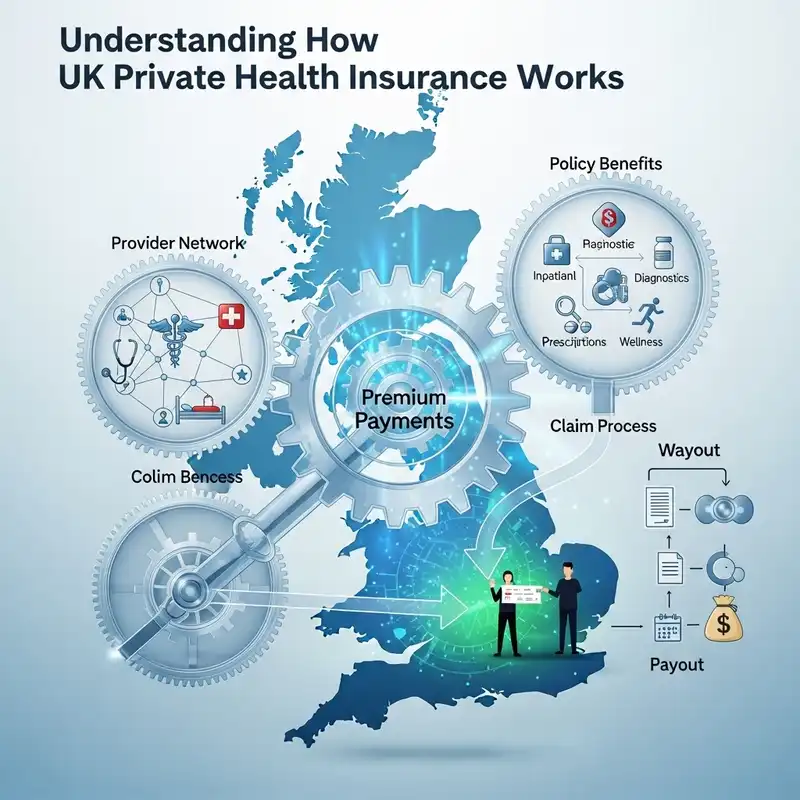
How UK Private Health Insurance Becomes Your Unseen Shield Against Health Anxiety
UK Private Health Insurance: The Unseen Shield Against Health Anxiety
In the vibrant, often bustling landscape of modern Britain, a subtle yet pervasive undercurrent affects countless lives: health anxiety. It's the nagging doubt, the lingering worry about unexplained symptoms, the fear of what might be lurking, often exacerbated by the very system designed to help us – our beloved NHS. While the National Health Service remains a cornerstone of our society, its undeniable pressures can inadvertently amplify these anxieties, leading to prolonged waits for diagnosis, uncertainty, and a feeling of being adrift.
Enter UK Private Health Insurance (PMI) – not as a replacement for the NHS, but as a powerful, complementary tool. Often misunderstood and frequently overlooked, PMI serves as an unseen shield, offering a profound sense of control, peace of mind, and rapid access to care when it's needed most. This article delves deep into how private health insurance can be a formidable ally in combating health anxiety, providing a pathway to quicker diagnosis, personalised treatment, and the reassurance that comes from knowing you have choices and dedicated support.
Understanding Health Anxiety in the UK Context
Health anxiety, sometimes referred to as illness anxiety disorder or hypochondria, is more than just a fleeting worry about one's health. It’s a persistent, often overwhelming preoccupation with having a serious undiagnosed medical condition, despite little or no evidence of one. For individuals experiencing this, a minor ache can escalate into a fear of cancer, a cough into a concern about a grave respiratory illness.
What is Health Anxiety?
At its core, health anxiety involves:
- Preoccupation: Constant worry about physical symptoms or the belief of having a serious illness.
- Misinterpretation: Normal bodily sensations (e.g., a headache, stomach rumble) are interpreted as signs of severe disease.
- Excessive Seeking/Avoidance: Repeatedly checking for symptoms, researching illnesses, or conversely, avoiding medical appointments due to fear of receiving a dreaded diagnosis.
- Distress & Impairment: The anxiety causes significant distress and interferes with daily life, relationships, and work.
The UK Landscape and its Impact on Health Anxiety
The UK’s healthcare system, predominantly the NHS, is a source of immense pride. It provides comprehensive care, free at the point of use, to everyone. However, its very success and the demand placed upon it can, ironically, contribute to health anxiety:
- Waiting Lists: One of the most significant challenges facing the NHS is the length of waiting lists for specialist appointments, diagnostic tests, and elective procedures. A patient with health anxiety, suspecting a serious condition, might face weeks or months of waiting for a crucial scan or consultant review. This period of uncertainty can be agonising, allowing anxieties to fester and escalate.
- GP Access: While GPs are the frontline of defence, getting a timely appointment can sometimes be difficult, and the limited time available during consultations may leave anxious patients feeling unheard or rushed.
- Referral Pathways: The journey from GP consultation to specialist diagnosis can be complex and slow. Each stage – referral, appointment booking, test scheduling, results, follow-up – adds to the waiting game.
- Information Overload: In the digital age, self-diagnosis via the internet is rampant. While useful, it can also lead to misinterpretation of symptoms and an increase in unfounded fears, with patients often presenting to their GP with a pre-conceived (and often terrifying) self-diagnosis.
These factors create a perfect storm for health anxiety to flourish. The fear of what might be wrong, coupled with the inability to get rapid answers, can trap individuals in a cycle of worry, impacting their mental well-being, productivity, and quality of life.
The Core Promise of UK Private Health Insurance: Addressing Anxiety Head-On
Private Health Insurance steps into this gap, offering solutions that directly mitigate the triggers of health anxiety. It's not about bypassing the NHS; it's about complementing it by providing access to a different pathway of care focused on speed, choice, and comfort.
Faster Access to Diagnosis and Treatment
This is arguably the most significant benefit for those grappling with health anxiety. Instead of facing potentially lengthy NHS waiting lists, a PMI policy allows for:
- Prompt GP Referrals: Once your GP recommends a specialist referral, your private insurance can often facilitate an appointment within days, not weeks or months.
- Expedited Diagnostic Tests: MRIs, CT scans, blood tests, endoscopies – getting these crucial tests done quickly means getting answers sooner. The elimination of long waits for diagnosis can drastically reduce the period of uncertainty that fuels health anxiety.
- Timely Consultant Appointments: Seeing a specialist consultant rapidly ensures that any potential issues are investigated without delay, leading to quicker treatment plans if necessary.
Choice of Consultants and Hospitals
PMI empowers you with choice, a concept often absent in the public system:
- Consultant Selection: You can often choose your consultant based on their expertise, reputation, or even gender preference, fostering a sense of trust and control over your care.
- Hospital Environment: Private hospitals typically offer single, en-suite rooms, quiet environments, and more flexible visiting hours. This enhanced comfort can significantly reduce stress and improve recovery, especially for those sensitive to the bustling, sometimes overwhelming atmosphere of public wards.
Access to Specific Therapies and Treatments
Private policies often cover a broader range of treatments and therapies that might have longer waiting lists or aren't as readily available on the NHS for certain conditions. This can include:
- Mental Health Support: Many modern PMI policies include comprehensive mental health cover, providing rapid access to therapists, counsellors, and psychiatrists – crucial for managing health anxiety itself.
- Physiotherapy & Other Allied Health Services: Quick access to post-operative physiotherapy, osteopathy, or chiropractic treatment can accelerate recovery and address musculoskeletal issues that might be contributing to anxiety.
- Newer Treatments/Drugs: In some cases, private care might offer access to drugs or treatments not yet widely available or funded on the NHS.
Reassurance of a Safety Net
Knowing you have a private health insurance policy provides an inherent sense of security. It’s an "unseen shield" because it's there in the background, a safety net that activates precisely when you feel vulnerable. This psychological comfort can be profound, reducing the ambient level of health-related worry even when you're well.
Key Benefits of PMI for Peace of Mind
Let’s unpack the specific ways PMI translates into peace of mind, directly confronting the triggers of health anxiety.
Speed and Efficiency
- Swift Referrals: Your GP can refer you privately, and you could be seeing a specialist within days.
- Rapid Diagnostics: MRI scans, CT scans, blood tests – all arranged and performed quickly, giving you answers fast.
- Prompt Treatment: If treatment is needed, it can often begin without the delays experienced on public waiting lists.
Table 1: NHS vs. Private Care - Waiting Times (Illustrative)
| Stage of Care | NHS Waiting Times (Illustrative) | Private Care Waiting Times (Illustrative) | Impact on Health Anxiety |
|---|---|---|---|
| GP to Specialist | 2-18 weeks | 2-7 days | Reduces period of uncertainty & dread. |
| Diagnostic Tests | 4-12 weeks | 1-3 days | Quick answers, eliminates fear of the unknown. |
| Treatment Start | 4-26 weeks+ | 1-4 weeks | Swift intervention, prevents condition worsening. |
| Physiotherapy/Therapy | 4-16 weeks | 1-5 days | Faster recovery, addresses physical symptoms. |
Control and Choice
- Consultant of Choice: Select a consultant based on their expertise, track record, or even personal recommendation.
- Hospital Selection: Choose a hospital that offers the environment and facilities you prefer.
- Appointment Flexibility: More options for appointment times to fit your schedule, reducing disruption to work or family life.
- Personalised Care: A greater sense of being listened to and having your individual concerns addressed.
Comfort and Privacy
- Private Rooms: Enjoy the privacy and quiet of your own en-suite room in private hospitals.
- Flexible Visiting Hours: More liberal visiting policies allow loved ones to support you more easily.
- Reduced Stress: A calmer, less rushed environment contributes to a more positive patient experience and can aid recovery.
Mental Health Support
Many contemporary PMI policies now include mental health benefits, recognising the intrinsic link between physical and mental well-being. This can involve:
- Access to talking therapies (CBT, counselling).
- Psychiatric consultations.
- Support for conditions like depression, anxiety, and stress – including health anxiety itself. This direct support for mental health is invaluable.
Reassurance of a Safety Net
The mere existence of a PMI policy can reduce ambient anxiety. Knowing that if a health concern arises, you have a clear, rapid pathway to care, lessens the constant background hum of worry about "what if."
Demystifying UK Private Health Insurance: What It Covers and What It Doesn't
To truly understand the value of PMI, it’s essential to grasp its fundamental principles, especially what it covers and, crucially, what it doesn't. This clarity is vital for setting realistic expectations and avoiding disappointment.
Acute vs. Chronic Conditions: The Cornerstone Rule
This is perhaps the single most important distinction in UK private health insurance:
- Acute Conditions: These are illnesses, injuries, or diseases that respond quickly to treatment. They are generally short-term and can be cured, or the symptoms can be effectively managed, allowing you to return to your normal state of health. PMI is designed to cover acute conditions. Examples include a broken bone, appendicitis, cataracts, or a new cancer diagnosis (where the aim is treatment to achieve remission).
- Chronic Conditions: These are long-term conditions that cannot be cured. They require ongoing management, and their symptoms may come and go but the condition persists. PMI does NOT cover chronic conditions. Examples include diabetes, asthma, epilepsy, arthritis, high blood pressure, or multiple sclerosis. If an acute flare-up of a chronic condition occurs, the treatment for that flare-up might be covered, but the ongoing management of the underlying chronic condition will not be.
Crucial Point: Pre-existing Conditions It is vital to understand that private health insurance will not cover conditions you had before you took out the policy. This applies to:
- Conditions you've already been diagnosed with.
- Conditions for which you've received advice, treatment, or medication.
- Symptoms you've experienced, even if undiagnosed. This is known as a "pre-existing exclusion." If you develop a new acute condition after your policy starts, it would typically be covered, subject to policy terms and conditions.
What is Typically Covered?
While policies vary, most comprehensive PMI plans cover:
- In-patient Treatment: This is the core of most policies, covering stays in hospital overnight. It includes:
- Hospital accommodation.
- Consultant fees.
- Operating theatre costs.
- Nursing care.
- Drugs and dressings.
- Day-patient Treatment: Treatment that requires a hospital bed for a few hours but not an overnight stay, such as a minor surgical procedure or endoscopy.
- Out-patient Treatment: This covers consultations with specialists and diagnostic tests that don't require an overnight or day-stay. Limits often apply to the number of sessions or monetary value for out-patient care. This is a crucial element for health anxiety, as it covers initial diagnoses.
- Cancer Treatment: Most policies offer comprehensive cancer care, including diagnosis, surgery, chemotherapy, radiotherapy, and biological therapies. This is a significant comfort given the fear many have of a cancer diagnosis.
- Mental Health: A growing number of policies include cover for psychiatric consultations, talking therapies (like CBT), and sometimes even inpatient mental health treatment.
- Physiotherapy and Other Therapies: Cover for treatments like osteopathy, chiropractic treatment, and sometimes acupuncture, usually on referral from a GP or consultant.
Common Exclusions (What's NOT Covered)
Beyond pre-existing and chronic conditions, common exclusions include:
- Emergency Services: Accident & Emergency (A&E) treatment, ambulance services, or conditions requiring immediate emergency stabilisation (these are always handled by the NHS).
- Normal Pregnancy and Childbirth: Complications during pregnancy might be covered, but routine maternity care is not.
- Cosmetic Surgery: Procedures primarily for aesthetic enhancement.
- Fertility Treatment: Infertility investigations or treatments.
- Organ Transplants: Generally covered by the NHS.
- Experimental Treatments: Treatments not yet widely accepted or proven.
- Overseas Treatment: Unless specified as part of an international policy.
- Alcohol and Drug Abuse: Treatment for addiction.
Table 2: Typical PMI Coverage Overview
| Category | Typically Covered | Typically NOT Covered |
|---|---|---|
| Conditions | New acute conditions (curable/manageable short-term) | Pre-existing conditions, Chronic conditions (ongoing management) |
| Treatments | In-patient, Day-patient, Out-patient services | Emergency A&E, Routine maternity, Cosmetic surgery |
| Services | Consultant fees, Diagnostic tests, Surgeries, Drugs | Organ transplants, Experimental treatments |
| Therapies | Physiotherapy, Mental health support, Osteopathy | Addiction treatment |
Understanding these distinctions is crucial. PMI is designed to address new, acute health concerns, providing swift, high-quality care that can dramatically reduce the anxious waiting times often associated with the public system.
Types of Private Health Insurance Policies
The UK market offers a range of policy types to suit different needs and budgets.
1. Individual Private Health Insurance
This is the most common type, purchased by an individual to cover themselves. It offers personalised benefits and can be tailored to specific needs. It's ideal for those who are self-employed, not covered by an employer, or prefer to manage their own health insurance.
2. Family Private Health Insurance
Designed to cover multiple members of a family under one policy. This often provides a discount compared to purchasing separate individual policies. It's a convenient option for couples, parents with children, or even multi-generational households, ensuring everyone has access to rapid care.
3. Company/Group Private Health Insurance
Many employers offer private health insurance as a benefit to their employees. These group schemes can vary widely in their coverage levels. They often come with favourable underwriting terms (e.g., Medical History Disregarded, meaning pre-existing conditions might be covered after a certain period if the group is large enough), making them highly attractive. If you work for a larger company, it's always worth checking if this is an option.
Table 3: Comparison of Policy Types
| Policy Type | Target User(s) | Key Features | Potential Benefits |
|---|---|---|---|
| Individual | Single person | Highly customisable, direct control over policy. | Tailored to personal needs, flexibility. |
| Family | Couples, parents & children | Covers multiple individuals, often discounted rates. | Cost-effective for families, simplified management. |
| Company/Group | Employees of a company | Often subsidised by employer, potentially better underwriting terms. | Valuable employee benefit, broader cover possible, attractive for recruitment/retention. |
How Private Health Insurance Works in Practice
Once you have a policy, understanding the practical steps involved in using it can further alleviate anxiety.
The Claims Process
- Consult Your GP: The journey nearly always begins with your NHS GP. You explain your symptoms, and if they recommend seeing a specialist or having a diagnostic test, you mention you have private health insurance.
- Get a Referral: Your GP will issue a private referral letter. This letter is crucial as it validates the need for specialist care from a medical professional.
- Contact Your Insurer: Before making any appointments, contact your insurance provider (or us!). You’ll need to provide details from your GP's referral letter. They will confirm if the condition is covered and issue an authorisation code.
- Book Appointments: Once authorised, you can book your appointment with the specialist or diagnostic centre. Your insurer might have a list of approved consultants and hospitals.
- Treatment and Billing: Attend your appointments and undergo tests or treatment. The hospital or consultant will typically bill your insurer directly. Always ensure you have your authorisation code handy.
- Excess/Co-payment: If your policy has an excess (an upfront amount you pay per claim or per year) or a co-payment (a percentage of the costs), you will pay this directly to the provider.
Open Referral vs. Consultant-Led
- Open Referral: Your GP refers you to a specialist in a particular field (e.g., a "cardiologist"). Your insurer or we can then help you find an available consultant within your policy's network. This offers flexibility.
- Consultant-Led: Your GP refers you to a specific named consultant. You would then check if that consultant is covered by your policy and their fees fall within your insurer's limits.
Excesses and Co-payments
These are ways to reduce your premium by taking on a small portion of the cost yourself:
- Excess: An agreed amount you pay towards a claim before your insurer pays anything. For example, a £250 excess means you pay the first £250 of a claim, and the insurer pays the rest.
- Co-payment (or Co-insurance): You pay a percentage of the total claim cost. For example, a 20% co-payment means if a treatment costs £1,000, you pay £200, and the insurer pays £800.
Underwriting
Underwriting is how an insurer assesses your health risks to determine coverage and premiums. Understanding the different types is key, especially concerning pre-existing conditions:
- Full Medical Underwriting (FMU): You complete a detailed medical questionnaire upfront. The insurer reviews your history and explicitly excludes any pre-existing conditions. This provides clarity from the outset.
- Moratorium Underwriting: You don't declare your full medical history initially. Instead, the insurer automatically excludes any conditions you've had symptoms, advice, or treatment for in a set period (e.g., the last 5 years) before the policy starts. These conditions might become covered if you go a continuous period (e.g., 2 years) without symptoms, advice, or treatment for them after the policy starts. This is common but can lead to uncertainty about coverage until a claim arises.
- Continued Personal Medical Exclusions (CPME): If you're switching from an existing PMI policy, this allows you to transfer your existing exclusions to the new policy, often without new underwriting.
- Medical History Disregarded (MHD): Primarily available on larger group schemes, this means the insurer ignores your past medical history altogether. This is the most comprehensive type of underwriting as it generally covers pre-existing conditions for the duration of the group scheme. However, this is rare for individual policies.
For those concerned about health anxiety, FMU can offer immediate clarity, while Moratorium can introduce a period of uncertainty. Understanding these distinctions when taking out a policy is crucial.
Choosing the Right Policy: A Step-by-Step Guide
Navigating the multitude of policies and providers can seem daunting. Here’s a practical guide to help you make an informed decision.
1. Assess Your Needs and Priorities
- Why are you seeking PMI? Is it primarily for peace of mind, rapid diagnosis, access to specific treatments, or just a safety net?
- What level of cover do you need? Are you just looking for inpatient cover, or do you want comprehensive outpatient, mental health, and therapies too?
- Who needs to be covered? Just yourself, or your family?
- Consider your health history: While pre-existing conditions aren't covered, your general health might influence the type of underwriting you prefer.
2. Understand Your Budget
- Premiums: These vary significantly based on age, location, level of cover, chosen excess, and health history. Be realistic about what you can afford monthly or annually.
- Excess: Choosing a higher excess will reduce your monthly premiums, but means you pay more if you make a claim.
- Co-payment: Some policies offer a co-payment option, where you pay a percentage of each claim.
- Hospital List: Policies often have different "hospital lists" – a limited list (more affordable), a regional list, or an all-inclusive list (most expensive). Choosing a more restricted list can reduce costs.
3. Compare Providers and Policies
The UK market has several major reputable providers, including Bupa, AXA Health, Vitality, Aviva, WPA, and National Friendly. Each has its own strengths, policy features, and pricing structures.
Table 4: Key Policy Features to Compare
| Feature | Description | Importance for Health Anxiety |
|---|---|---|
| Outpatient Limit | Max spend on consultant fees & diagnostics without hospital stay. | Crucial for initial diagnosis, reducing wait times for answers. |
| Hospital List | Which private hospitals you can access. | Choice of comfortable environment, proximity to home. |
| Mental Health Cover | Scope of support for conditions like anxiety, depression. | Directly addresses the core issue of health anxiety itself. |
| Therapies Cover | Physio, osteo, chiro, etc., post-treatment or for musculoskeletal issues. | Supports recovery, addresses physical symptoms that cause worry. |
| Cancer Cover | Breadth of cancer treatment options. | Major source of fear, comprehensive cover provides immense reassurance. |
| Excess/Co-payment | Your contribution to claims. | Impacts affordability, trade-off between premium & out-of-pocket cost. |
| Underwriting Type | How your medical history is assessed (Moratorium vs. FMU). | Impacts clarity on pre-existing conditions. |
This is where a specialist broker can be incredibly valuable. WeCovr acts as your impartial guide. We understand the nuances of each provider's offerings, helping you compare like-for-like, identify hidden clauses, and ensure you get the best value.
4. Seek Expert Advice
The private health insurance market is complex. Rather than trying to decipher policy documents yourself, consider using an expert.
WeCovr offers a completely free, no-obligation service to help you navigate this landscape. We work with all major UK insurers, providing unbiased advice tailored to your specific needs. We explain the jargon, highlight critical differences, and present you with options that truly align with your budget and priorities. Our goal is to ensure you secure the most suitable coverage, bringing you the peace of mind you deserve.
Investment vs. Expense: Why PMI is More Than Just a Cost
Many view private health insurance solely as an expense. However, when framed against the backdrop of health anxiety, it transforms into a profound investment – not just in your physical health, but in your mental and emotional well-being.
The Value of Time
- Time is Health: Weeks or months spent waiting for a diagnosis can allow a condition to worsen, potentially leading to more complex or invasive treatment down the line. Rapid diagnosis saves precious time.
- Time is Life: The anxiety itself consumes time – time spent worrying, time spent online self-diagnosing, time lost from work or family activities. Quick access to answers frees up this mental and emotional bandwidth.
- Productivity: Unresolved health worries can severely impact work performance and daily functioning. Faster resolution means less disruption to your career and personal life.
The Value of Peace of Mind
This is perhaps the most intangible, yet most powerful, return on investment. The ability to:
- Pick up the phone and get an appointment within days.
- Choose a consultant you trust.
- Receive a diagnosis swiftly.
- Know you have a safety net for new, acute conditions.
These elements collectively contribute to a profound reduction in stress and anxiety. What is the value of sleeping soundly, free from the terror of the unknown? What is the value of not constantly checking for symptoms, or spiralling into catastrophic thinking? For many, this peace of mind is priceless.
Protecting Your Overall Well-being
Health is holistic. Physical well-being profoundly impacts mental health, and vice-versa. By addressing physical health concerns rapidly and effectively, PMI protects your mental health from the insidious erosion of anxiety. It's an investment in your whole self, ensuring that both mind and body are cared for.
Dispelling Myths and Addressing Concerns
Misconceptions about private health insurance abound. Let's tackle some common ones directly.
Myth 1: "It's Only for the Rich."
Reality: While it is a paid-for service, PMI is far more accessible than many assume. There's a wide spectrum of policies and price points. By choosing a higher excess, a more restricted hospital list, or limiting outpatient cover, you can significantly reduce premiums. With flexible underwriting and policy options, it's increasingly within reach for a broader range of budgets.
Myth 2: "The NHS is Always Better."
Reality: The NHS is an incredible institution, providing world-class care, especially in emergencies and for chronic conditions. However, "better" is subjective. PMI doesn't claim to offer superior medical expertise but rather alternative access to that expertise. It offers faster appointments, choice of consultant, private facilities, and more personalised scheduling. It excels in delivering speed and comfort, complementing the NHS rather than replacing it.
Myth 3: "It's Too Complicated to Understand."
Reality: It can seem complex, with jargon like "underwriting," "excess," and "hospital lists." However, this is precisely why services like WeCovr exist. We demystify the process, breaking down the options into clear, understandable terms, ensuring you grasp exactly what you're buying. Our expertise makes it straightforward to find the right policy.
Myth 4: "It Covers Everything."
Reality: This is the most dangerous myth, especially regarding pre-existing and chronic conditions. As reiterated, PMI is designed for new, acute conditions. It does not cover long-term, incurable illnesses you already have or had symptoms of before taking out the policy. It's crucial to be clear on these exclusions to avoid disappointment. For anything related to a pre-existing or chronic condition, the NHS remains your primary point of contact.
Myth 5: "I Won't Use It, So It's a Waste of Money."
Reality: This is like saying car insurance is a waste if you don't have an accident. PMI is a protective measure, an "unseen shield." The primary benefit for many is the peace of mind that comes from knowing it's there. Even if you only use it for a rapid diagnostic scan once every few years, the reduction in anxiety during that critical waiting period can be invaluable. The goal is to avoid the need for it, but be covered when you do need it.
Navigating the Market with WeCovr
Choosing the right private health insurance policy for yourself or your family can feel like a labyrinth. With numerous providers, countless policy variations, and intricate terms and conditions, it’s easy to feel overwhelmed. This is precisely where WeCovr shines.
Your Impartial Guide
We are an independent, modern UK health insurance broker. This means we don't work for any single insurer; our allegiance is solely with you, our client. Our role is to provide truly impartial advice, ensuring that the policy you choose is the absolute best fit for your unique needs and budget, not just the one an insurer wants to sell.
Access to All Major Insurers
We have established relationships and access to policies from all the leading UK private health insurance providers, including:
- Bupa
- AXA Health
- Vitality
- Aviva Health
- WPA
- National Friendly
- And many more...
This extensive network means we can compare a vast array of options on your behalf, identifying the most competitive premiums and comprehensive benefits across the market. You don't have to spend hours researching each provider; we do the legwork for you.
Our Service is Completely Free
Perhaps one of the most compelling reasons to use WeCovr is that our service comes at no cost to you. We are remunerated by the insurer once a policy is taken out, meaning you benefit from our expertise and comparison services without paying a penny extra. You get the best policy, at the best price, with professional guidance, all for free.
Personalised Recommendations
We don't believe in a one-size-fits-all approach. We take the time to understand your personal circumstances, your health concerns, your priorities, and your financial parameters. Based on this in-depth understanding, we then present you with tailored recommendations, clearly explaining the pros and cons of each option. We simplify the complex jargon, empowering you to make a confident and informed decision.
Simplifing the Process
From your initial enquiry to policy activation, WeCovr streamlines the entire process. We assist with:
- Needs Assessment: Helping you pinpoint exactly what kind of cover you need.
- Market Comparison: Presenting you with quotes and policy details from multiple insurers.
- Underwriting Explanation: Clarifying how your medical history will affect your policy.
- Application Support: Guiding you through the application forms and liaising with insurers on your behalf.
- Ongoing Support: We're here for you even after your policy is active, assisting with renewals or any queries that arise.
In a world where health anxiety is a growing concern, WeCovr stands as a beacon of clarity and support. Let us help you find your unseen shield, providing you with the peace of mind that comes from knowing you're well-protected.
Conclusion: Embrace the Unseen Shield
In the intricate tapestry of modern life, health anxiety poses a silent yet significant challenge. The fear of the unknown, the agony of waiting, and the yearning for control can cast a long shadow over our lives, diminishing our joy and productivity. While the NHS provides an invaluable safety net for all, its current pressures can inadvertently exacerbate these anxieties, creating a compelling case for a complementary solution.
UK Private Health Insurance is more than just a financial product; it's a strategic investment in your peace of mind. It’s the unseen shield that stands ready to intercept the relentless darts of health anxiety, offering rapid access to diagnosis, a choice of high-quality care environments, and the comforting assurance that you have options when health concerns arise. It provides the clarity and swift action that can transform weeks of anxious waiting into days of decisive care.
By understanding what private health insurance covers, how it operates, and how it aligns with your personal circumstances, you can unlock its profound potential. It empowers you with control, offers comfort, and, most importantly, delivers the invaluable gift of reassurance.
Don't let health anxiety dictate your peace of mind. Explore the possibilities, understand your options, and consider how an unseen shield can transform your approach to health. With expert, impartial guidance from WeCovr, finding your perfect policy is simpler and more transparent than you might imagine. Take control, protect your well-being, and invest in the peace of mind you truly deserve.
Why private medical insurance and how does it work?
What is Private Medical Insurance?
Private medical insurance (PMI) is a type of health insurance that provides access to private healthcare services in the UK. It covers the cost of private medical treatment, allowing you to bypass NHS waiting lists and receive faster, more convenient care.How does it work?
Private medical insurance works by paying for your private healthcare costs. When you need treatment, you can choose to go private and your insurance will cover the costs, subject to your policy terms and conditions. This can include:• Private consultations with specialists
• Private hospital treatment and surgery
• Diagnostic tests and scans
• Physiotherapy and rehabilitation
• Mental health treatment
Your premium depends on factors like your age, health, occupation, and the level of cover you choose. Most policies offer different levels of cover, from basic to comprehensive, allowing you to tailor the policy to your needs and budget.
Questions to ask yourself regarding private medical insurance
Just ask yourself:👉 Are you concerned about NHS waiting times for treatment?
👉 Would you prefer to choose your own consultant and hospital?
👉 Do you want faster access to diagnostic tests and scans?
👉 Would you like private hospital accommodation and better food?
👉 Do you want to avoid the stress of NHS waiting lists?
Many people don't realise that private medical insurance is more affordable than they think, especially when you consider the value of faster treatment and better facilities. A great insurance policy can provide peace of mind and ensure you receive the care you need when you need it.
Benefits offered by private medical insurance
Private medical insurance provides numerous benefits that can significantly improve your healthcare experience and outcomes:Faster Access to Treatment
One of the biggest advantages is avoiding NHS waiting lists. While the NHS provides excellent care, waiting times can be lengthy. With private medical insurance, you can often receive treatment within days or weeks rather than months.
Choice of Consultant and Hospital
You can choose your preferred consultant and hospital, giving you more control over your healthcare journey. This is particularly important for complex treatments where you want a specific specialist.
Better Facilities and Accommodation
Private hospitals typically offer superior facilities, including private rooms, better food, and more comfortable surroundings. This can make your recovery more pleasant and potentially faster.
Advanced Treatments
Private medical insurance often covers treatments and medications not available on the NHS, giving you access to the latest medical advances and technologies.
Mental Health Support
Many policies include comprehensive mental health coverage, providing faster access to therapy and psychiatric care when needed.
Tax Benefits for Business Owners
If you're self-employed or a business owner, private medical insurance premiums can be tax-deductible, making it a cost-effective way to protect your health and your business.
Peace of Mind
Knowing you have access to private healthcare when you need it provides invaluable peace of mind, especially for those with ongoing health conditions or concerns about NHS capacity.
Private medical insurance is particularly valuable for those who want to take control of their healthcare journey and ensure they receive the best possible treatment when they need it most.
Important Fact!
We can look at a more suitable option mid-term!
Why is it important to get private medical insurance early?
👉 Many people are very thankful that they had their private medical insurance cover in place before running into some serious health issues. Private medical insurance is as important as life insurance for protecting your family's finances.👉 We insure our cars, houses, and even our phones! Yet our health is the most precious thing we have.
Easily one of the most important insurance purchases an individual or family can make in their lifetime, the decision to buy private medical insurance can be made much simpler with the help of FCA-authorised advisers. They are the specialists who do the searching and analysis helping people choose between various types of private medical insurance policies available in the market, including different levels of cover and policy types most suitable to the client's individual circumstances.
It certainly won't do any harm if you speak with one of our experienced insurance experts who are passionate about advising people on financial matters related to private medical insurance and are keen to provide you with a free consultation.
You can discuss with them in detail what affordable private medical insurance plan for the necessary peace of mind they would recommend! WeCovr works with some of the best advisers in the market.
By tapping the button below, you can book a free call with them in less than 30 seconds right now:
Our Group Is Proud To Have Issued 800,000+ Policies!
We've established collaboration agreements with leading insurance groups to create tailored coverage
























How It Works
1. Complete a brief form

2. Our experts analyse your information and find you best quotes

3. Enjoy your protection!

Any questions?
Learn more

Who Are WeCovr?
WeCovr is an insurance specialist for people valuing their peace of mind and a great service.👍 WeCovr will help you get your private medical insurance, life insurance, critical illness insurance and others in no time thanks to our wonderful super-friendly experts ready to assist you every step of the way.
Just a quick and simple form and an easy conversation with one of our experts and your valuable insurance policy is in place for that needed peace of mind!