The UK's hidden health deferral crisis
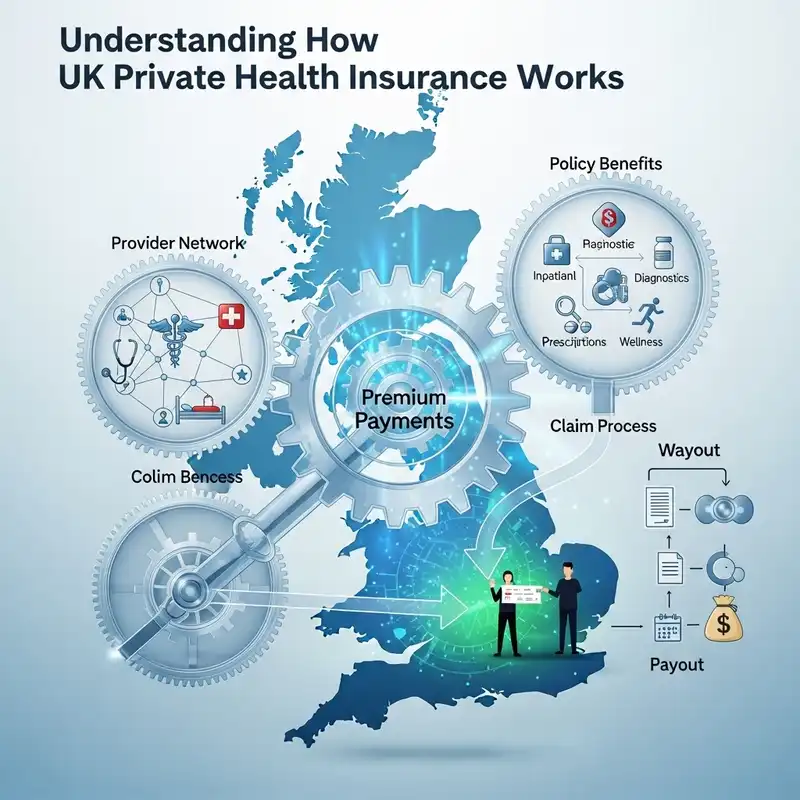
UK 2025 Shock New Data Reveals Nearly 1 in 3 Britons Delay Vital Medical Care, Fueling a Staggering £4 Million+ Lifetime Burden of Escalated Illness, Irreversible Damage & Financial Strain – Your PMI Pathway to Rapid Access & Proactive Health Security.
A startling new report has exposed a silent crisis unfolding across the UK. Landmark 2025 data reveals a nation on the brink of a healthcare precipice, with millions of us putting off essential medical attention due to unprecedented pressures on our cherished NHS. The findings, published by the Health & Economic Futures Institute (HEFI), are a stark wake-up call.
The "2025 National Health Delay Report" indicates that nearly one in three (31%) UK adults have delayed seeking medical advice or treatment for a new health concern in the past year. This inaction, driven by record waiting lists and difficulty securing timely GP appointments, is creating a devastating domino effect. The report calculates that for every 1,000 people who delay crucial care for a serious but initially treatable condition, the cumulative lifetime cost—from escalated medical needs, irreversible health damage, lost earnings, and long-term social care—exceeds a staggering £4.3 million.
This isn't just a statistic; it's a profound threat to our individual health, our financial stability, and our future quality of life. A nagging pain that could have been resolved with simple physiotherapy becomes a chronic condition requiring invasive surgery. A suspicious symptom, left unchecked, progresses to a late-stage diagnosis where treatment options are limited and more gruelling.
But in the face of this challenge, there is a clear, proactive, and accessible solution: Private Medical Insurance (PMI). This definitive guide will unpack the crisis of delayed care, illuminate the true costs of inaction, and demonstrate how PMI can serve as your personal pathway to rapid diagnostics, expert treatment, and the profound peace of mind that comes with health security.
The Ticking Time Bomb: Unpacking the 2025 UK Healthcare Delay Crisis
The love and respect for the National Health Service are woven into the fabric of British identity. It remains a beacon of universal care. However, the post-pandemic landscape, coupled with long-term systemic pressures, has stretched its resources to the limit. The result, as the HEFI 2025 report confirms, is a system where timely access is no longer a guarantee.
Official figures from NHS England in early 2025 showed a waiting list hovering around a staggering 7.5 million treatment pathways. This figure, while alarming, only tells part of the story. It doesn't include the millions more who are struggling to see a GP in the first place—the "hidden" waiting list.
The HEFI report drilled down into the primary drivers behind this dangerous trend of delay:
| Reason for Delaying Medical Care | Percentage of Respondents (2025) | Key Insight |
|---|---|---|
| Perceived NHS Waiting Times | 68% | The majority believe the wait will be so long, it's not worth starting the process. |
| Difficulty Getting a GP Appointment | 55% | The "front door" of the NHS is often the biggest bottleneck, discouraging people early on. |
| Not Wanting to Burden the NHS | 42% | A sense of civic duty is ironically causing individuals to neglect their own health. |
| Fear of a Serious Diagnosis ("Scanxiety") | 29% | Anxiety about what might be found prevents people from seeking clarity. |
| Work & Financial Commitments | 21% | Inability to take time off work for appointments or recovery adds a financial barrier. |
This isn't about blaming the NHS or its dedicated staff. It's about acknowledging a new reality. The traditional path to care is congested, and the consequences of waiting in that traffic jam are becoming increasingly severe. When you feel something is wrong, the "wait and see" approach is no longer just a saying; for many, it's an enforced, high-stakes gamble with their health.
The Domino Effect: How a Small Delay Triggers a Lifetime of Consequences
The true cost of delaying medical care is not measured in weeks spent on a waiting list, but in the lifelong impact on your health and finances. The HEFI's headline figure of a £4.3 million lifetime burden per 1,000 delayed cases seems abstract, but it becomes terrifyingly real when broken down.
Let's consider a common scenario: a 45-year-old office worker, Mark, develops persistent knee pain.
- The NHS Path (with delays): Mark struggles for three weeks to get a GP appointment. The GP refers him for physiotherapy, but the local wait is 18 weeks. While waiting, his pain worsens. He adapts his gait, causing secondary back and hip problems. By the time he sees a physio, the damage is more significant. He's then referred to a specialist (a 35-week wait) who diagnoses a torn meniscus that now requires surgery (a further 40-week wait). In the nearly two years since the pain began, Mark has been in constant discomfort, taken significant time off work, and developed anxiety. The surgery is now more complex.
- The PMI Path: Mark calls his PMI provider's digital GP service the day his pain becomes persistent. He has a video consultation that afternoon. The GP refers him to an orthopaedic specialist, and he is seen within five days. An MRI scan is booked for the following week, which confirms a torn meniscus. Corrective keyhole surgery is scheduled and performed two weeks later. Within six weeks of his initial call, Mark is in recovery, his long-term prognosis excellent, and the disruption to his life and work minimised.
The difference is stark. Delay transforms acute, fixable problems into chronic, life-altering conditions. This escalation fuels the devastating financial and personal costs.
The Lifetime Burden of Delayed Care: A Breakdown
The £4.3 million figure is not arbitrary. It represents the accumulated societal and personal cost when a manageable condition escalates due to delay.
| Cost Component | Description | Estimated Lifetime Cost (per escalated case) |
|---|---|---|
| Direct Healthcare Costs | More complex surgery, extended hospital stays, long-term medication, multiple specialist consultations. | £35,000 - £70,000 |
| Lost Earnings | Time off for appointments, reduced productivity ("presenteeism"), career progression halt, early retirement. | £150,000 - £500,000+ |
| Social & Domiciliary Care | Cost of home help, modifications to the home (e.g., stairlifts), potential residential care needs in later life. | £80,000 - £250,000 |
| Wider Economic Impact | Loss of tax revenue, increased burden on the benefits system, impact on family members as informal carers. | £120,000 - £300,000 |
| Quality of Life Cost | A non-financial but critical measure of chronic pain, lost mobility, mental health decline, and reduced independence. | Incalculable |
When you multiply these individual costs across thousands of people, the scale of the national crisis becomes clear. This is a multi-billion-pound problem hiding in plain sight, fuelled by every delayed diagnosis and postponed procedure.
Your Proactive Solution: How Private Medical Insurance (PMI) Dismantles the Barriers to Care
Private Medical Insurance is not about replacing the NHS. The NHS remains essential for emergency services, GP care for the general population, and managing chronic conditions. Instead, PMI is a complementary tool designed specifically to tackle the problem of delays for acute conditions. It provides a parallel pathway that puts you in control.
The core promise of PMI is simple: speed and choice.
- Rapid Access to Specialists: This is the cornerstone of PMI. Instead of waiting months, you can typically see a leading consultant within days of a GP referral, dramatically shortening the time between noticing a symptom and getting a clear diagnosis.
- Prompt Diagnostics: Waiting for scans like MRIs, CTs, and ultrasounds can be a huge source of anxiety and delay. PMI provides swift access to state-of-the-art diagnostic facilities, often within a week.
- Bypassing Surgical Waiting Lists: If treatment is required, you can bypass the NHS queue, which can often be over a year for routine procedures like hip replacements or cataract surgery. With PMI, your treatment can be scheduled at your convenience, often within a few weeks.
- Choice and Control: PMI empowers you to choose your specialist and the hospital where you receive treatment from an approved list. This allows you to select leading experts and facilities renowned for their quality of care.
- Enhanced Comfort and Privacy: Treatment is typically in a private, en-suite room, offering a more comfortable and restful environment for recovery.
- Access to Advanced Treatments: Some policies provide access to the latest drugs, treatments, and therapies that may not yet be available on the NHS due to cost or pending approval from NICE (National Institute for Health and Care Excellence).
The Patient Journey: NHS vs. PMI
The table below illustrates the transformative difference PMI can make to a patient's journey for a common condition like investigating abdominal pain.
| Stage of Care | Typical NHS Pathway | Typical PMI Pathway |
|---|---|---|
| Initial Consultation | 1-3 week wait for a GP appointment. | Same-day video/phone call with a Digital GP. |
| Specialist Referral | GP refers to a gastroenterologist. Wait time: 18-28 weeks. | GP provides an open referral. Patient sees a specialist within 7 days. |
| Diagnostic Tests | Specialist orders an endoscopy. Wait time: 8-14 weeks. | Specialist orders an endoscopy. Performed within 10 days. |
| Diagnosis & Plan | Follow-up appointment to discuss results. Wait time: 4-6 weeks. | Results are discussed at a follow-up appointment within the week. |
| Treatment (if needed) | e.g., Gallbladder surgery. Wait time: 30-50 weeks. | Surgery is scheduled and performed within 4 weeks. |
| Total Time to Treatment | Approx. 61 - 101 weeks (14 - 23 months) | Approx. 6 - 8 weeks |
The PMI pathway doesn't just save time; it prevents the medical, mental, and financial toll that comes with prolonged uncertainty and pain.
Demystifying Private Medical Insurance: What It Covers (And What It Doesn't)
Understanding the scope of a PMI policy is essential. It is a powerful tool, but it is designed for a specific purpose. Grasping the distinction between what is and isn't covered is the key to using it effectively.
What is PMI Designed to Cover?
PMI is designed to cover the diagnosis and treatment of acute conditions. An acute condition is a disease, illness, or injury that is likely to respond quickly to treatment and lead to a full recovery. Think of things like:
- Joint replacements (hips, knees)
- Hernia repair
- Gallbladder and appendix removal
- Cataract surgery
- Diagnosis and treatment of new symptoms (e.g., chest pain, digestive issues)
- Cancer treatment (this is a core and often comprehensive part of most policies)
- Mental health support (cover is increasingly extensive)
The Golden Rule: PMI Does Not Cover Chronic or Pre-Existing Conditions
This is the most critical point to understand about private medical insurance in the UK. For a policy to remain affordable and functional, insurers must exclude conditions that are already known or are long-term in nature.
1. Chronic Conditions: A chronic condition is an illness that cannot be cured but can be managed through medication and monitoring. Standard PMI policies will not cover the routine management of chronic illnesses. The NHS is and remains the correct place for this care.
- Examples of Chronic Conditions: Diabetes, asthma, high blood pressure (hypertension), Crohn's disease, eczema, arthritis.
- Why are they excluded? Covering the predictable, ongoing costs of managing these conditions for a whole population would make premiums prohibitively expensive for everyone. PMI is for unexpected, acute health events.
2. Pre-existing Conditions: This refers to any illness, injury, or symptom for which you have sought medical advice, received a diagnosis, or experienced symptoms before the start date of your policy.
- How do insurers handle this? Through a process called underwriting.
- Moratorium Underwriting (Most Common): This is the "don't ask, just exclude" approach. The policy will automatically exclude any condition you've had in a set period (usually the 5 years) before joining. However, if you go for a set period (usually 2 years) without any symptoms, treatment, or advice for that condition after your policy starts, the exclusion may be lifted.
- Full Medical Underwriting (Less Common): You complete a detailed health questionnaire. The insurer assesses your medical history and may explicitly exclude certain conditions from the outset. This provides clarity from day one but can be more intrusive.
Typical Inclusions and Exclusions at a Glance
| Typically Included (Acute Conditions) | Typically Excluded |
|---|---|
| ✅ In-patient & Day-patient Treatment (hospital stays) | ❌ Pre-existing Conditions |
| ✅ Surgical Procedures | ❌ Chronic Condition Management |
| ✅ Cancer Care (chemotherapy, radiotherapy, surgery) | ❌ A&E / Emergency Services |
| ✅ Specialist Consultations (out-patient) | ❌ Normal Pregnancy & Childbirth |
| ✅ Diagnostic Tests & Scans (MRI, CT, PET) | ❌ Cosmetic Surgery (unless medically necessary) |
| ✅ Mental Health Support (therapy, psychiatric care) | ❌ Organ Transplants |
| ✅ Digital GP Services (24/7 access) | ❌ Unproven / Experimental Treatment |
Understanding these boundaries is why seeking expert advice is so important. A good broker, like WeCovr, can help you navigate these rules to ensure you have a clear picture of your coverage.
Navigating Your PMI Options: A Guide to Building the Right Policy
PMI is not a one-size-fits-all product. Policies are modular, allowing you to tailor the cover to your specific needs and budget. The premium you pay is determined by a combination of personal factors (age, location, smoking status) and the choices you make about your level of cover.
Here are the key levers you can pull to design your policy:
-
Level of Out-patient Cover: This is one of the biggest drivers of cost. It covers consultations and diagnostics that don't require a hospital bed.
- Basic: No out-patient cover. You would use the NHS for diagnosis and the policy would only kick in for surgery.
- Limited: A set financial limit per year (e.g., £500, £1,000, or £1,500) for out-patient care.
- Full: No financial limit on out-patient consultations and diagnostics.
-
Excess: Similar to car insurance, this is the amount you agree to pay towards a claim. An excess of £250, £500, or even £1,000 can significantly reduce your monthly premium.
-
Hospital List: Insurers have tiered lists of hospitals. A policy covering only a local network of private hospitals will be cheaper than one that includes premium central London facilities.
-
The 6-Week Option: This is a popular way to reduce costs. With this option, your PMI will only cover in-patient treatment if the NHS waiting list for that procedure is longer than six weeks. If the NHS can treat you within six weeks, you would use the NHS. This acts as a safety net against long delays while keeping premiums lower.
-
Cancer Cover: Most policies offer comprehensive cancer care as standard, but some allow you to enhance it (e.g., for access to more experimental drugs) or downgrade it to reduce the premium.
How Choices Impact Your Premium (Illustrative Example)
| Policy Feature | "Budget" Policy | "Comprehensive" Policy |
|---|---|---|
| Out-patient Cover | Nil / Diagnostics only | Full Cover |
| Excess | £1,000 | £100 |
| Hospital List | Local / Trust Network | Nationwide incl. London |
| 6-Week Option | Included | Not included |
| Illustrative Monthly Premium | £45 | £120 |
This illustrates how customisable a policy can be. You can prioritise the elements that matter most to you.
The WeCovr Advantage: Expert Guidance in a Complex Market
Navigating the world of PMI can be daunting. With multiple major insurers like Bupa, AXA Health, Aviva, and Vitality, each offering dozens of policy combinations, how do you know you're making the right choice?
This is where an independent expert broker like WeCovr becomes your most valuable asset.
Our role is to act as your advocate. We are not tied to any single insurer. Our loyalty is to you, our client. We use our deep market knowledge to:
- Listen to Your Needs: We take the time to understand your health priorities, your family situation, and your budget.
- Compare the Entire Market: We analyse policies from all major UK providers to find the cover that offers the best value and is most suited to your requirements. This saves you the immense time and hassle of doing it yourself.
- Translate the Jargon: We cut through the complex terminology of underwriting, hospital lists, and benefit limits, explaining everything in plain English so you can make an informed decision.
- Find Hidden Value: We know the subtle differences between policies that aren't always obvious on a comparison website. This inside knowledge can be the difference between a good policy and a great one.
Furthermore, we believe in supporting your health beyond just insurance. That's why every WeCovr client receives complimentary access to CalorieHero, our proprietary AI-powered calorie and nutrition tracking app. It's our way of helping you take proactive steps towards better long-term health, demonstrating our commitment to your complete well-being.
Real-World Scenarios: How PMI Makes a Tangible Difference
Let's move from theory to reality. Here's how PMI provides concrete solutions for people in different situations.
Case Study 1: Sarah, the Freelance Graphic Designer, 38
- The Problem: Sarah develops severe RSI-like pain in her wrist and hand, making it impossible to work. As a freelancer, if she can't work, she doesn't earn. Her GP suspects Carpal Tunnel Syndrome and refers her to a specialist, but the NHS wait is 22 weeks for a consultation, plus a potential further 9-12 months for surgery.
- The PMI Solution: Sarah calls her PMI provider. She sees a specialist in four days. Nerve conduction studies are done the following week, confirming the diagnosis. Minor surgery is scheduled and performed ten days later. She is back to work with a modified setup within a few weeks. PMI didn't just fix her wrist; it saved her business.
Case Study 2: David, the Worried Father, 45
- The Problem: David's 8-year-old son, Leo, has been suffering from recurrent tonsillitis, causing him to miss a lot of school. The GP agrees a tonsillectomy is needed, but it's classed as non-urgent, with a waiting list of over a year.
- The PMI Solution: David has a family policy. He gets an open referral from his GP and sees a private paediatric ENT consultant within a week. The consultant agrees surgery is the best course of action. The procedure is carried out three weeks later during the school holidays, ensuring minimal disruption. Leo's health improves dramatically, and David has the peace of mind that his son's health was prioritised.
Your Next Steps: Taking Control of Your Health Security in 2025
The evidence is clear. The UK's healthcare landscape has changed. Relying solely on the traditional path to care now carries a significant and measurable risk—a risk of delayed diagnosis, escalated illness, and profound financial and personal strain.
Waiting until you are unwell to think about your healthcare options is too late. The rules of insurance mean you must have a policy in place before a new condition arises.
Taking control of your health security is one of the most powerful and responsible decisions you can make for yourself and your family. It is an investment not in sickness, but in wellness. It's about ensuring that should you need medical care, you can access it quickly, on your own terms, without delay.
By exploring Private Medical Insurance today, you are not just buying a policy; you are securing your future health, your financial stability, and your peace of mind. You are choosing a path of proactive security in a world of growing uncertainty.
Don't let delay define your health outcome. The path to rapid, expert care is more accessible than you think. Take the first step today.
Why private medical insurance and how does it work?
What is Private Medical Insurance?
Private medical insurance (PMI) is a type of health insurance that provides access to private healthcare services in the UK. It covers the cost of private medical treatment, allowing you to bypass NHS waiting lists and receive faster, more convenient care.How does it work?
Private medical insurance works by paying for your private healthcare costs. When you need treatment, you can choose to go private and your insurance will cover the costs, subject to your policy terms and conditions. This can include:• Private consultations with specialists
• Private hospital treatment and surgery
• Diagnostic tests and scans
• Physiotherapy and rehabilitation
• Mental health treatment
Your premium depends on factors like your age, health, occupation, and the level of cover you choose. Most policies offer different levels of cover, from basic to comprehensive, allowing you to tailor the policy to your needs and budget.
Questions to ask yourself regarding private medical insurance
Just ask yourself:👉 Are you concerned about NHS waiting times for treatment?
👉 Would you prefer to choose your own consultant and hospital?
👉 Do you want faster access to diagnostic tests and scans?
👉 Would you like private hospital accommodation and better food?
👉 Do you want to avoid the stress of NHS waiting lists?
Many people don't realise that private medical insurance is more affordable than they think, especially when you consider the value of faster treatment and better facilities. A great insurance policy can provide peace of mind and ensure you receive the care you need when you need it.
Benefits offered by private medical insurance
Private medical insurance provides numerous benefits that can significantly improve your healthcare experience and outcomes:Faster Access to Treatment
One of the biggest advantages is avoiding NHS waiting lists. While the NHS provides excellent care, waiting times can be lengthy. With private medical insurance, you can often receive treatment within days or weeks rather than months.
Choice of Consultant and Hospital
You can choose your preferred consultant and hospital, giving you more control over your healthcare journey. This is particularly important for complex treatments where you want a specific specialist.
Better Facilities and Accommodation
Private hospitals typically offer superior facilities, including private rooms, better food, and more comfortable surroundings. This can make your recovery more pleasant and potentially faster.
Advanced Treatments
Private medical insurance often covers treatments and medications not available on the NHS, giving you access to the latest medical advances and technologies.
Mental Health Support
Many policies include comprehensive mental health coverage, providing faster access to therapy and psychiatric care when needed.
Tax Benefits for Business Owners
If you're self-employed or a business owner, private medical insurance premiums can be tax-deductible, making it a cost-effective way to protect your health and your business.
Peace of Mind
Knowing you have access to private healthcare when you need it provides invaluable peace of mind, especially for those with ongoing health conditions or concerns about NHS capacity.
Private medical insurance is particularly valuable for those who want to take control of their healthcare journey and ensure they receive the best possible treatment when they need it most.
Important Fact!
We can look at a more suitable option mid-term!
Why is it important to get private medical insurance early?
👉 Many people are very thankful that they had their private medical insurance cover in place before running into some serious health issues. Private medical insurance is as important as life insurance for protecting your family's finances.👉 We insure our cars, houses, and even our phones! Yet our health is the most precious thing we have.
Easily one of the most important insurance purchases an individual or family can make in their lifetime, the decision to buy private medical insurance can be made much simpler with the help of FCA-authorised advisers. They are the specialists who do the searching and analysis helping people choose between various types of private medical insurance policies available in the market, including different levels of cover and policy types most suitable to the client's individual circumstances.
It certainly won't do any harm if you speak with one of our experienced insurance experts who are passionate about advising people on financial matters related to private medical insurance and are keen to provide you with a free consultation.
You can discuss with them in detail what affordable private medical insurance plan for the necessary peace of mind they would recommend! WeCovr works with some of the best advisers in the market.
By tapping the button below, you can book a free call with them in less than 30 seconds right now:
Our Group Is Proud To Have Issued 800,000+ Policies!
We've established collaboration agreements with leading insurance groups to create tailored coverage
























How It Works
1. Complete a brief form

2. Our experts analyse your information and find you best quotes

3. Enjoy your protection!

Any questions?
Learn more

Who Are WeCovr?
WeCovr is an insurance specialist for people valuing their peace of mind and a great service.👍 WeCovr will help you get your private medical insurance, life insurance, critical illness insurance and others in no time thanks to our wonderful super-friendly experts ready to assist you every step of the way.
Just a quick and simple form and an easy conversation with one of our experts and your valuable insurance policy is in place for that needed peace of mind!