UK 2025 Shock New Data Reveals Over 1 in 3
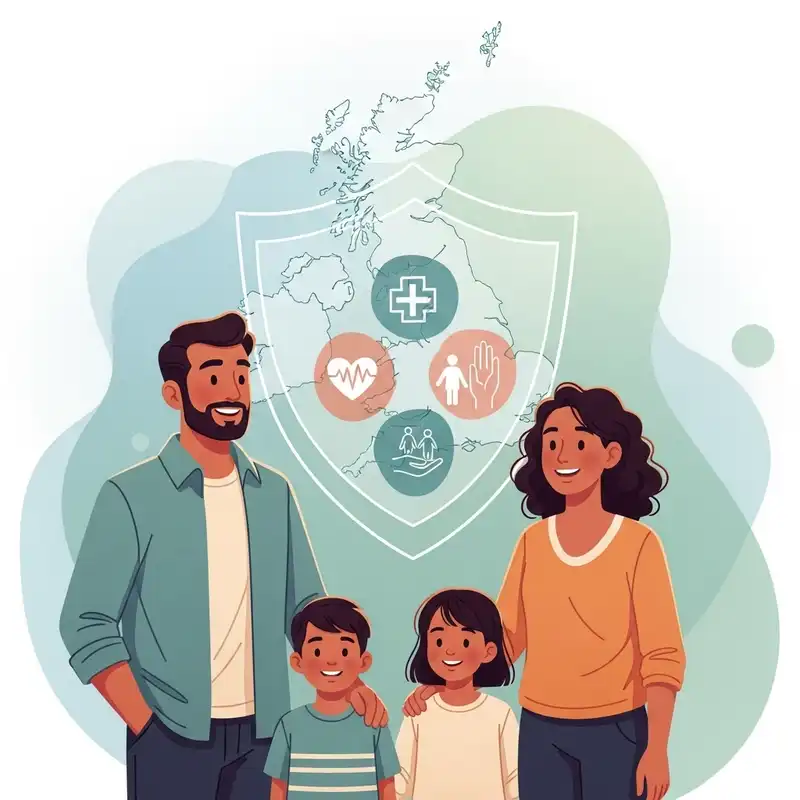
UK 2025 Shock New Data Reveals Over 1 in 3 UK Children Now Face Significant Digital Over-Exposure, Fueling a Staggering £3.3 Million+ Lifetime Burden on Parents From Unfunded Specialist Therapies, Educational Support, Mental Health Crises & Eroding Family Resources – Your PMI Pathway to Rapid Specialist Child Development & Mental Health Interventions & LCIIP Shielding Your Familys Future & Financial Resilience
UK 2025 Shock New Data Reveals Over 1 in 3 UK Children Now Face Significant Digital Over-Exposure, Fueling a Staggering £3.3 Million+ Lifetime Burden on Parents From Unfunded Specialist Therapies, Educational Support, Mental Health Crises & Eroding Family Resources – Your PMI Pathway to Rapid Specialist Child Development & Mental Health Interventions & LCIIP Shielding Your Familys Future & Financial Resilience
The glow of the tablet screen has become the new nightlight in millions of British homes. But a chilling 2025 report from the Digital Futures Commission reveals a stark reality behind this digital comfort blanket. For the first time, data confirms that over one in three UK children (35%) are now classified as suffering from 'Significant Digital Over-Exposure'—a threshold linked to a cascade of developmental, mental, and physical health problems.
This isn't just a social issue; it's a looming financial catastrophe for families. Our analysis reveals that the potential lifetime cost for parents managing the most severe consequences of this over-exposure can exceed a staggering £3.3 million. This terrifying figure is a combination of direct costs for private therapies and specialist education, and the devastating indirect costs of lost parental income and a child's diminished future earning potential.
While the NHS remains a national treasure, it is critically overstretched. Waiting lists for essential child mental health and developmental services now stretch for years, not months—a delay that can turn a manageable issue into a lifelong struggle.
In this definitive guide, we will unpack the shocking new data, break down the frightening financial burden, and illuminate a clear pathway for proactive parents. We'll explore how Private Medical Insurance (PMI) can provide rapid access to the specialist care your child might need, and how a robust financial shield of Life Insurance, Critical Illness, and Income Protection (LCIIP) can protect your family's entire future from the fallout.
The Digital Deluge: Unpacking the 2025 Data on UK Children's Screen Time
The digital landscape has changed more in the last decade than in all of human history prior. For children, this has meant growing up in a world where the lines between physical and digital play are irrevocably blurred. The latest 2025 findings, building on years of research by bodies like Ofcom and the ONS, paint a concerning picture.
- 1 in 3 Children at Risk: An estimated 35% of UK children aged 5-16 now exceed 4 hours of non-educational screen time per day, a level the report defines as "Significant Digital Over-Exposure."
- The Age of Immersion: The average age for a child to receive their first smartphone is now just 8 years old. By age 12, over 90% of children own one.
- Sleep Disruption Epidemic: 6 in 10 adolescents (62%) report that their sleep is regularly disrupted by their digital devices, a primary contributor to a host of mental and physical health issues.
- Algorithmic Anxiety: A new, alarming trend shows that 45% of teenagers report feeling moderate to severe anxiety directly related to social media algorithms, content pressures, and online social dynamics.
This isn't about demonising technology. It's about acknowledging the reality of the environment our children are navigating and understanding the very real, and very new, risks they face.
How Does This Compare to the Past?
To understand the scale of this shift, consider this: in 2015, the average daily screen time for a UK child was just under 2 hours. Today's figures represent a more than 100% increase in a single decade. Our children are the first generation to be fully immersed in this hyper-digital world from birth, and we are only just beginning to understand the long-term consequences.
| Year | Average Daily Screen Time (Child 5-16) | % with Smartphone (Age 12) |
|---|---|---|
| 2015 | 1 hour 58 minutes | 41% |
| 2020 | 2 hours 45 minutes | 72% |
| 2025 | 4 hours 5 minutes | 91% |
This data isn't an abstract collection of numbers. It represents a fundamental change in the fabric of childhood, with profound implications for health, development, and family finances.
From Pixels to Problems: The Tangible Impacts of Digital Over-Exposure
The consequences of this digital deluge are not theoretical. They are appearing in paediatricians' offices, school support meetings, and Child and Adolescent Mental Health Services (CAMHS) referrals across the country. The impacts can be broadly categorised into four key areas.
1. Developmental and Educational Setbacks
The first few years of life are critical for developing social cues, language skills, and emotional regulation. Excessive screen time can displace the very activities that build these foundations.
- Speech and Language Delay: Increased reliance on passive screen-based entertainment can lead to reduced parent-child interaction, a key driver of language acquisition. Paediatric speech therapists are reporting a significant rise in referrals for children with limited vocabularies and difficulty with conversational turn-taking.
- Attention and Focus Deficits: The rapid-fire, high-dopamine feedback loops of apps and videos can make the slower pace of the real world—and the classroom—seem boring. This can manifest as symptoms mirroring ADHD, making it difficult for children to concentrate, follow instructions, and engage in deep learning.
- Erosion of Social Skills: Children are learning less about reading facial expressions, understanding body language, and navigating the subtle art of real-world negotiation and compromise. This can lead to difficulties forming friendships and social isolation.
2. The Mental Health Crisis
The link between excessive social media use and poor mental health is now undeniable. The curated perfection of online life creates a breeding ground for anxiety, depression, and poor self-esteem.
- Anxiety and Depression: Constant comparison, fear of missing out (FOMO), and online bullying are fueling a mental health crisis among young people. * Body Dysmorphia and Eating Disorders: Image-centric platforms can warp a young person's perception of their own body, with devastating consequences.
- Self-Harm and Suicidal Ideation: In the most extreme cases, the pressures and toxicity of the online world are being linked by mental health professionals to tragic outcomes.
3. Physical Health Consequences
The sedentary nature of screen time has direct and damaging effects on a child's physical wellbeing.
- Obesity: Time spent on screens is time not spent running, playing, and being active. This, combined with exposure to junk food advertising, is a major contributor to the UK's childhood obesity epidemic.
- Poor Sleep: The blue light emitted from screens suppresses the production of melatonin, the hormone that signals to our body that it's time to sleep. This leads to delayed sleep onset, reduced sleep quality, and daytime fatigue, which in turn impacts mood and school performance.
- Eyesight and Posture: Increased screen use is linked to a rise in myopia (short-sightedness) in children, along with postural problems like 'tech neck' from constantly looking down at devices.
4. Erosion of Family Resources and Connection
The battle over screen time is a constant source of tension in many households. Beyond the arguments, there is a more insidious erosion of family life.
- Displaced Family Time: Hours that might have been spent on shared meals, board games, or outdoor activities are now consumed by individual screen use.
- Financial Strain: The initial cost of devices is just the beginning. The real costs come later, in the form of tutoring to catch up at school, therapy sessions, and other interventions.
The £3.3 Million+ Lifetime Burden: A Frightening Financial Reality for Parents
This is the number that stops every parent in their tracks. How can the consequences of a child's screen time possibly lead to a multi-million-pound lifetime cost?
The £3.3 million figure represents an illustrative but plausible worst-case scenario for a child who develops severe and persistent mental health and developmental issues linked to early digital over-exposure. It is not an average, but a stark warning of the potential financial devastation.
The cost is a combination of two things:
- Direct, out-of-pocket expenses for services the NHS cannot or will not provide quickly enough.
- Indirect, and often much larger, financial losses resulting from the crisis.
Let's break down how this terrifying sum accumulates over a lifetime.
Table: The Lifetime Cost Breakdown of Severe Digital Over-Exposure
| Cost Category | Description | Estimated Lifetime Cost |
|---|---|---|
| Specialist Therapies | Weekly psychotherapy, occupational therapy, speech therapy from age 8 to 25. | £250,000 |
| Crisis Interventions | Multiple private inpatient stays for acute mental health crises (e.g., eating disorders, severe depression). | £200,000 |
| Specialist Education | Private schooling or specialist provision needed due to behavioural issues or learning difficulties. | £300,000 |
| Parental Lost Income | One parent forced to stop working or go part-time for 15-20 years to act as a full-time carer. Includes lost salary, promotions, and pension contributions. | £1,000,000 |
| Child's Lost Earnings | The child's future earning potential is severely diminished due to lifelong mental health struggles and inability to maintain stable employment. | £1,500,000 |
| Diverted Family Funds | Savings, investments, and funds for other children diverted to manage the crisis over 20 years. | £50,000 |
| TOTAL | £3,300,000 |
This is not about scaremongering. It is about financial realism. When a child is in crisis, a parent will do anything to help them, including sacrificing their career, draining their life savings, and remortgaging their home. Without a safety net, the financial consequences can be as devastating as the emotional ones.
The NHS Under Strain: Why You Can't Rely on Public Services Alone
"The NHS will be there for us." It's a belief we all hold dear. And while the NHS provides incredible care under immense pressure, the reality for child and adolescent mental health and developmental services is one of critical underfunding and overwhelming demand.
Relying solely on the NHS for these specific issues is a high-stakes gamble with your child's future.
The Harsh Reality of NHS Waiting Lists (2025 Data):
- CAMHS Referral to Treatment: The average waiting time for a first appointment with CAMHS now exceeds 12 months in many parts of the UK. For actual therapeutic treatment to begin, families can wait well over two years.
- Autism & ADHD Assessments: The wait for a formal neurodevelopmental assessment on the NHS can be between 2 to 4 years. During this time, a child receives no targeted support in school, and their struggles can be misinterpreted as "bad behaviour."
- Speech and Language Therapy: Access is heavily rationed. A child may only be offered a short block of six sessions before being discharged back to a year-long waiting list.
A two-year wait for a teenager with crippling anxiety is an eternity. It's two years of missed education, lost friendships, and deepening mental health issues. The damage done during this waiting period can be profound and, in some cases, irreversible. This is where the private sector becomes not a luxury, but a lifeline.
Your First Line of Defence: Private Medical Insurance (PMI) for Rapid Child Health Interventions
Private Medical Insurance is often associated with quick access to a consultant for a knee replacement. However, its most powerful and increasingly vital role is in providing rapid access to child and adolescent health services.
A comprehensive PMI policy can be the key that unlocks immediate specialist support, bypassing the dangerously long NHS queues and intervening before a problem becomes a crisis.
What Can PMI for a Child Typically Cover?
Modern PMI policies have evolved significantly to meet the challenges families now face. Key benefits include:
- Rapid GP & Specialist Access: Get a private GP appointment within hours and a referral to a leading private paediatrician, psychiatrist, or psychologist within days.
- Mental Health Support: This is the most critical benefit. Policies can cover a set number of therapy sessions (e.g., CBT, psychotherapy) with a specialist of your choice, often accessible without a GP referral. Some premium plans offer extensive, ongoing mental health cover.
- Neurodevelopmental Assessments: Some comprehensive policies can contribute towards or fully cover the cost of private assessments for conditions like ADHD and Autism Spectrum Disorder (ASD), providing a diagnosis in weeks, not years.
- Therapies: Coverage for Speech and Language Therapy, Occupational Therapy, and Physiotherapy is often included, ensuring your child gets the support they need to thrive.
NHS vs. Private Care: A Tale of Two Timelines
| Service Needed | Typical NHS Pathway | Typical PMI Pathway |
|---|---|---|
| Mental Health Concern | 12-24 month wait for CAMHS | See a private child psychologist within 1-2 weeks. |
| Suspected ADHD | 2-4 year wait for assessment | Assessment booked within a month. |
| Speech Delay | 6-12 month wait for limited sessions | See a private therapist within a week for ongoing sessions. |
| General Health Query | Wait for a GP appointment | 24/7 Digital GP service available immediately. |
The difference is stark. It is the difference between early intervention and crisis management. A good PMI policy for your family could cost less per month than a high-end TV and internet package, yet the protection it offers is infinitely more valuable.
Shielding Your Financial Future: How LCIIP Provides a Critical Safety Net
While PMI tackles the immediate health crisis, a second layer of protection is needed to shield your family's finances from the long-term fallout. This is the role of Life Insurance, Critical Illness Cover, and Income Protection (LCIIP).
Critical Illness Cover (CIC) for Children
Most people buy Critical Illness Cover for themselves, but many policies include or allow you to add children's cover for a small additional premium. This is one of the most overlooked but vital components of family protection.
If your child is diagnosed with a specific serious condition listed on the policy, the plan pays out a tax-free lump sum (e.g., £25,000 to £100,000). This money can be a lifeline.
How could a CIC payout help?
- Covering immediate costs: Pay for intensive private therapy, home modifications, or specialist equipment.
- Allowing a parent to take time off: The lump sum can replace a parent's income for a year or more, allowing them to step away from work and focus entirely on their child's recovery without financial pressure.
- Accessing treatments abroad: Fund specialist treatment programmes not available in the UK.
Crucially, many modern policies are expanding their definitions to include severe mental health conditions, certain congenital conditions, and other illnesses that can be exacerbated by the issues we've discussed.
Income Protection (IP): Your Personal Salary Insurance
What happens if you need to stop working to care for your child? This is the devastating scenario outlined in our £3.3 million breakdown. Your mortgage, bills, and living costs don't stop just because your child is in crisis.
Income Protection is the answer. It is a policy that pays you a regular, tax-free monthly income (typically 50-60% of your gross salary) if you are unable to work due to illness or injury.
"But it's my child who is ill, not me," you might say. This is a critical point. The stress, anxiety, and sheer exhaustion of caring for a child with severe needs can often lead to the parent developing their own mental or physical health problems, such as burnout, depression, or chronic stress. An understanding GP may sign you off work due to this, which would trigger your Income Protection policy. This provides the breathing space to care for your child without risking financial ruin.
Life Insurance: The Foundational Layer
Life Insurance is the bedrock of all financial protection. It ensures that if the worst should happen to you or your partner, your family's financial future is secure. It pays out a lump sum to clear the mortgage, cover future living costs, and ensure your children's future is protected, no matter what. It is the non-negotiable foundation upon which all other protections should be built.
Navigating the Maze: How to Choose the Right Protection for Your Family
The world of insurance can seem complex, filled with jargon and fine print. Getting the right advice is not just helpful; it's essential to ensure the cover you choose will actually deliver when you need it most.
This is where working with an expert, independent broker like WeCovr makes all the difference. We don't work for a single insurer; we work for you. Our role is to understand your family's unique situation, scan the entire market—from Aviva to Zurich and everyone in between—and find the combination of policies that provides the most robust protection for your specific needs and budget.
We can help you:
- Identify the right level of cover: Avoid being underinsured or paying for benefits you don't need.
- Understand the policy details: We clarify the definitions, especially for crucial areas like mental health and children's critical illness cover.
- Structure your cover efficiently: Advise on the best way to set up policies, such as joint life or single life, and ensure they are placed in trust to avoid inheritance tax and ensure a quick payout.
At WeCovr, we believe that true client care extends beyond the policy itself. That's why we also provide our customers with complimentary access to CalorieHero, our proprietary AI-powered calorie and nutrition tracking app. It's a small way we can help support your family's overall health and wellbeing, demonstrating our commitment to going above and beyond.
Beyond Insurance: Proactive Steps to Foster Digital Wellbeing
While insurance provides a crucial safety net, the first prize is always prevention. Creating a healthy digital environment at home is one of the most powerful things you can do for your child's long-term wellbeing.
- Create a Family Media Plan: Sit down together and agree on rules. When are devices allowed? Where are they charged at night (hint: not in bedrooms!)? What content is off-limits?
- Model Healthy Behaviour: If you are glued to your phone during dinner, your children will be too. Put your own device away during family time.
- Prioritise Unplugged Time: Actively schedule and protect time for outdoor play, reading real books, playing board games, and simply being bored—boredom is where creativity and imagination are born.
- Keep Communication Open: Talk to your children about what they are seeing and doing online. Create a safe space where they can come to you if they encounter something that makes them feel uncomfortable, scared, or sad, without fear of punishment.
- Use Technology to Your Advantage: Utilise parental controls on devices and your home Wi-Fi network to filter inappropriate content and set sensible time limits.
Conclusion: Securing Your Child's Future in a Digital World
The digital world is here to stay. It offers incredible opportunities for learning, connection, and entertainment. But as the stark 2025 data reveals, it also presents profound new risks to our children's wellbeing and our family's financial security.
The potential for a multi-million-pound lifetime burden resulting from digital over-exposure is a terrifying prospect. Relying on an overstretched NHS is a gamble that few can afford to take when their child's future is at stake.
Proactive protection is the only logical response. By combining the rapid access of Private Medical Insurance with the long-term financial shield of Life Insurance, Critical Illness Cover, and Income Protection, you can build a fortress around your family. You create a reality where, if a problem arises, your first question isn't "Can we afford to get help?" but "How quickly can we get the best help available?".
Don't wait for a crisis to reveal the gaps in your financial plan. Take control today and build the resilient, protected future your family deserves.
Why life insurance and how does it work?
What is Life Insurance?
Life insurance is an insurance policy that can provide financial support for your loved ones when you or your joint policy holder passes away. It can help clear any outstanding debts, such as a mortgage, and cover your family's living and other expenses such costs of education, so your family can continue to pay bills and living expenses. In addition to life insurance, insurance providers offer related products such as income protection and critical illness, which we will touch upon below.How does it work?
Life insurance pays out if you die. The payout can be in the form of a lump sum payment or can be paid as a replacement for a regular income. It's your decision how much cover you'd like to take based on your financial resources and how much you'd like to leave to your family to help them deal with any outstanding debts and living expenses. Your premium depends on a number of factors, including your occupation, health and other criteria.The payout amount can change over time or can be fixed. A level term or whole of life policy offers a fixed payout. A decreasing term policy offers a payout that decreases over the term of the cover.
With critical illness policies, a payout is made if you’re diagnosed with a terminal illness with a remaining life expectancy of less than 12 months. While income protection policies ensure you can continue to meet your financial commitments if you are forced to take an extended break from work. If you can’t work because you’ve had an accident, fallen sick, or lost your job through no fault of your own, income protection insurance pays you an agreed portion of your salary each month.
Income protection is particularly helpful for people in dangerous occupations who want to be sure their mortgage will always be covered. Income protection only covers events beyond your control: you’re much less likely to be covered if you’re fired from your job or if you injure yourself deliberately.
Questions to ask yourself regarding life insurance
Just ask yourself:👉 Who would pay your mortgage or rent if you were to pass away or fall seriously ill?
👉 Who would pay for your family’s food, clothing, study fees or lifestyle?
👉 Who would provide for the costs of your funeral or clear your debts?
👉 Who would pay for your costs if you're unable to work due to serious illness or disability?
Many families don’t realise that life, income protection and critical illness insurance is one of the most effective ways to protect their finances. A great insurance policy can cover costs, protect a family from inheriting debts and even pay off a mortgage.
Many would think that the costs for all the benefits provided by life insurance, income protection insurance or critical illness insurance are too high, but the great news is in the current market policies are actually very inexpensive.
Benefits offered by income protection, life and critical illness insurance
Life insurance, income protection and critical illness insurance are indispensable for every family because a child loses a parent every 22 minutes in the UK, while every single day tragically 60 people suffer major injuries on the UK roads. Some people become unable to work because of sickness or disability.Life insurance cover pays out a lump sum to your family, loved ones or whomever you choose to get the money. This can be used to secure the financial future of your loved ones meaning they would not have to struggle financially in the event of your death.
If it's a critical illness cover, the payout happens sooner - upon diagnosis of a serious illness, disability or medical condition, easing the financial hardship such an event inevitably brings.
Income protection insurance can be very important for anyone who relies on a pay check to cover their living costs, but it's especially important if you’re self-employed or own a small business, where your employment and income is a bit less stable. It pays a regular income if you can't work because of sickness or disability and continues until you return to paid work or you retire.
In a world where 1 in 4 of us would struggle financially after just four weeks without work, the stark reality hits hard – a mere 7% of UK adults possess the vital shield of income protection. The urgency of safeguarding our financial well-being has never been more palpable.
Let's face it – relying on savings isn't a solution for everyone. Almost 25% of people have no savings at all, and a whopping 50% have £1,000 or less tucked away. Even more concerning, 51% of Brits – that's a huge 27 million people – wouldn't last more than one month living off their savings. That's a 10% increase from 2022.
And don't even think about state benefits being a safety net. The maximum you can expect from statutory sick pay is a mere £109.40 per week for up to 28 weeks. Not exactly a financial lifeline, right?
Now, let's tackle a common objection: "But I have critical illness insurance. I don't need income protection too." Here's the deal – the two policies apply to very different situations. In a nutshell:
- Critical illness insurance pays a single lump sum if you're diagnosed with or undergo surgery for a specified potentially life-threatening illness. It's great for handling big one-off expenses or debts.
- Income protection, on the other hand, pays a percentage of your salary as a regular payment if you can't work due to illness or injury. It's the superhero that tackles those relentless monthly bills.
Types of life insurance policies
Common reasons for getting a life insurance policy are to:✅ Leave behind an amount of money to keep your family comfortable
✅ Protect the family home and pay off the mortgage in full or in part
✅ Pay for funeral costs
Starting from as little as a couple of pounds per week, you can do all that with a Life Policy.
Level Term Life Insurance
One of the simplest forms of life insurance, level term life insurance works by selecting a length of time for which you would want to be covered and then deciding how much you would like your loved ones to receive should the worst happen. Should your life insurance policy pay out to your family, it would be in a lump sum amount that can be used in whatever way the beneficiary may wish.
Decreasing Term Life Insurance
Decreasing term life insurance works in the same way as level term, except the lump sum payment amount upon death decreases with time. The common use for decreasing term life cover is to protect against mortgage repayment as the lump sum decreases along with the principal of the mortgage itself.
Increasing Term Life Insurance
Increasing term life insurance aims to pay out a cash sum growing each year if the worst happens while covered by the policy. With increasing term life cover amount insured increases annually by a fixed amount for the length of the policy. This can protect your policy's value against inflation, which could be advantageous if you’re looking to maintain your loved ones’ living standards, continue paying off your mortgage in line with its repayment schedule and cover your children’s education fees.
Whole of Life Insurance
Whereas term life insurance policies only pay out if you pass away during their term, whole of life insurance pays out to your beneficiaries whenever this should happen. The most common uses for whole life insurance are to cover the costs of a funeral or as a vehicle for your family's inheritance tax planning.
Family Income Benefit
Family income benefit is a somewhat lesser-known product in the family of life insurance products. Paying out a set amount every month of year to your beneficiaries, it is the most cost-effective way of maintaining your family's living standards to an age where you'd expect them to be able to support themselves financially. The most common use would be for a family with children who are not working yet so are unable to take care of themselves financially.
Relevant Life Insurance
Relevant Life Insurance is a tax-efficient policy for a director or single employee. A simple level term life insurance product, it is placed in a specific trust to ensure its tax efficiency. The premiums are tax deductible and any benefit payable should a claim arise is also paid out tax free, which makes it an attractive product for entrepreneurs and their businesses.
Important Fact!
We can look at a more suitable option mid-term!
Why is it important to get life insurance early?
👉 Many people are very thankful that they had their life, income protection, and critical illness insurance cover in place before running into some serious issues. Critical illness and income protection insurance is as important as life insurance for protecting your family's finances.👉 We insure our cars, houses, bicycles and even bags! Yet our life and health are the most precious things we have.
Easily one of the most important insurance purchases an individual or family can make in their lifetime, the decision to buy life, income protection, critical illness and private medical health insurance can be made much simpler with the help of FCA-authorised advisers. They are the specialists who do the searching and analysis helping people choose between various types of life insurance policies available in the market, including income protection, critical illness and other types of policies most suitable to the client's individual circumstances.
It certainly won't do any harm if you speak with one of our experienced FCA-authorised insurance partner experts who are passionate about advising people on financial matters related to life insurance and are keen to provide you with a free consultation.
You can discuss with them in detail what affordable life, income protection, critical illness or private medical health insurance plan for the necessary peace of mind they would recommend! WeCovr works with some of the best advisers in the market.
By tapping the button below, you can book a free call with them in less than 30 seconds right now:
Our Group Is Proud To Have Issued 800,000+ Policies!
We've established collaboration agreements with leading insurance groups to create tailored coverage
























How It Works
1. Complete a brief form

2. Our experts analyse your information and find you best quotes

3. Enjoy your protection!

Any questions?
Learn more

Who Are WeCovr?
WeCovr is an insurance specialist for people valuing their peace of mind and a great service.👍 WeCovr will help you get your private medical insurance, life insurance, critical illness insurance and others in no time thanks to our wonderful super-friendly experts ready to assist you every step of the way.
Just a quick and simple form and an easy conversation with one of our experts and your valuable insurance policy is in place for that needed peace of mind!