UK 2025 Shock Up to 1 Million Britons Living with
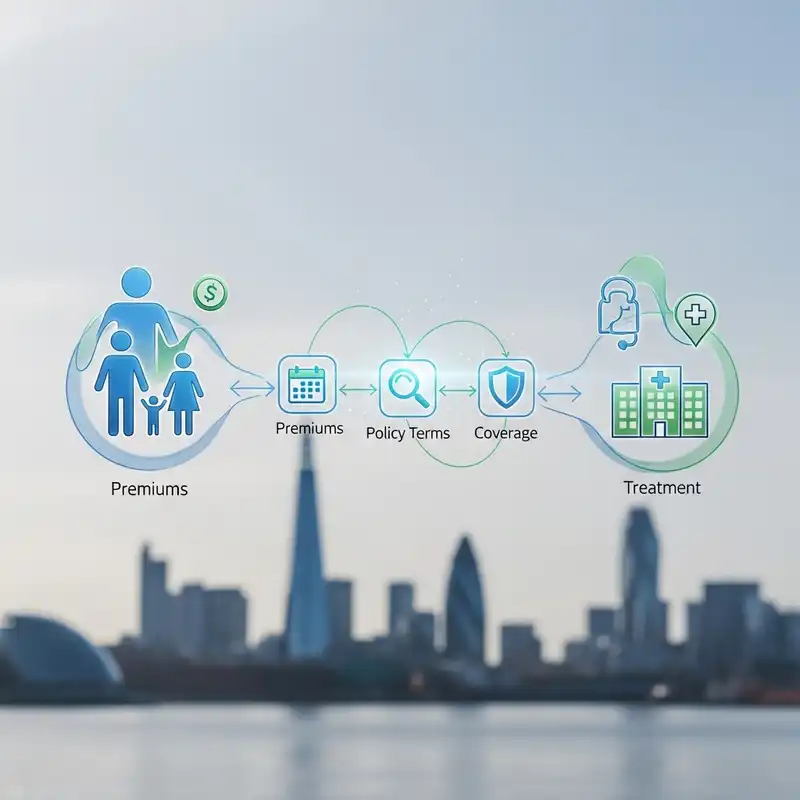
UK 2025 Shock Up to 1 Million Britons Living with Undiagnosed Autoimmune Conditions – Your PMI Fast Track to Definitive Answers & Tailored Treatment
UK 2025 Shock: Up to 1 Million Britons Living with Undiagnosed Autoimmune Conditions – Your PMI Fast Track to Definitive Answers & Tailored Treatment
A silent health crisis is unfolding across the United Kingdom. As we move through 2025, startling new projections from health analysts suggest that as many as one million people in the UK could be living with an undiagnosed autoimmune condition. They are trapped in a debilitating cycle of mysterious symptoms, frustrating GP visits, and an agonisingly long wait for specialist appointments. This is the "diagnostic odyssey" – a journey that can take years, eroding physical health, mental wellbeing, and financial stability.
The combination of an overstretched NHS, with waiting lists for key specialities remaining stubbornly high, and the sheer complexity of these conditions, creates a perfect storm. Vague symptoms like fatigue, joint pain, and brain fog are often dismissed or misdiagnosed, leaving individuals feeling lost and unheard.
But what if there was a way to bypass the queues? A way to get swift access to leading consultants, state-of-the-art diagnostic scans, and a definitive answer that could change your life? This is where Private Medical Insurance (PMI) steps in, offering a crucial lifeline for those seeking clarity and control over their health.
This definitive guide will explore the growing challenge of autoimmune disease in the UK, the realities of seeking a diagnosis in 2025, and how a robust PMI policy can be your fast track to the answers and treatment you urgently need.
What Are Autoimmune Conditions? A Simple Explanation
In a healthy person, the immune system is a sophisticated defence force, identifying and destroying foreign invaders like bacteria and viruses. In someone with an autoimmune condition, this system makes a mistake. It wrongly identifies the body's own healthy cells, tissues, and organs as threats and launches an attack against them.
This friendly fire can cause inflammation and damage, leading to a vast array of symptoms depending on which part of the body is being targeted. There are over 80 known types of autoimmune diseases, and they are on the rise. Research published in The Lancet has shown a significant increase in the prevalence of conditions like rheumatoid arthritis, coeliac disease, and type 1 diabetes over the last two decades.
The symptoms are often invisible and non-specific, which is a key reason they are so difficult to diagnose.
Common Autoimmune Conditions and Their Symptoms
| Condition | Primary Area of Attack | Common Symptoms |
|---|---|---|
| Rheumatoid Arthritis | Joints, particularly hands and feet | Joint pain, swelling, stiffness, fatigue |
| Psoriasis / Psoriatic Arthritis | Skin cells, joints | Scaly skin patches, nail changes, joint pain |
| Multiple Sclerosis (MS) | Nerve cells in the brain & spinal cord | Numbness, muscle spasms, mobility issues, fatigue |
| Crohn's Disease & Ulcerative Colitis (IBD) | Digestive tract lining | Abdominal pain, diarrhoea, weight loss, fatigue |
| Lupus (SLE) | Any part of the body, including skin, joints, organs | Fatigue, rashes (especially a 'butterfly' rash on the face), joint pain, fever |
| Coeliac Disease | Small intestine (triggered by gluten) | Bloating, diarrhoea, abdominal pain, anaemia |
| Hashimoto's Thyroiditis | Thyroid gland | Fatigue, weight gain, sensitivity to cold, depression |
| Type 1 Diabetes | Insulin-producing cells in the pancreas | Increased thirst, frequent urination, weight loss, fatigue |
The "Diagnostic Odyssey": Why Are Autoimmune Diseases So Hard to Diagnose?
For many, the path to an autoimmune diagnosis is not a straight line but a long, winding, and exhausting maze. A 2024 survey by the Autoimmune & Auto-inflammatory Alliance (AIDA) found that, on average, a patient in the UK sees four different doctors over a period of 4.5 years before receiving a correct diagnosis. This frustrating journey is known as the "diagnostic odyssey."
There are several reasons for this delay:
-
Vague and Overlapping Symptoms: Extreme fatigue, general aches, and low-grade fevers are hallmarks of many autoimmune conditions. However, they are also symptoms of stress, viral infections, or dozens of other less serious ailments. A GP's initial instinct may not be to investigate a complex systemic disease.
-
Symptoms That Wax and Wane: Autoimmune conditions are notorious for "flare-ups" (when symptoms are severe) and periods of remission (when symptoms lessen or disappear). A patient might feel terrible when they book a GP appointment but feel relatively fine by the time the appointment comes around, making it harder to convey the severity of their condition.
-
The Need for Multiple Specialists: A single patient might need to see a rheumatologist for joint pain, a gastroenterologist for digestive issues, and a dermatologist for skin rashes – all caused by the same underlying condition, like lupus. Coordinating this care within a strained system is a monumental challenge.
-
No Single Definitive Test: While blood tests for specific antibodies (like ANA, or antinuclear antibody) can point towards an autoimmune process, they are often not conclusive on their own. Diagnosis usually requires a combination of patient history, physical examination, blood markers, and advanced imaging like MRI or CT scans.
Consider the hypothetical case of Mark, a 42-year-old teacher. For two years, he struggled with debilitating fatigue, migrating joint pain, and intermittent digestive issues. His GP initially suggested lifestyle changes. Over the next 18 months, he was referred to a physiotherapist for his joint pain and given medication for IBS. It was only after a particularly severe flare-up, which included a distinct skin rash, that the pieces began to fit together. A subsequent, lengthy wait for a rheumatology appointment finally confirmed a diagnosis of Psoriatic Arthritis. Mark had lost two years of his life to uncertainty and ineffective treatment, impacting his career and family life.
The Human Cost: Living in Limbo with Unexplained Symptoms
The wait for a diagnosis is more than just a physical challenge; it's a profound psychological burden. Living without a name for your suffering has a cascading negative impact:
- Mental Health Decline: The uncertainty breeds anxiety and depression. Patients often report feeling like hypochondriacs or that their symptoms are "all in their head," especially when initial tests come back normal.
- Impact on Work and Finances: Unpredictable flare-ups can lead to increased sick days, reduced productivity, and even job loss. A 2025 report from the Institute for Public Policy Research (IPPR) highlighted the growing economic inactivity due to long-term sickness, a trend exacerbated by diagnostic delays.
- Strained Relationships: Friends, family, and employers may struggle to understand an invisible illness with no clear cause, leading to feelings of isolation and frustration.
- Progressive, Irreversible Damage: While waiting for a diagnosis, the underlying autoimmune attack continues. For conditions like rheumatoid arthritis, delays in starting effective treatment can lead to permanent joint damage and disability.
The NHS Under Pressure: 2025 Waiting List Realities
The founding principle of the NHS – care free at the point of use – is a cornerstone of British society. However, the system is facing unprecedented demand. As of early 2025, the challenge of post-pandemic backlogs combined with ongoing industrial action and resource constraints means waiting lists for elective care remain a significant concern.
The key specialities involved in diagnosing autoimmune conditions are among the hardest hit.
Projected NHS England Waiting Times (Median) for Key Specialist Referrals, Q3 2025
| Speciality | Typical Conditions Diagnosed | Projected Median Wait (Referral to Treatment) |
|---|---|---|
| Rheumatology | Rheumatoid Arthritis, Lupus, Psoriatic Arthritis | 22 weeks |
| Gastroenterology | Crohn's Disease, Ulcerative Colitis, Coeliac Disease | 20 weeks |
| Neurology | Multiple Sclerosis, Myasthenia Gravis | 24 weeks |
| Dermatology | Psoriasis, Lupus (skin manifestations) | 18 weeks |
| Diagnostic Tests (e.g., MRI) | Imaging for joints, brain, spine | 8-10 weeks |
Source: Projections based on NHS Digital data trends and analysis from The King's Fund and the Nuffield Trust.
These are median waits – meaning 50% of people wait even longer. When you consider that a patient may need to see multiple specialists and undergo several diagnostic tests, the timeline can easily stretch to over a year or more. This is a critical period where the condition can progress and quality of life can plummet.
How Private Medical Insurance (PMI) Offers a Lifeline
Private Medical Insurance is designed to work alongside the NHS. It offers a parallel track for individuals who want faster access to diagnosis and treatment for eligible conditions. For someone grappling with the mysterious and debilitating symptoms of a potential autoimmune disease, PMI can be the key to unlocking answers.
The core benefits are clear:
- Speed: This is the single biggest advantage. Instead of waiting months for a specialist consultation on the NHS, a PMI policyholder can often be seen within days or weeks of a GP referral.
- Choice: PMI gives you more control. You can often choose the consultant you want to see and the hospital where you want to be treated from a list provided by your insurer. This allows you to seek out experts in specific autoimmune fields.
- Access to Advanced Diagnostics: PMI policies typically provide prompt access to high-tech scans like MRI, CT, and PET scans, which are crucial for diagnosing complex conditions but often have long waiting lists on the NHS.
- Comfort and Privacy: Treatment is usually in a private hospital, which often means a private room, en-suite facilities, and more flexible visiting hours, reducing the stress of a hospital stay.
The PMI Diagnostic Pathway: From GP Referral to Specialist Care
Navigating the private system is remarkably straightforward. Here’s how it typically works for someone with undiagnosed symptoms:
- Visit Your GP: Your journey starts in the same place. You visit your NHS or a private GP to discuss your symptoms. The GP agrees that you need to see a specialist (e.g., a rheumatologist).
- Get an Open Referral: The GP provides you with a referral letter. An 'open referral' is often best, as it gives you flexibility rather than naming a specific consultant.
- Contact Your Insurer: You call your PMI provider's claims line, explain the situation, and provide your GP referral letter and policy details.
- Authorisation: The insurer checks your policy to ensure the type of consultation and investigation is covered. They will then authorise the claim and may provide you with a list of approved specialists in your area.
- Book Your Appointment: You contact the consultant's private secretary directly to book an appointment, often for the following week.
- Consultation & Diagnostics: You see the specialist, who will take a detailed history and conduct an examination. If they determine you need further tests (e.g., specific blood tests, an MRI scan), you simply get pre-authorisation from your insurer again for these tests.
- Diagnosis and Treatment Plan: With results in hand, the consultant can provide a definitive diagnosis and recommend an initial treatment plan far more quickly than would otherwise be possible.
This entire process, from GP visit to specialist diagnosis, can be completed in a matter of weeks, not the many months or even years it can take on the NHS.
Understanding the Limits: PMI, Chronic Conditions, and Pre-existing Conditions
This is the most critical section of this guide. It is essential to understand what Private Medical Insurance is designed for and, more importantly, what it is not designed for. Misunderstanding this can lead to disappointment and frustration.
The Golden Rule: PMI is for new, acute conditions that arise after your policy begins.
Let’s break this down.
Pre-existing Conditions
A pre-existing condition is any disease, illness, or injury for which you have experienced symptoms, received medication, advice, or treatment before the start of your PMI policy. This applies whether you have received a formal diagnosis or not.
Standard UK private medical insurance policies categorically exclude pre-existing conditions.
When you take out a policy, it will be underwritten in one of two ways:
- Moratorium Underwriting: This is the most common. The policy automatically excludes any condition you've had in the last five years. However, if you go for a set period (usually two years) without any symptoms, treatment, or advice for that condition after your policy starts, it may become eligible for cover.
- Full Medical Underwriting (FMU): You declare your entire medical history on an application form. The insurer then reviews it and explicitly lists any conditions that will be permanently excluded from cover.
Chronic Conditions
A chronic condition is a disease that is long-lasting and requires ongoing or long-term monitoring and management. It cannot be fully cured but can be controlled.
All autoimmune diseases are, by definition, chronic conditions. Other examples include diabetes, asthma, and high blood pressure.
Standard UK private medical insurance policies are not designed to cover the routine, long-term management of chronic conditions.
The Crucial Nuance: Diagnosis vs. Long-Term Management
So, if PMI doesn't cover chronic conditions, how can it help with autoimmune disease? The answer lies in the distinction between the acute diagnostic phase and long-term chronic management.
-
PMI's Role (The Acute Phase): Your policy is there to investigate and diagnose the new symptoms that arise after you join. You feel unwell, you go to your GP, you get referred. PMI pays for the rapid consultations and diagnostic tests to find out why you are unwell. It can also cover the initial treatment to stabilise the condition.
-
NHS's Role (The Chronic Phase): Once you have a definitive diagnosis of a chronic condition (like Crohn's disease or rheumatoid arthritis), your long-term, ongoing care – such as repeat prescriptions, regular check-ups, and routine monitoring – will typically transition back to the NHS.
Think of it like this: PMI is the fast-response team that gets you a definitive answer and starts the initial fight. The NHS is the long-term support service that helps you manage the condition for life. Having a swift, private diagnosis means you enter the NHS system with a clear care plan, bypassing the long diagnostic queue and getting access to the right NHS clinic and treatments much faster.
Choosing the Right PMI Policy: What to Look For
Not all PMI policies are created equal. If you are concerned about the risk of developing a complex condition, you need a policy that offers robust diagnostic cover. Here are the key elements to consider:
| Policy Feature | What it Means & Why it's Important |
|---|---|
| Outpatient Cover | Covers consultations and tests that don't require a hospital bed. This is vital for the diagnostic process. Look for policies with a high limit or, ideally, full cover. |
| Diagnostic Scans & Tests | Ensure the policy explicitly covers MRI, CT, and PET scans in full. Some basic policies may have limits. |
| Therapies Cover | This covers treatments like physiotherapy, which is crucial for many arthritic conditions. Check the number of sessions covered. |
| Hospital List | This dictates which private hospitals you can use. A comprehensive national list gives you the most choice of specialists and facilities. |
| Excess Level | This is the amount you pay towards a claim. A higher excess lowers your premium, but make sure it's an amount you can comfortably afford. |
| Cancer Cover | While not an autoimmune disease, cancer is a key concern. All good policies offer extensive cancer cover, including access to drugs and treatments not yet available on the NHS. |
Navigating these options can be daunting. This is where an independent broker becomes invaluable. At WeCovr, we specialise in comparing the entire market to find a policy that matches your specific needs and budget, ensuring you have the right level of diagnostic cover in place.
Beyond Diagnosis: How PMI Supports Treatment for New Conditions
Getting a diagnosis is the first, giant step. But what happens next? A good PMI policy will also cover the initial phase of treatment to get your newly diagnosed condition under control.
This could include:
- Specialist Medications: Access to the latest biologic drugs or other advanced therapies to bring a flare-up under control, subject to your policy's terms.
- Inpatient Procedures: If your condition requires surgery (e.g., for Crohn's disease) or inpatient treatment, PMI will cover the costs of the procedure and your hospital stay.
- Mental Health Support: Many premium policies now include access to mental health support, which is vital for coping with the psychological impact of a life-changing diagnosis.
The goal is to use the private sector to get you from a state of acute illness to a stable, manageable condition as quickly as possible.
The Financial Equation: Is PMI Worth the Investment?
PMI premiums vary based on age, location, level of cover, and lifestyle. A common question is whether the monthly cost is justified. To answer this, consider the alternative costs of a delayed diagnosis:
- Lost Earnings: How much income would you lose if you were unable to work for months, or even years, while waiting for answers and effective treatment?
- Private Consultation Costs: A single private consultation with a top rheumatologist can cost £250-£400. An MRI scan can cost £500-£1,500. These costs rack up incredibly quickly if you choose to pay as you go.
- The Cost to Your Wellbeing: You cannot put a price on the anxiety, pain, and uncertainty of living with an undiagnosed illness. Investing in health insurance is an investment in peace of mind.
For many, a monthly premium equivalent to a gym membership or a few takeaway meals is a small price to pay for the security of knowing you can get fast answers when you need them most.
How to Get the Best PMI Deal: The Role of an Expert Broker
The UK health insurance market is complex. Insurers have different strengths, different hospital lists, and different definitions in their policy wording. Trying to compare them yourself is time-consuming and risks leaving you with inadequate cover.
This is where a specialist health insurance broker like WeCovr provides immense value.
As independent experts, our role is to:
- Understand Your Needs: We take the time to listen to your concerns, your budget, and what's important to you in a policy.
- Scan the Entire Market: We have access to policies from all the UK's leading insurers, including Aviva, Bupa, AXA Health, and Vitality, as well as smaller specialists.
- Explain the Jargon: We cut through the complexity and explain the crucial differences between policies, especially regarding outpatient limits and the handling of chronic conditions.
- Find the Best Value: Our goal is to find you the most comprehensive cover for the most competitive price, ensuring you don't pay for features you don't need.
- Support You at Claim Time: We are here to help if you ever need to use your policy, providing guidance and assistance throughout the process.
Furthermore, we believe in supporting our clients' holistic health journey. That’s why, at WeCovr, we provide all our customers with complimentary access to our proprietary AI-powered calorie tracking app, CalorieHero. It’s a small way for us to show we care about your proactive health management, going beyond just the insurance policy.
Conclusion: Taking Control of Your Health in an Uncertain World
The spectre of living with an undiagnosed illness is a frightening prospect. With projections showing a potential one million people in the UK suffering in silence by 2025, the "diagnostic odyssey" is a real and growing public health challenge.
While the NHS remains a vital service for long-term chronic care, its capacity for rapid diagnosis of complex conditions is severely stretched. Private Medical Insurance offers a powerful and effective solution. It empowers you to bypass the queues, gain direct access to the UK's leading specialists, and leverage advanced medical technology to get a definitive answer.
By understanding both the incredible power and the clear limitations of PMI – specifically that it is for new, acute conditions and not for pre-existing or long-term chronic care – you can make an informed decision. Investing in the right policy is an investment in certainty. It's about swapping years of doubt for weeks of action, and taking back control of your health and your future. Don't wait to become a statistic. Explore your options today.
Why private medical insurance and how does it work?
What is Private Medical Insurance?
Private medical insurance (PMI) is a type of health insurance that provides access to private healthcare services in the UK. It covers the cost of private medical treatment, allowing you to bypass NHS waiting lists and receive faster, more convenient care.How does it work?
Private medical insurance works by paying for your private healthcare costs. When you need treatment, you can choose to go private and your insurance will cover the costs, subject to your policy terms and conditions. This can include:• Private consultations with specialists
• Private hospital treatment and surgery
• Diagnostic tests and scans
• Physiotherapy and rehabilitation
• Mental health treatment
Your premium depends on factors like your age, health, occupation, and the level of cover you choose. Most policies offer different levels of cover, from basic to comprehensive, allowing you to tailor the policy to your needs and budget.
Questions to ask yourself regarding private medical insurance
Just ask yourself:👉 Are you concerned about NHS waiting times for treatment?
👉 Would you prefer to choose your own consultant and hospital?
👉 Do you want faster access to diagnostic tests and scans?
👉 Would you like private hospital accommodation and better food?
👉 Do you want to avoid the stress of NHS waiting lists?
Many people don't realise that private medical insurance is more affordable than they think, especially when you consider the value of faster treatment and better facilities. A great insurance policy can provide peace of mind and ensure you receive the care you need when you need it.
Benefits offered by private medical insurance
Private medical insurance provides numerous benefits that can significantly improve your healthcare experience and outcomes:Faster Access to Treatment
One of the biggest advantages is avoiding NHS waiting lists. While the NHS provides excellent care, waiting times can be lengthy. With private medical insurance, you can often receive treatment within days or weeks rather than months.
Choice of Consultant and Hospital
You can choose your preferred consultant and hospital, giving you more control over your healthcare journey. This is particularly important for complex treatments where you want a specific specialist.
Better Facilities and Accommodation
Private hospitals typically offer superior facilities, including private rooms, better food, and more comfortable surroundings. This can make your recovery more pleasant and potentially faster.
Advanced Treatments
Private medical insurance often covers treatments and medications not available on the NHS, giving you access to the latest medical advances and technologies.
Mental Health Support
Many policies include comprehensive mental health coverage, providing faster access to therapy and psychiatric care when needed.
Tax Benefits for Business Owners
If you're self-employed or a business owner, private medical insurance premiums can be tax-deductible, making it a cost-effective way to protect your health and your business.
Peace of Mind
Knowing you have access to private healthcare when you need it provides invaluable peace of mind, especially for those with ongoing health conditions or concerns about NHS capacity.
Private medical insurance is particularly valuable for those who want to take control of their healthcare journey and ensure they receive the best possible treatment when they need it most.
Important Fact!
We can look at a more suitable option mid-term!
Why is it important to get private medical insurance early?
👉 Many people are very thankful that they had their private medical insurance cover in place before running into some serious health issues. Private medical insurance is as important as life insurance for protecting your family's finances.👉 We insure our cars, houses, and even our phones! Yet our health is the most precious thing we have.
Easily one of the most important insurance purchases an individual or family can make in their lifetime, the decision to buy private medical insurance can be made much simpler with the help of FCA-authorised advisers. They are the specialists who do the searching and analysis helping people choose between various types of private medical insurance policies available in the market, including different levels of cover and policy types most suitable to the client's individual circumstances.
It certainly won't do any harm if you speak with one of our experienced insurance experts who are passionate about advising people on financial matters related to private medical insurance and are keen to provide you with a free consultation.
You can discuss with them in detail what affordable private medical insurance plan for the necessary peace of mind they would recommend! WeCovr works with some of the best advisers in the market.
By tapping the button below, you can book a free call with them in less than 30 seconds right now:
Our Group Is Proud To Have Issued 800,000+ Policies!
We've established collaboration agreements with leading insurance groups to create tailored coverage
























How It Works
1. Complete a brief form

2. Our experts analyse your information and find you best quotes

3. Enjoy your protection!

Any questions?
Learn more

Who Are WeCovr?
WeCovr is an insurance specialist for people valuing their peace of mind and a great service.👍 WeCovr will help you get your private medical insurance, life insurance, critical illness insurance and others in no time thanks to our wonderful super-friendly experts ready to assist you every step of the way.
Just a quick and simple form and an easy conversation with one of our experts and your valuable insurance policy is in place for that needed peace of mind!