UK Business Insurance: Local Sector Guide
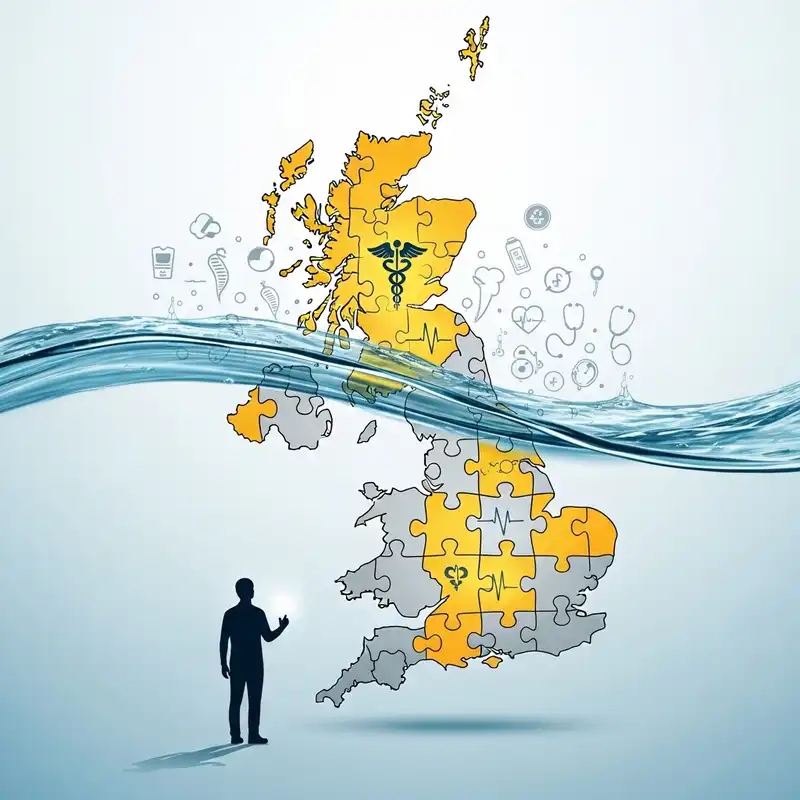
Navigating UK LCIIP: Which Insurers Excel for Your Regional Industry Powerhouses and Local Economic Sector?
UK LCIIP for Regional Industry Powerhouses: Which Insurers Excel for Your Local Economic Sector?
In the dynamic landscape of the UK’s economy, where regional industries drive significant growth and employment, safeguarding your financial future is paramount. For individuals working within these specialised sectors, a 'one-size-fits-all' approach to financial protection simply won't suffice. Life Insurance, Critical Illness Cover, and Income Protection (LCIIP) are not merely desirable – they are essential pillars of financial resilience. But how do you navigate the complex world of insurance to find the right coverage that genuinely understands the unique risks and demands of your specific industry?
This comprehensive guide delves deep into the nuances of LCIIP, exploring how different UK insurers cater to the varied needs of professionals across the nation's key regional industry powerhouses. We'll uncover how your occupation, the prevalent health risks in your sector, and even your regional economic environment can influence the type of cover you need and which insurer might best provide it.
Understanding the Pillars of Financial Protection: LCIIP Explained
Before we dissect the regional implications, let's establish a foundational understanding of what LCIIP encompasses and why each component is vital for securing your financial well-being.
Life Insurance: Protecting Those You Leave Behind
Life insurance provides a lump sum payment to your chosen beneficiaries if you pass away during the policy term. Its primary purpose is to provide financial security for your dependents, covering mortgages, living expenses, or education costs.
- Term Life Insurance: Covers you for a specified period (e.g., 20 years). If you die within this term, a payout is made. Policies can be level (payout remains constant), decreasing (payout reduces over time, often aligned with a repayment mortgage), or increasing (payout linked to inflation).
- Whole of Life Insurance: Guarantees a payout whenever you die, provided premiums are maintained. It's often more expensive due to the guaranteed payout.
Why it matters for regional industries: While life insurance is universally important, the sums assured might differ based on typical income levels and property values in a region. For example, a financial professional in London with a large mortgage might need a substantially higher sum assured than a factory worker in a lower cost-of-living area.
Critical Illness Cover: A Financial Lifeline During Health Crises
Critical Illness Cover (CIC) pays out a tax-free lump sum if you are diagnosed with a specified serious illness covered by the policy, such as certain types of cancer, heart attack, or stroke, and survive for a set period (often 14 or 28 days). This payout can be used to cover medical expenses, adapt your home, clear debts, or replace lost income.
Key considerations for CIC:
- Number of conditions covered: Insurers vary widely in the number and breadth of conditions they include. Some cover over 100, others far fewer.
- Definitions: The exact definitions of critical illnesses can differ significantly between providers. A more comprehensive definition means a higher chance of a successful claim.
- Partial payouts: Some policies offer partial payouts for less severe conditions, allowing you to claim and still maintain some cover.
Why it matters for regional industries: Certain industries, due to their nature, may expose workers to specific health risks. For instance, jobs with high physical demands might see higher rates of musculoskeletal conditions, while high-stress roles could lead to increased risks of heart conditions or mental health issues. A policy with strong, broad definitions for relevant conditions is crucial.
Income Protection: Safeguarding Your Earning Capacity
Income Protection (IP) pays out a regular, tax-free income if you're unable to work due to illness or injury. Unlike Critical Illness Cover, which provides a lump sum for specific conditions, IP covers a much broader range of health issues that prevent you from working, including mental health conditions, back problems, and stress.
Key features of IP:
- Benefit period: How long the income is paid for (e.g., 2 years, 5 years, or until retirement).
- Deferred period: The waiting period before payments start (e.g., 4 weeks, 13 weeks, 26 weeks). This should ideally align with your employer's sick pay policy.
- Proportion of income: Typically covers 50-70% of your gross income.
- Own occupation vs. suited occupation: "Own occupation" cover is generally preferred as it pays out if you can't do your specific job. "Suited occupation" or "any occupation" cover is less comprehensive.
Why it matters for regional industries: IP is arguably the most vital form of personal insurance for many, as your ability to earn an income is your most valuable asset. For those in physically demanding jobs, where an injury can immediately halt earnings, or in high-pressure roles where burnout is a risk, IP offers crucial peace of mind. The deferred period choice is particularly important for individuals in industries with varying sick pay policies, from generous corporate packages to statutory minimums.
The UK's Regional Economic Powerhouses and Their Unique Risk Profiles
The UK's economic landscape is a vibrant tapestry of regional specialisms, each with its own defining industries, employment patterns, and associated risks. Understanding these regional distinctions is key to selecting appropriate LCIIP.
1. London and the South East: Finance, Tech, and Professional Services
- Key Industries: Financial services, technology, media, creative industries, professional services, high-value manufacturing (e.g., aerospace in the South East).
- Typical Roles: Bankers, software developers, lawyers, consultants, marketing professionals, engineers.
- Associated Risks:
- High Stress & Burnout: Particularly prevalent in finance, law, and tech, leading to mental health conditions (anxiety, depression) and stress-related physical ailments (heart disease, hypertension).
- Sedentary Lifestyles: Increased risk of obesity, type 2 diabetes, and musculoskeletal issues from prolonged desk work.
- Long Working Hours: Can contribute to fatigue, poor dietary habits, and reduced physical activity.
- Income Protection Need: High, often needing long benefit periods due to high earning potential and lifestyle costs. "Own occupation" cover is paramount for highly specialised roles.
- Critical Illness Need: Strong definitions for mental health conditions, heart-related illnesses, and specific cancers linked to modern lifestyles.
2. The Midlands: Manufacturing, Automotive, and Logistics
- Key Industries: Advanced manufacturing (e.g., automotive in the West Midlands), engineering, logistics, food production.
- Typical Roles: Factory operatives, engineers, logistics managers, production line staff.
- Associated Risks:
- Physical Injury: Higher incidence of workplace accidents, slips, trips, falls, machinery-related injuries.
- Musculoskeletal Disorders (MSDs): Repetitive strain injuries, back problems from heavy lifting or sustained postures.
- Noise-Induced Hearing Loss: In noisy factory environments.
- Exposure to Chemicals/Fumes: Depending on the specific manufacturing process.
- Income Protection Need: Very high, as physical capability is directly linked to earning. Shorter deferred periods might be preferred if sick pay is minimal.
- Critical Illness Need: Broad cover for severe injuries, loss of limb, and strong definitions for conditions that could severely impact physical capability.
3. North West: Digital, Media, Life Sciences, and Advanced Manufacturing
- Key Industries: Digital and tech (Manchester, Liverpool), media (MediaCityUK), life sciences (Alderley Park), advanced manufacturing, logistics, tourism.
- Typical Roles: Software engineers, graphic designers, bio-scientists, TV producers, logistics planners, healthcare professionals.
- Associated Risks:
- Tech/Media: Similar to London (stress, sedentary issues).
- Life Sciences/Healthcare: Exposure to pathogens, shift work-related stress, burnout, specific occupational hazards depending on research or patient-facing roles.
- Manufacturing: Similar physical risks to the Midlands.
- LCIIP Needs: A blend – strong mental health provisions for tech/media, robust critical illness definitions for specific conditions in life sciences, and comprehensive income protection for all.
4. Scotland: Energy (Oil & Gas, Renewables), Financial Services, Food & Drink
- Key Industries: Energy (traditional oil & gas, rapidly growing renewables), financial services (Edinburgh), tourism, food & drink (whisky), life sciences.
- Typical Roles: Engineers (offshore, renewable), financial advisors, tourism operators, distillers, researchers.
- Associated Risks:
- Energy Sector: High-risk environments (offshore rigs), demanding shift patterns, isolation, physical hazards. Mental health challenges in remote/demanding roles.
- Financial Services: Similar to London.
- Food & Drink: Physical strain, potential exposure to specific allergens or chemicals.
- LCIIP Needs: Specialised underwriting for high-risk occupations in energy, comprehensive mental health support, and robust income protection.
5. South West: Aerospace, Tourism, Agriculture, Marine
- Key Industries: Aerospace (Bristol), tourism (Cornwall, Devon), agriculture, marine industries, defence.
- Typical Roles: Aerospace engineers, pilots, farmers, fishermen, tourism staff, military personnel.
- Associated Risks:
- Aerospace/Defence: Highly skilled but demanding roles, potential for complex health issues related to long careers, specific physical requirements.
- Agriculture/Marine: High risk of physical injury, exposure to weather elements, machinery accidents, zoonotic diseases.
- Tourism: Seasonal work, varied income, demanding customer service, potential for physical strain.
- LCIIP Needs: Income protection crucial for seasonal or physically demanding agricultural/marine roles. Critical illness cover with broad definitions, especially for injuries or specific occupational diseases.
These regional snapshots highlight that occupational risk is not a flat scale but a multi-faceted assessment influenced by the environment, specific tasks, and lifestyle demands inherent to an industry.
How Insurers Underwrite for Your Industry and Occupation
Insurers don't simply assess you as an individual; they also evaluate the inherent risks associated with your occupation and industry. This underwriting process determines your eligibility, premiums, and sometimes the specific terms of your policy.
1. Occupational Risk Classification
Insurers classify occupations into risk categories, typically ranging from low to high.
- Low Risk (Class 1/Office Based): Primarily desk-based, minimal physical risk (e.g., accountant, graphic designer, solicitor).
- Medium Risk (Class 2/Light Manual): Some manual work, but not heavy or hazardous (e.g., teacher, retail manager, light vehicle driver).
- High Risk (Class 3/Manual/Skilled Trades): Regular manual work, use of machinery, work at heights or in hazardous environments (e.g., carpenter, electrician, nurse, chef).
- Very High Risk (Class 4/Hazardous): Significant inherent risks, often involving dangerous machinery, extreme environments, or specific hazardous substances (e.g., offshore oil rig worker, deep-sea fisherman, demolition worker, pilot).
Your classification directly impacts your Income Protection premiums, as the likelihood of you needing to claim due to injury or illness related to your job is higher in riskier occupations. Critical Illness and Life insurance might also see loading (increased premiums) or exclusions for very high-risk jobs if the risk of death or critical illness is directly elevated by the occupation.
2. Health Risk Assessment
Beyond your job, insurers assess your personal health profile:
- Medical History: Pre-existing conditions, past illnesses, surgeries.
- Lifestyle Factors: Smoking, alcohol consumption, Body Mass Index (BMI), hazardous hobbies (e.g., mountaineering, skydiving).
- Family Medical History: Certain hereditary conditions.
A comprehensive health assessment allows insurers to tailor premiums and terms. For example, a heavy smoker might pay significantly more for life insurance, or a factory worker with a history of back problems might face exclusions for future back-related IP claims.
3. Financial Underwriting
For Income Protection, insurers also consider your income to ensure the cover is appropriate and you're not over-insured (which could create a disincentive to return to work). They'll typically offer a percentage of your gross income, often capped at a certain amount, and may require proof of earnings.
Impact on Premiums and Terms:
- Higher Risk = Higher Premiums: This is the most direct correlation.
- Exclusions: An insurer might offer cover but exclude claims arising from a specific pre-existing condition or a hazardous occupational activity.
- Deferred Periods: For IP, some insurers may recommend longer deferred periods for certain occupations or offer more competitive premiums for them.
- Availability: In rare cases, for extremely high-risk occupations or individuals with very complex health histories, some insurers might decline to offer cover or offer it on highly restrictive terms.
UK Insurers: Who Excels for Which Regional Sector?
Identifying which insurer "excels" is less about a published list and more about understanding their underwriting philosophy, claims track record, policy features, and appetite for different risks. There isn't one single "best" insurer; the best choice is always the one that fits your specific needs, industry, and health profile. However, we can highlight general strengths and approaches.
Here's a look at some major UK LCIIP providers and their typical strengths that might appeal to different regional industries:
| Insurer | General Market Positioning / Strengths | Potential Suitability for (Examples) |
|---|---|---|
| Aviva | Large, established insurer with a broad product range. Known for competitive pricing on standard risks, good value-added benefits (e.g., Aviva DigiCare+ for mental health, physiotherapy), and relatively straightforward underwriting. Often good for critical illness definitions. | London/South East (Professional Services): Competitive pricing for office-based roles, strong digital health benefits. Midlands/North West (Light Manufacturing): Good for standard risks, broad CI. |
| Legal & General | One of the UK's largest insurers. Offers very competitive premiums, especially for life insurance and straightforward critical illness cases. Known for clear, well-defined policies. Good for basic, comprehensive cover. | All Regions (General Workforce): Excellent for those seeking cost-effective, robust basic cover. Particularly strong for mortgage protection in all sectors. |
| Royal London | Largest mutual insurer. Known for excellent customer service, competitive pricing, and strong critical illness definitions that often include more conditions and clearer definitions. Good for slightly more complex health histories and offering added value for members. | North West/Scotland (Life Sciences/Complex Roles): Strong CI definitions for varied conditions. Midlands (Skilled Trades): Good service, potentially more flexible underwriting for specific manual roles. |
| Vitality | Unique model focused on promoting healthy living. Offers discounts and rewards for engaging with health activities. Can be very cost-effective for health-conscious individuals, but premiums can increase if engagement drops. Excellent added benefits including mental health support. | London/South East (Tech/Finance): Appeals to health-conscious professionals. All Regions (Any Industry): For those committed to wellness, excellent value for money with extensive benefits (e.g., discounted gym, health checks). |
| AIG Life | Strong reputation for comprehensive critical illness cover and flexible income protection. Known for potentially accommodating more complex health cases or specific occupations, often through robust underwriting. Good for rehabilitation support. | South West (Aerospace/Defence, Agriculture): Robust IP, good for specific occupational risks. Midlands (Advanced Manufacturing): Comprehensive CI & IP for skilled manual roles. |
| Zurich | Comprehensive range of products with competitive pricing for life and critical illness. Strong focus on digital services and efficient claims processes. Offers solid core benefits and often includes value-added services. | All Regions (Modern Workforce): Good for those who value digital interaction and efficient service. North West (Digital/Media): Suits tech-savvy individuals. |
| LV= (Liverpool Victoria) | A well-regarded mutual insurer with a focus on customer service. Offers comprehensive income protection policies with competitive features, often including strong rehabilitation benefits. Can be flexible for certain manual occupations. | Midlands/North East (Manufacturing/Skilled Trades): Good IP options with rehabilitation. South West (Agriculture/Marine): Strong IP for physically demanding roles. |
| Scottish Widows | Part of Lloyds Banking Group, offers a solid range of LCIIP products. Often competitive for bundled policies (e.g., life and CI together). Good for those who prefer to deal with a well-known banking brand. | All Regions (General Public/Banking Customers): A reliable choice for straightforward cover, especially for those already banking with Lloyds or Halifax. |
Important Considerations for Your Industry:
- Critical Illness Definitions: For industries with specific health risks (e.g., exposure to chemicals, high stress), scrutinise the definitions for conditions like specific cancers, respiratory illnesses, and heart conditions. Some insurers have broader or more modern definitions than others.
- Income Protection Occupation Classes: Insurers have different classification systems for occupations. A manual role that one insurer classifies as "high risk" might be "medium risk" with another, significantly impacting your IP premium. Some are more flexible for part-time work or fluctuating incomes common in certain sectors (e.g., creative industries, tourism).
- Value-Added Services: Many insurers now offer services like virtual GP appointments, mental health support lines, second medical opinions, and rehabilitation programmes. These can be incredibly valuable, especially for industries where access to rapid healthcare or mental health support is crucial for returning to work. For instance, Vitality and Aviva are strong in this area.
- Claims History and Support: While difficult to quantify for specific industries, a provider's overall claims payout rate and reputation for compassionate claims handling are vital. The ABI publishes industry-wide claims statistics, showing high payout rates generally, but individual insurer experiences can vary.
- Underwriting Flexibility: For individuals with complex medical histories or unusual occupations (common in niche regional industries), some insurers are known for more flexible or bespoke underwriting. AIG and Royal London often receive positive feedback in this regard.
Tailoring LCIIP for Your Industry: A Strategic Approach
Choosing the right LCIIP isn't just about picking a reputable insurer; it's about strategically aligning your coverage with your specific industry risks, financial needs, and future aspirations.
1. Assess Your Industry-Specific Risks
- Occupational Hazards: Are you exposed to machinery, chemicals, extreme temperatures, or biological agents? Do you work at heights, in confined spaces, or with hazardous materials? (Relevant for manufacturing, agriculture, energy, construction).
- Physical Demands: Does your job involve heavy lifting, repetitive movements, prolonged standing, or demanding physical exertion? (Relevant for manufacturing, logistics, healthcare, agriculture).
- Mental & Emotional Strain: Is your role high-pressure, emotionally draining, or does it involve significant responsibility, long hours, or tight deadlines? (Relevant for finance, tech, healthcare, law enforcement).
- Travel & International Exposure: Does your job require frequent travel, especially to high-risk areas? (Relevant for international business, offshore energy).
- Income Stability: Is your income seasonal, commission-based, or subject to industry downturns? (Relevant for tourism, sales, some creative industries).
Example: A software engineer in Manchester might prioritise comprehensive mental health support from their critical illness policy and a generous income protection policy that covers "own occupation" to reflect their highly specialised skill set. Conversely, a factory worker in Birmingham might focus on robust income protection with a short deferred period and critical illness cover that includes specific injury benefits or broader physical disability definitions.
2. Match Policy Features to Your Needs
- Critical Illness Definitions: Look for policies with broad, up-to-date definitions. If you're in an industry with specific cancer risks, ensure the policy covers all stages and types relevant to you. If stress-related conditions are a risk, check mental health coverage.
- Income Protection "Own Occupation" Clause: For highly skilled, specialised roles (common in finance, tech, advanced manufacturing), "own occupation" is paramount. It ensures you're covered if you can't perform your specific job, not just any job.
- Deferred Period: Align this with your employer's sick pay policy. If you have 3 months of full sick pay, a 13-week deferred period for IP makes sense. If your sick pay is minimal, a 4-week deferred period might be more appropriate, albeit more expensive.
- Benefit Period: For most, choosing cover until retirement age is ideal for income protection, offering long-term security.
- Indexation: Consider having your cover index-linked to inflation (e.g., RPI or CPI) to ensure the payout retains its real value over time. This is especially important for long-term policies.
3. Consider Value-Added Benefits
Many insurers offer complementary services that can be highly beneficial, especially for professionals managing demanding careers:
- Virtual GP services: Quick access to medical advice.
- Mental health support: Helplines, counselling sessions, digital therapy.
- Physiotherapy: Access to treatment for musculoskeletal issues common in manual roles.
- Second medical opinions: Provides peace of mind and potentially different treatment paths.
- Rehabilitation services: Helps facilitate a quicker and safer return to work after illness or injury.
These benefits can be particularly valuable for industries where time is money, or where access to specialist care is crucial for maintaining productivity.
The Indispensable Role of a Specialist Broker
Navigating the complex world of LCIIP, especially when factoring in the specific nuances of your regional industry, can be overwhelming. This is where the expertise of a specialist insurance broker becomes invaluable.
At WeCovr, we understand that every individual's situation is unique, and a generic policy rarely offers the optimal protection. Our role is to act as your expert guide, helping you cut through the jargon and compare the vast array of options available from the entire UK market.
How WeCovr Helps You Find the Best LCIIP for Your Industry:
- In-Depth Needs Analysis: We take the time to understand your specific occupation, industry, personal circumstances, existing benefits (e.g., employer sick pay), and financial goals. This allows us to accurately assess your unique risk profile.
- Market-Wide Comparison: We have access to policies from all major UK insurers and many specialist providers. We don't push one product; instead, we objectively compare features, definitions, exclusions, and pricing across the market.
- Expert Underwriting Insight: We know which insurers are typically more flexible for certain occupations, medical conditions, or lifestyle factors. For instance, if you're a high-risk offshore worker, we know which providers are more likely to offer cover and on what terms, saving you time and potential rejections.
- Optimising for Your Industry: We can highlight which insurers have superior Critical Illness definitions for conditions prevalent in your sector, or which Income Protection policies offer the 'own occupation' definition critical for your specialised role.
- Simplifying Complexities: We translate complex policy wordings into clear, understandable language, ensuring you fully grasp what you're covered for and any limitations.
- Claims Support: While we help you secure the policy, we are also often able to provide guidance and support should you ever need to make a claim.
- Ongoing Review: Your circumstances and industry landscape can change. We recommend periodic reviews to ensure your cover remains adequate and appropriate as your life and career evolve.
When you compare policies with us, you gain not just access to a wide range of products, but also the peace of mind that comes from expert, tailored advice. Let WeCovr help you secure the right LCIIP cover that truly protects your future in your chosen industry.
Future Trends and Your LCIIP
The world of work is constantly evolving, and so too are the risks associated with different industries. Staying abreast of these trends can help you make informed decisions about your LCIIP.
- Automation and AI: While not an immediate LCIIP risk, automation could reshape industries, potentially leading to new job roles with different risk profiles or even job displacement. Your IP might need to be flexible to accommodate career changes.
- Mental Health Awareness: Increased recognition of mental health conditions means insurers are enhancing their support services and, in some cases, broadening definitions within critical illness policies. This is particularly relevant for high-stress industries.
- Long-Term Conditions: The rise in prevalence of certain long-term conditions (e.g., diabetes, obesity) and conditions like 'Long COVID' means robust income protection and critical illness cover become even more crucial.
- Wearable Technology & Data: While still nascent, the potential for wearable tech data to influence insurance premiums (e.g., like Vitality's model) could become more widespread, rewarding those who actively manage their health.
- Environmental Factors: For certain regional industries (e.g., agriculture, energy), climate change and environmental regulations may introduce new occupational risks or reshape the industry, requiring adaptive insurance solutions.
Regularly reviewing your LCIIP with a specialist broker ensures your coverage keeps pace with these evolving trends and your changing personal circumstances.
Conclusion: Tailored Protection for a Resilient Future
The UK's regional industry powerhouses are the engine of its economy, employing millions in diverse and often highly specialised roles. While the drive and innovation of these sectors are undeniable, they also come with unique challenges and risks that demand equally unique financial protection.
Generic LCIIP may offer some comfort, but truly effective protection comes from cover meticulously tailored to your occupation, your industry's specific hazards, and your personal circumstances. Understanding how different insurers underwrite risk, what features they offer, and where their strengths lie is paramount.
From the high-pressure environments of London's financial district to the physically demanding roles in the Midlands' manufacturing hubs, and the specialised work in Scotland's energy sector, your choice of LCIIP provider matters. Don't leave your financial future to chance. Engage with a specialist broker like WeCovr who possesses the market expertise and industry insight to guide you towards the most suitable and comprehensive LCIIP solutions for your unique professional journey. Your peace of mind, and the security of your loved ones, depend on it.
Why life insurance and how does it work?
What is Life Insurance?
Life insurance is an insurance policy that can provide financial support for your loved ones when you or your joint policy holder passes away. It can help clear any outstanding debts, such as a mortgage, and cover your family's living and other expenses such costs of education, so your family can continue to pay bills and living expenses. In addition to life insurance, insurance providers offer related products such as income protection and critical illness, which we will touch upon below.How does it work?
Life insurance pays out if you die. The payout can be in the form of a lump sum payment or can be paid as a replacement for a regular income. It's your decision how much cover you'd like to take based on your financial resources and how much you'd like to leave to your family to help them deal with any outstanding debts and living expenses. Your premium depends on a number of factors, including your occupation, health and other criteria.The payout amount can change over time or can be fixed. A level term or whole of life policy offers a fixed payout. A decreasing term policy offers a payout that decreases over the term of the cover.
With critical illness policies, a payout is made if you’re diagnosed with a terminal illness with a remaining life expectancy of less than 12 months. While income protection policies ensure you can continue to meet your financial commitments if you are forced to take an extended break from work. If you can’t work because you’ve had an accident, fallen sick, or lost your job through no fault of your own, income protection insurance pays you an agreed portion of your salary each month.
Income protection is particularly helpful for people in dangerous occupations who want to be sure their mortgage will always be covered. Income protection only covers events beyond your control: you’re much less likely to be covered if you’re fired from your job or if you injure yourself deliberately.
Questions to ask yourself regarding life insurance
Just ask yourself:👉 Who would pay your mortgage or rent if you were to pass away or fall seriously ill?
👉 Who would pay for your family’s food, clothing, study fees or lifestyle?
👉 Who would provide for the costs of your funeral or clear your debts?
👉 Who would pay for your costs if you're unable to work due to serious illness or disability?
Many families don’t realise that life, income protection and critical illness insurance is one of the most effective ways to protect their finances. A great insurance policy can cover costs, protect a family from inheriting debts and even pay off a mortgage.
Many would think that the costs for all the benefits provided by life insurance, income protection insurance or critical illness insurance are too high, but the great news is in the current market policies are actually very inexpensive.
Benefits offered by income protection, life and critical illness insurance
Life insurance, income protection and critical illness insurance are indispensable for every family because a child loses a parent every 22 minutes in the UK, while every single day tragically 60 people suffer major injuries on the UK roads. Some people become unable to work because of sickness or disability.Life insurance cover pays out a lump sum to your family, loved ones or whomever you choose to get the money. This can be used to secure the financial future of your loved ones meaning they would not have to struggle financially in the event of your death.
If it's a critical illness cover, the payout happens sooner - upon diagnosis of a serious illness, disability or medical condition, easing the financial hardship such an event inevitably brings.
Income protection insurance can be very important for anyone who relies on a pay check to cover their living costs, but it's especially important if you’re self-employed or own a small business, where your employment and income is a bit less stable. It pays a regular income if you can't work because of sickness or disability and continues until you return to paid work or you retire.
In a world where 1 in 4 of us would struggle financially after just four weeks without work, the stark reality hits hard – a mere 7% of UK adults possess the vital shield of income protection. The urgency of safeguarding our financial well-being has never been more palpable.
Let's face it – relying on savings isn't a solution for everyone. Almost 25% of people have no savings at all, and a whopping 50% have £1,000 or less tucked away. Even more concerning, 51% of Brits – that's a huge 27 million people – wouldn't last more than one month living off their savings. That's a 10% increase from 2022.
And don't even think about state benefits being a safety net. The maximum you can expect from statutory sick pay is a mere £109.40 per week for up to 28 weeks. Not exactly a financial lifeline, right?
Now, let's tackle a common objection: "But I have critical illness insurance. I don't need income protection too." Here's the deal – the two policies apply to very different situations. In a nutshell:
- Critical illness insurance pays a single lump sum if you're diagnosed with or undergo surgery for a specified potentially life-threatening illness. It's great for handling big one-off expenses or debts.
- Income protection, on the other hand, pays a percentage of your salary as a regular payment if you can't work due to illness or injury. It's the superhero that tackles those relentless monthly bills.
Types of life insurance policies
Common reasons for getting a life insurance policy are to:✅ Leave behind an amount of money to keep your family comfortable
✅ Protect the family home and pay off the mortgage in full or in part
✅ Pay for funeral costs
Starting from as little as a couple of pounds per week, you can do all that with a Life Policy.
Level Term Life Insurance
One of the simplest forms of life insurance, level term life insurance works by selecting a length of time for which you would want to be covered and then deciding how much you would like your loved ones to receive should the worst happen. Should your life insurance policy pay out to your family, it would be in a lump sum amount that can be used in whatever way the beneficiary may wish.
Decreasing Term Life Insurance
Decreasing term life insurance works in the same way as level term, except the lump sum payment amount upon death decreases with time. The common use for decreasing term life cover is to protect against mortgage repayment as the lump sum decreases along with the principal of the mortgage itself.
Increasing Term Life Insurance
Increasing term life insurance aims to pay out a cash sum growing each year if the worst happens while covered by the policy. With increasing term life cover amount insured increases annually by a fixed amount for the length of the policy. This can protect your policy's value against inflation, which could be advantageous if you’re looking to maintain your loved ones’ living standards, continue paying off your mortgage in line with its repayment schedule and cover your children’s education fees.
Whole of Life Insurance
Whereas term life insurance policies only pay out if you pass away during their term, whole of life insurance pays out to your beneficiaries whenever this should happen. The most common uses for whole life insurance are to cover the costs of a funeral or as a vehicle for your family's inheritance tax planning.
Family Income Benefit
Family income benefit is a somewhat lesser-known product in the family of life insurance products. Paying out a set amount every month of year to your beneficiaries, it is the most cost-effective way of maintaining your family's living standards to an age where you'd expect them to be able to support themselves financially. The most common use would be for a family with children who are not working yet so are unable to take care of themselves financially.
Relevant Life Insurance
Relevant Life Insurance is a tax-efficient policy for a director or single employee. A simple level term life insurance product, it is placed in a specific trust to ensure its tax efficiency. The premiums are tax deductible and any benefit payable should a claim arise is also paid out tax free, which makes it an attractive product for entrepreneurs and their businesses.
Important Fact!
We can look at a more suitable option mid-term!
Why is it important to get life insurance early?
👉 Many people are very thankful that they had their life, income protection, and critical illness insurance cover in place before running into some serious issues. Critical illness and income protection insurance is as important as life insurance for protecting your family's finances.👉 We insure our cars, houses, bicycles and even bags! Yet our life and health are the most precious things we have.
Easily one of the most important insurance purchases an individual or family can make in their lifetime, the decision to buy life, income protection, critical illness and private medical health insurance can be made much simpler with the help of FCA-authorised advisers. They are the specialists who do the searching and analysis helping people choose between various types of life insurance policies available in the market, including income protection, critical illness and other types of policies most suitable to the client's individual circumstances.
It certainly won't do any harm if you speak with one of our experienced FCA-authorised insurance partner experts who are passionate about advising people on financial matters related to life insurance and are keen to provide you with a free consultation.
You can discuss with them in detail what affordable life, income protection, critical illness or private medical health insurance plan for the necessary peace of mind they would recommend! WeCovr works with some of the best advisers in the market.
By tapping the button below, you can book a free call with them in less than 30 seconds right now:
Our Group Is Proud To Have Issued 800,000+ Policies!
We've established collaboration agreements with leading insurance groups to create tailored coverage
























How It Works
1. Complete a brief form

2. Our experts analyse your information and find you best quotes

3. Enjoy your protection!

Any questions?
Learn more

Who Are WeCovr?
WeCovr is an insurance specialist for people valuing their peace of mind and a great service.👍 WeCovr will help you get your private medical insurance, life insurance, critical illness insurance and others in no time thanks to our wonderful super-friendly experts ready to assist you every step of the way.
Just a quick and simple form and an easy conversation with one of our experts and your valuable insurance policy is in place for that needed peace of mind!