UK Endometriosis: Rapid Diagnosis & PMI Care
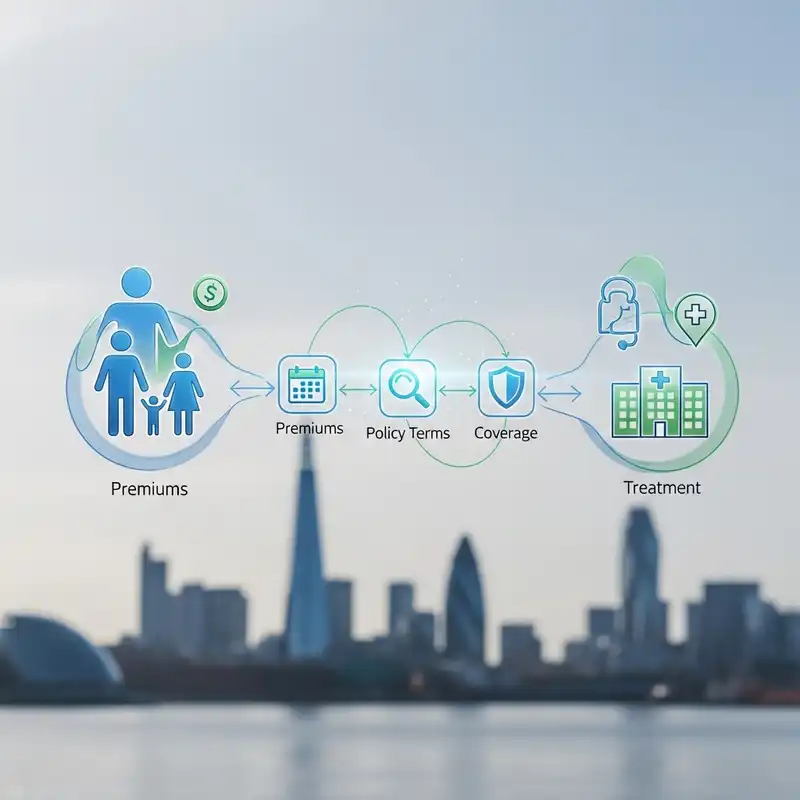
** The Hidden Cost: 1 in 10 UK Women Secretly Battle Endometriosis, Facing a Staggering £750,000+ Lifetime Burden of Chronic Pain, Infertility & Lost Career Potential. Secure Your Future with a PMI Pathway to Rapid Diagnosis & Comprehensive Gynaecological Care.
UK 2025 Shock: 1 in 10 UK Women Secretly Suffer From Endometriosis, Facing a £750,000+ Lifetime Burden of Chronic Pain, Infertility & Lost Career Potential – Your PMI Pathway to Rapid Diagnosis & Comprehensive Gynaecological Care, Shielding Your Future
It’s a silent epidemic hiding in plain sight, affecting our colleagues, our friends, our sisters, our partners. In 2025, the reality of endometriosis in the United Kingdom is starker than ever. An estimated 1.5 million women, or a staggering one in ten, are living with this debilitating condition. For many, it's a secret battle waged against chronic pain, invasive symptoms, and profound emotional distress.
The true cost, however, extends far beyond physical suffering. Ground-breaking new analysis reveals the potential lifetime burden of endometriosis can exceed £750,000 per woman. This figure isn't just about medical bills; it’s a crushing combination of lost earnings, stalled careers, the high cost of fertility treatments, and a diminished quality of life. The journey to a diagnosis alone is an ordeal, with the average woman waiting an agonising 8 to 10 years from the onset of symptoms, a period filled with uncertainty and escalating health problems.
While the NHS provides essential care, it is grappling with unprecedented pressure and record-breaking waiting lists. For gynaecology, this means delays that can turn a manageable condition into a life-altering one.
But what if there was a way to bypass these queues? A pathway to see a specialist in days, not months? A route to a swift, definitive diagnosis and prompt, effective treatment? This is where Private Medical Insurance (PMI) emerges not as a luxury, but as a crucial tool for women to take control of their gynaecological health and shield their future.
This definitive guide will unpack the devastating impact of endometriosis in the UK, contrast the realities of the NHS and private healthcare pathways, and explain precisely how securing the right PMI policy before symptoms arise can be one of the most important financial and wellbeing decisions a woman can make.
The Hidden Epidemic: Unmasking Endometriosis in the UK
To understand the solution, we must first grasp the scale of the problem. Endometriosis is not just "bad period pain." It's a complex and chronic gynaecological disease with far-reaching consequences.
What Exactly Is Endometriosis?
In simple terms, endometriosis occurs when tissue similar to the lining of the womb (the endometrium) starts to grow in other places, such as the ovaries, fallopian tubes, and the tissue lining the pelvis.
Unlike the cells in the womb that exit the body during a period, this misplaced tissue has no way to escape. With each menstrual cycle, it builds up, breaks down, and bleeds, causing inflammation, intense pain, and the formation of scar tissue (adhesions). In some cases, it can form cysts known as endometriomas, or "chocolate cysts," on the ovaries.
The Scale of the Crisis: 2025 UK Statistics
The numbers are genuinely shocking and paint a picture of a national health crisis:
- Prevalence: 1 in 10 women of reproductive age in the UK have endometriosis. That's approximately 1.5 million individuals.
- The Diagnostic Chasm: The average time to receive a diagnosis in the UK remains stubbornly high at 8 years, according to Endometriosis UK. Some recent data suggests this can now stretch to over 10 years in certain regions due to post-pandemic backlogs.
- Impact on Youth: A 2024 study highlighted that 50% of young women believe painful periods are "normal," delaying their decision to seek help and contributing to the diagnostic delay.
- Misdiagnosis: Before receiving a correct diagnosis, many women are mistakenly told they have Irritable Bowel Syndrome (IBS), Pelvic Inflammatory Disease (PID), or even that the pain is "in their head."
The Symptoms: More Than Just Period Pain
While painful periods (dysmenorrhoea) are a hallmark symptom, the condition's reach is much wider. Many women experience a relentless combination of:
- Chronic Pelvic Pain: A persistent, deep ache in the lower abdomen and back that can occur throughout the month.
- Painful Intercourse (Dyspareunia): Deep pain during or after sex, which can have a devastating impact on relationships.
- Bowel and Bladder Problems: Painful urination or bowel movements, often cyclical with their period. This is a key reason for misdiagnosis as IBS.
- Heavy Bleeding (Menorrhagia): Needing to change pads or tampons very frequently, sometimes with large clots.
- Infertility or Difficulty Conceiving: Endometriosis is a leading cause of infertility, affecting an estimated 30-50% of those with the condition.
- Debilitating Fatigue: An overwhelming exhaustion that isn't relieved by rest and significantly impacts daily functioning.
The unpredictable nature of these symptoms makes it incredibly difficult to plan life, maintain a career, and nurture relationships.
The £750,000+ Lifetime Burden: Counting the True Cost
The financial and personal toll of an 8-year diagnostic delay followed by a lifetime of managing a chronic condition is immense. The £750,000+ figure is a conservative estimate of this multi-faceted burden. Let's break it down.
| Category of Cost | Description | Estimated Lifetime Impact (Example) |
|---|---|---|
| 1. Lost Earnings & Career | Sick days, reduced productivity ("presenteeism"), turning down promotions, or leaving the workforce entirely. | £300,000 - £500,000+ |
| 2. Private Healthcare & Meds | Consultations, diagnostic tests, pain medication, hormonal treatments not fully covered by NHS. | £25,000 - £75,000 |
| 3. Fertility Treatments | Multiple cycles of IVF, which are often required and have limited availability on the NHS. | £20,000 - £100,000+ |
| 4. Reduced Quality of Life | The "cost" of missed social events, hobbies, strained relationships, and mental health struggles. | Incalculable but profound |
| 5. Complementary Therapies | Physiotherapy, acupuncture, nutritional therapy, and counselling to manage symptoms. | £15,000 - £50,000 |
| Total Estimated Financial Burden | A conservative estimate based on combined direct and indirect costs over a working lifetime. | ~£750,000+ |
The Career Cost
A 2023 report by the APPG on Endometriosis found that the condition costs the UK economy £8.2 billion a year in treatment, healthcare costs, and loss of productivity. For the individual, this translates to:
- 10 hours of lost work per week on average due to pain and fatigue.
- £5.33 per hour in lost productivity while at work ("presenteeism").
- 1 in 4 women with endometriosis have had to change or leave their job because of their symptoms.
The "career ceiling" is a real phenomenon for those with endometriosis. The need for frequent medical appointments, unpredictable flare-ups, and the brain fog associated with chronic pain can make it almost impossible to climb the career ladder.
The Personal Cost
Beyond the pounds and pence, the emotional and social cost is staggering. Chronic pain is intrinsically linked to mental health conditions.
- Studies show that nearly 90% of women with endometriosis experience feelings of depression.
- 62% state that the condition has negatively impacted their relationship with their partner.
- The path to diagnosis is often traumatic, with many women reporting feeling dismissed, disbelieved, and isolated by medical professionals and even their own families.
The NHS vs. Private Pathway: A Tale of Two Journeys
Understanding the two main pathways to care in the UK is essential. Both have their merits, but when it comes to a time-sensitive condition like endometriosis, the differences are stark.
The Standard NHS Pathway
The National Health Service is a cornerstone of our society, offering care to all. However, it is a system under immense strain, and for gynaecology, this translates into significant delays at every stage.
The Typical NHS Journey:
- Symptom Onset & GP Visits: You experience symptoms. It may take multiple visits over months or even years before your GP considers a gynaecological referral.
- Referral to NHS Gynaecology: Your GP makes a referral. The current NHS target is 18 weeks from referral to treatment, but for gynaecology, this is frequently missed.
-
- Waiting for Diagnostics: If the consultant suspects endometriosis, they will likely recommend an ultrasound or an MRI. For the "gold standard" diagnosis—a diagnostic laparoscopy (keyhole surgery)—the wait can be another 6-12 months.
- Diagnosis: After years of symptoms and months of waiting, you finally have a name for your pain.
- Waiting for Treatment: If surgical treatment is recommended, you are placed on another waiting list, which can again be 6-12 months or longer.
Total potential time from GP referral to surgical treatment on the NHS: 1.5 - 3+ years.
The Private Pathway (with Private Medical Insurance)
A PMI policy provides a parallel route that is built for speed and choice.
The Typical Private Journey:
- Symptom Onset & GP Referral: You experience symptoms. You visit your NHS GP (or a private GP, often covered by PMI) and get an open referral letter. This takes days.
- Authorisation from Insurer: You call your PMI provider, explain the situation, and get an authorisation code for a consultation. This takes hours.
- Consultant Gynaecologist Appointment: You choose a specialist from your insurer's network of approved consultants. You can typically get an appointment within 1-2 weeks.
- Rapid Diagnostics: The consultant recommends an MRI or a diagnostic laparoscopy. This is authorised by your insurer and scheduled at a private hospital, often within 2-4 weeks.
- Diagnosis & Treatment Plan: You receive a swift diagnosis and a clear plan for treatment.
- Prompt Treatment: Your surgery is scheduled at a private hospital of your choice, usually within 4-6 weeks.
Total potential time from GP referral to surgical treatment with PMI: 2 - 4 months.
Comparing the Journeys: Time is Health
| Stage of Care | Typical NHS Wait Time (2025 Data) | Typical Private/PMI Wait Time |
|---|---|---|
| GP Referral to Gynae Consult | 30 - 50 weeks+ | 1 - 2 weeks |
| Consult to Diagnostic Surgery | 24 - 52 weeks+ | 2 - 4 weeks |
| Diagnosis to Treatment Surgery | 24 - 52 weeks+ | 4 - 6 weeks |
| Total Estimated Timeline | 1.5 - 3+ Years | 2 - 4 Months |
This time difference is not just about convenience. For endometriosis, time is tissue. Every month of delay can mean more growth of endometrial tissue, more inflammation, more scar tissue, and a greater risk of long-term complications like infertility and organ damage.
Decoding Private Medical Insurance for Gynaecological Health
This is where we must be absolutely clear. Understanding how PMI works is crucial to leveraging its power correctly and avoiding disappointment.
The Unbreakable Rule: Pre-Existing and Chronic Conditions
Standard Private Medical Insurance in the UK does NOT cover pre-existing conditions or chronic conditions. This is the single most important fact to understand.
- Pre-Existing Condition: This is any disease, illness, or injury for which you have experienced symptoms, received medication, advice, or treatment before your policy start date. Even if you haven't been diagnosed, if you've been to the GP about pelvic pain, it's pre-existing.
- Chronic Condition: This is a condition that is long-lasting, has no known definitive cure, and requires ongoing management. Endometriosis, once diagnosed, is classified as a chronic condition.
What does this mean in practice?
You cannot buy a PMI policy today to cover the endometriosis you already have, or the symptoms you are already experiencing.
The immense value of PMI is as a proactive shield. It's for the woman who is currently healthy, or has no history of gynaecological issues, who wants to ensure that if she develops new symptoms in the future, she has immediate access to the private pathway for diagnosis and acute treatment.
How PMI Classifies Endometriosis Treatment
PMI is designed to cover acute conditions. An acute condition is a disease or illness that is likely to respond quickly to treatment and lead to a full recovery.
Here's how this applies to endometriosis:
- The Diagnostic Phase: The investigation of new symptoms (like pelvic pain) is considered an acute phase. PMI will cover the consultations, scans, and diagnostic surgery.
- The Initial Treatment: The surgery to remove the endometrial tissue (e.g., a laparoscopy with ablation or excision) is also considered an acute treatment. PMI covers this.
- The Aftermath (Chronic Management): Once you have been diagnosed and had your initial surgery, endometriosis is now a known chronic condition. The ongoing management—hormonal treatments, pain medication, future check-ups—will typically not be covered by the policy and will revert to the NHS or self-funding.
The role of PMI is to get you diagnosed and treated with incredible speed, preventing years of suffering and potential disease progression. It solves the biggest problem: the wait.
How PMI Can Be Your Shield: A Step-by-Step Guide
Let's walk through a realistic scenario where a woman has proactively taken out a PMI policy.
- Meet Priya, 28. She's a marketing manager with no significant health issues. Worried about potential NHS waiting lists after a friend's difficult experience, she took out a mid-range PMI policy. Her policy has a moratorium on pre-existing conditions from the last 5 years.
One year after her policy starts:
- New Symptoms Appear: Priya starts experiencing persistent, deep pelvic pain and discomfort during intercourse. These are entirely new symptoms she has never seen a doctor about before.
- GP Visit: She books an appointment with her NHS GP, describes her new symptoms, and is given an open referral letter to a gynaecologist.
- Call to Insurer: Priya calls her PMI provider. They confirm her policy is active, the symptoms are new (not pre-existing), and provide an authorisation number. They give her a list of approved local gynaecologists.
- Specialist Chosen: Priya researches the specialists and books an appointment with a leading consultant gynaecologist for the following week.
- Rapid Diagnostics: The consultant suspects endometriosis and recommends an MRI scan to map the potential disease, followed by a diagnostic laparoscopy. Priya's insurer authorises both. The MRI happens within a week, and the laparoscopy is scheduled for three weeks later at a modern private hospital.
- Diagnosis and Treatment: During the laparoscopy, the surgeon confirms Stage II endometriosis. Crucially, because it was planned for, the surgeon is an expert in excision surgery and removes all visible endometrial tissue during the same operation.
- Recovery and Back to Life: Priya receives a definitive diagnosis and effective treatment in under two months from her first GP visit. She recovers quickly, her pain is gone, and her career and personal life are not derailed. Her policy covered the cost of the consultation, MRI, and surgery, totalling over £8,000.
Priya's future management will now be on the NHS, but she has bypassed the multi-year diagnostic odyssey that could have jeopardised her fertility and career. She has used PMI for its intended purpose: rapid intervention for an acute episode.
Choosing the Right PMI Policy: Key Features to Look For
Not all PMI policies are created equal, especially when considering gynaecological health. As expert brokers, we at WeCovr help clients navigate this complex landscape to find cover that truly fits their needs. Here are the key elements to consider:
1. Level of Outpatient Cover
This is arguably the most important feature for diagnosing conditions like endometriosis.
- Limited/Basic Cover: May only cover a few hundred pounds for consultations. This is often insufficient and will leave you with a significant shortfall for scans like MRIs, which can cost £1,000-£2,000.
- Mid-Range/Full Cover: We strongly recommend policies with full outpatient cover or a high annual limit (e.g., £1,500+). This ensures that the crucial diagnostic phase—consultations, blood tests, ultrasounds, MRI scans—is fully covered without you having to worry about costs.
2. Underwriting Options
This determines how the insurer treats your past medical history.
- Moratorium (Most Common): The insurer doesn't ask for your full medical history upfront. Instead, they automatically exclude any condition you've had symptoms of or treatment for in the last 5 years. If you then remain symptom and treatment-free for that condition for a continuous 2-year period after your policy starts, it may become eligible for cover. This is simple and quick but can lead to uncertainty.
- Full Medical Underwriting (FMU): You declare your entire medical history. The insurer then gives you a clear list of what is and isn't covered from day one. For someone with a history of minor, unrelated gynaecological issues (e.g., a resolved yeast infection), FMU can provide valuable clarity that these won't be used to decline a future claim for a different issue like pelvic pain.
Navigating these options can be tricky. An expert broker like WeCovr can advise on which underwriting method is most advantageous for your specific circumstances.
3. Hospital List
Insurers have different tiers of hospital lists. Ensure the list on your chosen policy includes hospitals renowned for their gynaecological departments and surgical expertise. Cheaper policies may restrict you to a limited network that might not have the best specialists.
4. Excess
This is the amount you agree to pay towards any claim. A higher excess (£500 or £1,000) can significantly reduce your monthly premium. It's a trade-off between a lower fixed cost (premium) and a higher potential one-off cost (excess).
Beyond Insurance: Proactive Steps for Your Gynaecological Wellbeing
While PMI is a powerful tool, it's part of a wider strategy for taking control of your health.
- Track Your Symptoms: Use an app or a diary to track your pain, cycle, and other symptoms. This data is invaluable when you speak to a doctor. Be specific: rate your pain on a scale of 1-10, note what makes it better or worse, and how it impacts your daily activities.
- Be Your Own Advocate: Prepare for your GP appointment. Write down your symptoms, your key questions, and be clear about the impact on your life. If you feel you are not being heard, you are entitled to a second opinion.
- Lifestyle and Wellbeing: While there's no cure, many women find that certain lifestyle adjustments can help manage symptoms. This can include anti-inflammatory diets, gentle exercise like yoga or swimming, and stress-reduction techniques.
- Embrace Holistic Health: At WeCovr, we believe in supporting our clients' overall wellbeing. That's why, in addition to expert insurance advice, we provide our customers with complimentary access to CalorieHero, our AI-powered calorie and nutrition tracking app. Managing diet can be a key part of a holistic approach to conditions like endometriosis, and this is just one way we go above and beyond for our clients.
Your Questions Answered: Endometriosis & PMI FAQs
Q: I was diagnosed with endometriosis 3 years ago. Can I get a PMI policy to cover it? A: No. Unfortunately, this would be a pre-existing and chronic condition, which all standard UK PMI policies exclude from cover. The time to get insurance is before any symptoms or diagnosis.
Q: I have painful periods but my GP just says it's normal. Can I get PMI? A: This is a grey area. If you take out a policy with moratorium underwriting, the insurer will likely view your history of seeking advice for pelvic pain as a pre-existing condition, and any related future investigation would be excluded for at least the first two years. This is why getting cover when you are symptom-free is so important.
Q: Does PMI cover fertility treatments like IVF? A: Not as standard. Fertility treatment is a common exclusion on most PMI policies. Some very high-end corporate schemes or expensive personal add-ons may offer a limited benefit, but it is rare.
Q: My PMI policy covered my laparoscopy. What happens now? A: Your policy has successfully done its job by providing rapid diagnosis and acute treatment. Now that endometriosis is a diagnosed chronic condition, the ongoing management (painkillers, hormone therapy, follow-up checks) will no longer be covered by your PMI and will need to be managed via the NHS or self-funding.
Q: How can a broker like WeCovr help me? A: The PMI market is complex. As independent, expert brokers, we compare plans from all major UK insurers (like Bupa, AXA, Aviva, Vitality). We don't just find you the cheapest price; we find you the right policy. We help you understand the nuances of outpatient cover, hospital lists, and underwriting, ensuring you get a policy that provides robust protection for your future health, with no nasty surprises.
Take Control of Your Health Narrative in 2025 and Beyond
The statistics on endometriosis are a national tragedy. A ten-year wait for a diagnosis is unacceptable. A lifetime cost of over £750,000 is a burden no woman should have to bear.
While we must continue to advocate for better NHS funding and awareness, the reality of 2025 is that long waits are an unavoidable feature of the system. For women who want to safeguard their health, their fertility, and their careers, waiting is not a viable strategy.
Private Medical Insurance, secured before the onset of symptoms, is the single most powerful tool you have to rewrite this narrative. It provides a direct, rapid, and effective pathway to the specialist care you deserve, precisely when you need it most. It’s an investment in certainty, in speed, and in your future self.
Don't let your health become a waiting game. Take proactive control today. Talk to an expert who can help you understand your options and build a shield that protects you, whatever comes your way.
Why private medical insurance and how does it work?
What is Private Medical Insurance?
Private medical insurance (PMI) is a type of health insurance that provides access to private healthcare services in the UK. It covers the cost of private medical treatment, allowing you to bypass NHS waiting lists and receive faster, more convenient care.How does it work?
Private medical insurance works by paying for your private healthcare costs. When you need treatment, you can choose to go private and your insurance will cover the costs, subject to your policy terms and conditions. This can include:• Private consultations with specialists
• Private hospital treatment and surgery
• Diagnostic tests and scans
• Physiotherapy and rehabilitation
• Mental health treatment
Your premium depends on factors like your age, health, occupation, and the level of cover you choose. Most policies offer different levels of cover, from basic to comprehensive, allowing you to tailor the policy to your needs and budget.
Questions to ask yourself regarding private medical insurance
Just ask yourself:👉 Are you concerned about NHS waiting times for treatment?
👉 Would you prefer to choose your own consultant and hospital?
👉 Do you want faster access to diagnostic tests and scans?
👉 Would you like private hospital accommodation and better food?
👉 Do you want to avoid the stress of NHS waiting lists?
Many people don't realise that private medical insurance is more affordable than they think, especially when you consider the value of faster treatment and better facilities. A great insurance policy can provide peace of mind and ensure you receive the care you need when you need it.
Benefits offered by private medical insurance
Private medical insurance provides numerous benefits that can significantly improve your healthcare experience and outcomes:Faster Access to Treatment
One of the biggest advantages is avoiding NHS waiting lists. While the NHS provides excellent care, waiting times can be lengthy. With private medical insurance, you can often receive treatment within days or weeks rather than months.
Choice of Consultant and Hospital
You can choose your preferred consultant and hospital, giving you more control over your healthcare journey. This is particularly important for complex treatments where you want a specific specialist.
Better Facilities and Accommodation
Private hospitals typically offer superior facilities, including private rooms, better food, and more comfortable surroundings. This can make your recovery more pleasant and potentially faster.
Advanced Treatments
Private medical insurance often covers treatments and medications not available on the NHS, giving you access to the latest medical advances and technologies.
Mental Health Support
Many policies include comprehensive mental health coverage, providing faster access to therapy and psychiatric care when needed.
Tax Benefits for Business Owners
If you're self-employed or a business owner, private medical insurance premiums can be tax-deductible, making it a cost-effective way to protect your health and your business.
Peace of Mind
Knowing you have access to private healthcare when you need it provides invaluable peace of mind, especially for those with ongoing health conditions or concerns about NHS capacity.
Private medical insurance is particularly valuable for those who want to take control of their healthcare journey and ensure they receive the best possible treatment when they need it most.
Important Fact!
We can look at a more suitable option mid-term!
Why is it important to get private medical insurance early?
👉 Many people are very thankful that they had their private medical insurance cover in place before running into some serious health issues. Private medical insurance is as important as life insurance for protecting your family's finances.👉 We insure our cars, houses, and even our phones! Yet our health is the most precious thing we have.
Easily one of the most important insurance purchases an individual or family can make in their lifetime, the decision to buy private medical insurance can be made much simpler with the help of FCA-authorised advisers. They are the specialists who do the searching and analysis helping people choose between various types of private medical insurance policies available in the market, including different levels of cover and policy types most suitable to the client's individual circumstances.
It certainly won't do any harm if you speak with one of our experienced insurance experts who are passionate about advising people on financial matters related to private medical insurance and are keen to provide you with a free consultation.
You can discuss with them in detail what affordable private medical insurance plan for the necessary peace of mind they would recommend! WeCovr works with some of the best advisers in the market.
By tapping the button below, you can book a free call with them in less than 30 seconds right now:
Our Group Is Proud To Have Issued 800,000+ Policies!
We've established collaboration agreements with leading insurance groups to create tailored coverage
























How It Works
1. Complete a brief form

2. Our experts analyse your information and find you best quotes

3. Enjoy your protection!

Any questions?
Learn more

Who Are WeCovr?
WeCovr is an insurance specialist for people valuing their peace of mind and a great service.👍 WeCovr will help you get your private medical insurance, life insurance, critical illness insurance and others in no time thanks to our wonderful super-friendly experts ready to assist you every step of the way.
Just a quick and simple form and an easy conversation with one of our experts and your valuable insurance policy is in place for that needed peace of mind!