UK Families: Health Crisis & Home Loss Risk
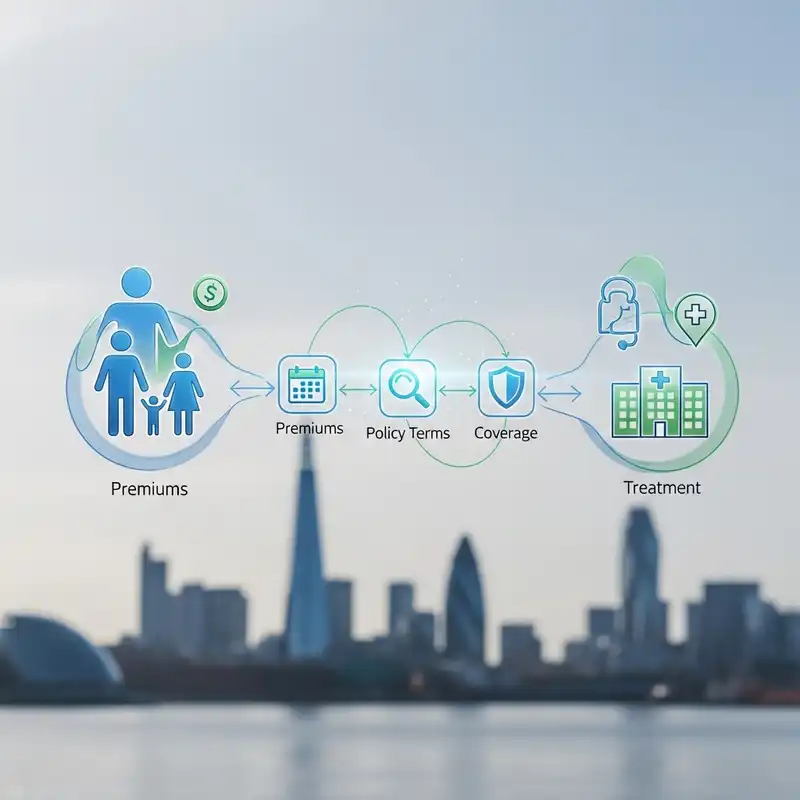
** Shocking UK Data: Is Your Family One Health Crisis Away From Losing Their Home & Lifetime Security? New figures reveal 1 in 5 UK families face this devastating risk. Discover how your LCIIP Shield could be your property's ultimate lifeline.
UK 2025 Shock Data Reveals 1 in 5 Families One Health Crisis Away From Losing Their Home & £4.5M+ Lifetime Security – Is Your LCIIP Shield Your Property's Lifeline
The cornerstone of the British dream is owning your own home. It’s more than bricks and mortar; it's a symbol of security, a family's anchor, and often, their single largest financial asset. Yet, a silent threat is placing this dream in peril for millions.
**
This isn't alarmist speculation. It's the cold, hard reality of a nation where savings are thin, the cost of living remains stubbornly high, and the financial safety net has worn dangerously bare. When a primary earner can no longer work due to illness or injury, the clock starts ticking. For many, that clock runs out in just a matter of weeks, long before they've even had time to process their diagnosis.
The stakes are astronomically high. We’re not just talking about missing a few mortgage payments. We are talking about the potential collapse of a family's entire lifetime financial security—a nest egg worth, on average, over £4.5 million.
In this definitive guide, we will unpack these shocking statistics, explore the real financial impact of a health crisis, and introduce the powerful, often overlooked solution: the LCIIP shield. This is your guide to understanding Life Insurance, Critical Illness Cover, and Income Protection, and how they form a lifeline for your property and your family's future.
The 2025 Financial Fragility Report: A Closer Look at the Numbers
The "1 in 5" figure is the headline from the 2025 UK Financial Resilience Report, but the data behind it reveals a perfect storm of economic pressures squeezing British households. The report highlights a dangerous disconnect between our financial obligations and our ability to withstand unexpected shocks.
Let's break down the key findings:
- Savings Gap: The average UK household has just £6,700 in accessible savings. With the average monthly mortgage payment in 2025 now exceeding £1,450, this means the typical family has less than five months of mortgage payments saved. For renters, the picture is often bleaker.
- The Zero-Buffer Zone: A staggering 28% of working-age adults have less than £1,000 in savings, leaving them with no buffer whatsoever against a sudden loss of income.
- Reliance on a Single Income: In over 30% of households with dependents, the loss of the primary earner's income would mean they could no longer meet essential costs (mortgage, food, utilities) within two months.
- The Inadequacy of State Support: Statutory Sick Pay (SSP) in 2025 sits at a mere £120.75 per week. This figure is a drop in the ocean compared to the average family's weekly outgoings.
This financial fragility has been exacerbated by years of economic turbulence. The table below illustrates how the gap between income and essential costs has widened, leaving families more exposed than ever.
Table: The Widening Gap - Average UK Household Finances (2020 vs. 2025)
| Metric | 2020 (ONS Data) | 2025 (Projected Data) | Percentage Change |
|---|---|---|---|
| Average Monthly Take-Home Pay | £2,450 | £2,780 | +13.5% |
| Average Monthly Mortgage | £1,100 | £1,450 | +31.8% |
| Average Monthly Energy Bill | £95 | £185 | +94.7% |
| Average Weekly Food Shop | £62 | £85 | +37.1% |
| Disposable Income after Essentials | £693 | £465 | -32.9% |
Source: ONS data and 2025 projections from the Centre for Economic & Business Research.
As the data clearly shows, while wages have seen a modest increase, the cost of essential commitments has skyrocketed. This erosion of disposable income means families have less capacity to save, less ability to overpay on their mortgage, and crucially, less resilience when a crisis hits.
The £4.5 Million Question: What's Really at Stake?
When we talk about financial security, it's easy to get lost in monthly budgets. The true scale of what you are protecting is far greater. The £4.5 million figure represents the potential lifetime financial world you and your partner build together.
How do we reach this figure? Let's look at a typical example for a couple in their late 30s.
Breakdown of a Lifetime of Financial Security
| Asset / Income Stream | Calculation | Estimated Value |
|---|---|---|
| Lifetime Earnings | 2 earners x £50,000 avg. salary x 40 years | £4,000,000 |
| Family Home | Average UK house price (2025) | £350,000 |
| Pension Pot | Combined projected private pension pots | £250,000 |
| Other Savings/Investments | Modest lifetime savings and investments | £50,000 |
| Total Lifetime Security | Sum of all assets and potential income | £4,650,000 |
This £4.65 million is the financial engine that powers your life. It pays for your home, your children's upbringing, your holidays, your retirement, and your legacy.
Now, imagine one of the earners is diagnosed with a serious illness and can no longer work. The entire model collapses.
- Income Halts: One half of the £4 million lifetime earnings potential vanishes overnight.
- Savings Deplete: The £50,000 in savings is quickly eaten up by daily living costs, medical-related expenses, and trying to keep up with the mortgage.
- Pension Contributions Stop: The future retirement pot of £250,000 ceases to grow, jeopardising your comfort in later life.
- The Home is Threatened: Without the income to service the mortgage, the single largest asset—the £350,000 family home—is now at risk of repossession.
Suddenly, a medical crisis becomes a full-blown financial catastrophe, wiping out decades of hard work and future potential. This is what's truly at stake.
The Triple Threat to Your Finances: Cancer, Heart Attack, and Stroke
While countless conditions can force you out of work, three major illnesses account for the vast majority of critical illness claims in the UK. They represent a triple threat not just to your health, but to your financial stability.
- Cancer: Someone in the UK is diagnosed with cancer approximately every 90 seconds. Survival rates are improving dramatically, but this means more people are living with the long-term financial consequences of the disease.
- Heart Attack: There are over 100,000 hospital admissions for heart attacks in the UK each year. Many happen to people of working age.
- Stroke: A person in the UK has a stroke every five minutes. Over a third of stroke survivors are left with a significant disability, impacting their ability to work.
The cost of these illnesses extends far beyond what the NHS covers. The NHS provides world-class medical treatment, but it cannot pay your mortgage, cover your bills, or replace your lost salary.
Table: The Hidden Costs of a Critical Illness
| Cost Category | Example Expenses | Estimated Annual Cost |
|---|---|---|
| Income Loss | Reduced hours or stopping work entirely | £30,000+ |
| Travel | Hospital parking, fuel for appointments | £500 - £2,000 |
| Home Adjustments | Ramps, stairlifts, accessible bathrooms | £1,000 - £15,000+ |
| Increased Bills | Higher heating/electricity from being home more | £600 - £1,200 |
| Prescriptions | Prescription charges in England | £100+ |
| Private Care | Physiotherapy, counselling, specialist consultations | £1,000 - £5,000+ |
| Carer's Costs | Partner reducing hours or stopping work | £20,000+ |
These costs accumulate rapidly, turning a health crisis into a debt crisis. This is where a robust financial shield becomes not a 'nice-to-have', but an absolute necessity.
Demystifying the LCIIP Shield: Your Three Layers of Financial Protection
LCIIP stands for Life Insurance, Critical Illness Cover, and Income Protection. These are not interchangeable products; they are distinct layers of a comprehensive financial defence strategy. Think of them as the moat, the walls, and the keep of your financial castle.
1. Life Insurance: The Foundation
Life insurance is the most well-known type of protection. It's designed to provide for your loved ones after you're gone.
- What it is: A policy that pays out a tax-free cash lump sum upon the policyholder's death during the policy term.
- What it does: The payout can be used to pay off the mortgage, cover funeral costs, clear debts, and provide a financial cushion for your family's future living expenses.
- Who needs it: Anyone with financial dependents (children, a partner) or significant debts like a mortgage.
There are two main types of life insurance suitable for most families:
| Type of Cover | How it Works | Best For |
|---|---|---|
| Level Term Insurance | The payout amount remains the same throughout the policy term. | Covering an interest-only mortgage or providing a set lump sum for your family. |
| Decreasing Term Insurance | The payout amount reduces over time, usually in line with a repayment mortgage. | Covering a repayment mortgage, as the cover decreases as your debt does. It's typically cheaper. |
2. Critical Illness Cover (CIC): The Crisis Fund
If life insurance protects your family after you're gone, Critical Illness Cover is designed to protect you and your family while you are living through a health crisis.
- What it is: A policy that pays out a tax-free lump sum if you are diagnosed with one of a list of specified serious illnesses (e.g., cancer, heart attack, stroke, multiple sclerosis).
- What it does: The lump sum is yours to use as you see fit. You could use it to clear your mortgage, adapt your home, pay for private medical treatment, or simply replace lost income to give you the financial breathing space to focus on recovery.
- Who needs it: Anyone whose finances would be severely impacted if they were diagnosed with a serious illness. If you have a mortgage and dependents, it's a vital safety net.
Crucially, you don't have to be unable to work forever, or even at all, to receive a payout. The claim is triggered by the diagnosis of a qualifying condition, as defined in the policy.
3. Income Protection (IP): The Bedrock of Your Plan
Often considered the most important cover of all by financial advisers, Income Protection is the policy that keeps your household running month after month.
- What it is: A policy that replaces a significant portion of your monthly income (typically 50-70%) if you are unable to work due to any illness or injury.
- What it does: It pays you a regular, tax-free monthly benefit until you can return to work, reach retirement age, or the policy term ends—whichever comes first. It covers you for almost any medical reason you can't work, from a bad back to a serious long-term illness.
- Who needs it: Essentially, anyone who relies on their monthly salary to pay their bills. If your income stopped, how long could you cope? If the answer is "not long," you need Income Protection.
A key feature is the deferred period. This is the waiting period from when you stop working to when the payments begin. It can range from 4 weeks to 12 months. Aligning this with your employer's sick pay scheme is a smart way to make the cover more affordable.
Table: Income Protection vs. Critical Illness Cover
| Feature | Income Protection (IP) | Critical Illness Cover (CIC) |
|---|---|---|
| Payout Type | Regular monthly income | One-off tax-free lump sum |
| Claim Trigger | Inability to work due to any illness/injury | Diagnosis of a specific serious illness |
| Coverage Scope | Very broad (e.g., stress, back pain, cancer) | Narrow (covers a defined list of conditions) |
| Purpose | Replaces lost salary for monthly bills | Provides a capital sum for major costs (e.g., mortgage) |
| Best Analogy | Your monthly salary paid for you | A financial 'get out of jail free' card |
These three policies work together to create a formidable shield. Life Insurance protects your legacy, Critical Illness Cover provides a capital injection during a crisis, and Income Protection ensures the monthly bills keep getting paid.
Case Study: The Miller Family vs. The Davies Family
To see the profound difference this protection makes, let's consider two identical families facing a similar crisis. Both are in their early 40s with two children and a £250,000 mortgage.
The Davies Family: Unprotected
Mark Davies, a 43-year-old project manager, suffers a major heart attack. He survives but is told he needs at least 12 months off work for recovery and rehabilitation.
- Month 1-3: Mark receives full pay from his employer's sick pay scheme. The family copes, but anxiety is high.
- Month 4-6: Sick pay drops to half pay. They start to feel the pinch, cutting back on everything non-essential.
- Month 7: Employer sick pay ends. They are now reliant on Mark's Statutory Sick Pay of £120.75 a week and his wife's part-time salary. Their monthly income drops by over £2,500.
- Month 8: They use their £7,000 savings to cover the mortgage and bills.
- Month 11: The savings are gone. They miss their first mortgage payment. The stress is immense, impacting Mark's recovery and placing a huge strain on the whole family.
- Month 13: Facing arrears and the threat of repossession, they are forced to consider selling their family home under immense pressure. Their financial world has crumbled.
The Miller Family: Protected
Sarah Miller, a 42-year-old marketing consultant, is diagnosed with breast cancer. Her treatment plan requires a year away from work. However, 10 years ago, she and her husband took out a comprehensive LCIIP plan.
- The Diagnosis: The news is devastating, but they have one less thing to worry about. They contact their insurance adviser.
- The Payouts:
- Their Critical Illness Cover pays out a tax-free lump sum of £150,000. They use this to completely pay off the remaining balance of their mortgage. Their single biggest monthly outgoing is gone.
- After a 3-month deferred period (covered by her employer's full sick pay), Sarah's Income Protection policy kicks in. It pays her £2,200 a month, tax-free, representing 60% of her gross salary.
- The Result: The family's financial situation is stable. The mortgage is gone, and a regular income is still coming in. Sarah can focus 100% on her treatment and recovery without the terror of financial ruin. The money left from the CIC payout allows her husband to take unpaid leave to support her during chemotherapy. They have maintained their home, their stability, and their future.
This stark contrast isn't fiction; it's the reality played out across the UK every single day. Protection insurance is the defining factor between a crisis and a catastrophe.
Common Myths and Misconceptions Debunked
Despite the clear need, many people hesitate to get cover due to persistent myths. Let's set the record straight.
Myth 1: "It's too expensive." Reality: The cost of not having cover is infinitely higher. A comprehensive plan for a healthy 30-year-old can start from as little as £30-£40 a month. That’s less than a daily coffee or a weekly takeaway. The key is to get advice to tailor a plan to your budget.
Myth 2: "I'm young and healthy, I don't need it." Reality: Illness and injury do not discriminate by age. In fact, more than 100,000 people of working age are forced to stop work each year due to ill health. Getting cover when you are young and healthy means premiums are significantly lower and locked in for the life of the policy.
Myth 3: "I have sick pay from work." Reality: As the Davies family's story shows, employer sick pay is a short-term solution. Very few employers will pay you for more than 6-12 months. After that, you're on your own, facing a drop to minimal state benefits.
Myth 4: "Insurers never pay out." Reality: This is one of the most damaging and untrue myths. The industry is highly regulated, and payout rates are extremely high.
Table: 2024 Payout Statistics (Association of British Insurers)
| Insurance Type | Percentage of Claims Paid | Total Amount Paid Out |
|---|---|---|
| Life Insurance | 97.3% | £4.06 billion |
| Critical Illness Cover | 91.6% | £1.27 billion |
| Income Protection | 92.9% | £752 million |
The overwhelming majority of claims are paid. The small percentage that are rejected are almost always due to "non-disclosure"—the applicant not being truthful about their health or lifestyle on the application form.
Myth 5: "The NHS will take care of me." Reality: The NHS provides outstanding medical care, but it is not a financial support system. It will mend your body, but it won't pay your bills.
How to Build Your LCIIP Shield: A Practical Guide
Securing the right protection can feel daunting, but it can be broken down into simple, manageable steps.
- Assess Your Needs: Think about your "big number" liabilities. How much is your mortgage? How much would your family need to live on each month if your income disappeared? A good rule of thumb is to seek life cover that is at least 10 times your annual salary, and income protection to cover 50-70% of your monthly income.
- Check Your Existing Benefits: Review your employer's sick pay policy. How long would they pay you, and how much? This will help you decide on the right deferred period for an Income Protection policy, which can significantly reduce the cost.
- Set a Realistic Budget: Decide what you can comfortably afford each month. It’s better to have a slightly smaller amount of cover that you can maintain than to take out a policy that's too expensive and have to cancel it later.
- Compare the Market with an Expert: This is the single most important step. Do not simply go with the first provider you see or the one your bank recommends. The market is vast, and policies differ hugely in their definitions and quality. Using an independent expert broker is crucial. At WeCovr, we specialise in helping people navigate this complex landscape. We compare policies from all the UK's leading insurers to find cover that's not only affordable but also robust and right for your specific circumstances.
- Be Completely Honest: When you apply, disclose everything about your medical history and lifestyle. It may slightly increase your premium, but it guarantees that if you need to claim, the policy will pay out. Hiding a condition is the surest way to have a claim denied.
- Review Regularly: Life isn't static. A new baby, a bigger mortgage, or a salary increase are all key moments to review your cover to ensure it's still adequate for your needs.
Beyond the Policy: Why Your Choice of Broker Matters
In the digital age, it's tempting to try and arrange everything yourself online. But protection insurance is one area where expert human advice adds immense value. A good broker doesn't just sell you a policy; they become your partner in securing your family's future.
They help you understand the nuances between different insurers' critical illness definitions, structure the cover in the most tax-efficient way (such as writing policies in trust), and crucially, they are there to help you and your family at the point of a claim—the time you need support the most.
We believe in a holistic approach to our clients' well-being. It's not just about being there in a crisis; it's about supporting a healthier life now. That’s why, in addition to securing your financial future, WeCovr provides all our customers with complimentary access to our exclusive, AI-powered wellness app, CalorieHero. It's our way of helping you take proactive steps towards your health goals, showing that our commitment to your well-being extends far beyond the policy document.
Conclusion: Your Home is Your Castle – Don't Leave the Drawbridge Down
The 2025 data is a clear and urgent wake-up call. The financial ground beneath our feet is less stable than we think. For one in five families, the dream of homeownership and a secure future is balanced on a knife-edge, vulnerable to the single, unpredictable event of a health crisis.
Relying on luck, limited savings, or the overstretched state safety net is no longer a viable strategy. It’s a gamble against the odds with the highest possible stakes: your family's home and their future.
Building your LCIIP shield—your combination of Life Insurance, Critical Illness Cover, and Income Protection—is not a luxury expense. It is a fundamental pillar of modern financial planning, as essential as your pension, your savings, and the very mortgage it's designed to protect.
Don't wait for a diagnosis to expose the cracks in your financial foundations. The time to act is now, while you are healthy and in control. Take the first step today to build the shield that will guarantee your family's security, protect your life's work, and ensure your home remains your castle, no matter what storms may come.
Why life insurance and how does it work?
What is Life Insurance?
Life insurance is an insurance policy that can provide financial support for your loved ones when you or your joint policy holder passes away. It can help clear any outstanding debts, such as a mortgage, and cover your family's living and other expenses such costs of education, so your family can continue to pay bills and living expenses. In addition to life insurance, insurance providers offer related products such as income protection and critical illness, which we will touch upon below.How does it work?
Life insurance pays out if you die. The payout can be in the form of a lump sum payment or can be paid as a replacement for a regular income. It's your decision how much cover you'd like to take based on your financial resources and how much you'd like to leave to your family to help them deal with any outstanding debts and living expenses. Your premium depends on a number of factors, including your occupation, health and other criteria.The payout amount can change over time or can be fixed. A level term or whole of life policy offers a fixed payout. A decreasing term policy offers a payout that decreases over the term of the cover.
With critical illness policies, a payout is made if you’re diagnosed with a terminal illness with a remaining life expectancy of less than 12 months. While income protection policies ensure you can continue to meet your financial commitments if you are forced to take an extended break from work. If you can’t work because you’ve had an accident, fallen sick, or lost your job through no fault of your own, income protection insurance pays you an agreed portion of your salary each month.
Income protection is particularly helpful for people in dangerous occupations who want to be sure their mortgage will always be covered. Income protection only covers events beyond your control: you’re much less likely to be covered if you’re fired from your job or if you injure yourself deliberately.
Questions to ask yourself regarding life insurance
Just ask yourself:👉 Who would pay your mortgage or rent if you were to pass away or fall seriously ill?
👉 Who would pay for your family’s food, clothing, study fees or lifestyle?
👉 Who would provide for the costs of your funeral or clear your debts?
👉 Who would pay for your costs if you're unable to work due to serious illness or disability?
Many families don’t realise that life, income protection and critical illness insurance is one of the most effective ways to protect their finances. A great insurance policy can cover costs, protect a family from inheriting debts and even pay off a mortgage.
Many would think that the costs for all the benefits provided by life insurance, income protection insurance or critical illness insurance are too high, but the great news is in the current market policies are actually very inexpensive.
Benefits offered by income protection, life and critical illness insurance
Life insurance, income protection and critical illness insurance are indispensable for every family because a child loses a parent every 22 minutes in the UK, while every single day tragically 60 people suffer major injuries on the UK roads. Some people become unable to work because of sickness or disability.Life insurance cover pays out a lump sum to your family, loved ones or whomever you choose to get the money. This can be used to secure the financial future of your loved ones meaning they would not have to struggle financially in the event of your death.
If it's a critical illness cover, the payout happens sooner - upon diagnosis of a serious illness, disability or medical condition, easing the financial hardship such an event inevitably brings.
Income protection insurance can be very important for anyone who relies on a pay check to cover their living costs, but it's especially important if you’re self-employed or own a small business, where your employment and income is a bit less stable. It pays a regular income if you can't work because of sickness or disability and continues until you return to paid work or you retire.
In a world where 1 in 4 of us would struggle financially after just four weeks without work, the stark reality hits hard – a mere 7% of UK adults possess the vital shield of income protection. The urgency of safeguarding our financial well-being has never been more palpable.
Let's face it – relying on savings isn't a solution for everyone. Almost 25% of people have no savings at all, and a whopping 50% have £1,000 or less tucked away. Even more concerning, 51% of Brits – that's a huge 27 million people – wouldn't last more than one month living off their savings. That's a 10% increase from 2022.
And don't even think about state benefits being a safety net. The maximum you can expect from statutory sick pay is a mere £109.40 per week for up to 28 weeks. Not exactly a financial lifeline, right?
Now, let's tackle a common objection: "But I have critical illness insurance. I don't need income protection too." Here's the deal – the two policies apply to very different situations. In a nutshell:
- Critical illness insurance pays a single lump sum if you're diagnosed with or undergo surgery for a specified potentially life-threatening illness. It's great for handling big one-off expenses or debts.
- Income protection, on the other hand, pays a percentage of your salary as a regular payment if you can't work due to illness or injury. It's the superhero that tackles those relentless monthly bills.
Types of life insurance policies
Common reasons for getting a life insurance policy are to:✅ Leave behind an amount of money to keep your family comfortable
✅ Protect the family home and pay off the mortgage in full or in part
✅ Pay for funeral costs
Starting from as little as a couple of pounds per week, you can do all that with a Life Policy.
Level Term Life Insurance
One of the simplest forms of life insurance, level term life insurance works by selecting a length of time for which you would want to be covered and then deciding how much you would like your loved ones to receive should the worst happen. Should your life insurance policy pay out to your family, it would be in a lump sum amount that can be used in whatever way the beneficiary may wish.
Decreasing Term Life Insurance
Decreasing term life insurance works in the same way as level term, except the lump sum payment amount upon death decreases with time. The common use for decreasing term life cover is to protect against mortgage repayment as the lump sum decreases along with the principal of the mortgage itself.
Increasing Term Life Insurance
Increasing term life insurance aims to pay out a cash sum growing each year if the worst happens while covered by the policy. With increasing term life cover amount insured increases annually by a fixed amount for the length of the policy. This can protect your policy's value against inflation, which could be advantageous if you’re looking to maintain your loved ones’ living standards, continue paying off your mortgage in line with its repayment schedule and cover your children’s education fees.
Whole of Life Insurance
Whereas term life insurance policies only pay out if you pass away during their term, whole of life insurance pays out to your beneficiaries whenever this should happen. The most common uses for whole life insurance are to cover the costs of a funeral or as a vehicle for your family's inheritance tax planning.
Family Income Benefit
Family income benefit is a somewhat lesser-known product in the family of life insurance products. Paying out a set amount every month of year to your beneficiaries, it is the most cost-effective way of maintaining your family's living standards to an age where you'd expect them to be able to support themselves financially. The most common use would be for a family with children who are not working yet so are unable to take care of themselves financially.
Relevant Life Insurance
Relevant Life Insurance is a tax-efficient policy for a director or single employee. A simple level term life insurance product, it is placed in a specific trust to ensure its tax efficiency. The premiums are tax deductible and any benefit payable should a claim arise is also paid out tax free, which makes it an attractive product for entrepreneurs and their businesses.
Important Fact!
We can look at a more suitable option mid-term!
Why is it important to get life insurance early?
👉 Many people are very thankful that they had their life, income protection, and critical illness insurance cover in place before running into some serious issues. Critical illness and income protection insurance is as important as life insurance for protecting your family's finances.👉 We insure our cars, houses, bicycles and even bags! Yet our life and health are the most precious things we have.
Easily one of the most important insurance purchases an individual or family can make in their lifetime, the decision to buy life, income protection, critical illness and private medical health insurance can be made much simpler with the help of FCA-authorised advisers. They are the specialists who do the searching and analysis helping people choose between various types of life insurance policies available in the market, including income protection, critical illness and other types of policies most suitable to the client's individual circumstances.
It certainly won't do any harm if you speak with one of our experienced FCA-authorised insurance partner experts who are passionate about advising people on financial matters related to life insurance and are keen to provide you with a free consultation.
You can discuss with them in detail what affordable life, income protection, critical illness or private medical health insurance plan for the necessary peace of mind they would recommend! WeCovr works with some of the best advisers in the market.
By tapping the button below, you can book a free call with them in less than 30 seconds right now:
Our Group Is Proud To Have Issued 800,000+ Policies!
We've established collaboration agreements with leading insurance groups to create tailored coverage
























How It Works
1. Complete a brief form

2. Our experts analyse your information and find you best quotes

3. Enjoy your protection!

Any questions?
Learn more

Who Are WeCovr?
WeCovr is an insurance specialist for people valuing their peace of mind and a great service.👍 WeCovr will help you get your private medical insurance, life insurance, critical illness insurance and others in no time thanks to our wonderful super-friendly experts ready to assist you every step of the way.
Just a quick and simple form and an easy conversation with one of our experts and your valuable insurance policy is in place for that needed peace of mind!