UK Health Gridlock
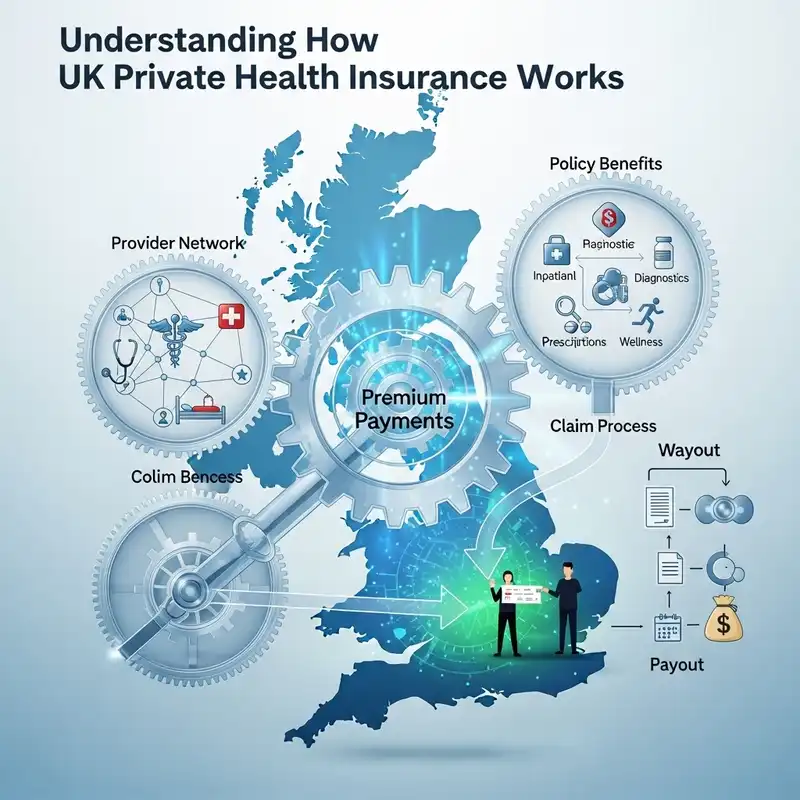
By 2025, Over 8 Million Britons Are Projected to Face Months of Unbearable Pain, Lost Earnings, and Irreversible Health Decline on NHS Waiting Lists. Learn How Private Medical Insurance Offers Rapid Diagnosis and Treatment
The United Kingdom is facing a healthcare crossroads. Our cherished National Health Service (NHS), a beacon of universal care for over 75 years, is straining under unprecedented pressure. A perfect storm of post-pandemic backlogs, chronic underfunding, staff shortages, and an ageing population has created a gridlock of staggering proportions.
The numbers are stark and unforgiving. By 2025, the total NHS waiting list in England is projected to swell beyond 8 million people. This isn't just a statistic; it's a looming reality for millions of individuals. It represents grandparents unable to play with their grandchildren due to debilitating joint pain, self-employed workers losing their businesses while waiting for surgery, and parents anxiously awaiting diagnostic tests for worrying symptoms.
For these millions, the wait is not passive. It is an active period of declining health, mounting anxiety, and significant financial loss. It is a daily battle with pain, a forced retreat from an active life, and the gnawing fear that a treatable condition could become a permanent disability.
But there is an alternative. A parallel system exists that offers a lifeline for those who cannot afford to wait: Private Medical Insurance (PMI). This guide will explore the reality of the UK's health gridlock in 2025, detail the profound human cost of these delays, and provide a definitive overview of how PMI can empower you to bypass the queues, receive rapid treatment, and reclaim control over your health and wellbeing.
The Anatomy of the NHS Crisis: A 2025 Perspective
To understand the solution, we must first grasp the scale of the problem. The current NHS crisis is not the result of a single failure but a convergence of multiple, long-term pressures that have reached a critical tipping point.
1. The Post-Pandemic Echo: The COVID-19 pandemic forced the NHS to postpone millions of non-urgent appointments and procedures. While heroic efforts have been made to clear this backlog, the system is still reeling. By 2025, the "echo" of the pandemic continues to reverberate, with demand consistently outstripping the capacity to supply care.
2. The Workforce Chasm: The NHS is powered by its people, and its people are exhausted. A 2025 analysis by The King's Fund highlights a persistent shortage of over 120,000 staff in England alone, including tens of thousands of nurses and doctors. Burnout is rampant, leading to early retirement and an exodus of skilled professionals. This workforce chasm means fewer appointments, cancelled operations, and overstretched staff.
3. An Ageing and Ailing Population: Modern medicine is a victim of its own success. We are living longer, but often with multiple, complex health conditions. The Office for National Statistics (ONS) projects that by 2025, nearly one in five people in the UK will be aged 65 or over. This demographic shift places an ever-increasing demand on NHS resources, particularly for elective surgeries like hip and knee replacements and cataract operations.
4. The Squeeze on Funding: While government spending on health has increased, it has struggled to keep pace with inflation and the rising complexity of medical care. Decades of efficiency savings and budget constraints have left the system with little resilience to absorb the shocks it has faced. The result is older equipment, deteriorating hospital estates, and insufficient beds.
These factors combine to create the waiting lists we see today. It's not about a lack of will, but a fundamental mismatch between the nation's healthcare needs and the resources available to meet them through the public system alone.
The Human Cost of Waiting: Beyond the Statistics
An 8-million-person waiting list is an abstract concept. The reality is felt in individual homes across the country, measured in sleepless nights, lost income, and fading hope. The consequences of these delays are profound and multi-faceted.
Financial Ruin
For the self-employed, contractors, and those in manual labour, a long wait for treatment can be financially catastrophic.
- Lost Earnings: A carpenter waiting nine months for a hernia operation cannot work. A freelance graphic designer suffering from severe carpal tunnel syndrome cannot use a mouse. A six-month wait could therefore result in over £17,000 in lost earnings, a sum that could wipe out a family's savings.
- Statutory Sick Pay (SSP): For those in employment, SSP offers a minimal safety net of just £116.75 per week (2024/25 rate, adjusted for projection). This is rarely enough to cover mortgages, rent, and household bills, pushing many into debt.
Irreversible Health Decline
Time is a critical factor in medicine. A delay in treatment is rarely benign; it often allows a condition to worsen, sometimes irrevocably.
- Musculoskeletal Conditions: Someone waiting for a hip or knee replacement will experience muscle wastage, reduced mobility in other joints, and may develop a reliance on strong painkillers. By the time they have surgery, their recovery can be longer and less complete than if it had been performed promptly.
- Degenerative Conditions: For conditions like glaucoma or macular degeneration, delays in treatment can lead to irreversible vision loss. A wait of several months can be the difference between preserving sight and permanent impairment.
- Cancer Diagnosis: While urgent cancer referrals are prioritised, diagnostic bottlenecks exist. A delay in getting an MRI or endoscopy for persistent symptoms can mean a cancer is caught at a later, less treatable stage.
The Mental Health Toll
Living with chronic pain and uncertainty takes a huge toll on mental wellbeing. Medical research consistently links chronic pain with higher rates of depression, anxiety, and social isolation. The feeling of being "stuck" in the system, with no clear end in sight, can be as debilitating as the physical condition itself.
NHS vs. Private Care: A Tale of Two Timelines
To illustrate the stark difference, let's compare typical waiting times for common procedures.
| Procedure | Projected NHS Wait Time (2025) | Typical Private Treatment Timeline |
|---|---|---|
| Initial GP Referral | 1-3 weeks for an appointment | 1-3 weeks for an appointment |
| Specialist Consultation | 18-30 weeks | 1-2 weeks |
| Diagnostic Scans (MRI/CT) | 6-12 weeks | 3-7 days |
| Hip/Knee Replacement Surgery | 40-78 weeks | 4-6 weeks |
| Cataract Surgery | 25-50 weeks | 3-5 weeks |
| Hernia Repair | 30-60 weeks | 3-5 weeks |
Source: Projections based on NHS England Referral to Treatment (RTT) data and analysis from private hospital groups.
As the table clearly shows, while the starting point (the GP) is the same, the journey diverges dramatically. Private medical insurance effectively buys you a ticket for the express lane, reducing a potential two-year ordeal into a matter of weeks.
What is Private Medical Insurance (PMI) and How Does It Work?
Private Medical Insurance is a policy you take out to cover the costs of private healthcare for eligible conditions. It’s designed to work alongside the NHS, not replace it. You would still use the NHS for emergencies, GP visits, and the management of long-term chronic illnesses.
The primary purpose of PMI is to cover the diagnosis and treatment of acute conditions.
- Acute Condition: A disease, illness, or injury that is likely to respond quickly to treatment and lead to a full recovery (e.g., a cataract, a hernia, a damaged knee ligament).
- Chronic Condition: A disease, illness, or injury that has one or more of the following characteristics: it needs ongoing or long-term monitoring, it has no known cure, it is likely to recur, or it requires palliative care (e.g., diabetes, asthma, arthritis).
The process is straightforward:
- See Your NHS GP: You feel unwell or have an injury. You visit your regular GP as you normally would.
- Get a Referral: If your GP believes you need to see a specialist, they will write you an 'open referral' or a referral to a specific specialist.
- Contact Your Insurer: You call your PMI provider with the referral details. They will check your policy, confirm you are covered for the condition, and authorise the next steps.
- Receive Private Treatment: Your insurer will provide you with a list of approved specialists and hospitals. You book your appointment, diagnosis, and treatment at a time and place that suits you.
- The Bill is Settled: The private hospital and specialist will bill your insurance company directly. You only pay the 'excess' on your policy, if you have one.
The Golden Rule: What PMI Does NOT Cover
This is the most critical point to understand about private medical insurance in the UK. Failure to grasp this leads to most of the disappointment and misunderstanding surrounding PMI.
Standard Private Medical Insurance does NOT cover pre-existing or chronic conditions.
- Pre-existing Conditions: These are any illnesses or injuries you had symptoms of, received medication for, or sought advice about before you took out the policy. Most policies exclude these for a set period (e.g., five years), after which they may become eligible for cover if you remain symptom-free for a continuous two-year period after your policy starts. This is known as 'moratorium underwriting'.
- Chronic Conditions: As defined above, long-term conditions like diabetes, hypertension, asthma, and arthritis are managed by the NHS. PMI is for conditions that can be resolved with a course of treatment.
PMI is designed for future, unforeseen acute health issues that arise after your policy begins. It is your safety net for a new problem, not a solution for an existing one.
The Key Benefits of PMI: Speed, Choice, and Comfort
The value proposition of Private Medical Insurance can be summarised in three core benefits that directly address the failings of the current overloaded public system.
1. Speed of Access
This is the number one reason people buy health insurance. As demonstrated in the timeline comparison, PMI can reduce the wait for specialist treatment from over a year to just a few weeks. This rapid access is not just convenient; it's crucial for preventing a condition from worsening, minimising time off work, and alleviating the mental stress of waiting.
2. Choice and Control
The NHS, by necessity, offers limited choice. You are typically assigned a surgeon and a hospital based on availability and catchment area. PMI puts you in the driver's seat.
- Choice of Consultant: You can research and choose a leading specialist in their field.
- Choice of Hospital: You can select from a nationwide list of high-quality private hospitals, choosing one that is convenient for you and has an excellent track record.
- Choice of Timing: You can schedule your surgery and treatment around your work and family commitments, not the other way around.
3. Comfort and Environment
While the quality of clinical care in the NHS is excellent, the environment can be stressful. Private hospitals offer a hotel-like experience designed to make your treatment and recovery as comfortable as possible. This typically includes:
- A private en-suite room.
- More flexible visiting hours for family and friends.
- An à la carte menu.
- A quieter, more restful environment conducive to recovery.
4. Access to Specialist Drugs and Treatments
Occasionally, a new drug or treatment may be approved for use by medical bodies but not yet be available on the NHS due to funding decisions by the National Institute for Health and Care Excellence (NICE). Many comprehensive PMI policies include cover for these cutting-edge treatments, giving you access to the very latest medical advancements.
Decoding Your PMI Policy: What to Look For
The world of insurance can be filled with jargon. Understanding the key components of a PMI policy is essential to ensure you get the cover you actually need. A good broker, like WeCovr, can expertly guide you through this, but here are the fundamentals.
Levels of Cover
Policies are generally tiered, offering different levels of protection.
| Level of Cover | Description | Best For |
|---|---|---|
| Basic / In-patient Only | Covers tests and treatment only when you are admitted to a hospital bed overnight. Out-patient consultations and diagnostics are not covered. | Those on a tight budget seeking a safety net for major surgery costs. |
| Mid-Range / In & Out-patient | The most popular level. Covers all in-patient treatment plus out-patient specialist consultations and diagnostic tests up to a set financial limit (e.g., £1,000). | A good balance of comprehensive cover and affordability for most people. |
| Comprehensive | Covers everything in the mid-range plan but with higher or unlimited out-patient limits. Often includes additional therapies like physiotherapy, osteopathy, and mental health support. | Those wanting the most extensive peace of mind, with cover for a wide range of therapies. |
Key Terms Explained
- Underwriting: This is how the insurer assesses your medical history to decide what they will and won't cover.
- Moratorium (Most Common): You don't declare your full medical history upfront. The policy automatically excludes any condition you've had in the last 5 years. If you then go 2 continuous years without symptoms or treatment for that condition after your policy starts, it may become eligible for cover.
- Full Medical Underwriting (FMU): You provide your full medical history at the start. The insurer reviews it and explicitly lists any conditions that will be permanently excluded from cover. This provides more certainty but can be more complex.
- Excess: This is the amount you agree to pay towards a claim. For example, if you have a £250 excess and your surgery costs £8,000, you pay the first £250 and the insurer pays the rest. A higher excess will lower your monthly premium.
- No-Claims Discount (NCD): Similar to car insurance, your premium will reduce each year you don't make a claim, up to a maximum discount (e.g., 65-70%).
- Hospital List: Insurers have different lists of approved hospitals. A cheaper policy might use a more restricted list, so it's vital to check that it includes hospitals that are convenient for you.
Popular Policy Add-ons
You can often tailor your policy with optional extras, including:
- Mental Health Cover: Standard policies may offer limited mental health support. A dedicated add-on provides more extensive cover for therapy and psychiatric treatment.
- Dental & Optical Cover: For routine check-ups, treatments, and eyewear.
- Therapies Cover: Extends cover for physiotherapy, osteopathy, and chiropractic treatment.
How Much Does Private Health Insurance Cost in 2025?
This is the crucial question for most people. The cost is highly individual and depends on several factors, but it's often more affordable than many assume.
Key Factors Influencing Your Premium:
- Age: This is the biggest factor. Premiums rise as you get older.
- Location: Costs are typically higher in London and the South East due to the higher cost of private medical care.
- Level of Cover: A comprehensive plan will cost more than a basic in-patient plan.
- Excess: Choosing a higher excess (e.g., £500) will significantly reduce your premium.
- Lifestyle: Smokers will pay more than non-smokers.
Estimated Monthly Premiums in 2025
The table below provides a rough guide to monthly premiums for a non-smoker on a mid-range policy with a £250 excess.
| Age | Location (Outside London) | Location (London) |
|---|---|---|
| 30 | £45 - £65 | £60 - £85 |
| 40 | £55 - £80 | £75 - £105 |
| 50 | £80 - £120 | £110 - £150 |
| 60 | £125 - £180 | £160 - £230 |
These are estimates for illustrative purposes. Your actual quote will vary.
While these costs are not insignificant, consider them against the potential lost earnings of £17,000 from a six-month wait or the immeasurable cost of declining health. For many, a monthly premium of £60 is a worthwhile investment for that level of security.
Is Private Health Insurance Worth It? A Personal Calculation
There's no single right answer to this question. The decision to invest in PMI is a personal one, based on your finances, risk appetite, and priorities.
PMI is often most valuable for:
- The Self-Employed and Business Owners: For whom time off work is a direct and immediate loss of income. The ability to schedule surgery and get back to work quickly is invaluable.
- Families with Children: Parents want the peace of mind that if their child needs treatment, they can get it quickly without the stress of long waits.
- Those with Limited Savings: An unexpected health issue requiring a long period off work could be financially devastating. PMI acts as a buffer against this risk.
- People who Prioritise Control and Comfort: If the ability to choose your doctor, hospital, and treatment date is important to you, PMI delivers on this.
It's essential to view PMI as a component of your overall health strategy. It complements the fantastic emergency and chronic care services of the NHS by providing a solution for the very area where the NHS is struggling most: elective and diagnostic waiting times.
How to Get the Right Health Insurance Plan for You
Navigating the market alone can be daunting. With dozens of providers and hundreds of policy combinations, it's easy to either overpay for cover you don't need or buy a cheap policy with hidden exclusions.
Step 1: Assess Your Needs and Budget Think about what's most important to you. Is it keeping costs low? Having comprehensive mental health cover? Access to a specific hospital? Be realistic about what you can afford each month.
Step 2: Understand the Key Choices Decide on your preferred level of underwriting (Moratorium is simplest for most), the excess you're comfortable with, and the level of out-patient cover you need.
Step 3: Use an Independent Expert Broker This is the single most effective way to find the right policy. Going direct to an insurer means you only see their products. Using a comparison site can be overwhelming and lacks the expert guidance needed to interpret the small print.
An independent broker, like us at WeCovr, works for you, not the insurance company. Our role is to:
- Understand your unique needs and budget.
- Scan the entire market, comparing policies from all the major UK insurers like Aviva, Bupa, AXA Health, Vitality, and more.
- Explain the pros and cons of each option in plain English.
- Find the best possible value, potentially saving you hundreds of pounds a year while ensuring your cover is robust.
- Assist you with the application process and be there to help if you ever need to claim.
Our service is provided at no extra cost to you. We are paid a commission by the insurer you choose, but our advice is always independent and focused on your best interests.
Furthermore, we believe in supporting our clients' holistic health journey. That's why every client who joins us through WeCovr receives complimentary access to our proprietary AI-powered nutrition and calorie tracking app, CalorieHero. It's our way of going the extra mile, helping you manage your health proactively, long before you might ever need to make a claim.
Your Health is Your Wealth
The UK is at a critical juncture. The promise of the NHS is being challenged by the reality of a system in gridlock. For the 8 million people projected to be on waiting lists by 2025, the consequences are not abstract—they are real, painful, and costly.
Waiting months or even years for diagnosis and treatment is no longer an acceptable risk for a growing number of people. Private Medical Insurance offers a proven, affordable, and accessible path to bypass these queues. It provides the speed, choice, and peace of mind that allows you to take back control.
Don't let your health become a casualty of a system under strain. By understanding your options and seeking expert advice, you can build a safety net that protects not just your physical wellbeing, but your financial security and your quality of life. The time to act is now.
Why private medical insurance and how does it work?
What is Private Medical Insurance?
Private medical insurance (PMI) is a type of health insurance that provides access to private healthcare services in the UK. It covers the cost of private medical treatment, allowing you to bypass NHS waiting lists and receive faster, more convenient care.How does it work?
Private medical insurance works by paying for your private healthcare costs. When you need treatment, you can choose to go private and your insurance will cover the costs, subject to your policy terms and conditions. This can include:• Private consultations with specialists
• Private hospital treatment and surgery
• Diagnostic tests and scans
• Physiotherapy and rehabilitation
• Mental health treatment
Your premium depends on factors like your age, health, occupation, and the level of cover you choose. Most policies offer different levels of cover, from basic to comprehensive, allowing you to tailor the policy to your needs and budget.
Questions to ask yourself regarding private medical insurance
Just ask yourself:👉 Are you concerned about NHS waiting times for treatment?
👉 Would you prefer to choose your own consultant and hospital?
👉 Do you want faster access to diagnostic tests and scans?
👉 Would you like private hospital accommodation and better food?
👉 Do you want to avoid the stress of NHS waiting lists?
Many people don't realise that private medical insurance is more affordable than they think, especially when you consider the value of faster treatment and better facilities. A great insurance policy can provide peace of mind and ensure you receive the care you need when you need it.
Benefits offered by private medical insurance
Private medical insurance provides numerous benefits that can significantly improve your healthcare experience and outcomes:Faster Access to Treatment
One of the biggest advantages is avoiding NHS waiting lists. While the NHS provides excellent care, waiting times can be lengthy. With private medical insurance, you can often receive treatment within days or weeks rather than months.
Choice of Consultant and Hospital
You can choose your preferred consultant and hospital, giving you more control over your healthcare journey. This is particularly important for complex treatments where you want a specific specialist.
Better Facilities and Accommodation
Private hospitals typically offer superior facilities, including private rooms, better food, and more comfortable surroundings. This can make your recovery more pleasant and potentially faster.
Advanced Treatments
Private medical insurance often covers treatments and medications not available on the NHS, giving you access to the latest medical advances and technologies.
Mental Health Support
Many policies include comprehensive mental health coverage, providing faster access to therapy and psychiatric care when needed.
Tax Benefits for Business Owners
If you're self-employed or a business owner, private medical insurance premiums can be tax-deductible, making it a cost-effective way to protect your health and your business.
Peace of Mind
Knowing you have access to private healthcare when you need it provides invaluable peace of mind, especially for those with ongoing health conditions or concerns about NHS capacity.
Private medical insurance is particularly valuable for those who want to take control of their healthcare journey and ensure they receive the best possible treatment when they need it most.
Important Fact!
We can look at a more suitable option mid-term!
Why is it important to get private medical insurance early?
👉 Many people are very thankful that they had their private medical insurance cover in place before running into some serious health issues. Private medical insurance is as important as life insurance for protecting your family's finances.👉 We insure our cars, houses, and even our phones! Yet our health is the most precious thing we have.
Easily one of the most important insurance purchases an individual or family can make in their lifetime, the decision to buy private medical insurance can be made much simpler with the help of FCA-authorised advisers. They are the specialists who do the searching and analysis helping people choose between various types of private medical insurance policies available in the market, including different levels of cover and policy types most suitable to the client's individual circumstances.
It certainly won't do any harm if you speak with one of our experienced insurance experts who are passionate about advising people on financial matters related to private medical insurance and are keen to provide you with a free consultation.
You can discuss with them in detail what affordable private medical insurance plan for the necessary peace of mind they would recommend! WeCovr works with some of the best advisers in the market.
By tapping the button below, you can book a free call with them in less than 30 seconds right now:
Our Group Is Proud To Have Issued 800,000+ Policies!
We've established collaboration agreements with leading insurance groups to create tailored coverage
























How It Works
1. Complete a brief form

2. Our experts analyse your information and find you best quotes

3. Enjoy your protection!

Any questions?
Learn more

Who Are WeCovr?
WeCovr is an insurance specialist for people valuing their peace of mind and a great service.👍 WeCovr will help you get your private medical insurance, life insurance, critical illness insurance and others in no time thanks to our wonderful super-friendly experts ready to assist you every step of the way.
Just a quick and simple form and an easy conversation with one of our experts and your valuable insurance policy is in place for that needed peace of mind!