UK Health Insurance: Smart Add-Ons
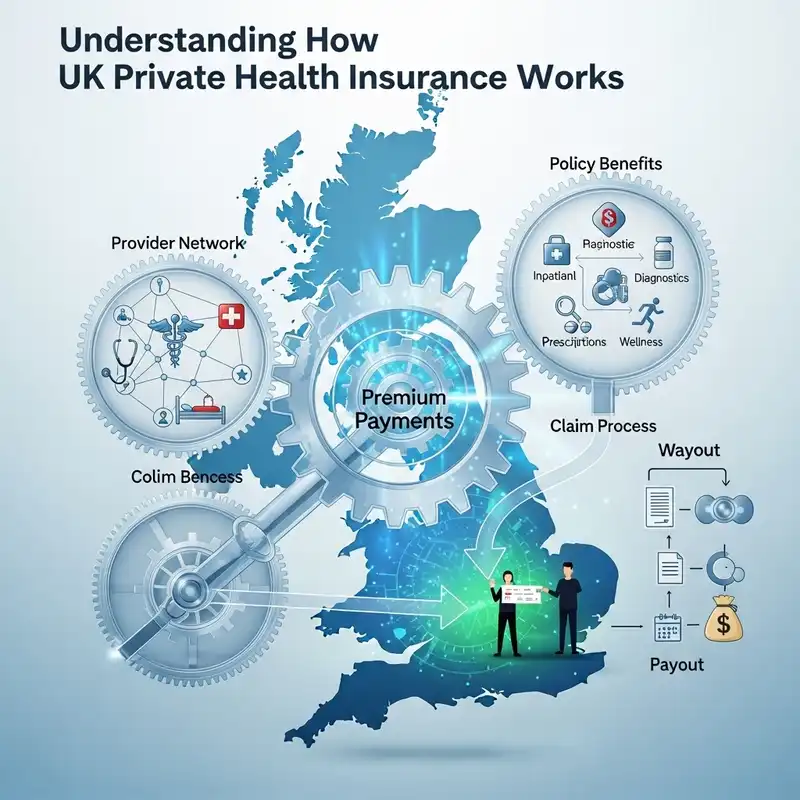
Beyond the basics: Discover the essential add-ons and optional extras for UK Private Health Insurance that truly enhance your cover and are genuinely worth the investment.
UK Private Health Insurance Best Add-Ons & Optional Extras Worth Paying For
In the United Kingdom, the National Health Service (NHS) stands as a cornerstone of our society, providing comprehensive healthcare to all citizens. However, for many, the allure of private health insurance (PMI) lies in its promise of greater choice, shorter waiting times, and access to a wider range of services and facilities. While a basic PMI policy offers a solid foundation for acute medical conditions, it's often the carefully selected add-ons and optional extras that truly transform a good policy into an exceptional one, perfectly tailored to your individual needs and lifestyle.
Navigating the complexities of private health insurance can be daunting. With numerous providers offering a dizzying array of options, understanding which enhancements offer genuine value can feel like a full-time job. This comprehensive guide aims to demystify the world of private medical insurance add-ons, helping you identify the most insightful and beneficial extras worth considering for your health and peace of mind.
We'll delve into the nuances of various optional extras, exploring how they can bridge gaps in standard coverage, enhance your access to specialist care, and even contribute to your proactive well-being. From comprehensive mental health support to advanced cancer care and preventative health screenings, understanding these choices is key to building a robust health insurance plan that truly serves you.
Understanding the Core of UK Private Health Insurance
Before we explore the exciting world of add-ons, it’s crucial to grasp what a standard UK private health insurance policy typically covers, and, perhaps more importantly, what it generally does not cover.
Private Medical Insurance in the UK is primarily designed to cover the costs of diagnosis and treatment for acute conditions. An acute condition is defined as a disease, illness or injury that is likely to respond quickly to treatment, leading to a full recovery, or to a return to the state of health you were in immediately before the condition developed.
This typically includes:
- In-patient treatment: Covering costs for overnight stays in a private hospital, including accommodation, nursing care, surgeon’s fees, anaesthetist’s fees, and hospital charges.
- Day-patient treatment: Procedures or treatments that require a hospital bed for a day but not an overnight stay.
- Out-patient consultations: Initial consultations with a specialist (though this is often capped or limited in basic policies and is a prime area for add-ons).
- Diagnostic tests: Such as MRI scans, CT scans, X-rays, and blood tests, often recommended by a specialist.
What PMI Does NOT Cover (Crucial Exclusions)
It is absolutely vital to understand that private health insurance policies, almost universally, do not cover:
- Chronic Conditions: These are conditions that are persistent, long-lasting, and for which there is no known cure. Examples include diabetes, asthma, epilepsy, multiple sclerosis, and most forms of arthritis. While PMI might cover an acute flare-up of a chronic condition, it will not cover ongoing management, monitoring, or treatment for the chronic condition itself. The NHS remains the primary provider for chronic disease management in the UK.
- Pre-existing Conditions: Any medical condition you had or received advice or treatment for before taking out your policy is typically excluded. Some policies may offer "moratorium underwriting" where conditions become covered after a certain period (e.g., two years) if you haven't experienced symptoms or received treatment during that time. However, a full medical underwriting process will explicitly exclude known pre-existing conditions.
- Emergency Services: Private health insurance is not a substitute for A&E services. In an emergency, you should always go to the nearest NHS A&E department.
- Maternity Care: While some corporate schemes might include limited maternity benefits, it's very rare for individual PMI policies to cover routine pregnancy and childbirth.
- Cosmetic Surgery: Procedures primarily for aesthetic purposes are not covered.
- Routine GP Visits: Unless specified as an add-on (which we'll discuss), your general practice visits are typically not covered.
- Drug Addiction/Alcohol Abuse: Treatment for these conditions is generally excluded.
Given these fundamental exclusions, the true value of add-ons becomes clear. They allow you to enhance your core cover, addressing areas that might be important to you but fall outside the basic acute treatment scope, or provide greater access and flexibility within the acute care pathway.
The Philosophy of Choosing Add-Ons: Value vs. Cost
Selecting add-ons isn't about ticking every box on the application form. It's about a strategic, personalised approach that balances potential benefits with the additional cost to your premium. Every add-on you select will increase your annual premium, so it's essential to assess whether the potential value outweighs this increased expense.
Consider these factors:
- Your Personal Health Needs: Do you have a family history of specific conditions? Are you prone to certain types of injuries (e.g., sports injuries requiring physiotherapy)? Do you value preventative care?
- Lifestyle: Do you travel frequently? Is stress a significant factor in your life? Do you participate in activities that might lead to musculoskeletal issues?
- Budget: What can you realistically afford to pay each month or year? A policy with too many add-ons might become unaffordable, leading to you cancelling it when you need it most.
- Existing NHS Services: While PMI offers speed and choice, the NHS provides excellent care for many conditions. Consider where the NHS adequately meets your needs and where private care could offer a distinct advantage. For example, if NHS waiting lists for physiotherapy are long in your area, an add-on might be highly valuable.
- Risk Assessment: While none of us can predict the future, you can make educated guesses based on your age, general health, and family medical history. For instance, if mental health issues run in your family, comprehensive mental health cover could be a priority.
The goal is to build a policy that offers robust protection for the scenarios you deem most likely or most impactful, without overpaying for benefits you are unlikely to use.
Deep Dive into Key Add-Ons & Optional Extras
Now, let's explore the specific add-ons and optional extras that are most commonly offered by UK private health insurers and are often well worth paying for.
1. Out-patient Limits / Full Cover
What it is: This is arguably one of the most critical add-ons. While basic policies often cover in-patient and day-patient treatment fully, they typically place strict limits or even exclude out-patient consultations and diagnostic tests. This add-on allows you to choose a higher annual limit for out-patient care, or even opt for full, unlimited out-patient cover.
Why it's crucial:
- First Point of Contact: Most private medical journeys begin with an out-patient consultation with a specialist, followed by diagnostic tests (e.g., MRI, CT scan, blood tests). If your out-patient limit is too low, you might quickly exhaust it and have to pay for subsequent consultations or tests yourself, even if you eventually need in-patient treatment that your policy covers.
- Early Diagnosis: Unrestricted access to diagnostic tests can lead to earlier and more accurate diagnoses, which is often key to effective treatment and better outcomes.
- Avoids NHS Wait Times: This is where the private system really shines. You can get an appointment with a specialist and undergo diagnostic tests much faster than on the NHS, potentially accelerating your path to recovery.
Cost Implications: Opting for full out-patient cover will significantly increase your premium compared to a policy with a low or no out-patient limit. However, for many, the peace of mind and swift access to diagnosis justifies the cost.
Table: Out-patient Cover Levels
| Cover Level | Description | Typical Premium Impact | Pros | Cons |
|---|---|---|---|---|
| No Out-patient | Policy covers only in-patient/day-patient treatment. | Lowest | Cheapest premium. | You pay for all initial consultations & diagnostic tests. |
| Limited Out-patient | A fixed annual monetary limit (e.g., £500, £1,000, £1,500, £2,000). | Moderate | Keeps premium lower than full cover. | Limit can be easily exceeded, leading to out-of-pocket costs. |
| Full Out-patient | Unlimited cover for out-patient consultations and diagnostic tests. | Highest | Complete peace of mind for diagnosis and specialist access. | Most expensive option. |
Real-life Example: Imagine you develop persistent knee pain. With full out-patient cover, your GP can refer you to a private orthopaedic specialist immediately. The specialist might order an MRI scan and follow-up consultations. All these costs would be covered, leading to a swift diagnosis and treatment plan, without you worrying about hitting a financial ceiling. With a low limit, you might pay for the MRI yourself if it exceeds your cap, delaying the process or forcing you back to the NHS.
2. Mental Health Cover
What it is: Recognising the growing importance of mental well-being, many insurers now offer comprehensive mental health add-ons. These extend beyond basic psychiatric consultations to include a range of therapeutic interventions and sometimes even in-patient psychiatric care.
Why it's crucial:
- Holistic Health: Mental and physical health are inextricably linked. Stress, anxiety, and depression can profoundly impact physical well-being and recovery from illness.
- Access to Therapy: The NHS offers excellent mental health services, but waiting lists for talking therapies can be long, particularly for non-crisis situations. Private cover can provide faster access to psychologists, psychotherapists, and counsellors.
- Specialised Care: Access to a broader network of mental health specialists and specific therapeutic approaches.
Types of Cover:
- Out-patient Mental Health: Covers consultations with psychiatrists, psychologists, and therapists (e.g., CBT, psychotherapy). Often has an annual limit for therapy sessions.
- Day-patient/In-patient Mental Health: Covers treatment received in a psychiatric hospital, either during the day or with an overnight stay.
Limitations: Most mental health add-ons will require a GP referral to a psychiatrist or psychologist. Some policies might have limits on the number of sessions or a monetary cap. Chronic mental health conditions (like long-term depression or bipolar disorder) are typically excluded, as is often the case with chronic physical conditions. The focus is usually on acute episodes that are expected to respond to treatment.
Table: Mental Health Cover Tiers
| Cover Tier | Description | Typical Benefits | Common Exclusions/Limitations |
|---|---|---|---|
| Basic | Limited or no mental health cover. | May cover initial psychiatric assessment for an acute condition. | No therapy, no in-patient care. |
| Standard | Covers out-patient consultations with psychiatrists/psychologists. | Limited number of talking therapy sessions (e.g., 6-10 sessions). | In-patient care generally excluded. |
| Comprehensive | Covers out-patient consultations and extensive talking therapy sessions. | Includes day-patient and/or in-patient psychiatric treatment for acute episodes. | Chronic mental health conditions, drug/alcohol rehabilitation. |
3. Physiotherapy and Complementary Therapies
What it is: This add-on provides cover for a range of physical therapies often crucial for recovery from injuries, operations, or musculoskeletal problems. It typically includes physiotherapy, osteopathy, chiropractic treatment, and sometimes complementary therapies like acupuncture.
Why it's crucial:
- Speedy Recovery: Timely access to physiotherapy can significantly accelerate recovery from injuries, surgery, or conditions like back pain, preventing them from becoming chronic.
- Pain Management: These therapies are highly effective in managing chronic pain and improving mobility.
- Alternative Approaches: Offers alternatives to medication or more invasive treatments for certain conditions.
Referral Requirements: Most insurers will require a GP or specialist referral for these therapies to be covered. There is often an annual monetary limit or a cap on the number of sessions.
Table: Therapies Included
| Therapy Type | Description | Common Conditions Treated | Referral Required? |
|---|---|---|---|
| Physiotherapy | Restoring movement and function after injury, illness, or disability. | Back pain, sports injuries, post-operative rehabilitation. | Yes |
| Osteopathy | Diagnosis and treatment of musculoskeletal problems affecting the whole body. | Sciatica, neck pain, headaches, postural issues. | Yes |
| Chiropractic | Focuses on diagnosis, treatment, and prevention of musculoskeletal disorders, especially spinal. | Back pain, neck pain, certain headaches. | Yes |
| Acupuncture | Traditional Chinese medicine technique involving fine needles. | Chronic pain, migraines, nausea. | Often |
| Podiatry/Chiropody | Foot and ankle problems (less common, usually specific conditions). | Ingrown toenails, bunions, foot pain. | Sometimes |
Real-life Example: You twist your ankle playing football and are diagnosed with a ligament sprain. With this add-on, you can swiftly access private physiotherapy, which will provide exercises and manual therapy to help you regain strength and mobility much faster than waiting for an NHS appointment. Without it, you'd likely face long NHS waits or pay hundreds of pounds out of pocket.
4. Dental and Optical Cover
What it is: While often offered as standalone policies, some comprehensive health insurance plans allow you to add dental and optical benefits. These cover routine check-ups, emergency dental treatment, and sometimes a contribution towards glasses or contact lenses.
Why it's crucial:
- Routine Care: Encourages regular check-ups, which can prevent more serious issues.
- Unexpected Costs: Dental emergencies or needing new glasses can be surprisingly expensive.
- Convenience: Access to private dentists and opticians, potentially with more flexible appointment times.
Types of Cover:
- Routine Dental: Covers check-ups, hygienist appointments, fillings.
- Major Dental: Contribution towards crowns, bridges, root canals, dentures.
- Emergency Dental: Covers unexpected pain or injury requiring immediate treatment.
- Routine Optical: Covers eye tests.
- Optical Appliances: Contribution towards glasses or contact lenses.
Limitations: There are usually annual limits for each type of treatment. Often, there's a waiting period (e.g., 3-6 months) before you can claim for major dental work, and sometimes even for routine care. Pre-existing dental conditions (e.g., ongoing gum disease needing extensive treatment) are typically excluded.
Table: Dental & Optical Coverage
| Benefit Category | Typical Coverage | Common Limitations |
|---|---|---|
| Routine Dental | 1-2 check-ups per year, scale & polish, simple fillings. | Capped annual limit, often 80-100% of cost. |
| Major Dental | Root canals, crowns, bridges, dentures, extractions. | Higher excess, lower percentage of cost covered (e.g., 50%), waiting period often applies. |
| Emergency Dental | Immediate treatment for pain or injury. | Often requires proof of emergency. |
| Routine Optical | 1 eye test per year. | Sometimes requires a pre-existing prescription. |
| Optical Appliances | Contribution towards glasses/contact lenses. | Fixed monetary allowance per year/two years. |
5. Cancer Care Enhancements
What it is: While core PMI policies often include robust cancer cover for diagnosis and treatment of acute cancers, add-ons can enhance this by providing access to advanced therapies, extended drug lists, and comprehensive post-treatment support.
Why it's crucial:
- Access to Innovation: Private care can sometimes offer access to newer drugs or therapies that are not yet widely available on the NHS, provided they are proven and approved for use. It's important to note that this does not include experimental treatments that are not clinically proven.
- Comprehensive Support: Covers the entire cancer journey, from diagnosis to treatment, reconstruction (where necessary and related to the cancer), and post-treatment rehabilitation.
- Choice and Speed: Choose your oncologist and hospital, and often begin treatment faster.
Key Enhancements:
- Extended Drug List: Access to a wider range of chemotherapy and biological drugs, sometimes including those not routinely funded by the NHS for certain stages of cancer.
- Radiotherapy & Chemotherapy: Full cover for these treatments, often with advanced techniques.
- Palliative Care: Cover for pain management and support for patients with advanced cancer.
- Reconstructive Surgery: Where necessary following cancer treatment (e.g., breast reconstruction after mastectomy).
- Prosthesis & Appliances: Cover for items like wigs or external prosthetics.
- Home Nursing: Support at home after treatment.
Limitations: All cancer treatments must be clinically proven and approved. Experimental treatments are not covered. Pre-existing cancer diagnoses are, of course, excluded.
Table: Cancer Care Enhancements
| Enhancement Area | Description | Key Benefits |
|---|---|---|
| Advanced Drugs | Access to a broader formulary of cancer drugs, including some newer biologics. | Potentially more treatment options, personalised approaches. |
| Extended Radiotherapy | Covers advanced forms of radiotherapy (e.g., IMRT, proton therapy if suitable and available). | More precise targeting, potentially fewer side effects. |
| Post-Treatment Care | Physiotherapy, psychological support, rehabilitation, palliative care. | Holistic recovery, improved quality of life, comprehensive support. |
| Reconstructive Surgery | Covers reconstructive procedures directly related to cancer treatment. | Restores function and appearance post-surgery. |
6. Travel Cover
What it is: Some health insurance providers offer an add-on that extends your medical coverage when you travel outside the UK. This is distinct from standalone travel insurance but provides similar medical benefits.
Why it's crucial:
- Emergency Medical Care Abroad: Covers unexpected illness or injury while overseas. Medical costs in some countries (e.g., USA) can be astronomically high.
- Repatriation: Covers the cost of bringing you back to the UK if medically necessary.
- Convenience: Integrates your health coverage with your travel needs, simplifying administration.
Limitations: This add-on typically only covers acute emergency medical care abroad. It won't cover pre-planned treatment or elective procedures. It is essential to declare any pre-existing medical conditions when taking out travel cover, as these would typically be excluded, or require specific underwriting and potentially a higher premium. Always check the maximum trip duration and geographical limits. For frequent travellers, a standalone annual multi-trip travel insurance policy might be more cost-effective.
7. GP Services / Virtual GP
What it is: An increasingly popular add-on that provides access to private GP services, often virtually through phone or video consultations, but sometimes in-person.
Why it's crucial:
- Convenience: Book appointments quickly and easily, often outside of traditional working hours.
- Speed: Avoid long waits for an NHS GP appointment.
- Second Opinion: Can be useful for obtaining a swift second opinion.
- Prescriptions & Referrals: Private GPs can issue prescriptions (for which you'd pay privately) and private referrals to specialists, speeding up your journey to secondary care.
Limitations: This service does not replace your NHS GP. You will still need an NHS GP for continuity of care, vaccinations, and public health services. Private GP services are typically for minor ailments or swift referrals, not ongoing chronic disease management.
8. Health Assessments / Screenings
What it is: This add-on covers the cost of comprehensive health check-ups and preventative screenings at private clinics. These can range from basic health screens (blood pressure, cholesterol, diabetes risk) to more extensive full-body assessments, including advanced diagnostic tests.
Why it's crucial:
- Proactive Health: Identifies potential health issues early, often before symptoms appear, allowing for early intervention.
- Peace of Mind: Reassurance about your current health status.
- Personalised Advice: Often includes a consultation with a GP or health professional to discuss results and provide lifestyle advice.
Limitations: These are typically scheduled, non-diagnostic check-ups, not for investigating existing symptoms. The scope and frequency of assessments vary widely between providers and tiers of cover.
Table: Health Assessment Options
| Assessment Type | Description | Key Benefits |
|---|---|---|
| Basic Health Screen | Blood pressure, cholesterol, blood glucose, BMI, lifestyle questionnaire. | Snapshot of general health, identifies common risk factors. |
| Comprehensive Health Check | As above, plus more detailed blood tests, urine analysis, ECG, sometimes fitness tests. | Deeper insight into organ function, cardiovascular health. |
| Advanced Screening | Can include specific cancer markers, advanced imaging (e.g., whole-body MRI – less common), genetic screening. | Very detailed, but often highly individualised and may not be covered by standard policies unless medically indicated. |
9. Excess Options
What it is: While not an add-on in the sense of adding coverage, choosing an excess option is a crucial way to customise your policy and control costs. An excess is the amount you agree to pay towards a claim before your insurer pays the rest.
Why it's crucial:
- Lower Premiums: By opting for a higher excess (e.g., £250, £500, £1,000), you signal to the insurer that you're willing to bear a larger initial portion of the cost, and in return, they will significantly reduce your annual premium.
- Suitable for Minor Issues: If you're generally healthy and only expect to use your policy for more serious, expensive treatments, a higher excess can make a lot of financial sense. You might pay the excess for a minor diagnostic test, but the overall premium saving could be substantial.
Table: Excess Impact on Premiums
| Chosen Excess Amount | Typical Premium Impact | Best For... |
|---|---|---|
| £0 | Highest premium | Those who want zero out-of-pocket costs for claims. |
| £100 - £250 | Moderate premium reduction | Good balance for most, willing to pay a small amount. |
| £500 - £1,000+ | Significant premium reduction | Generally healthy individuals willing to self-insure for smaller claims. |
Consideration: Choose an excess you can comfortably afford to pay at short notice if you need to make a claim.
10. Six-Week Wait Option
What it is: This is a popular option that can significantly reduce your premium. With the six-week wait option, your private medical insurance only kicks in if the NHS waiting list for your required acute, in-patient treatment is longer than six weeks. If the NHS can provide the treatment within six weeks, you agree to use the NHS.
Why it's crucial:
- Significant Premium Savings: Because you're agreeing to potentially use the NHS for treatments with shorter waiting lists, insurers offer a substantial discount.
- Balances NHS & Private: Ideal for individuals who are comfortable using the NHS for non-urgent or less complex treatments, but want the safety net of private care if faced with a long wait for a crucial procedure.
- Focus on Long Waits: Directs private cover towards the scenarios where it offers the most significant advantage – avoiding lengthy waiting times for major treatments.
Limitations:
- NHS Reliance: You are reliant on the NHS for any treatment where the waiting list is less than six weeks.
- Exclusions: This option typically applies only to in-patient or day-patient acute treatments. Out-patient consultations and diagnostics usually remain covered by your private policy from day one (assuming you have chosen out-patient cover).
- No Choice: If the NHS wait is under six weeks, you don't have the choice to go private.
This option is a fantastic way to make private health insurance more affordable while still gaining the core benefit of avoiding protracted NHS waiting lists for significant treatments.
The Role of a Modern Health Insurance Broker: WeCovr
Navigating the vast and often intricate landscape of private health insurance add-ons can be overwhelming. Each insurer has its own terminology, policy structures, and benefit limits. This is precisely where the expertise of a modern health insurance broker like WeCovr becomes invaluable.
We understand that your health needs are unique, and a one-size-fits-all approach simply doesn't work. As an independent broker, we work with all major UK private health insurers, giving us an unparalleled view of the market. This allows us to meticulously compare different policies, dissect the nuances of their add-ons, and identify the perfect blend of core cover and optional extras that aligns with your specific requirements and budget.
Crucially, our service to you is completely free of charge. We are remunerated by the insurers, meaning you benefit from expert, impartial advice without incurring any additional cost on your premium. We simplify the complex, explain the jargon, and present you with clear, tailored options, empowering you to make an informed decision about your health coverage.
Real-Life Scenarios: When Add-Ons Prove Their Worth
Let's look at a few hypothetical situations to illustrate how these add-ons can make a tangible difference:
Scenario 1: The Active Professional with Persistent Pain
- Profile: Sarah, 45, enjoys running and cycling but has recently developed nagging knee pain. She needs a quick diagnosis and wants to get back to her activities as soon as possible.
- Relevant Add-ons: Full Out-patient Cover, Physiotherapy & Complementary Therapies.
- How it helps: Sarah's GP refers her to a private orthopaedic consultant. Her full out-patient cover ensures the consultation and subsequent MRI scan are covered without limits. The MRI reveals a meniscus tear. Following her consultant's advice, she immediately begins private physiotherapy. Her add-on covers a series of sessions, allowing her to recover quickly and avoid a potentially long NHS waiting list for diagnosis and rehabilitation, getting her back to her active lifestyle faster.
Scenario 2: The Stressed Parent Seeking Mental Well-being Support
- Profile: David, 38, a busy parent of young children, has been feeling increasingly overwhelmed and anxious. He knows he needs professional support but struggles to find time for appointments and faces long NHS waiting lists for therapy.
- Relevant Add-ons: Comprehensive Mental Health Cover, Virtual GP.
- How it helps: David uses his Virtual GP add-on for a rapid online consultation during his lunch break. The GP refers him to a private psychologist. His comprehensive mental health cover means he can immediately begin talking therapy sessions without concern for the cost or long waits. The flexibility of virtual appointments makes it manageable around his family and work commitments, providing timely support when he needs it most.
Scenario 3: The Health-Conscious Individual Focused on Prevention
- Profile: Emily, 50, wants to proactively manage her health and detect any potential issues early, given her family history of heart disease.
- Relevant Add-ons: Health Assessments/Screenings, GP Services.
- How it helps: Emily schedules an annual comprehensive health assessment through her policy. This includes detailed blood tests, a cardiovascular assessment, and a consultation with a private GP. While the initial results are good, the GP highlights a slight elevation in a specific marker and recommends a follow-up test in six months. This proactive approach gives Emily peace of mind and allows for early intervention if any concerns arise, rather than waiting for symptoms to manifest.
These examples underscore that add-ons aren't just 'nice-to-haves'; they can be fundamental to getting the specific care you need, when you need it, and in a way that suits your life.
Things to Consider Before Adding Extras
While add-ons offer significant advantages, a thoughtful approach is key. Before you commit, ask yourself these questions:
- Is it a "Want" or a "Need"? Differentiate between benefits that provide genuine peace of mind or address specific risks, versus those that are simply appealing but perhaps not critical for your circumstances.
- What's Your Budget? Every add-on increases your premium. Work out a realistic monthly or annual budget for your health insurance and stick to it. Don't overstretch yourself for benefits you may rarely use.
- Do You Already Have Cover Elsewhere? Check if you have any existing cover through work (an employee assistance programme, for instance, might offer mental health support), or if you have a separate dental plan, for example. Avoid duplicating cover unnecessarily.
- Are There NHS Alternatives? For many services, the NHS provides excellent care. Consider if you're willing to use the NHS for certain services (e.g., routine GP visits or minor physiotherapy) if it means a lower private health insurance premium. The "Six-Week Wait" option is perfect for this mindset.
- Understand the Fine Print: Each add-on comes with its own terms, conditions, limits, and exclusions. For instance, mental health cover might have a cap on sessions, or dental cover might have a waiting period. Always read the policy documents carefully. Remember, chronic and pre-existing conditions are almost universally excluded from all aspects of private health insurance, including add-ons, so never assume they will be covered.
How WeCovr Helps You Tailor Your Policy
At WeCovr, we understand that the sheer volume of choices can be overwhelming. Our purpose is to cut through the noise and provide you with clarity and confidence in your health insurance decisions.
We don't just present you with a list of policies. We take the time to understand your unique health profile, your lifestyle, your priorities, and your budget. Based on this in-depth consultation, we then:
- Compare Across All Major Insurers: Access to policies from leading UK providers means we can show you the best options from across the entire market, not just one or two.
- Demystify Add-ons: We explain each add-on in clear, understandable language, detailing its benefits, limitations, and how it impacts your premium.
- Tailor Recommendations: We provide personalised recommendations, highlighting which add-ons offer the most value for your specific needs, helping you avoid unnecessary costs.
- Manage the Process: From initial quote to application and ongoing support, we handle the administrative burden, making the process seamless and stress-free.
Our independent advice and comprehensive market knowledge ensure that you receive not just a policy, but a perfectly sculpted health protection plan, all at no direct cost to you.
The Future of Private Health Insurance Add-Ons
The private health insurance landscape is continually evolving, driven by technological advancements, changing health needs, and consumer demand for more personalised and preventative care. We can expect to see:
- Greater Personalisation: Insurers will leverage data and AI to offer even more tailored add-ons, potentially based on individual risk profiles and lifestyle choices.
- Focus on Prevention & Well-being: More emphasis on preventative health measures, digital health programmes, wellness apps, and integrated fitness benefits as add-ons to encourage healthier lifestyles.
- Expansion of Digital Health: Further integration of virtual GP services, remote monitoring, and digital therapy platforms as standard or enhanced add-ons.
- Mental Health Prioritisation: Continued growth and refinement of mental health benefits, with more comprehensive and accessible psychological support.
- Genetic Testing & Personalised Medicine: While early days, advancements in these fields could lead to add-ons that provide access to cutting-edge diagnostics and personalised treatment plans for specific conditions. However, regulatory and ethical considerations will play a significant role here.
These trends suggest that add-ons will become even more central to private health insurance, moving beyond simply enhancing acute care to becoming integral components of a holistic and proactive approach to health management.
Conclusion
Choosing the right private health insurance policy for yourself or your family is a significant decision. While the core cover provides an essential safety net for acute conditions, it's the strategic selection of add-ons and optional extras that truly elevates your policy, transforming it from a basic provision into a comprehensive health solution tailored precisely to your needs.
From ensuring swift access to specialist consultations and diagnostic tests with robust out-patient cover, to safeguarding your mental well-being, enabling rapid recovery through physiotherapy, or even providing a safety net for travel, these add-ons offer invaluable peace of mind and tangible benefits.
However, the key lies in making informed choices. It's about understanding what each add-on offers, assessing its relevance to your personal circumstances, and balancing the benefits against the additional cost. Remember the crucial distinction: private health insurance is designed for acute conditions and almost universally excludes chronic and pre-existing conditions.
Don't let the complexity deter you. With expert guidance, you can navigate the options with confidence. WeCovr is here to help you every step of the way, providing impartial advice and access to the best policies from all major UK insurers, entirely free of charge. Let us help you craft a private health insurance policy that truly delivers value and comprehensive protection for your health journey.
Why private medical insurance and how does it work?
What is Private Medical Insurance?
Private medical insurance (PMI) is a type of health insurance that provides access to private healthcare services in the UK. It covers the cost of private medical treatment, allowing you to bypass NHS waiting lists and receive faster, more convenient care.How does it work?
Private medical insurance works by paying for your private healthcare costs. When you need treatment, you can choose to go private and your insurance will cover the costs, subject to your policy terms and conditions. This can include:• Private consultations with specialists
• Private hospital treatment and surgery
• Diagnostic tests and scans
• Physiotherapy and rehabilitation
• Mental health treatment
Your premium depends on factors like your age, health, occupation, and the level of cover you choose. Most policies offer different levels of cover, from basic to comprehensive, allowing you to tailor the policy to your needs and budget.
Questions to ask yourself regarding private medical insurance
Just ask yourself:👉 Are you concerned about NHS waiting times for treatment?
👉 Would you prefer to choose your own consultant and hospital?
👉 Do you want faster access to diagnostic tests and scans?
👉 Would you like private hospital accommodation and better food?
👉 Do you want to avoid the stress of NHS waiting lists?
Many people don't realise that private medical insurance is more affordable than they think, especially when you consider the value of faster treatment and better facilities. A great insurance policy can provide peace of mind and ensure you receive the care you need when you need it.
Benefits offered by private medical insurance
Private medical insurance provides numerous benefits that can significantly improve your healthcare experience and outcomes:Faster Access to Treatment
One of the biggest advantages is avoiding NHS waiting lists. While the NHS provides excellent care, waiting times can be lengthy. With private medical insurance, you can often receive treatment within days or weeks rather than months.
Choice of Consultant and Hospital
You can choose your preferred consultant and hospital, giving you more control over your healthcare journey. This is particularly important for complex treatments where you want a specific specialist.
Better Facilities and Accommodation
Private hospitals typically offer superior facilities, including private rooms, better food, and more comfortable surroundings. This can make your recovery more pleasant and potentially faster.
Advanced Treatments
Private medical insurance often covers treatments and medications not available on the NHS, giving you access to the latest medical advances and technologies.
Mental Health Support
Many policies include comprehensive mental health coverage, providing faster access to therapy and psychiatric care when needed.
Tax Benefits for Business Owners
If you're self-employed or a business owner, private medical insurance premiums can be tax-deductible, making it a cost-effective way to protect your health and your business.
Peace of Mind
Knowing you have access to private healthcare when you need it provides invaluable peace of mind, especially for those with ongoing health conditions or concerns about NHS capacity.
Private medical insurance is particularly valuable for those who want to take control of their healthcare journey and ensure they receive the best possible treatment when they need it most.
Important Fact!
We can look at a more suitable option mid-term!
Why is it important to get private medical insurance early?
👉 Many people are very thankful that they had their private medical insurance cover in place before running into some serious health issues. Private medical insurance is as important as life insurance for protecting your family's finances.👉 We insure our cars, houses, and even our phones! Yet our health is the most precious thing we have.
Easily one of the most important insurance purchases an individual or family can make in their lifetime, the decision to buy private medical insurance can be made much simpler with the help of FCA-authorised advisers. They are the specialists who do the searching and analysis helping people choose between various types of private medical insurance policies available in the market, including different levels of cover and policy types most suitable to the client's individual circumstances.
It certainly won't do any harm if you speak with one of our experienced insurance experts who are passionate about advising people on financial matters related to private medical insurance and are keen to provide you with a free consultation.
You can discuss with them in detail what affordable private medical insurance plan for the necessary peace of mind they would recommend! WeCovr works with some of the best advisers in the market.
By tapping the button below, you can book a free call with them in less than 30 seconds right now:
Our Group Is Proud To Have Issued 800,000+ Policies!
We've established collaboration agreements with leading insurance groups to create tailored coverage
























How It Works
1. Complete a brief form

2. Our experts analyse your information and find you best quotes

3. Enjoy your protection!

Any questions?
Learn more

Who Are WeCovr?
WeCovr is an insurance specialist for people valuing their peace of mind and a great service.👍 WeCovr will help you get your private medical insurance, life insurance, critical illness insurance and others in no time thanks to our wonderful super-friendly experts ready to assist you every step of the way.
Just a quick and simple form and an easy conversation with one of our experts and your valuable insurance policy is in place for that needed peace of mind!