UK Insurance: Postcode Risk & Better Cover
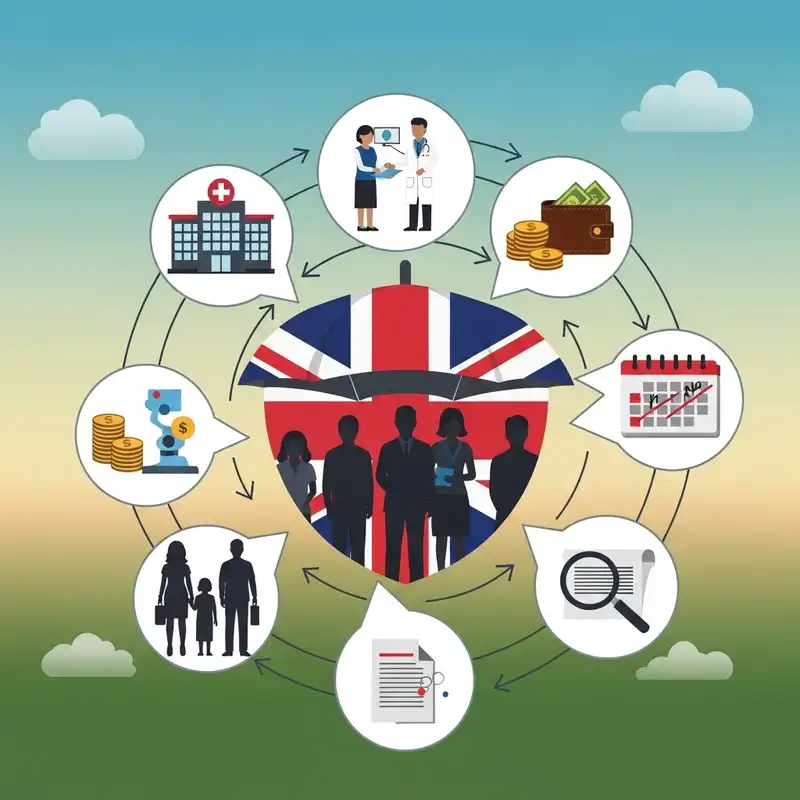
The UK's Regional Underwriting Divide: Why Insurers Score Your Postcode for Health, Lifestyle, and Economic Risk – Plus How to Secure Better Cover
UK LCIIP The Regional Underwriting Divide – Why Insurers Score Your Postcodes Health, Lifestyle & Economic Risk Differently (and How to Get Better Cover)
Securing vital protection for yourself and your loved ones – whether it's Life Insurance, Critical Illness Cover, or Income Protection – is a cornerstone of responsible financial planning. You've likely considered the obvious factors: your age, medical history, occupation, and lifestyle habits. But what if we told you there's a powerful, often overlooked factor quietly influencing your premiums and the very availability of cover? It's your postcode.
Welcome to the hidden world of the "regional underwriting divide," a sophisticated system where UK insurers analyse granular data about your local area to assess the collective risk it presents. From the air quality in your borough to the prevalence of certain health conditions in your city, and even the economic stability of your neighbourhood, your address carries a surprisingly significant weight in the eyes of an underwriter.
This isn't about discrimination; it's about statistical probability and risk management. Insurers use vast datasets to predict future claims, and these datasets reveal clear regional patterns in health outcomes, lifestyle choices, and economic stability. Understanding this divide isn't just an academic exercise; it's crucial for navigating the complex LCIIP market and securing the best possible terms for your policy.
In this comprehensive guide, we'll peel back the layers of postcode underwriting, revealing:
- The specific data points insurers meticulously analyse.
- How this information translates into your policy's cost and conditions.
- The ethical considerations surrounding this practice.
- Most importantly, actionable strategies to help you get better cover, regardless of where you live.
Let's delve into the fascinating, yet often opaque, world where your postcode tells a story about your risk.
The Core of Underwriting: Beyond the Individual
At its heart, insurance underwriting is the process by which insurers assess the risk of providing cover to an applicant. Traditionally, this has focused heavily on individual circumstances:
- Medical History: Past and present illnesses, diagnoses, treatments, family medical history.
- Lifestyle: Smoking status, alcohol consumption, diet, exercise habits, high-risk hobbies (e.g., skydiving, mountaineering).
- Occupation: The inherent dangers or health risks associated with a profession (e.g., offshore oil rig worker vs. office administrator).
- Age: Statistically, older individuals present a higher risk of claims.
- Sum Assured & Term: The amount of cover requested and the duration of the policy.
However, modern underwriting has evolved beyond this individualistic approach. Insurers now leverage "geodemographic" or "postcode underwriting," integrating aggregated data related to your geographic location. This isn't about profiling you personally based on your neighbours, but rather about incorporating broader statistical trends that have proven predictive power.
Why do they do this?
- Risk Pooling: Insurance works on the principle of pooling risks. By understanding the aggregate risk of a particular area, insurers can better price policies and ensure the sustainability of their risk pools.
- Statistical Validity: Numerous studies and vast datasets confirm that geographical location correlates strongly with various health, lifestyle, and economic outcomes. For example, life expectancy varies significantly across different regions of the UK.
- Predictive Power: A postcode can act as a proxy for certain environmental exposures, socio-economic conditions, and even access to healthcare, all of which influence the likelihood of a claim on a life, critical illness, or income protection policy.
Consider this: if a specific area consistently shows higher rates of a particular chronic illness or has a lower average life expectancy, this statistical likelihood influences the collective risk associated with residents of that area. Insurers factor this into their overall risk assessment, alongside your individual profile, to create a more comprehensive picture.
The Data Driving the Divide: What Insurers Analyse
The regional underwriting divide is powered by an incredible array of data points, meticulously collected and analysed by insurers. These insights come from reputable sources like the Office for National Statistics (ONS), Public Health England (now UK Health Security Agency and Office for Health Improvement and Disparities), NHS data, environmental agencies, and even commercial data providers.
Here's a breakdown of the key categories of data that contribute to your postcode's risk score:
Health & Morbidity
This is perhaps the most significant category, directly impacting the likelihood of life and critical illness claims.
- Life Expectancy: One of the clearest indicators. The ONS consistently reports significant differences in healthy life expectancy and overall life expectancy between different regions and even within towns. For example, as of 2020-2022 data, male healthy life expectancy at birth in the South East was 64.0 years, compared to 57.7 years in the North East. Such disparities are directly relevant to life insurance pricing.
- Prevalence of Chronic Diseases:
- Cardiovascular Disease (CVD): Rates of heart disease and stroke vary regionally, often linked to socio-economic factors, diet, and smoking.
- Diabetes: Areas with higher deprivation often show increased rates of Type 2 diabetes.
- Obesity: Geographic variations in obesity levels are stark. Public Health England data has shown that the most deprived areas have higher rates of overweight and obesity.
- Cancer Incidences: While largely random, some cancers have regional clusters linked to environmental factors or historical industry.
- Respiratory Illnesses: Areas with higher air pollution (e.g., urban centres, industrial zones) may see higher rates of asthma, COPD, and other respiratory conditions.
- Access to Healthcare Facilities:
- GP Density: Lower access to GPs can mean delayed diagnoses or less effective management of chronic conditions.
- Hospital Beds/Specialist Services: Proximity and availability of high-quality medical care can indirectly influence health outcomes.
- Environmental Factors:
- Air Pollution: Levels of PM2.5 and nitrogen dioxide (NO2) – higher in busy urban areas or near major roads – are linked to respiratory and cardiovascular problems.
- Green Space Availability: Access to parks and green spaces correlates with better physical and mental health outcomes.
- Water Quality: Although generally high in the UK, historical issues or specific local contaminants could be factored in.
- Mental Health Prevalence: Regional data on anxiety, depression, and other mental health conditions can indicate overall community well-being and potential for claims linked to mental health issues, particularly for Income Protection.
Lifestyle & Behavioural Factors
These factors are closely intertwined with health outcomes and contribute significantly to overall risk.
- Smoking Rates: Despite a national decline, smoking prevalence remains higher in certain regions, particularly in more deprived areas of the North East, North West, and parts of the Midlands.
- Alcohol Consumption: Binge drinking and high-risk alcohol consumption patterns show regional variations.
- Dietary Habits: Data on food consumption patterns can indicate regional differences in diet quality, often correlating with deprivation.
- Physical Activity Levels: Areas with fewer facilities or less active populations may have higher rates of sedentary lifestyles.
- Occupation Types and Associated Risks: A postcode can indicate the dominant industries in an area. For example, an area with a high concentration of construction workers or factory employees might have higher rates of workplace injuries or industry-specific health conditions.
- Accident Rates: Road traffic accident statistics, or data on home accidents, can point to areas with higher general injury risk.
- Crime Rates: While not directly health-related, high crime rates can lead to increased stress, mental health issues, and, in extreme cases, direct harm impacting LCIIP claims.
Economic & Socio-Economic Indicators
These factors have a profound, often indirect, impact on health and financial stability, making them critical for Income Protection and Critical Illness cover.
- Income Levels: Average household income in a postcode. Lower incomes often correlate with poorer health outcomes due to factors like nutrition, housing quality, and access to services.
- Deprivation Indices (IMD): The English Indices of Deprivation (IMD) measure deprivation across various domains (income, employment, health, education, housing, crime, living environment). Postcodes in the most deprived deciles are statistically linked to poorer health and higher mortality.
- Unemployment Rates: High unemployment can lead to financial stress, impacting mental health and increasing the likelihood of claims on Income Protection policies.
- Educational Attainment: Lower educational levels often correlate with reduced health literacy and poorer health choices.
- Poverty Levels: Directly linked to health inequalities and increased demand on social welfare systems.
- Financial Stability: Data on mortgage arrears, personal insolvencies, or access to credit can indicate the general financial resilience of an area, which is highly relevant for Income Protection. If an area is prone to economic instability, the risk of income loss for residents is higher.
Geographic and Environmental Risks
While less direct for LCIIP than property insurance, these factors can still play a role.
- Flood Risk: While primarily a property concern, severe flooding can lead to long-term health issues (e.g., mould, stress, displacement) and indirectly increase health-related claims.
- Proximity to Industrial Sites/Hazardous Waste: Can imply exposure to pollutants or higher accident risks.
- Noise Pollution: Chronic exposure to high noise levels is linked to stress, sleep disturbance, and cardiovascular issues.
Table 1: Regional Health Disparities in the UK (Example Data & Types)
| Factor | Example Regions (High Risk) | Example Regions (Lower Risk) | Relevance to LCIIP | Data Source (Typical) |
|---|---|---|---|---|
| Life Expectancy | North East, parts of Scotland | South East, South West | Direct impact on Life Insurance premiums | ONS |
| Healthy Life Expectancy | North West, Yorkshire | East of England, London | Critical Illness, Income Protection duration | ONS |
| Obesity Prevalence | North East, West Midlands | London, South East | Higher risk of diabetes, heart disease, certain cancers (CI claims) | Public Health England |
| Smoking Rates | North East, Northern Ireland | London, South East | Higher risk of lung disease, cancer, heart disease (Life, CI claims) | NHS, ONS |
| Cardiovascular Disease | Scotland, North West | South West, East of England | Major Critical Illness and Life claim cause | NHS, Public Health England |
| Air Pollution (PM2.5) | Major urban centres (London, Birmingham) | Rural Scotland, Wales | Respiratory illnesses, heart disease (CI, Life claims) | DEFRA, Local Authorities |
Table 2: Regional Lifestyle & Economic Risk Factors (Example Data & Types)
| Factor | Example Regions (Higher Risk) | Example Regions (Lower Risk) | Relevance to LCIIP | Data Source (Typical) |
|---|---|---|---|---|
| Indices of Deprivation | Parts of Liverpool, Blackpool, Middlesbrough | Wokingham, Richmond upon Thames | Correlates with poorer health, higher CI/IP claims | MHCLG (IMD) |
| Unemployment Rate | North East, West Midlands | South East, East of England | Higher risk of IP claims due to job loss, financial stress | ONS |
| High-Risk Occupations | Heavy industry areas, farming regions | Service-sector dominated cities | Higher risk of workplace injury/illness (CI, IP claims) | ONS, HSE |
| Financial Vulnerability | Areas with higher debt/arrears | Affluent commuter belts | Increased likelihood of IP claims during economic downturns | FCA, Credit Bureaus |
| Crime Rates | Certain urban areas (violent crime) | Rural areas, affluent suburbs | Indirect stress, mental health impact (IP), injury (CI) | ONS, Home Office |
How Postcode Data is Used in Underwriting Models
Insurers don't simply "redline" entire postcodes. Instead, they integrate this vast amount of regional data into sophisticated, proprietary algorithms that inform their underwriting decisions.
- Data Aggregation: The data is typically aggregated at various levels: postcode sector (e.g., SW1A 0), postcode district (e.g., SW1A), or even full postcode (e.g., SW1A 0AA). The granularity depends on the insurer's sophistication and the data available. The more specific the data, the more precise the risk assessment.
- Proprietary Algorithms: Each insurer develops its own complex statistical models. These models weigh individual factors (age, health, occupation) alongside postcode-level data. For instance, one insurer might place a higher weight on air pollution data, while another might prioritise deprivation indices.
- The "Postcode Score": While not a public figure, you can imagine that each postcode or postcode sector is assigned a 'score' or a 'risk index' based on the collective data points. This score is then factored into the overall risk calculation for an applicant residing in that area.
- Impact on Premiums and Terms:
- Loading: If your postcode scores highly on risk indicators, your premium might be subject to a "loading" – an extra charge added to your basic premium. This is common if your individual profile is otherwise good, but the regional risk elevates the overall assessment.
- Exclusions: In some rare cases, for Critical Illness or Income Protection, certain postcode-specific risks (e.g., very high flood risk impacting property value and potentially long-term health/stress, though less common) might lead to specific exclusions, although this is more prevalent in property insurance.
- Refusal: While very rare based solely on postcode for LCIIP, a combination of a high-risk postcode and a borderline individual profile could potentially lead to a refusal from a particular insurer, though another insurer with a different underwriting appetite might still offer cover.
- The "Smoothing" Effect: Importantly, the postcode data doesn't override your individual data. Instead, it provides a broader context. A perfectly healthy individual in a higher-risk postcode will still likely get competitive rates, but perhaps slightly higher than a perfectly healthy individual in a lower-risk postcode. The system aims to "smooth" out risk variations and ensure fairness across large populations.
The Financial Conduct Authority (FCA) monitors these practices to ensure they are fair and transparent, avoiding practices that could be deemed discriminatory or akin to "redlining" (denying services based on location). The balance is struck between robust risk assessment and ensuring access to essential insurance products for all eligible individuals.
Navigating the Divide: Strategies for Getting Better Cover
Understanding the regional underwriting divide can feel daunting, but it also empowers you with knowledge. While you can't pick up your house and move to a "lower risk" postcode just for insurance, there are concrete steps you can take to optimise your application and secure the best possible LCIIP cover.
Understand Your Risk Profile
Knowledge is power.
- Be Honest and Accurate: Always provide truthful and complete information on your application. Non-disclosure, even accidental, can invalidate your policy when you need it most.
- Know Your Personal Health History: Be aware of your current health status, any chronic conditions, and your family's medical history. Have medical records handy if possible.
- Be Aware of Your Postcode's General Standing: While you don't need to obsess over detailed ONS reports, a general understanding of the health and economic trends in your area can help you understand why certain questions might be asked or why one insurer's quote differs from another.
Optimise Your Personal Health
This is the most impactful area you control, directly countering any negative postcode influence.
- Quit Smoking: This is hands down the single biggest factor influencing LCIIP premiums. Quitting for at least 12 months can significantly reduce your premiums, often by 30-50% for life insurance.
- Reduce Alcohol Consumption: Sticking to recommended limits can improve liver health and overall well-being, positively impacting your risk profile.
- Maintain a Healthy Weight: Obesity is a major risk factor for numerous critical illnesses (diabetes, heart disease, certain cancers). Losing weight can demonstrably lower your risk and, consequently, your premiums.
- Manage Pre-existing Conditions: If you have a chronic condition (e.g., high blood pressure, diabetes), actively managing it through medication, diet, and regular doctor visits demonstrates responsibility and can lead to more favourable terms.
- Show Commitment to Improving Health: If you've recently made significant positive health changes, highlight them. Insurers appreciate proactive health management.
Application Strategy: The Power of an Independent Broker
This is where expert guidance becomes invaluable, especially when dealing with the complexities of postcode underwriting.
- Use an Independent Broker (Like WeCovr): This is arguably the most crucial piece of advice. We work with all major UK insurers and have an in-depth understanding of their individual underwriting appetites and how they weigh various risk factors, including postcode data.
- Access to Multiple Insurers: We can compare policies from a broad panel of providers, finding the insurer whose underwriting model is most favourable to your specific profile and postcode. One insurer might penalise a certain regional health metric more heavily than another.
- Understanding Underwriting Nuances: We know which insurers are more lenient on certain pre-existing conditions, specific occupations, or even regional data trends. This allows us to "match" you with the most suitable provider.
- Presenting Your Case Positively: We can help you articulate your application in a way that highlights your strengths and mitigates perceived risks, potentially explaining any minor health issues or lifestyle choices in a context that underwriters will appreciate. We can also anticipate questions related to your postcode and help you prepare.
- Streamlining the Process: Navigating medical questionnaires, requests for GP reports, and insurer queries can be complex. We handle much of this on your behalf, saving you time and stress.
- Shop Around: Even if you choose not to use a broker, gather quotes from several insurers directly. Their underwriting models differ, and what one insurer sees as a significant risk, another might view more favourably. However, a broker does this efficiently for you.
- Consider Individual vs. Joint Policies: For couples, sometimes an individual policy can be more cost-effective than a joint policy, depending on the differing risk profiles of each person.
- Be Prepared for Medical Examinations: For higher sums assured or if you have a complex medical history, the insurer may request a medical exam. This is an opportunity to provide up-to-date, accurate health information that can counteract any broad postcode-based assumptions.
The Power of Disclosure
- Full Disclosure Avoids Claim Issues: While it might seem tempting to omit minor details, full and honest disclosure is paramount. If you fail to disclose relevant information (even if it seems insignificant to you), your policy could be invalidated at the point of claim, leaving you unprotected.
- Explain Clearly: Don't just list a condition; explain how it's managed, your prognosis, and any positive steps you've taken.
Re-evaluation and Review
- Policies Aren't Static: If your health significantly improves (e.g., you quit smoking, lose a substantial amount of weight, or a medical condition goes into remission), you might be able to apply for re-evaluation with your current insurer or apply for a new policy. While a postcode generally doesn't change, your personal health profile can offset its influence over time.
- If You Move: If you move from a higher-risk postcode to a statistically lower-risk one, it's worth reviewing your insurance. For existing policies, your premium typically won't change unless you make significant alterations. However, when seeking new cover or additional cover, your new address will be factored into the underwriting, potentially leading to better terms.
Case Studies and Real-World Examples
To illustrate how the regional underwriting divide plays out, consider these anonymised scenarios:
Case Study 1: The Identical Twins, Different Cities
- Applicants: Identical twins, both 35, non-smokers, office workers, excellent personal health.
- Twin A: Lives in a postcode sector in Central London, an area known for higher air pollution and above-average stress levels, but also high average incomes and excellent healthcare access.
- Twin B: Lives in a rural village in the South West, an area with low air pollution, abundant green spaces, and lower health deprivation indices.
- Outcome: Twin B received a slightly lower premium for the same Life Insurance cover, despite identical personal profiles. The aggregated postcode data subtly tilted the scale. One insurer might see London's access to healthcare as a mitigating factor, while another focuses more on environmental pollutants, leading to varied outcomes across providers.
Case Study 2: The Diabetic in Two Northern Towns
- Applicant: 45-year-old male, non-smoker, Type 2 diabetes well-controlled with medication and diet.
- Town X: An ex-industrial town in the North East, with historically high rates of deprivation, obesity, and lower average life expectancy, and higher prevalence of cardiovascular disease.
- Town Y: A commuter town in North Yorkshire, more affluent, with lower rates of chronic illness and higher life expectancy.
- Outcome: When applying for Critical Illness Cover, the applicant received a higher loading on his premium in Town X compared to what he would have received in Town Y, even with his well-managed diabetes. Insurers assessed the background risk of the population in Town X as higher for progression of diabetes-related complications or other critical illnesses.
These examples highlight that while your personal health is paramount, the statistical backdrop of your location does matter. It's rarely the sole determinant, but it's a significant contributing factor.
The Regulatory Landscape and Fairness
The practice of postcode underwriting raises important questions about fairness and access. The Financial Conduct Authority (FCA), as the UK's financial services regulator, plays a crucial role in overseeing these practices.
- Ensuring Fair Treatment of Customers (TCF): The FCA's principle of 'Treating Customers Fairly' dictates that insurers must be transparent about their products and processes and ensure that their risk assessments are equitable.
- Avoiding "Redlining": The FCA is keen to prevent practices that could lead to "redlining," where services are effectively denied or made prohibitively expensive for residents of certain geographic areas based on broad assumptions rather than individual merit. Insurers must justify their use of postcode data with robust statistical evidence and ensure it doesn't lead to unfair discrimination.
- Balance Between Risk Assessment and Accessibility: The challenge for regulators and insurers is to strike a balance. Insurers need to accurately assess risk to remain solvent and offer competitive premiums to the majority. However, this must not come at the cost of making essential protection unaffordable or inaccessible to significant segments of the population simply because of where they live.
- Data Protection (GDPR): The use of personal and aggregated data in underwriting is subject to strict data protection regulations under GDPR. Insurers must be clear about what data they collect, how it's used, and how it's protected. They rely on anonymised and aggregated data sets for postcode analysis, not specific individual health records linked to your neighbours.
The industry continuously refines its models to be more precise, ensuring that while regional data contributes, it doesn't disproportionately penalise individuals who defy the statistics of their local area.
The Future of Underwriting: AI, Wearables, and Beyond
The regional underwriting divide is just one facet of how insurers are embracing data to refine risk assessment. The future of underwriting promises even greater granularity and personalisation, while also bringing new ethical considerations.
- Increased Data Granularity: As technology advances and more data becomes available, insurers may move towards even finer-grained regional data, potentially down to individual streets or blocks, offering hyper-local risk assessments.
- Personalised Risk Assessment vs. Regional Averages: The industry is increasingly looking at ways to blend broad statistical trends with highly individualised data. This could involve:
g., step count, heart rate variability, sleep patterns) could offer real-time insights into an individual's health and lifestyle.
- Genomic Data: While highly controversial and currently prohibited for use in underwriting in the UK by a voluntary moratorium, the potential for genetic insights to inform risk assessment is a long-term discussion point.
- AI and Machine Learning: These technologies will continue to enhance the predictive power of underwriting models, identifying subtle correlations that human analysts might miss.
- Ethical Considerations: As underwriting becomes more personalised, new ethical dilemmas arise:
- Data Privacy: How much personal health and lifestyle data are individuals willing to share?
- "Good Risk" vs. "Bad Risk" Divide: Could highly personalised underwriting create a two-tier system where those who are exceptionally healthy or manage their health proactively receive significantly better terms, potentially making insurance less accessible for others?
- Digital Divide: Will those without access to smart devices or digital health platforms be disadvantaged?
- Dynamic Underwriting: Imagine policies that adjust premiums based on real-time health improvements or changes in lifestyle. This could incentivise healthier living but also raise questions about premium stability.
While these advancements offer the promise of fairer and more accurate pricing, the core principle of pooling risk based on statistical likelihoods will remain. The regional underwriting divide, in some form, is likely to persist as a foundational layer of risk assessment, even as more individual data points are incorporated.
Conclusion
The regional underwriting divide in UK LCIIP is a sophisticated, data-driven reality that impacts how insurers assess risk and price your policies. Your postcode, far from being just a mailing address, is a composite indicator of collective health, lifestyle, and economic trends in your local area. While it might seem unfair that factors beyond your direct control influence your insurance, it’s a practice rooted in statistical probability and the fundamental mechanics of risk management.
Crucially, this divide doesn't mean you're condemned to higher premiums if you live in a statistically "higher risk" area. Your individual health, lifestyle, and honest disclosure remain the most potent factors in securing favourable terms.
The key to navigating this complex landscape is informed action. By understanding how insurers assess risk, proactively managing your personal health, and, most importantly, leveraging the expertise of an independent insurance broker, you can significantly improve your chances of securing the best possible cover.
At WeCovr, we pride ourselves on being that expert guide. We understand the nuances of each insurer's underwriting processes, including how they factor in regional data. We work tirelessly on your behalf, comparing options from across the entire UK market, to ensure you find the right Life, Critical Illness, or Income Protection policy that truly protects you and your family, regardless of your postcode. Don't let the postcode puzzle deter you; get the vital protection you deserve.
Why life insurance and how does it work?
What is Life Insurance?
Life insurance is an insurance policy that can provide financial support for your loved ones when you or your joint policy holder passes away. It can help clear any outstanding debts, such as a mortgage, and cover your family's living and other expenses such costs of education, so your family can continue to pay bills and living expenses. In addition to life insurance, insurance providers offer related products such as income protection and critical illness, which we will touch upon below.How does it work?
Life insurance pays out if you die. The payout can be in the form of a lump sum payment or can be paid as a replacement for a regular income. It's your decision how much cover you'd like to take based on your financial resources and how much you'd like to leave to your family to help them deal with any outstanding debts and living expenses. Your premium depends on a number of factors, including your occupation, health and other criteria.The payout amount can change over time or can be fixed. A level term or whole of life policy offers a fixed payout. A decreasing term policy offers a payout that decreases over the term of the cover.
With critical illness policies, a payout is made if you’re diagnosed with a terminal illness with a remaining life expectancy of less than 12 months. While income protection policies ensure you can continue to meet your financial commitments if you are forced to take an extended break from work. If you can’t work because you’ve had an accident, fallen sick, or lost your job through no fault of your own, income protection insurance pays you an agreed portion of your salary each month.
Income protection is particularly helpful for people in dangerous occupations who want to be sure their mortgage will always be covered. Income protection only covers events beyond your control: you’re much less likely to be covered if you’re fired from your job or if you injure yourself deliberately.
Questions to ask yourself regarding life insurance
Just ask yourself:👉 Who would pay your mortgage or rent if you were to pass away or fall seriously ill?
👉 Who would pay for your family’s food, clothing, study fees or lifestyle?
👉 Who would provide for the costs of your funeral or clear your debts?
👉 Who would pay for your costs if you're unable to work due to serious illness or disability?
Many families don’t realise that life, income protection and critical illness insurance is one of the most effective ways to protect their finances. A great insurance policy can cover costs, protect a family from inheriting debts and even pay off a mortgage.
Many would think that the costs for all the benefits provided by life insurance, income protection insurance or critical illness insurance are too high, but the great news is in the current market policies are actually very inexpensive.
Benefits offered by income protection, life and critical illness insurance
Life insurance, income protection and critical illness insurance are indispensable for every family because a child loses a parent every 22 minutes in the UK, while every single day tragically 60 people suffer major injuries on the UK roads. Some people become unable to work because of sickness or disability.Life insurance cover pays out a lump sum to your family, loved ones or whomever you choose to get the money. This can be used to secure the financial future of your loved ones meaning they would not have to struggle financially in the event of your death.
If it's a critical illness cover, the payout happens sooner - upon diagnosis of a serious illness, disability or medical condition, easing the financial hardship such an event inevitably brings.
Income protection insurance can be very important for anyone who relies on a pay check to cover their living costs, but it's especially important if you’re self-employed or own a small business, where your employment and income is a bit less stable. It pays a regular income if you can't work because of sickness or disability and continues until you return to paid work or you retire.
In a world where 1 in 4 of us would struggle financially after just four weeks without work, the stark reality hits hard – a mere 7% of UK adults possess the vital shield of income protection. The urgency of safeguarding our financial well-being has never been more palpable.
Let's face it – relying on savings isn't a solution for everyone. Almost 25% of people have no savings at all, and a whopping 50% have £1,000 or less tucked away. Even more concerning, 51% of Brits – that's a huge 27 million people – wouldn't last more than one month living off their savings. That's a 10% increase from 2022.
And don't even think about state benefits being a safety net. The maximum you can expect from statutory sick pay is a mere £109.40 per week for up to 28 weeks. Not exactly a financial lifeline, right?
Now, let's tackle a common objection: "But I have critical illness insurance. I don't need income protection too." Here's the deal – the two policies apply to very different situations. In a nutshell:
- Critical illness insurance pays a single lump sum if you're diagnosed with or undergo surgery for a specified potentially life-threatening illness. It's great for handling big one-off expenses or debts.
- Income protection, on the other hand, pays a percentage of your salary as a regular payment if you can't work due to illness or injury. It's the superhero that tackles those relentless monthly bills.
Types of life insurance policies
Common reasons for getting a life insurance policy are to:✅ Leave behind an amount of money to keep your family comfortable
✅ Protect the family home and pay off the mortgage in full or in part
✅ Pay for funeral costs
Starting from as little as a couple of pounds per week, you can do all that with a Life Policy.
Level Term Life Insurance
One of the simplest forms of life insurance, level term life insurance works by selecting a length of time for which you would want to be covered and then deciding how much you would like your loved ones to receive should the worst happen. Should your life insurance policy pay out to your family, it would be in a lump sum amount that can be used in whatever way the beneficiary may wish.
Decreasing Term Life Insurance
Decreasing term life insurance works in the same way as level term, except the lump sum payment amount upon death decreases with time. The common use for decreasing term life cover is to protect against mortgage repayment as the lump sum decreases along with the principal of the mortgage itself.
Increasing Term Life Insurance
Increasing term life insurance aims to pay out a cash sum growing each year if the worst happens while covered by the policy. With increasing term life cover amount insured increases annually by a fixed amount for the length of the policy. This can protect your policy's value against inflation, which could be advantageous if you’re looking to maintain your loved ones’ living standards, continue paying off your mortgage in line with its repayment schedule and cover your children’s education fees.
Whole of Life Insurance
Whereas term life insurance policies only pay out if you pass away during their term, whole of life insurance pays out to your beneficiaries whenever this should happen. The most common uses for whole life insurance are to cover the costs of a funeral or as a vehicle for your family's inheritance tax planning.
Family Income Benefit
Family income benefit is a somewhat lesser-known product in the family of life insurance products. Paying out a set amount every month of year to your beneficiaries, it is the most cost-effective way of maintaining your family's living standards to an age where you'd expect them to be able to support themselves financially. The most common use would be for a family with children who are not working yet so are unable to take care of themselves financially.
Relevant Life Insurance
Relevant Life Insurance is a tax-efficient policy for a director or single employee. A simple level term life insurance product, it is placed in a specific trust to ensure its tax efficiency. The premiums are tax deductible and any benefit payable should a claim arise is also paid out tax free, which makes it an attractive product for entrepreneurs and their businesses.
Important Fact!
We can look at a more suitable option mid-term!
Why is it important to get life insurance early?
👉 Many people are very thankful that they had their life, income protection, and critical illness insurance cover in place before running into some serious issues. Critical illness and income protection insurance is as important as life insurance for protecting your family's finances.👉 We insure our cars, houses, bicycles and even bags! Yet our life and health are the most precious things we have.
Easily one of the most important insurance purchases an individual or family can make in their lifetime, the decision to buy life, income protection, critical illness and private medical health insurance can be made much simpler with the help of FCA-authorised advisers. They are the specialists who do the searching and analysis helping people choose between various types of life insurance policies available in the market, including income protection, critical illness and other types of policies most suitable to the client's individual circumstances.
It certainly won't do any harm if you speak with one of our experienced FCA-authorised insurance partner experts who are passionate about advising people on financial matters related to life insurance and are keen to provide you with a free consultation.
You can discuss with them in detail what affordable life, income protection, critical illness or private medical health insurance plan for the necessary peace of mind they would recommend! WeCovr works with some of the best advisers in the market.
By tapping the button below, you can book a free call with them in less than 30 seconds right now:
Our Group Is Proud To Have Issued 800,000+ Policies!
We've established collaboration agreements with leading insurance groups to create tailored coverage
























How It Works
1. Complete a brief form

2. Our experts analyse your information and find you best quotes

3. Enjoy your protection!

Any questions?
Learn more

Who Are WeCovr?
WeCovr is an insurance specialist for people valuing their peace of mind and a great service.👍 WeCovr will help you get your private medical insurance, life insurance, critical illness insurance and others in no time thanks to our wonderful super-friendly experts ready to assist you every step of the way.
Just a quick and simple form and an easy conversation with one of our experts and your valuable insurance policy is in place for that needed peace of mind!