UK LCIIP Insurance Innovation
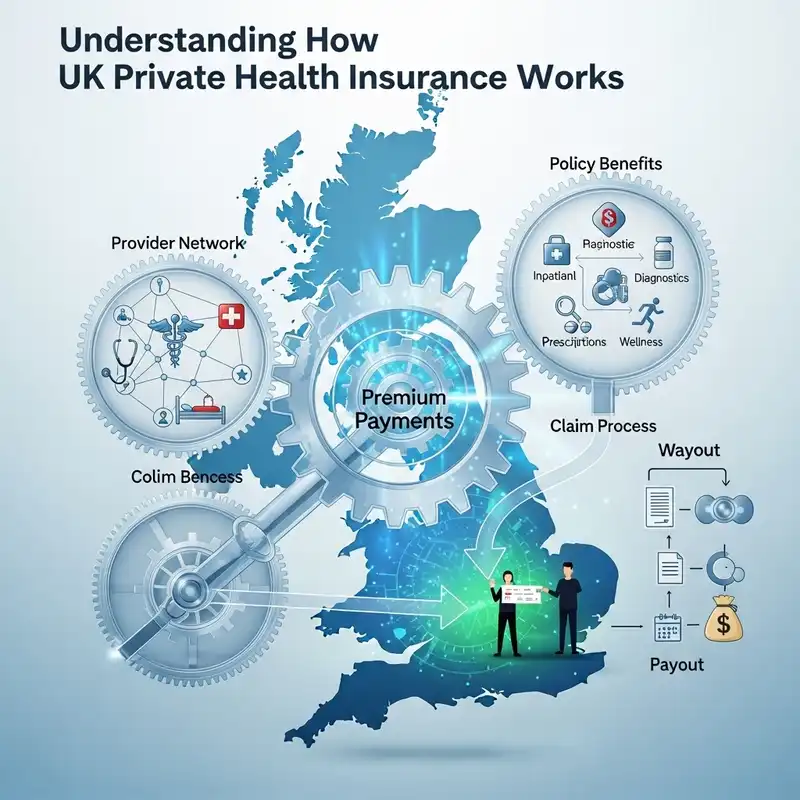
Discover which UK insurers are pioneering regional product innovation to design tailored cover for your postcodes' evolving needs.
UK LCIIP Regional Product Innovation – Which Insurers Design Cover for Your Postcodes Evolving Needs
Life is full of uncertainties, and securing your financial future and the well-being of your loved ones is a paramount concern for most Britons. In the United Kingdom, Life Insurance, Critical Illness Cover, and Income Protection (LCIIP) policies form the cornerstone of this financial security. Traditionally, these policies have been designed with a broad, national brushstroke, aiming to cover a wide range of eventualities for a diverse population.
However, the UK is a patchwork of distinct communities, each with its own unique demographics, economic landscapes, health challenges, and environmental factors. From the bustling streets of London to the serene Scottish Highlands, the industrial heartlands of the Midlands to the coastal towns of the South West, the risks and needs of individuals can vary significantly based on their postcode.
This raises a crucial question: are LCIIP policies truly adapting to the evolving, hyper-localised needs of the modern UK population? In this in-depth guide, we will delve into the fascinating world of regional product innovation within the UK insurance market. We'll explore how forward-thinking insurers are moving beyond the 'one-size-fits-all' approach, leveraging data, technology, and a deeper understanding of regional nuances to design cover that truly resonates with the postcodes it protects. Our goal is to equip you with the knowledge to understand whether your insurance genuinely aligns with your specific circumstances, wherever you call home in the UK.
The Evolving UK Landscape: Why Regional Matters Now More Than Ever
The premise that the UK is a homogenous entity is fundamentally flawed, especially when considering health, wealth, and lifestyle risks. Over the past few decades, profound shifts across various dimensions have exacerbated regional disparities, making a postcode-centric approach to LCIIP not just beneficial, but arguably essential.
Demographic Shifts: A Tapestry of Ages and Origins
The UK's population is dynamic, with significant variations in age distribution, family structures, and migration patterns across different regions.
- Ageing Population: While the UK as a whole is ageing, certain regions exhibit a much higher proportion of older residents. Coastal areas and many rural communities, for instance, often become retirement havens. According to the Office for National Statistics (ONS), in mid-2023, the average age in local authorities like North Norfolk and Rother (East Sussex) was well over 50, contrasting sharply with urban centres like Tower Hamlets (London) where the average age hovered around 30. An older demographic often means a higher prevalence of age-related illnesses, distinct income protection needs (e.g., later life care costs), and a greater emphasis on whole of life cover.
- Youthful Hubs: Conversely, major cities and university towns attract a younger, more transient population. These areas may see a greater demand for shorter-term policies, flexible income protection for gig economy workers, and critical illness cover tailored to younger-onset conditions or accidents.
- Migration and Diversity: Internal migration, often driven by employment opportunities or affordability, reshapes communities. The "London exodus" seen during and after the pandemic, for example, saw many relocating to commuter belts or more rural areas, altering the demographic profile of both departure and arrival locations. International migration also plays a role, with diverse populations often having varying cultural expectations around insurance and distinct health profiles.
These demographic shifts directly influence the types of risks individuals face and the kind of protection they seek.
Health Disparities: The Postcode Lottery of Well-being
Perhaps the most compelling argument for regional innovation in LCIIP stems from the stark health inequalities that persist across the UK. It's a widely acknowledged "postcode lottery" for health outcomes.
- Life Expectancy Gaps: The ONS consistently reports significant differences in life expectancy across the UK. For example, in 2020-2022, healthy life expectancy at birth for males in the least deprived areas was 69.3 years, compared to 52.4 years in the most deprived areas – a staggering 16.9-year gap. Similar gaps exist for females. These disparities are often correlated with regional deprivation levels.
- Prevalence of Specific Conditions: Certain regions experience higher incidences of specific health conditions.
- Cardiovascular Disease: Areas in the North East and North West of England, and parts of Scotland, often show higher rates of heart disease and stroke, linked to historical industrial economies, lifestyle factors (smoking, diet), and socioeconomic deprivation.
- Respiratory Illnesses: Urban centres with higher air pollution, and areas with historical industrial activity, may see elevated rates of asthma and other respiratory conditions.
- Mental Health: While mental health issues are pervasive, studies suggest regional variations in access to support and prevalence, influenced by socioeconomic factors, employment rates, and community cohesion. For instance, areas with higher unemployment or social isolation may experience higher rates of depression and anxiety.
- Lifestyle Factors: Regional differences in diet, physical activity levels, and smoking/alcohol consumption directly impact health. Public Health England data has highlighted persistent variations in obesity rates and smoking prevalence across local authorities, all of which are significant factors in long-term health and insurance risk.
Insurers equipped with this granular data can begin to understand regional risk profiles more accurately, moving beyond broad brushstrokes to offer more tailored underwriting and support.
Economic Realities: Income, Employment, and Affordability
The economic fabric of the UK is diverse, with significant regional variations in income levels, employment sectors, and cost of living.
- Income Disparities: The ONS reported in April 2023 that London had the highest median gross weekly earnings (£801), while the North East had the lowest (£609). Such income gaps directly influence the affordability of insurance premiums and the necessary sum assured for income protection.
- Employment Sectors: Regions often specialise in different economic activities.
- Financial and Professional Services: Predominant in London and the South East, potentially leading to higher average incomes and demands for more comprehensive, higher sum assured policies.
- Manufacturing and Traditional Industries: Still vital in parts of the Midlands, North, and Wales. Workers in these sectors might face different occupational risks and income stability concerns.
- Agriculture and Tourism: Key sectors in rural and coastal areas, often characterised by seasonal work, self-employment, and potentially lower, less stable incomes.
- Cost of Living: Housing, transport, and general living costs vary dramatically. The average house price in London vastly exceeds that in many Northern regions. This means that a critical illness lump sum or an income protection benefit needs to go further in high-cost areas to maintain a similar standard of living.
For insurers, understanding these economic realities is crucial for designing products that are both affordable and genuinely protective for their regional customer base.
Environmental Factors: Local Risks and Opportunities
Even the natural and built environment plays a role in regional LCIIP needs.
- Air and Water Quality: Urban areas often contend with higher levels of air pollution, which can contribute to respiratory and cardiovascular diseases. Specific regions may also have unique water quality challenges.
- Climate Change Impacts: While a national issue, the effects of climate change are felt regionally. Increased flood risk in certain areas, for example, can impact property values and indirectly affect stress levels and long-term health. Heatwaves, becoming more frequent, disproportionately affect vulnerable populations in urban heat islands.
- Access to Green Spaces: Research increasingly links access to green spaces with better mental and physical health. Urban areas with limited green infrastructure may pose different health risks compared to rural areas.
By acknowledging these multifaceted regional differences, insurers can begin to craft LCIIP policies that are not just financially sound but also socially responsible and highly relevant to the unique lives of UK residents.
Understanding LCIIP: A Foundation
Before we dive into the innovative ways insurers are localising their offerings, it's essential to briefly recap the core components of LCIIP.
- Life Insurance: Provides a tax-free lump sum payment to your beneficiaries if you pass away during the policy term (Term Life) or whenever you pass away (Whole of Life). Its primary purpose is to protect your dependants from financial hardship upon your death, covering mortgages, living costs, or inheritance tax.
- Critical Illness Cover (CIC): Pays out a tax-free lump sum if you are diagnosed with a specified serious illness (e.g., cancer, heart attack, stroke) during the policy term, and meet the insurer's definition for that condition. This money can be used to cover medical expenses, adapt your home, pay off debts, or replace lost income.
- Income Protection (IP): Replaces a percentage of your lost income (typically 50-70%) if you are unable to work due to illness or injury. Payments continue until you return to work, reach retirement age, or the policy term ends. It's designed to maintain your lifestyle and cover essential outgoings if your ability to earn is compromised.
Traditionally, the definitions of illnesses, claim conditions, and benefit structures have been largely uniform across an insurer's entire UK offering. The innovation we're seeing now is not about fundamentally changing these products, but about how they are underwritten, priced, supported, and customised to better fit the nuanced reality of different UK postcodes.
The Shift: From One-Size-Fits-All to Hyper-Localisation
The insurance industry, traditionally conservative, is undergoing a quiet revolution driven by data, technology, and a growing understanding of consumer needs. The shift from generic national policies to more regionally sensitive offerings is a testament to this evolution.
Data-Driven Underwriting: The Power of the Postcode
The digital age has brought an explosion of data, and insurers are increasingly sophisticated in how they collect, analyse, and apply it. Postcode data has emerged as a surprisingly powerful predictor of risk.
- Aggregated Health and Lifestyle Data: While insurers cannot access individual medical records without consent, they can analyse aggregated, anonymised data at a postcode level. This includes public health statistics (e.g., local prevalence of diabetes, obesity rates, smoking habits), socioeconomic indicators (e.g., average income, unemployment rates, crime statistics), and even environmental data (e.g., air quality indices, flood risk maps).
- Predictive Analytics: Advanced algorithms and machine learning models can identify correlations between these postcode-level data points and future claims experience. For instance, an insurer might find that postcodes with consistently lower average healthy life expectancy, higher pollution levels, or greater socioeconomic deprivation tend to have higher critical illness claims for certain conditions.
- Refined Pricing and Underwriting: This granular understanding allows insurers to refine their pricing. It doesn't necessarily mean charging higher premiums for 'riskier' postcodes across the board, but rather, it allows for more accurate risk assessment. For example, if a specific postcode has a lower incidence of heart disease than the national average, the critical illness premium for that condition might be marginally lower, or specific benefits might be enhanced. Conversely, if mental health support is demonstrably needed more in another area, the policy might incorporate enhanced mental health provisions.
- Ethical Considerations: The use of postcode data is not without its ethical debates. Concerns around "postcode discrimination" are valid. The Financial Conduct Authority (FCA) closely monitors how data is used to ensure fairness and avoid unfairly penalising individuals based solely on their location, especially for factors beyond their control. The industry strives for a balance: using data to offer more accurate and relevant products, while avoiding redlining or exclusionary practices.
Product Flexibility and Customisation: Tailoring the Cover
Beyond underwriting, insurers are building flexibility into their products, allowing for a degree of customisation that can implicitly or explicitly cater to regional needs.
- Modular Policies: Many modern LCIIP policies are modular, allowing policyholders to add or remove benefits. This could mean adding specific critical illness conditions that are more prevalent in a certain area, or including enhanced mental health support where regional demand is higher.
- Location-Specific Value-Added Services: This is where regional innovation truly shines. Instead of just a financial payout, policies are increasingly bundled with value-added services.
- Virtual GP Services: Crucial for rural areas with limited access to in-person healthcare.
- Mental Health Support: Insurers like Legal & General and AIG offer comprehensive mental health helplines and online cognitive behavioural therapy (CBT) programmes, which are invaluable regardless of postcode but can bridge service gaps in certain regions.
- Physiotherapy and Rehabilitation: Online or local in-person physio services can be particularly helpful for individuals in manual labour industries common in specific regions.
- Second Medical Opinions: Providing access to specialist opinions, regardless of local NHS waiting lists, can be a significant benefit.
- Prevention and Wellness Programmes: Insurers like Vitality have pioneered integrating wellness programmes into their policies. While national in scope, the incentives (e.g., discounts on healthy food, gym memberships) can be tailored to local availability and regional health challenges. For instance, incentives for active transport might be more impactful in urban centres, while stress management programmes might be more relevant in areas with high unemployment.
This move towards flexible, data-informed, and service-rich policies demonstrates a profound shift. Insurers are no longer just reacting to claims; they are proactively engaging with the health and well-being of their policyholders, taking into account their unique geographical context.
Key Insurers and Their Regional Innovations
The UK insurance market is competitive, with a number of large providers vying for market share. While few insurers explicitly state "regional products" due to regulatory complexity and the potential for perceived discrimination, their strategies for data utilisation, product flexibility, and value-added services effectively allow for a postcode-sensitive approach.
Here's how some of the major players are subtly, or not so subtly, innovating:
- Aviva: As one of the largest insurers in the UK, Aviva has access to vast amounts of data. Their focus is often on flexible product design, allowing customers to build policies with various levels of critical illness cover or income protection. Their 'DigiCare+' app offers digital GP appointments, mental health support, and even nutritional advice, which can be invaluable regardless of your location, helping to bridge geographical access gaps to health services. Their broad network of financial advisers also ensures local understanding.
- Legal & General (L&G): L&G are market leaders in life and critical illness. They invest heavily in data analytics, enabling sophisticated underwriting. Their 'Wellbeing Support' service (powered by RedArc) provides long-term practical and emotional support for policyholders and their families facing serious illness, mental health issues, or bereavement. This support is tailored to individual needs and can signpost local resources, making it regionally impactful.
- Vitality: Vitality is a pioneer in behaviour-based insurance. While their core model is national (rewarding healthy behaviours), their ecosystem of partners (gyms, healthy food retailers, health checks) has a geographical footprint. For example, access to specific gym chains or health screening centres will vary by postcode. Their detailed health data, aggregated from wearables, could theoretically inform future regional health insights, although it’s currently used for individual risk assessment and rewards. They effectively personalise health incentives based on individual activity, which might correlate with regional lifestyle patterns.
- Royal London: As a mutual, Royal London often focuses on long-term value and strong claims payouts. Their "Helping Hand" service provides practical and emotional support to policyholders and their families, offering bespoke assistance relevant to the specific needs of someone dealing with illness or bereavement. This personal touch means the support provided is inherently 'localised' to the individual's situation and challenges, wherever they live.
- AIG Life: AIG's Smart Health service, offered to all protection policyholders, includes virtual GP appointments, mental health support, nutrition consultations, and even fitness programmes. This comprehensive suite of digital health services significantly reduces barriers to accessing support, particularly for individuals in remote areas or those facing long waiting lists for NHS services.
- LV= (Liverpool Victoria): LV= offers robust LCIIP products with comprehensive critical illness definitions. Their Doctor Services provides virtual GP, second medical opinion, and mental health support, similar to other providers. Their focus on clear, customer-friendly policies and strong claims service means that individuals, regardless of postcode, can expect reliable support when they need it most.
While insurers don't typically market 'postcode-specific' policies, their reliance on sophisticated data analytics, combined with flexible product designs and comprehensive value-added services, allows them to implicitly address regional variations in risk and need.
Here’s a table summarising how major insurers indirectly cater to regional needs:
| Insurer | Data Utilisation for Underwriting (Impact) | Customisation/Flexibility Offered | Key Value-Added Services (Regional Benefit) | Potential Regional Focus (Implicit) |
|---|---|---|---|---|
| Aviva | Extensive data for risk modelling | Modular policy structure | DigiCare+ App (Virtual GP, mental health, nutrition) – bridges access gaps | Broad; aims to serve all demographics |
| Legal & General | Sophisticated analytics for pricing | Wide range of CIC/IP options | Wellbeing Support (RedArc) – tailored support to individual's location | Strong in critical illness and income protection for diverse risks |
| Vitality | Behavioural & health data (individual-led) | Incentivised health programmes | Partner discounts, gym access, health checks – availability varies regionally | Health-conscious, urban/suburban demographics |
| Royal London | Traditional robust underwriting | Comprehensive range of riders | Helping Hand – bespoke practical & emotional support | Families, long-term security, holistic support |
| AIG Life | Data for efficient risk assessment | Flexible sum assured & terms | Smart Health (Virtual GP, mental health, physio) – removes geographical barriers | Diverse market, strong digital health offering |
| LV= | Balanced approach to risk assessment | Strong CIC definitions, options | Doctor Services (Virtual GP, second opinion, mental health) – broad accessibility | Quality cover, reliable claims experience |
Case Studies: Postcode-Specific Needs and Solutions
To illustrate how regional factors truly influence LCIIP needs, let's explore hypothetical, yet representative, case studies for different UK postcodes.
Case Study 1: Urban Centres (e.g., EC1, Manchester M4, Birmingham B1)
Postcode Profile: High population density, high cost of living, significant number of professionals and young families, prevalent gig economy workers, higher air pollution, often high stress levels, good access to private healthcare (but long NHS waiting lists for some specialisms).
Typical Needs:
- Life Insurance: High sum assured to cover substantial mortgages and high living costs for dependants.
- Critical Illness: Comprehensive cover for a wide range of conditions, but with a particular emphasis on mental health, stress-related conditions, and potentially respiratory issues due to pollution.
- Income Protection: Flexible policies to cater to varied employment types (salaried, self-employed, contract, gig economy), covering higher income levels and longer benefit periods due to high outgoings. Mental health support as a primary concern for claims.
Insurer Solutions that Address These Needs:
- High Sum Assured: Insurers like Aviva, L&G, and Royal London offer high maximum sums assured for life and income protection, crucial for higher earners and property values in urban areas.
- Enhanced Mental Health Support: AIG's Smart Health, L&G's Wellbeing Support, and Aviva's DigiCare+ are highly beneficial, offering easy access to virtual mental health consultations, CBT, and counselling. This is vital in areas where mental well-being challenges are significant due to work pressure, social isolation, or cost of living stress.
- Virtual GP Services: Reducing the need to travel or wait for appointments, allowing busy urban professionals to access healthcare quickly.
- Flexible IP: Policies that can adapt to changing employment statuses (e.g., self-employment waivers, or specific clauses for contract workers) from providers like LV= or Royal London.
Case Study 2: Rural Communities (e.g., PH19 – Scottish Highlands, SA48 – Rural Wales)
Postcode Profile: Low population density, limited access to public transport and local healthcare facilities, older population, reliance on agriculture, tourism, and small businesses, often lower average incomes, strong community ties.
Typical Needs:
- Life Insurance: Affordable cover, potentially whole of life for legacy planning, or term cover for agricultural mortgages/family protection.
- Critical Illness: Cover for conditions prevalent in older age groups, and potentially accident cover for manual labourers.
- Income Protection: Crucial for self-employed farmers or small business owners whose income is directly tied to their ability to work. Need for long-term benefit periods. Access to remote medical support is key.
Insurer Solutions that Address These Needs:
- Accessibility to Healthcare: Virtual GP services (e.g., Aviva, AIG, LV=) become paramount, allowing rural residents to bypass long travel times for routine consultations or initial assessments.
- Affordable Premiums: Insurers often use aggregated data, and while specific rural postcodes might not significantly lower premiums, strong, competitively priced basic covers are essential.
- Support for Self-Employed: Income protection policies from providers like Royal London or LV=, which have strong definitions and support for the self-employed, are vital for those in agricultural or tourism sectors.
- Holistic Support: Services like Royal London's Helping Hand can provide practical support (e.g., help finding local care services, managing finances) which is especially valuable where local networks might be stretched.
Case Study 3: Coastal Towns (e.g., BN3 – Brighton, BH2 – Bournemouth, FY1 – Blackpool)
Postcode Profile: Often older populations (retirement areas), seasonal employment (tourism, hospitality), unique health challenges (e.g., higher incidence of specific conditions in some older communities), potential for socioeconomic deprivation in parts.
Typical Needs:
- Life Insurance: Significant demand for over-50s plans or whole of life cover for inheritance planning and funeral costs.
- Critical Illness: Focused on age-related conditions (cancer, heart disease, stroke), potentially with additional support for mobility issues.
- Income Protection: Flexibility for those in seasonal or part-time employment, and long-term care benefit considerations for older residents.
Insurer Solutions that Address These Needs:
- Later Life Products: Insurers with strong offerings in the over-50s market (e.g., Legal & General, Aviva) are well-suited.
- Comprehensive CIC Definitions: Broad definitions for major critical illnesses that are more prevalent in older age groups.
- Rehabilitation and Support Services: Access to physiotherapy and mental health support (via insurer helplines/apps) that can assist with maintaining independence or recovery for an older demographic.
- Wellness Programmes: Vitality's approach, while not specific to coastal towns, encourages activity and healthy living, which can be particularly beneficial for an ageing population looking to maintain vitality.
Case Study 4: Industrial Heartlands (e.g., NE1 – Newcastle, S1 – Sheffield, B7 – Birmingham)
Postcode Profile: Areas with a history of heavy industry, often facing socioeconomic challenges, higher rates of certain chronic illnesses (e.g., respiratory, cardiovascular), focus on blue-collar employment, and ongoing 'levelling up' initiatives.
Typical Needs:
- Life Insurance: Affordable term cover for families, perhaps with a focus on level term or decreasing term for mortgages.
- Critical Illness: Strong definitions for conditions linked to occupational hazards or historical environmental factors (e.g., certain cancers, respiratory diseases). Access to rehabilitation support.
- Income Protection: Robust cover for manual workers, ensuring long-term payouts for conditions that might prevent a return to physically demanding jobs. Access to second medical opinions is important.
Insurer Solutions that Address These Needs:
- Strong CIC Definitions for Occupational Illnesses: While not explicitly postcode-specific, insurers with broader, more inclusive critical illness definitions will better serve populations with higher rates of certain conditions.
- Rehabilitation and Support: Services offering direct access to physiotherapy, occupational health advice, and mental health support are crucial for returning to work or managing long-term conditions. L&G's Wellbeing Support and AIG's Smart Health are good examples.
- Affordable and Accessible Policies: Insurers known for competitive pricing and straightforward application processes will appeal to these areas.
- Digital Access: Virtual services are key for individuals who may struggle with transport or time off work for appointments.
These case studies underscore that while the core insurance products remain the same, the emphasis, additional features, and support services offered by insurers can be subtly or explicitly tailored to address the unique risk profiles and needs of different UK postcodes.
The Role of Technology in Regionalisation
Technology is the engine driving this move towards regional and hyper-personalisation in LCIIP. It's enabling insurers to collect, process, and act on data in ways previously unimaginable.
- Telemedicine and Digital Health Platforms: The rise of virtual GP consultations, online mental health services, and digital physiotherapy platforms has been transformative. These services dismantle geographical barriers, ensuring that someone in a remote Scottish island has the same immediate access to medical advice as someone in central London, provided they have internet access. This directly addresses health inequalities linked to postcode.
- Wearable Technology and Data Analytics: Devices like smartwatches and fitness trackers are generating vast amounts of personal health data. While used primarily for individual wellness programmes (e.g.This moves beyond 'sick care' to 'well-being' and preventative health.
- AI and Machine Learning (ML): These advanced analytical tools are at the heart of modern underwriting. AI/ML can process colossal datasets – including socioeconomic, environmental, and public health data linked to postcodes – to identify subtle patterns and correlations. This allows for more precise risk assessment, predicting the likelihood of claims for specific conditions within a given area, and thus informing product design and pricing strategies.
- Geospatial Data: Geographic Information Systems (GIS) and other geospatial tools allow insurers to layer various data points onto maps. This visual representation helps them understand the interplay of environmental factors (e.g., proximity to green spaces, air quality, flood zones), demographic distribution, and health outcomes at a very granular level, enhancing their ability to design location-aware products.
- Digital Distribution and Advice Platforms: Online brokers like WeCovr leverage technology to allow consumers to compare policies from various insurers quickly and efficiently. This democratises access to a wide range of options, ensuring that individuals can find policies best suited to their postcode-specific needs without being limited by local advisers or traditional distribution channels.
Challenges and Opportunities in Regional Innovation
The path to truly regionalised LCIIP products is not without its hurdles, but the opportunities for both insurers and consumers are significant.
Challenges:
- Data Privacy and Ethics: Using granular personal and location data raises legitimate concerns about privacy and the potential for misuse. Insurers must operate with the highest ethical standards, ensuring data is anonymised, secured, and used transparently. The ICO (Information Commissioner's Office) and FCA provide strict guidelines.
- Avoiding 'Postcode Discrimination': The most sensitive challenge is ensuring that data-driven regionalisation does not lead to unfair 'postcode discrimination' where individuals are penalised solely for where they live, especially for factors beyond their control (e.g., historical pollution, socioeconomic deprivation). The FCA is vigilant in ensuring fair treatment of customers.
- Balancing Customisation with Affordability and Simplicity: While hyper-customisation sounds appealing, it can lead to overly complex products that are difficult for consumers to understand and compare. It can also increase administrative costs, potentially making policies less affordable. Striking the right balance is key.
- Regulatory Hurdles: The highly regulated nature of the UK insurance market means any significant deviation from standard policy structures or pricing models requires careful consideration and approval from the FCA, ensuring consumer protection and market stability.
- Ensuring Equitable Access: While digital services bridge geographical gaps, they rely on digital literacy and internet access. There's a risk of exacerbating inequalities for those who are digitally excluded.
Opportunities:
- Increased Customer Engagement and Loyalty: Policies that genuinely reflect a customer's specific needs and location will feel more relevant and valuable, fostering stronger engagement and long-term loyalty.
- More Accurate Pricing and Risk Management: Better data leads to more precise risk assessment, allowing insurers to price policies more accurately, potentially benefiting lower-risk regions with more competitive premiums and ensuring sustainability for the insurer.
- Addressing Health Inequalities: By understanding regional health challenges, insurers can design value-added services and preventative measures that directly target these issues, indirectly contributing to improved public health outcomes.
- New Market Segments: Regional insights can reveal underserved market segments with unique needs, leading to the development of innovative products that fill market gaps.
- Improved Public Health Outcomes: When insurers partner with health tech companies or local health initiatives, their focus shifts beyond just claims to fostering overall well-being, potentially driving down incidence rates of certain conditions over time.
How to Find the Right Cover for Your Postcode
Given the increasing complexity and subtle regional nuances of LCIIP products, finding the "right" cover for your specific postcode and circumstances can feel daunting. This is precisely where expert guidance becomes invaluable.
Navigating the myriad of policy options, understanding the fine print, and comparing the different value-added services offered by various providers requires expertise. It's not just about finding the cheapest policy; it's about finding the one that truly aligns with your unique health profile, the specific risks and benefits associated with your location, and your financial situation.
This is where a specialist insurance broker like WeCovr can make a significant difference. We understand that your postcode, your lifestyle, and your health are interconnected. We work with all major UK insurers and have a deep understanding of their product offerings, underwriting philosophies, and the value-added services they provide.
When you work with us, we don't just look at a generic quote; we consider:
- Your Personal Health Profile: Beyond your current health, we consider your family medical history and any lifestyle factors.
- Your Location's Unique Risks/Benefits: We can help you understand how your postcode might influence certain aspects of your cover or the relevance of specific benefits.
- Your Financial Situation: Ensuring the policy is affordable now and in the future, with the right level of coverage to protect your income and assets.
- Desired Level of Flexibility and Support: Whether you prioritise comprehensive critical illness definitions, extensive virtual GP access, or robust mental health support.
WeCovr can navigate these complexities for you, comparing plans from all major UK insurers to find the right coverage. We translate the jargon, highlight the crucial differences between policies, and help you make an informed decision that genuinely protects you and your loved ones, wherever you are in the UK. Our goal is to ensure you don't just have insurance, but that you have the right insurance for your postcodes evolving needs.
The Future of LCIIP Regionalisation
The trajectory towards more personalised and regionally sensitive LCIIP products is set to continue, driven by technological advancements, evolving consumer expectations, and a greater emphasis on preventative health.
- Hyper-Personalisation Beyond Postcode: While postcode data is a valuable starting point, the future may see a move towards even more granular, individualised risk assessment and product design. This could involve integrating more real-time health data (with strict consent and privacy protocols), genetics (ethically handled), and lifestyle choices to create truly bespoke policies.
- Predictive Modelling and Proactive Health Management: Insurers will likely become even more sophisticated in using predictive analytics to anticipate future health trends and needs at a regional level. This could lead to proactive interventions, such as targeted wellness programmes in areas identified with emerging health risks, further shifting insurance from reactive payouts to proactive well-being partners.
- Integration with Wider Health Ecosystems: Expect greater collaboration between insurers, NHS services, private healthcare providers, and local community health initiatives. This could lead to integrated health and insurance platforms that offer seamless access to care, rehabilitation, and financial protection.
- Regulatory Adaptation: The FCA and other regulatory bodies will continue to evolve their frameworks to balance innovation with consumer protection, ensuring that regionalisation doesn't lead to unfair exclusion or price discrimination. There may be specific guidelines developed for the ethical use of geospatial and health data in insurance.
- Environmental Risk Integration: As climate change impacts intensify, expect insurers to integrate environmental risk factors (e.g., local air quality, heat island effects, specific regional disease vectors) more explicitly into their models, influencing not just property insurance but also LCIIP products where health impacts are clear.
- "Living Policies": The concept of policies that adapt over time based on an individual's changing health, lifestyle, and location could become more prevalent, moving away from static contracts to dynamic protection that genuinely evolves with the policyholder.
Conclusion
The UK LCIIP market is undergoing a quiet, yet profound, transformation. The days of a purely one-size-fits-all approach are gradually fading, replaced by a nuanced understanding that a person's postcode profoundly influences their health, their wealth, and their protection needs.
From the specific health challenges faced in industrial heartlands to the unique financial considerations of urban professionals, and the healthcare access issues in rural communities, insurers are increasingly leveraging data, technology, and flexible product design to offer more relevant and impactful cover. While not explicitly advertised as 'postcode-specific policies', the underlying mechanisms of data-driven underwriting and the provision of targeted value-added services effectively achieve a degree of regionalisation.
For you, the consumer, this evolving landscape means more choice and the potential for insurance that truly aligns with your life. However, it also means greater complexity. Navigating the sophisticated offerings from insurers like Aviva, Legal & General, Vitality, and others to discern which one genuinely caters to your unique postcode-driven needs requires insight and expertise.
This is precisely where WeCovr stands ready to assist. We believe that your protection should be as unique as your postcode. By working with us, you gain access to expert guidance, a comprehensive comparison of the market's leading providers, and the assurance that you are securing the most suitable and effective LCIIP cover for your evolving needs, wherever you call home in the United Kingdom. Protect your postcode, protect your future.
Why life insurance and how does it work?
What is Life Insurance?
Life insurance is an insurance policy that can provide financial support for your loved ones when you or your joint policy holder passes away. It can help clear any outstanding debts, such as a mortgage, and cover your family's living and other expenses such costs of education, so your family can continue to pay bills and living expenses. In addition to life insurance, insurance providers offer related products such as income protection and critical illness, which we will touch upon below.How does it work?
Life insurance pays out if you die. The payout can be in the form of a lump sum payment or can be paid as a replacement for a regular income. It's your decision how much cover you'd like to take based on your financial resources and how much you'd like to leave to your family to help them deal with any outstanding debts and living expenses. Your premium depends on a number of factors, including your occupation, health and other criteria.The payout amount can change over time or can be fixed. A level term or whole of life policy offers a fixed payout. A decreasing term policy offers a payout that decreases over the term of the cover.
With critical illness policies, a payout is made if you’re diagnosed with a terminal illness with a remaining life expectancy of less than 12 months. While income protection policies ensure you can continue to meet your financial commitments if you are forced to take an extended break from work. If you can’t work because you’ve had an accident, fallen sick, or lost your job through no fault of your own, income protection insurance pays you an agreed portion of your salary each month.
Income protection is particularly helpful for people in dangerous occupations who want to be sure their mortgage will always be covered. Income protection only covers events beyond your control: you’re much less likely to be covered if you’re fired from your job or if you injure yourself deliberately.
Questions to ask yourself regarding life insurance
Just ask yourself:👉 Who would pay your mortgage or rent if you were to pass away or fall seriously ill?
👉 Who would pay for your family’s food, clothing, study fees or lifestyle?
👉 Who would provide for the costs of your funeral or clear your debts?
👉 Who would pay for your costs if you're unable to work due to serious illness or disability?
Many families don’t realise that life, income protection and critical illness insurance is one of the most effective ways to protect their finances. A great insurance policy can cover costs, protect a family from inheriting debts and even pay off a mortgage.
Many would think that the costs for all the benefits provided by life insurance, income protection insurance or critical illness insurance are too high, but the great news is in the current market policies are actually very inexpensive.
Benefits offered by income protection, life and critical illness insurance
Life insurance, income protection and critical illness insurance are indispensable for every family because a child loses a parent every 22 minutes in the UK, while every single day tragically 60 people suffer major injuries on the UK roads. Some people become unable to work because of sickness or disability.Life insurance cover pays out a lump sum to your family, loved ones or whomever you choose to get the money. This can be used to secure the financial future of your loved ones meaning they would not have to struggle financially in the event of your death.
If it's a critical illness cover, the payout happens sooner - upon diagnosis of a serious illness, disability or medical condition, easing the financial hardship such an event inevitably brings.
Income protection insurance can be very important for anyone who relies on a pay check to cover their living costs, but it's especially important if you’re self-employed or own a small business, where your employment and income is a bit less stable. It pays a regular income if you can't work because of sickness or disability and continues until you return to paid work or you retire.
In a world where 1 in 4 of us would struggle financially after just four weeks without work, the stark reality hits hard – a mere 7% of UK adults possess the vital shield of income protection. The urgency of safeguarding our financial well-being has never been more palpable.
Let's face it – relying on savings isn't a solution for everyone. Almost 25% of people have no savings at all, and a whopping 50% have £1,000 or less tucked away. Even more concerning, 51% of Brits – that's a huge 27 million people – wouldn't last more than one month living off their savings. That's a 10% increase from 2022.
And don't even think about state benefits being a safety net. The maximum you can expect from statutory sick pay is a mere £109.40 per week for up to 28 weeks. Not exactly a financial lifeline, right?
Now, let's tackle a common objection: "But I have critical illness insurance. I don't need income protection too." Here's the deal – the two policies apply to very different situations. In a nutshell:
- Critical illness insurance pays a single lump sum if you're diagnosed with or undergo surgery for a specified potentially life-threatening illness. It's great for handling big one-off expenses or debts.
- Income protection, on the other hand, pays a percentage of your salary as a regular payment if you can't work due to illness or injury. It's the superhero that tackles those relentless monthly bills.
Types of life insurance policies
Common reasons for getting a life insurance policy are to:✅ Leave behind an amount of money to keep your family comfortable
✅ Protect the family home and pay off the mortgage in full or in part
✅ Pay for funeral costs
Starting from as little as a couple of pounds per week, you can do all that with a Life Policy.
Level Term Life Insurance
One of the simplest forms of life insurance, level term life insurance works by selecting a length of time for which you would want to be covered and then deciding how much you would like your loved ones to receive should the worst happen. Should your life insurance policy pay out to your family, it would be in a lump sum amount that can be used in whatever way the beneficiary may wish.
Decreasing Term Life Insurance
Decreasing term life insurance works in the same way as level term, except the lump sum payment amount upon death decreases with time. The common use for decreasing term life cover is to protect against mortgage repayment as the lump sum decreases along with the principal of the mortgage itself.
Increasing Term Life Insurance
Increasing term life insurance aims to pay out a cash sum growing each year if the worst happens while covered by the policy. With increasing term life cover amount insured increases annually by a fixed amount for the length of the policy. This can protect your policy's value against inflation, which could be advantageous if you’re looking to maintain your loved ones’ living standards, continue paying off your mortgage in line with its repayment schedule and cover your children’s education fees.
Whole of Life Insurance
Whereas term life insurance policies only pay out if you pass away during their term, whole of life insurance pays out to your beneficiaries whenever this should happen. The most common uses for whole life insurance are to cover the costs of a funeral or as a vehicle for your family's inheritance tax planning.
Family Income Benefit
Family income benefit is a somewhat lesser-known product in the family of life insurance products. Paying out a set amount every month of year to your beneficiaries, it is the most cost-effective way of maintaining your family's living standards to an age where you'd expect them to be able to support themselves financially. The most common use would be for a family with children who are not working yet so are unable to take care of themselves financially.
Relevant Life Insurance
Relevant Life Insurance is a tax-efficient policy for a director or single employee. A simple level term life insurance product, it is placed in a specific trust to ensure its tax efficiency. The premiums are tax deductible and any benefit payable should a claim arise is also paid out tax free, which makes it an attractive product for entrepreneurs and their businesses.
Important Fact!
We can look at a more suitable option mid-term!
Why is it important to get life insurance early?
👉 Many people are very thankful that they had their life, income protection, and critical illness insurance cover in place before running into some serious issues. Critical illness and income protection insurance is as important as life insurance for protecting your family's finances.👉 We insure our cars, houses, bicycles and even bags! Yet our life and health are the most precious things we have.
Easily one of the most important insurance purchases an individual or family can make in their lifetime, the decision to buy life, income protection, critical illness and private medical health insurance can be made much simpler with the help of FCA-authorised advisers. They are the specialists who do the searching and analysis helping people choose between various types of life insurance policies available in the market, including income protection, critical illness and other types of policies most suitable to the client's individual circumstances.
It certainly won't do any harm if you speak with one of our experienced FCA-authorised insurance partner experts who are passionate about advising people on financial matters related to life insurance and are keen to provide you with a free consultation.
You can discuss with them in detail what affordable life, income protection, critical illness or private medical health insurance plan for the necessary peace of mind they would recommend! WeCovr works with some of the best advisers in the market.
By tapping the button below, you can book a free call with them in less than 30 seconds right now:
Our Group Is Proud To Have Issued 800,000+ Policies!
We've established collaboration agreements with leading insurance groups to create tailored coverage
























How It Works
1. Complete a brief form

2. Our experts analyse your information and find you best quotes

3. Enjoy your protection!

Any questions?
Learn more

Who Are WeCovr?
WeCovr is an insurance specialist for people valuing their peace of mind and a great service.👍 WeCovr will help you get your private medical insurance, life insurance, critical illness insurance and others in no time thanks to our wonderful super-friendly experts ready to assist you every step of the way.
Just a quick and simple form and an easy conversation with one of our experts and your valuable insurance policy is in place for that needed peace of mind!