UK Nutrient Crisis
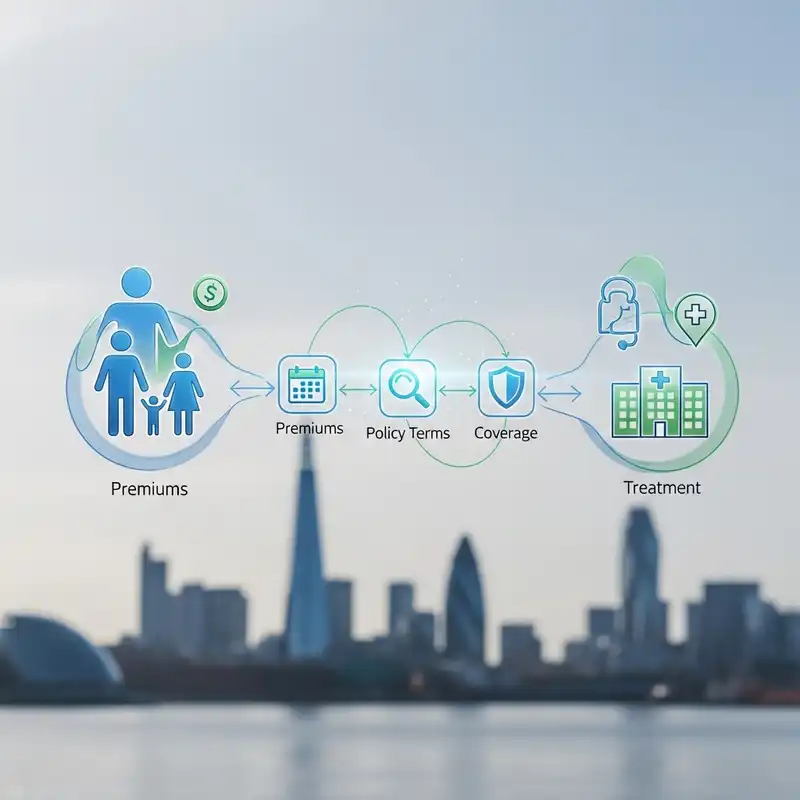
UK 2025 Over Half of Britons Face Hidden Nutrient Deficiencies, Driving a £4.2M Lifetime Health Cost. Discover How PMI Offers Early Detection & Vitality Solutions
A silent health crisis is unfolding across the United Kingdom. It doesn’t arrive with a sudden fever or a dramatic symptom, but creeps in quietly through our daily meals. By 2025, projections indicate that over half of the British population will be grappling with ‘hidden hunger’ – a deficiency in one or more essential micronutrients. This isn't just about feeling a bit tired; it's a ticking clock that can lead to a cascade of serious health problems, contributing to a staggering potential lifetime health and economic cost of up to £4.2 million per individual.
This alarming figure isn't just about direct medical bills. It encompasses a lifetime of lost earnings, reduced productivity, and the immense personal cost of living with chronic illness. From persistent fatigue and brain fog to an increased risk of osteoporosis, heart disease, and dementia, the long-term consequences of nutrient deficiencies are profound.
While the NHS remains the cornerstone of our healthcare, it is under unprecedented strain. Waiting lists for diagnostics and specialist appointments can stretch for months, time you may not have when your health is declining. This is where Private Medical Insurance (PMI) is evolving from a simple 'queue-jumping' service into a proactive tool for health management.
In this definitive guide, we will unpack the scale of the UK's nutrient crisis, break down the staggering lifetime costs, and reveal how modern PMI policies offer a powerful solution through rapid diagnostics and innovative wellness programmes. It's time to discover how you can protect not just your finances, but your future vitality.
The Alarming Scale of the UK's Nutrient Crisis
The term 'hidden hunger' perfectly captures the insidious nature of this problem. Millions of Britons are consuming enough calories to feel full, but their diets, often high in processed foods, lack the essential vitamins and minerals crucial for bodily functions. The latest data, based on trends from the National Diet and Nutrition Survey (NDNS), paints a stark picture for 2025.
Key UK Nutrient Deficiency Statistics (Projected 2025):
- Vitamin D: An estimated 1 in 4 adults, rising to nearly 1 in 2 during winter months, have insufficient levels. This is critical for bone health, immune function, and mood regulation.
- Iron: Almost 50% of teenage girls and over 25% of women aged 19-64 are failing to meet the minimum recommended intake, leading to widespread iron-deficiency anaemia, causing fatigue, poor concentration, and heart palpitations.
- Folate (Vitamin B9): A staggering 90% of women of childbearing age have a folate status below the threshold recommended for preventing neural tube defects in pregnancy.
- Iodine: Mild to moderate iodine deficiency is now prevalent, particularly among young women, impacting thyroid function which controls metabolism.
- Vitamin B12: Deficiency is a growing concern, especially among older adults and those on plant-based diets, with links to irreversible nerve damage if left untreated.
Why is This Happening Now?
Several converging factors are fuelling this crisis:
- The Rise of Ultra-Processed Foods (UPFs): These now make up over 50% of the average UK diet. While convenient and palatable, they are often stripped of essential nutrients and fibre.
- Cost of Living Pressures: With food prices soaring, many families are forced to choose cheaper, less nutritious options over fresh fruit, vegetables, and high-quality protein.
- Soil Depletion: Modern agricultural practices have led to a decline in the mineral content of soil, meaning the fruit and vegetables we eat today may be less nutritious than those consumed by our grandparents.
- Lifestyle Changes: More time spent indoors has exacerbated Vitamin D deficiency, while increasingly popular plant-based diets, if not carefully planned, can lead to shortages of B12, iron, and calcium.
This isn't just a minor health concern; it's the foundation upon which chronic diseases are built.
Common Nutrient Deficiencies in the UK
| Nutrient | Common Symptoms | At-Risk Groups | Potential Long-Term Impact |
|---|---|---|---|
| Vitamin D | Fatigue, bone pain, muscle weakness, low mood | Everyone in the UK, especially in winter | Osteoporosis, weakened immunity, depression |
| Iron | Extreme fatigue, pale skin, shortness of breath, hair loss | Women, teenagers, vegetarians/vegans | Anaemia, heart problems, pregnancy issues |
| Vitamin B12 | Pins and needles, fatigue, mouth ulcers, memory loss | Older adults, vegans, people with gut disorders | Permanent nerve damage, dementia, memory loss |
| Iodine | Weight gain, fatigue, feeling cold, dry skin, hair loss | Pregnant women, young women | Hypothyroidism, developmental issues in babies |
| Folate (B9) | Tiredness, muscle weakness, neurological symptoms | Women of childbearing age | Birth defects, anaemia, increased heart disease risk |
The £4.2 Million Question: Unpacking the Lifetime Cost of Poor Nutrition
The figure of £4.2 million represents a potential, worst-case scenario lifetime cost for an individual whose untreated nutrient deficiencies cascade into multiple, serious chronic illnesses. It's a combination of direct medical expenses, indirect economic losses, and the often-unseen costs of a diminished quality of life.
Let's break down how these costs accumulate over a working lifetime (e.g., age 25 to 65) and into retirement.
1. Direct Healthcare Costs
While the NHS is free at the point of use, chronic illness creates significant costs for the system and, increasingly, for the individual.
- Increased NHS Use: More frequent GP visits, specialist referrals (cardiology, neurology, endocrinology), hospital stays, and diagnostic tests.
- Prescription Costs: A lifetime of medication for conditions like hypothyroidism, diabetes, heart disease, or osteoporosis.
- Private Therapies: Costs for services with long NHS waiting lists, such as physiotherapy for osteoporosis-related fractures or specialised dietary advice.
- Long-Term Care: In severe cases, conditions like dementia (linked to B12 deficiency) or severe mobility issues from osteoporosis can necessitate expensive residential or at-home care in later life.
2. Indirect Economic Costs (The Career Impact)
This is where the financial burden truly multiplies. 'Hidden hunger' doesn't just make you sick; it makes you less effective.
- Absenteeism: Taking more sick days due to fatigue, illness, or medical appointments. A 2024 report from the ONS showed a record 185.6 million working days were lost to sickness in 2022.
- Presenteeism: This is the hidden killer of productivity. You're at your desk, but brain fog from B12 deficiency or fatigue from anaemia means you're operating at 50% capacity. This can lead to mistakes, missed deadlines, and being overlooked for promotions.
- Stagnated Earnings: Over a 40-year career, being consistently less productive and taking more time off can lead to significantly lower lifetime earnings compared to a healthy, energetic peer.
- Early Retirement: Ill health is a primary driver for people leaving the workforce early, slashing their pension contributions and future financial security.
An Illustrative Lifetime Cost Breakdown
This hypothetical example shows how costs could escalate for an individual whose unaddressed deficiencies lead to chronic conditions like anaemia, hypothyroidism, and eventually, osteoporosis-related complications.
| Cost Category | Age 25-45 (Early Career) | Age 45-65 (Peak Career) | Age 65+ (Retirement) | Lifetime Total (Illustrative) |
|---|---|---|---|---|
| Direct Medical | £5,000 | £75,000 | £420,000 | £500,000 |
| Lost Earnings | £150,000 | £1,250,000 | N/A | £1,400,000 |
| Reduced Pension | N/A | N/A | £300,000 | £300,000 |
| Long-Term Care | N/A | N/A | £2,000,000 | £2,000,000 |
| Total Cost | £155,000 | £1,325,000 | £2,720,000 | £4,200,000 |
This staggering figure underscores a crucial point: investing in your health early is one of the most important financial decisions you can ever make.
How Private Medical Insurance (PMI) Steps In: Beyond the NHS Waiting List
This is where the role of PMI becomes critical. It's not about replacing the NHS, but about providing a swift, alternative pathway to diagnosis and treatment for acute conditions, potentially catching issues long before they become chronic and life-altering.
The power of PMI in the context of the nutrient crisis lies in two main areas: Speed of Access and Depth of Diagnostics.
Imagine you’re suffering from persistent fatigue and brain fog. Your GP suspects it could be anything from stress to a nutrient deficiency. On the NHS, you might face a wait of several weeks for a routine blood test and months for a specialist referral if the initial results are inconclusive.
With a comprehensive PMI policy, the journey looks very different:
- Fast GP Access: Many policies include a digital GP service, allowing you to speak to a doctor within hours, often 24/7.
- Prompt Specialist Referral: If the GP believes it's necessary, they can provide an open referral to a specialist, such as a consultant haematologist or endocrinologist.
- Comprehensive Diagnostics: You can be booked in for extensive blood tests at a private hospital or clinic within days. These tests can often be more in-depth than what is routinely available on the NHS for non-specific symptoms, providing a full picture of your vitamin and mineral status.
- Swift Treatment Plan: Once diagnosed, your treatment for the acute phase of the condition can begin almost immediately.
The Critical Rule: PMI is for Acute Conditions, Not Chronic or Pre-existing Ones
This is the single most important concept to understand about private medical insurance in the UK.
- What is an Acute Condition? An acute condition is a disease, illness, or injury that is likely to respond quickly to treatment and lead to a full recovery. The sudden onset of severe symptoms leading to a diagnosis of anaemia is an acute event.
- What is a Chronic Condition? A chronic condition is one that continues indefinitely and has no known cure. It can be managed, but not cured. Examples include diabetes, arthritis, and hypertension. Once anaemia is diagnosed and requires long-term management, it becomes a chronic condition.
- What is a Pre-existing Condition? This is any illness or symptom you had before your PMI policy began.
Standard PMI policies DO NOT cover pre-existing or chronic conditions. The value of PMI is in diagnosing and treating new, acute conditions that arise after you join. By getting a fast diagnosis for an acute issue (like the onset of deficiency symptoms), you can treat it effectively and potentially prevent it from becoming a long-term, uninsurable chronic problem.
The Rise of Vitality: How Insurers are Rewarding Healthy Lifestyles
The insurance industry has undergone a revolution. Insurers now recognise that it's far better (and cheaper) to help clients stay healthy than to pay for expensive treatment when they get sick. This has led to the rise of 'wellness' or 'vitality' programmes, pioneered by the insurer Vitality and now adopted by others like Aviva and Bupa.
These programmes transform insurance from a passive safety net into an active daily partner in your health. The concept is simple: you are rewarded for making healthy choices.
How it Works:
- Earn Points: You earn points for activities like tracking your steps, visiting the gym, buying healthy food at partner supermarkets, and completing online health reviews.
- Get Rewards: The more points you earn, the higher your 'status' (e.g., Bronze, Silver, Gold, Platinum) and the better your rewards.
- Tangible Benefits: These aren't just token gestures. Rewards often include:
- Up to 50% off gym memberships (e.g., Virgin Active, Nuffield Health).
- Weekly rewards like free coffee or cinema tickets.
- Significant discounts (up to 40%) on healthy food purchases at supermarkets like Waitrose.
- Discounts on wearable tech like Apple Watches or Fitbits to help you track your activity.
- Lowered insurance premiums at renewal for staying engaged.
This model directly tackles the nutrient crisis. By financially incentivising you to buy fresh, healthy food and stay active, these programmes empower you to build a lifestyle that prevents deficiencies from developing in the first place.
When choosing a policy, it's worth looking beyond the core medical cover. At WeCovr, we help clients analyse these wellness benefits to see which insurer's programme best fits their lifestyle, ensuring they get maximum value from their plan every single day, not just when they're unwell.
A Practical Guide: What to Look For in a PMI Policy for Nutritional Support
Navigating the PMI market can be daunting. Policies are complex, with different levels of cover and confusing jargon. To find a plan that offers robust support for nutritional health and early diagnosis, here are the key features to focus on.
Key Features to Scrutinise:
- Outpatient Cover: This is arguably the most crucial element. It covers costs incurred when you aren't admitted to a hospital bed.
- Consultations: Covers the cost of seeing a specialist.
- Diagnostics: Covers blood tests, scans, and other investigations.
- Check the financial limit – some basic policies have a cap of £500 or £1,000, while comprehensive plans offer full cover. For thorough diagnostics, a higher limit is essential.
- Therapies Cover: Check if the policy includes access to specialists like registered dietitians or nutritionists post-diagnosis. This can be vital for creating a sustainable plan to correct deficiencies.
- Digital GP: A 24/7 virtual GP service is a game-changer for getting immediate advice and fast-tracking referrals.
- Mental Health Support: Poor nutrition has a proven link to mental health issues like depression and anxiety. A good policy will offer comprehensive support, from counselling to psychiatric care.
- Hospital List: This determines which private hospitals you can use. A national list provides more choice than a local or restricted one.
- Wellness Programme: As discussed, evaluate the rewards and incentives. Do they align with your lifestyle? Will you actually use them?
Comparing Policy Tiers
| Feature | Basic / Entry-Level Policy | Mid-Range Policy | Comprehensive Policy |
|---|---|---|---|
| Outpatient Cover | Limited (£500-£1000 cap) or not included | Capped (£1000-£1500) or full cover | Full cover as standard |
| Diagnostics | Limited by outpatient cap | Mostly covered | Fully covered |
| Therapies Cover | Often an add-on or excluded | Included, may have session limits | Included, with generous limits |
| Digital GP | May be included | Usually standard | Standard, often with enhanced features |
| Mental Health | Limited cover, often an add-on | Good cover, may have limits | Extensive cover for all levels of care |
| Wellness Programme | Basic or none | Good programme included | Premium programme with best rewards |
The WeCovr Advantage: Expert Guidance and Added Value
Choosing the right PMI policy is a complex decision with long-term consequences for your health and finances. Trying to compare dozens of policies from major insurers like Bupa, AXA Health, Aviva, and Vitality can be overwhelming. This is where an independent, expert broker like WeCovr is invaluable.
As specialists in the UK health insurance market, we work for you, not the insurer. Our role is to:
- Understand Your Needs: We take the time to understand your specific health concerns, lifestyle, and budget.
- Scan the Entire Market: We compare plans from all the leading UK insurers to find the ones that offer the best cover and value for your unique circumstances.
- Translate the Jargon: We explain the complex terms and conditions in plain English, ensuring you know exactly what you are (and are not) covered for.
- Tailor Your Policy: We help you adjust excesses, outpatient limits, and other options to build a policy that fits your budget without compromising on essential protection.
Going the Extra Mile with CalorieHero
At WeCovr, we believe in empowering our clients to take a proactive role in their health. Our commitment extends beyond just finding the perfect insurance policy.
That's why we provide all our customers with complimentary access to our exclusive, AI-powered calorie and nutrient tracking app, CalorieHero.
This powerful tool helps you:
- Easily log your meals and snacks.
- Track your intake of crucial micronutrients, not just calories.
- Identify potential gaps in your diet in real-time.
- Make informed food choices to boost your vitamin and mineral levels.
CalorieHero acts as your personal digital nutritionist, perfectly complementing the diagnostic and treatment safety net provided by your PMI policy. It’s our way of giving you the tools to manage your health today, while your insurance protects you against the uncertainties of tomorrow.
Case Studies: PMI in Action
Let's look at two fictional but realistic scenarios to see how this works in practice.
Case Study 1: The Fatigued Executive
- The Person: Sarah, a 45-year-old marketing director in London. She’s been feeling increasingly exhausted for months, with significant brain fog affecting her performance in high-stakes meetings.
- The NHS Route: Her GP has a three-week waiting list for an appointment. She's told it's likely burnout and is advised to rest.
- The PMI Route: Sarah has a comprehensive PMI policy. She uses the digital GP app and speaks to a doctor that evening. The GP suspects anaemia and provides an immediate open referral for blood tests. Sarah books an appointment at a private clinic two days later.
- The Outcome: The results come back within 24 hours, showing severe Vitamin B12 and Iron deficiency (an acute condition). Her policy covers an immediate consultation with a private haematologist who prescribes a course of B12 injections and an iron infusion. Within weeks, Sarah's energy and cognitive function are restored. The PMI policy allowed her to diagnose and treat the acute problem swiftly, preventing months of poor performance and potential career damage. Note: Her PMI covered the diagnosis and acute treatment. The long-term management (e.g., dietary changes, maintenance supplements) would now be her responsibility.
Case Study 2: The Proactive Family
- The People: The Miller family, two adults in their late 30s with two children aged 8 and 11. They are healthy but conscious of the rising cost of nutritious food and want to instil good habits in their children.
- The Challenge: They want to join a gym and eat more healthily, but their budget is tight.
- The PMI Solution: After speaking with a WeCovr adviser, they choose a Vitality family plan. They immediately get 50% off a family membership at their local Nuffield Health gym. They link their activity trackers and start earning points. They use the 25% cashback offer on healthy food at Waitrose, which helps offset the cost of fresh fruit and vegetables.
- The Outcome: The policy not only provides them with peace of mind and access to private healthcare if needed, but it actively makes their healthy lifestyle more affordable. They are proactively reducing their family's risk of future health issues, including nutrient deficiencies, by building a foundation of wellness.
Frequently Asked Questions (FAQ)
Q1: Will PMI cover my pre-existing vitamin deficiency? No. This is a crucial point. Standard UK private medical insurance is designed for new, acute conditions that arise after your policy starts. If you have already been diagnosed with a deficiency or have clear symptoms of one before taking out cover, it will be considered a pre-existing condition and will be excluded from cover.
Q2: Can PMI pay for my vitamin supplements or special diet food? Generally, no. PMI covers eligible diagnosis and treatment from recognised specialists. It does not typically cover the cost of over-the-counter supplements, vitamins, or specific dietary products. However, it may cover consultations with a registered dietitian who can provide advice on which foods and supplements to take.
Q3: Is it worth getting PMI just for nutritional concerns? While the diagnostic benefits are a powerful tool against the nutrient crisis, the value of PMI is much broader. You are covered for a huge range of acute conditions, from minor surgery to extensive cancer care (a core feature of most policies), mental health support, and rapid access to diagnostics for any new eligible symptom, be it a joint problem, a digestive issue, or a neurological concern. The nutritional benefits are one component of a comprehensive health safety net.
Q4: How much does a good PMI policy cost? The cost varies widely based on age, location, level of cover, and lifestyle. A basic policy for a healthy 30-year-old might start around £40 per month, while a comprehensive plan for a 50-year-old with a national hospital list could be £150 or more. The key is to find the right balance of cover and cost. A broker like WeCovr can provide quotes across the market to find the most cost-effective solution for you.
Q5: What’s the difference between moratorium and full medical underwriting? These are two ways insurers deal with pre-existing conditions.
- Moratorium (Mori): This is the most common type. You don't declare your full medical history upfront. The insurer applies a blanket exclusion for any condition you've had symptoms, treatment, or advice for in the last 5 years. This exclusion can be lifted if you remain symptom-free for that condition for a continuous 2-year period after your policy starts.
- Full Medical Underwriting (FMU): You provide your full medical history at the start. The insurer assesses it and may place permanent exclusions on specific conditions. It provides more certainty about what is covered from day one but can be more complex to set up.
Your Health is Your Greatest Asset
The silent epidemic of nutrient deficiency is a clear and present danger to the long-term health and financial wellbeing of the UK population. Relying on an overburdened public health system for the timely diagnosis of subtle, 'hidden' symptoms is an increasingly risky strategy.
While nothing replaces a balanced, nutrient-rich diet, Private Medical Insurance has evolved into an essential tool for modern health resilience. It provides the speed, access, and diagnostic depth needed to catch problems early, while innovative wellness programmes actively reward you for building a healthier life.
Don't wait for hidden hunger to take a toll on your vitality and future. Take control today. By investing in the right protection, you are not just buying an insurance policy; you are investing in your most valuable asset: your health. Speak to an expert adviser to explore how a tailored private medical insurance plan can provide peace of mind and support your journey to a vibrant, healthier future.
Why private medical insurance and how does it work?
What is Private Medical Insurance?
Private medical insurance (PMI) is a type of health insurance that provides access to private healthcare services in the UK. It covers the cost of private medical treatment, allowing you to bypass NHS waiting lists and receive faster, more convenient care.How does it work?
Private medical insurance works by paying for your private healthcare costs. When you need treatment, you can choose to go private and your insurance will cover the costs, subject to your policy terms and conditions. This can include:• Private consultations with specialists
• Private hospital treatment and surgery
• Diagnostic tests and scans
• Physiotherapy and rehabilitation
• Mental health treatment
Your premium depends on factors like your age, health, occupation, and the level of cover you choose. Most policies offer different levels of cover, from basic to comprehensive, allowing you to tailor the policy to your needs and budget.
Questions to ask yourself regarding private medical insurance
Just ask yourself:👉 Are you concerned about NHS waiting times for treatment?
👉 Would you prefer to choose your own consultant and hospital?
👉 Do you want faster access to diagnostic tests and scans?
👉 Would you like private hospital accommodation and better food?
👉 Do you want to avoid the stress of NHS waiting lists?
Many people don't realise that private medical insurance is more affordable than they think, especially when you consider the value of faster treatment and better facilities. A great insurance policy can provide peace of mind and ensure you receive the care you need when you need it.
Benefits offered by private medical insurance
Private medical insurance provides numerous benefits that can significantly improve your healthcare experience and outcomes:Faster Access to Treatment
One of the biggest advantages is avoiding NHS waiting lists. While the NHS provides excellent care, waiting times can be lengthy. With private medical insurance, you can often receive treatment within days or weeks rather than months.
Choice of Consultant and Hospital
You can choose your preferred consultant and hospital, giving you more control over your healthcare journey. This is particularly important for complex treatments where you want a specific specialist.
Better Facilities and Accommodation
Private hospitals typically offer superior facilities, including private rooms, better food, and more comfortable surroundings. This can make your recovery more pleasant and potentially faster.
Advanced Treatments
Private medical insurance often covers treatments and medications not available on the NHS, giving you access to the latest medical advances and technologies.
Mental Health Support
Many policies include comprehensive mental health coverage, providing faster access to therapy and psychiatric care when needed.
Tax Benefits for Business Owners
If you're self-employed or a business owner, private medical insurance premiums can be tax-deductible, making it a cost-effective way to protect your health and your business.
Peace of Mind
Knowing you have access to private healthcare when you need it provides invaluable peace of mind, especially for those with ongoing health conditions or concerns about NHS capacity.
Private medical insurance is particularly valuable for those who want to take control of their healthcare journey and ensure they receive the best possible treatment when they need it most.
Important Fact!
We can look at a more suitable option mid-term!
Why is it important to get private medical insurance early?
👉 Many people are very thankful that they had their private medical insurance cover in place before running into some serious health issues. Private medical insurance is as important as life insurance for protecting your family's finances.👉 We insure our cars, houses, and even our phones! Yet our health is the most precious thing we have.
Easily one of the most important insurance purchases an individual or family can make in their lifetime, the decision to buy private medical insurance can be made much simpler with the help of FCA-authorised advisers. They are the specialists who do the searching and analysis helping people choose between various types of private medical insurance policies available in the market, including different levels of cover and policy types most suitable to the client's individual circumstances.
It certainly won't do any harm if you speak with one of our experienced insurance experts who are passionate about advising people on financial matters related to private medical insurance and are keen to provide you with a free consultation.
You can discuss with them in detail what affordable private medical insurance plan for the necessary peace of mind they would recommend! WeCovr works with some of the best advisers in the market.
By tapping the button below, you can book a free call with them in less than 30 seconds right now:
Our Group Is Proud To Have Issued 800,000+ Policies!
We've established collaboration agreements with leading insurance groups to create tailored coverage
























How It Works
1. Complete a brief form

2. Our experts analyse your information and find you best quotes

3. Enjoy your protection!

Any questions?
Learn more

Who Are WeCovr?
WeCovr is an insurance specialist for people valuing their peace of mind and a great service.👍 WeCovr will help you get your private medical insurance, life insurance, critical illness insurance and others in no time thanks to our wonderful super-friendly experts ready to assist you every step of the way.
Just a quick and simple form and an easy conversation with one of our experts and your valuable insurance policy is in place for that needed peace of mind!