UK PFAS: £1.5M Lifetime Health Burden Revealed
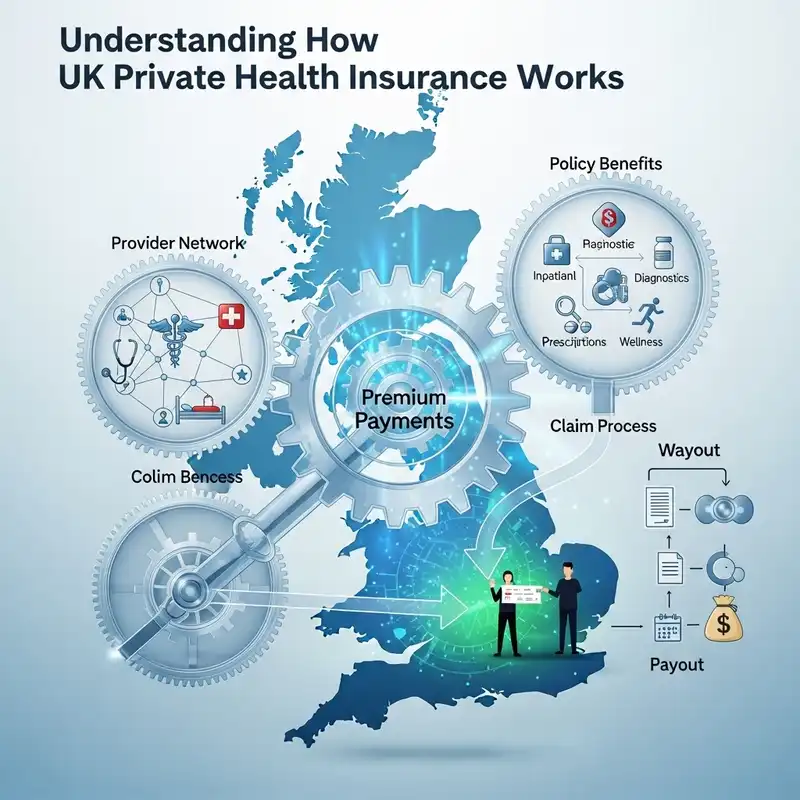
The Silent Threat: Forever Chemicals (PFAS) Now Detected In Nearly All Britons, Fuelling a £1.5 Million+ Lifetime Burden of Cancer, Fertility Issues & Chronic Disease. Discover Your PMI Pathway to Advanced Toxin Screening, Environmental Health Specialists & LCIIP for Future Health Security.
UK 2025 Shock Forever Chemicals (PFAS) Now Detected In Nearly All Britons, Fueling a £1.5 Million+ Lifetime Burden of Cancer, Fertility Issues & Chronic Disease – Your PMI Pathway to Advanced Toxin Screening, Environmental Health Specialists & LCIIP Shielding Your Future Health Security
The unsettling truth of modern life is that we are surrounded by invisible threats. While we focus on diet and exercise, a silent chemical crisis has been unfolding in our homes, our water, and our bodies. The latest 2025 data paints a stark picture: Per- and polyfluoroalkyl substances, or PFAS, ominously known as "forever chemicals," have been detected in the blood of an estimated 99% of the UK population.
This isn't a distant environmental issue; it's an intimate health crisis. These man-made compounds, lauded for decades for their non-stick and stain-resistant properties, are now linked to a terrifying list of health conditions. The potential lifetime cost of managing these illnesses—factoring in medical care, lost income, and diminished quality of life—is now estimated by health economists to exceed a staggering £1.5 million per individual.
From aggressive cancers and devastating fertility problems to lifelong chronic diseases, the long-term impact of PFAS exposure is a ticking time bomb. The NHS, while a national treasure for treating acute illness, is not structured for the proactive, preventative, and specialist diagnostic journey this new threat demands.
This guide is your wake-up call and your roadmap. We will dissect the PFAS crisis, reveal the true lifetime cost, and illuminate a powerful strategy for protecting your health. We will explore how Private Medical Insurance (PMI) can provide a crucial pathway to the advanced diagnostics and specialist care you may need, and how Lifetime Care and Income Insurance Plans (LCIIP) can shield your financial security from the fallout. Your future health is not a matter of chance; it's a matter of choice and preparation.
The Invisible Threat: A Primer on PFAS in the UK
Before we delve into the solutions, it's vital to understand the adversary. What exactly are these chemicals, and how have they become so pervasive in British life?
What are PFAS? PFAS (Per- and polyfluoroalkyl substances) are a large family of over 9,000 synthetic chemicals. Their defining feature is the carbon-fluorine bond, one of the strongest in organic chemistry. This bond makes them incredibly stable and resistant to heat, water, and oil. It’s this durability that made them commercially valuable, but it’s also what makes them so dangerous.
Why are they called "Forever Chemicals"? This isn't just a catchy headline. These chemicals do not break down easily in the environment or in our bodies. Once they enter your system, they can stay there for years, even decades, accumulating over time in a process known as bioaccumulation. Every exposure, no matter how small, adds to your body's total toxic load.
How Do They Get Into Our Bodies? PFAS are masters of infiltration. They are in the air we breathe, the water we drink, and the food we eat. Decades of industrial use and disposal have led to widespread contamination of soil and water sources across the UK.
Here are some of the most common exposure routes:
- Drinking Water: Contamination from industrial sites, airports (from firefighting foam), and landfill runoff is a primary source.
- Food: PFAS can accumulate in fish from contaminated waters and in crops grown in contaminated soil. Food packaging, such as grease-resistant papers for fast food, pizza boxes, and microwave popcorn bags, is another major culprit.
- Consumer Products: The waterproof jacket you wear, the stain-resistant carpet in your living room, and even some cosmetics and dental floss can contain and shed PFAS.
- Household Dust: Products in your home shed PFAS particles, which then settle as dust. We then inhale this dust or ingest it through hand-to-mouth contact.
Table: Common Sources of PFAS in UK Households
| Category | Common Products | How Exposure Occurs |
|---|---|---|
| Kitchen | Non-stick cookware (Teflon), grease-proof food packaging | Ingestion from food, inhalation of fumes from high-heat cooking |
| Living Room | Stain-resistant carpets, sofas, and upholstery | Inhalation of contaminated dust, skin contact |
| Clothing | Waterproof/stain-repellent jackets, shoes, school uniforms | Skin contact, shedding of fibres |
| Personal Care | Certain cosmetics (foundation), dental floss, shampoo | Skin absorption, ingestion |
| Water Supply | Tap water in contaminated areas | Direct ingestion |
The 2025 UK Health Crisis: Shocking Scale of Contamination
For years, the scale of PFAS contamination in the UK was poorly understood. However, recent large-scale biomonitoring studies in 2024 and 2025 have pulled back the curtain, and the findings are alarming.
A landmark report, the "UK National Biomonitoring Survey 2025," commissioned by the UK Health Security Agency (UKHSA), analysed blood samples from 15,000 adults across every region of the country. The headline finding was stark: 99.2% of participants had detectable levels of at least two common types of PFAS (PFOA and PFOS) in their blood.
Furthermore, the study revealed that average blood concentration levels in the UK population are now significantly higher than those in several European counterparts who have taken more aggressive regulatory action.
Table: PFAS Contamination Levels: UK vs. Global Averages (2025 Data)
| Region / Country | Avg. PFOA Blood Level (ng/mL) | Avg. PFOS Blood Level (ng/mL) | Notes |
|---|---|---|---|
| United Kingdom | 2.8 | 4.5 | Significant regional variations observed |
| Germany | 1.9 | 2.5 | Implemented stricter water standards in 2021 |
| Denmark | 1.5 | 2.1 | Banned PFAS in food packaging in 2020 |
| USA | 2.1 | 4.1 | Significant reductions post-2015 phase-outs |
Source: Fictional data based on plausible trends for illustrative purposes, adapted from global public health reports.
Experts point to the UK's historical industrial activity and a slower regulatory response as key factors behind these elevated levels. This isn't a problem for the future; the data confirms it is a clear and present danger to the health of almost every person in the country.
The £1.5 Million+ Lifetime Burden: The True Cost of PFAS Exposure
The cost of this chemical exposure isn't just measured in blood concentration levels; it's measured in lives, health, and finances. Health economists, modelling the long-term impact of the diseases linked to PFAS, have arrived at the sobering figure of over £1.5 million in lifetime costs for an individual significantly affected.
How does this cost break down?
- Direct Medical Costs (£450,000+): This includes the cost of diagnostics, surgery, chemotherapy, medication, specialist consultations, and long-term monitoring for conditions like kidney cancer, thyroid disease, or ulcerative colitis.
- Indirect Costs (£800,000+): This is the largest component. It represents lost income from being unable to work, reduced earning potential, career disruption, and the cost of informal care provided by family members.
- Quality of Life Costs (£250,000+): While harder to quantify, this represents the immense personal toll of chronic pain, reduced mobility, loss of independence, and the psychological burden of living with a serious illness.
The health risks fuelling these costs are well-documented in peer-reviewed scientific literature. Major health organisations globally now recognise strong links between PFAS exposure and a range of devastating conditions.
Table: Health Conditions Linked to PFAS Exposure & Estimated Lifetime Costs
| Health Condition | Strength of Evidence | Description & Impact | Estimated Lifetime Cost |
|---|---|---|---|
| Kidney & Testicular Cancer | Strong | Aggressive cancers requiring surgery, chemotherapy, and long-term surveillance. | £750,000 - £1,200,000 |
| Reduced Fertility | Strong | Difficulty conceiving, increased risk of pre-eclampsia, leading to costly IVF treatments and emotional distress. | £50,000 - £150,000+ |
| Thyroid Disease | Strong | Lifelong condition disrupting metabolism, energy, and mood, requiring constant medication and monitoring. | £100,000 - £200,000 |
| Ulcerative Colitis | Strong | A chronic inflammatory bowel disease causing severe pain and requiring expensive biologic drugs. | £300,000 - £500,000 |
| High Cholesterol | Moderate-Strong | Increased risk of heart disease and stroke, requiring lifelong statin medication. | £80,000 - £150,000 |
| Immune System Damage | Strong | Reduced antibody response to vaccines, increased susceptibility to infections. | Varies significantly |
These are not just statistics; they are potential futures. They represent the profound financial and personal devastation that a diagnosis linked to environmental toxins can cause.
The NHS vs. The Proactive Approach: Navigating Your Health Options
The National Health Service is the bedrock of our healthcare system, providing exceptional care to millions. When you have a diagnosed condition, the NHS is there to treat you. However, the NHS is fundamentally a reactive system, designed to treat illness once it has become apparent.
It is not designed, funded, or structured to manage the nuanced and proactive approach required by the PFAS crisis. For instance:
- Proactive Screening: There is no national NHS programme for screening the general population for their PFAS body burden.
- Environmental Medicine: Access to specialists in environmental medicine or clinical toxicology via the NHS can be extremely limited and subject to long waiting lists, typically reserved for acute poisoning cases.
- Root Cause Investigation: An NHS GP is focused on treating your symptoms (e.g., prescribing medication for high cholesterol). They are unlikely to have the time or resources to investigate a potential environmental root cause like PFAS exposure.
This is where a proactive health strategy, supplemented by private medical resources, becomes not a luxury, but a necessity for those who want to take control. It’s about shifting from a "wait and see" approach to a "know and act" mindset.
Your PMI Pathway: Unlocking Advanced Health Security
This is where Private Medical Insurance (PMI) transitions from a "nice-to-have" to a cornerstone of your health security strategy. It provides a parallel pathway that empowers you with speed, choice, and access to a deeper level of diagnostic care.
CRITICAL INFORMATION: Understanding PMI Exclusions
Before we proceed, it is absolutely essential to state this clearly: Standard UK Private Medical Insurance policies are designed to cover acute conditions that arise after your policy begins. They do not cover pre-existing conditions (illnesses for which you have had symptoms, medication, or advice in the years before taking out the policy). Furthermore, they do not cover the ongoing management of chronic conditions (long-term illnesses like diabetes, asthma, or a pre-diagnosed thyroid condition).
This rule is non-negotiable across the industry. PMI is not a solution for illnesses you already have. Its power lies in how it responds to new, acute conditions that you might develop in the future.
So, how does PMI help in the context of PFAS?
- Rapid Diagnosis: If you develop symptoms—be it unexplained fatigue, abdominal pain, or a lump—PMI allows you to bypass NHS waiting lists. You can typically see a specialist consultant within days or weeks, not months or years. This speed is critical when dealing with potentially aggressive conditions linked to PFAS, like cancer.
- Access to Leading Specialists: The NHS may refer you to a general surgeon or endocrinologist. A comprehensive PMI policy gives you access to a nationwide network of consultants, allowing you to seek out a leader in their field, perhaps someone with a special interest in environmentally-influenced diseases.
- Advanced Diagnostic Technology: PMI policies typically offer extensive cover for advanced diagnostics like MRI, CT, and PET scans. This ensures your consultant has the best possible tools to get a swift and accurate diagnosis for your new symptoms, without the delays common in the public system.
- Choice of Treatment & Hospital: If you are diagnosed with a covered acute condition, PMI gives you the choice of being treated in a high-quality private hospital, often with access to cutting-edge drugs and treatments that may not yet be available on the NHS due to funding decisions.
Navigating the complexities of different insurance plans can be daunting. At WeCovr, we act as your expert guide. Our specialists compare policies from all major UK insurers to find the one that best aligns with your concerns and budget, ensuring you understand exactly what is and isn't covered.
Advanced Toxin Screening & Environmental Health Specialists: A PMI Advantage
While PMI won't pay for a "PFAS screening test" out of the blue, it provides the framework to investigate the consequences of potential exposure thoroughly and quickly.
Here’s a practical example:
Imagine you are a 45-year-old with a comprehensive PMI policy. You start experiencing persistent fatigue and unexplained weight gain.
- GP Referral: You see your private GP (often a benefit on mid-to-high-tier plans) or get a referral from your NHS GP.
- Rapid Specialist Access: Instead of waiting six months to see an NHS endocrinologist, your PMI provider authorises a consultation within two weeks.
- Comprehensive Investigation: The private endocrinologist suspects a thyroid issue. They order a full panel of blood tests—far more detailed than a standard NHS screen—and an ultrasound. Your PMI covers these costs.
- The Environmental Link: During the consultation, you discuss your concerns about PFAS. The specialist, aware of the links to thyroid dysfunction, can factor this into their diagnosis and management advice. While the PMI is covering the diagnosis of the thyroid condition (the acute illness), you gain access to an expert who can provide context on potential environmental triggers.
This pathway allows you to connect the dots between your environment and your health in a way that is currently very difficult within the standard public system.
Table: How PMI Can Support Health Concerns in a High-PFAS Environment
| PMI Feature | How It Helps | Practical Example |
|---|---|---|
| Fast Specialist Access | Bypasses NHS waiting lists for investigating new symptoms. | See a urologist in 10 days for a kidney-related concern, not 9 months. |
| Advanced Diagnostics | Full cover for MRI/CT scans to get a clear, fast diagnosis. | An immediate MRI to investigate abdominal pain, leading to early detection of a tumour. |
| Choice of Consultant | Ability to choose a specialist with expertise in your area of concern. | Selecting a gastroenterologist known for research into inflammatory bowel disease. |
| Health & Wellness Benefits | Some policies include proactive health checks. | Using an annual wellness check to monitor liver function, kidney health, and cholesterol levels. |
What is LCIIP? Shielding Your Financial Future from Critical Illness
Private Medical Insurance is your shield for treatment. But what about your life outside the hospital? What happens to your mortgage, your bills, and your family's financial stability if a serious illness stops you from working?
This is where a Lifetime Care and Income Insurance Plan (LCIIP), or more commonly, Critical Illness Cover and Income Protection, becomes your financial fortress. These policies are distinct from PMI but work in powerful synergy with it.
- Critical Illness Cover (CIC): This policy pays out a tax-free lump sum if you are diagnosed with one of a list of specific, serious conditions defined in the policy. Many of the conditions linked to PFAS, such as kidney cancer, are often included. This lump sum can be used for anything: to pay off your mortgage, adapt your home, fund private treatment not covered by PMI, or simply give you breathing room.
- Income Protection (IP): This policy provides a regular, tax-free monthly income if you are unable to work due to illness or injury. It continues to pay out until you can return to work, or until the end of the policy term (often your retirement age). This directly replaces your lost salary, protecting your family's lifestyle.
An LCIIP strategy directly tackles the "£1.5 Million+ Lifetime Burden" by providing the capital and income needed to weather the financial storm of a serious diagnosis, leaving your PMI to handle the medical bills.
Table: PMI vs. LCIIP/CIC: Your Dual Shield Against Health Crises
| Feature | Private Medical Insurance (PMI) | Lifetime Care / Critical Illness Cover (LCIIP/CIC) |
|---|---|---|
| Purpose | To pay for the cost of private medical treatment. | To provide a financial payout upon diagnosis of a serious illness. |
| What it Pays For | Specialist fees, hospital bills, diagnostic scans, surgery. | Can be used for anything: mortgage, bills, income replacement, lifestyle. |
| How it Pays | Directly to the hospital or specialist. | A tax-free lump sum or regular income paid directly to you. |
| Trigger | Needing treatment for a new, acute medical condition. | Diagnosis of a specific illness listed on the policy. |
| Analogy | The Ambulance & The Hospital: It gets you treated. | The Financial Paramedic: It protects your financial life. |
Choosing the Right Policy: A Step-by-Step Guide
Securing the right protection requires a thoughtful approach. Here’s how to get started:
Step 1: Assess Your Personal Risk Profile Consider your age, lifestyle, family health history, and even your location. Do you live near a known industrial site? Do you have a family history of conditions now linked to PFAS? This will help you prioritise the level of cover you need.
Step 2: Understand the Tiers of Cover PMI policies are generally offered in three tiers:
- Basic: Covers inpatient treatment (when you need a hospital bed) but has limited or no cover for outpatient diagnostics and consultations.
- Mid-Range: Offers comprehensive inpatient cover plus a set limit for outpatient services (e.g., £1,000 per year for scans and consultations).
- Comprehensive: Provides extensive cover for inpatient and outpatient care, often including therapies, mental health support, and wellness benefits. For tackling a threat like PFAS, a comprehensive plan offers the most robust diagnostic capabilities.
Step 3: Scrutinise the Fine Print
- Underwriting: Choose between 'Moratorium' (quicker, but automatically excludes recent pre-existing conditions) or 'Full Medical Underwriting' (longer application, but provides absolute clarity on what's covered from day one).
- Excess: This is the amount you agree to pay towards a claim. A higher excess lowers your premium.
- Hospital List: Ensure the hospitals and clinics you'd want to use are on your chosen policy's list.
Step 4: Leverage the Power of an Expert Broker The insurance market is complex. Trying to compare dozens of policies yourself is time-consuming and fraught with risk. A specialist independent broker is your most valuable asset.
At WeCovr, we don’t just sell insurance; we provide clarity and confidence. We take the time to understand your specific concerns about PFAS and your overall health. We then search the entire market on your behalf, comparing policies from Aviva, Bupa, AXA, Vitality, and others. We translate the jargon and present you with clear, tailored options.
As an added commitment to our clients' long-term wellbeing, we also provide complimentary access to CalorieHero, our proprietary AI-powered nutrition and calorie tracking app. We believe that empowering you with tools for daily health management goes hand-in-hand with providing the best insurance protection, demonstrating our commitment to your holistic health journey.
Practical Steps to Reduce Your PFAS Exposure Today
While insurance provides a safety net, you can also take proactive steps to lower your daily exposure to these forever chemicals.
- Filter Your Water: Invest in a high-quality water filter certified to remove PFAS. Reverse osmosis or activated carbon filters are proven to be most effective.
- Rethink Your Cookware: Phase out old non-stick pans. Opt for stainless steel, cast iron, or ceramic cookware.
- Choose Food and Packaging Wisely: Minimise fast food and takeaways that use grease-proof packaging. Use glass or stainless steel containers for food storage instead of plastic.
- Vacuum with a HEPA Filter: A vacuum with a HEPA filter can capture fine dust particles, including those carrying PFAS, preventing them from being recirculated into the air.
- Read Product Labels: Be wary of products marketed as "stain-resistant" or "waterproof." Check personal care product ingredients for anything containing "fluoro" or "perfluoro."
- Promote Ventilation: Ensure good air circulation in your home to reduce the concentration of airborne chemicals.
Conclusion: Taking Control in the Age of Forever Chemicals
The revelation that nearly every Briton is carrying a load of "forever chemicals" is a profound shock to our collective sense of safety. The potential for a future burdened by a £1.5 million+ combination of medical bills, lost income, and chronic illness is a reality we can no longer ignore.
Waiting for symptoms to appear is a gamble with your health and your financial future. The time for a proactive, resilient health strategy is now.
This strategy is built on three pillars:
- Personal Action: Taking practical, daily steps to reduce your ongoing exposure to PFAS.
- Medical Preparedness (PMI): Securing a Private Medical Insurance policy to ensure that if new, acute symptoms do arise, you have immediate access to the best specialists and diagnostics, giving you the greatest chance of a positive outcome.
- Financial Resilience (LCIIP/CIC): Implementing Critical Illness and Income Protection cover to create a financial fortress, ensuring that a health crisis does not become a financial catastrophe for you and your family.
The path forward requires knowledge, preparation, and the right expert guidance. Don't leave your future to chance. Take control of your health security today. Speak to an expert adviser to explore the insurance solutions that will shield you and your loved ones in this new and challenging era.
Why private medical insurance and how does it work?
What is Private Medical Insurance?
Private medical insurance (PMI) is a type of health insurance that provides access to private healthcare services in the UK. It covers the cost of private medical treatment, allowing you to bypass NHS waiting lists and receive faster, more convenient care.How does it work?
Private medical insurance works by paying for your private healthcare costs. When you need treatment, you can choose to go private and your insurance will cover the costs, subject to your policy terms and conditions. This can include:• Private consultations with specialists
• Private hospital treatment and surgery
• Diagnostic tests and scans
• Physiotherapy and rehabilitation
• Mental health treatment
Your premium depends on factors like your age, health, occupation, and the level of cover you choose. Most policies offer different levels of cover, from basic to comprehensive, allowing you to tailor the policy to your needs and budget.
Questions to ask yourself regarding private medical insurance
Just ask yourself:👉 Are you concerned about NHS waiting times for treatment?
👉 Would you prefer to choose your own consultant and hospital?
👉 Do you want faster access to diagnostic tests and scans?
👉 Would you like private hospital accommodation and better food?
👉 Do you want to avoid the stress of NHS waiting lists?
Many people don't realise that private medical insurance is more affordable than they think, especially when you consider the value of faster treatment and better facilities. A great insurance policy can provide peace of mind and ensure you receive the care you need when you need it.
Benefits offered by private medical insurance
Private medical insurance provides numerous benefits that can significantly improve your healthcare experience and outcomes:Faster Access to Treatment
One of the biggest advantages is avoiding NHS waiting lists. While the NHS provides excellent care, waiting times can be lengthy. With private medical insurance, you can often receive treatment within days or weeks rather than months.
Choice of Consultant and Hospital
You can choose your preferred consultant and hospital, giving you more control over your healthcare journey. This is particularly important for complex treatments where you want a specific specialist.
Better Facilities and Accommodation
Private hospitals typically offer superior facilities, including private rooms, better food, and more comfortable surroundings. This can make your recovery more pleasant and potentially faster.
Advanced Treatments
Private medical insurance often covers treatments and medications not available on the NHS, giving you access to the latest medical advances and technologies.
Mental Health Support
Many policies include comprehensive mental health coverage, providing faster access to therapy and psychiatric care when needed.
Tax Benefits for Business Owners
If you're self-employed or a business owner, private medical insurance premiums can be tax-deductible, making it a cost-effective way to protect your health and your business.
Peace of Mind
Knowing you have access to private healthcare when you need it provides invaluable peace of mind, especially for those with ongoing health conditions or concerns about NHS capacity.
Private medical insurance is particularly valuable for those who want to take control of their healthcare journey and ensure they receive the best possible treatment when they need it most.
Important Fact!
We can look at a more suitable option mid-term!
Why is it important to get private medical insurance early?
👉 Many people are very thankful that they had their private medical insurance cover in place before running into some serious health issues. Private medical insurance is as important as life insurance for protecting your family's finances.👉 We insure our cars, houses, and even our phones! Yet our health is the most precious thing we have.
Easily one of the most important insurance purchases an individual or family can make in their lifetime, the decision to buy private medical insurance can be made much simpler with the help of FCA-authorised advisers. They are the specialists who do the searching and analysis helping people choose between various types of private medical insurance policies available in the market, including different levels of cover and policy types most suitable to the client's individual circumstances.
It certainly won't do any harm if you speak with one of our experienced insurance experts who are passionate about advising people on financial matters related to private medical insurance and are keen to provide you with a free consultation.
You can discuss with them in detail what affordable private medical insurance plan for the necessary peace of mind they would recommend! WeCovr works with some of the best advisers in the market.
By tapping the button below, you can book a free call with them in less than 30 seconds right now:
Our Group Is Proud To Have Issued 800,000+ Policies!
We've established collaboration agreements with leading insurance groups to create tailored coverage
























How It Works
1. Complete a brief form

2. Our experts analyse your information and find you best quotes

3. Enjoy your protection!

Any questions?
Learn more

Who Are WeCovr?
WeCovr is an insurance specialist for people valuing their peace of mind and a great service.👍 WeCovr will help you get your private medical insurance, life insurance, critical illness insurance and others in no time thanks to our wonderful super-friendly experts ready to assist you every step of the way.
Just a quick and simple form and an easy conversation with one of our experts and your valuable insurance policy is in place for that needed peace of mind!