UK Private Health Insurance: Bridging the NHS Gap
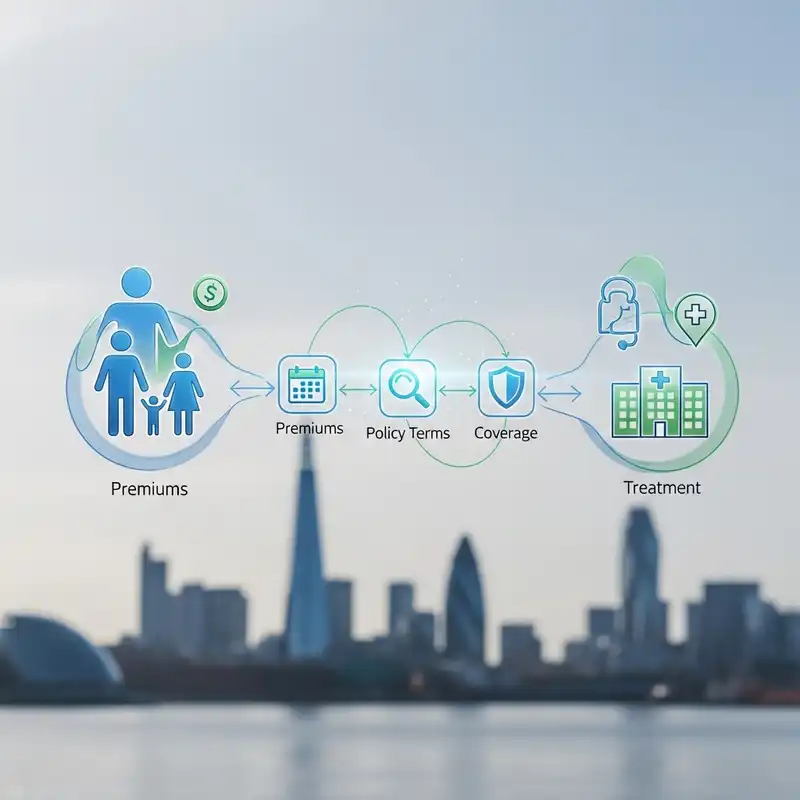
Bridging the NHS Gap: How UK Private Health Insurance Offers Regional Relief and Supports Your Elite Performance & Career Longevity
UK Private Health Insurance Regional Pressure Relief – Bridging the NHS Gap for Elite Performance & Career Longevity
In an increasingly competitive professional landscape, one's health isn't merely a personal concern; it's a critical asset, directly impacting productivity, career progression, and long-term success. For many high-achievers, entrepreneurs, and dedicated professionals across the UK, the prospect of prolonged illness, delayed diagnosis, or extended recovery periods poses a significant threat to their career trajectory and financial stability. This is where the strategic role of private health insurance (PMI) comes into sharp focus, particularly as the National Health Service (NHS) grapples with unprecedented pressures.
This comprehensive guide delves into how UK private health insurance can act as a crucial mechanism for "regional pressure relief," offering a vital bridge over the burgeoning gaps in NHS provision. We'll explore how PMI empowers individuals to maintain "elite performance" and secure "career longevity" by ensuring rapid access to quality medical care, thereby mitigating the risks associated with an overstretched public health system. It's important to clarify from the outset that standard UK private medical insurance is designed to cover acute conditions – those that respond quickly to treatment – and not pre-existing conditions or chronic illnesses, which are long-term conditions that cannot be cured but can be managed. Understanding this fundamental distinction is paramount.
The Evolving Landscape of UK Healthcare: Pressure Points and Personal Impact
The NHS, a cherished institution, faces a confluence of challenges. Record-high waiting lists, escalating demand, and regional disparities in service provision are creating a complex environment where timely access to care can no longer be guaranteed. These systemic pressures inevitably trickle down, impacting individuals at a deeply personal and professional level.
NHS Challenges: A System Under Strain
The scale of the challenge is stark. NHS data frequently highlights the immense pressure:
- Record Waiting Lists: As of April 2024, the NHS England referral to treatment (RTT) waiting list stood at approximately 7.54 million instances, representing 6.31 million unique patients. While some progress has been made on the longest waits, the overall figure remains stubbornly high, indicating a deep-seated capacity issue. This figure includes people waiting for hospital appointments, scans, and treatments.
- Regional Disparities (The "Postcode Lottery"): Access to care and waiting times are far from uniform across the UK. Patients in certain regions may face significantly longer waits for the same procedure or consultation compared to those in other areas. For example, analysis by the Nuffield Trust and The King's Fund often points to variations in diagnostic waits and specialist appointments depending on the local Integrated Care Board (ICB) area. This "postcode lottery" means your geographical location can profoundly influence your health journey.
- Funding Pressures and Staff Shortages: Despite successive government funding injections, the NHS consistently operates under tight budgetary constraints. Simultaneously, a persistent workforce crisis – with tens of thousands of vacancies across nursing, medical, and allied health professions – exacerbates the issue, limiting capacity and contributing to burnout among existing staff.
- A&E and Emergency Care Bottlenecks: Emergency departments are frequently overwhelmed, leading to lengthy waiting times and 'corridor care' in some instances. This pressure cascades through the system, affecting bed availability for elective procedures and overall patient flow.
The Human and Professional Cost of Delays
For the individual professional, these systemic issues translate into tangible risks and adverse outcomes:
- Delayed Diagnosis and Treatment: What begins as a minor ailment could escalate into a more serious condition if diagnosis or treatment is postponed. A musculoskeletal issue, for example, might become chronic or require more invasive intervention if not addressed promptly.
- Prolonged Absence from Work: Long waiting lists mean more time spent off work, impacting productivity, project deadlines, and overall career momentum. For the self-employed or those in performance-driven roles, this can directly translate into lost earnings and reputational damage.
- Increased Stress and Anxiety: The uncertainty surrounding health issues, coupled with the frustration of long waits, can significantly elevate stress levels, impacting mental well-being and overall quality of life. This mental burden can spill over into professional life, affecting focus and decision-making.
- Erosion of Career Momentum: A career pause, even for a necessary health intervention, can disrupt trajectory. Missing key meetings, project deadlines, or networking opportunities due to ill health or prolonged recovery can put individuals at a disadvantage in a competitive environment.
The reality is, relying solely on an increasingly strained NHS for non-emergency care carries inherent risks for those whose livelihoods and ambitions depend on consistent peak performance and minimal downtime.
Understanding UK Private Medical Insurance (PMI)
Private Medical Insurance, often referred to as PMI, is a policy that pays for the cost of private healthcare should you need medical treatment for a covered condition. It offers an alternative to waiting for NHS treatment, providing access to private hospitals, consultants, and diagnostic services.
The Core Principle: Acute Conditions Only
The fundamental characteristic of standard UK private medical insurance is its focus on acute conditions. An acute condition is defined as a disease, illness or injury that is likely to respond quickly to treatment and return you to the state of health you were in immediately before suffering the disease, illness or injury.
Crucially, standard UK PMI policies do not cover chronic conditions or pre-existing conditions. This is a critical distinction that often causes confusion.
- Pre-existing Conditions: These are any medical conditions that you have suffered from, received treatment for, or had symptoms of, before you take out your policy. Almost all standard PMI policies will exclude cover for pre-existing conditions. There are specialist policies or very specific underwriting approaches that might offer limited cover for very old, stable conditions, but these are exceptions and typically come at a much higher premium.
- Chronic Conditions: A chronic condition is a disease, illness, or injury that has one or more of the following characteristics:
- It continues indefinitely.
- It has no known cure.
- It requires long-term monitoring or maintenance.
- It requires rehabilitation.
- It is permanent. Examples include diabetes, asthma, hypertension, epilepsy, and most forms of arthritis. While PMI might cover the initial diagnosis of a chronic condition, ongoing management and treatment for that condition will revert to the NHS. For instance, if you develop Type 2 diabetes after taking out your policy, your PMI might cover the diagnostic tests and initial consultations, but the long-term management – medication, regular check-ups – would typically fall under NHS care.
This distinction is vital for managing expectations. PMI is not a substitute for the NHS for long-term health management or for conditions you already have. It is primarily for new, acute medical issues that arise after your policy begins.
How PMI Works
When you have a PMI policy, and you develop an acute medical condition, the process typically involves:
- GP Referral: You will usually need to see your NHS GP first, who will then provide an open referral letter for a private specialist.
- Contact Insurer: You contact your PMI provider to get pre-authorisation for the consultation and any subsequent tests or treatments.
- Private Consultation & Treatment: Once authorised, you can book an appointment with a private consultant at a private hospital or clinic. If treatment (e.g., surgery, therapy) is required, this will also be covered, subject to your policy terms.
Key Benefits Beyond the NHS
The advantages of PMI stem directly from bypassing the NHS's capacity constraints:
- Speed: Significantly reduced waiting times for consultations, diagnostic tests (like MRI or CT scans), and treatment. This is arguably the most compelling benefit for professionals.
- Choice: Freedom to choose your consultant and hospital from your insurer's approved network, often allowing you to select specialists renowned for their expertise in a particular field.
- Comfort and Privacy: Access to private rooms, more flexible visiting hours, and often a higher staff-to-patient ratio in private facilities.
- Continuity of Care: Often, you will be seen by the same consultant throughout your treatment journey, fostering a more personalised approach.
PMI as a Strategic Tool for Elite Performance & Career Longevity
For those operating at the peak of their profession, health isn't just about avoiding illness; it's about optimising physical and mental capacity to sustain high performance over time. PMI, when understood and utilised strategically, becomes an indispensable tool in this endeavour.
Minimising Downtime: The Efficiency Imperative
Time is a finite and valuable resource for any professional. Extended periods away from work due to illness or recovery can lead to:
- Lost Productivity: Projects stall, deadlines are missed, and team momentum falters.
- Reduced Earnings: Particularly for freelancers, consultants, or commission-based roles, absence directly impacts income.
- Competitive Disadvantage: In fast-paced industries, even a short absence can mean missing out on opportunities or falling behind competitors.
PMI directly addresses this by offering:
- Rapid Diagnosis: Instead of waiting weeks for a specialist appointment or an MRI scan on the NHS, PMI can facilitate access within days, allowing for quicker identification of the problem.
- Prompt Treatment: Once diagnosed, treatment (whether surgical or therapeutic) can be scheduled without delay, getting you on the road to recovery faster.
- Streamlined Recovery: Access to private physiotherapy, osteopathy, or other rehabilitation services can expedite physical recovery, enabling a swifter return to full working capacity.
Consider a marketing executive suffering from debilitating back pain. On the NHS, a referral, MRI, and specialist consultation could take months. With PMI, this process could be condensed into weeks, leading to earlier diagnosis of a slipped disc, quicker surgery if needed, and intensive private physiotherapy, shaving potentially months off recovery time and minimising career disruption.
Proactive Health Management and Preventative Measures
While the core of PMI is acute care, many policies now incorporate features that support proactive health management:
- Virtual GP Services: Many insurers offer 24/7 access to online GPs, providing quick advice, prescriptions, and often the crucial private referral letter needed to initiate a claim. This can address minor issues before they escalate.
- Annual Health Screens (as optional extras): Some policies allow for comprehensive health check-ups, helping to identify potential issues early, even before symptoms appear. Early detection can prevent conditions from becoming more serious or chronic.
- Wellness Programmes: A growing number of insurers provide access to digital tools, apps, and resources focused on nutrition, exercise, and stress management, supporting overall well-being.
Bolstering Mental Health Resilience
The demands of modern professional life often take a toll on mental well-being. Burnout, stress, anxiety, and depression are increasingly recognised as significant factors impacting performance and career longevity.
Many PMI policies now include robust mental health support:
- Out-patient Counselling/Therapy: Cover for sessions with psychologists, psychiatrists, and therapists without the long waiting lists often associated with NHS talking therapies.
- In-patient Psychiatric Care: For more severe conditions requiring hospitalisation.
- Specialist Consultations: Access to private mental health specialists for diagnosis and medication management.
For a senior leader experiencing work-related stress and anxiety, swift access to a private therapist can provide coping strategies and support, preventing a decline in mental health that could lead to extended absence or even career derailment. Addressing mental health proactively is as vital as managing physical health for sustained elite performance.
Sustaining Physical Aptitude
For roles that demand physical presence, long hours, or even specific physical capabilities, maintaining peak physical condition is non-negotiable. PMI can play a crucial role:
- Fast Access to Physiotherapy and Rehabilitation: Injuries, even minor ones, can be debilitating. Quick access to expert physiotherapists, osteopaths, or chiropractors can accelerate recovery from sports injuries, repetitive strain injuries, or post-surgical rehabilitation.
- Specialist Consultations for Musculoskeletal Issues: Orthopaedic consultants can be seen swiftly to diagnose issues like knee pain, shoulder problems, or back complaints, leading to effective treatment plans without delay.
Imagine a self-employed tradesperson or an athlete who relies on their physical capabilities. A knee injury could mean months out of work or competition. With PMI, a prompt MRI, diagnosis, and surgical intervention (if needed), followed by intensive physiotherapy, could see them back on their feet much sooner, preserving their livelihood and professional trajectory.
The Peace of Mind Dividend
Beyond the tangible benefits of speed and access, PMI offers an invaluable psychological benefit: peace of mind. Knowing that you have options beyond the NHS queues, and that your health can be addressed swiftly and effectively, reduces anxiety and allows you to focus on your professional responsibilities without the constant worry of potential health setbacks. This reduction in stress is, in itself, a contributor to sustained performance and well-being.
Regional Pressure Relief: Addressing the "Postcode Lottery"
One of the most compelling arguments for UK private health insurance in the current climate is its ability to circumvent the regional disparities within the NHS. The concept of the "postcode lottery" is unfortunately a stark reality, meaning the quality and timeliness of healthcare you receive can vary dramatically based on where you live.
The Uneven Landscape of NHS Waiting Times
Data from NHS England consistently shows significant variations in RTT waiting times across different Integrated Care Boards (ICBs) and NHS Trusts. For instance:
- Some regions, often in the North East or parts of the Midlands, might consistently report higher proportions of patients waiting over 18 weeks for elective care compared to areas in the South East or parts of London.
- Diagnostic waits for crucial scans (e.g., MRI, CT) can also differ, with some areas struggling to meet targets for rapid access.
- Availability of specific specialists or highly specialised services might be concentrated in particular urban hubs, making access difficult for those in more rural or less well-resourced areas.
These variations mean that a patient presenting with the exact same condition could receive vastly different experiences based purely on their address. This can be particularly frustrating for professionals who are highly mobile or whose careers might necessitate relocation.
How PMI Mitigates Regional Disparities
Private health insurance effectively neutralises the "postcode lottery" by granting access to a national network of private healthcare facilities, irrespective of local NHS pressures:
- Access to a Wider Network of Hospitals: Insurers contract with a vast array of private hospitals, clinics, and diagnostic centres across the entire UK. This means if your local NHS trust has a 50-week waiting list for orthopaedic surgery, your PMI policy allows you to access a private hospital in a nearby city or even further afield, where the wait time might be a matter of weeks.
- Choice of Consultants: You are not limited to the consultants available within your local NHS trust. PMI allows you to choose from a roster of specialists within your insurer's network, often including those who are leaders in their field, regardless of their geographical base.
- Faster Diagnostics Everywhere: While NHS diagnostic backlogs can be localised, private diagnostic centres tend to operate with greater efficiency across the board, ensuring quicker access to crucial scans and tests wherever you are.
- Freedom to Travel for Treatment: For individuals whose careers demand flexibility, PMI offers the freedom to seek treatment in a location that is convenient for them, whether near their home, place of work, or even a different city if a particular specialist is based there.
Consider a professional based in a remote rural area with limited local NHS resources. If they need urgent diagnostic imaging for a neurological issue, their local NHS trust might have a long wait. With PMI, they could get an appointment for an MRI scan at a private facility in the nearest major city within days, potentially averting serious complications and reducing the stress of prolonged uncertainty.
The essence of "regional pressure relief" is that your health outcome becomes less dependent on the geographical lottery and more dependent on your proactive choice to invest in a system that prioritises speed, choice, and access.
Components of a Comprehensive UK PMI Policy
Understanding the core components of a private health insurance policy is crucial for tailoring cover to your specific needs and budget. Policies are typically structured around a core set of benefits, with a range of optional extras that can be added.
Core Cover: In-patient & Day-patient Treatment
This forms the foundation of almost every PMI policy and is typically the most expensive part. It covers the costs associated with hospital stays and procedures where you are admitted to a hospital bed.
- In-patient Treatment: Covers overnight stays in a private hospital. This includes accommodation costs, nursing care, consultant fees, surgical procedures, anaesthetist fees, and drugs.
- Day-patient Treatment: Covers procedures and treatments that require a hospital bed but do not involve an overnight stay (e.g., minor surgery, chemotherapy infusions).
Out-patient Cover: Consultations & Diagnostics
This is often an optional add-on or a limited benefit within core policies. It covers treatments that don't require a hospital bed:
- Consultations: Fees for specialist consultations before or after a hospital admission. Many policies offer a monetary limit for out-patient consultations.
- Diagnostic Tests: Covers the cost of tests like MRI scans, CT scans, X-rays, pathology (blood tests), and physiological tests (e.g., ECGs). This is a critical component for rapid diagnosis.
Therapies
Many policies offer cover for a range of therapies, often after a GP or specialist referral:
- Physiotherapy: Essential for recovery from injuries, surgery, or musculoskeletal issues.
- Osteopathy & Chiropractic Treatment: For issues related to bones, muscles, and joints.
- Acupuncture: Some policies include this as an alternative therapy.
Cancer Cover
Most comprehensive PMI policies offer robust cancer cover, a significant benefit given the emotional and financial strain of a cancer diagnosis. This typically includes:
- Consultations and Diagnostic Tests: For initial diagnosis.
- Chemotherapy and Radiotherapy: Full cover for these treatments.
- Surgical Procedures: For tumour removal.
- Biological and Targeted Therapies: Often including expensive, cutting-edge drugs, subject to approval by the National Institute for Health and Care Excellence (NICE) or the insurer's own medical guidelines.
- Palliative Care: Support for pain and symptom management.
Mental Health Cover
Increasingly, insurers are recognising the importance of mental health. Cover can range from limited out-patient counselling to more comprehensive in-patient and day-patient psychiatric care.
Optional Extras
These allow you to tailor your policy to your specific lifestyle and needs:
- Dental and Optical Cover: Contributions towards routine dental check-ups, restorative work, eye tests, and prescription glasses/contact lenses.
- Travel Insurance: Some providers offer integrated travel insurance.
- Health Cash Plans: Often included to cover everyday health expenses like dental, optical, and alternative therapies.
- Routine Health Screens: As mentioned, annual health check-ups.
- International Medical Assistance: For medical emergencies when travelling abroad.
Policy Excess
An excess is the amount you agree to pay towards the cost of your treatment before your insurer pays out. Choosing a higher excess can significantly reduce your annual premium. Common excesses range from £0 to £1,000 or more per claim or per policy year.
Underwriting Methods
How your medical history is assessed when you apply for PMI:
- Full Medical Underwriting (FMU): You provide a full medical history, and the insurer explicitly lists any conditions they will or will not cover. This provides certainty.
- Moratorium Underwriting: You don't provide a full medical history upfront. Instead, the insurer automatically excludes any conditions you've had symptoms or treatment for in a set period (e.g., the last 5 years). After a specific claims-free period (e.g., 2 years) for a specific condition, it might become covered. This is simpler to set up but less certain about what's covered initially.
- Switch Underwriting: If you're switching from an existing PMI policy, your new insurer might agree to honour the same terms as your previous policy, subject to certain conditions.
This table summarises core vs. optional benefits:
| Feature | Core Cover (Typically Included) | Optional Add-on (Extra Cost) |
|---|---|---|
| In-patient Treatment | ✅ | |
| Day-patient Treatment | ✅ | |
| Cancer Treatment | ✅ (Often Comprehensive) | |
| Out-patient Consultations | ❌ (Limited or Optional) | ✅ (With limits) |
| Diagnostic Scans (MRI, CT) | ❌ (Often with Out-patient) | ✅ (Often with Out-patient) |
| Physiotherapy | ❌ (Limited or Optional) | ✅ (With limits) |
| Mental Health | ❌ (Limited or Optional) | ✅ |
| Dental & Optical | ❌ | ✅ |
| Virtual GP | ✅ (Often included for free) | |
| Routine Health Screens | ❌ | ✅ |
Navigating the Market: Choosing the Right Policy
The UK private health insurance market is diverse, with numerous providers offering a wide range of policies. Making an informed choice requires careful consideration of your individual needs, budget, and the specific terms and conditions of each policy.
Factors to Consider When Choosing PMI
- Your Budget: Premiums vary significantly. Determine what you can comfortably afford annually or monthly. Remember that choosing a higher excess or opting for a more restricted network can reduce costs.
- Your Coverage Needs:
- Do you primarily want cover for major treatments (e.g., cancer, surgery) or also for out-patient consultations and therapies?
- Is mental health cover a priority?
- Do you want extensive cancer cover, including experimental drugs (if medically appropriate)?
- Do you require international cover?
- Insurer Network: Different insurers have different networks of hospitals and consultants. Check if your preferred hospitals or specialists are within their network. Some insurers offer "guided options" where they help you choose a consultant, potentially reducing costs.
- Customer Service and Reputation: Research insurer reviews and their claims handling processes. A smooth claims experience is vital when you're unwell.
- Underwriting Method: Understand the implications of Full Medical Underwriting vs. Moratorium for your specific medical history.
- Policy Exclusions and Limitations: Every policy has them. Pay close attention to what is not covered, such as specific pre-existing conditions, chronic conditions, cosmetic surgery, fertility treatment, and emergency care (which remains with the NHS).
The Power of Comparison
Given the complexity and variety of policies, comparing options from multiple insurers is not just advisable, it's essential. This is where expert guidance becomes invaluable.
WeCovr is an expert insurance broker that helps individuals and businesses compare health insurance plans from all major UK insurers. We provide a tailored approach, breaking down the jargon and highlighting the nuances of different policies so you can make an informed decision. Our goal is to help you find the right coverage that aligns with your health priorities and financial objectives.
Understanding Policy Terms and Conditions
Reading the "small print" is crucial. Pay particular attention to:
- Benefit Limits: Many policies have annual monetary limits on certain benefits, especially for out-patient consultations, therapies, or specific treatments.
- Waiting Periods: Some policies impose initial waiting periods before you can claim for certain conditions (e.g., cancer cover might have a waiting period).
- Referral Requirements: Most policies require a GP referral before you can see a private specialist.
- Hospital Lists: Ensure the hospitals you might want to use are on your insurer's approved list. Some policies exclude certain high-cost central London hospitals.
This table outlines key considerations:
| Factor | Description | Why it Matters for Professionals |
|---|---|---|
| Budget | Your affordability for annual/monthly premiums. | Balancing cost with the peace of mind and career protection offered. |
| In-patient/Day-patient | Covers hospital stays and procedures. | Core protection against major illness requiring surgery or complex treatment. |
| Out-patient Cover | Consultations, diagnostics (MRI, CT), follow-ups. | Crucial for rapid diagnosis and avoiding long NHS queues for scans and specialist opinions. |
| Therapies | Physio, osteo, chiro. | Speeds up physical recovery from injuries, reducing downtime and maintaining physical capacity. |
| Mental Health Cover | Counselling, psychiatric care. | Essential for managing work-related stress, burnout, and maintaining mental resilience. |
| Cancer Cover | Comprehensive treatment pathways. | Offers peace of mind and access to rapid, often cutting-edge, cancer care. |
| Excess Level | Amount you pay per claim/year before insurer pays. | Higher excess lowers premiums but means more out-of-pocket for smaller claims. Consider your risk tolerance. |
| Hospital Network | Which private hospitals and clinics the insurer partners with. | Ensures access to preferred facilities, especially vital for regional pressure relief. |
| Underwriting Method | How your medical history is assessed (Moratorium vs. Full Medical). | Impacts what existing conditions are excluded or potentially covered in the future. |
| Virtual GP Access | 24/7 access to online GP services. | Convenient for busy professionals; quick access to advice and private referrals. |
The Application Process and Claims
Once you've selected a policy, the journey involves the application itself and, hopefully, a smooth claims process should you need it.
The Application
Applying for private health insurance requires you to provide some personal and medical information.
- Personal Details: Name, address, date of birth, occupation. Your age and location are key factors in premium calculation.
- Medical History: This is where the chosen underwriting method comes into play.
- Full Medical Underwriting: You will be asked a series of detailed questions about your past medical history, including conditions you've had, treatments received, and medications taken. The insurer will then issue an offer, explicitly listing any exclusions based on this information.
- Moratorium Underwriting: You won't typically be asked for a detailed medical history upfront. Instead, the policy will automatically exclude any conditions you've had symptoms or treatment for in a specified period (e.g., the last 5 years) until a certain claims-free period has passed.
Be completely honest and accurate in your application. Non-disclosure of relevant medical history, even if accidental, can lead to claims being denied in the future, rendering your policy effectively useless when you need it most.
Making a Claim
The claims process for private health insurance generally follows a clear pathway:
- GP Referral: In almost all cases, you will need a referral from your NHS GP to a private specialist. This is a crucial step – private insurers typically won't pay for you to "self-refer" to a specialist.
- Contact Your Insurer for Pre-Authorisation: Before you book any private appointment or test, you must contact your insurance provider to get pre-authorisation. You'll typically provide details of your symptoms, the GP's referral, and the specialist you wish to see. The insurer will confirm if the condition is covered and authorise the initial consultation and any immediate diagnostic tests.
- Consultation and Diagnosis: You attend your private consultation. If further tests (e.g., MRI, blood tests) are needed, ensure they are pre-authorised.
- Treatment Plan and Further Authorisation: Once a diagnosis is made and a treatment plan (e.g., surgery, ongoing therapy) is recommended, your specialist will typically provide this information to your insurer. You will need to seek further pre-authorisation from your insurer for these subsequent steps.
- Billing: In most cases, the private hospital or consultant will bill your insurer directly. You will only be responsible for paying your agreed excess.
What Happens if a Claim is Denied?
Claims can be denied for several reasons:
- Pre-existing Condition: This is the most common reason. If the condition you are claiming for relates to something you had symptoms or treatment for before your policy started (and it wasn't explicitly covered by your underwriting terms), the claim will be denied.
- Chronic Condition: If the condition is deemed chronic and not acute, ongoing treatment will not be covered.
- Policy Exclusions: The condition or treatment might be explicitly excluded by your policy (e.g., cosmetic surgery, fertility treatment).
- Lack of Pre-authorisation: Failing to get authorisation from your insurer before undergoing treatment is a common reason for denial.
- Benefit Limits Exceeded: You may have used up your annual limit for a particular benefit (e.g., out-patient consultations).
Understanding these potential pitfalls by thoroughly reviewing your policy terms and always seeking pre-authorisation is paramount to a smooth claims experience.
Cost of UK Private Health Insurance
The cost of private health insurance in the UK is highly individualised, with premiums varying significantly based on a range of factors. There isn't a single "average" cost that applies to everyone, but understanding the influencing factors helps in budgeting.
Factors Influencing Premiums
- Age: This is arguably the biggest determinant. Premiums generally increase with age, as the likelihood of needing medical treatment rises. A 60-year-old will pay significantly more than a 30-year-old for comparable cover.
- Location: As we've discussed with regional pressure relief, your postcode can influence premiums. Areas with higher costs of private healthcare, more claims, or a greater density of expensive private hospitals (e.g., central London) will typically have higher premiums.
- Level of Cover Chosen:
- In-patient only is the cheapest core option.
- Adding out-patient cover significantly increases the premium, as it covers consultations and diagnostics which are frequently used.
- Adding optional extras like dental, optical, or comprehensive mental health cover will further increase costs.
- Extensive cancer cover or access to a wider network of hospitals also adds to the premium.
- Excess Level: Opting for a higher excess (the amount you pay per claim or per year before the insurer pays) will reduce your monthly or annual premium.
- Underwriting Method: Moratorium underwriting can sometimes be initially cheaper than Full Medical Underwriting, but it carries the uncertainty of what pre-existing conditions are excluded.
- Medical History: While pre-existing conditions are generally excluded, certain medical histories or lifestyle factors (e.g., smoking) can influence premiums or specific exclusions under FMU.
- Lifestyle: Some insurers might factor in lifestyle choices (e.g., whether you smoke or your BMI) into their premium calculations or offer discounts for healthy habits.
Ways to Reduce Premiums
If the initial quotes seem too high, there are several levers you can pull to reduce the cost:
- Increase Your Excess: This is one of the most effective ways to lower your premium.
- Limit Out-patient Cover: Opt for a lower monetary limit on out-patient consultations and diagnostics, or remove it entirely if you're comfortable covering those costs yourself and only want cover for hospital-based treatment.
- Choose a Restricted Hospital List: Some policies offer a more limited list of approved private hospitals, often excluding the most expensive central London facilities, which can reduce premiums.
- The "6-Week Option": This popular option means your insurer will only pay for private treatment if the NHS waiting list for the same treatment is longer than six weeks. If the NHS can treat you within six weeks, you go back to the NHS. This can significantly reduce premiums.
- No Claims Discount: Like car insurance, many PMI policies offer a no-claims discount, which builds up over years of not making a claim, rewarding you with lower premiums.
- Group Schemes: If your employer offers a corporate PMI scheme, joining it is often significantly cheaper than taking out an individual policy, as the risk is spread across a larger group.
This table summarises the factors influencing premiums:
| Factor | Impact on Premium | Notes |
|---|---|---|
| Age | ⬆️ Significant Increase | Higher age = higher premium. |
| Location | ⬆️ Varies | Urban/high-cost areas (e.g., London) = higher premium. |
| Level of Cover | ⬆️ Significant Increase | Comprehensive vs. basic, more options = higher premium. |
| Out-patient Cover | ⬆️ Increase | Including extensive out-patient = higher premium. |
| Excess Level | ⬇️ Decrease | Higher excess chosen = lower premium. |
| Underwriting Method | ⬆️ / ⬇️ Varies | Full medical can be more expensive if pre-existing risk is assessed higher. |
| Hospital Network | ⬆️ Varies | Wider/premium hospital list = higher premium. |
| 6-Week Option | ⬇️ Decrease | Significant reduction for accepting NHS if wait is under 6 weeks. |
| Lifestyle/Health | ⬆️ / ⬇️ Varies | Smoking, high BMI can increase; healthy habits can offer discounts. |
Ultimately, private health insurance is an investment in your health, your career, and your peace of mind. For many professionals, the potential cost of prolonged absence from work, delayed treatment, or the mental burden of health uncertainty far outweighs the cost of a PMI policy. It's about proactive risk management for your most valuable asset: yourself.
Integrating PMI with NHS Services
It’s crucial to understand that private medical insurance is designed to complement the NHS, not replace it entirely. They serve different but often interconnected purposes within the UK healthcare ecosystem.
PMI is Supplementary, Not a Replacement
- Emergency Care: For genuine emergencies (e.g., severe injury, heart attack, stroke, acute breathing difficulties), the NHS emergency services (999, A&E) remain the primary and most appropriate point of contact. PMI policies do not cover emergency care received in an NHS A&E department. If you are admitted to an NHS hospital for an emergency, you will remain an NHS patient, even if you have PMI. If your condition stabilises and you then require elective treatment, your PMI might then cover the transfer to a private facility for that next stage of care, subject to referral.
- Chronic Conditions: As reiterated, the ongoing management of chronic conditions (like diabetes, asthma, hypertension) remains the responsibility of the NHS. While PMI might cover the initial acute phase or diagnosis of such conditions, the long-term medication, regular check-ups, and monitoring will be provided by your NHS GP and specialist teams.
- Pre-existing Conditions: Conditions that existed before you took out your policy are generally excluded from PMI cover, meaning you would continue to rely on the NHS for their management.
The Essential Role of Your NHS GP
Even with PMI, your NHS GP often remains your first point of contact for most health concerns.
- The Referral Gateway: Most private insurers require a referral from your GP before you can see a private consultant or undergo diagnostic tests. Your GP plays a vital role in assessing your condition, and if appropriate, providing that "open referral" letter to a private specialist.
- Holistic Care: Your GP holds your complete medical history and is best placed to provide holistic care, coordinating between different health services, both NHS and private.
- Non-Covered Conditions: For any conditions not covered by your PMI policy (e.g., chronic conditions, excluded pre-existing conditions, or emergency situations), your NHS GP will continue to manage your care.
The "Best of Both Worlds" Approach
The most effective use of PMI is to integrate it thoughtfully with NHS services:
- You utilise the NHS for emergencies, chronic condition management, and any pre-existing conditions.
- You leverage your PMI for acute conditions that arise after your policy starts, gaining rapid access to diagnosis and treatment in the private sector for these specific issues.
This dual approach ensures you have a robust safety net for all health eventualities while strategically bypassing NHS waiting lists for the acute care that most directly impacts your career and performance.
Common Misconceptions and Clarifications
Despite its growing popularity, private health insurance is often misunderstood. Clarifying these common misconceptions is essential for potential policyholders.
- "PMI Replaces the NHS."
- Clarification: Absolutely not. PMI is a supplementary service. The NHS remains responsible for emergency care, chronic condition management, and pre-existing conditions. PMI offers an alternative for new, acute conditions that would otherwise face long waiting lists on the NHS.
- "PMI Covers Everything."
- Clarification: False. PMI specifically covers acute conditions that respond to treatment. It emphatically does not cover chronic conditions (like diabetes, asthma, most mental health disorders on an ongoing basis) or pre-existing conditions. It also typically excludes things like cosmetic surgery, fertility treatment, and general check-ups unless they are an explicit add-on.
- "It's Only for the Wealthy."
- Clarification: While it is an added expense, PMI is becoming increasingly accessible. With flexible policy options, varying excesses, and the "6-week option," it's possible to find cover that fits a range of budgets. Many professionals and families across different income brackets now consider it a worthwhile investment in their health and security. Furthermore, corporate PMI schemes make it accessible to employees as a workplace benefit.
- "It's Too Complicated to Understand and Apply For."
- Clarification: While the market can seem complex, expert brokers like WeCovr exist to demystify the process. We explain policy terms clearly, compare options from all major insurers, and guide you through the application and claims process. Our role is to simplify finding the right cover.
- "I Can Just Get PMI When I Get Sick."
- Clarification: No. PMI is designed for unforeseen, new acute conditions. If you try to take out a policy when you're already experiencing symptoms or have been diagnosed with a condition, it will almost certainly be considered a pre-existing condition and will be excluded from cover. It's an insurance product, meaning you need to have it in place before you get ill.
- "All Insurers Offer the Same Cover."
- Clarification: Far from it. While core benefits are similar, the devil is in the detail. Insurers have different hospital networks, varying benefit limits for out-patient care, different approaches to cancer cover (e.g., access to experimental drugs), varying mental health provisions, and different customer service reputations. Comparison is key.
Future Trends in UK Private Health Insurance
The UK private health insurance market is not static; it's constantly evolving in response to technological advancements, changing consumer needs, and the ongoing pressures on the NHS. Several key trends are shaping its future:
- Digital Health and Virtual GPs: The pandemic accelerated the adoption of virtual healthcare. Expect to see continued expansion of virtual GP services, digital health consultations, and remote monitoring tools integrated into policies, offering greater convenience and earlier intervention.
- Personalised Wellness and Prevention: Beyond just treating illness, insurers are increasingly focusing on preventative health and wellness programmes. This could include apps for fitness, nutrition advice, mental well-being support, and even wearable tech integration, aiming to keep policyholders healthier and reduce claims.
- Expansion of Mental Health Support: Recognising the growing mental health crisis, policies are likely to offer even more comprehensive and accessible mental health support, moving beyond traditional therapy limits.
- Data-Driven Customisation: Utilising anonymised health data, insurers may offer increasingly personalised premiums and tailored benefit packages, rewarding healthier lifestyles or offering specific covers relevant to an individual's risk profile.
- Growth in Corporate PMI: More employers are recognising the value of offering PMI as a critical employee benefit to attract and retain talent, enhancing productivity and reducing absenteeism. This will likely drive innovation in group schemes.
- AI and Automation in Claims: Artificial intelligence and automation will likely streamline the claims process, making it faster and more efficient, improving the customer experience.
These trends indicate a shift towards a more proactive, preventative, and digitally-enabled form of private healthcare, further solidifying its role as a strategic health asset for professionals.
Case Studies / Real-World Scenarios
To illustrate the tangible benefits of PMI for career longevity and elite performance, let's consider a few hypothetical, but highly realistic, scenarios:
Scenario 1: The Marketing Executive with Debilitating Knee Pain
- Profile: Sarah, 38, a Senior Marketing Executive based in London. Her job is highly demanding, requiring long hours and frequent client meetings. She enjoys cycling in her spare time.
- Issue: Sarah develops persistent, debilitating knee pain, making it difficult to sit for long periods, walk, or cycle. Her performance at work starts to suffer due to discomfort and distraction.
- NHS Path (Likely): Her GP refers her to an orthopaedic specialist. Due to long waiting lists for diagnostics and consultations in her busy London NHS Trust, she faces a 4-6 week wait for an initial specialist appointment, followed by another 3-4 week wait for an MRI scan. If surgery is needed, the wait could be 6-9 months.
- PMI Path:
- Sarah sees her NHS GP, who provides an open referral to a private orthopaedic consultant.
- She contacts her PMI insurer, who pre-authorises the private consultation and an MRI scan.
- Within 3 days, she has her MRI scan. Within 5 days, she sees a top orthopaedic consultant in a private London hospital.
- Diagnosis: Meniscus tear requiring arthroscopic surgery. Surgery is scheduled for the following week.
- Post-surgery: Immediate access to private physiotherapy sessions twice a week.
- Outcome for Career & Performance: Instead of enduring months of pain, declining performance, and potential long-term damage, Sarah is diagnosed and treated within two weeks. She takes 1-2 weeks off work for surgery and initial recovery, then works from home with light duties, returning to full capacity within 6-8 weeks due to intensive physiotherapy. Her career momentum is barely interrupted, and she avoids months of stress and lost productivity.
Scenario 2: The Small Business Owner with Persistent Back Pain
- Profile: David, 45, runs a thriving e-commerce business from Newcastle. He's self-employed, and his ability to work directly impacts his income and the livelihoods of his small team. He often works long hours at a desk.
- Issue: David develops chronic lower back pain that, while not an emergency, makes sitting and concentrating excruciating. He's tried basic pain relief, but it's not working. His ability to manage his business is severely compromised.
- NHS Path (Likely): GP refers to a musculoskeletal (MSK) service. Wait for initial assessment could be 8-12 weeks. Further scans (MRI) could be another 4-6 weeks after that, followed by potential physiotherapy referrals with limited sessions or long waits.
- PMI Path:
- David's GP refers him privately.
- His PMI insurer authorises a consultation with a private spinal specialist and an immediate MRI.
- Within a week, he has both. Diagnosis: A prolapsed disc, not severe enough for immediate surgery but requiring targeted intervention.
- Treatment: A course of epidural injections to relieve inflammation and a bespoke program of intensive private physiotherapy.
- Outcome for Career & Performance: David gets a definitive diagnosis and effective treatment within 2-3 weeks. He avoids prolonged pain and the anxiety of an undiagnosed condition. His income stream remains stable, and he quickly returns to full focus on his business, preventing potential business disruption and financial losses that would have resulted from protracted NHS waits.
Scenario 3: The Professional Athlete Needing Rapid Rehabilitation
- Profile: Emily, 25, a promising professional golfer based in Scotland. Her career depends entirely on her physical peak performance.
- Issue: Emily suffers a rotator cuff strain during training, threatening her participation in upcoming tournaments and jeopardising her sponsorship deals.
- NHS Path (Likely): GP referral to NHS sports clinic. Weeks for an appointment, then weeks for an MRI, then a long wait for physiotherapy slots. The slow pace means missing crucial training and competitive windows.
- PMI Path:
- Emily's sports physio, who also works privately, provides an immediate private referral.
- Her PMI insurer pre-authorises an urgent MRI and specialist shoulder consultant visit.
- Within 48 hours, she has the MRI. Within 3 days, she sees the consultant. Diagnosis confirmed.
- Treatment: Intensive, daily private physiotherapy and specific strength training under the guidance of the consultant and specialist physios, ensuring optimal recovery techniques and progression.
- Outcome for Career & Performance: Emily receives immediate, high-level, and tailored care. Her recovery is accelerated, minimising time away from her sport. She is able to resume training and competition far sooner than if she had relied on the NHS, protecting her career, earnings, and professional standing.
These scenarios vividly demonstrate how private health insurance is not a luxury, but a strategic investment for those for whom health directly equates to professional capability, sustained income, and career advancement.
Is Private Health Insurance Right for You?
The decision to invest in private health insurance is a personal one, but for a growing number of UK professionals, it's becoming an increasingly essential component of their overall financial and career planning.
Recap of Benefits for Career Longevity and Elite Performance:
- Speed of Access: Dramatically reduced waiting times for diagnosis, consultations, and treatment, minimising career downtime.
- Choice and Control: Ability to choose specialists and hospitals, providing a sense of agency over your healthcare journey.
- Regional Pressure Relief: Bypassing the NHS "postcode lottery," ensuring consistent access to care regardless of your location.
- Comprehensive Cover: Access to a wide range of treatments, including advanced therapies and extensive cancer care (for acute conditions).
- Mental Health Support: Increasingly vital provisions for managing stress, burnout, and other mental health challenges.
- Peace of Mind: The invaluable reassurance that you have a proactive plan for health setbacks, allowing you to focus on your professional life.
Consider your own circumstances:
- How critical is minimal downtime to your career? If prolonged absence means significant financial loss or career stagnation, PMI's value proposition is amplified.
- Are you frequently stressed by the prospect of long NHS waits? The mental relief alone can be a powerful driver.
- Do you value choice and control over your healthcare?
- What is your risk tolerance for health-related career disruption?
While the NHS remains a foundational safety net, its current pressures make it a less predictable choice for non-emergency, elective care. For those committed to maintaining "elite performance" and ensuring "career longevity," private health insurance offers a robust and reliable pathway to swift, high-quality medical attention, serving as a critical bridge over the burgeoning NHS gap.
Conclusion
In an era where personal health is intrinsically linked to professional success, UK private health insurance stands out as a prudent and strategic investment. It offers a tangible solution to the mounting pressures on the NHS, providing "regional pressure relief" and ensuring that your health journey doesn't become another casualty of the postcode lottery or an overburdened public system.
By granting rapid access to expert diagnosis, timely treatment, and comprehensive rehabilitation for acute conditions, PMI empowers professionals to minimise downtime, sustain peak performance, and safeguard their career longevity. It's a proactive step towards building resilience in your health, giving you the peace of mind to focus on your ambitions without the constant shadow of potential health-related delays.
As expert insurance brokers, WeCovr understands the nuances of the UK private health insurance market. We can help you navigate the myriad of options from all major insurers, ensuring you find a policy that perfectly aligns with your unique needs, budget, and career aspirations. Don't leave your most valuable asset – your health – to chance. Explore how private health insurance can become your strategic partner in achieving sustained elite performance and a long, successful career.
Why private medical insurance and how does it work?
What is Private Medical Insurance?
Private medical insurance (PMI) is a type of health insurance that provides access to private healthcare services in the UK. It covers the cost of private medical treatment, allowing you to bypass NHS waiting lists and receive faster, more convenient care.How does it work?
Private medical insurance works by paying for your private healthcare costs. When you need treatment, you can choose to go private and your insurance will cover the costs, subject to your policy terms and conditions. This can include:• Private consultations with specialists
• Private hospital treatment and surgery
• Diagnostic tests and scans
• Physiotherapy and rehabilitation
• Mental health treatment
Your premium depends on factors like your age, health, occupation, and the level of cover you choose. Most policies offer different levels of cover, from basic to comprehensive, allowing you to tailor the policy to your needs and budget.
Questions to ask yourself regarding private medical insurance
Just ask yourself:👉 Are you concerned about NHS waiting times for treatment?
👉 Would you prefer to choose your own consultant and hospital?
👉 Do you want faster access to diagnostic tests and scans?
👉 Would you like private hospital accommodation and better food?
👉 Do you want to avoid the stress of NHS waiting lists?
Many people don't realise that private medical insurance is more affordable than they think, especially when you consider the value of faster treatment and better facilities. A great insurance policy can provide peace of mind and ensure you receive the care you need when you need it.
Benefits offered by private medical insurance
Private medical insurance provides numerous benefits that can significantly improve your healthcare experience and outcomes:Faster Access to Treatment
One of the biggest advantages is avoiding NHS waiting lists. While the NHS provides excellent care, waiting times can be lengthy. With private medical insurance, you can often receive treatment within days or weeks rather than months.
Choice of Consultant and Hospital
You can choose your preferred consultant and hospital, giving you more control over your healthcare journey. This is particularly important for complex treatments where you want a specific specialist.
Better Facilities and Accommodation
Private hospitals typically offer superior facilities, including private rooms, better food, and more comfortable surroundings. This can make your recovery more pleasant and potentially faster.
Advanced Treatments
Private medical insurance often covers treatments and medications not available on the NHS, giving you access to the latest medical advances and technologies.
Mental Health Support
Many policies include comprehensive mental health coverage, providing faster access to therapy and psychiatric care when needed.
Tax Benefits for Business Owners
If you're self-employed or a business owner, private medical insurance premiums can be tax-deductible, making it a cost-effective way to protect your health and your business.
Peace of Mind
Knowing you have access to private healthcare when you need it provides invaluable peace of mind, especially for those with ongoing health conditions or concerns about NHS capacity.
Private medical insurance is particularly valuable for those who want to take control of their healthcare journey and ensure they receive the best possible treatment when they need it most.
Important Fact!
We can look at a more suitable option mid-term!
Why is it important to get private medical insurance early?
👉 Many people are very thankful that they had their private medical insurance cover in place before running into some serious health issues. Private medical insurance is as important as life insurance for protecting your family's finances.👉 We insure our cars, houses, and even our phones! Yet our health is the most precious thing we have.
Easily one of the most important insurance purchases an individual or family can make in their lifetime, the decision to buy private medical insurance can be made much simpler with the help of FCA-authorised advisers. They are the specialists who do the searching and analysis helping people choose between various types of private medical insurance policies available in the market, including different levels of cover and policy types most suitable to the client's individual circumstances.
It certainly won't do any harm if you speak with one of our experienced insurance experts who are passionate about advising people on financial matters related to private medical insurance and are keen to provide you with a free consultation.
You can discuss with them in detail what affordable private medical insurance plan for the necessary peace of mind they would recommend! WeCovr works with some of the best advisers in the market.
By tapping the button below, you can book a free call with them in less than 30 seconds right now:
Our Group Is Proud To Have Issued 800,000+ Policies!
We've established collaboration agreements with leading insurance groups to create tailored coverage
























How It Works
1. Complete a brief form

2. Our experts analyse your information and find you best quotes

3. Enjoy your protection!

Any questions?
Learn more

Who Are WeCovr?
WeCovr is an insurance specialist for people valuing their peace of mind and a great service.👍 WeCovr will help you get your private medical insurance, life insurance, critical illness insurance and others in no time thanks to our wonderful super-friendly experts ready to assist you every step of the way.
Just a quick and simple form and an easy conversation with one of our experts and your valuable insurance policy is in place for that needed peace of mind!