UK Private Health Insurance Explained
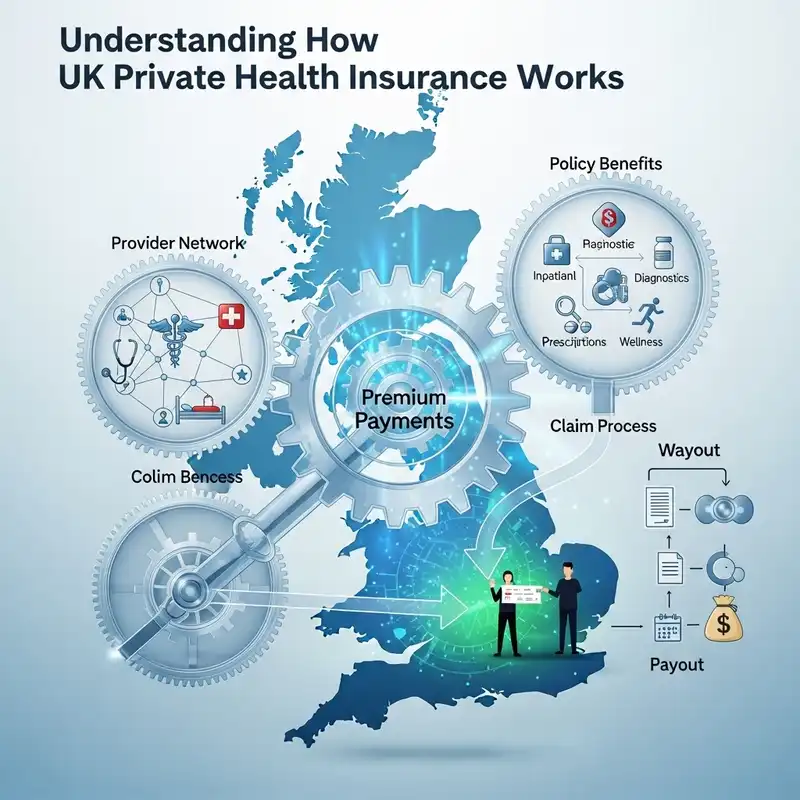
Cutting Through the Noise: Your Trusted Guide to UK Private Health Insurance
UK Private Health Insurance: Cutting Through Health Noise with Trusted Expertise
In today's fast-paced world, information, particularly about health, bombards us from every angle. From social media feeds to news headlines, the sheer volume of "health noise" can be overwhelming. Discussions around NHS waiting lists, new treatments, and wellbeing trends often leave us feeling more confused than empowered when it comes to our own health. How do we distinguish between genuine insights and fleeting fads? And more importantly, how do we ensure we get the right care, at the right time, when it truly matters?
This is where UK private health insurance steps in, not as a replacement for our beloved National Health Service (NHS), but as a powerful complement, designed to offer clarity, choice, and swift access in a sometimes bewildering healthcare landscape. It's about empowering you to cut through the noise, providing a pathway to trusted expertise and prompt treatment when you need it most.
This comprehensive guide aims to demystify private health insurance in the UK, equipping you with the knowledge to make informed decisions about your health and wellbeing. We'll explore its benefits, how it works, what it covers (and, crucially, what it doesn't), and how to navigate the options to find a policy that truly serves your needs.
Understanding the UK Healthcare Landscape: NHS vs. Private
To truly appreciate the value of private health insurance, it's essential to understand the dual-faceted nature of healthcare in the UK.
The NHS: A National Treasure Under Strain
The National Health Service, established in 1948, is a cornerstone of British society, providing universal healthcare free at the point of use, funded by general taxation. Its founding principles – that good healthcare should be available to all, regardless of wealth – remain deeply cherished.
The NHS excels in many areas:
- Emergency Care: For genuine emergencies, the NHS provides world-class trauma and emergency care.
- Chronic Disease Management: It manages millions of long-term conditions effectively.
- Preventative Programmes: From vaccinations to screening programmes, the NHS plays a vital public health role.
However, in recent years, the NHS has faced unprecedented challenges, leading to significant pressures on its services:
- Escalating Demand: An ageing population and the increasing prevalence of long-term conditions place continuous strain on resources.
- Funding Pressures: Despite significant investment, funding often struggles to keep pace with demand and rising costs of new treatments and technologies.
- Staffing Shortages: Recruitment and retention of healthcare professionals remain a persistent challenge across various disciplines.
- Waiting Lists: Perhaps the most visible impact for many, waiting lists for routine operations, diagnostic tests, and specialist consultations have reached record highs. At the time of writing, millions of people are awaiting treatment, with some waiting for over a year for non-urgent procedures. This can lead to prolonged discomfort, anxiety, and a worsening of conditions.
The Rise of Private Healthcare
Amidst these pressures, private healthcare has seen a significant increase in demand. It's not about abandoning the NHS, but rather about seeking an alternative pathway for certain types of care, often for acute conditions that can be treated or managed within a shorter timeframe.
People turn to private healthcare for several compelling reasons:
- Faster Access: Dramatically reduced waiting times for consultations, diagnostic tests (like MRI or CT scans), and surgical procedures.
- Choice of Specialist: The ability to choose your consultant and often the hospital where you receive treatment.
- Enhanced Comfort and Privacy: Access to private rooms, better facilities, and a more personalised hospital experience.
- Flexible Appointments: Scheduling appointments at times that suit your lifestyle, minimising disruption to work or family life.
- Access to Specific Treatments: Sometimes, faster access to newer drugs, technologies, or therapies not yet widely available on the NHS.
Private health insurance acts as the financial key to unlock these benefits, covering the costs of private medical treatment for eligible conditions.
What Exactly is UK Private Health Insurance?
At its core, UK private health insurance, often referred to as Private Medical Insurance (PMI), is an insurance policy that covers the costs of private medical treatment for acute conditions that develop after you've taken out the policy.
Acute vs. Chronic Conditions: A Crucial Distinction
Understanding the difference between acute and chronic conditions is paramount, as private health insurance is designed to cover acute conditions, not chronic ones. This is one of the most common misunderstandings and a fundamental principle of all UK health insurance policies.
- Acute Condition: An illness, disease, or injury that is likely to respond quickly to treatment and return you to the state of health you were in before its onset, or that leads to your full recovery. Examples include a broken bone, appendicitis, pneumonia, or a new, curable cancer. These are typically short-term and treatable.
- Chronic Condition: A disease, illness, or injury that has one or more of the following characteristics:
- It continues indefinitely.
- It has no known cure.
- It comes back or is likely to come back.
- It needs long-term monitoring or maintenance.
- It requires ongoing medication, diet control, or specialist care. Examples include diabetes, asthma, epilepsy, multiple sclerosis, or long-term degenerative conditions like osteoarthritis (though acute flare-ups of chronic conditions might be covered for diagnostic purposes or pain management, the underlying chronic condition itself is not).
Therefore, private health insurance does NOT cover ongoing treatment, monitoring, or medication for chronic conditions. If you develop a chronic condition, the NHS will manage your long-term care. PMI is there to get you diagnosed and treated quickly for a new, short-term health issue.
Common Coverage Areas
A comprehensive private health insurance policy typically covers a wide range of acute medical treatments:
- In-patient Treatment: This is usually the core of any policy. It covers the costs when you need to stay overnight in a private hospital for treatment, including:
- Hospital accommodation (private room).
- Consultant fees (surgeons, anaesthetists).
- Operating theatre charges.
- Nursing care.
- Drugs and dressings used during your stay.
- Day-patient Treatment: Covers treatment received at a private hospital where you're admitted and discharged on the same day, such as minor procedures or diagnostic tests.
- Out-patient Treatment: This covers consultations with specialists, diagnostic tests, and scans that don't require an overnight stay. Policies often have limits on outpatient costs, so it's important to check. This can include:
- Specialist consultations (first and follow-up).
- Pathology (blood tests).
- Radiology (X-rays, MRI, CT, ultrasound scans).
- Cancer Care: Often a significant and highly valued component of private health insurance. Policies typically cover:
- Consultations with oncologists.
- Diagnostic tests.
- Surgery, chemotherapy, and radiotherapy.
- Biological therapies and targeted drugs (subject to specific policy terms and often requiring approval).
- Reconstruction and palliative care in some cases. The peace of mind that comes with fast access to diagnosis and cutting-edge cancer treatment is a primary reason many people take out PMI.
- Mental Health Support: Growing in importance, many policies now include cover for acute mental health conditions, which may involve:
- Psychiatric consultations.
- Counselling and psychotherapy sessions.
- Day-patient or in-patient psychiatric treatment.
- It's vital to check the limits and type of conditions covered, as some may be excluded or have strict session limits.
- Therapies: Covers treatments recommended by a consultant, such as:
- Physiotherapy.
- Osteopathy.
- Chiropractic treatment.
- Acupuncture (less common, but some plans include it). These often have limits on the number of sessions or monetary value.
- NHS Cash Benefit: If you choose to have treatment for an eligible condition on the NHS (e.g., due to convenience, or if the private option isn't available for a specific drug), some policies offer a fixed cash payment for each night you spend as an NHS in-patient.
- Medical Second Opinions: Access to a second opinion from another consultant, offering reassurance or alternative perspectives on a diagnosis or treatment plan.
What's Typically NOT Covered (Beyond Chronic Conditions)
While comprehensive, private health insurance doesn't cover everything. It's crucial to be aware of the standard exclusions:
- Pre-existing Conditions: Conditions you've had symptoms of, received advice or treatment for, or that were diagnosed before you took out the policy. These are a standard exclusion. We'll delve into this in more detail later with underwriting.
- Emergency Services (A&E): For genuine emergencies or accidents requiring immediate attention, you should always go to an NHS Accident & Emergency department. Private health insurance does not cover A&E visits.
- Routine Maternity Care: While some high-end, often corporate, policies may offer limited maternity benefits, standard individual policies generally do not cover routine pregnancy, childbirth, or postnatal care. Complications arising during pregnancy may sometimes be covered, but this varies.
- Cosmetic Surgery: Procedures primarily for aesthetic improvement are not covered. Reconstructive surgery following a covered illness or accident may be.
- Fertility Treatment: Most policies do not cover infertility investigations or treatment.
- Organ Transplants: While the initial acute condition necessitating a transplant might be covered, the transplant procedure itself and associated long-term care are typically handled by the NHS.
- Overseas Treatment: Unless specified as an add-on, standard UK private health insurance only covers treatment within the UK. If you travel frequently, you'll need separate travel insurance.
- Self-inflicted Injuries or Drug/Alcohol Abuse: Treatment related to these causes is generally excluded.
- Experimental/Unproven Treatment: Treatments that are not widely recognised or approved by the medical community, or those still in clinical trials.
- HIV/AIDS: Treatment for HIV/AIDS is typically excluded, as is often the case with many long-term infectious diseases.
- Dental and Optical Treatment: Routine dental check-ups, fillings, eye tests, and glasses/contact lenses are usually excluded, though some policies offer optional add-ons for these.
The Tangible Benefits of Private Health Insurance
Beyond the broad strokes of what's covered, let's explore the practical, day-to-day benefits that private health insurance can bring to your life and wellbeing.
1. Faster Access to Diagnosis and Treatment
This is arguably the most significant benefit. When faced with an illness, waiting for a diagnosis or treatment can be incredibly stressful, leading to anxiety and potential worsening of a condition.
- Reduced Waiting Times: Bypass lengthy NHS waiting lists for specialist consultations, diagnostic scans (like MRIs, CTs, ultrasounds), and surgical procedures. What could take months on the NHS might take days or weeks privately.
- Prompt Intervention: Early diagnosis and treatment can lead to better outcomes, particularly for serious conditions like cancer, where every day counts.
2. Choice and Control
Private health insurance puts you firmly in the driver's seat of your healthcare journey.
- Choice of Specialist: You can often choose which consultant you wish to see, based on their expertise, reputation, or even specific availability.
- Choice of Hospital: Select from a network of private hospitals or private wings within NHS hospitals, offering different facilities or locations.
- Flexible Appointments: Schedule appointments at a time that suits your busy life, minimising disruption to work, family commitments, or education.
- Second Opinions: The ability to seek a second medical opinion can provide reassurance or a different perspective on complex diagnoses or treatment plans.
3. Comfort and Privacy
Private hospitals are designed with patient comfort in mind, offering a more serene and less clinical environment.
- Private Rooms: Enjoy the privacy and quiet of your own en-suite room, allowing for better rest and recovery.
- Flexible Visiting Hours: Often more relaxed visiting policies for family and friends.
- Enhanced Facilities: Access to amenities like improved catering, comfortable waiting areas, and sometimes even complimentary toiletries or entertainment.
4. Access to Cutting-Edge Treatments
While the NHS strives to provide the best care, budget constraints can sometimes mean slower adoption of the very newest drugs or medical technologies. Private policies often provide access to:
- Newer Drugs: Access to medications that might not yet be routinely available on the NHS (subject to insurer's approval and clinical effectiveness guidelines).
- Advanced Technologies: Quicker access to the latest diagnostic equipment or surgical techniques.
5. Peace of Mind
Perhaps the most intangible yet invaluable benefit is the peace of mind. Knowing that if an unexpected acute illness strikes, you have a clear pathway to fast, high-quality care, can significantly reduce anxiety and stress. This allows you to focus on your recovery, rather than worrying about waiting times or how you'll afford treatment.
6. Support for Mental Wellbeing
With growing recognition of mental health's importance, many private health insurance policies now include significant support for acute mental health conditions. This can mean quicker access to psychiatric consultations, psychotherapy, and counselling, which can be transformative for individuals struggling with mental health challenges.
Navigating the Complexities: How Private Health Insurance Works
Understanding the mechanics of private health insurance is key to selecting the right policy. It involves delving into underwriting, policy types, and key terminology.
Underwriting Methods
This is how insurers assess your health history and determine what they will and won't cover. It directly impacts whether your pre-existing conditions are excluded.
-
Moratorium Underwriting (Most Common):
- How it Works: This is the most common and often simplest option. When you apply, you don't need to disclose your full medical history upfront. Instead, the insurer automatically applies a "moratorium" period (usually two years) during which any medical conditions you've had symptoms of, received treatment for, or been diagnosed with in the past five years (the "pre-existing period") are excluded from coverage.
- Coverage after Moratorium: If, after the two-year moratorium period, you have not experienced any symptoms, received treatment for, or sought advice on that pre-existing condition, it may then become covered. However, if symptoms recur or you seek treatment within the moratorium period, the clock often resets, or the condition remains permanently excluded.
- Pros: Simpler application process, quicker to get cover in place.
- Cons: Uncertainty about what's covered for the first two years, and some conditions may never become covered if they are recurring.
-
Full Medical Underwriting (FMU):
- How it Works: When you apply, you complete a detailed medical questionnaire, and in some cases, your insurer may contact your GP for a medical report. The insurer assesses your full medical history upfront.
- Exclusions: Based on this assessment, the insurer will explicitly state any conditions that will be permanently excluded from your cover from day one. These are known as "permanent exclusions" or "loading" (an increased premium for certain conditions they deem higher risk but are willing to cover).
- Pros: Certainty from day one about what is and isn't covered. If a condition isn't specifically excluded, it's covered (assuming it's acute and within policy terms).
- Cons: Longer application process, requires detailed disclosure.
-
Continued Personal Medical Exclusions (CPME):
- How it Works: This is relevant if you're switching from an existing health insurance policy. An insurer may offer to carry over the exclusions from your previous policy, rather than re-underwriting you. This provides continuity of cover for conditions that might otherwise become new pre-existing exclusions under a new moratorium.
Policy Types
- Individual Policies: Designed for a single person.
- Family Policies: Cover multiple individuals (e.g., parents and children) under one policy. Often, children are covered until a certain age (e.g., 21 or 24 if in full-time education). Family policies can sometimes offer a small discount compared to individual policies for each member.
- Company Schemes (Group Policies): Businesses can provide health insurance as an employee benefit. These often offer more comprehensive cover, and employees may benefit from reduced premiums or non-medical underwriting (where pre-existing conditions may be covered, especially for larger groups).
Key Policy Components and Terminology
Understanding these terms will help you compare policies effectively:
- Excess: This is the amount you agree to pay towards the cost of any claim before the insurer pays the rest. For example, if you have a £250 excess and your treatment costs £2,000, you pay the first £250, and the insurer pays £1,750. Choosing a higher excess will generally lower your annual premium. Some policies have an excess per claim, others per policy year.
- No Claims Discount (NCD): Similar to car insurance, if you don't make a claim, your premium may reduce at renewal. If you do claim, your NCD may decrease, leading to a higher premium.
- In-patient/Out-patient Limits: Policies often differentiate between cover for in-patient (overnight hospital stays) and out-patient (consultations, diagnostics) treatment. In-patient cover is usually unlimited or very high, while out-patient cover may have specific monetary limits (e.g., £1,000 or £2,000 per year) or a limited number of consultations/sessions. More comprehensive plans offer unlimited out-patient cover.
- Hospital Lists: Insurers operate networks of approved private hospitals.
- Restricted List: Covers a smaller, often less expensive, network of hospitals. Choosing this option typically lowers your premium.
- Extended/Comprehensive List: Offers access to a wider range of hospitals, including many in central London, which are generally more expensive.
- Referral Process: In nearly all cases, you'll need a referral from your NHS GP before you can see a private specialist and claim on your insurance. This ensures your condition is properly assessed and that you see the most appropriate specialist.
- Pre-authorisation: Before any significant treatment or diagnostic test, you must contact your insurer to gain pre-authorisation. This is crucial; if you don't, your claim may be denied. The insurer will confirm if your condition is covered and if the proposed treatment is necessary and within policy limits.
- Renewals: Private health insurance policies are typically renewed annually. Your premium may change based on your age, claims history (NCD), medical inflation, and general market rates.
Choosing the Right Policy: A Step-by-Step Guide
Selecting the ideal private health insurance policy can feel like navigating a maze. With numerous insurers and countless policy variations, it's easy to get lost in the details. This is where expert guidance becomes invaluable.
1. Assess Your Needs and Priorities
Before you even look at policies, consider what's most important to you:
- Budget: What can you realistically afford each month/year? Premiums vary significantly.
- Level of Coverage: Do you want basic in-patient cover, or comprehensive cover including outpatient, mental health, and extensive cancer care?
- Access to Hospitals: Are you willing to be restricted to a specific hospital list, or do you need access to particular hospitals (e.g., in central London)?
- Excess: How much are you comfortable paying if you need to make a claim?
- Future Plans: Are you planning a family? Do you travel frequently? These might influence optional add-ons.
- Existing Health Concerns: While pre-existing conditions are excluded, understanding your past health can help you discuss underwriting options.
2. Understand Your Budget
Premiums are influenced by various factors (which we'll detail next), but establishing a budget range upfront helps narrow down options. Remember that choosing a higher excess, limiting outpatient cover, or opting for a more restricted hospital list can significantly reduce your premium.
3. Compare Insurers and Policies
The UK market has several well-established and reputable private health insurers. While we won't recommend specific insurers, names you might encounter include Bupa, AXA PPP Healthcare, Vitality Health, Aviva, WPA, and The Exeter. Each has its strengths, policy quirks, and pricing structures.
Comparing them can be a time-consuming and complex task, as you need to look beyond just the headline premium to understand:
- The specifics of their cancer care.
- Mental health provisions.
- Outpatient limits.
- Hospital lists.
- Their claims process and customer service reputation.
- Their underwriting approaches.
The Role of a Trusted Broker: How WeCovr Helps
Navigating the nuances of different insurers and policies is precisely where a specialist, independent broker proves invaluable.
- Impartial Advice: Unlike an insurer who can only offer their own products, an independent broker works for you. We provide unbiased advice across the entire market.
- Market Knowledge: We have in-depth knowledge of all major UK insurers' policies, terms, exclusions, and pricing structures. This expertise allows us to identify policies that genuinely align with your specific needs.
- Saving You Time: Instead of spending hours researching and contacting multiple insurers, we do the legwork for you, presenting you with a curated selection of suitable options.
- Expert Navigation of Underwriting: We can explain the implications of moratorium vs. full medical underwriting based on your health history, helping you choose the most appropriate method.
- Claims Support (Sometimes): While the claim is directly with the insurer, we can often offer guidance during the claims process if you encounter difficulties.
- No Cost to You: Critically, as a modern UK health insurance broker, we at WeCovr pride ourselves on cutting through the complexity. We work with all major UK insurers to find you the best coverage that aligns with your specific needs and budget, and our service comes at no cost to you. We are remunerated by the insurer if you take out a policy through us, meaning our loyalty is to your best interests, not theirs.
4. Read the Small Print
Once you have a few options, always read the policy terms and conditions carefully. Pay close attention to:
- Exclusions: What specifically is not covered?
- Limits: Are there monetary limits on certain treatments (e.g., outpatient sessions, therapies)?
- Waiting Periods: Some policies have initial waiting periods before you can claim for certain conditions (e.g., 3 months for some outpatient treatments).
- Definition of Terms: Understand how the insurer defines "acute," "chronic," "pre-existing," etc.
The Cost of Peace of Mind: What Influences Premiums?
The cost of private health insurance in the UK varies widely, from around £30-£40 per month for basic cover to hundreds of pounds for comprehensive plans, particularly as you get older. Several key factors influence your premium:
- Age: This is the most significant factor. As you age, the likelihood of developing health conditions increases, and so do your premiums. Someone in their 20s will pay significantly less than someone in their 50s or 60s for the same level of cover.
- Location: Healthcare costs can vary across the UK. Treatment in central London, for example, is considerably more expensive than in other regions. Premiums reflect this, with postcode being a key determinant.
- Level of Coverage:
- Core vs. Comprehensive: A basic policy covering only in-patient treatment will be cheaper than one that includes extensive outpatient care, mental health support, and extensive cancer cover.
- Optional Extras: Adding benefits like dental, optical, travel, or therapy allowances will increase your premium.
- Excess Chosen: As discussed, opting for a higher excess (e.g., £500 or £1,000) means you'll pay more upfront if you claim, but your monthly/annual premium will be lower.
- Hospital List Chosen: Selecting a restricted list of hospitals (excluding more expensive central London facilities) will result in a lower premium than choosing a comprehensive hospital list.
- Underwriting Method: While not always directly impacting the initial premium, the choice between moratorium and full medical underwriting can affect what conditions are covered, and potentially lead to adjustments at renewal if a condition becomes newly excluded or covered.
- No Claims Discount (NCD): If your policy has an NCD, a history of no claims will lead to lower premiums over time. Conversely, making a claim will reduce your NCD and increase your premium at renewal.
- Lifestyle Factors (Sometimes): Some insurers, particularly those with a focus on wellbeing (like Vitality), may factor in lifestyle elements such as smoking status, BMI, and engagement with healthy activities into their pricing or offer incentives.
It's clear that there's no one-size-fits-all cost. Obtaining personalised quotes that take into account all these factors is crucial for an accurate picture.
Real-Life Scenarios: When Private Health Insurance Shines
To truly illustrate the impact of private health insurance, let's consider a few hypothetical, yet common, scenarios:
Scenario 1: The Unexpected Diagnosis
Sarah, 42, a busy marketing manager, starts experiencing persistent stomach pains. Worried, she visits her NHS GP, who suspects an issue and refers her for further investigation. The GP advises her that the waiting list for an initial gastroenterologist consultation could be 8-10 weeks, followed by another wait for an endoscopy.
- With Private Health Insurance: Sarah contacts her insurer with her GP's referral. Within 3 days, she has an appointment with a leading gastroenterologist at a private hospital near her home. The consultant recommends an endoscopy, which is booked for the following week. The results quickly confirm a treatable but serious condition, and Sarah begins treatment privately within two weeks of her initial private consultation.
- Outcome: Sarah receives a swift diagnosis and begins treatment rapidly, minimising anxiety and allowing her to recover much faster than if she had waited on the NHS. The peace of mind during a worrying time is invaluable.
Scenario 2: The Busy Professional Needing Timely Treatment
David, 35, a self-employed graphic designer, injures his knee playing football. His NHS GP refers him to an orthopaedic specialist, but the waiting list for an MRI scan and then a consultant appointment is several months. David relies on being active for both work (meeting clients, networking) and his mental wellbeing. Prolonged pain and immobility are impacting his livelihood and mood.
- With Private Health Insurance: David contacts his insurer. He gets an MRI scan within a week, followed by a consultation with an orthopaedic surgeon who confirms a meniscus tear. Surgery is scheduled for two weeks later. He completes his physiotherapy privately and is back to work and light activity within a month, preventing significant loss of earnings and improving his quality of life.
- Outcome: David avoids prolonged pain and financial impact, returning to full function quickly thanks to accelerated diagnosis and treatment. His ability to choose appointment times around his work schedule is also a major benefit.
Scenario 3: Managing an Acute Mental Health Episode
Emily, 28, a teacher, has been feeling increasingly overwhelmed and experiencing severe anxiety attacks, impacting her ability to work and socialise. She knows she needs help but finds the thought of long waiting lists for NHS mental health services daunting.
- With Private Health Insurance: Emily's GP refers her to a psychiatrist. Her private health insurance, which includes comprehensive mental health cover, allows her to book an appointment with a private psychiatrist within days. Following assessment, she is referred for a course of psychotherapy sessions, which she attends regularly without long gaps.
- Outcome: Emily receives timely, consistent, and private mental health support during a critical period, allowing her to develop coping mechanisms and regain control of her life, often before her condition significantly deteriorates.
Scenario 4: The Acute Flare-Up of an Existing Issue (with careful distinction)
Mark, 55, has a history of lower back pain, managed by his NHS GP (a chronic condition). One day, he experiences a sudden, severe, and acute flare-up of pain, unlike anything he's felt before, with radiating symptoms. His GP is concerned about a new disc issue.
- With Private Health Insurance: While his underlying chronic back pain is not covered, the new, acute episode and its immediate investigation might be. Mark gets an urgent referral from his GP. His insurer approves an MRI scan to determine if there's a new, acute problem (like a disc prolapse). The scan reveals an acute, treatable herniated disc. His insurer then covers the acute physiotherapy or even a targeted injection to address this specific new problem. His ongoing chronic management reverts to the NHS.
- Outcome: Mark gets a rapid diagnosis of a new, acute issue and targeted treatment to alleviate the severe symptoms, without waiting, preventing prolonged suffering and potential neurological damage. The clear distinction between the chronic underlying condition and the acute flare-up/new complication is key here.
Dispelling Myths and Misconceptions
Despite its growing popularity, private health insurance is still subject to several common misconceptions:
- Myth 1: "It's only for the rich."
- Reality: While comprehensive policies can be expensive, there are many affordable options available. By choosing a higher excess, limiting outpatient cover, or opting for a restricted hospital list, you can significantly reduce premiums, making private health insurance accessible to a wider range of budgets. Many people prioritise this expense for the peace of mind it offers.
- Myth 2: "It replaces the NHS."
- Reality: Private health insurance complements the NHS, it does not replace it. For emergencies, chronic conditions, and general day-to-day care (like GP visits, prescriptions), the NHS remains the primary provider. PMI offers an alternative pathway for acute, treatable conditions, giving you choice and speed when you need it most.
- Myth 3: "It covers everything."
- Reality: This is a crucial misconception. As discussed, private health insurance does NOT cover:
- Pre-existing conditions: Conditions you had before taking out the policy.
- Chronic conditions: Long-term, incurable illnesses.
- Emergency A&E visits, routine maternity, cosmetic surgery, and often fertility treatment. Always read your policy documents carefully.
- Reality: This is a crucial misconception. As discussed, private health insurance does NOT cover:
- Myth 4: "You can claim for anything at any time."
- Reality: You almost always need a referral from your NHS GP to access private treatment. Furthermore, you must obtain "pre-authorisation" from your insurer before any significant diagnostic test or treatment begins. Failing to do so can result in your claim being declined. This process ensures the treatment is medically necessary and falls within your policy terms.
- Myth 5: "Once you have it, your premiums will skyrocket every year."
- Reality: Premiums do typically increase annually due to age and medical inflation. However, factors like your No Claims Discount can help offset this. Also, engaging a broker at renewal can help you compare your existing policy against the market to ensure you're still getting the best value.
The Future of Private Health Insurance in the UK
The landscape of healthcare is constantly evolving, and private health insurance is adapting to meet new demands and leverage technological advancements.
- Growing Demand: With ongoing pressures on the NHS, demand for private health insurance is likely to continue to rise, as individuals seek faster access and greater choice.
- Emphasis on Preventative Care and Wellbeing: Insurers are increasingly shifting towards a more holistic approach, encouraging preventative health and wellbeing. This includes offering discounts for healthy habits, access to digital GP services, and apps that monitor activity and sleep.
- Digital Health Integration: Virtual GP appointments, online mental health platforms, and digital tools for managing policies and claims are becoming standard. This enhances convenience and accessibility.
- Focus on Mental Health: Recognising the surging need for mental health support, policies are likely to continue expanding their mental health coverage, offering a broader range of therapies and support networks.
- Personalisation: As data analytics improve, policies may become even more tailored to individual needs and risk profiles, offering greater flexibility and choice.
Conclusion
In a world filled with "health noise" – conflicting advice, overwhelming information, and the persistent hum of healthcare challenges – private health insurance offers a clear, effective path to trusted expertise and timely care for acute conditions. It's not a luxury for the few, but an increasingly vital tool for anyone seeking greater control, comfort, and peace of mind when it comes to their health.
Understanding the fundamental distinctions between acute and chronic conditions, navigating the various underwriting options, and appreciating the diverse benefits of a well-chosen policy are key to making an informed decision. The peace of mind that comes from knowing you can swiftly access expert diagnosis and treatment, bypass lengthy waiting lists, and choose your care pathway, is immeasurable.
If you're considering private health insurance, navigating the options can feel daunting. This is precisely where expert guidance becomes invaluable. At WeCovr, we believe that understanding your options should be straightforward. We are dedicated to providing unbiased, expert advice, comparing policies from all leading UK insurers to ensure you find a plan that genuinely meets your needs, at no cost to you. Let us help you cut through the health noise and secure your peace of mind.
Why private medical insurance and how does it work?
What is Private Medical Insurance?
Private medical insurance (PMI) is a type of health insurance that provides access to private healthcare services in the UK. It covers the cost of private medical treatment, allowing you to bypass NHS waiting lists and receive faster, more convenient care.How does it work?
Private medical insurance works by paying for your private healthcare costs. When you need treatment, you can choose to go private and your insurance will cover the costs, subject to your policy terms and conditions. This can include:• Private consultations with specialists
• Private hospital treatment and surgery
• Diagnostic tests and scans
• Physiotherapy and rehabilitation
• Mental health treatment
Your premium depends on factors like your age, health, occupation, and the level of cover you choose. Most policies offer different levels of cover, from basic to comprehensive, allowing you to tailor the policy to your needs and budget.
Questions to ask yourself regarding private medical insurance
Just ask yourself:👉 Are you concerned about NHS waiting times for treatment?
👉 Would you prefer to choose your own consultant and hospital?
👉 Do you want faster access to diagnostic tests and scans?
👉 Would you like private hospital accommodation and better food?
👉 Do you want to avoid the stress of NHS waiting lists?
Many people don't realise that private medical insurance is more affordable than they think, especially when you consider the value of faster treatment and better facilities. A great insurance policy can provide peace of mind and ensure you receive the care you need when you need it.
Benefits offered by private medical insurance
Private medical insurance provides numerous benefits that can significantly improve your healthcare experience and outcomes:Faster Access to Treatment
One of the biggest advantages is avoiding NHS waiting lists. While the NHS provides excellent care, waiting times can be lengthy. With private medical insurance, you can often receive treatment within days or weeks rather than months.
Choice of Consultant and Hospital
You can choose your preferred consultant and hospital, giving you more control over your healthcare journey. This is particularly important for complex treatments where you want a specific specialist.
Better Facilities and Accommodation
Private hospitals typically offer superior facilities, including private rooms, better food, and more comfortable surroundings. This can make your recovery more pleasant and potentially faster.
Advanced Treatments
Private medical insurance often covers treatments and medications not available on the NHS, giving you access to the latest medical advances and technologies.
Mental Health Support
Many policies include comprehensive mental health coverage, providing faster access to therapy and psychiatric care when needed.
Tax Benefits for Business Owners
If you're self-employed or a business owner, private medical insurance premiums can be tax-deductible, making it a cost-effective way to protect your health and your business.
Peace of Mind
Knowing you have access to private healthcare when you need it provides invaluable peace of mind, especially for those with ongoing health conditions or concerns about NHS capacity.
Private medical insurance is particularly valuable for those who want to take control of their healthcare journey and ensure they receive the best possible treatment when they need it most.
Important Fact!
We can look at a more suitable option mid-term!
Why is it important to get private medical insurance early?
👉 Many people are very thankful that they had their private medical insurance cover in place before running into some serious health issues. Private medical insurance is as important as life insurance for protecting your family's finances.👉 We insure our cars, houses, and even our phones! Yet our health is the most precious thing we have.
Easily one of the most important insurance purchases an individual or family can make in their lifetime, the decision to buy private medical insurance can be made much simpler with the help of FCA-authorised advisers. They are the specialists who do the searching and analysis helping people choose between various types of private medical insurance policies available in the market, including different levels of cover and policy types most suitable to the client's individual circumstances.
It certainly won't do any harm if you speak with one of our experienced insurance experts who are passionate about advising people on financial matters related to private medical insurance and are keen to provide you with a free consultation.
You can discuss with them in detail what affordable private medical insurance plan for the necessary peace of mind they would recommend! WeCovr works with some of the best advisers in the market.
By tapping the button below, you can book a free call with them in less than 30 seconds right now:
Our Group Is Proud To Have Issued 800,000+ Policies!
We've established collaboration agreements with leading insurance groups to create tailored coverage
























How It Works
1. Complete a brief form

2. Our experts analyse your information and find you best quotes

3. Enjoy your protection!

Any questions?
Learn more

Who Are WeCovr?
WeCovr is an insurance specialist for people valuing their peace of mind and a great service.👍 WeCovr will help you get your private medical insurance, life insurance, critical illness insurance and others in no time thanks to our wonderful super-friendly experts ready to assist you every step of the way.
Just a quick and simple form and an easy conversation with one of our experts and your valuable insurance policy is in place for that needed peace of mind!