UK Private Health Insurance Family Cover That Grows With You – Adapting to Every Life Stage & Budget
UK Private Health Insurance Family Cover That Grows With You – Adapting to Every Life Stage & Budget
In the vibrant tapestry of family life, health is often the most cherished thread. From the laughter of children to the steadying presence of parents, ensuring access to timely, high-quality medical care is a priority for many UK households. While the NHS remains a cornerstone of our national health provision, an increasing number of families are turning to private medical insurance (PMI) to complement this invaluable service, seeking greater control, comfort, and speed when health concerns arise.
Family private health insurance isn't a static product; it's a dynamic financial tool designed to evolve alongside your family's needs. From the moment you welcome a new baby, through the energetic school years, the demanding teenage phase, and into the eventual quiet of the 'empty nest', your health requirements, and consequently your insurance needs, will shift. This guide delves deep into how family PMI can be sculpted to fit every life stage and budget, offering peace of mind that adapts as you do.
Why Consider Family Private Health Insurance in the UK?
The decision to invest in private health insurance for your family is a significant one, often driven by a desire for enhanced care and reduced waiting times. While the NHS provides exceptional emergency and acute care, routine treatments, specialist consultations, and diagnostic tests can sometimes involve considerable waits.
According to NHS England data, the waiting list for routine hospital treatment stood at 7.71 million unique pathways in May 2024, with many patients waiting over 18 weeks, and some exceeding 52 weeks, for treatment. These figures, provided by NHS England, underscore the pressures on the public system. For families, these delays can translate into prolonged periods of pain, anxiety, and disruption to daily life.
Key advantages of family private medical insurance include:
- Reduced Waiting Times: A primary driver for most families. PMI can significantly cut down the time spent waiting for consultations, diagnostic tests, and treatments, allowing for quicker diagnosis and recovery.
- Choice and Control: You gain greater control over your healthcare journey. This includes choosing your consultant, opting for appointments at times that suit your family's busy schedule, and selecting the hospital or clinic where you receive treatment.
- Comfort and Privacy: Private hospitals often offer private rooms with en-suite facilities, allowing for a more comfortable and dignified recovery, away from the hustle and bustle of a busy ward.
- Access to Specialist Treatments and Drugs: While the NHS offers a wide range of treatments, private policies can sometimes provide access to newer drugs or therapies that might not yet be routinely available on the NHS, provided they are for an acute, covered condition.
- Peace of Mind: Knowing that your family has a pathway to prompt care can alleviate stress and anxiety, allowing you to focus on well-being rather than waiting lists.
- Family-Centric Benefits: Many policies are designed with families in mind, offering benefits like parent-and-child rooms for young patients, or coverage for mental health support that is increasingly vital for all age groups.
In a world where time is precious and health is paramount, family private health insurance acts as a valuable complement to the NHS, offering a safety net that is both responsive and tailored.
Understanding the Core Principles of UK PMI: Acute vs. Chronic & Pre-Existing Conditions
This is perhaps the most crucial distinction to grasp when considering private medical insurance in the UK. A fundamental principle of UK private medical insurance is that it is designed to cover acute conditions that arise after your policy begins. It is not intended to cover pre-existing conditions or chronic conditions. Understanding this difference is paramount to setting realistic expectations and avoiding disappointment.
What are Acute Conditions?
An acute condition is a disease, illness, or injury that is likely to respond quickly to treatment and return you to your previous state of health. Examples include:
- A broken bone.
- Appendicitis.
- A new cancer diagnosis (where treatment aims for remission or cure).
- A newly developed cataract.
- A sudden onset of a back problem requiring surgery.
PMI policies primarily focus on providing private medical care for these kinds of new, sudden, and treatable conditions.
What are Chronic Conditions?
A chronic condition is a disease, illness, or injury that has one or more of the following characteristics:
- It needs ongoing or long-term management.
- It is likely to recur.
- It is incurable.
- It comes back or gets worse over time.
- It requires rehabilitation or for you to be specially trained to cope with it.
Examples of chronic conditions include:
- Diabetes (Type 1 or 2).
- Asthma.
- Hypertension (high blood pressure).
- Epilepsy.
- Arthritis (ongoing management).
- Degenerative spinal conditions.
- Long-term mental health conditions requiring ongoing therapy or medication.
Crucially, standard UK private medical insurance policies do not cover the ongoing management or treatment of chronic conditions. If you have asthma, for instance, your PMI would not cover your regular inhalers or routine check-ups related to your asthma. However, if you developed a new, acute respiratory infection, that might be covered.
What are Pre-existing Conditions?
A pre-existing condition is any disease, illness, or injury for which you have experienced symptoms, sought advice, or received treatment before the start date of your private medical insurance policy.
Standard UK private medical insurance policies will not cover any pre-existing conditions. This applies regardless of whether the condition is acute or chronic. For example, if you had knee pain and received physiotherapy for it six months before you took out your policy, any future treatment for that specific knee pain would be excluded. The way your policy defines and treats pre-existing conditions will depend on the underwriting method you choose (more on this later).
In summary:
| Condition Type | Definition | Covered by Standard UK PMI? | Example |
|---|---|---|---|
| Acute | New, sudden, short-term, treatable, likely to return to previous state of health. | YES, if it arises after policy starts and is not related to a pre-existing condition. | A newly broken arm, a new appendicitis diagnosis. |
| Chronic | Long-term, incurable, recurring, needs ongoing management. | NO. Ongoing treatment and management are excluded. | Diabetes, asthma, ongoing hypertension. |
| Pre-existing | Any condition for which you've had symptoms, advice, or treatment before policy start. | NO. Excluded, regardless of whether it's acute or chronic. | Back pain treated 2 years ago, a diagnosis of depression 6 months ago. |
It is absolutely vital to be transparent about your medical history when applying for PMI. Failure to disclose information can lead to claims being declined and potentially the cancellation of your policy.
Key Components of Family Health Insurance Policies
While policies vary between providers, most family health insurance plans share common core benefits and optional add-ons. Understanding these components allows you to tailor a policy that genuinely meets your family's evolving needs.
Core Benefits (Typically Included)
-
In-patient Treatment: This covers medical treatment received when you are admitted to a hospital bed overnight. It includes:
- Accommodation in a private room.
- Consultant fees for specialists (surgeons, anaesthetists, etc.).
- Operating theatre charges.
- Nursing care.
- Drugs and dressings used during admission.
- Diagnostic tests (e.g., MRI, CT scans, X-rays) performed while admitted.
-
Day-patient Treatment: Covers medical treatment or diagnostic procedures that require a hospital bed for a few hours but not an overnight stay. This often includes minor surgical procedures or more complex diagnostic tests.
-
Out-patient Treatment: This covers consultations with specialists and diagnostic tests that do not require you to be admitted to a hospital bed. This is often the first step after a GP referral. It can include:
- Specialist consultations (first and follow-up).
- Diagnostic tests (blood tests, X-rays, MRI, CT scans, ultrasounds).
- Pathology (lab tests).
- Some policies place limits on outpatient cover (e.g., a fixed monetary limit per year or a limit on the number of consultations).
Optional Add-ons and Enhancements (Can be Added for Extra Cost)
To make a policy truly "grow with you," insurers offer a range of optional benefits that can be added or removed as your family's needs change.
- Out-patient Limits: You can often choose different levels of outpatient cover, from unlimited to a fixed monetary amount, or even none at all (which significantly reduces premiums).
- Mental Health Cover: Increasingly important, this add-on provides access to private psychiatric treatment, counselling, and therapy for acute mental health conditions. While some basic mental health support might be included in core policies, comprehensive cover is usually an add-on. Remember, chronic mental health conditions are typically excluded.
- Therapies: This includes access to physiotherapy, osteopathy, chiropractic treatment, and sometimes acupuncture. Often, there's a limit on the number of sessions or a monetary limit.
- Dental and Optical Cover: These are usually separate add-ons that provide a contribution towards routine dental check-ups, hygienist visits, dental treatments (fillings, extractions), eye tests, and glasses/contact lenses.
- Complementary Therapies: Cover for treatments like homeopathy, reflexology, or aromatherapy, usually with strict limits and often requiring a GP referral.
- Extended Cancer Cover: While most core policies cover acute cancer treatment, extended options might provide access to a wider range of drugs, genetic testing, or hospice donation.
- Travel Insurance: Some providers offer the option to integrate travel insurance, particularly useful for families.
- Maternity Cover: This is generally not covered by standard PMI. Some specialist policies might offer limited complications cover, but full elective private maternity is rarely included and, if so, is extremely expensive and often subject to long waiting periods (e.g., 2 years) and strict eligibility criteria. For most families, maternity care will be provided by the NHS.
- Hospital List: This isn't an add-on but a choice that significantly impacts premiums and access.
- Guided Hospital List: A more restricted list of hospitals, typically offering lower premiums. You might be guided to specific hospitals or groups of hospitals.
- Open Hospital List: Provides access to a wider network of private hospitals, including central London facilities, and generally comes with higher premiums. Some policies also differentiate between central London hospitals and those outside.
Table: Common PMI Components & Their Implications
| Component | Description | Impact on Cover | Impact on Cost |
|---|---|---|---|
| In-patient Cover | Hospital admission overnight for treatment/surgery. | Core, essential cover for serious conditions. | Usually included as standard. |
| Day-patient Cover | Hospital admission for treatment/diagnostics without overnight stay. | Crucial for minor procedures and complex tests. | Usually included as standard. |
| Out-patient Cover | Consultations, diagnostics without hospital admission. | Varies significantly; dictates access to initial specialist assessment. | Can be limited or unlimited; limits reduce premium. |
| Mental Health Cover | Access to private psychiatric care and therapies. | Essential for comprehensive well-being, especially for teens and young adults. | Optional add-on; increases premium. |
| Therapies (Physio, Chiro) | Access to rehabilitative therapies. | Important for recovery from injuries/conditions. | Optional add-on; increases premium. |
| Dental & Optical | Contribution towards routine dental/eye care. | Covers preventative and basic needs outside of acute medical issues. | Separate optional add-on; increases premium. |
| Hospital List | Network of hospitals you can use. | Wider choice means more flexibility, especially in urban areas. | Restricted lists (guided) lower premiums; open lists (especially London) increase them significantly. |
Choosing the right combination of these components allows a family policy to be highly flexible, starting with essential cover and expanding as life unfolds.
Adapting to Every Life Stage – A Family's Journey
The beauty of flexible private health insurance lies in its ability to adapt. What a young couple needs is vastly different from a family with teenagers, or parents whose children have flown the nest.
Stage 1: Young Couples / New Families (20s-30s)
At this stage, health insurance might seem less critical due to generally good health. However, starting early can secure better rates and establish a no-claims discount. The focus here might be on core in-patient and out-patient cover for unexpected acute illnesses or injuries. With the arrival of children, the emphasis shifts to paediatric care.
- Needs: Acute care for unexpected illnesses/injuries, particularly for children (e.g., sudden infections, accidental injuries, ENT issues).
- Policy Focus: Essential core cover, perhaps a low outpatient limit, with a focus on paediatric specialists.
- Budgeting: Opting for a higher excess, restricted hospital list, or the 6-week option can keep premiums manageable.
Stage 2: Growing Families (Children & Teens) (30s-50s)
This is often the most dynamic period. Children become more active, increasing the risk of sports injuries or developing conditions like asthma (though ongoing management of a pre-existing chronic condition would be excluded, initial diagnosis and acute episodes might be covered if the condition wasn't pre-existing). Teenagers can face increasing pressures, making mental health support a growing priority.
- Needs: Broader outpatient limits, access to specialists for sports injuries, potentially mental health add-on for adolescents, quicker diagnostics for unexplained symptoms.
- Policy Focus: Expanding outpatient limits, adding mental health and therapies (e.g., physio). Exploring family no-claims discounts.
- Budgeting: Still room for a moderate excess, but may be willing to pay more for enhanced benefits. Reviewing hospital list if specific children's hospitals are desired.
Stage 3: Mid-Life Families (Parents & Young Adults) (50s-60s)
Parents' health needs may become more complex, with a higher likelihood of acute conditions developing. Young adults, if still dependent or in full-time education, may remain on the family policy. The emphasis might be on quicker access to diagnostics for conditions that become more prevalent with age.
- Needs: Comprehensive diagnostic cover, access to a wider range of specialists, continued mental health support for all family members. Consideration of more extensive cancer care options.
- Policy Focus: Higher outpatient limits, strong cancer cover, robust therapies benefit. Potentially maintaining existing benefits for adult children if they are still eligible.
- Budgeting: May accept a higher premium for broader cover. Regularly reviewing the policy for any benefits no longer needed (e.g., if children become independent).
Stage 4: Empty Nesters / Retirement Planning (60s+)
As children become independent, the family policy can be scaled back to just cover the parents. The focus shifts to managing the acute conditions more commonly seen in older age, ensuring prompt access to care without reliance on potentially long NHS waits.
- Needs: High-quality in-patient care, rapid access to diagnostics, comprehensive cover for new acute conditions.
- Policy Focus: Maintaining strong core cover, potentially reducing or removing benefits specifically aimed at younger family members (e.g., paediatric specialists). Reviewing excess levels.
- Budgeting: Adjusting cover to individual needs, exploring how best to manage premiums as age-related costs increase. Many insurers offer long-term loyalty benefits or fixed-price options.
Table: Family Health Insurance Needs by Life Stage
| Life Stage | Typical Ages | Core Needs & Priorities | Potential Policy Enhancements | Budgeting Considerations |
|---|---|---|---|---|
| Young Couples/New Families | 20s-30s | Basic acute cover, immediate access for minor child illnesses/injuries. | Paediatric specialists, low outpatient limits initially. | High excess, restricted hospital list, 6-week option to save. |
| Growing Families (Children & Teens) | 30s-50s | Comprehensive diagnostic access, sports injuries, mental health support for teens. | Higher outpatient limits, mental health, physiotherapy. | Moderate excess, balance cost with broader cover. |
| Mid-Life Families (Parents & Young Adults) | 50s-60s | Robust cover for parents' increasing needs, continued support for young adults. | Enhanced cancer cover, extensive diagnostic tests, therapies. | Willingness for higher premiums, review adult child eligibility. |
| Empty Nesters/Retirement Planning | 60s+ | High-quality acute care for parents, focus on comfort and timely access. | Maintaining strong core cover, specific consultant choice. | Adjusting to individual needs, maximising long-term discounts. |
Regularly reviewing your family's policy is essential to ensure it continues to align with your evolving life stage. This is where the expertise of an independent broker like WeCovr can be invaluable.
Budgeting for Family Health Insurance – Making it Affordable
The cost of private medical insurance for a family can be a significant consideration. However, there are numerous levers you can pull to tailor the premium to your budget without necessarily compromising on essential cover.
Factors Influencing Cost
The premium you pay for family health insurance is determined by several factors:
- Age of Family Members: This is the most significant factor. As individuals age, the likelihood of needing medical treatment generally increases, leading to higher premiums.
- Number of Family Members: More individuals on the policy naturally mean a higher overall cost.
- Location: Premiums can vary based on your postcode. Areas with higher living costs or access to more expensive private hospitals (e.g., London) typically have higher premiums.
- Level of Cover Chosen: As discussed, opting for unlimited outpatient cover, extensive mental health benefits, or comprehensive cancer care will increase the premium. Basic, core cover is cheaper.
- Hospital List: Choosing an "open" hospital list (allowing access to a wider range of private hospitals, particularly those in central London) will be significantly more expensive than a "guided" or "restricted" list.
- Excess: This is the amount you agree to pay towards the cost of any claim before your insurer contributes. A higher excess means a lower premium.
- Underwriting Method: As we'll discuss, some underwriting methods can influence the initial premium.
- Medical History: While pre-existing conditions are generally excluded, extensive medical history may sometimes influence premium calculations for certain insurers, though less common for standard policies.
- Lifestyle Factors: Some insurers, particularly those with a wellness focus (e.g., Vitality), may offer discounts for healthy lifestyle choices, or conversely, charge more for certain habits.
- No Claims Discount (NCD): Similar to car insurance, many PMI policies offer an NCD. For each year you don't make a claim, your discount increases, leading to lower premiums in subsequent years. A claim might reduce your NCD.
Strategies to Reduce Premiums
The good news is that you have a lot of control over your premium. Here are key strategies to make family health insurance more affordable:
- Increase Your Excess: This is one of the most effective ways to lower your premium. You can often choose an excess ranging from £100 to £1,000 or even more per person per year. Just ensure you can comfortably afford to pay the chosen excess if a claim arises.
- Opt for a Restricted Hospital List: If you don't need access to every private hospital in the country, selecting a guided or local hospital list can significantly reduce your premium.
- Choose a Lower Outpatient Limit: If you're comfortable using the NHS for initial GP appointments and some diagnostics, opting for a lower outpatient limit (e.g., £500 or £1,000 per year) or even no outpatient cover can reduce costs. Remember this means less flexibility for specialist consultations without hospital admission.
- Consider the "6-Week Option": Some insurers offer this option, meaning if the NHS can treat your condition within six weeks, you will use the NHS. If the NHS waiting list is longer than six weeks, your private policy will kick in. This significantly lowers premiums but means you might still face short waits on the NHS.
- Utilise No Claims Discount (NCD): By maintaining a healthy lifestyle and only claiming when absolutely necessary, you can build up your NCD, leading to substantial premium reductions over time.
- Limit Optional Add-ons: Prioritise what's most important. Do you genuinely need comprehensive dental and optical cover through your PMI, or are you better off paying for these out-of-pocket or through a separate, cheaper dental plan?
- Review Annually: Prices and needs change. Review your policy every year to ensure you're not paying for benefits you no longer need or that better value options are available. This is where comparing the market with an expert like WeCovr becomes invaluable.
- Company Schemes: If your employer offers a corporate health insurance scheme, adding family members to it can sometimes be more cost-effective than taking out an individual family policy, due to the larger group purchasing power.
Table: Premium Reduction Strategies
| Strategy | Description | Impact on Cover | Impact on Premium | Best For |
|---|---|---|---|---|
| Increase Excess | Agree to pay a fixed amount towards first claim each year. | Small financial contribution per claim. | Significant reduction. | Healthy families, those willing to self-insure small costs. |
| Restricted Hospital List | Access to a defined network of private hospitals. | Limits choice of hospitals, especially expensive central London ones. | Moderate to significant reduction. | Families comfortable with local hospital choices. |
| Lower Outpatient Limit | Cap on what insurer pays for out-patient consultations/diagnostics. | Less flexibility for initial private specialist visits/tests. | Moderate reduction. | Those comfortable using NHS GP for initial referral and some diagnostics. |
| 6-Week Option | Private treatment only if NHS wait exceeds 6 weeks. | May still use NHS for shorter waits. | Significant reduction. | Families prioritising cost over immediate private access for all conditions. |
| Limit Optional Add-ons | Removing non-essential benefits (dental, optical etc.). | Fewer "nice-to-have" extras. | Moderate reduction per add-on. | Budget-conscious families focusing on core medical needs. |
By strategically combining these options, families can find a balance between comprehensive cover and affordability, ensuring their health insurance truly grows with their financial capacity.
Choosing the Right Underwriting Method for Your Family
The underwriting method determines how your insurer assesses your medical history and applies any exclusions for pre-existing conditions. This is a critical decision, as it impacts what will and won't be covered from the outset.
1. Full Medical Underwriting (FMU)
- How it works: When you apply, you (and all family members to be covered) complete a detailed medical questionnaire. The insurer reviews your full medical history upfront.
- Pros:
- Clarity from Day One: You know exactly what is and isn't covered or excluded before your policy starts. This means no surprises later when you make a claim.
- No "Wait and See": There's no period during which your pre-existing conditions are reviewed or potentially removed from exclusion.
- Cons:
- More Involved Application: Requires more time and detailed medical information upfront.
- Potential for Immediate Exclusions: If you have pre-existing conditions, they will be explicitly excluded in your policy documents.
- Best for: Families who prefer certainty about their coverage, or those with very few or clearly defined medical conditions.
2. Moratorium Underwriting (Moray)
- How it works: This is the most common underwriting method. You typically don't need to provide extensive medical history upfront. Instead, the insurer automatically excludes any condition for which you've had symptoms, advice, or treatment in the five years leading up to the policy start date. These conditions may become covered after a specified continuous period (usually 2 years) on the policy, provided you have not had any symptoms, received treatment, or sought advice for that specific condition during that 2-year "moratorium period."
- Pros:
- Simpler Application Process: Less paperwork upfront.
- Potential for Future Coverage: If a pre-existing condition remains symptom-free for the moratorium period, it might eventually be covered.
- Cons:
- Uncertainty at Claim Time: You won't know for sure if a condition is covered until you make a claim, and the insurer investigates its history.
- Risk of Persistent Exclusion: If a pre-existing condition flares up or requires ongoing management during the 2-year moratorium period, it will likely remain permanently excluded.
- Best for: Families with a generally clean medical history who prefer a quicker application process, or those who believe their past minor conditions will remain dormant.
3. Continued Personal Medical Exclusions (CPME)
- How it works: This method is specifically for families switching from one private medical insurer to another. If you have an existing PMI policy under FMU or Moratorium, a new insurer using CPME will honour the exclusions from your old policy.
- Pros:
- Seamless Transition: Ensures continuity of cover and exclusions, preventing new exclusions for conditions that arose during your old policy.
- No New Underwriting: You avoid having to go through a full medical review again.
- Cons:
- Retains Old Exclusions: Any exclusions from your previous policy will carry over.
- Best for: Families who are already covered by PMI and want to switch insurers without being re-underwritten or losing cover for conditions that developed since their original policy started.
Table: Underwriting Method Comparison
| Feature | Full Medical Underwriting (FMU) | Moratorium Underwriting (Moray) | Continued Personal Medical Exclusions (CPME) |
|---|---|---|---|
| Application | Detailed medical questionnaire for all. | Usually no medical questions upfront. | Proof of existing PMI history. |
| Pre-existing Conditions | Excluded definitively upfront. | Automatically excluded for 5 years prior; may become covered after 2 symptom-free years on policy. | Exclusions from previous policy carried over. |
| Clarity | High clarity from policy start. | Less clarity until claim time/moratorium period ends. | Clarity based on previous policy's exclusions. |
| Complexity | More complex upfront. | Simpler upfront, but can be complex at claim. | Simple if switching from an existing policy. |
| Ideal For | Those seeking certainty, minimal past medical issues. | Quick applications, generally healthy individuals, hope of future cover for minor past issues. | Switching insurers, maintaining continuity of cover. |
Choosing the right underwriting method is as important as selecting the right benefits. It can significantly impact how your policy responds when you need to make a claim. WeCovr can help you understand the nuances of each and recommend the best fit for your family's unique health history.
The Importance of Regular Policy Reviews
Family health insurance is not a "set it and forget it" product. Just as your family evolves, so too should your policy. Regular reviews ensure that your cover remains relevant, cost-effective, and fully aligned with your current life stage and financial circumstances.
Why Annual Reviews are Crucial:
-
Life Changes:
- New Family Members: The arrival of a new child means they need to be added to the policy.
- Children Leaving Home: Once children become independent (e.g., leave full-time education, turn 21 or 25 depending on the policy), they may need to come off the family policy and potentially take out their own individual cover.
- Changes in Health: While pre-existing conditions aren't covered, new acute conditions that have developed (and been treated) since the last review might influence future premium adjustments or the need for different types of cover.
- Changes in Income: Your budget might change, making a higher excess or different hospital list more appealing.
- Changes in Location: Moving house, particularly to or from a high-cost area like London, can affect premiums.
-
Market Changes:
- New Products & Benefits: Insurers constantly evolve their offerings. New benefits (e.g., enhanced mental health pathways, digital GP services) might become available that better suit your family.
- Competitive Pricing: The market is dynamic. Your current insurer's renewal quote might not be the most competitive. Other providers might offer similar cover for less, or more comprehensive cover for a similar price.
- Inflation: Medical inflation can push premiums up. A review helps mitigate this by seeking out the best value.
-
Policy Utilisation:
- Are You Over-insured? Perhaps you're paying for unlimited outpatient cover but only using it for one or two consultations a year. A lower limit might save money without impacting actual usage.
- Are You Under-insured? Conversely, if you've found yourself paying for therapies out of pocket, it might be worth adding a therapies benefit to your policy.
How WeCovr Helps with Reviews:
At WeCovr, we believe in proactive policy management. We don't just help you find the right policy initially; we're here to support you throughout its lifetime.
- Annual Renewal Review: Before your policy renews, we proactively reach out to discuss your needs. We'll review your current cover, consider any life changes, and assess how well your policy is serving you.
- Market Comparison: We don't just accept your current insurer's renewal quote. We compare it against the entire market, including all major UK private health insurance providers (e.g., Bupa, AXA PPP, Vitality, Aviva, WPA, National Friendly, Freedom Health Insurance, Saga, General & Medical), to ensure you're getting the best value and cover.
- Tailored Advice: Based on our expert analysis, we'll provide personalised recommendations, explaining the pros and cons of adjusting your cover or switching insurers.
- Hassle-Free Switching: If switching is the best option, we handle all the paperwork, ensuring a smooth transition of your cover, particularly important if moving under CPME (Continued Personal Medical Exclusions).
A thorough annual review, guided by an independent expert, ensures that your family's private health insurance remains a valuable asset, adapting seamlessly as your family's health and financial landscape changes.
Navigating Claims with Family Cover
Understanding the claims process is vital for maximising the benefits of your family health insurance. While it may seem daunting, most processes are straightforward, especially with a good understanding of the steps involved.
The Typical Claims Process:
- GP Referral: In almost all cases, the first step is to see your NHS GP. If your GP believes you need specialist assessment or treatment, they will write a referral letter. Private medical insurance typically requires a GP referral for a claim to be valid. This ensures that only medically necessary treatments are sought privately.
- Contact Your Insurer for Pre-authorisation: Before booking any private consultations, tests, or treatments, you must contact your private medical insurer for pre-authorisation. This is a crucial step. The insurer will confirm if the condition is covered under your policy and if the proposed treatment is approved.
- You'll need your policy number and details of your GP referral.
- They may ask for details of the consultant or hospital you plan to see.
- Failure to get pre-authorisation can result in your claim being declined, leaving you liable for the full costs.
- Book Your Appointment/Treatment: Once pre-authorised, you can proceed to book your private consultation, diagnostic test (e.g., MRI, CT scan), or treatment.
- Direct Billing or Reimbursement:
- Direct Billing: Most private hospitals and consultants have agreements with insurers to bill them directly. This is the most common and convenient method. You may only need to pay your excess (if applicable) to the hospital.
- Reimbursement: In some cases, you might pay for the treatment upfront and then submit the invoices to your insurer for reimbursement. Always get an itemised bill.
- Follow-up: If further treatment is required (e.g., surgery after a consultation), you'll need to go through the pre-authorisation process again for each new stage of treatment.
Important Considerations for Families:
- Children's Claims: Be aware of any specific processes for children, such as parental consent requirements. Many policies allow direct billing for children's treatments.
- Excess Application: Understand how your excess applies. Is it per person per year, or per condition? For a family policy, an excess "per person per year" can mean you pay it for each family member who makes a claim.
- Chronic & Pre-Existing Conditions: Remember the golden rule: standard PMI does not cover chronic or pre-existing conditions. If you try to claim for such a condition, it will be declined, and you will be responsible for the full cost. Ensure you understand what is excluded in your policy documents.
- Hospital Network: Stick to the hospitals on your approved list to avoid additional charges.
- Time Limits: Be aware of any time limits for submitting claims or seeking pre-authorisation.
The claims process is designed to be efficient, but adherence to the steps, particularly pre-authorisation, is key. If you ever have a doubt, contacting your insurer or your broker (like WeCovr) before proceeding with private treatment is always the best course of action.
Finding the Right Policy: The WeCovr Advantage
Navigating the complexities of UK private health insurance can feel overwhelming. With numerous providers, varying levels of cover, different underwriting methods, and a multitude of optional add-ons, finding the "right" policy for your family's unique needs and budget is a significant task. This is where the expertise of an independent health insurance broker like WeCovr becomes invaluable.
Why Use an Independent Health Insurance Broker?
- Whole of Market Access: WeCovr works with all the major UK private health insurance providers, including Bupa, AXA PPP Healthcare, Vitality, Aviva, WPA, National Friendly, Freedom Health Insurance, Saga, and General & Medical. This means we aren't tied to any single insurer's products. We can compare offerings from across the entire market to find the best fit for your family.
- Expert Knowledge & Unbiased Advice: Our team are specialists in the UK private medical insurance market. We understand the nuances of each policy, the intricacies of underwriting, and the small print that can make a big difference. We provide impartial advice, focusing solely on your family's best interests.
- Tailored Recommendations: We take the time to understand your family's specific needs, budget, medical history (remembering exclusions for pre-existing and chronic conditions), and preferences. Based on this, we provide personalised recommendations that truly align with your requirements, rather than a generic one-size-fits-all solution.
- Saving You Time and Effort: Researching and comparing policies from multiple providers is time-consuming. We do the heavy lifting for you, presenting clear, concise options and explaining the differences in plain English.
- Cost-Effectiveness: Because we have an in-depth understanding of the market and the various ways to tailor policies, we can often help you find more cost-effective solutions without compromising on essential cover. We know which levers to pull (excess, hospital list, outpatient limits) to achieve your desired premium.
- Ongoing Support: Our service doesn't end once you've purchased a policy. We're here for ongoing support, including annual policy reviews, help with claims queries, and guidance if your family's circumstances change. We ensure your policy continues to "grow with you."
- Simplifying Complexity: We demystify the jargon and explain complex concepts like underwriting methods (FMU, Moratorium, CPME) in an understandable way, empowering you to make informed decisions.
Choosing family health insurance is a long-term commitment. Partnering with WeCovr means you have an expert by your side, guiding you through the process, ensuring clarity on what's covered (and crucially, what isn't, such as chronic and pre-existing conditions), and helping you secure peace of mind for your family's health journey.
Common Pitfalls and How to Avoid Them
Even with the best intentions, families can sometimes stumble into common traps when securing or managing private health insurance. Being aware of these pitfalls can save you significant time, money, and potential heartache.
-
Not Understanding Exclusions (Especially Pre-existing & Chronic Conditions):
- Pitfall: Assuming your policy will cover everything, particularly conditions you've had before or ongoing illnesses. This leads to claims being declined and frustration.
- How to Avoid: Read your policy documents thoroughly. Understand the difference between acute, chronic, and pre-existing conditions. Be transparent with your insurer or broker about your medical history. Remember, standard UK PMI does not cover chronic or pre-existing conditions. Ask for clarification on any terms you don't understand.
-
Under-insuring (Opting for Too Little Cover):
- Pitfall: Choosing the cheapest policy with minimal benefits (e.g., no outpatient cover, very restricted hospital list) only to find it doesn't meet your needs when you need to make a claim for something routine like a specialist consultation.
- How to Avoid: Realistically assess your family's needs and likely usage. Balance cost savings with potential out-of-pocket expenses. Consider a slightly higher premium for key benefits like robust outpatient cover if quick access to diagnostics and consultants is a priority.
-
Over-insuring (Paying for Unnecessary Benefits):
- Pitfall: Paying for benefits you'll never use, like full dental and optical cover if you already have a good NHS dentist or separate, cheaper dental plan, or an unlimited hospital list when you only need local access.
- How to Avoid: Review your policy regularly. Customise your policy by adding and removing optional benefits as your family's life stages and priorities change. A broker can help identify redundant cover.
-
Not Utilising the Policy (or Forgetting to Pre-authorise):
- Pitfall: Paying for cover but defaulting to the NHS even for conditions that would be covered privately, or forgetting the crucial pre-authorisation step before treatment.
- How to Avoid: Be proactive. If your GP refers you privately, contact your insurer immediately for pre-authorisation. Keep your policy documents and insurer's contact details handy. Understand the claims process.
-
Not Reviewing Annually or Comparing the Market:
- Pitfall: Sticking with the same insurer year after year without checking if better or cheaper options are available elsewhere. Premiums can creep up, and better-suited policies may emerge.
- How to Avoid: Treat your renewal like a new application. Always compare your renewal quote with what other insurers offer. Use an independent broker like WeCovr to do this comparison for you.
-
Being Dishonest About Medical History:
- Pitfall: Deliberately withholding or misrepresenting medical history on your application to get a cheaper premium or ensure cover for a known condition.
- How to Avoid: Always be completely honest and transparent. Insurers have access to medical records, and if a misrepresentation is discovered at claim time, your policy could be invalidated, and the claim declined, leaving you with no cover and a large bill.
By being informed, proactive, and seeking expert advice, families can navigate the private health insurance landscape successfully, ensuring their policy truly works for them, complementing the NHS and providing peace of mind.
Myth vs. Reality in UK Private Health Insurance
There are many misconceptions surrounding private medical insurance, particularly in the UK where the NHS is so central to healthcare. Dispelling these myths is crucial for families to make informed decisions.
Table: Common PMI Myths vs. Realities
| Myth | Reality |
|---|---|
| PMI replaces the NHS entirely. | False. PMI is designed to complement the NHS. It primarily covers elective, acute treatments, and diagnostics for new conditions. The NHS remains responsible for emergencies, A&E, long-term care for chronic conditions, maternity (for most), and generally, pre-existing conditions not covered by PMI. |
| PMI covers everything. | False. This is a major misconception. PMI specifically covers acute conditions that arise after the policy starts. It does not cover pre-existing conditions, chronic conditions, emergency treatment (A&E), cosmetic surgery, fertility treatment, or standard maternity care. |
| PMI is only for the wealthy. | False. While comprehensive cover can be expensive, there are many ways to tailor policies to fit different budgets. By adjusting the excess, hospital list, and outpatient limits, PMI can be made surprisingly affordable for a wide range of incomes. |
| Once you have PMI, you never use the NHS again. | False. Many people with PMI still use the NHS for routine GP appointments, minor illnesses, or emergency care (A&E). The "6-week option" also encourages NHS use for shorter waits. |
| Claiming on PMI is complicated and difficult. | False. While pre-authorisation is required, the process is usually straightforward. Most insurers offer direct billing, meaning you don't pay upfront (beyond your excess). Brokers like WeCovr can also assist with the claims process. |
| If I have a pre-existing condition, I can never get PMI. | False. You can get PMI, but your pre-existing condition will be excluded from cover. The policy will still cover new, acute conditions. The underwriting method chosen (e.g., moratorium) can sometimes allow a condition to become covered in the future if it remains symptom-free for a set period. |
| All private hospitals are the same. | False. There's a wide range in facilities, services, and costs. Your chosen hospital list dictates which hospitals you can access. Central London hospitals, for example, are often more expensive than regional ones. |
Understanding these realities helps families approach private health insurance with clarity and realistic expectations, allowing them to truly leverage its benefits as a valuable adjunct to the NHS.
Future Trends in Family Health Insurance
The landscape of healthcare and insurance is constantly evolving, driven by technological advancements, changing health needs, and consumer expectations. Several key trends are shaping the future of family health insurance in the UK.
-
Increased Emphasis on Mental Health:
- Trend: Growing awareness and de-stigmatisation of mental health issues.
- Impact on PMI: Insurers are increasingly integrating more comprehensive mental health benefits into their policies, moving beyond basic psychiatric consultations to include a wider range of therapies, digital mental health platforms, and early intervention programmes. This is crucial for families, particularly for supporting adolescents and young adults.
-
Digitalisation and Telemedicine:
- Trend: Rapid adoption of virtual healthcare services accelerated by recent global events.
- Impact on PMI: Most insurers now offer 24/7 digital GP services, virtual consultations with specialists, and online platforms for managing policies and claims. This provides unparalleled convenience, especially for busy families, reducing the need for in-person appointments for initial consultations and minor ailments.
-
Wellness and Preventative Care:
- Trend: A shift from reactive treatment to proactive health management and prevention.
- Impact on PMI: Insurers are increasingly offering wellness programmes, health assessments, discounts on gym memberships, wearable technology integration (e.g., Vitality's active rewards), and incentives for healthy living. This benefits families by promoting overall well-being and potentially reducing the incidence of acute conditions.
-
Personalisation and Customisation:
- Trend: Consumers demand more tailored products and services.
- Impact on PMI: Policies are becoming even more modular, allowing families to pick and choose specific benefits (e.g., enhanced cancer cover, specific therapies, dental/optical) to create highly customised plans that truly reflect their unique needs at different life stages.
-
Integration with Wearable Technology:
- Trend: Wearable devices (smartwatches, fitness trackers) providing real-time health data.
- Impact on PMI: Expect deeper integration, potentially leading to personalised premium adjustments based on activity levels, sleep patterns, and other health metrics. This could reward healthy behaviours and offer data-driven insights for preventative care.
-
Data-Driven Insights and Predictive Health:
- Trend: Utilisation of big data and AI to predict health risks and personalise interventions.
- Impact on PMI: While still in its early stages due to privacy concerns, this could lead to highly personalised health advice, targeted preventative programmes, and even tailored insurance offerings based on an individual's predicted health trajectory (always within ethical and regulatory frameworks).
These trends suggest a future where family health insurance is not just a safety net for illness, but an active partner in maintaining and improving family well-being, offering more convenience, personalisation, and preventative support than ever before. Staying abreast of these developments will allow families to leverage the full potential of their health cover.
Conclusion
Navigating the complexities of family life in the UK often involves making strategic decisions that safeguard well-being. Private medical insurance, when understood and tailored correctly, stands as a robust complement to the NHS, offering timely access to high-quality care, comfort, and choice when your family needs it most.
From the first steps of a young child to the seasoned wisdom of older parents, a family health insurance policy can be meticulously sculpted to adapt to every evolving life stage and budget. We've explored the critical distinction between acute, chronic, and pre-existing conditions, the diverse components of policies, and the various financial levers you can pull to make cover affordable. We've also highlighted the importance of regular reviews and the process of making a claim.
The journey to finding the ideal family health insurance doesn't have to be daunting. With an independent expert like WeCovr, you gain access to comprehensive market comparisons, unbiased advice, and ongoing support. We demystify the options, ensuring you understand exactly what you're paying for and, crucially, what is covered (and what isn't, such as pre-existing and chronic conditions).
Investing in family private health insurance is an investment in peace of mind. It’s about ensuring that when health concerns arise, your loved ones receive prompt, comfortable, and tailored care, allowing them to get back to living life to the fullest. Choose a policy that truly grows with you, adapting to every twist and turn of your family's unique journey.
Why private medical insurance and how does it work?
What is Private Medical Insurance?
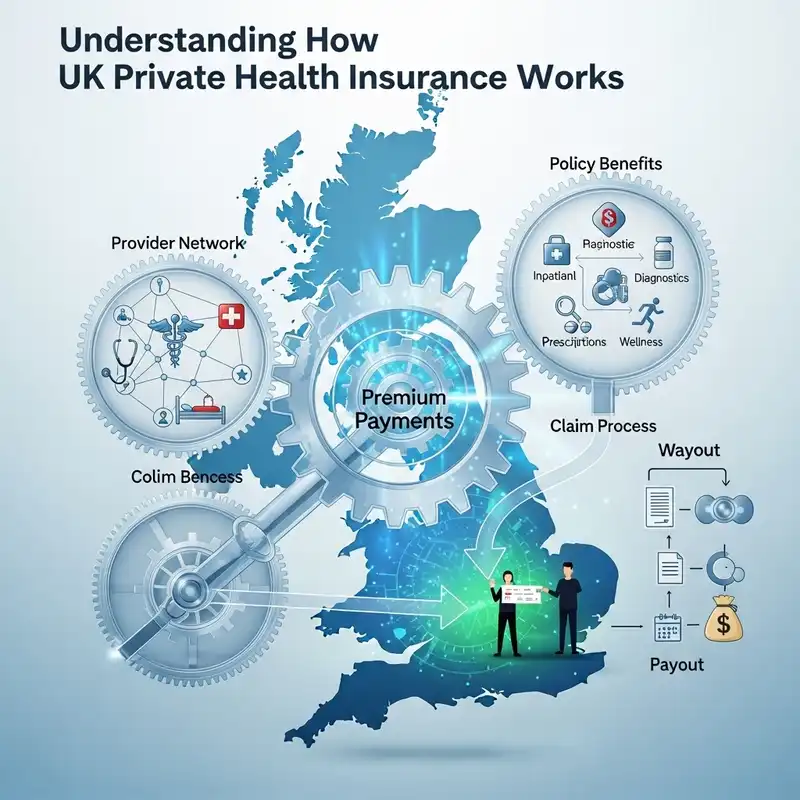
Private medical insurance (PMI) is a type of health insurance that provides access to private healthcare services in the UK. It covers the cost of private medical treatment, allowing you to bypass NHS waiting lists and receive faster, more convenient care.How does it work?
Private medical insurance works by paying for your private healthcare costs. When you need treatment, you can choose to go private and your insurance will cover the costs, subject to your policy terms and conditions. This can include:• Private consultations with specialists
• Private hospital treatment and surgery
• Diagnostic tests and scans
• Physiotherapy and rehabilitation
• Mental health treatment
Your premium depends on factors like your age, health, occupation, and the level of cover you choose. Most policies offer different levels of cover, from basic to comprehensive, allowing you to tailor the policy to your needs and budget.
Questions to ask yourself regarding private medical insurance
Just ask yourself:👉 Are you concerned about NHS waiting times for treatment?
👉 Would you prefer to choose your own consultant and hospital?
👉 Do you want faster access to diagnostic tests and scans?
👉 Would you like private hospital accommodation and better food?
👉 Do you want to avoid the stress of NHS waiting lists?
Many people don't realise that private medical insurance is more affordable than they think, especially when you consider the value of faster treatment and better facilities. A great insurance policy can provide peace of mind and ensure you receive the care you need when you need it.
Benefits offered by private medical insurance
Private medical insurance provides numerous benefits that can significantly improve your healthcare experience and outcomes:Faster Access to Treatment
One of the biggest advantages is avoiding NHS waiting lists. While the NHS provides excellent care, waiting times can be lengthy. With private medical insurance, you can often receive treatment within days or weeks rather than months.
Choice of Consultant and Hospital
You can choose your preferred consultant and hospital, giving you more control over your healthcare journey. This is particularly important for complex treatments where you want a specific specialist.
Better Facilities and Accommodation
Private hospitals typically offer superior facilities, including private rooms, better food, and more comfortable surroundings. This can make your recovery more pleasant and potentially faster.
Advanced Treatments
Private medical insurance often covers treatments and medications not available on the NHS, giving you access to the latest medical advances and technologies.
Mental Health Support
Many policies include comprehensive mental health coverage, providing faster access to therapy and psychiatric care when needed.
Tax Benefits for Business Owners
If you're self-employed or a business owner, private medical insurance premiums can be tax-deductible, making it a cost-effective way to protect your health and your business.
Peace of Mind
Knowing you have access to private healthcare when you need it provides invaluable peace of mind, especially for those with ongoing health conditions or concerns about NHS capacity.
Private medical insurance is particularly valuable for those who want to take control of their healthcare journey and ensure they receive the best possible treatment when they need it most.
Important Fact!
We can look at a more suitable option mid-term!
Why is it important to get private medical insurance early?
👉 Many people are very thankful that they had their private medical insurance cover in place before running into some serious health issues. Private medical insurance is as important as life insurance for protecting your family's finances.👉 We insure our cars, houses, and even our phones! Yet our health is the most precious thing we have.
Easily one of the most important insurance purchases an individual or family can make in their lifetime, the decision to buy private medical insurance can be made much simpler with the help of FCA-authorised advisers. They are the specialists who do the searching and analysis helping people choose between various types of private medical insurance policies available in the market, including different levels of cover and policy types most suitable to the client's individual circumstances.
It certainly won't do any harm if you speak with one of our experienced insurance experts who are passionate about advising people on financial matters related to private medical insurance and are keen to provide you with a free consultation.
You can discuss with them in detail what affordable private medical insurance plan for the necessary peace of mind they would recommend! WeCovr works with some of the best advisers in the market.
By tapping the button below, you can book a free call with them in less than 30 seconds right now:
Our Group Is Proud To Have Issued 800,000+ Policies!
We've established collaboration agreements with leading insurance groups to create tailored coverage
























How It Works
1. Complete a brief form

2. Our experts analyse your information and find you best quotes

3. Enjoy your protection!

Any questions?
Learn more

Who Are WeCovr?
WeCovr is an insurance specialist for people valuing their peace of mind and a great service.👍 WeCovr will help you get your private medical insurance, life insurance, critical illness insurance and others in no time thanks to our wonderful super-friendly experts ready to assist you every step of the way.
Just a quick and simple form and an easy conversation with one of our experts and your valuable insurance policy is in place for that needed peace of mind!