UK Private Health Insurance for Executives
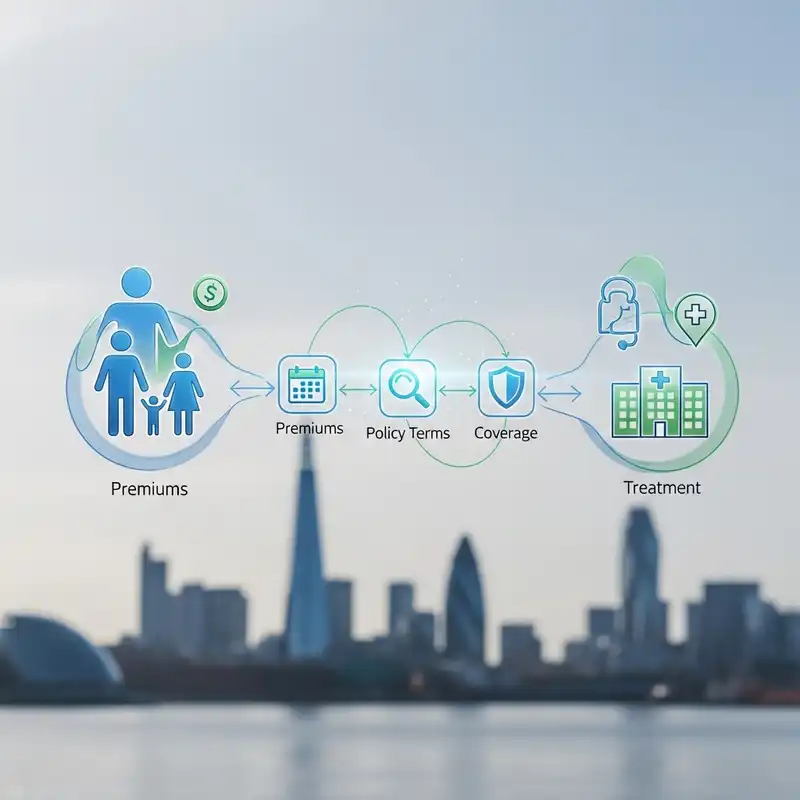
Tailored UK Private Health Insurance for Executives: Pathways to Peak Performance and Optimal Health
UK Private Health Insurance for Executive Health Tailored Care & Peak Performance Pathways
In the relentless pursuit of business success, the modern executive operates in an environment defined by high stakes, demanding schedules, and ceaseless innovation. The pressures are immense, often leading to prolonged stress, long working hours, and frequent travel, all of which can take a significant toll on personal well-being. For leaders and high-performers, health isn't merely the absence of illness; it's the bedrock of sustained focus, sharp decision-making, and unparalleled productivity.
This comprehensive guide delves into how UK private medical insurance (PMI) can serve as a crucial strategic asset for executives, offering not just reactive care but a proactive pathway to peak performance and holistic well-being. We will explore how tailored PMI plans can provide rapid access to specialist care, comprehensive mental health support, and preventative health measures, ensuring that health remains a competitive advantage rather than a liability.
The Executive Imperative: Why Health Matters More Than Ever
The landscape of executive leadership has evolved dramatically. Today's leaders are expected to navigate complex global markets, manage diverse teams, and innovate under pressure. This intensity, while exhilarating, carries significant health risks. Executives, being at the sharp end, are particularly vulnerable.
Unique Pressures on Executives
- Long Hours & Work-Life Imbalance: The expectation to be "always on" blurs the lines between work and personal life, leading to chronic fatigue.
- High Stress & Decision Fatigue: Constant high-stakes decision-making can lead to mental exhaustion and burnout.
- Frequent Travel: Jet lag, disrupted routines, and exposure to different environments can compromise physical health and immune systems.
- Sedentary Lifestyles: Desk-bound roles often result in physical inactivity, contributing to musculoskeletal issues and cardiovascular risks.
- Performance Anxiety: The weight of responsibility and the need to constantly deliver can manifest as anxiety and depression.
These factors don't just impact individual well-being; they have profound implications for organisational performance. An executive operating below their physical or mental best can impact strategic direction, team morale, and ultimately, the bottom line. Presenteeism – being at work but underperforming due to ill health – costs businesses significantly more than absenteeism, with estimates suggesting it can be three to five times higher.
Investing in executive health through robust private medical insurance is therefore not an expense, but a strategic investment in human capital, directly correlating with sustained productivity, resilience, and leadership longevity.
Decoding UK Private Medical Insurance (PMI) for Executives
Private Medical Insurance (PMI), often referred to as private health insurance, is designed to cover the costs of private medical treatment for acute conditions that arise after your policy begins. It works in conjunction with the National Health Service (NHS), offering an alternative or complementary pathway to care.
What is PMI? The Acute vs. Chronic Distinction
At its core, PMI provides access to private hospitals, consultants, and treatments. However, it's crucial to understand a fundamental distinction:
Acute Conditions: These are illnesses, diseases, or injuries that are likely to respond quickly to treatment and enable you to return to your previous state of health. Examples include a broken bone, an appendectomy, or specific cancer treatments. PMI is primarily designed to cover these types of conditions.
Chronic Conditions: These are long-term conditions that cannot be cured, persist for a long time, or recur. Examples include diabetes, asthma, hypertension, or ongoing mental health conditions like bipolar disorder. While PMI can sometimes cover acute flare-ups of chronic conditions or diagnostic tests related to them, it does not cover the ongoing management, monitoring, or treatment of chronic conditions. This remains the domain of the NHS.
Critical Constraint: Pre-existing Conditions It is vital to understand that UK private medical insurance policies generally do not cover pre-existing conditions. A pre-existing condition is any illness, injury, or disease for which you have received symptoms, medication, advice, or treatment in a specified period (usually the last five years) prior to taking out the policy. This is a standard exclusion across almost all UK private health insurance plans. This rule is in place because insurance is designed to cover unforeseen future events, not conditions that already exist. If you have a pre-existing condition, it will typically be excluded from your policy, though some insurers may offer to cover it after a certain period of symptom-free time or under specific underwriting arrangements (e.g., medical history disregarded schemes, common in corporate policies). However, for individual policies, assume pre-existing conditions are excluded.
How PMI Works for Executives
When an executive needs treatment for an acute condition, the typical process involves:
- GP Referral: You will usually need a referral from your NHS GP to a private consultant.
- Authorisation: Your insurer will need to authorise the treatment based on your policy terms.
- Treatment: You receive treatment at a private facility, often with a choice of specialist and convenient appointment times.
- Direct Settlement: In most cases, the insurer pays the hospital or consultant directly, removing the administrative burden from the executive.
Key Benefits for Executives
The advantages of PMI for high-level professionals are manifold, extending beyond mere convenience:
- Rapid Access to Specialists: Minimise waiting times for consultations, diagnostics (MRI, CT scans), and treatment. This is paramount for busy executives who cannot afford long periods of uncertainty or incapacitation.
- Choice of Consultant & Hospital: The ability to choose your specialist, often based on their specific expertise in your condition, and to select a hospital closer to home or work.
- Comfort & Privacy: Private rooms, flexible visiting hours, and a quieter, more conducive environment for recovery.
- Tailored Treatment Plans: Consultants often have greater flexibility to recommend the latest treatments or therapies not always readily available on the NHS.
- Reduced Disruption: Faster diagnosis and treatment mean a quicker return to full working capacity, significantly reducing downtime.
Table: Key Differences: NHS vs. Private Healthcare
| Feature | NHS (National Health Service) | Private Medical Insurance (PMI) |
|---|---|---|
| Funding | Tax-funded, free at the point of use. | Funded by monthly/annual premiums. |
| Access & Waiting | Can involve significant waiting lists for specialist appointments, diagnostics, and elective surgeries. Emergency care is immediate. | Rapid access to appointments, diagnostics, and elective treatments. Minimal waiting times. |
| Choice of Provider | Limited choice; usually assigned a specialist/hospital based on location/availability. | Extensive choice of consultants and private hospitals. Can seek second opinions easily. |
| Comfort & Amenities | Standard hospital wards, sometimes limited private rooms. Busy environment. | Private rooms are common. Enhanced comfort, flexible visiting hours, better catering. |
| Treatment Scope | Comprehensive care for acute and chronic conditions. Covers pre-existing conditions. | Primarily covers acute conditions that arise after the policy begins. Generally excludes pre-existing and chronic conditions. |
| GP Referral | Yes, required for specialist care. | Yes, typically required for private specialist referral. |
| Cost to Individual | Free at point of use. | Monthly/annual premiums, potential excess payment per claim. |
| Focus | Population health, comprehensive care for all. | Individualised care, convenience, speed, and choice for specific acute conditions. |
Tailored Care Pathways: Beyond Standard Coverage
For executives, the value of PMI extends beyond basic medical coverage. Many policies, particularly those designed for corporate or high-net-worth individuals, offer enhanced benefits that speak directly to the nuanced health needs of busy professionals.
Specialist Access & Advanced Diagnostics
The ability to bypass lengthy NHS waiting lists for critical diagnostic tests is a game-changer. Imagine an executive experiencing persistent headaches. With PMI, they could potentially see a neurologist, undergo an MRI scan, and receive a diagnosis within days, rather than weeks or months. This rapid turnaround minimises anxiety and allows for swift action, be it treatment or reassurance.
- Rapid Referral Networks: Access to a broad network of leading consultants and specialists.
- Advanced Imaging: Coverage for complex scans like MRI, CT, PET, and advanced pathology tests.
- Second Opinions: The option to obtain a second medical opinion from another leading expert, providing peace of mind, especially for complex diagnoses or treatment plans.
Mental Health Support: A Growing Priority
The stigma around mental health in the workplace is diminishing, and executives are increasingly aware of the need to address stress, anxiety, and burnout. According to the Mental Health Foundation, 74% of UK adults have felt so stressed at some point over the last year they felt overwhelmed or unable to cope. For leaders, this burden can be immense.
Many executive-level PMI policies now include robust mental health provisions:
- Psychiatric Consultations: Access to psychiatrists for diagnosis and medication management.
- Talking Therapies: Coverage for sessions with psychologists, psychotherapists, and counsellors (e.g., CBT, DBT).
- Inpatient & Day-Patient Care: For more severe mental health conditions requiring structured support in a hospital setting.
This rapid, confidential access to mental health professionals can be invaluable, allowing executives to address issues early, maintain their psychological resilience, and continue performing at their best.
Physiotherapy & Rehabilitation
Musculoskeletal conditions (e.g., back pain, neck pain) are common amongst professionals due to sedentary lifestyles, poor posture, and stress. Prolonged discomfort can severely impact concentration and mobility.
PMI typically offers:
- Direct Access Physiotherapy: Some policies allow direct access to physiotherapy without a GP referral, speeding up treatment.
- Osteopathy & Chiropractic: Coverage for these manual therapies to address musculoskeletal issues.
- Rehabilitation Programmes: Comprehensive support for recovery after surgery or serious injury, including physical therapy and occupational therapy.
Complementary Therapies
While not universally covered, some premium PMI plans may include coverage for a range of complementary therapies, such as acupuncture or podiatry, when prescribed by a consultant and deemed medically necessary.
Executive Health Checks & Preventative Care
While standard PMI is for acute conditions, many advanced executive health plans offer or allow for the addition of comprehensive annual health checks. These are invaluable for proactive health management:
- Advanced Screenings: More in-depth than a standard GP check-up, potentially including advanced blood tests, cardiovascular assessments, cancer screenings, and discussions around lifestyle.
- Risk Assessment: Identifying potential health risks early, allowing for preventative measures and lifestyle adjustments.
- Personalised Wellness Plans: Some providers offer follow-up support with nutritionists, fitness experts, or health coaches based on check-up results.
This preventative approach aligns perfectly with the executive mindset of strategic planning and risk mitigation, applying it to personal health.
Table: Common Executive Health Concerns & How PMI Can Help
| Executive Concern | Impact on Performance | How PMI Can Help |
|---|---|---|
| Chronic Stress/Burnout | Reduced cognitive function, poor decision-making, emotional exhaustion. | Rapid access to private psychiatrists and psychologists for diagnosis, therapy (CBT, counselling), and medication management. |
| Back/Neck Pain | Limited mobility, constant distraction, inability to focus. | Direct access physiotherapy, osteopathy, chiropractic; rapid MRI scans for diagnosis; potential for surgical intervention if acute. |
| Undiagnosed Symptoms | Anxiety, uncertainty, potential for worsening condition without intervention. | Fast-track GP referral to private specialists (e.g., neurologist, gastroenterologist); rapid access to advanced diagnostic tests (MRI, CT, bloods). |
| Anxiety/Depression | Impaired focus, lack of motivation, interpersonal difficulties. | Confidential and swift access to a network of therapists and mental health professionals for talking therapies and psychiatric support. |
| Cardiovascular Concerns | Risk of serious health events, reduced stamina. | Early access to cardiologists for assessment; diagnostic tests (ECG, echocardiogram, stress tests); preventative advice and treatment for acute issues. |
| Sleep Disorders | Fatigue, irritability, impaired concentration. | Referral to sleep specialists for diagnosis (e.g., sleep studies) and treatment of acute underlying conditions. |
| Post-Injury Rehabilitation | Prolonged absence, reduced physical capacity. | Comprehensive physiotherapy and rehabilitation programmes to expedite recovery and return to full function. |
| Need for Second Opinion | Doubt about diagnosis or treatment plan, potential for suboptimal care. | Access to a network of leading specialists for independent second medical opinions, ensuring confidence in health decisions. |
Peak Performance and Wellness Integration
The modern understanding of executive health goes beyond merely treating illness. It encompasses a holistic approach to wellness, aiming for sustained peak performance. PMI is increasingly a component of this proactive strategy.
Proactive vs. Reactive Health Management
Historically, health insurance was seen as a safety net for when things went wrong. For executives, PMI is transforming into a tool for proactive health management. The emphasis shifts from reacting to illness to preventing it, maintaining optimal health, and enhancing resilience.
Wellness Programmes & Digital Health
Many high-end PMI policies now integrate digital health tools and wellness benefits:
- Virtual GP Services: 24/7 access to online GPs, offering convenience for busy executives, especially when travelling.
- Digital Mental Health Platforms: Apps providing mindfulness exercises, stress management tools, and online therapy.
- Health & Wellness Apps: Discounts or access to fitness trackers, meditation apps, and nutritional guidance.
- Health Coaching: Some insurers offer access to personal health coaches to help with lifestyle changes, chronic disease management (if not directly covered by policy, but for general wellness), and goal setting.
These integrated wellness components empower executives to take greater control of their health journey, providing tools and support that fit seamlessly into their demanding lives. WeCovr can help you compare policies that offer these kinds of innovative, integrated wellness benefits, ensuring you find a plan that aligns with your proactive health goals.
Global Coverage for International Executives
For executives with international responsibilities, some premium PMI policies offer global coverage or travel add-ons. This ensures access to private medical treatment when overseas, providing peace of mind regardless of where business takes them. This typically covers emergency treatment abroad and can sometimes extend to planned treatment, though terms vary widely.
Navigating the UK Private Health Insurance Market: What Executives Need to Know
Choosing the right PMI policy requires careful consideration of various factors, including policy types, underwriting methods, and what influences premiums. Understanding these nuances ensures you select a plan that genuinely meets your executive health needs.
Types of Policies
- Individual Policies: Purchased by an individual for themselves or their family. These are flexible but can be more expensive than group schemes.
- Corporate (Group) Policies: Offered by companies to their employees. These are often more comprehensive and cost-effective due to pooled risk. They may also include "Medical History Disregarded" (MHD) underwriting, which is a significant advantage for employees with pre-existing conditions as it waives typical exclusions for those conditions.
Underwriting Options
Underwriting is how an insurer assesses your health risk and determines your premium and any exclusions.
- Moratorium Underwriting (Mor): This is the most common and simplest method. You don't need to provide your full medical history upfront. Instead, the insurer automatically excludes conditions you've had symptoms, treatment, or advice for in a specific period (usually the last 5 years) before the policy starts. These pre-existing conditions may become covered after a continuous period (e.g., 2 years) on the policy if you haven't experienced any symptoms, treatment, or advice for them during that time.
- Full Medical Underwriting (FMU): You complete a comprehensive medical questionnaire at the application stage. Based on this, the insurer will decide what conditions, if any, to exclude from your policy. This provides clarity from the outset about what is covered and what is not.
- Continued Personal Medical Exclusions (CPME): If you are switching from an existing PMI policy, CPME allows you to transfer your existing exclusions, often without new moratorium periods or full medical underwriting, ensuring continuous cover.
- Medical History Disregarded (MHD): Primarily available with corporate group policies, this is the most advantageous for individuals with pre-existing conditions. Under this arrangement, the insurer agrees to disregard your past medical history, meaning pre-existing conditions are covered from day one, subject to the policy terms. This is a significant benefit often used by employers to attract and retain talent.
Core Cover vs. Optional Extras
Most PMI policies have a core level of cover and then offer various add-ons:
- Core Cover: Typically includes inpatient and day-patient treatment (hospital accommodation, nursing care, surgeon/anaesthetist fees). Some core plans may also include a basic level of outpatient cover (consultations, diagnostics).
- Optional Extras:
- Extensive Outpatient Cover: Higher limits for consultations, diagnostics (scans, tests). Essential for executive plans.
- Mental Health Cover: Enhanced benefits for therapy, psychiatry, and inpatient mental health care.
- Therapies: Physiotherapy, osteopathy, chiropractic, podiatry.
- Cancer Cover: Comprehensive care for cancer diagnosis and treatment.
- Dental & Optical: Routine dental check-ups, major dental work, eye tests, glasses/contact lenses.
- Travel Cover: For treatment abroad.
- Health Checks & Wellness Benefits: As discussed earlier.
Factors Influencing Premiums
The cost of your PMI premium is determined by several variables:
- Age: Premiums generally increase with age, as the likelihood of needing treatment rises.
- Location: Healthcare costs vary across the UK, with London and the South East often being more expensive.
- Medical History: Underwriting choice and any pre-existing conditions (under FMU) will affect costs and exclusions.
- Lifestyle: Some insurers may consider smoking status or BMI.
- Level of Cover: More comprehensive plans with extensive outpatient limits, mental health cover, and added extras will be more expensive.
- Excess: Choosing a higher excess (the amount you pay towards a claim before the insurer pays) can reduce your premium.
- Hospital List: Policies may offer different tiers of hospitals. A broader list, especially including central London hospitals, will cost more.
Table: Underwriting Options Explained
| Underwriting Type | Pre-application Medical Questions | Coverage for Pre-existing Conditions | Clarity of Cover | Best Suited For |
|---|---|---|---|---|
| Moratorium (Mori) | No (simplest to set up) | Excluded initially for 2 years (usually); may become covered if symptom-free during that period. | Develops over time | Individuals with relatively clean medical history or those seeking speed and simplicity. |
| Full Medical Underwriting (FMU) | Yes (detailed questionnaire) | Excluded from day one (unless insurer agrees to cover with special terms/loading). Specific conditions identified. | Immediate and clear | Individuals who want certainty from the start, or those with very specific health needs. |
| Medical History Disregarded (MHD) | No | Covered from day one. No exclusions for pre-existing conditions (subject to policy terms). | Immediate and clear | Executives within corporate group schemes (most common setting). Highly advantageous. |
| Continued Personal Medical Exclusions (CPME) | No | Continues exclusions from previous PMI policy; ensures seamless transition. | Immediate and clear | Individuals switching PMI providers to maintain existing cover and exclusions. |
Table: Key Considerations When Choosing an Executive Health Insurance Policy
| Consideration | Executive Needs & Implications |
|---|---|
| Speed of Access | Critical for minimising downtime and maintaining productivity. Prioritise policies with excellent access to rapid diagnostics and specialist appointments. |
| Comprehensive Outpatient Limits | Many executive health issues begin as outpatient concerns. Robust outpatient cover ensures full access to consultations, scans, and tests without hitting limits quickly. |
| Mental Health Provisions | Absolutely essential given executive pressures. Look for generous allowances for psychiatric consultations, psychotherapy, and inpatient mental health care. |
| Physiotherapy & Rehabilitation | Crucial for addressing stress-related musculoskeletal issues and ensuring rapid physical recovery from injuries or surgery. Consider direct access benefits. |
| Hospital Choice & Location | Access to private hospitals in convenient locations (e.g., near office, home) and a broad list of high-quality facilities, potentially including leading central London hospitals. |
| Underwriting Method | Understand how pre-existing conditions will be treated. If part of a corporate scheme, advocate for Medical History Disregarded (MHD). For individual plans, weigh Moratorium vs. Full Medical Underwriting. |
| Preventative & Wellness Benefits | While PMI is for acute care, integrated wellness programmes, advanced health checks, virtual GP services, and health coaching can be invaluable for proactive health management and peak performance. |
| International Coverage | If your role involves frequent international travel, ensure the policy offers adequate emergency medical cover abroad or specific international PMI options. |
| Annual Limits & Sub-limits | Check overall annual limits and specific sub-limits (e.g., for mental health, therapies) to ensure they align with potential needs. |
| Excess & Premium Balance | Determine a comfortable balance between your monthly premium and the excess you'd pay per claim. Higher excesses reduce premiums but mean more out-of-pocket on a claim. |
The Strategic Investment: ROI on Executive Health
For organisations and individuals alike, private medical insurance for executives is not merely an employee perk; it's a strategic investment with tangible returns.
Reduced Downtime & Enhanced Productivity
The most immediate and quantifiable return on investment comes from reducing the time an executive is incapacitated or operating below par. Faster diagnosis and treatment mean:
- Quicker Return to Work: An executive with back pain might wait weeks for an NHS MRI, whereas with PMI, they could have a diagnosis and treatment plan within days, getting back to full function sooner.
- Maintained Cognitive Function: Addressing mental health issues promptly prevents prolonged periods of reduced decision-making ability and focus.
- Less Presenteeism: By providing swift access to treatment, executives are less likely to be at work but unproductive due to illness. The Centre for Mental Health estimates presenteeism costs UK businesses £15.1 billion per year, significantly more than the £8.4 billion lost to absenteeism.
Improved Focus & Decision-Making
Good health, both physical and mental, is directly linked to cognitive performance. An executive free from chronic pain or debilitating stress can dedicate their full mental faculties to strategic thinking, problem-solving, and leading their teams effectively. This directly translates into better business outcomes.
Employee Retention & Attraction
For companies, offering a comprehensive executive health insurance package is a powerful tool for talent acquisition and retention. In a competitive market, a benefit package that demonstrates a genuine commitment to employee well-being can differentiate an organisation. Executives, particularly those with families, value the peace of mind and access to quality healthcare.
Risk Mitigation
Proactive health management through PMI can mitigate long-term health risks. Early detection of potential issues through advanced health checks, for example, can lead to lifestyle changes or early intervention that prevents more serious conditions from developing later, saving significant costs and human suffering down the line.
Limitations and Considerations
While PMI offers substantial benefits, it's crucial to be aware of its limitations and specific considerations:
- No Cover for Chronic or Pre-existing Conditions (Reiteration): This cannot be stressed enough. PMI is for new, acute conditions. If you have asthma, diabetes, or a condition you've had in the past five years, it will almost certainly be excluded from standard individual policies. The NHS remains the primary provider for ongoing management of chronic illnesses.
- Cost vs. Value: Premiums can be substantial, especially for comprehensive policies with extensive benefits. Executives must weigh the cost against the perceived value, considering their personal health risk, lifestyle, and the importance of rapid access to care.
- Policy Exclusions: Beyond pre-existing and chronic conditions, most policies will exclude:
- Cosmetic surgery (unless for reconstructive purposes following an accident or illness).
- Fertility treatment.
- Pregnancy and childbirth (unless specifically an add-on, which is rare for full maternity).
- Addiction treatment.
- Experimental treatments.
- Routine GP visits (unless via virtual GP services).
- Emergency A&E treatment (this remains with the NHS).
- Tax Implications (for corporate policies): If your employer provides PMI, it is typically considered a 'benefit in kind' by HMRC, meaning you may have to pay income tax on the value of the premium. This is usually processed through your payroll.
The WeCovr Advantage: Your Partner in Executive Health Insurance
Navigating the complex landscape of UK private health insurance can be a daunting task, particularly when seeking a policy tailored to the unique demands of executive life. This is where expert, unbiased guidance becomes invaluable.
At WeCovr, we specialise in helping individuals and businesses find the optimal private medical insurance. We understand that for executives, time is a precious commodity, and health is paramount. We don't just sell policies; we act as your dedicated advisor, simplifying the process and ensuring you make an informed decision.
Our Expertise and Service
- Market-Wide Access: We have access to all major UK private medical insurance providers. This means we can present you with a comprehensive range of options, from well-known names to specialist providers, ensuring you see the full picture.
- Unbiased Advice: As an independent broker, our loyalty is to you. We provide impartial advice, highlighting the pros and cons of different policies and helping you understand the fine print, including all exclusions and limitations.
- Personalised Recommendations: We take the time to understand your specific needs as an executive – your health concerns, travel patterns, priorities (e.g., mental health, preventative care), and budget. Based on this, we recommend policies that genuinely align with your lifestyle and strategic health goals.
- Simplifying Complexity: We break down complex insurance jargon, underwriting options, and benefit structures into clear, actionable insights. We guide you through the application process, making it as seamless as possible.
- Ongoing Support: Our relationship doesn't end once you've purchased a policy. We're here to answer your questions, assist with claims queries, and review your coverage as your needs evolve.
Choosing the right private medical insurance is a critical decision for executives. It’s about securing not just a safety net, but a strategic tool for maintaining peak performance and resilience. Let WeCovr be your trusted partner in this journey, ensuring you gain access to the best private healthcare options available in the UK. We empower you to make an investment in your most valuable asset: your health.
Future Trends in Executive Health & PMI
The realm of private health insurance is continuously evolving, driven by technological advancements, changing health needs, and a greater emphasis on proactive wellness. For executives, these trends promise even more tailored and effective health management solutions:
- Hyper-Personalised Medicine: Advances in genomics and AI will likely lead to even more personalised health plans, with treatments and preventative strategies based on an individual's unique genetic makeup and health data.
- AI and Digital Diagnostics: Wearable tech and AI-powered diagnostic tools will become more integrated into PMI offerings, enabling continuous monitoring, early detection of health deviations, and proactive interventions. Virtual consultations and remote monitoring will become the norm.
- Greater Integration of Mental & Physical Health: The distinction between mental and physical health services will continue to blur, with policies offering seamless, holistic support that addresses the interconnectedness of well-being. This will include more comprehensive cover for conditions like long Covid, which bridge physical and mental health.
- Preventative Care as Core Benefit: While currently an add-on, comprehensive preventative health checks and wellness programmes are likely to become standard components of executive health policies, reflecting a shift towards maintaining health rather than just treating illness.
- Focus on Burnout and Resilience: With executive burnout a persistent issue, future policies may include more sophisticated programmes specifically designed to build mental resilience, manage stress, and prevent burnout through coaching, digital tools, and targeted therapies.
These trends highlight a future where private health insurance for executives becomes an even more sophisticated and indispensable tool for achieving and sustaining peak performance in a demanding world.
Conclusion
For the executive navigating the complexities of modern business, health is not merely a personal matter; it is a strategic imperative. The relentless pace, high-pressure decisions, and constant demands make maintaining optimal physical and mental well-being an enormous challenge, yet simultaneously, the foundation of sustained success.
UK private medical insurance, carefully chosen and tailored, emerges as a powerful ally in this journey. It transcends the traditional role of a safety net, evolving into a proactive pathway that offers rapid access to specialist care, comprehensive mental health support, and integrated wellness solutions. By circumventing lengthy waiting lists, providing choice of consultant, and offering comfortable recovery environments, PMI ensures that health challenges are addressed swiftly and effectively, minimising downtime and preserving critical focus.
Crucially, while PMI excels in covering acute conditions that arise after the policy begins, it's essential to remember its limitations regarding pre-existing and chronic conditions, which remain the domain of the NHS. However, for the unforeseen health events and the pursuit of proactive wellness, PMI is an unparalleled investment.
Ultimately, investing in robust private medical insurance for executive health is an investment in human capital – fostering resilience, optimising performance, and securing the long-term well-being essential for leadership and innovation. It's a strategic move that underpins not just individual success, but the vitality and productivity of the organisation as a whole.
Why private medical insurance and how does it work?
What is Private Medical Insurance?
Private medical insurance (PMI) is a type of health insurance that provides access to private healthcare services in the UK. It covers the cost of private medical treatment, allowing you to bypass NHS waiting lists and receive faster, more convenient care.How does it work?
Private medical insurance works by paying for your private healthcare costs. When you need treatment, you can choose to go private and your insurance will cover the costs, subject to your policy terms and conditions. This can include:• Private consultations with specialists
• Private hospital treatment and surgery
• Diagnostic tests and scans
• Physiotherapy and rehabilitation
• Mental health treatment
Your premium depends on factors like your age, health, occupation, and the level of cover you choose. Most policies offer different levels of cover, from basic to comprehensive, allowing you to tailor the policy to your needs and budget.
Questions to ask yourself regarding private medical insurance
Just ask yourself:👉 Are you concerned about NHS waiting times for treatment?
👉 Would you prefer to choose your own consultant and hospital?
👉 Do you want faster access to diagnostic tests and scans?
👉 Would you like private hospital accommodation and better food?
👉 Do you want to avoid the stress of NHS waiting lists?
Many people don't realise that private medical insurance is more affordable than they think, especially when you consider the value of faster treatment and better facilities. A great insurance policy can provide peace of mind and ensure you receive the care you need when you need it.
Benefits offered by private medical insurance
Private medical insurance provides numerous benefits that can significantly improve your healthcare experience and outcomes:Faster Access to Treatment
One of the biggest advantages is avoiding NHS waiting lists. While the NHS provides excellent care, waiting times can be lengthy. With private medical insurance, you can often receive treatment within days or weeks rather than months.
Choice of Consultant and Hospital
You can choose your preferred consultant and hospital, giving you more control over your healthcare journey. This is particularly important for complex treatments where you want a specific specialist.
Better Facilities and Accommodation
Private hospitals typically offer superior facilities, including private rooms, better food, and more comfortable surroundings. This can make your recovery more pleasant and potentially faster.
Advanced Treatments
Private medical insurance often covers treatments and medications not available on the NHS, giving you access to the latest medical advances and technologies.
Mental Health Support
Many policies include comprehensive mental health coverage, providing faster access to therapy and psychiatric care when needed.
Tax Benefits for Business Owners
If you're self-employed or a business owner, private medical insurance premiums can be tax-deductible, making it a cost-effective way to protect your health and your business.
Peace of Mind
Knowing you have access to private healthcare when you need it provides invaluable peace of mind, especially for those with ongoing health conditions or concerns about NHS capacity.
Private medical insurance is particularly valuable for those who want to take control of their healthcare journey and ensure they receive the best possible treatment when they need it most.
Important Fact!
We can look at a more suitable option mid-term!
Why is it important to get private medical insurance early?
👉 Many people are very thankful that they had their private medical insurance cover in place before running into some serious health issues. Private medical insurance is as important as life insurance for protecting your family's finances.👉 We insure our cars, houses, and even our phones! Yet our health is the most precious thing we have.
Easily one of the most important insurance purchases an individual or family can make in their lifetime, the decision to buy private medical insurance can be made much simpler with the help of FCA-authorised advisers. They are the specialists who do the searching and analysis helping people choose between various types of private medical insurance policies available in the market, including different levels of cover and policy types most suitable to the client's individual circumstances.
It certainly won't do any harm if you speak with one of our experienced insurance experts who are passionate about advising people on financial matters related to private medical insurance and are keen to provide you with a free consultation.
You can discuss with them in detail what affordable private medical insurance plan for the necessary peace of mind they would recommend! WeCovr works with some of the best advisers in the market.
By tapping the button below, you can book a free call with them in less than 30 seconds right now:
Our Group Is Proud To Have Issued 800,000+ Policies!
We've established collaboration agreements with leading insurance groups to create tailored coverage
























How It Works
1. Complete a brief form

2. Our experts analyse your information and find you best quotes

3. Enjoy your protection!

Any questions?
Learn more

Who Are WeCovr?
WeCovr is an insurance specialist for people valuing their peace of mind and a great service.👍 WeCovr will help you get your private medical insurance, life insurance, critical illness insurance and others in no time thanks to our wonderful super-friendly experts ready to assist you every step of the way.
Just a quick and simple form and an easy conversation with one of our experts and your valuable insurance policy is in place for that needed peace of mind!