UK Private Health Insurance for Post-Infection Syndromes
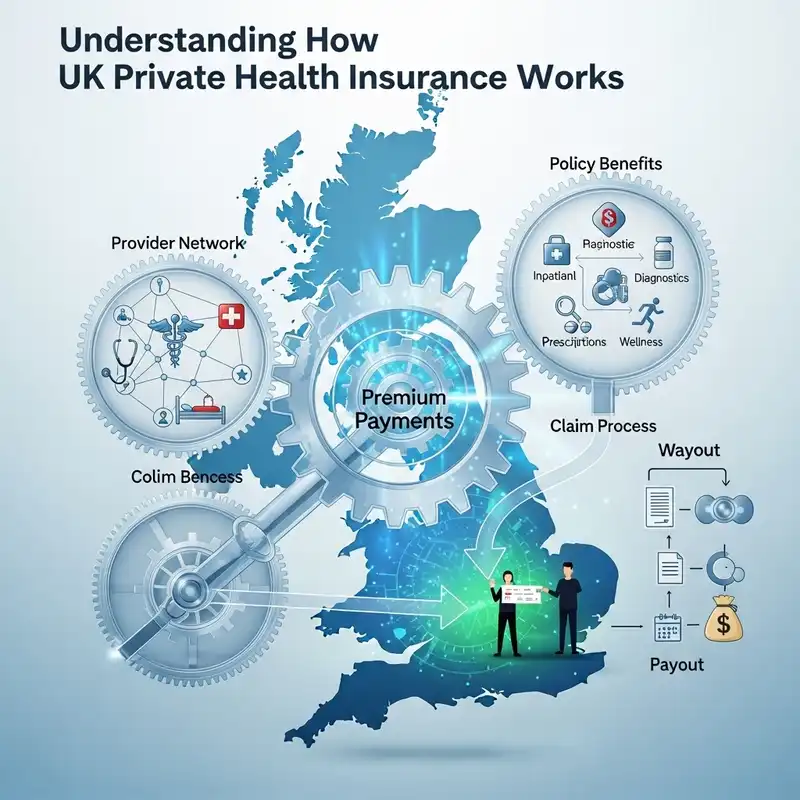
Unlock Rapid Access to Specialist Recovery and Integrated Care
UK Private Health Insurance for Post-Infection Syndromes: Rapid Access to Specialist Recovery & Integrated Care
The landscape of health in the UK has shifted profoundly in recent years, with a growing recognition of "post-infection syndromes" (PIS). From the widely publicised Long COVID to established conditions like Myalgic Encephalomyelitis/Chronic Fatigue Syndrome (ME/CFS), Post-Lyme Syndrome, or Post-Viral Fatigue, these complex and often debilitating conditions present significant challenges for patients and healthcare systems alike.
Patients grappling with persistent symptoms – ranging from profound fatigue and cognitive dysfunction ("brain fog") to cardiovascular issues and neurological problems – often face a frustrating journey within the NHS. Long waiting lists for specialist appointments, fragmented care pathways, and a limited understanding of these multi-systemic conditions can leave individuals feeling unsupported and isolated.
In this context, many turn their attention to UK private medical insurance (PMI) as a potential avenue for faster diagnosis, specialist access, and integrated care. However, the application of PMI to post-infection syndromes is nuanced and requires a deep understanding of how these policies are designed, particularly regarding exclusions for pre-existing and chronic conditions. This comprehensive guide will dissect the role PMI can play, the crucial limitations, and how to navigate this complex area to make informed decisions about your health coverage.
Understanding Post-Infection Syndromes (PIS) and Their Impact
Post-infection syndromes are a group of conditions characterised by persistent, debilitating symptoms that continue long after the initial acute phase of an infection has passed. While the exact mechanisms are still being researched, they are believed to involve various factors including ongoing inflammation, immune dysregulation, viral persistence, and damage to various organ systems.
Key Characteristics of PIS:
- Multi-Systemic: Symptoms can affect virtually any part of the body, including the cardiovascular, respiratory, neurological, gastrointestinal, and musculoskeletal systems.
- Fluctuating Nature: Symptoms often wax and wane, making daily life unpredictable.
- Debilitating: Even mild exertion can trigger a worsening of symptoms, a phenomenon known as Post-Exertional Malaise (PEM), particularly common in ME/CFS and Long COVID.
- Diagnostic Challenges: There are often no definitive diagnostic tests, leading to delays in diagnosis and treatment.
Common Examples of PIS:
- Long COVID (Post-COVID-19 Condition): Defined by the World Health Organization as symptoms that persist for at least two months and cannot be explained by an alternative diagnosis, usually three months after the onset of confirmed or probable COVID-19. As of February 2024, the Office for National Statistics (ONS) estimated that approximately 1.5 million people in the UK were experiencing self-reported Long COVID, with nearly half (47%) reporting their ability to carry out day-to-day activities had been "significantly limited."
- Myalgic Encephalomyelitis/Chronic Fatigue Syndrome (ME/CFS): A severe, long-term neurological condition characterised by profound fatigue, post-exertional malaise, sleep disturbances, cognitive dysfunction, pain, and other symptoms. The ME Association estimates that around 250,000 people in the UK have ME/CFS. While triggers can include various viral infections (e.g., glandular fever), it is inherently a chronic condition.
- Post-Lyme Syndrome: Persistent symptoms like fatigue, pain, and cognitive issues following treatment for Lyme disease.
- Post-Viral Fatigue Syndrome: A broader term for prolonged fatigue and other symptoms after various viral infections like glandular fever (Epstein-Barr virus), influenza, or other common colds.
The NHS has established Long COVID clinics in response to the pandemic, but capacity issues and waiting times remain significant. A report by the National Audit Office in May 2023 highlighted that while NHS England had invested significantly, there were inconsistencies in access to and experience of services. For other PIS, access to specialised care is often even more limited.
The Role of UK Private Medical Insurance (PMI) in Healthcare Access
Private medical insurance in the UK is designed to provide rapid access to private healthcare services for acute conditions that arise after the policy has commenced. It acts as a complementary service to the NHS, offering an alternative pathway for diagnosis and treatment, often with shorter waiting times and greater choice over consultants and hospitals.
What PMI Typically Covers:
- Inpatient and Day-patient Treatment: Costs associated with hospital stays, surgery, and nursing care.
- Outpatient Consultations: Appointments with specialists (e.g., cardiologists, neurologists, respiratory consultants).
- Diagnostic Tests: X-rays, MRI scans, CT scans, blood tests, endoscopies.
- Therapies: Physiotherapy, osteopathy, chiropractic treatment, subject to limits and referral.
- Cancer Treatment: Often a comprehensive benefit, covering chemotherapy, radiotherapy, and surgical intervention.
- Mental Health Support: Often included as an add-on or limited benefit, covering psychiatric consultations and therapy.
The Crucial Distinction: Acute vs. Chronic Conditions
This is the most critical aspect when considering PMI for post-infection syndromes. Standard UK private medical insurance policies are designed to cover acute conditions, not chronic or pre-existing ones.
- Acute Condition: A disease, illness, or injury that is likely to respond quickly to treatment, leading to a full recovery, or that requires short-term treatment to alleviate symptoms. Examples include a broken bone, appendicitis, or a new onset of pneumonia.
- Chronic Condition: A disease, illness, or injury that has one or more of the following characteristics:
- It needs ongoing or long-term management.
- It requires long-term monitoring.
- It has no known cure.
- It comes back or is likely to come back.
- It needs rehabilitation or special training.
This distinction is paramount. While the initial acute infection (e.g., COVID-19, flu) would not typically be covered by PMI (as it's often managed by the NHS and generally not severe enough to warrant private hospital admission for the acute phase), the post-infection symptoms are where the complexity arises.
If post-infection symptoms are clearly defined as chronic at the point of diagnosis or become chronic during treatment, they will generally cease to be covered. This means that established conditions like ME/CFS or Long COVID, once they fall under the insurer's definition of "chronic," are typically excluded from ongoing coverage. PMI is primarily for new and acute issues.
Navigating PMI for Post-Infection Symptoms: A Nuanced Approach
The viability of using PMI for post-infection symptoms hinges entirely on whether the specific symptoms or complications are deemed "acute" or "chronic" by your insurer, and crucially, whether they are considered "pre-existing" at the time you take out the policy.
The "New Acute" vs. "Chronic" Dilemma in Detail:
-
Pre-existing Conditions: If you had any symptoms of a post-infection syndrome before you took out the PMI policy, or if you had an infection that led to symptoms that persist before your policy started, any condition related to that will be considered pre-existing and therefore excluded. This is a fundamental rule across almost all PMI policies.
-
New Onset Acute Complications: If you develop an acute, new condition directly following an infection after your policy has started, this might be covered. For example:
- Developing new, acute myocarditis (inflammation of the heart muscle) shortly after a viral infection, where the myocarditis is considered an acute, distinct condition requiring immediate diagnosis and treatment.
- Sudden onset of new, severe, and acute neurological symptoms (e.g., peripheral neuropathy) requiring urgent diagnostic investigation.
- Acute, new respiratory complications (e.g., pneumonia) that are a direct consequence of a recent infection and require specific, short-term treatment.
-
Progression to Chronic State: The challenge with many post-infection syndromes is their tendency to become chronic. If initial acute investigations or treatments are covered, but the condition then evolves into a long-term, ongoing illness with no known cure (e.g., established Long COVID symptoms like persistent fatigue, brain fog, and post-exertional malaise that have lasted for many months), the insurer will likely cease coverage as it falls under the "chronic condition" exclusion. They may cover the initial diagnostic phase, but not the long-term management.
Practical Scenarios for PMI Coverage:
To illustrate, consider the following table:
| Scenario | Situation | PMI Coverage Likelihood (General) | Rationale |
|---|---|---|---|
| 1. Acute New Organ Damage | Developing acute pericarditis (heart inflammation) a few weeks after a recent flu infection, where symptoms began after the PMI policy started. | Likely Covered | This is a new, acute condition requiring immediate diagnosis and treatment, distinct from chronic PIS symptoms. It is likely to respond to acute treatment. |
| 2. Acute Neurological Flare | Sudden onset of acute, severe vertigo and balance issues following a recent viral infection, requiring urgent neurological investigation. Symptoms started after the PMI policy began and were not present before. | Potentially Covered for Diagnosis & Initial Acute Treatment | Insurer may cover diagnostic tests (MRI, specialist consultation) and short-term acute treatment. However, if symptoms persist and are deemed chronic, ongoing care would be excluded. |
| 3. Early Post-Infection Symptoms | Experiencing new, debilitating fatigue and brain fog within the first 1-2 months after a major infection (e.g., COVID-19), after the policy started, and seeking initial diagnostic clarity. | Potentially Covered for Initial Diagnostic Assessment | Insurer might cover initial consultations and tests to rule out other acute conditions or identify specific treatable issues. If a chronic syndrome (e.g., Long COVID) is diagnosed and requires long-term management, ongoing care would likely be excluded. |
| 4. Established Long COVID | Diagnosed with Long COVID 6 months ago, with persistent fatigue, cognitive dysfunction, and post-exertional malaise that predates or became chronic before or at the start of the PMI policy. | Highly Unlikely to be Covered | This is a pre-existing or established chronic condition by definition, which falls under standard exclusions. |
| 5. Diagnosed ME/CFS | Already diagnosed with ME/CFS, or if post-infection fatigue has progressed to meet ME/CFS diagnostic criteria, regardless of policy start date. | Highly Unlikely to be Covered | ME/CFS is a recognised chronic condition. If it's pre-existing, it's excluded. If it develops after policy start, it will become an exclusion once deemed chronic. |
| 6. Seeking "Integrated Care" for Chronic PIS | Looking for private access to holistic, integrated rehabilitation programmes for long-term management of chronic PIS symptoms (e.g., energy pacing, specific exercise programmes, nutritional advice). | Highly Unlikely to be Covered | Such programmes are typically considered long-term management for chronic conditions, which are excluded. |
It is crucial to understand that even if initial acute diagnostic investigations are covered, any long-term management or rehabilitation for a condition that transitions into a chronic state will generally not be covered. This distinction means PMI is more likely to help with identifying acute complications arising from an infection than with managing the long-term, chronic aspects of conditions like Long COVID or ME/CFS.
Key Benefits of Using PMI for Potentially Coverable Acute Post-Infection Issues
Where PMI does offer coverage for an acute complication arising after an infection, the benefits can be substantial, especially when contrasted with potential NHS waiting times.
- Rapid Access to Specialists: Instead of potentially waiting months for an NHS referral, PMI can provide access to leading consultants in cardiology, neurology, respiratory medicine, or endocrinology within days or weeks. This is critical for conditions where early diagnosis and intervention can prevent further deterioration.
- Faster Diagnostic Imaging and Pathology: Access to advanced diagnostics like MRI, CT scans, detailed blood tests, and cardiac investigations can be expedited significantly. This speed can be invaluable in identifying or ruling out acute post-infection complications quickly.
- Choice of Consultant and Hospital: PMI often allows you to choose your consultant and the private hospital where you receive treatment. This can be important for continuity of care and accessing specialists with particular expertise.
- Private GP Access: Many PMI policies include or offer as an add-on access to a private GP, often virtually. This can facilitate faster referrals to specialists and provide an initial point of contact without NHS waiting lists for GP appointments.
- Comfort and Convenience: Private hospitals typically offer private rooms, greater flexibility with appointment times, and a more comfortable environment, which can be beneficial during a period of illness.
- Second Opinions: If you have concerns about a diagnosis or treatment plan, PMI can facilitate a rapid second opinion from another leading specialist.
Understanding Policy Exclusions and Limitations
While the potential benefits of PMI are clear for acute conditions, a thorough understanding of exclusions is non-negotiable, particularly when considering post-infection syndromes.
Primary Exclusions:
- Pre-existing Conditions: This is the most significant exclusion. Any illness, injury, or symptom that you have experienced, or for which you have received advice or treatment, within a specified period (usually 2 to 5 years) before the policy start date will be excluded. This means if you had symptoms of Long COVID, ME/CFS, or any other PIS before buying the policy, these conditions would be excluded.
- Chronic Conditions: As extensively discussed, conditions requiring ongoing management, with no known cure, or that are likely to recur are typically excluded. This includes established Long COVID, ME/CFS, diabetes, asthma (though acute exacerbations might be covered depending on policy terms), and hypertension.
- Routine Pregnancy and Childbirth: Standard policies do not cover normal maternity care.
- Cosmetic Surgery: Procedures primarily for aesthetic purposes are not covered.
- Self-inflicted Injuries and Drug/Alcohol Abuse: Treatment related to these causes is typically excluded.
- Emergency Services: True medical emergencies are for the NHS. PMI is for planned or urgent (but not immediately life-threatening) care.
- Experimental/Unproven Treatments: Treatments not recognised by mainstream medical practice or those still in clinical trial phases are excluded.
- Normal Ageing Process: Conditions related purely to old age are not covered.
Underwriting Methods and Their Impact on PIS:
The way your policy is underwritten can significantly impact how pre-existing conditions are treated.
| Underwriting Method | How it Works | Implications for PIS |
|---|---|---|
| 1. Full Medical Underwriting (FMU) | You provide a comprehensive medical history upfront. The insurer reviews this and may request GP reports. They then decide what to include or exclude. | Pros: Clear exclusions from the outset. If a past infection led to ongoing symptoms, the insurer would likely explicitly exclude related PIS. Cons: Can be a longer application process. |
| 2. Moratorium Underwriting | You are not asked for your full medical history upfront. Instead, the insurer automatically excludes conditions you've experienced in the last 5 years. After a specific period (e.g., 2 years) on the policy without symptoms, a condition may then become eligible for coverage. | Pros: Faster application process. Cons: Less certainty upfront. If you seek treatment for a PIS-like symptom within the moratorium period, the insurer will investigate your past medical history. If it's linked to a pre-existing infection, it will be excluded. If it's a new, acute, unrelated issue, it might be covered after the moratorium. This method carries more risk for complex, fluctuating PIS. |
| 3. Medical History Disregarded (MHD) | Typically only offered as an employer-sponsored group scheme. All pre-existing conditions are covered from day one. | Pros: Best option for those with existing health issues, including potentially chronic PIS. Cons: Very rarely available for individual policies. |
For individuals considering PMI with a history of infection or early PIS symptoms, Full Medical Underwriting (FMU) often provides greater clarity. While it might result in specific exclusions for known past issues, it avoids the uncertainty and potential disappointment of a moratorium policy where a claim for a subtle, pre-existing PIS symptom could be declined.
Choosing the Right PMI Policy
Selecting the right PMI policy requires careful consideration of your needs, budget, and understanding of the nuances discussed.
-
Assess Your Needs:
- Budget: Premiums vary widely based on age, postcode, chosen benefits, and excess.
- Level of Cover: Do you need comprehensive inpatient and outpatient care, or are you looking for a more basic inpatient-only policy?
- Specific Benefits: Consider add-ons like extensive mental health cover, optical/dental, or travel insurance if these are important to you.
- Virtual GP: Many policies now include digital GP services, which can be very convenient for initial consultations and referrals.
-
Compare Major UK Insurers: The UK market has several reputable private health insurers, each with slightly different policy wordings, benefits, and pricing structures. Key players include:
- Bupa
- AXA Health
- Vitality Health
- Aviva Health
- WPA
- National Friendly
- Freedom Health Insurance
Each insurer will have its own interpretation of "acute" vs. "chronic" and its own specific terms regarding post-infection complications.
-
The Role of an Expert Broker like WeCovr: This is where impartial, expert advice becomes invaluable. We at WeCovr specialise in comparing policies from all major UK insurers. We can help you:
- Understand Complex Terms: Decipher the intricate policy wordings, especially regarding the crucial acute vs. chronic and pre-existing condition clauses.
- Identify Suitable Policies: Recommend policies that best align with your specific needs and budget, highlighting their strengths and limitations concerning post-infection conditions.
- Navigate Underwriting: Advise on the best underwriting method for your situation, helping you understand the implications of moratorium vs. full medical underwriting for any past health issues.
- Compare Quotes: Access quotes from multiple providers to ensure you get competitive pricing for the desired level of cover.
- Tailor Your Policy: Help you select the right add-ons and adjust excesses to make the policy affordable and effective.
Using a broker like WeCovr doesn't cost you anything extra (we are paid by the insurer), but it can save you significant time, stress, and potentially help you avoid costly mistakes or unsuitable coverage.
The Application Process and What to Disclose
Honesty is paramount during the application process. Non-disclosure of relevant medical history, even if accidental, can lead to claims being denied and your policy being invalidated when you need it most.
Key Disclosure Points:
- Past Infections: Detail any significant past infections, especially those that led to prolonged symptoms or hospitalisation.
- Current Symptoms: Be precise about any current symptoms you are experiencing, even if you don't have a formal diagnosis.
- Medical Consultations: List all consultations with GPs, specialists, or other healthcare professionals for any health concerns, especially those related to fatigue, pain, cognitive issues, or other PIS-like symptoms.
- Medications: Disclose all medications you are currently taking or have taken recently.
- Existing Diagnoses: Any formal diagnoses, even if they seem minor, should be disclosed.
| What to Disclose (Example) | Why it's Important |
|---|---|
| "I had COVID-19 8 months ago and still experience fatigue and brain fog daily." | This indicates a potential pre-existing Long COVID condition, which will likely be excluded. Full disclosure allows the insurer to make a clear decision. |
| "I've been seeing my GP for recurring chest pains and palpitations for 3 months, but no diagnosis yet." | Even without a diagnosis, these are symptoms that pre-exist the policy. If later diagnosed as post-infection cardiac issues, they would be excluded. |
| "I've been diagnosed with ME/CFS 2 years ago." | This is a definite pre-existing chronic condition and will be excluded. |
| "I had a bad bout of flu 2 weeks ago and now have severe acute shortness of breath." | This is a new, acute symptom potentially arising after the policy started. If it was not present before, and the insurer agrees it's acute and new, it might be covered for investigation. |
Insurers assess risk based on the information you provide. With complex and emerging conditions like Long COVID, they are particularly careful in reviewing medical histories to determine if a condition falls under pre-existing or chronic exclusions. Transparency protects you.
Making a Claim for Post-Infection Symptoms
Should you need to make a claim for a potentially coverable acute post-infection issue, follow these steps:
- GP Referral: Most PMI policies require a referral from a GP to a specialist. Your GP will assess your symptoms and refer you to the appropriate private consultant.
- Contact Your Insurer for Pre-authorisation: Before any appointments, tests, or treatments, always contact your insurer. Provide them with details of your GP referral and symptoms. They will assess whether the condition is acute, falls within your policy terms, and is not a pre-existing or chronic exclusion.
- Documentation: Be prepared to provide any relevant medical records, test results, or GP notes requested by your insurer.
- Navigating the "Acute vs. Chronic" Definition: This is where the complexity can arise. If your symptoms or diagnosis are ambiguous, the insurer may ask for further information or for the consultant to confirm whether the condition is considered acute and treatable in the short term.
- What Happens if a Condition Becomes Chronic Mid-Treatment? If an acute complication (e.g., myocarditis) is initially covered, but then it becomes clear that the resulting symptoms (e.g., persistent fatigue, breathlessness) are part of a chronic, ongoing syndrome like Long COVID, the insurer will likely cease coverage once it meets their definition of a chronic condition. They will typically cover the acute phase of diagnosis and initial treatment, but not long-term management or rehabilitation for chronic conditions.
Case Studies: Real-World Scenarios (Hypothetical)
Let's illustrate the nuances with a few hypothetical scenarios based on typical policy terms.
Scenario 1: Acute Post-Viral Myocarditis (Potentially Covered)
- Patient: Sarah, 35, took out a comprehensive PMI policy 6 months ago (Full Medical Underwriting, no pre-existing heart conditions).
- Situation: Sarah had a severe flu infection 3 weeks ago. She has now developed new, acute chest pain, breathlessness, and heart palpitations that began after her policy started. Her GP suspects acute post-viral myocarditis.
- PMI Outcome: Sarah contacts her insurer, who pre-authorises an urgent referral to a private cardiologist. The cardiologist diagnoses acute myocarditis. The insurer covers diagnostic tests (ECG, echo, MRI heart scan) and the prescribed acute medication and monitoring for a few weeks. The condition responds to treatment and resolves acutely.
- Rationale: The myocarditis is a new, acute condition that developed after the policy started and is expected to resolve with short-term treatment.
Scenario 2: New Onset POTS Post-Infection (Initially Covered, then Chronic Exclusion)
- Patient: David, 42, purchased a PMI policy 9 months ago (Moratorium Underwriting, no prior syncopal episodes or dysautonomia).
- Situation: David suffered a severe viral infection 4 months ago. In the last month, he has developed debilitating dizziness, heart palpitations upon standing, and significant fatigue. His GP refers him to a private cardiologist, suspecting Postural Orthostatic Tachycardia Syndrome (POTS), a form of dysautonomia often triggered by infections.
- PMI Outcome: David’s insurer pre-authorises the initial cardiology consultation and diagnostic tests (e.g., tilt table test). POTS is diagnosed. The insurer covers the initial investigations and short-term medication to manage acute symptoms. However, as POTS is typically a chronic condition requiring ongoing management rather than a cure, the insurer informs David that continued treatment and long-term management of his POTS symptoms will not be covered beyond this initial acute phase, as it now falls under the chronic exclusion.
- Rationale: Initial acute investigation is covered. However, as POTS is a chronic, ongoing condition with no known cure, long-term management becomes an exclusion once the diagnosis is clear.
Scenario 3: Established Long COVID (Not Covered)
- Patient: Emily, 50, developed Long COVID symptoms (severe fatigue, brain fog, post-exertional malaise) 18 months ago following her initial COVID-19 infection. She struggled with NHS waiting lists and decided to purchase a PMI policy 3 months ago (Full Medical Underwriting).
- Situation: Emily seeks private care for her ongoing, debilitating Long COVID symptoms, hoping for faster access to multi-disciplinary rehabilitation.
- PMI Outcome: Her claim is declined.
- Rationale: Her Long COVID symptoms were present before she purchased the PMI policy, making it a pre-existing condition. Furthermore, Long COVID is considered a chronic condition, falling under both the pre-existing and chronic exclusions of a standard PMI policy.
Scenario 4: ME/CFS Diagnosis (Not Covered)
- Patient: Robert, 28, has suffered from profound fatigue, muscle pain, and post-exertional malaise for 8 months following a severe bout of glandular fever. He recently took out a PMI policy, but his symptoms preceded it by 5 months.
- Situation: Robert’s GP now formally diagnoses him with ME/CFS. He wishes to access private care for his symptoms.
- PMI Outcome: His claim is declined.
- Rationale: ME/CFS is a pre-existing condition (symptoms present before the policy) and a chronic condition. Standard PMI does not cover ME/CFS.
These scenarios highlight the critical importance of understanding policy definitions and exclusions. PMI can be a powerful tool for acute, new conditions, but it is not a solution for managing established chronic or pre-existing post-infection syndromes.
Beyond Insurance: Holistic Approaches to Post-Infection Recovery
While PMI may offer a pathway for acute complications, managing long-term post-infection syndromes often requires a multifaceted approach that extends beyond what any insurance policy can fully cover.
- NHS Services: Where available, NHS Long COVID clinics offer multidisciplinary assessments and support. For other PIS like ME/CFS, NHS services are highly variable by region.
- Pacing and Energy Management: A critical strategy for conditions like Long COVID and ME/CFS, involving carefully managing activity levels to avoid post-exertional symptom exacerbation.
- Lifestyle Adjustments: Optimising sleep, nutrition, hydration, and gentle activity within individual limits.
- Mental Health Support: Dealing with chronic illness often impacts mental well-being. Access to psychological support, either via NHS, private therapists (some PMI policies offer limited mental health cover), or charities, is crucial.
- Support Groups: Connecting with others who have similar experiences can provide emotional support, practical tips, and a sense of community. Organisations like Long COVID Support and the ME Association offer valuable resources.
- Research and Clinical Trials: Keeping abreast of new research and potential clinical trials can offer hope, though access is often limited.
The Future of PMI and Post-Infection Syndromes
The understanding of post-infection syndromes is rapidly evolving. As medical research progresses and the prevalence of these conditions remains high, there may be future innovations in the insurance market. It's possible that insurers might develop:
- Specific riders or add-ons: Tailored to offer some limited diagnostic or initial therapeutic support for early-stage PIS, even if long-term care remains excluded.
- Partnerships with specific clinics: Insurers might collaborate with specialist PIS clinics to offer pathways, especially if these clinics focus on acute rehabilitation or specific, time-limited interventions.
However, any such developments would need to balance the need for patient support with the commercial viability for insurers, given the chronic nature of many PIS. For now, the established rules regarding chronic and pre-existing conditions remain the cornerstone of UK PMI.
Conclusion
The emergence of post-infection syndromes has cast a spotlight on the limitations of both public and private healthcare systems in addressing complex, long-term conditions. UK Private Medical Insurance can offer a valuable route to rapid diagnosis and treatment for acute, new complications that arise after an infection, providing access to specialists and diagnostics far quicker than often possible through the NHS.
However, it is vital to reiterate the fundamental rule: Standard UK private medical insurance does not cover pre-existing conditions or chronic conditions. This means that if you already have symptoms of a post-infection syndrome, or if your condition becomes chronic (i.e., long-term, ongoing, no known cure), ongoing treatment and management will typically not be covered. PMI is not a long-term solution for managing established conditions like Long COVID or ME/CFS.
For those considering PMI, particularly if you have a recent infection history, we at WeCovr cannot stress enough the importance of seeking expert advice. We can help you navigate the complexities of policy terms, understand the implications of different underwriting methods, and compare options from all major UK insurers. Our goal is to ensure you make an informed decision, securing the right policy that clearly outlines what is and isn't covered, so you are not left in a difficult situation when you need support most. Understanding these critical distinctions will empower you to make the most appropriate healthcare decisions for your circumstances.
Why private medical insurance and how does it work?
What is Private Medical Insurance?
Private medical insurance (PMI) is a type of health insurance that provides access to private healthcare services in the UK. It covers the cost of private medical treatment, allowing you to bypass NHS waiting lists and receive faster, more convenient care.How does it work?
Private medical insurance works by paying for your private healthcare costs. When you need treatment, you can choose to go private and your insurance will cover the costs, subject to your policy terms and conditions. This can include:• Private consultations with specialists
• Private hospital treatment and surgery
• Diagnostic tests and scans
• Physiotherapy and rehabilitation
• Mental health treatment
Your premium depends on factors like your age, health, occupation, and the level of cover you choose. Most policies offer different levels of cover, from basic to comprehensive, allowing you to tailor the policy to your needs and budget.
Questions to ask yourself regarding private medical insurance
Just ask yourself:👉 Are you concerned about NHS waiting times for treatment?
👉 Would you prefer to choose your own consultant and hospital?
👉 Do you want faster access to diagnostic tests and scans?
👉 Would you like private hospital accommodation and better food?
👉 Do you want to avoid the stress of NHS waiting lists?
Many people don't realise that private medical insurance is more affordable than they think, especially when you consider the value of faster treatment and better facilities. A great insurance policy can provide peace of mind and ensure you receive the care you need when you need it.
Benefits offered by private medical insurance
Private medical insurance provides numerous benefits that can significantly improve your healthcare experience and outcomes:Faster Access to Treatment
One of the biggest advantages is avoiding NHS waiting lists. While the NHS provides excellent care, waiting times can be lengthy. With private medical insurance, you can often receive treatment within days or weeks rather than months.
Choice of Consultant and Hospital
You can choose your preferred consultant and hospital, giving you more control over your healthcare journey. This is particularly important for complex treatments where you want a specific specialist.
Better Facilities and Accommodation
Private hospitals typically offer superior facilities, including private rooms, better food, and more comfortable surroundings. This can make your recovery more pleasant and potentially faster.
Advanced Treatments
Private medical insurance often covers treatments and medications not available on the NHS, giving you access to the latest medical advances and technologies.
Mental Health Support
Many policies include comprehensive mental health coverage, providing faster access to therapy and psychiatric care when needed.
Tax Benefits for Business Owners
If you're self-employed or a business owner, private medical insurance premiums can be tax-deductible, making it a cost-effective way to protect your health and your business.
Peace of Mind
Knowing you have access to private healthcare when you need it provides invaluable peace of mind, especially for those with ongoing health conditions or concerns about NHS capacity.
Private medical insurance is particularly valuable for those who want to take control of their healthcare journey and ensure they receive the best possible treatment when they need it most.
Important Fact!
We can look at a more suitable option mid-term!
Why is it important to get private medical insurance early?
👉 Many people are very thankful that they had their private medical insurance cover in place before running into some serious health issues. Private medical insurance is as important as life insurance for protecting your family's finances.👉 We insure our cars, houses, and even our phones! Yet our health is the most precious thing we have.
Easily one of the most important insurance purchases an individual or family can make in their lifetime, the decision to buy private medical insurance can be made much simpler with the help of FCA-authorised advisers. They are the specialists who do the searching and analysis helping people choose between various types of private medical insurance policies available in the market, including different levels of cover and policy types most suitable to the client's individual circumstances.
It certainly won't do any harm if you speak with one of our experienced insurance experts who are passionate about advising people on financial matters related to private medical insurance and are keen to provide you with a free consultation.
You can discuss with them in detail what affordable private medical insurance plan for the necessary peace of mind they would recommend! WeCovr works with some of the best advisers in the market.
By tapping the button below, you can book a free call with them in less than 30 seconds right now:
Our Group Is Proud To Have Issued 800,000+ Policies!
We've established collaboration agreements with leading insurance groups to create tailored coverage
























How It Works
1. Complete a brief form

2. Our experts analyse your information and find you best quotes

3. Enjoy your protection!

Any questions?
Learn more

Who Are WeCovr?
WeCovr is an insurance specialist for people valuing their peace of mind and a great service.👍 WeCovr will help you get your private medical insurance, life insurance, critical illness insurance and others in no time thanks to our wonderful super-friendly experts ready to assist you every step of the way.
Just a quick and simple form and an easy conversation with one of our experts and your valuable insurance policy is in place for that needed peace of mind!