UK Private Health Insurance for Treatment Abroad What Top Insurers Cover
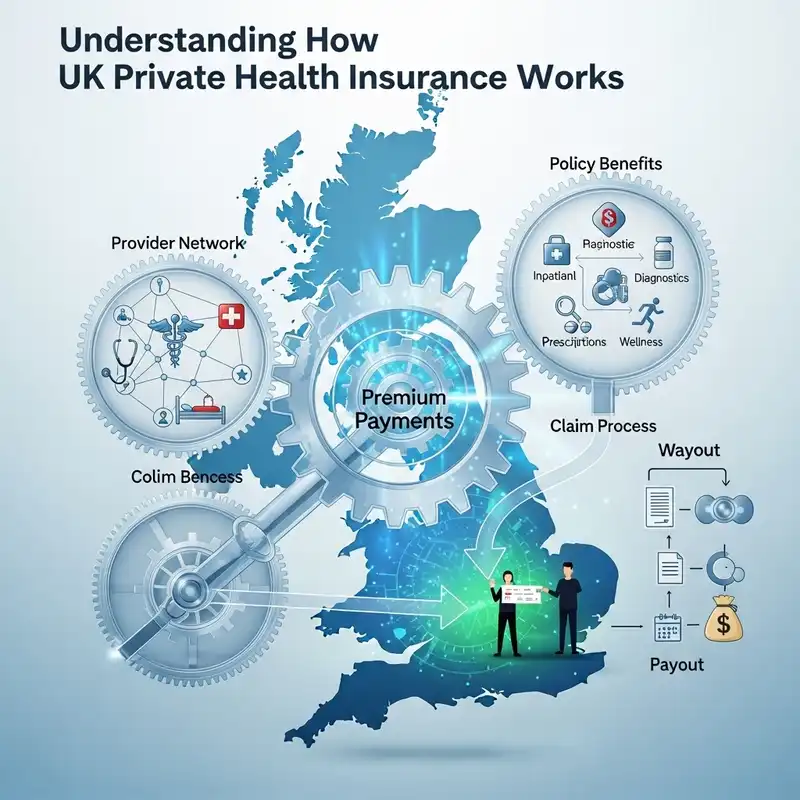
UK Private Health Insurance for Treatment Abroad: What Top Insurers Cover
In an increasingly globalised world, the notion of seeking medical treatment beyond one's national borders has become a tangible reality for many. From highly specialised surgeries to more affordable dental work, or even avoiding lengthy waiting lists, the appeal of medical tourism continues to grow among UK residents. However, navigating the complexities of private health insurance when considering treatment abroad can be a daunting task. Does your existing UK private medical insurance (PMI) policy extend coverage? What are the key differences between standard UK PMI and international private medical insurance (IPMI)? And crucially, what do top insurers actually cover when it comes to overseas treatment?
This comprehensive guide is designed to demystify the landscape of UK private health insurance for treatment abroad. We will delve into the nuances of policy types, geographical scopes, typical inclusions and exclusions, and shed light on how leading UK and international insurers approach this critical area. Our aim is to provide you with the most insightful, helpful, and exhaustive information to empower your decisions, ensuring you understand the intricacies before you embark on your medical journey overseas.
Why Consider Treatment Abroad? The Growing Appeal of Medical Tourism
The motivations behind seeking medical treatment overseas are varied and often compelling. What was once considered a niche pursuit is now a mainstream option for a significant number of UK citizens. Understanding these drivers is the first step in assessing whether treatment abroad aligns with your personal healthcare needs.
Cost Savings
One of the primary drivers for medical tourism is the potential for significant cost savings on certain procedures. While the NHS provides excellent free at point of use care, private treatment in the UK can be expensive. Many countries, particularly in Eastern Europe (e.g., Hungary, Poland for dentistry), Asia (e.g., Thailand, India for surgeries), and even parts of the EU (e.g., Spain, Czech Republic), offer medical services at a fraction of the cost found in the UK, without necessarily compromising on quality. This is particularly true for elective procedures not typically covered by standard NHS provisions or those with long waiting lists.
Examples of procedures often sought abroad for cost reasons:
- Dental work: Implants, veneers, crowns, complex restorative procedures.
- Cosmetic surgery: Rhinoplasty, breast augmentation, liposuction, facelifts.
- Elective orthopaedic procedures: Hip or knee replacements (though less common for cost reasons, more for speed/specialisation).
- Fertility treatments: IVF cycles.
Access to Specialist Treatments and Technology
Sometimes, the driving factor isn't cost, but access. Certain highly specialised medical procedures, experimental treatments, or cutting-edge technologies might not be readily available in the UK, or only at a very limited number of centres with extensive waiting lists. Countries with advanced medical research and development, such as Germany, Switzerland, or the USA, often lead in specific areas of medicine.
Scenarios requiring specialist access:
- Rare disease treatments.
- Specific types of cancer therapies.
- Advanced neurological interventions.
- Access to a particular renowned surgeon or medical team.
Reduced Waiting Times
The NHS, while a cornerstone of British society, is renowned for its waiting lists, particularly for non-urgent elective procedures. For individuals facing months or even years of waiting for a necessary surgery or diagnostic scan, seeking treatment abroad offers a swift alternative. This can significantly reduce discomfort, prevent condition progression, and allow a quicker return to normal life.
Privacy and Anonymity
For some, particularly those in the public eye or those seeking sensitive procedures, the anonymity offered by seeking treatment in a foreign country can be a significant advantage. It allows individuals to undergo medical interventions discreetly, away from local scrutiny.
Combining Treatment with Travel
The concept of medical tourism often implies combining healthcare with leisure. Patients may choose a destination where they can recuperate in a pleasant environment, turning a medical necessity into an opportunity for a short holiday. This can contribute positively to psychological well-being during recovery.
Understanding Your UK Private Health Insurance Policy: The Fundamentals
Before exploring how private health insurance covers treatment abroad, it's crucial to grasp the foundational principles of UK private medical insurance (PMI). These principles dictate the scope of your policy, whether you're being treated in London or Lisbon.
Core Principles of UK Private Medical Insurance (PMI)
Standard UK PMI is designed primarily to cover the costs of private medical treatment for acute conditions within the United Kingdom. An acute condition is generally defined as a disease, illness or injury that is likely to respond quickly to treatment and restore you to your previous state of health.
Key characteristics of typical UK PMI:
- Acute Conditions Only: Covers new, short-term, treatable conditions.
- Exclusion of Chronic Conditions: Conditions that are ongoing, long-term, and incurable (e.g., diabetes, asthma, hypertension, multiple sclerosis) are not covered. Private health insurance is designed for acute episodes, not the long-term management of chronic illnesses. While an acute flare-up of a chronic condition might be covered for that specific acute event, the chronic condition itself and its ongoing management are not.
- Pre-existing Conditions are Generally Excluded: This is perhaps the most critical exclusion. Any medical condition you have received advice, treatment, or symptoms for prior to taking out the policy will almost certainly be excluded. We will elaborate on this crucial point shortly.
- In-Patient, Day-Patient, and Out-Patient Care: Policies typically cover a range of care settings.
- In-patient: Treatment requiring an overnight stay in hospital.
- Day-patient: Treatment received in hospital but not requiring an overnight stay.
- Out-patient: Consultations with specialists, diagnostic tests (e.g., MRI, X-ray), physiotherapy, and other treatments not requiring hospital admission. Out-patient limits often apply.
- Choice of Hospitals: Policies offer access to a network of private hospitals and consultants.
- Referral Required: You generally need a referral from your GP before seeing a specialist or undergoing treatment.
Geographic Scope: The Deciding Factor for Overseas Coverage
This is where the rubber meets the road concerning treatment abroad. The geographic scope of your policy determines where you are covered. Most standard UK PMI policies are geographically restrictive.
- UK Only: The most common and cheapest option. Your coverage is strictly limited to treatment received within the geographical borders of the United Kingdom. If you seek treatment abroad, even for an emergency, it will not be covered under this type of policy.
- Europe: Some policies, or specific add-ons, may extend coverage to include medical treatment within European countries. This is less common for standard UK PMI but a standard option for International Private Medical Insurance (IPMI).
- Worldwide (excluding USA): A popular choice for those who travel frequently or reside outside the UK for extended periods but wish to avoid the significantly higher costs associated with treatment in the United States.
- Worldwide (including USA): The most comprehensive and, consequently, the most expensive geographic scope. This provides coverage for medical treatment anywhere in the world, including the USA, where medical costs are notoriously high.
It's vital to understand that a UK-only PMI policy will not transform into an international one just because you travel. If your intent is to seek planned treatment abroad, or you reside overseas, you will almost certainly require an International Private Medical Insurance (IPMI) policy, which is distinct from standard UK PMI.
Limits and Sub-limits
All private health insurance policies come with financial limits. These can be:
- Overall Annual Limit: The maximum amount the insurer will pay out in total for your claims within a policy year.
- Specific Sub-limits: Caps on certain types of treatment, e.g., a maximum amount for out-patient consultations, physiotherapy, mental health treatment, or alternative therapies.
When considering treatment abroad, these limits are equally, if not more, important, as costs can vary dramatically between countries.
Exclusions: A Critical Overview (Especially Pre-existing Conditions)
Understanding what your policy doesn't cover is as important as knowing what it does. Common exclusions across most private health insurance policies (both UK PMI and IPMI) include:
- Pre-existing Conditions: As mentioned, this is paramount. Private health insurance policies are designed to cover new medical conditions that arise after you have taken out the policy. If you have had symptoms, received treatment, or sought advice for a condition before your policy starts, it will almost certainly be excluded. There are no private health insurance policies in the UK that guarantee coverage for pre-existing conditions from day one. Some underwriting methods (like moratorium) might allow for coverage after a certain period if you remain symptom-free and don't require treatment for that specific condition, but this is never a given and requires strict adherence to policy terms. Always assume pre-existing conditions are excluded unless explicitly stated otherwise after a thorough underwriting process.
- Chronic Conditions: These are ongoing, long-term, and incurable conditions requiring continuous management (e.g., diabetes, asthma, hypertension, arthritis, MS, epilepsy, etc.). Private health insurance is for acute, curable conditions. While an acute flare-up or complication of a chronic condition might be covered for that specific acute treatment, the chronic condition itself and its ongoing management (e.g., regular medication, routine check-ups) are not covered.
- Emergency Services (NHS Equivalent): For sudden, life-threatening emergencies in the UK, the NHS is the primary provider. PMI typically covers the private equivalent, not emergency A&E visits.
- Cosmetic Surgery: Unless it's reconstructive surgery necessitated by an illness or injury covered by the policy.
- Fertility Treatment: Generally excluded, or only very limited cover for diagnostic tests.
- Addiction Treatment: Typically excluded.
- Normal Pregnancy and Childbirth: Generally excluded, though complications might be covered.
- Experimental/Unproven Treatments: Treatments not recognised by mainstream medical practice.
- Self-inflicted injuries or conditions arising from dangerous activities.
- Conditions arising from war or civil unrest.
How UK Insurers Approach Overseas Treatment
When it comes to covering treatment abroad, UK insurers largely fall into two camps: those offering standard UK PMI with potential add-ons for emergencies, and those specialising in International Private Medical Insurance (IPMI). The distinction is critical.
Standard UK PMI vs. International Private Medical Insurance (IPMI)
- Standard UK Private Medical Insurance (PMI): Primarily designed for residents of the UK seeking private treatment within the UK. While some policies might offer emergency medical cover while travelling, this is usually akin to travel insurance – covering unexpected accidents or sudden illnesses abroad, not planned elective procedures or long-term living overseas. It's crucial not to confuse this limited emergency cover with comprehensive health insurance for seeking planned treatment abroad.
- International Private Medical Insurance (IPMI): This is the genuine solution for comprehensive global health coverage. IPMI policies are specifically designed for expatriates, frequent international travellers, or individuals who wish to have the flexibility to seek medical treatment anywhere in the world (depending on the chosen geographic scope). IPMI offers broader coverage, often including benefits like evacuation and repatriation, and has networks of hospitals and doctors globally.
Types of Overseas Treatment Coverage
Within IPMI, or as limited add-ons to UK PMI, coverage for overseas treatment generally categorises into:
-
Emergency Overseas Treatment:
- What it covers: Sudden, unexpected illness or injury requiring immediate medical attention while you are temporarily abroad. This could be a broken leg from a skiing accident, or a sudden appendicitis.
- Typical Providers: Can sometimes be a feature of a standard UK PMI policy (acting like a travel insurance element) or is a core component of IPMI.
- Limitations: This does not cover planned treatment, pre-existing conditions, or non-urgent medical issues. It's for emergencies that arise while you are abroad. Repatriation (being flown home) might be an additional benefit.
-
Elective/Planned Overseas Treatment:
- What it covers: Pre-arranged medical procedures or consultations in a foreign country. This is almost exclusively the domain of IPMI policies.
- Typical Providers: Dedicated IPMI providers like Cigna Global, Aetna International, Allianz Care, Bupa Global, or AXA Health International.
- Conditions for Cover:
- Medical Necessity: The treatment must be medically necessary, as determined by the insurer.
- Pre-authorisation: Almost always requires pre-authorisation from the insurer before travelling and receiving treatment.
- Availability in UK: Some policies may only cover treatment abroad if the equivalent treatment is not available in the UK within a reasonable timeframe or is significantly cheaper abroad, and the insurer approves it.
- Network Providers: Insurers may require you to use hospitals and doctors within their approved international network.
Key Insurers and Their Offerings for Overseas Treatment
Most major UK insurers have offerings that cater to different levels of international coverage. It's important to distinguish between their core UK PMI products and their dedicated international (IPMI) arms.
| Insurer | Geographic Scope Options (Typical) | Key Features for Overseas Treatment (IPMI Focus) | Considerations/Limitations |
|---|---|---|---|
| Bupa | UK, Europe, Worldwide (excl. USA), Worldwide (incl. USA) | Strong global network, 24/7 medical advice, direct billing, evacuation/repatriation. Bupa Global for comprehensive IPMI. | Standard UK Bupa policies offer limited emergency travel cover. Global plans are separate and priced accordingly. |
| AXA Health | UK, Europe, Worldwide (excl. USA), Worldwide (incl. USA) | AXA Global Healthcare offers robust IPMI. Extensive global provider network, dedicated claims team, medical concierge. | Similar to Bupa, standard AXA Health policies are UK-centric. Global plans are distinct and designed for international living/travel. |
| Vitality Health | UK, Europe | Limited emergency medical assistance abroad on some plans. Not designed for planned overseas treatment. | Primarily a UK-focused PMI provider. European add-on usually for emergency medical assistance, not comprehensive planned treatment. Strong focus on wellness benefits. |
| Aviva Health | UK | Offers limited emergency medical cover for short trips abroad as an add-on. | Predominantly a UK PMI provider. No comprehensive IPMI offering for planned elective overseas treatment. Limited emergency cover is not a substitute for IPMI. |
| WPA | UK | Limited overseas emergency medical assistance on some corporate schemes. | Mainly a UK-focused mutual. Not designed for planned medical tourism. Focus on bespoke UK solutions. |
| Cigna Global | Worldwide (excl. USA), Worldwide (incl. USA) | A leading IPMI specialist. Highly flexible plans, wide network, focus on expatriates and international mobility. | Not a standard UK PMI provider. Their policies are specifically designed for an international lifestyle. Higher cost due to comprehensive global coverage. |
| Aetna International | Worldwide (excl. USA), Worldwide (incl. USA) | Strong global presence, particularly in the US. Comprehensive IPMI, direct billing, dedicated expatriate services. | Another pure IPMI player. Policies are geared towards international residents, not UK-only residents seeking occasional planned treatment abroad. |
| Allianz Care | Worldwide (excl. USA), Worldwide (incl. USA) | Global leader in IPMI. Tailored plans for individuals, families, and corporates. Extensive network, multilingual support. | Similar to Cigna and Aetna, Allianz Care focuses on international health insurance, not standard UK PMI. |
Important Note on the Table: The "Geographic Scope Options" refer to the options typically available within their respective product lines. For Bupa and AXA, this means their dedicated "Global" or "International Healthcare" arms. For Vitality, Aviva, and WPA, their primary offering is UK-based, with any overseas cover being limited to emergency assistance, not elective treatment.
Real-Life Scenarios: How Policies Apply
Let's illustrate with a few examples:
- Scenario 1: Unexpected Accident on Holiday
- Situation: You have a standard UK PMI policy with Aviva, and you break your leg while on holiday in Spain.
- Coverage: Your Aviva policy, if it includes the optional emergency travel medical cover, might cover the initial emergency treatment in Spain, stabilisation, and potentially repatriation back to the UK for further treatment. It would not cover any pre-existing conditions or planned treatment. You would likely also need separate travel insurance to cover other travel-related risks.
- Scenario 2: Planned Dental Implants in Hungary
- Situation: You want to get dental implants in Hungary for cost reasons. You have a Bupa UK-only PMI policy.
- Coverage: Your Bupa UK-only policy will not cover this. Dental work, especially cosmetic, is often excluded even from comprehensive policies, and the "UK-only" scope means no coverage abroad. To cover this, you would need an IPMI policy with a "Worldwide (excl. USA)" or "Europe" scope that specifically includes dental benefits, and it would need to be approved by the insurer as medically necessary or an eligible benefit.
- Scenario 3: Specialised Cancer Treatment in Germany
- Situation: You've been diagnosed with a rare form of cancer, and a specialist clinic in Germany offers a cutting-edge treatment not yet available in the UK, or with a significant waiting list. You have an AXA Global Healthcare IPMI policy with "Worldwide (excl. USA)" coverage.
- Coverage: Assuming the treatment is medically necessary, pre-authorised by AXA, and the condition is not pre-existing, your AXA Global Healthcare policy would likely cover the costs of the treatment, consultations, and potentially accommodation and travel for you (and sometimes a companion). This is exactly what IPMI is designed for.
Factors Influencing Overseas Coverage Decisions
Several crucial factors dictate whether your private health insurance will cover treatment abroad and the extent of that coverage. Understanding these will help you make an informed choice.
1. Policy Type and Level
As established, the fundamental distinction between UK PMI and IPMI is paramount.
- Basic UK PMI: Minimal to no overseas coverage, usually limited to emergency assistance.
- Comprehensive IPMI: Designed for extensive overseas coverage, offering a range of benefits for planned and emergency treatment globally.
- Add-ons/Extensions: Some UK PMI policies offer optional "travel medical emergency" add-ons, but these are for emergencies only and should not be mistaken for comprehensive overseas health insurance for planned procedures.
2. Geographic Area Chosen
This is perhaps the most significant determinant of premium cost and coverage.
- UK Only: No planned overseas cover.
- Europe: Covers treatment within Europe (as defined by the insurer).
- Worldwide (Excluding USA): Covers treatment globally, but specifically excludes the high costs of US healthcare. This is a common and often cost-effective choice for frequent travellers.
- Worldwide (Including USA): The most expensive option, providing access to healthcare facilities in the United States.
3. Medical Necessity vs. Elective Treatment
Insurers primarily cover "medically necessary" treatment. This means the treatment is essential for your health and well-being, as determined by a medical professional and the insurer's medical team.
- Medically Necessary: Conditions arising from illness or injury that require diagnosis or treatment.
- Elective/Cosmetic: Procedures chosen for aesthetic reasons or convenience rather than immediate medical need (e.g., purely cosmetic surgery, routine check-ups not tied to a specific medical condition, pre-existing conditions that are stable but you want a second opinion abroad). These are generally excluded unless part of a specific, high-tier IPMI plan with dental/vision/wellness add-ons, or if they are reconstructive post-illness/injury.
4. Referral and Pre-Authorisation Process
For any significant treatment, especially planned procedures abroad, pre-authorisation is almost always a requirement.
- GP Referral: You will typically need a referral from your UK GP to see a specialist, even if you plan to see them abroad.
- Insurer Pre-authorisation: Before undergoing any non-emergency treatment abroad, you must contact your insurer for pre-authorisation. They will review your medical records, the proposed treatment plan, the chosen facility, and the estimated costs. Failure to obtain pre-authorisation can result in your claim being denied. This process ensures the treatment is medically necessary, covered by your policy, and cost-effective.
5. Network of Providers
Many international insurers have extensive global networks of approved hospitals and clinics.
- In-Network Benefits: Using providers within the insurer's network often simplifies the claims process (e.g., direct billing) and may offer better rates negotiated by the insurer.
- Out-of-Network Options: You might have the option to use out-of-network providers, but this could involve higher excesses, lower reimbursement rates, or require you to pay upfront and claim reimbursement later.
6. Currency Exchange and Payment Logistics
When seeking treatment abroad, currency conversion and payment methods are practical considerations.
- Direct Billing: Many IPMI providers offer direct billing, where they pay the hospital or clinic directly, meaning you don't have to pay large sums upfront (beyond your excess/deductible). This is a significant convenience.
- Pay and Claim: If direct billing isn't available, you'll need to pay the medical facility yourself and then submit the invoices and medical reports to your insurer for reimbursement. Ensure you keep all original receipts and detailed medical reports.
- Currency Fluctuations: Be aware that the cost of treatment in local currency might fluctuate against the British Pound, potentially impacting your out-of-pocket expenses or the overall limit of your policy.
7. Emergency vs. Planned Treatment
As previously discussed, the rules for emergencies are generally less stringent than for planned treatment. Emergencies are sudden and unexpected, while planned treatment requires careful pre-authorisation and adherence to specific criteria.
Navigating the Claims Process for Overseas Treatment
Making a claim for overseas treatment can seem more complex than a UK-based claim, but following the correct procedures can make it smooth.
1. The Importance of Pre-Authorisation
For any planned, non-emergency treatment abroad, pre-authorisation from your insurer is non-negotiable.
- How it Works: Before you travel or schedule the treatment, you (or your GP/consultant) submit a detailed medical report, diagnosis, proposed treatment plan, and estimated costs to your insurer.
- What the Insurer Assesses: They will review whether the condition is covered by your policy (i.e., not a pre-existing or chronic condition), whether the treatment is medically necessary, and if the chosen facility and costs are reasonable.
- Outcome: If approved, you will receive an "authorisation number" or a letter of guarantee. This is your green light.
- Consequences of Skipping: Failing to obtain pre-authorisation for planned treatment will almost certainly lead to your claim being denied, leaving you liable for the full cost.
2. Documentation Required
Meticulous record-keeping is vital.
- Medical Records: Comprehensive medical reports from your UK GP and the treating doctor abroad, including diagnosis, treatment provided, and any follow-up care instructions.
- Invoices and Receipts: Original, itemised invoices from the hospital, clinic, and any specialists, detailing all services, medications, and consultations. Ensure these are clearly itemised and translated if necessary.
- Prescriptions: Records of any medications prescribed and purchased.
- Travel Documents: Proof of travel (flight tickets, visa stamps) might be required, especially for emergency claims to verify your location.
- Correspondence: Keep copies of all communications with your insurer, including authorisation letters.
3. Payment Methods: Direct Billing vs. Reimbursement
- Direct Billing: This is the most convenient method. The insurer pays the medical provider directly for covered services. This is common with IPMI policies that have established networks. You will typically only pay your policy excess (deductible) upfront.
- Reimbursement: If direct billing isn't an option, you will pay the medical provider upfront and then submit your claim to the insurer for reimbursement. This means you need to have sufficient funds available to cover the cost initially. Reimbursement can take several weeks, so factor this into your financial planning.
4. Repatriation and Evacuation
These are often additional benefits within IPMI policies, not standard features of basic UK PMI.
- Medical Evacuation: Transportation to the nearest appropriate medical facility if local care is inadequate.
- Medical Repatriation: Transportation back to your home country for ongoing treatment or recovery.
- Repatriation of Mortal Remains: Coverage for transporting remains back home in the unfortunate event of death abroad.
These services are crucial for peace of mind, especially when dealing with severe illnesses or accidents far from home.
5. Follow-up Care Upon Return to the UK
What happens when you return to the UK?
- PMI Coverage for Follow-up: If your initial condition was covered by your private medical insurance, and it's an acute condition, follow-up consultations, diagnostic tests, or physiotherapy in the UK related to that specific overseas treatment may be covered under your policy, subject to your policy limits and terms.
- NHS Follow-up: Alternatively, you can always revert to the NHS for your follow-up care.
- Chronic Conditions: Remember, if the condition treated abroad was chronic or pre-existing and therefore excluded by your UK private health insurance, any follow-up care for that condition upon return would also remain excluded from your private policy and would need to be sought via the NHS.
Benefits and Drawbacks of Seeking Treatment Abroad with PMI
Making an informed decision requires weighing the pros and cons carefully.
Benefits
- Access to Specific Expertise and Technology: Gain access to world-renowned specialists, specific treatment protocols, or cutting-edge equipment not available or easily accessible in the UK.
- Reduced Waiting Times: Avoid lengthy NHS waiting lists for elective surgeries or diagnostics, allowing for faster treatment and recovery.
- Potential Cost Savings (for certain procedures): For self-pay patients, some procedures abroad can be significantly cheaper than private options in the UK. With IPMI, the insurer covers the cost, but the underlying lower cost in some countries might be a factor for the insurer's network choices.
- Privacy and Anonymity: Undergo sensitive procedures away from local scrutiny, if desired.
- Opportunity for Travel and Recuperation: Combine medical treatment with a visit to a new country and recover in a different environment.
- Comprehensive Coverage with IPMI: For those with IPMI, the entire process – from consultation to surgery and post-operative care – can be seamless, with direct billing and dedicated support.
Drawbacks
- Complexity of Claims and Pre-Authorisation: The process can be more involved, requiring more documentation and communication with the insurer.
- Language and Cultural Barriers: Communication with medical staff can be challenging if you don't speak the local language, potentially leading to misunderstandings.
- Differing Medical Standards and Regulations: While many countries have excellent medical facilities, standards can vary. It's crucial to research and choose accredited, reputable providers.
- Travel Logistics and Additional Costs: Beyond the medical bill, you need to factor in flights, accommodation, local transport, and potential time off work for recovery, which may not be covered by your insurance.
- Limited Follow-up Care Options Upon Return: While private UK follow-up may be covered, the continuity of care might be disrupted compared to staying within one healthcare system.
- Exclusions (Pre-existing and Chronic Conditions): This is a persistent drawback. No private health insurance policy will cover pre-existing or chronic conditions from day one. If your reason for seeking treatment abroad is related to a long-standing issue, it's highly unlikely to be covered.
- Difficulty in Seeking Redress: If something goes wrong during treatment abroad, seeking legal or medical redress can be significantly more complicated than in the UK.
Choosing the Right Policy: A Step-by-Step Guide
Selecting the appropriate private health insurance for potential overseas treatment requires careful consideration of your unique circumstances and needs.
1. Assess Your Specific Needs and Intentions
- Why are you considering treatment abroad? Is it for cost, specialist access, speed, or a combination?
- Where do you foresee needing treatment? Europe? Worldwide (excluding USA)? Worldwide (including USA)?
- How often do you travel? Are you an expatriate, a frequent business traveller, or someone planning a one-off elective procedure?
- What type of treatment are you seeking? Is it for an acute, new condition, or are you hoping to address a long-standing, pre-existing issue (which will likely not be covered)?
2. Understand the Difference: UK PMI vs. IPMI
Reiterate this crucial distinction. If your primary aim is to have the flexibility to seek planned medical treatment anywhere in the world, or if you live abroad for extended periods, an International Private Medical Insurance (IPMI) policy is almost certainly what you need, not a standard UK PMI policy with limited travel add-ons.
3. Compare Geographic Coverage Options Meticulously
Do not assume your policy covers you everywhere. Explicitly check the geographic scope and ensure it aligns with your travel patterns and desired treatment locations. Opting for "Worldwide (including USA)" will significantly increase your premiums due to the high cost of US healthcare.
4. Scrutinise Exclusions, Especially Pre-existing Conditions
This cannot be stressed enough. Be completely honest about your medical history during the application process. Any pre-existing condition, even if minor, could lead to a claim being denied if not properly disclosed and underwritten. Remember that private health insurance generally does not cover pre-existing or chronic conditions. If you have an existing health issue, it is highly unlikely to be covered for treatment abroad or in the UK by a new private policy.
5. Check Limits, Sub-limits, and Deductibles/Excesses
Ensure the policy's overall annual limit and any specific sub-limits (e.g., for out-patient care, specific therapies) are sufficient for the type of treatment you anticipate. Understand your deductible (excess) – the amount you pay out of pocket before your insurance kicks in.
6. Research Insurer Reputation and Network
Look into the insurer's financial stability, claims processing efficiency, customer service reputation, and the extent of their global network of hospitals and specialists. Read reviews from other policyholders.
7. Seek Expert, Impartial Advice
Navigating the complexities of private health insurance, especially when international coverage is involved, can be overwhelming. This is where professional guidance becomes invaluable.
WeCovr: Your Partner in Finding Overseas Health Coverage
At WeCovr, we understand that choosing the right health insurance policy for treatment abroad is a significant decision. The market is saturated with options, each with its own intricacies, geographical limitations, and often, confusing jargon. This is precisely where we step in.
We are a modern UK health insurance broker dedicated to simplifying this complex landscape for you. Our expertise lies in providing clear, impartial advice tailored to your individual needs, especially when it comes to international coverage.
How WeCovr Helps You:
- Comprehensive Market Comparison: We work with all major UK and international private medical insurers. This means we don't just push one product; we compare plans from leading providers like Bupa Global, AXA Global Healthcare, Cigna Global, Aetna International, Allianz Care, and many more. We present you with a range of options that specifically cater to your desire for overseas treatment, whether it's for emergency cover, planned elective procedures, or comprehensive global health insurance.
- Demystifying Complexity: We cut through the jargon. We explain the crucial differences between UK-only policies and International Private Medical Insurance (IPMI), guiding you through the implications of different geographic scopes (UK, Europe, Worldwide excluding USA, Worldwide including USA), and meticulously reviewing inclusions and, most importantly, exclusions like pre-existing and chronic conditions.
- Personalised Needs Assessment: We take the time to understand your unique situation – your travel habits, your health concerns, your budget, and your long-term healthcare goals. This allows us to recommend policies that genuinely align with your requirements, ensuring you get the right level of cover for treatment abroad.
- Impartial Advice and Transparency: As independent brokers, our priority is your best interest. We provide objective advice, highlighting the pros and cons of each policy, so you can make an informed decision with confidence. We ensure full transparency regarding premiums, excesses, and any potential limitations.
- No Cost to You: Our service to you is completely free. We are remunerated by the insurers directly, which means you benefit from our expertise and access to the entire market without any additional fees. Our goal is to make securing your health insurance as stress-free and cost-effective as possible.
- Ongoing Support: Our relationship doesn't end once you've purchased a policy. We're here to assist with any queries, policy renewals, or adjustments you might need in the future.
Whether you're an expatriate seeking comprehensive global cover, a frequent traveller wanting peace of mind for medical emergencies, or someone considering a specific elective procedure abroad, we have the knowledge and tools to help you find the optimal solution. We understand that pre-existing conditions are a key concern, and we will always advise you clearly on what is and isn't covered by private health insurance policies, ensuring you have realistic expectations.
Let us help you navigate the international health insurance landscape, so you can focus on your health with confidence, wherever you choose to seek care.
Common Misconceptions About Overseas Health Coverage
The world of health insurance can be confusing, and this is amplified when international travel is involved. Let's dispel some common myths.
Misconception 1: "My Travel Insurance Will Cover Everything."
- Reality: Travel insurance is designed for emergencies that occur unexpectedly while you are travelling. It primarily covers unforeseen medical emergencies, trip cancellations, lost luggage, etc. It is not a substitute for comprehensive private health insurance, especially for planned medical treatment. Travel insurance will not cover you for elective surgeries, long-term conditions, or pre-existing conditions (unless specifically declared and accepted for a limited scope, which is rare for planned treatment).
Misconception 2: "My UK PMI Automatically Covers Me Worldwide."
- Reality: Unless you have explicitly purchased an International Private Medical Insurance (IPMI) policy, or a very specific add-on for emergency medical assistance abroad, your standard UK PMI policy is highly unlikely to cover you for treatment outside the UK. Most UK PMI policies are geographically restricted to the United Kingdom. Always check your policy's geographic scope.
Misconception 3: "Pre-existing Conditions Are Covered If I Just Declare Them."
- Reality: This is a critical and widely misunderstood point. While it is essential to declare all pre-existing conditions when applying for private health insurance (failure to do so can invalidate your policy), declaring them does not mean they will be covered. In almost all cases, pre-existing conditions (any condition you have had symptoms, advice, or treatment for before the policy starts) are excluded from coverage. Chronic conditions, by their very nature of being ongoing and incurable, are also typically excluded from private health insurance policies, which focus on acute, treatable conditions.
Misconception 4: "I Can Just Fly Abroad for Any Treatment I Want and Claim It Back."
- Reality: For planned or elective treatment abroad, you will almost certainly require pre-authorisation from your insurer. This involves a medical review to determine if the treatment is medically necessary and covered by your policy. You cannot simply book a procedure and expect your insurer to pay. Failure to obtain pre-authorisation is a common reason for claims rejection.
Misconception 5: "All Overseas Hospitals Are the Same Quality."
- Reality: While many countries boast world-class medical facilities, healthcare standards, regulations, and patient safety protocols can vary significantly between countries and even between hospitals within the same country. It's crucial to research the accreditation, reputation, and success rates of any overseas facility you are considering.
Future Trends in Medical Tourism and Health Insurance
The landscape of medical tourism and international health insurance is continuously evolving, driven by technological advancements, changing patient demands, and global economic shifts.
Increasing Demand for Cross-Border Healthcare
As travel becomes more accessible and information readily available, the demand for cross-border healthcare is expected to rise. Patients will continue to seek out options that offer better value, shorter waits, or access to cutting-edge treatments. The recent global health events have also highlighted the importance of robust health coverage that isn't limited by borders.
Telemedicine and Remote Consultations
The rise of telemedicine is transforming how healthcare is delivered, even internationally. Initial consultations, follow-up appointments, and even some diagnostic interpretations can now be done remotely, potentially reducing the need for multiple trips abroad. Insurers are integrating telemedicine into their offerings, providing convenient access to medical advice from anywhere in the world.
Specialisation and Niche Medical Tourism
Certain destinations will continue to develop their reputation for specific medical specialities (e.g., cosmetic surgery in Turkey, dentistry in Hungary, orthopaedics in Germany, fertility in Greece/Cyprus). This specialisation helps patients narrow down their choices and ensures a higher concentration of expertise.
Greater Integration of Care Models
We may see more integrated care models, where international insurers work even more closely with global hospital networks to provide seamless patient journeys from initial consultation to post-operative care, regardless of geographical location. This could include bundled service packages covering travel, accommodation, and medical costs.
Emphasis on Digital Tools and Customer Experience
Insurers will continue to invest in user-friendly digital platforms for policy management, claims submission, and access to medical advice. This enhanced customer experience will be crucial for managing international health needs efficiently.
Conclusion
Navigating the intersection of UK private health insurance and treatment abroad is undeniably complex, but with the right knowledge and guidance, it's entirely manageable. The key takeaway is this: standard UK Private Medical Insurance (PMI) is primarily designed for care within the UK and will generally not cover planned, elective treatment overseas. For comprehensive, flexible coverage that allows you to seek high-quality medical care anywhere in the world, International Private Medical Insurance (IPMI) is the solution you need.
Remember the critical distinctions: the geographical scope of your policy, the clear differences between emergency and planned treatment, and the paramount exclusion of pre-existing and chronic conditions. These are not minor details; they are fundamental to whether your treatment will be covered.
Whether your motivation for looking abroad is to access specialised expertise, reduce waiting times, or benefit from cost efficiencies, securing the appropriate insurance is a non-negotiable step. It provides not just financial protection, but also invaluable peace of mind.
At WeCovr, we pride ourselves on being your trusted, impartial guide through this intricate landscape. We compare options from all major UK and international insurers, ensuring you find a policy that precisely fits your needs for overseas medical care, and we do so at absolutely no cost to you. Don't leave your health coverage to chance when planning treatment abroad. Make an informed decision, backed by expert advice, and ensure your well-being is protected, no matter where your medical journey takes you.
Why private medical insurance and how does it work?
What is Private Medical Insurance?
Private medical insurance (PMI) is a type of health insurance that provides access to private healthcare services in the UK. It covers the cost of private medical treatment, allowing you to bypass NHS waiting lists and receive faster, more convenient care.How does it work?
Private medical insurance works by paying for your private healthcare costs. When you need treatment, you can choose to go private and your insurance will cover the costs, subject to your policy terms and conditions. This can include:• Private consultations with specialists
• Private hospital treatment and surgery
• Diagnostic tests and scans
• Physiotherapy and rehabilitation
• Mental health treatment
Your premium depends on factors like your age, health, occupation, and the level of cover you choose. Most policies offer different levels of cover, from basic to comprehensive, allowing you to tailor the policy to your needs and budget.
Questions to ask yourself regarding private medical insurance
Just ask yourself:👉 Are you concerned about NHS waiting times for treatment?
👉 Would you prefer to choose your own consultant and hospital?
👉 Do you want faster access to diagnostic tests and scans?
👉 Would you like private hospital accommodation and better food?
👉 Do you want to avoid the stress of NHS waiting lists?
Many people don't realise that private medical insurance is more affordable than they think, especially when you consider the value of faster treatment and better facilities. A great insurance policy can provide peace of mind and ensure you receive the care you need when you need it.
Benefits offered by private medical insurance
Private medical insurance provides numerous benefits that can significantly improve your healthcare experience and outcomes:Faster Access to Treatment
One of the biggest advantages is avoiding NHS waiting lists. While the NHS provides excellent care, waiting times can be lengthy. With private medical insurance, you can often receive treatment within days or weeks rather than months.
Choice of Consultant and Hospital
You can choose your preferred consultant and hospital, giving you more control over your healthcare journey. This is particularly important for complex treatments where you want a specific specialist.
Better Facilities and Accommodation
Private hospitals typically offer superior facilities, including private rooms, better food, and more comfortable surroundings. This can make your recovery more pleasant and potentially faster.
Advanced Treatments
Private medical insurance often covers treatments and medications not available on the NHS, giving you access to the latest medical advances and technologies.
Mental Health Support
Many policies include comprehensive mental health coverage, providing faster access to therapy and psychiatric care when needed.
Tax Benefits for Business Owners
If you're self-employed or a business owner, private medical insurance premiums can be tax-deductible, making it a cost-effective way to protect your health and your business.
Peace of Mind
Knowing you have access to private healthcare when you need it provides invaluable peace of mind, especially for those with ongoing health conditions or concerns about NHS capacity.
Private medical insurance is particularly valuable for those who want to take control of their healthcare journey and ensure they receive the best possible treatment when they need it most.
Important Fact!
We can look at a more suitable option mid-term!
Why is it important to get private medical insurance early?
👉 Many people are very thankful that they had their private medical insurance cover in place before running into some serious health issues. Private medical insurance is as important as life insurance for protecting your family's finances.👉 We insure our cars, houses, and even our phones! Yet our health is the most precious thing we have.
Easily one of the most important insurance purchases an individual or family can make in their lifetime, the decision to buy private medical insurance can be made much simpler with the help of FCA-authorised advisers. They are the specialists who do the searching and analysis helping people choose between various types of private medical insurance policies available in the market, including different levels of cover and policy types most suitable to the client's individual circumstances.
It certainly won't do any harm if you speak with one of our experienced insurance experts who are passionate about advising people on financial matters related to private medical insurance and are keen to provide you with a free consultation.
You can discuss with them in detail what affordable private medical insurance plan for the necessary peace of mind they would recommend! WeCovr works with some of the best advisers in the market.
By tapping the button below, you can book a free call with them in less than 30 seconds right now:
Our Group Is Proud To Have Issued 800,000+ Policies!
We've established collaboration agreements with leading insurance groups to create tailored coverage
























How It Works
1. Complete a brief form

2. Our experts analyse your information and find you best quotes

3. Enjoy your protection!

Any questions?
Learn more

Who Are WeCovr?
WeCovr is an insurance specialist for people valuing their peace of mind and a great service.👍 WeCovr will help you get your private medical insurance, life insurance, critical illness insurance and others in no time thanks to our wonderful super-friendly experts ready to assist you every step of the way.
Just a quick and simple form and an easy conversation with one of our experts and your valuable insurance policy is in place for that needed peace of mind!