UK Private Health Insurance: Hidden Costs
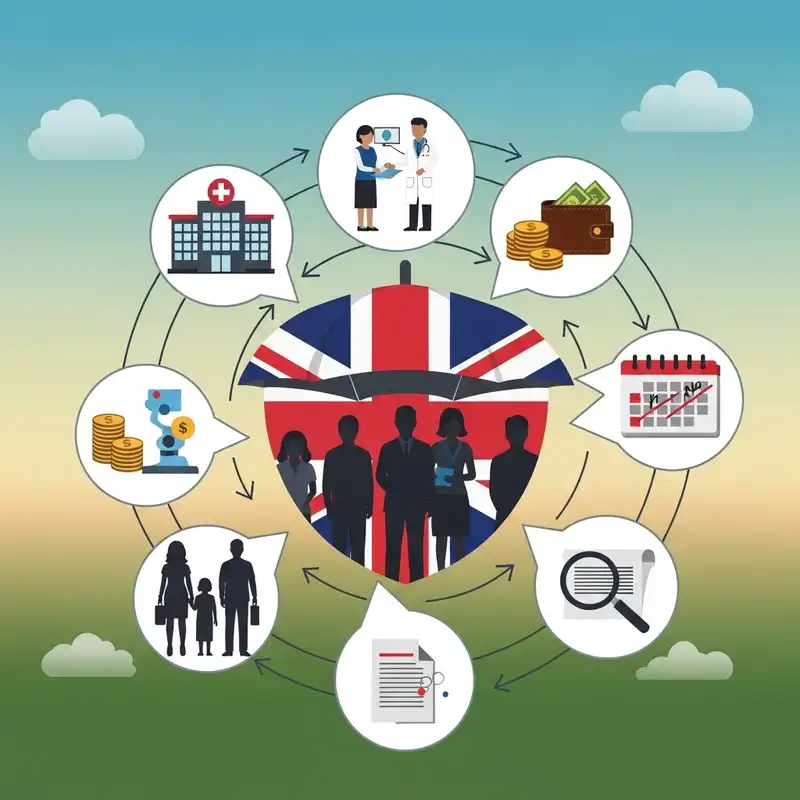
Beyond the Monthly Premiums: Uncovering the Real Financial Burden of Private Healthcare Amidst Growing NHS Waiting Lists
UK Private Health Insurance The Hidden Costs of Waiting for NHS Care
The National Health Service (NHS) stands as a cornerstone of British society, a testament to our collective commitment to providing universal healthcare. For decades, it has served as a source of immense pride, offering vital medical services free at the point of use. However, beneath this cherished principle, the NHS is currently grappling with unprecedented challenges. Escalating demand, funding pressures, an aging population, and the lingering after-effects of global events have collectively stretched its resources to breaking point.
Consequently, millions of people across the UK find themselves on ever-lengthening waiting lists for vital diagnoses, treatments, and operations. While the initial frustration of a delayed appointment is evident, what often goes unrecognised are the myriad "hidden costs" associated with these waits – costs that extend far beyond the immediate inconvenience and permeate every aspect of an individual's life, from their physical and mental well-being to their financial stability and professional productivity.
This comprehensive article delves deep into these often-overlooked hidden costs of waiting for NHS care. We will explore how delays can exacerbate health conditions, drain financial resources, impact mental health, and disrupt family life. Furthermore, we will illuminate how private medical insurance (PMI) can serve as a vital complementary solution, offering a pathway to mitigate these hidden burdens by providing faster access to care, choice, and peace of mind, ultimately safeguarding your health and broader quality of life.
The Current State of the NHS: A System Under Strain
To truly understand the hidden costs of waiting, it’s crucial to grasp the immense pressure currently facing the NHS. While celebrated for its core principles, the reality on the ground is a system struggling to cope with demand.
NHS waiting lists have become a national talking point, with millions of people waiting for appointments, tests, and treatments. Figures from NHS England consistently show record numbers of patients waiting for elective care, with a significant proportion enduring waits exceeding the standard 18-week target. This backlog is a cumulative effect of several factors:
- Post-Pandemic Catch-Up: The COVID-19 pandemic led to the widespread cancellation of elective procedures and a significant reduction in routine services, creating an enormous backlog that the system is still struggling to clear.
- Increased Demand: An aging population with complex health needs, coupled with rising chronic disease prevalence, places continuous pressure on services.
- Workforce Shortages: The NHS faces significant staff vacancies across various disciplines, from doctors and nurses to allied health professionals. This limits capacity, even if beds and equipment are available.
- Funding Challenges: Despite increased investment, healthcare costs are rising faster, and the NHS often operates under tight financial constraints, impacting infrastructure, technology, and staffing levels.
- Infrastructure Limitations: Outdated facilities and insufficient bed capacity in some areas further hinder the speed at which patients can be processed and treated.
The consequence of these pressures is a growing sense of anxiety among the public. People are increasingly aware that if they develop a non-urgent but significant health issue, they could face a considerable wait. This uncertainty, this "waiting list anxiety," itself constitutes an intangible hidden cost, impacting peace of mind and daily functioning.
Beyond the Obvious: The Direct Hidden Costs of Waiting
When a doctor advises a patient that they need a particular investigation or treatment, the expectation is that it will happen relatively quickly. However, when weeks turn into months, and months into potentially years, the initial diagnosis or need transforms into a complex web of financial, physical, and emotional burdens. These are the direct, often measurable, hidden costs that accumulate.
Deterioration of Health and Worsening Conditions
Perhaps the most critical hidden cost is the direct impact on the patient's health. What might start as a manageable condition can deteriorate significantly while waiting for care.
- Increased Pain and Discomfort: For conditions like chronic back pain, joint issues, or nerve compression, prolonged waiting means enduring persistent or escalating pain. This reduces quality of life, limits mobility, and can lead to a reliance on stronger pain medication, which may have its own side effects.
- Progression of Disease: A small, treatable lump might grow larger, making surgery more complex. A condition that could have been managed with minor intervention might progress to require more invasive procedures, longer recovery times, or even permanent disability. For example, a minor tear in a ligament could become irreparable without timely intervention, leading to chronic instability or arthritis.
- Development of Secondary Conditions: Prolonged immobility due to pain or illness can lead to muscle wastage, cardiovascular deconditioning, or pressure sores. The stress of waiting can also exacerbate existing conditions like high blood pressure or diabetes.
- Mental Health Decline: The physical pain and uncertainty can severely impact mental well-being. Chronic pain is a well-known precursor to depression and anxiety. The feeling of being "stuck" or unable to get the care you need can lead to a sense of hopelessness and helplessness. This is a significant hidden cost that often goes unquantified.
Loss of Income and Productivity
For many, health issues directly correlate with their ability to work. A long wait for treatment can have devastating financial consequences.
- Sick Leave and Reduced Working Hours: If a condition makes working difficult or impossible, individuals may need to take extended sick leave, often on reduced pay, or be forced to work fewer hours. This directly impacts household income.
- Impact on Self-Employed Individuals: For freelancers, contractors, or small business owners, every day away from work means lost earnings and potential damage to their business reputation or client relationships. There's no sick pay safety net, making them particularly vulnerable.
- Loss of Career Progression: Persistent health issues can hinder career development. Individuals might miss out on promotions, training opportunities, or new roles if their health prevents them from performing at their best or if they face prolonged absences.
- Early Retirement or Disability: In severe cases, prolonged untreated conditions can lead to permanent disability or forced early retirement, resulting in a significant and long-term loss of earning potential.
Travel and Accommodation Costs for Appointments
While NHS care is free at the point of use, accessing it often comes with hidden logistical expenses.
- Travel Expenses: As waiting lists lengthen, patients might be offered appointments further afield than their local hospital to receive quicker care. This means increased costs for fuel, public transport, or taxis.
- Parking Fees: Hospital parking can be notoriously expensive, and multiple appointments or lengthy visits can quickly accumulate significant costs.
- Accommodation: If an appointment or procedure is very far from home, or requires multiple days of attendance, patients and their families might incur accommodation costs for hotels or B&Bs.
- Childcare Costs: Attending appointments, especially if they are far away or involve long waits, can necessitate arranging and paying for childcare.
Cost of Over-the-Counter Medications and Private "Bridging" Care
In desperation, many individuals turn to stop-gap measures while waiting for NHS treatment.
- Self-Medication: Relying on over-the-counter pain relief, anti-inflammatories, or other medications to manage symptoms can lead to significant ongoing expenses. This also carries risks if not professionally supervised.
- Private Ad-Hoc Consultations: Frustrated by long waits, some individuals choose to pay out-of-pocket for a private GP consultation, a private scan, or an initial specialist appointment. While this might provide a quicker diagnosis, it can be very expensive and doesn't guarantee a swift onward treatment pathway within the NHS. It's a significant financial outlay without the comprehensive cover of PMI.
- Complementary Therapies: Patients might try acupuncture, massage, chiropractic care, or other complementary therapies to manage pain and symptoms, incurring regular costs that are rarely covered by the NHS.
Increased Reliance on Family and Carers
When a person's health deteriorates due to waiting, their support network often bears a hidden cost.
- Lost Income for Carers: Family members, often spouses or adult children, may need to take time off work to care for the patient, attend appointments, or provide daily support. This can result in their own loss of income or career impact.
- Emotional and Physical Strain on Carers: Being a full-time or part-time carer is physically and emotionally demanding. This can lead to burnout, stress, and even health issues for the carers themselves, creating a ripple effect.
- Disruption to Family Life: Family routines are disrupted, holidays might be cancelled, and the overall stress within the household increases. Children, in particular, can be affected by a parent's illness and the accompanying stress.
The Indirect and Intangible Hidden Costs
Beyond the direct, quantifiable costs, there are profound indirect and intangible burdens that waiting for NHS care imposes on individuals and society. These are harder to measure but no less significant.
Mental and Emotional Toll
The psychological impact of long waiting lists is immense and often underestimated.
- Chronic Stress and Anxiety: The uncertainty of "when will I be seen?" and "how much worse will it get?" creates a pervasive sense of anxiety. This can manifest as insomnia, irritability, difficulty concentrating, and a constant state of worry.
- Depression and Hopelessness: For many, the feeling of being in limbo, unable to move forward with their lives due to illness, can lead to deep depression. A sense of helplessness can set in, eroding motivation and joy.
- Reduced Quality of Life: Even if not physically incapacitated, the omnipresent worry and the effects of a deteriorating condition can severely diminish a person's ability to enjoy life, participate in hobbies, or engage socially. This loss of 'joie de vivre' is a significant, if unquantifiable, cost.
- Fear of the Unknown: Particularly for diagnostic waits (e.g., for suspected cancer), the fear of what the diagnosis might be, and the prolonged agony of waiting for answers, can be utterly debilitating.
Impact on Family Dynamics and Relationships
Illness, especially when prolonged due to waiting, can strain even the strongest family bonds.
- Increased Conflict: Stress, financial worries, and the demands of caring can lead to increased tension and arguments within families.
- Changed Roles: A previously independent individual might become reliant on family members, shifting power dynamics and potentially leading to resentment or feelings of inadequacy.
- Reduced Family Time: The focus often shifts entirely to managing the illness, leaving little energy or time for shared activities, quality interactions, or supporting children's emotional needs.
- Impact on Children: Children in affected families may experience increased anxiety, academic difficulties, or behavioural changes as they cope with a parent's illness and the associated family stress.
Societal Productivity Loss
On a broader scale, the collective impact of millions of people waiting for care translates into a significant burden on the economy and society.
- Reduced Workforce Participation: A national health crisis impacts the overall productivity of the workforce. If a substantial portion of the working-age population is either sick, acting as carers, or suffering from reduced capacity, the economic output diminishes.
- Strain on Social Services: Longer waiting lists for healthcare can lead to increased reliance on social care services, local authority support, and charities, placing additional strain on already stretched public services.
- Decreased Innovation and Development: A less healthy population is generally less innovative and less able to contribute to economic growth and development.
Erosion of Trust and Well-being
Finally, the cumulative effect of long waits can subtly erode public trust in the healthcare system and contribute to a general decline in national well-being.
- Loss of Confidence: Repeatedly encountering long waits or difficulties in accessing care can lead to a loss of confidence in the NHS's ability to provide timely and effective treatment, despite the dedication of its staff.
- Sense of Vulnerability: The awareness that one might not receive timely care when needed can foster a pervasive sense of vulnerability and insecurity within the population.
- Overall National Morale: A healthy nation is a happy and productive nation. Widespread illness and anxiety due to healthcare challenges can contribute to a lower national morale and a sense of unease about the future.
These hidden costs, both direct and indirect, paint a stark picture of the true price paid by individuals and society when timely healthcare is elusive. They underscore the necessity of considering alternative or complementary solutions, such as private medical insurance, to safeguard one's health and well-being in an increasingly strained healthcare landscape.
How Private Medical Insurance Addresses These Costs
Private medical insurance (PMI) is not a replacement for the NHS, but rather a complementary service that can dramatically mitigate the hidden costs we've just explored. It offers a parallel pathway to healthcare, focusing on speed, choice, and comfort for acute conditions.
Here's how PMI directly addresses the burdens of waiting for NHS care:
Faster Access to Diagnosis and Treatment
This is arguably the most significant benefit and the primary driver for many individuals seeking PMI.
- Reduced Waiting Times: With PMI, you typically bypass NHS waiting lists for elective procedures. Once your GP refers you to a specialist (or you use a virtual GP service provided by your insurer), you can usually secure an appointment within days or a couple of weeks, rather than months. This rapid access to a consultant for diagnosis, and then to treatment, is invaluable.
- Timely Intervention: Getting a diagnosis quickly means you can start treatment sooner. This prevents conditions from worsening, reduces pain and discomfort, and often leads to simpler, more effective treatments, avoiding the escalation of a condition and its associated higher costs and poorer outcomes.
- Quick Confirmation/Reassurance: Even if a serious condition is ruled out, rapid access to diagnostics (like MRI scans, blood tests, or specialist consultations) provides immense peace of mind and reduces the mental anguish of waiting.
Comprehensive Care and Enhanced Comfort
PMI typically offers a higher standard of comfort and a more personalised experience than the general NHS.
- Choice of Consultant and Hospital: You often have the flexibility to choose your consultant and the hospital where you receive treatment from a list approved by your insurer. This allows you to pick a specialist with a particular expertise or a hospital with a convenient location.
- Private Rooms: Most private hospitals offer single, en-suite rooms, ensuring privacy, quiet, and a more comfortable recovery environment. This can significantly contribute to well-being during a stressful time.
- Access to Advanced Treatments and Drugs: Depending on your policy, PMI can provide access to new drugs or innovative treatments that might not yet be routinely available or funded on the NHS, potentially offering more effective or less invasive options.
- Enhanced Post-Operative Care: Many policies include benefits like physiotherapy, osteopathy, or mental health support following treatment, aiding in a comprehensive and faster recovery.
- Virtual GP Services: Many modern PMI policies include access to virtual GP services, allowing for immediate consultations, prescriptions, and referrals from the comfort of your home, further speeding up the initial stage of care.
Peace of Mind
The psychological benefit of knowing you are covered is a powerful, albeit intangible, advantage.
- Reduced Stress and Anxiety: Having PMI significantly alleviates the "waiting list anxiety" mentioned earlier. You know that if an acute condition arises, you have a swift pathway to care, reducing the stress on you and your family.
- Security for Your Future: It provides a safety net, ensuring that you won't be left in prolonged discomfort or financially burdened if your health deteriorates.
Protecting Your Finances and Productivity
PMI safeguards against the financial repercussions of illness and lost income.
- Avoiding Out-of-Pocket Costs for "Bridging Care": Instead of paying privately for ad-hoc consultations, scans, or therapies out of desperation, your PMI covers these costs, providing a structured and comprehensive care pathway without unexpected high bills.
- Minimising Loss of Income: By enabling faster return to health, PMI drastically reduces the amount of time you might be off work or performing at reduced capacity, thereby protecting your income and career. For self-employed individuals, this can be critical to business survival.
- Reducing Associated Expenses: Faster treatment means less need for ongoing strong pain medication, fewer extended travel costs for multiple NHS appointments, and less reliance on family for care, preserving their income too.
Here's a comparison table highlighting the key differences in experience between waiting for NHS care and utilising Private Medical Insurance:
| Feature | Waiting for NHS Care | Private Medical Insurance (PMI) |
|---|---|---|
| Access Speed | Often long waiting lists (weeks, months, years) | Usually rapid access (days, 1-2 weeks for consultation) |
| Choice of Consultant | Limited; typically assigned by NHS | Often can choose from a list of approved specialists |
| Choice of Hospital | Limited; usually local or assigned by NHS | Often can choose from a network of private hospitals |
| Accommodation | Shared wards common | Typically private, en-suite rooms |
| Visiting Hours | Restricted | More flexible and extended |
| Treatment Availability | Standard NHS treatments and drugs | May include newer drugs/treatments (policy dependent) |
| Post-Care Support | Varies; may have waiting lists for physio/therapies | Often includes immediate access to physio, therapies |
| Virtual GP Access | Less common or limited through NHS 111/GP apps | Often included as a standard benefit |
| Cost to Patient (at point of use) | Free | Policy premium, potential excess, and limits apply |
| Peace of Mind | Can be stressful due to uncertainty and waiting | High, knowing you have a swift pathway to care |
| Impact on Work/Income | Higher risk of prolonged absence/income loss | Lower risk due to faster recovery and return to work |
Understanding Private Health Insurance: Key Considerations
While PMI offers significant advantages, it's essential to understand how it works and what it covers. It's not a 'one size fits all' solution, and policies vary widely.
Types of Policies
- Inpatient Only: This is the most basic and often the most affordable type of policy. It covers treatment that requires an overnight stay in hospital, including surgery, bed charges, and consultant fees for inpatient procedures. It typically doesn't cover outpatient consultations or diagnostic tests.
- Outpatient Included (Full or Limited): Most comprehensive policies include outpatient cover. This covers consultations with specialists (e.g., dermatologists, orthopaedic surgeons), diagnostic tests (e.g., MRI scans, X-rays, blood tests), and often therapies like physiotherapy, all without needing an overnight hospital stay. Some policies have an 'unlimited' outpatient cover, while others have a specific monetary limit.
- Comprehensive Cover: This provides the broadest range of benefits, typically combining inpatient and outpatient care with additional features like mental health support, cancer care, complementary therapies, and virtual GP services.
Policy Components and What They Mean
When reviewing a PMI policy, you'll encounter several key terms:
- Excess: This is a fixed amount you agree to pay towards a claim before your insurer pays the rest. Choosing a higher excess can significantly reduce your annual premium. For example, if you have a £250 excess and a claim costs £2,000, you pay £250, and the insurer pays £1,750.
- Underwriting Methods: This is how your insurer assesses your medical history and decides what to cover.
- Moratorium Underwriting: The most common. Your insurer won't cover any conditions you've had symptoms, advice, or treatment for in the last five years. After two consecutive years without symptoms, advice, or treatment for a pre-existing condition, it may become covered. This avoids disclosing your full medical history upfront.
- Full Medical Underwriting (FMU): You provide your full medical history upfront. The insurer will then list any pre-existing conditions that are permanently excluded from cover. While more involved initially, it offers clarity on what is and isn't covered from day one.
- Continued Personal Medical Exclusions (CPME): If you're switching from an existing PMI policy, this method may allow you to maintain your current level of cover for pre-existing conditions (if they were covered by your previous policy).
- Network of Hospitals/Consultants: Insurers partner with specific hospitals and consultants. Your policy will outline which network you can access (e.g., a core network, extended network). Choosing a more restricted network can lower premiums.
- Annual Limits: Some policies have overall annual limits on claims, or specific limits for certain benefits (e.g., £1,000 limit for physiotherapy, £5,000 for outpatient consultations).
- Therapies: Coverage for treatments like physiotherapy, osteopathy, chiropractic care, and acupuncture. Check if there are limits on the number of sessions or monetary value.
- Mental Health: Increasingly, policies include mental health support, from talking therapies to inpatient psychiatric care. The level of cover varies significantly.
- Cancer Care: This is a crucial area. Most policies offer comprehensive cancer cover, including diagnosis, chemotherapy, radiotherapy, and follow-up care. Understand the specifics of your policy's cancer benefits.
Important Exclusions
It is absolutely crucial to understand what PMI does not cover, as misapprehensions here can lead to significant disappointment and financial stress.
- Pre-existing Conditions: This is the most significant exclusion. Private medical insurance is designed to cover new medical conditions that arise after you take out the policy. It does not typically cover conditions you've had symptoms, advice, or treatment for in the period before your policy started (usually the last 5 years), unless specifically agreed upon via Full Medical Underwriting and under very rare, specific circumstances.
- Chronic Conditions: These are long-term conditions that cannot be cured but can be managed (e.g., diabetes, asthma, epilepsy, multiple sclerosis). PMI is designed for acute conditions that are likely to respond quickly to treatment and get you back to health. It does not cover ongoing management or monitoring of chronic conditions. You will still rely on the NHS for these.
- Emergency Care: Private health insurance does not replace A&E services or cover medical emergencies. For immediate, life-threatening conditions, you should always go to the nearest NHS A&E department.
- Standard Exclusions: Most policies will also exclude:
- Fertility treatment
- Cosmetic surgery (unless medically necessary due to injury/illness)
- Organ transplants
- Pregnancy and childbirth (though some policies may cover complications)
- HIV/AIDS
- Drug or alcohol abuse
- Self-inflicted injuries
- Overseas medical treatment (unless specific travel cover is added).
Factors Influencing Cost
The premium you pay for PMI is influenced by several factors:
- Age: Generally, the older you are, the higher the premium, as the risk of needing treatment increases with age.
- Postcode: Premiums can vary based on where you live, reflecting the cost of private healthcare in your area (e.g., London tends to be more expensive).
- Lifestyle: Factors like smoking status or high BMI can sometimes influence premiums, though less directly than age or postcode.
- Level of Cover: A more comprehensive policy with higher outpatient limits, more benefits (e.g., mental health, therapies), and access to a wider hospital network will be more expensive.
- Excess: As mentioned, a higher excess will result in a lower premium.
Choosing the right PMI policy can feel overwhelming given the array of options, terms, and exclusions. This is where expert guidance becomes invaluable. As your modern UK health insurance broker, WeCovr specialises in navigating this complex landscape. We work with all major UK health insurers, allowing us to compare policies, explain the nuances of each, and help you find the best coverage that aligns with your specific needs and budget. Crucially, our service to you is at no cost, as we are paid by the insurers.
Real-Life Scenarios: Illustrating the Impact
To truly appreciate the value of private medical insurance, it helps to visualise its impact in everyday situations. Let's look at a few hypothetical, but very common, scenarios.
Scenario 1: The Self-Employed Tradesperson
- Meet: Mark, 45, a self-employed plumber. He relies entirely on his physical ability to earn a living.
- Problem: Mark develops chronic back pain, making it difficult to bend, lift, and work. His GP refers him for an MRI and specialist consultation.
- NHS Wait: The NHS waiting list for an MRI is 10-12 weeks, followed by another 8-10 weeks for an orthopaedic consultant appointment.
- Hidden Costs:
- Financial: Mark can barely work. He's losing £500-£700 a week in income. Over 4-5 months of waiting, this could easily be £8,000 - £10,000. He also spends £50 a week on strong pain relief.
- Health: His condition worsens; the pain becomes excruciating, affecting his sleep and mood.
- Mental: He's stressed, anxious about losing his business, and unable to support his family.
- Family: His wife has to pick up extra shifts, and family life suffers.
- Hidden Costs:
- With PMI: Mark has a comprehensive PMI policy.
- His virtual GP refers him directly to a private orthopaedic consultant.
- He gets an MRI scan within a week.
- A consultation with a specialist follows in a few days. Diagnosis: a slipped disc.
- Treatment: Immediate physiotherapy sessions (covered by PMI) and targeted pain management. Surgery is considered if physio fails, with a potential wait of 2-3 weeks.
- Benefit: Mark is back to light duties within 2-3 weeks, and full capacity within 6-8 weeks. His income loss is minimal, perhaps £1,500-£2,000. He avoids the severe deterioration of his health and the immense financial and mental stress. The total cost of private MRI, consultation, and physio is covered by his insurer, saving him thousands out of pocket.
Scenario 2: The Working Parent
- Meet: Sarah, 38, a full-time marketing manager and mother of two young children.
- Problem: Her 6-year-old son, Leo, develops recurring ear infections affecting his hearing. The ENT specialist recommends grommets.
- NHS Wait: The waiting list for paediatric ENT consultation is 16 weeks, and for grommets surgery, it's another 20-24 weeks after that.
- Hidden Costs:
- Child's Development: Leo's hearing issues impact his speech development and performance at school. He's missing out socially.
- Parent's Productivity: Sarah is constantly worried. She takes time off for multiple GP appointments and school meetings. Her productivity at work drops due to distraction and stress.
- Family Strain: The child is distressed; the parents are constantly managing his discomfort and behavioural issues stemming from hearing loss.
- Hidden Costs:
- With PMI: Sarah has a family PMI policy.
- She books a private paediatric ENT consultation for Leo within a week.
- The specialist confirms the need for grommets and schedules the surgery for two weeks later at a private children's hospital.
- Benefit: Leo's hearing is restored swiftly. He returns to school quickly, and his development isn't hindered. Sarah misses minimal work and avoids prolonged stress. The cost of the consultation and surgery, which could run into thousands, is fully covered by the policy.
Scenario 3: The Active Retiree
- Meet: Margaret, 72, an active retiree who loves gardening and playing golf.
- Problem: She develops severe pain in her knee, making it impossible to enjoy her hobbies or even walk comfortably. Her GP suspects early arthritis and refers her for an orthopaedic opinion.
- NHS Wait: The wait for a specialist consultation is 18 weeks, and then potentially 6-9 months for any significant intervention like a partial knee replacement.
- Hidden Costs:
- Quality of Life: Margaret is housebound, miserable, and depressed. She misses her social activities and exercise, leading to general deconditioning.
- Mental Health: The loss of independence and hobbies leads to feelings of isolation and despair.
- Dependence: She becomes more reliant on her adult children for shopping and errands.
- Hidden Costs:
- With PMI: Margaret has a PMI policy from her working days that she continued.
- She sees a private orthopaedic consultant within a few days.
- An X-ray and MRI are performed within the week.
- Diagnosis and a treatment plan (joint injections, then potentially surgery) are rapidly established.
- Benefit: Margaret receives injections quickly, giving her immediate relief. If surgery is needed, it's scheduled within weeks. She maintains her independence and quality of life, avoiding months of pain and depression. The significant cost of the treatment is covered.
These scenarios clearly illustrate that the 'hidden costs' of waiting are not just hypothetical. They are real, tangible burdens that can profoundly impact health, finances, and overall well-being. PMI acts as a vital tool to pre-emptively protect against these very real consequences.
Here's a table summarising the impact across these scenarios:
| Scenario/Impact | Waiting for NHS Care | With Private Medical Insurance |
|---|---|---|
| Mark (Tradesperson) | ~£8k-£10k income loss, severe pain, business risk | ~£1.5k-£2k income loss, quick recovery, business protected |
| Leo (Child) | Developmental delays, parental stress, school issues | Swift resolution, no developmental impact, less parental stress |
| Margaret (Retiree) | Months of pain, depression, loss of independence | Rapid pain relief, maintained quality of life, independence |
| General Health | Condition deterioration, chronic pain, secondary issues | Timely intervention, prevents worsening, better long-term outcomes |
| Mental Well-being | High anxiety, depression, hopelessness, stress | Peace of mind, reduced stress, quicker return to normality |
| Family Impact | Strain on relationships, lost family time, carer burden | Less disruption, reduced burden on family |
| Financial Burden | Direct income loss, self-paid bridging care, ongoing expenses | Premiums paid, but vast majority of treatment costs covered |
Dispelling Myths and Addressing Concerns
Despite its clear benefits, private medical insurance is often misunderstood. Let's tackle some common myths and concerns.
Myth 1: "PMI is only for the rich."
Reality: While comprehensive policies can be expensive, there are options for various budgets.
- Basic Policies: Inpatient-only policies or those with higher excesses are more affordable.
- Company Schemes: Many employers offer PMI as a benefit, sometimes covering dependants at a reduced rate. If your employer offers it, it's a significant perk not to be overlooked.
- Tailored Plans: You can often customise policies by choosing a limited hospital network or setting specific outpatient limits to control costs.
- Value Proposition: Consider the "cost of not having it" – the hidden costs we've discussed. For many, the financial security and peace of mind it offers outweigh the premium, making it an accessible investment, not a luxury.
Myth 2: "I'll lose my NHS GP if I get PMI."
Reality: This is completely untrue. PMI complements the NHS; it does not replace it.
- You will still use your NHS GP for initial consultations, referrals (often required even for private specialists), emergency care (A&E), chronic conditions, and general health needs.
- PMI steps in for acute, non-emergency conditions that would typically involve long NHS waiting lists.
Myth 3: "I have pre-existing conditions, so it's useless for me."
Reality: It's true that standard PMI policies do not cover pre-existing conditions or chronic conditions. This is a fundamental aspect of how the industry operates, as insurance covers unforeseen events, not conditions you already have or will have indefinitely.
- However, it's not useless! PMI still covers new acute conditions that arise after you take out the policy. For example, if you have asthma (a chronic, pre-existing condition, therefore excluded), but then develop a new knee problem that requires surgery, your PMI policy would cover the knee surgery.
- It protects you from future unexpected health challenges, freeing up NHS resources for those who need them most for their chronic or pre-existing conditions.
Myth 4: "It's too complicated to choose the right policy."
Reality: It can certainly seem that way, with many insurers, policy types, and benefit levels. This is precisely why engaging an independent broker like WeCovr is so beneficial.
- Expert Guidance: We understand the market inside out. We can explain the jargon, clarify exclusions, and help you compare policies from all major UK insurers (e.g., Aviva, AXA Health, Bupa, Vitality, WPA, National Friendly, Freedom Health Insurance, Exeter) side-by-side.
- Impartial Advice: As a broker, we work for you, not the insurer. Our goal is to find the best policy for your individual needs and budget.
- No Cost to You: Our service is entirely free to you, as we receive a commission from the insurer if you purchase a policy through us. This means you get expert advice and comparison without any additional financial burden.
- Ongoing Support: We can also assist with renewals and claims queries, ensuring you continue to get the most from your policy.
The Future of Healthcare in the UK
The pressures on the NHS are not going to disappear overnight. While admirable efforts are continually made to improve efficiency and reduce waiting lists, the fundamental challenges of an aging population, rising demand, and workforce shortages are likely to persist. In this evolving landscape, private medical insurance is increasingly seen not as a luxury, but as a practical and necessary complement to NHS care.
It offers individuals a proactive way to take control of their health, ensuring quicker access to care when it's most needed. This isn't about abandoning the NHS; it's about creating a robust, two-tiered system that offers choice and reduces the burden on the public service. For those who can afford it, PMI provides an invaluable safety net, preventing conditions from worsening, protecting financial stability, and alleviating the immense stress associated with prolonged waits. As a nation, fostering a culture where personal health management, including considering private options, becomes more mainstream, could be part of the solution to the broader healthcare challenge.
Making an Informed Decision
Deciding whether to invest in private medical insurance is a personal choice, but one that should be made with a clear understanding of the full picture. Consider the following:
- Your Personal Health Needs and Risks: Do you have a family history of certain conditions? Is your job physically demanding? Are you approaching an age where health concerns become more prevalent?
- Your Financial Situation: Assess your budget for premiums, and also consider the potential financial impact of prolonged illness and lost income if you were to rely solely on the NHS for certain conditions.
- The Value of Time and Peace of Mind: Can you put a price on avoiding months of pain, stress, and anxiety? For many, the ability to get quicker diagnosis and treatment is priceless.
- Your Dependants: How would a prolonged illness affect your family, particularly children or elderly parents who rely on you? PMI for the whole family can offer immense collective security.
Ultimately, private health insurance is an investment in your health, your future, and your peace of mind. It's about empowering yourself to get the care you need, when you need it, and avoiding the profound and often overlooked hidden costs of waiting for NHS treatment.
At WeCovr, we are passionate about helping individuals and families in the UK navigate the complexities of health insurance. We believe that everyone deserves clear, unbiased advice to make the best choice for their healthcare needs. Our dedicated team is here to listen to your requirements, compare policies from leading insurers, and present you with tailored options, all at no cost to you. Let us help you safeguard your health and well-being.
Conclusion
The NHS is a national treasure, but the reality of long waiting lists presents a significant challenge for millions across the UK. The true cost of these delays extends far beyond the medical bill, encompassing a myriad of "hidden costs" that affect our physical health, mental well-being, financial stability, and family life. From the deterioration of conditions and loss of income to the pervasive stress and anxiety, waiting for care carries a heavy, often unrecognised, burden.
Private medical insurance offers a powerful solution to mitigate these hidden costs. By providing faster access to diagnosis and treatment, offering choice and comfort, and safeguarding against financial losses due to illness, PMI empowers individuals to take control of their health journey. It acts as a crucial complement to the NHS, ensuring that for acute conditions, you can bypass the queues and receive timely, effective care.
In an increasingly pressured healthcare landscape, understanding these hidden costs and exploring the protective benefits of private medical insurance is no longer a luxury but a sensible and proactive step towards securing your health, your finances, and your peace of mind. Don't let the hidden costs of waiting become your reality; explore how private medical insurance can offer you a clear pathway to health and well-being.
Why private medical insurance and how does it work?
What is Private Medical Insurance?
Private medical insurance (PMI) is a type of health insurance that provides access to private healthcare services in the UK. It covers the cost of private medical treatment, allowing you to bypass NHS waiting lists and receive faster, more convenient care.How does it work?
Private medical insurance works by paying for your private healthcare costs. When you need treatment, you can choose to go private and your insurance will cover the costs, subject to your policy terms and conditions. This can include:• Private consultations with specialists
• Private hospital treatment and surgery
• Diagnostic tests and scans
• Physiotherapy and rehabilitation
• Mental health treatment
Your premium depends on factors like your age, health, occupation, and the level of cover you choose. Most policies offer different levels of cover, from basic to comprehensive, allowing you to tailor the policy to your needs and budget.
Questions to ask yourself regarding private medical insurance
Just ask yourself:👉 Are you concerned about NHS waiting times for treatment?
👉 Would you prefer to choose your own consultant and hospital?
👉 Do you want faster access to diagnostic tests and scans?
👉 Would you like private hospital accommodation and better food?
👉 Do you want to avoid the stress of NHS waiting lists?
Many people don't realise that private medical insurance is more affordable than they think, especially when you consider the value of faster treatment and better facilities. A great insurance policy can provide peace of mind and ensure you receive the care you need when you need it.
Benefits offered by private medical insurance
Private medical insurance provides numerous benefits that can significantly improve your healthcare experience and outcomes:Faster Access to Treatment
One of the biggest advantages is avoiding NHS waiting lists. While the NHS provides excellent care, waiting times can be lengthy. With private medical insurance, you can often receive treatment within days or weeks rather than months.
Choice of Consultant and Hospital
You can choose your preferred consultant and hospital, giving you more control over your healthcare journey. This is particularly important for complex treatments where you want a specific specialist.
Better Facilities and Accommodation
Private hospitals typically offer superior facilities, including private rooms, better food, and more comfortable surroundings. This can make your recovery more pleasant and potentially faster.
Advanced Treatments
Private medical insurance often covers treatments and medications not available on the NHS, giving you access to the latest medical advances and technologies.
Mental Health Support
Many policies include comprehensive mental health coverage, providing faster access to therapy and psychiatric care when needed.
Tax Benefits for Business Owners
If you're self-employed or a business owner, private medical insurance premiums can be tax-deductible, making it a cost-effective way to protect your health and your business.
Peace of Mind
Knowing you have access to private healthcare when you need it provides invaluable peace of mind, especially for those with ongoing health conditions or concerns about NHS capacity.
Private medical insurance is particularly valuable for those who want to take control of their healthcare journey and ensure they receive the best possible treatment when they need it most.
Important Fact!
We can look at a more suitable option mid-term!
Why is it important to get private medical insurance early?
👉 Many people are very thankful that they had their private medical insurance cover in place before running into some serious health issues. Private medical insurance is as important as life insurance for protecting your family's finances.👉 We insure our cars, houses, and even our phones! Yet our health is the most precious thing we have.
Easily one of the most important insurance purchases an individual or family can make in their lifetime, the decision to buy private medical insurance can be made much simpler with the help of FCA-authorised advisers. They are the specialists who do the searching and analysis helping people choose between various types of private medical insurance policies available in the market, including different levels of cover and policy types most suitable to the client's individual circumstances.
It certainly won't do any harm if you speak with one of our experienced insurance experts who are passionate about advising people on financial matters related to private medical insurance and are keen to provide you with a free consultation.
You can discuss with them in detail what affordable private medical insurance plan for the necessary peace of mind they would recommend! WeCovr works with some of the best advisers in the market.
By tapping the button below, you can book a free call with them in less than 30 seconds right now:
Our Group Is Proud To Have Issued 800,000+ Policies!
We've established collaboration agreements with leading insurance groups to create tailored coverage
























How It Works
1. Complete a brief form

2. Our experts analyse your information and find you best quotes

3. Enjoy your protection!

Any questions?
Learn more

Who Are WeCovr?
WeCovr is an insurance specialist for people valuing their peace of mind and a great service.👍 WeCovr will help you get your private medical insurance, life insurance, critical illness insurance and others in no time thanks to our wonderful super-friendly experts ready to assist you every step of the way.
Just a quick and simple form and an easy conversation with one of our experts and your valuable insurance policy is in place for that needed peace of mind!