UK Private Health Insurance: Preventative Care & Assessments
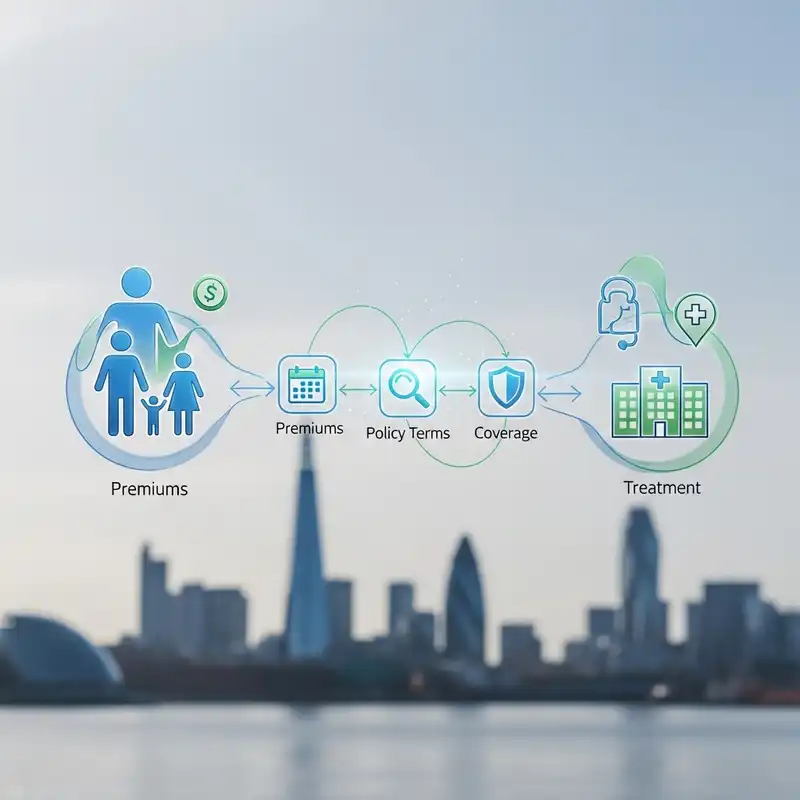
Empowering Proactive Health: How UK Private Health Insurance Supports Targeted Preventative Interventions for Hidden Risks Identified Through Advanced Assessments
How UK Private Health Insurance Facilitates Targeted Preventative Interventions for Asymptomatic Health Risks Identified Through Advanced Health Assessments
In an age where information is power, the realm of personal health is undergoing a profound transformation. We are shifting from a reactive model of healthcare – waiting for symptoms to emerge before seeking treatment – to a proactive, preventative approach. This paradigm shift, driven by advances in medical technology and a deeper understanding of human biology, empowers individuals to take control of their health long before illness takes root. At the heart of this proactive movement lies the potent combination of advanced health assessments and the strategic support offered by UK private health insurance.
For many years, the primary focus of healthcare systems globally, including our beloved NHS, has been on diagnosing and treating existing conditions. While this remains a vital function, it often means interventions occur after a disease has progressed, sometimes to a point where treatment is more complex, less effective, and significantly more costly. However, a wealth of serious health conditions – from cardiovascular disease and certain cancers to type 2 diabetes and neurological disorders – often develop silently, presenting no discernible symptoms in their early, most treatable stages. These are the "asymptomatic health risks" that lurk beneath the surface, posing a significant threat to long-term well-being.
This is precisely where "advanced health assessments" come into play. Far surpassing the scope of a routine annual check-up, these comprehensive evaluations utilise cutting-edge diagnostics, in-depth physiological measurements, and detailed lifestyle analyses to identify subtle markers, risk factors, or early indicators of potential future health issues. The insights gleaned from these assessments are invaluable, providing a personalised roadmap to future health.
But identifying these risks is only half the battle. The crucial next step is the implementation of "targeted preventative interventions." These are specific, evidence-based actions – whether lifestyle modifications, regular monitoring, or early medical treatments – designed to mitigate the identified risks and prevent the onset or progression of disease.
The challenge for many in the UK is accessing these advanced assessments and the subsequent preventative support. While the NHS excels at acute care and managing established conditions, its resource constraints often limit its ability to offer comprehensive, routine preventative screenings for asymptomatic individuals. This is where private health insurance (PMI) plays an increasingly pivotal and often underestimated role. By providing access to sophisticated diagnostic tools and a network of specialists for preventative care, PMI acts as a catalyst, enabling individuals to proactively safeguard their health and invest in a healthier future.
This article will delve deeply into how UK private health insurance uniquely facilitates this proactive approach, bridging the gap between identifying asymptomatic risks and implementing effective, targeted preventative interventions.
The Paradigm Shift: From Reactive Treatment to Proactive Prevention
For generations, healthcare has largely operated on a reactive model. An individual experiences symptoms, seeks medical attention, receives a diagnosis, and then undergoes treatment. While this approach is effective for acute illnesses and injuries, it often falls short when addressing the slow, insidious progression of chronic diseases.
The Limitations of a Reactive System for Chronic Conditions
The National Health Service (NHS), a cornerstone of British society, provides universal access to healthcare, which is a monumental achievement. It excels at managing emergencies, treating acute illnesses, and performing complex surgeries. However, the sheer volume of demand, coupled with finite resources, means the NHS primarily focuses on addressing immediate health concerns and managing established conditions.
- Resource Constraints: The NHS operates under immense financial and staffing pressures. This inevitably prioritises urgent care and established diagnoses over broad, routine preventative screenings for the general, asymptomatic population.
- Waiting Lists: Delays in accessing specialist consultations, diagnostic tests, and treatments are common within the NHS, even for those with emerging symptoms. For someone with an asymptomatic risk factor, waiting for an NHS pathway to open could mean missing a critical window for early intervention.
- Symptom-Driven Care: The NHS pathway typically begins when a patient presents with symptoms. By this point, a condition may have already progressed significantly, making treatment more challenging and less effective. For instance, early-stage cancers or pre-diabetic states often have no noticeable symptoms until they are more advanced.
The Growing Burden of Chronic Disease
The prevalence of chronic diseases – such as heart disease, stroke, cancer, diabetes, and respiratory conditions – is a global health crisis. In the UK, these conditions account for a significant proportion of morbidity and mortality, placing an enormous burden on individuals, families, and the healthcare system.
- Economic Impact: Chronic diseases are incredibly costly, both in terms of direct medical expenditure (hospitalisations, medications, treatments) and indirect costs (lost productivity due to illness, disability, and premature death). Investing in prevention is often far more cost-effective than managing established, severe disease.
- Quality of Life: Living with a chronic condition can severely diminish an individual's quality of life, leading to pain, functional limitations, and reduced independence. Preventing or delaying the onset of these conditions can significantly enhance long-term well-being.
- Silent Killers: Many of the most pervasive chronic diseases are "silent killers." Hypertension (high blood pressure), high cholesterol, early-stage type 2 diabetes, and various cancers often show no symptoms for years. By the time symptoms appear, the disease may have already caused irreversible damage or become much harder to treat. This is why detecting asymptomatic health risks is paramount.
The shift towards proactive prevention is not merely a healthcare trend; it's a societal imperative. It acknowledges that the future of health lies not just in treating sickness, but in preserving wellness and preventing illness from occurring in the first place. This is where advanced health assessments and private medical insurance carve out their essential niche.
Unveiling the Unseen: What Are Advanced Health Assessments?
If the traditional GP check-up is a quick snapshot, an advanced health assessment is a comprehensive, high-definition motion picture of your current and future health landscape. These assessments go far beyond basic blood pressure readings and routine blood tests, leveraging sophisticated diagnostic tools and medical expertise to identify subtle biological markers, genetic predispositions, and lifestyle factors that indicate an elevated risk of developing serious conditions.
Components of a Comprehensive Advanced Health Assessment
While the specific components can vary between providers and packages, a truly advanced health assessment typically includes a multi-faceted approach:
-
Detailed Medical History and Lifestyle Review:
- Personal and Family History: In-depth discussion of past medical conditions, surgeries, medications, and a thorough review of family health history to identify genetic or familial risk patterns for diseases like cancer, heart disease, or diabetes.
- Lifestyle Analysis: Comprehensive assessment of diet, exercise habits, sleep patterns, stress levels, alcohol consumption, smoking history, and occupational hazards. This provides crucial context for interpreting biological markers.
-
Extensive Biomedical Testing:
- Advanced Blood Chemistry: Beyond standard cholesterol and glucose, these tests may include:
- Lipid Subfractions: Differentiating between types of cholesterol particles (e.g., LDL-P, HDL-C) for a more precise cardiovascular risk assessment.
- Inflammatory Markers: High-sensitivity C-reactive protein (hs-CRP) as an indicator of systemic inflammation, often linked to cardiovascular disease.
- Insulin Resistance Markers: Fasting insulin and glucose, HOMA-IR index for early detection of pre-diabetes or metabolic syndrome.
- Hormone Panels: Thyroid hormones, vitamin D, and potentially sex hormones, especially for age-related concerns.
- Liver and Kidney Function: More detailed panels to detect early signs of strain.
- Nutrient Deficiencies: Assessing levels of essential vitamins and minerals crucial for optimal bodily function.
- Urinalysis: Detailed analysis for kidney function, diabetes, or urinary tract issues.
- Stool Analysis: For digestive health, and potentially for early colorectal cancer markers (e.g., FIT test).
- Advanced Blood Chemistry: Beyond standard cholesterol and glucose, these tests may include:
-
Physiological Measurements and Functional Assessments:
- Advanced Cardiovascular Screening:
- Resting Electrocardiogram (ECG): To assess heart rhythm and electrical activity.
- Exercise ECG (Stress Test): To evaluate heart function under physical stress, often revealing issues not apparent at rest.
- Echocardiogram: Ultrasound of the heart to assess its structure and function.
- Carotid Intima-Media Thickness (CIMT) Scan: Ultrasound of the carotid arteries to measure arterial wall thickness, a reliable indicator of atherosclerosis risk.
- Ankle-Brachial Pressure Index (ABPI): To detect peripheral artery disease.
- Lung Function Tests (Spirometry): To assess lung capacity and identify early signs of respiratory conditions.
- Body Composition Analysis: Beyond BMI, using methods like DEXA scans or bioelectrical impedance to measure body fat percentage, lean muscle mass, and bone density.
- Blood Pressure Monitoring: Often including ambulatory blood pressure monitoring (24-hour readings) to detect "white coat hypertension" or nocturnal hypertension.
- Advanced Cardiovascular Screening:
-
Advanced Imaging (Selected and Justified):
- Low-Dose CT Lung Scan: For individuals at higher risk of lung cancer (e.g., current or former smokers).
- Mammography/Breast Ultrasound: For breast cancer screening in women.
- Pelvic/Abdominal Ultrasound: To screen for issues in internal organs.
- Full Body MRI: While comprehensive, it's important to understand the limitations and potential for incidental findings ("incidentalomas") that may lead to unnecessary anxiety or further investigations. These are typically offered as premium add-ons and are not universally recommended without specific risk factors.
-
Genetic Screening (with Ethical Considerations):
- While not always standard, some assessments may offer genetic testing for specific predispositions (e.g., BRCA genes for breast/ovarian cancer, MTHFR for folate metabolism). Crucially, genetic counselling should accompany such tests to ensure understanding of implications and ethical considerations. These are typically not covered for asymptomatic individuals under standard PMI, as they relate to inherent conditions, but the assessment might identify factors leading to the recommendation for genetic counselling outside of PMI cover.
-
Mental Well-being and Cognitive Assessments:
- Validated questionnaires and sometimes cognitive tests to assess stress levels, anxiety, depression, and early signs of cognitive decline. Recognising the strong link between mental and physical health is crucial.
What These Assessments Reveal: Risk Stratification
The primary goal of these assessments is not just to find existing problems, but to engage in risk stratification. They help identify:
- Emerging Conditions: Subtle changes that indicate a disease process has begun but is not yet symptomatic (e.g., elevated fasting glucose indicating pre-diabetes).
- Elevated Risk Factors: Lifestyle choices, genetic predispositions, or specific biomarkers that significantly increase the likelihood of developing a condition in the future (e.g., high LDL-P cholesterol indicating increased cardiovascular risk).
- Health Deficiencies: Suboptimal nutrient levels, hormonal imbalances, or physiological inefficiencies that could impact long-term health.
- Areas for Optimisation: Insights into diet, exercise, and stress management that can enhance overall well-being and longevity.
Providers of these assessments include dedicated private health assessment centres (often associated with large private hospital groups or standalone wellness clinics), and increasingly, some private GP practices. They pride themselves on using state-of-the-art equipment and providing detailed, actionable reports with clear recommendations.
The Crucial Role of Private Health Insurance in Accessing Assessments
While the value of advanced health assessments is clear, their cost can be prohibitive for many individuals, often ranging from several hundred to several thousand pounds, depending on the comprehensiveness. This is precisely where UK private health insurance steps in as a vital enabler.
How PMI Policies Offer Preventative Assessments
Private medical insurance, often seen primarily as a safety net for unexpected illness or injury, has evolved significantly. Many modern policies now incorporate a strong emphasis on preventative care and well-being.
- Wellness Benefits: A growing number of PMI policies include "wellness benefits" or "health screening" allowances. These are specific allocations, often an annual monetary limit, that policyholders can use to fund or subsidise comprehensive health checks.
- Core Policy Inclusion: Some premium-tier policies, or those from specific insurers, may include a comprehensive annual health assessment as a standard feature, recognising its long-term value in keeping members healthy.
- Add-on Options: For more basic policies, advanced health assessments can often be purchased as an optional add-on or "module" at an additional premium, allowing individuals to tailor their cover to their preventative needs.
The Value Proposition of PMI-Facilitated Assessments
Utilising PMI to access these assessments offers several distinct advantages:
- Access to Comprehensive Services: PMI provides direct access to high-quality private clinics and assessment centres that offer the full spectrum of advanced diagnostic tools and specialist consultations, often beyond what is routinely available on the NHS for asymptomatic individuals.
- Speed and Convenience: Without the need for a GP referral (in many cases for wellness benefits) and bypassing NHS waiting lists, individuals can schedule assessments quickly and at their convenience. Appointments are often structured efficiently, allowing for thorough evaluation within a single visit or a few concentrated sessions.
- Holistic Reporting and Follow-up: Private health assessment providers typically offer detailed, personalised reports, often reviewed directly with a consultant physician. These reports don't just list results but interpret them in the context of your lifestyle and family history, providing actionable recommendations. PMI often covers initial follow-up consultations with specialists if a risk is identified.
- Peace of Mind and Empowerment: Knowing you've had a thorough check-up provides significant peace of mind. Moreover, the detailed insights empower you to make informed decisions about your health.
- Cost-Effectiveness (Long-Term): While there's an upfront premium, the cost of an assessment covered by PMI is typically far less than paying for it out-of-pocket. More importantly, detecting and intervening early can prevent much more expensive and disruptive treatments down the line, should a serious condition develop.
Bridging the Gap with the NHS
It's crucial to understand that private health insurance doesn't replace the NHS; it complements it. The NHS, with its universal access and focus on acute care, remains fundamental. However, for proactive health management and the early detection of asymptomatic risks, PMI offers a critical alternative pathway.
The NHS offers some targeted screening programmes (e.g., cervical screening, bowel cancer screening for specific age groups, breast screening). However, these are generally population-level programmes focused on specific diseases. Advanced health assessments funded by PMI are highly personalised and comprehensive, aiming to provide a much broader health overview for an individual who is currently well but wishes to proactively manage their future health.
WeCovr understands the complexities of these policies. We specialise in demystifying the options available across all major UK insurers. We work closely with our clients to identify policies that genuinely offer robust wellness benefits and health assessment coverage, ensuring they can access these vital preventative tools. And critically, we do this at no cost to you. Our expertise ensures you find a policy that aligns with your proactive health goals.
From Insight to Action: Targeted Preventative Interventions
Identifying an asymptomatic health risk through an advanced assessment is merely the first step. The true power lies in the "targeted preventative interventions" that follow. These are specific, evidence-based actions designed to mitigate the identified risk and prevent the development or progression of disease. This transition from "diagnosis" of a risk factor to "actionable prevention" is where private health insurance again demonstrates its value, facilitating access to the necessary support and expertise.
Categories of Interventions Facilitated by PMI
The type of intervention will depend entirely on the specific risk identified. PMI policies, particularly those with comprehensive outpatient and wellness benefits, can significantly ease access to these crucial next steps.
-
Lifestyle Modifications:
- Dietetics and Nutritional Therapy: If the assessment reveals markers for pre-diabetes, high cholesterol, or general metabolic dysfunction, a registered dietitian can provide personalised meal plans and nutritional guidance. PMI often covers consultations with dietitians as part of outpatient or wellness benefits.
- Exercise Physiology: For individuals with sedentary lifestyles, risk of cardiovascular disease, or musculoskeletal issues, an exercise physiologist can design a safe and effective exercise programme. Many PMI policies offer coverage for specialist physical therapy or rehabilitation, which can extend to expert exercise guidance.
- Stress Management and Mindfulness: Elevated stress markers, sleep disturbances, or early signs of anxiety/depression identified in assessments can be addressed through therapy, counselling, or mindfulness programmes. PMI policies with mental health benefits often cover these types of interventions.
- Smoking Cessation/Alcohol Moderation: While not directly covered, the assessment itself can be a powerful motivator, and some policies may have links to resources.
-
Medical Monitoring and Specialist Consultations:
- Regular Follow-ups: If an assessment reveals a borderline risk (e.g., slightly elevated blood pressure or cholesterol), the intervention might be regular monitoring over a period. PMI can facilitate timely access to follow-up GP or specialist appointments without long waits.
- Specialist Referrals: If a more significant risk is identified (e.g., an abnormal mole, a suspicious nodule found on imaging, or persistent gut issues), PMI provides direct access to specialists (e.g., dermatologists, oncologists, gastroenterologists) for further investigation and definitive diagnosis. This is where PMI's core benefit of rapid access to secondary care shines, ensuring prompt action on a potential issue identified preventatively.
- Specific Diagnostic Tests: If a specialist recommends further specific diagnostic tests (e.g., a biopsy, a more detailed scan) to investigate an asymptomatic finding, PMI would typically cover these, provided they are for diagnostic purposes and not for a pre-existing condition.
-
Early Medical/Pharmacological Intervention:
- Pharmacological Management: In some cases, a specialist might recommend early pharmacological intervention if lifestyle changes alone are insufficient or the risk is high (e.g., statins for very high cholesterol, or medication to manage early-stage hypertension). PMI typically covers the consultation with the specialist who prescribes this, and potentially subsequent monitoring. However, it's crucial to note that private health insurance generally does not cover the cost of prescribed medications themselves. These are usually paid for by the individual, or via the NHS prescription system.
- Pre-emptive Treatments (Non-pharmacological): For example, if a specific type of polyp is found during a screening colonoscopy (part of a diagnostic pathway initiated by a health assessment finding), its removal would be covered by PMI as a treatment to prevent future cancer.
-
Proactive Screenings and Surveillance:
- Based on initial assessment findings, a specialist might recommend more frequent or targeted screenings than standard guidelines. For example, if a strong family history and initial markers suggest an elevated risk of a certain cancer, more frequent scans or blood tests might be recommended. PMI would facilitate access to these, subject to policy terms and medical necessity.
Crucial Note on Pre-existing and Chronic Conditions
It is paramount to understand that UK private health insurance policies are designed to cover new, acute conditions that develop after you take out the policy. They do not cover:
- Pre-existing Conditions: Any illness, injury, or symptom that you had or were aware of before your policy started. Even if an advanced assessment uncovers an asymptomatic issue, if symptoms or medical advice regarding that condition existed prior to the policy, it would typically be excluded.
- Chronic Conditions: Long-term conditions that require ongoing management (e.g., diabetes, asthma, hypertension, arthritis). While PMI might cover the initial diagnosis of such a condition and perhaps the acute phase of treatment, it will not cover the ongoing management, medication, or recurrent flares of a chronic illness. The NHS remains the primary provider for chronic disease management.
Therefore, the role of PMI in preventative interventions is to:
- Fund the advanced health assessment itself (as a wellness benefit).
- Cover the initial consultations and diagnostic tests if the assessment uncovers a new asymptomatic finding that requires investigation or diagnosis.
- Facilitate access to therapy or specialist consultations for lifestyle modifications if these are covered under wellness or outpatient benefits.
- Cover treatment for a new acute condition that develops from an identified risk after the policy started, as long as it wasn't pre-existing or chronic.
The value, then, is in catching things before they become chronic or fully symptomatic conditions, where they can still be managed or reversed through preventative action.
The Long-Term Benefits: Why Early Intervention Matters
The investment in advanced health assessments and targeted preventative interventions, facilitated by private medical insurance, yields profound long-term benefits that extend far beyond simple cost savings. It's an investment in your future self, your family, and your quality of life.
1. Improved Health Outcomes and Longevity
This is the most direct and impactful benefit. Detecting risk factors or early-stage conditions allows for interventions when they are most effective.
- Disease Prevention: For many conditions, especially those linked to lifestyle (e.g., type 2 diabetes, certain cardiovascular diseases), early detection of risk markers like pre-diabetes or high cholesterol allows for dietary and exercise interventions that can prevent the disease from developing at all.
- Delayed Onset: Even if prevention isn't 100% possible, early intervention can significantly delay the onset of a chronic condition, extending years of healthy, symptom-free living.
- Reduced Severity and Progression: For conditions that do develop, catching them in their asymptomatic phase often means they are less severe, more manageable, and less likely to lead to serious complications. For example, early detection of high blood pressure and subsequent management reduces the risk of stroke or heart attack significantly.
- Enhanced Treatment Success: Early-stage cancers, for instance, often have much higher survival rates and require less aggressive treatment than those detected at a later stage.
2. Economic Advantages
While individuals pay a premium for PMI and potentially for certain interventions, the long-term economic benefits can be substantial.
- Lower Long-Term Healthcare Costs: Preventing a major illness can save tens of thousands, if not hundreds of thousands, of pounds in future medical bills (for conditions not covered by PMI or as a societal cost). Even for NHS users, a healthier population reduces the burden on public services.
- Reduced Productivity Loss: Healthy individuals are more productive. Preventing illness means fewer sick days, reduced disability, and a longer working life, benefiting both individuals and the wider economy.
- Avoidance of Indirect Costs: Beyond medical bills, chronic illness can lead to indirect costs like travel for appointments, home modifications, and caregiving expenses. Prevention mitigates these.
3. Enhanced Quality of Life
Health is not merely the absence of disease, but a state of complete physical, mental, and social well-being. Preventative interventions contribute significantly to a higher quality of life.
- Increased Vitality and Energy: Optimising health through targeted interventions can boost energy levels, improve sleep, and enhance overall physical and mental vitality.
- Greater Independence: Preventing conditions that lead to physical or cognitive decline allows individuals to maintain their independence and engage in activities they love for longer.
- Reduced Pain and Discomfort: Many chronic conditions are associated with chronic pain or discomfort. Preventing their onset or progression avoids this suffering.
4. Peace of Mind
Perhaps one of the most intangible yet powerful benefits is the peace of mind that comes from knowing you are proactively managing your health.
- Reduced Health Anxiety: For those prone to worrying about their health, a comprehensive assessment and a clear plan of action can significantly alleviate anxiety.
- Informed Decision-Making: With a detailed understanding of your health risks, you can make informed lifestyle choices and engage meaningfully with healthcare professionals.
Real-Life Hypothetical Examples
Let's illustrate the impact with a few scenarios:
-
Scenario 1: The Cholesterol Canary
- Asymptomatic Risk: A 45-year-old marketing executive, feeling perfectly well, undergoes an advanced health assessment through their PMI. The assessment reveals significantly elevated LDL-P cholesterol, indicating a higher risk of atherosclerosis and future heart disease, despite standard cholesterol being borderline.
- Intervention: Their private GP, funded by PMI, refers them to a private dietitian (covered by wellness benefits). The dietitian provides a tailored diet plan. Follow-up blood tests (covered by PMI outpatient benefits) show significant improvement within six months.
- Benefit: The executive avoids potentially needing statins in the future, significantly reduces their risk of a heart attack or stroke years down the line, and gains invaluable knowledge for lifelong heart health management.
-
Scenario 2: Pre-Diabetes on the Horizon
- Asymptomatic Risk: A 50-year-old teacher has an advanced health assessment. While not clinically diabetic, their fasting glucose and HOMA-IR index are elevated, indicating significant insulin resistance – a clear pre-diabetic state.
- Intervention: The assessment report recommends an intensive lifestyle intervention. The teacher uses their PMI's wellness allowance to fund sessions with an exercise physiologist and a private nutritionist, focusing on managing blood sugar through diet and structured exercise.
- Benefit: By taking proactive steps, the teacher successfully reverses their pre-diabetic status, preventing the onset of type 2 diabetes, which would have required lifelong medication and carried risks of severe complications.
-
Scenario 3: Unseen Stress and Burnout Risk
- Asymptomatic Risk: A high-flying 38-year-old lawyer, outwardly successful but internally feeling perpetually drained, undergoes an assessment. Beyond physical markers, the assessment includes a detailed stress and mental well-being component. It flags elevated cortisol levels and significant scores on burnout questionnaires, despite the lawyer not having sought help for mental health issues previously.
- Intervention: The assessment report recommends stress reduction techniques and psychological support. The lawyer utilises their PMI's mental health outpatient benefits to access a private therapist specialising in stress management and resilience building.
- Benefit: The lawyer learns coping mechanisms, avoids a potential burnout that could lead to career interruption or serious mental health issues, and improves their overall well-being and productivity.
These examples underscore the transformative potential of early detection and targeted intervention. They highlight how private health insurance, by facilitating access to these advanced tools, empowers individuals to shift from a reactive stance to one of proactive, intelligent health management.
Navigating Your Options: Choosing a Private Health Insurance Policy
The UK private health insurance market offers a wide array of policies, each with varying levels of cover, benefits, and exclusions. To fully leverage the power of PMI for preventative health, it’s crucial to select a policy that aligns with your proactive goals. This isn't just about finding the cheapest premium; it's about finding the best value for your long-term health investment.
Key Features to Look for in a Proactive Policy
When considering a PMI policy for preventative care, pay close attention to the following aspects:
-
Wellness Benefits/Health Assessment Coverage:
- Specific Allowance: Does the policy offer a dedicated annual allowance for health assessments or wellness checks? What is the monetary limit?
- Scope of Assessment: Does it cover comprehensive assessments (blood tests, physiological, some imaging), or is it more limited to basic checks? Some policies might specify the types of assessments or providers they work with.
- Frequency: Is the assessment offered annually, biennially, or less frequently?
-
Outpatient Limits:
- Consultations: If an assessment identifies a risk that requires a follow-up with a specialist (e.g., a cardiologist, endocrinologist, or dietitian), does your outpatient limit cover these consultations in full or in part?
- Diagnostic Tests: Are further diagnostic tests (e.g., specific blood panels, additional scans like an MRI or CT for specific new issues) covered as part of your outpatient benefits if recommended by a specialist following an assessment finding?
- Therapies: Does the policy cover therapies like physiotherapy, chiropractic treatment, osteopathy, or podiatry if recommended for preventative musculoskeletal health?
-
Mental Health Benefits:
- Outpatient Therapy: Given the strong link between mental and physical health, comprehensive mental health benefits for outpatient counselling, psychotherapy, or CBT can be invaluable if stress or other mental well-being risks are identified.
- Inpatient/Day-patient Treatment: While less common for purely preventative interventions, robust mental health cover ensures support if identified stress factors escalate.
-
Cover for Complementary Therapies:
- Some policies include benefits for complementary therapies like acupuncture, often on a referral basis, which can support overall well-being and stress reduction.
-
Excesses and Co-payments:
- Understand the excess you'd need to pay for any claim. A higher excess typically means lower premiums but a larger out-of-pocket cost if you need to use the policy.
- Check for any co-payment clauses, where you pay a percentage of the treatment cost.
-
Underwriting Method:
- Full Medical Underwriting (FMU): Requires you to disclose your full medical history upfront. This provides clarity on what is covered and excluded from the start.
- Moratorium Underwriting: You don't declare your full history initially. The insurer will look back for pre-existing conditions if you make a claim. This can be simpler to set up but may lead to uncertainty if a claim is made within the first few years.
- For proactive health, FMU can offer greater certainty about what preventative benefits you're eligible for, especially concerning any past minor issues that might be related to new findings.
The Importance of Reviewing the Small Print
Every policy has its nuances. Before committing, thoroughly review:
- Exclusions: What specifically is not covered? Pay particular attention to pre-existing conditions and chronic conditions. While advanced assessments aim to catch things early, if a finding relates to something you've had before, it might be excluded.
- Benefit Limits: Are there overall monetary limits per year, or per condition? Are there limits on the number of consultations or sessions for therapies?
- Referral Requirements: Do you need a GP referral (NHS or private) for specialist consultations or diagnostic tests? For wellness benefits, this might not always be the case.
Navigating this intricate landscape can be daunting. Policies from different insurers (e.g., Bupa, AXA PPP Healthcare, Vitality, Aviva, WPA, The Exeter) vary significantly in their approach to preventative health. Some excel in wellness offerings, others in comprehensive outpatient cover.
This is precisely where WeCovr provides invaluable assistance. As an expert, independent UK health insurance broker, we are dedicated to helping individuals and businesses find the best coverage from all major insurers. We take the time to understand your specific health goals, including your interest in proactive prevention and advanced health assessments. We then meticulously compare policies, explain the intricate terms and conditions, and highlight how each option meets your needs, demystifying the jargon and ensuring you make an informed choice. Crucially, our service to you is at no cost. We are compensated directly by the insurers, so our advice is always impartial and focused solely on your best interests. We pride ourselves on finding tailored solutions that empower you to take charge of your health.
Limitations and Considerations
While the benefits of using private health insurance for preventative interventions are substantial, it's equally important to approach this with a clear understanding of its limitations and specific considerations. No system is perfect, and setting realistic expectations is key.
1. Cost of Premiums
Private health insurance, even with its preventative benefits, comes at a cost. Premiums can vary significantly based on age, location, health history, chosen level of cover, and excess. While the long-term benefits may outweigh the annual premium, it is an ongoing financial commitment. It's essential to budget for this and ensure it's a sustainable investment for you.
2. Exclusions: Pre-existing and Chronic Conditions Remain Key
This cannot be stressed enough: UK private medical insurance does not cover pre-existing conditions or the ongoing management of chronic conditions.
- Pre-existing Condition Trap: If an advanced health assessment uncovers an asymptomatic risk (e.g., a slightly abnormal heart rhythm) and it's later found that you had some related symptoms or sought advice for it before taking out the policy, any subsequent investigations or treatment for that issue would likely be excluded. This is a critical point to discuss during the underwriting process and when considering what an assessment might reveal.
- Chronic Condition Management: Should an advanced assessment lead to the diagnosis of a new, acute condition that then becomes chronic (e.g., high blood pressure that requires lifelong medication, or type 2 diabetes), PMI will typically cover the initial diagnosis and perhaps the acute phase of treatment, but the ongoing management, routine monitoring, and prescription costs for that chronic condition will revert to the NHS or be self-funded. PMI is generally for acute, curable conditions, not for long-term chronic care.
3. Not a Substitute for the NHS
Private health insurance is a complement to the NHS, not a replacement. For emergencies, severe accidents, or established chronic disease management, the NHS remains the fundamental bedrock of UK healthcare. PMI provides an alternative pathway for planned treatments, quicker access to specialists, and, crucially, access to preventative measures not widely available on the NHS.
4. Over-diagnosis and the Risk of "Incidentalomas"
Advanced health assessments, particularly those involving full-body scans (like MRI), have the potential to uncover "incidentalomas" – findings that are abnormal but are often clinically insignificant and may never cause harm. This can lead to:
- Unnecessary Anxiety: Receiving a report with multiple minor findings can cause undue worry, even if the medical advice is that they are benign.
- Further Unnecessary Investigations: An incidental finding might trigger further, sometimes invasive, diagnostic tests (e.g., biopsies) that carry their own risks and costs, potentially leading to a cascade of interventions that weren't truly necessary.
- It's important to choose reputable assessment providers who provide clear, balanced interpretation of results and to discuss potential risks of over-diagnosis with your GP or a trusted medical professional.
5. Personal Responsibility for Lifestyle Changes
While PMI can facilitate access to experts (dietitians, exercise physiologists, therapists), it cannot force you to implement the recommended lifestyle changes. The success of preventative interventions ultimately hinges on the individual's commitment and adherence to the advice given. The assessment is a tool; the follow-through is personal responsibility.
6. Genetic Screening Nuances
While some advanced assessments may touch upon genetic predispositions, the interpretation of genetic information is complex. Most PMI policies will not cover genetic testing for conditions that are inherently pre-existing or chronic, even if asymptomatic. Any genetic findings would need careful discussion with a genetic counsellor (often not covered by PMI unless for a new, acute, and diagnosable condition) to understand their true implications for your health and for future insurance applications.
Understanding these limitations ensures that individuals make informed decisions, managing expectations about what PMI can and cannot do. It reinforces the idea that private health insurance is a strategic tool for proactive health management, designed to work in conjunction with personal commitment and the broader healthcare landscape.
Future Outlook: The Evolving Landscape of Preventative Healthcare and PMI
The journey towards proactive healthcare is far from over; it's an ever-evolving field driven by technological innovation, shifting societal priorities, and a deepening understanding of human health. Private medical insurance is positioned to play an increasingly dynamic role in this future.
Technological Advancements
- Artificial Intelligence (AI) and Machine Learning: AI is already transforming diagnostics, enabling faster and more accurate analysis of medical images and vast datasets from health assessments. In the future, AI could predict individual risk profiles with even greater precision, identifying complex patterns that human eyes might miss. This will make preventative interventions even more targeted.
- Wearable Technology and Continuous Monitoring: Smartwatches, continuous glucose monitors, and other wearable devices are becoming more sophisticated, providing real-time data on everything from heart rate variability and sleep quality to activity levels and stress responses. Insurers are increasingly integrating these data points into their wellness programmes, potentially offering premium reductions for healthy behaviours or using data to flag early warning signs.
- Personalised Medicine and Omics Data: Advances in genomics, proteomics, and metabolomics are paving the way for truly personalised medicine. Future health assessments may routinely incorporate highly detailed "omics" data to tailor preventative strategies based on an individual's unique biological makeup. This will allow for interventions that are not just targeted, but hyper-personalised.
- Telemedicine and Digital Health Platforms: The expansion of virtual consultations and digital health platforms makes accessing preventative advice and follow-up support more convenient. PMI providers are investing heavily in these platforms to enhance member experience and facilitate engagement with wellness programmes.
Growing Emphasis on Holistic Well-being
Healthcare is increasingly recognising the interconnectedness of physical and mental health. Future preventative strategies will undoubtedly place an even greater emphasis on holistic well-being, including mental resilience, sleep quality, and social connectedness, alongside traditional physical health markers. PMI policies are likely to expand their coverage for mental health support, stress management programmes, and other holistic approaches.
Insurers Recognising the Value of Prevention
Insurance companies are not just benevolent entities; they are businesses. They are increasingly understanding that investing in prevention for their members makes sound financial sense. A healthier member base means fewer and less severe claims in the long run. This aligns their business objectives with the individual's health goals, fostering a symbiotic relationship where both benefit from proactive health management. We can expect to see:
- More Comprehensive Wellness Benefits: Insurers will likely expand and refine their wellness offerings, perhaps offering more frequent or in-depth assessments, or broader coverage for preventative therapies and lifestyle coaching.
- Incentivised Prevention: Linkages between healthy behaviours (as tracked by wearables, for example) and premium discounts or rewards will likely become more prevalent, further encouraging proactive health management.
- Partnerships with Wellness Providers: Insurers may form closer partnerships with specialised wellness clinics, digital health platforms, and lifestyle coaching services to provide a seamless preventative health ecosystem for their members.
WeCovr remains committed to staying at the forefront of these exciting developments. We continuously monitor the evolving landscape of private health insurance and preventative care, ensuring that our clients are always advised on the most up-to-date and effective options available. Our dedication to understanding market innovations means we can guide you towards policies that not only cover acute needs but also embrace the future of proactive, personalised health management. We pride ourselves on offering bespoke advice that truly reflects the cutting edge of UK health insurance.
Conclusion
The traditional reactive model of healthcare, while vital for acute conditions, is no longer sufficient to address the silent progression of chronic diseases that pose significant threats to our long-term health and well-being. The paradigm has shifted: proactive prevention, underpinned by advanced health assessments and targeted interventions, is the intelligent path forward.
UK private health insurance stands as a powerful facilitator in this evolving landscape. By providing access to comprehensive health assessments that unveil asymptomatic risks, and by then enabling timely access to specialist advice, diagnostic follow-ups, and preventative therapies, PMI empowers individuals to take decisive action before illness takes hold. It fills a crucial gap where the NHS, due to its universal mandate and resource constraints, cannot routinely offer such personalised, pre-symptomatic health surveillance.
Investing in private medical insurance with robust preventative benefits is not merely a hedge against future illness; it is a profound investment in your present and future vitality. It offers the unparalleled peace of mind that comes from understanding your unique health blueprint and having the tools and expert support to proactively manage risks. It means having the opportunity to prevent, delay, or mitigate the onset of conditions that could otherwise diminish your quality of life.
In an increasingly complex world, managing your health proactively is one of the most empowering decisions you can make. With private health insurance, you are not just buying a policy; you are embracing a proactive partnership in your journey towards sustained well-being and a healthier, longer life.
Why private medical insurance and how does it work?
What is Private Medical Insurance?
Private medical insurance (PMI) is a type of health insurance that provides access to private healthcare services in the UK. It covers the cost of private medical treatment, allowing you to bypass NHS waiting lists and receive faster, more convenient care.How does it work?
Private medical insurance works by paying for your private healthcare costs. When you need treatment, you can choose to go private and your insurance will cover the costs, subject to your policy terms and conditions. This can include:• Private consultations with specialists
• Private hospital treatment and surgery
• Diagnostic tests and scans
• Physiotherapy and rehabilitation
• Mental health treatment
Your premium depends on factors like your age, health, occupation, and the level of cover you choose. Most policies offer different levels of cover, from basic to comprehensive, allowing you to tailor the policy to your needs and budget.
Questions to ask yourself regarding private medical insurance
Just ask yourself:👉 Are you concerned about NHS waiting times for treatment?
👉 Would you prefer to choose your own consultant and hospital?
👉 Do you want faster access to diagnostic tests and scans?
👉 Would you like private hospital accommodation and better food?
👉 Do you want to avoid the stress of NHS waiting lists?
Many people don't realise that private medical insurance is more affordable than they think, especially when you consider the value of faster treatment and better facilities. A great insurance policy can provide peace of mind and ensure you receive the care you need when you need it.
Benefits offered by private medical insurance
Private medical insurance provides numerous benefits that can significantly improve your healthcare experience and outcomes:Faster Access to Treatment
One of the biggest advantages is avoiding NHS waiting lists. While the NHS provides excellent care, waiting times can be lengthy. With private medical insurance, you can often receive treatment within days or weeks rather than months.
Choice of Consultant and Hospital
You can choose your preferred consultant and hospital, giving you more control over your healthcare journey. This is particularly important for complex treatments where you want a specific specialist.
Better Facilities and Accommodation
Private hospitals typically offer superior facilities, including private rooms, better food, and more comfortable surroundings. This can make your recovery more pleasant and potentially faster.
Advanced Treatments
Private medical insurance often covers treatments and medications not available on the NHS, giving you access to the latest medical advances and technologies.
Mental Health Support
Many policies include comprehensive mental health coverage, providing faster access to therapy and psychiatric care when needed.
Tax Benefits for Business Owners
If you're self-employed or a business owner, private medical insurance premiums can be tax-deductible, making it a cost-effective way to protect your health and your business.
Peace of Mind
Knowing you have access to private healthcare when you need it provides invaluable peace of mind, especially for those with ongoing health conditions or concerns about NHS capacity.
Private medical insurance is particularly valuable for those who want to take control of their healthcare journey and ensure they receive the best possible treatment when they need it most.
Important Fact!
We can look at a more suitable option mid-term!
Why is it important to get private medical insurance early?
👉 Many people are very thankful that they had their private medical insurance cover in place before running into some serious health issues. Private medical insurance is as important as life insurance for protecting your family's finances.👉 We insure our cars, houses, and even our phones! Yet our health is the most precious thing we have.
Easily one of the most important insurance purchases an individual or family can make in their lifetime, the decision to buy private medical insurance can be made much simpler with the help of FCA-authorised advisers. They are the specialists who do the searching and analysis helping people choose between various types of private medical insurance policies available in the market, including different levels of cover and policy types most suitable to the client's individual circumstances.
It certainly won't do any harm if you speak with one of our experienced insurance experts who are passionate about advising people on financial matters related to private medical insurance and are keen to provide you with a free consultation.
You can discuss with them in detail what affordable private medical insurance plan for the necessary peace of mind they would recommend! WeCovr works with some of the best advisers in the market.
By tapping the button below, you can book a free call with them in less than 30 seconds right now:
Our Group Is Proud To Have Issued 800,000+ Policies!
We've established collaboration agreements with leading insurance groups to create tailored coverage
























How It Works
1. Complete a brief form

2. Our experts analyse your information and find you best quotes

3. Enjoy your protection!

Any questions?
Learn more

Who Are WeCovr?
WeCovr is an insurance specialist for people valuing their peace of mind and a great service.👍 WeCovr will help you get your private medical insurance, life insurance, critical illness insurance and others in no time thanks to our wonderful super-friendly experts ready to assist you every step of the way.
Just a quick and simple form and an easy conversation with one of our experts and your valuable insurance policy is in place for that needed peace of mind!