UK Private Health Insurance: Regional Cover
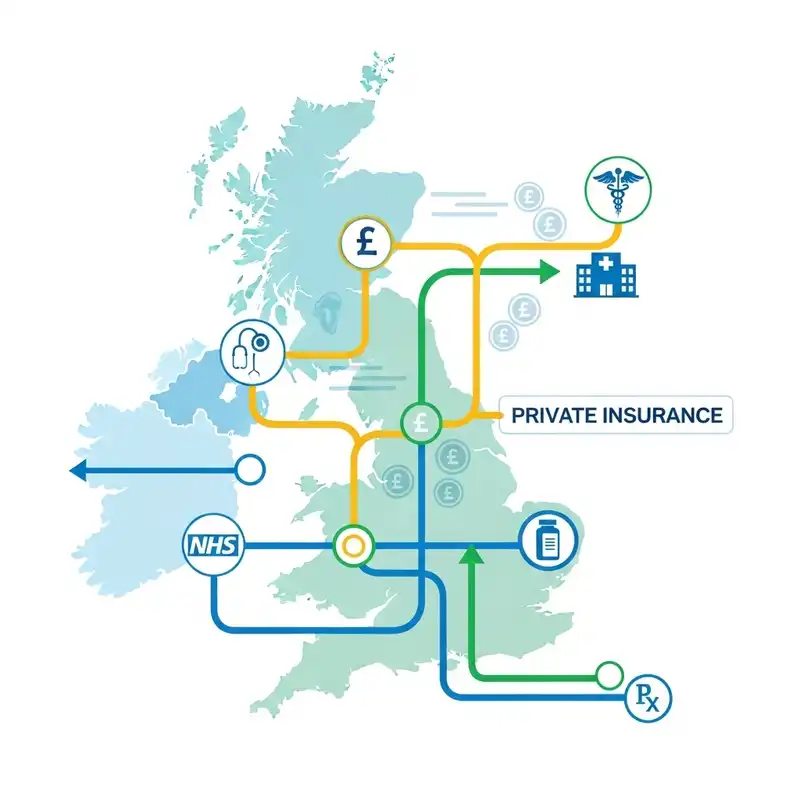
Safeguard your well-being and ensure seamless healthcare across the UK. Explore our regional private health insurance plans, designed with the WeCovr Resilience Framework for comprehensive, uninterrupted cover.
UK Private Health Insurance: Your Regional Health Continuity Plan – Insurer Pathways for Uninterrupted Elite Performance Across the UK (WeCovr Resilience Framework)
In today's dynamic professional landscape, where mobility is key and performance is paramount, maintaining optimal health is not merely a preference – it's a strategic imperative. For the discerning individual, the entrepreneur, the highly-valued employee, or the family navigating a demanding lifestyle, access to prompt, high-quality healthcare is the bedrock of sustained success. While the National Health Service (NHS) remains a cornerstone of British society, its inherent pressures can sometimes lead to delays that simply aren't compatible with an elite performance trajectory. This is where UK Private Health Insurance (PMI) steps in, transforming from a mere healthcare option into a vital "Regional Health Continuity Plan" – a core component of the robust "WeCovr Resilience Framework."
This comprehensive guide will delve into how private medical insurance provides an unparalleled pathway to uninterrupted health, offering peace of mind and strategic advantage across the United Kingdom. We'll explore its nuances, benefits, and how it empowers individuals to maintain peak performance, regardless of their geographical location within the UK.
The Imperative of Health Continuity in a Mobile UK Workforce
The modern professional often operates beyond fixed geographical boundaries. Projects might take them from London to Manchester, client meetings from Glasgow to Cardiff, or family commitments might necessitate temporary relocation. In this fluid environment, the consistency of healthcare access becomes a critical concern. Lingering health issues, diagnostic delays, or prolonged recovery periods can severely impact productivity, focus, and overall well-being.
The NHS, despite its dedication, faces well-documented challenges. As of April 2024, the NHS England waiting list for routine hospital treatment stood at 7.54 million people, with 309,300 patients waiting over 52 weeks for treatment. Similar pressures are observed across Scotland, Wales, and Northern Ireland. These figures, reported by NHS England, underscore a reality where urgent, but non-emergency, health needs can face significant delays, directly impinging on an individual's ability to maintain an "elite performance" standard.
- Impact of Delays:
- Reduced Productivity: Time spent waiting for appointments or treatments is time lost from work or personal pursuits.
- Increased Stress: Health anxieties can spill over into professional and personal life.
- Deterioration of Condition: Delays in diagnosis can lead to conditions worsening, requiring more intensive or prolonged treatment later.
- Loss of Earnings: For self-employed individuals, extended periods of ill-health can have direct financial consequences.
For those whose careers demand continuous peak performance, relying solely on a system with such inherent pressures introduces an unacceptable level of risk. A proactive approach to health, supported by a robust private medical insurance policy, becomes not just a luxury, but a strategic investment in one's capacity for sustained excellence. It’s about ensuring that when a health issue arises, the pathway to resolution is swift, seamless, and tailored to individual needs, allowing for minimal disruption and maximum recovery.
What is UK Private Health Insurance (PMI) and How Does it Differ from the NHS?
Private Medical Insurance (PMI), often simply called private health insurance, is a policy designed to cover the costs of private medical treatment for acute conditions that arise after the policy has begun. It provides an alternative or complementary pathway to the healthcare available through the NHS.
The Critical Distinction: Acute vs. Chronic & Pre-existing Conditions
This is perhaps the most crucial point to understand about UK private health insurance: standard PMI policies are designed to cover acute conditions, not chronic or pre-existing ones.
- Acute Conditions: These are illnesses, injuries, or diseases that respond quickly to treatment and are likely to resolve completely. Examples include a broken bone, appendicitis, an unexpected hernia, or a sudden onset of a treatable condition like cataracts.
- Chronic Conditions: These are long-term illnesses or conditions that require ongoing management and are unlikely to be cured. Examples include diabetes, asthma, arthritis, high blood pressure, or multiple sclerosis. PMI generally does not cover the ongoing treatment, monitoring, or medication for chronic conditions.
- Pre-existing Conditions: These are any medical conditions (or symptoms of conditions) that you had, or were aware of, before you took out your private health insurance policy. It is a non-negotiable rule that standard UK private medical insurance will not cover pre-existing conditions. This is a fundamental principle of how health insurance works, as it's designed for unforeseen future medical needs, not conditions you already have.
It is imperative that anyone considering PMI understands this distinction. While policies may offer some benefits related to chronic conditions (e.g., initial diagnosis or acute flare-ups of a chronic condition, depending on policy terms), the core purpose is for new, acute illnesses.
How PMI Enhances Your Healthcare Experience: Key Benefits
Once you understand the scope of cover, the benefits of PMI become clear, especially for those seeking to maintain high performance:
- Faster Access to Diagnosis and Treatment: Perhaps the most significant advantage. PMI typically allows you to bypass NHS waiting lists for non-emergency procedures. This means quicker specialist consultations, scans, and surgical interventions, leading to faster diagnosis and recovery.
- Choice of Consultant and Hospital: You often have the freedom to choose your specialist from a list of approved consultants and to select where you receive your treatment from a network of private hospitals. This empowers you to opt for practitioners renowned in their field or facilities best suited to your needs.
- Comfort and Privacy: Private hospitals typically offer private rooms with en-suite facilities, allowing for a more comfortable and dignified recovery environment. Visiting hours are often more flexible.
- Flexible Appointment Times: Private healthcare providers often offer a wider range of appointment times, including evenings and weekends, making it easier to fit medical appointments around a demanding work schedule.
- Access to Advanced Treatments and Drugs: Some policies may offer access to drugs, treatments, or technologies that are not yet routinely available on the NHS (though this varies significantly between insurers and policies).
- Extensive Networks: Leading insurers boast extensive networks of private hospitals and clinics across the UK, ensuring consistent access to care regardless of your current location.
Table: NHS vs. Private Health Insurance - A Comparison
| Feature | NHS (National Health Service) | Private Health Insurance (PMI) |
|---|---|---|
| Funding | Taxpayer-funded, free at the point of use | Paid for by monthly/annual premiums |
| Scope of Cover | Comprehensive, covers acute, chronic, pre-existing conditions (with varying access/wait times) | Primarily covers acute conditions arising after policy inception; excludes pre-existing and chronic conditions |
| Access Speed | Can involve significant waiting lists for non-emergency treatments | Typically offers much faster access to consultations, diagnostics, and treatment |
| Choice of Provider | Limited choice; usually assigned based on location/referral | Often allows choice of specialist and hospital from approved networks |
| Accommodation | Typically multi-bed wards | Usually private rooms with en-suite facilities |
| Appointment Flexibility | Limited; often during working hours | More flexible scheduling, including evenings/weekends, to suit busy lifestyles |
| Specialised Treatments | Access subject to NICE guidelines and availability | May offer access to newer drugs/treatments not yet routinely available on NHS (policy-dependent) |
| Regional Continuity | Access depends on local NHS trusts, can vary by region | Provides consistent access to private hospital networks across the UK, fostering seamless regional continuity |
| Cost to User | Free at point of use | Requires regular premium payments, potentially an excess on claims |
Navigating the UK PMI Landscape: Types of Cover and Underwriting
Understanding the different facets of PMI cover and how insurers assess your risk is crucial for making an informed decision.
Types of Private Health Insurance Cover
PMI policies are highly customisable, allowing you to tailor coverage to your specific needs and budget.
- Inpatient Only Cover: This is typically the most basic and therefore most affordable level of cover. It covers treatment received when you are admitted to a hospital bed overnight, including surgery, hospital charges, and specialist fees. It generally does not cover outpatient consultations, diagnostic tests (like MRI/CT scans), or physiotherapy unless they directly lead to an inpatient admission.
- Outpatient Cover (Full or Limited):
- Full Outpatient Cover: This extends your policy to cover consultations with specialists, diagnostic tests (e.g., blood tests, X-rays, MRI scans, CT scans), and sometimes therapies (like physiotherapy, osteopathy) without requiring an inpatient stay. This is a very popular option as it often enables faster diagnosis.
- Limited Outpatient Cover: Some policies offer a monetary limit on outpatient costs. Once this limit is reached, you would need to fund further outpatient treatment yourself until an inpatient admission is required.
- Mental Health Cover: With increasing awareness of mental well-being, many PMI policies now offer comprehensive mental health benefits. This can include:
- Consultations with psychiatrists or psychologists.
- Access to talking therapies (CBT, counselling).
- Inpatient psychiatric treatment. Coverage levels vary, so it's essential to check the specifics if this is a priority.
- Cancer Cover: While general cancer care is provided by the NHS, PMI cancer cover often provides benefits such as:
- Access to a wider range of drugs, including those not yet fully approved or routinely funded by the NHS.
- Choice of consultant and private hospital for treatment.
- Faster access to diagnostics, chemotherapy, radiotherapy, and surgical procedures.
- Post-treatment support and palliative care. This is a highly valued component for many policyholders.
- Therapies (Physiotherapy, Osteopathy, Chiropractic): These are often included as standard or as an add-on. They provide cover for physical therapies following an injury or illness, crucial for a swift and effective recovery.
- Optical and Dental Cover: These are typically optional add-ons, functioning more like cash plans or dental insurance than traditional PMI. They provide a fixed allowance towards routine check-ups, glasses, contact lenses, dental examinations, and some treatments.
- Wellness Benefits: Increasingly, insurers are offering benefits aimed at preventative health, such as discounts on gym memberships, health assessments, or access to virtual GP services.
Underwriting Methods: How Insurers Assess Your Health History
When you apply for PMI, the insurer needs to understand your medical history to determine what they can and cannot cover. This process is called underwriting.
-
Full Medical Underwriting (FMU):
- Process: You complete a comprehensive medical questionnaire, often requiring details of your entire medical history. The insurer may also contact your GP for further information.
- Outcome: The insurer provides clear terms upfront, detailing any specific exclusions for pre-existing conditions. This means you know precisely what is and isn't covered from day one.
- Pros: Certainty regarding cover; can sometimes be more competitive on price if you have a very clean medical history.
- Cons: More upfront paperwork; can take longer to set up.
-
Moratorium Underwriting:
- Process: You generally don't need to provide a detailed medical history upfront. Instead, the insurer applies a standard set of rules. For a specified period (typically 12 or 24 months from policy inception), any medical condition (or symptom of a condition) you've had in the last five years is automatically excluded.
- Outcome: If you go symptom-free for that moratorium period, the condition may then become covered. If you claim for a condition during the moratorium period, the insurer will investigate your medical history to see if it's a pre-existing condition.
- Pros: Simpler and faster to set up initially.
- Cons: Less certainty about cover for a claim related to past conditions until after the moratorium period; can lead to unexpected exclusions if you claim too soon.
-
Continued Personal Medical Exclusions (CPME):
- Process: This method is typically used when switching from an existing PMI policy to a new one. It allows you to transfer your existing underwriting terms, meaning any conditions that were covered by your previous policy will continue to be covered by the new one, even if they would normally be excluded as pre-existing conditions under new underwriting.
- Outcome: Provides seamless transition and continuity of cover when changing insurers.
- Pros: Ideal for maintaining cover for conditions that might otherwise become excluded when switching.
- Cons: Only available if you have an existing PMI policy with similar underwriting.
Crucial Note on Exclusions: Regardless of the underwriting method, it's vital to be entirely honest about your medical history. Failure to disclose relevant information can lead to claims being denied or your policy being cancelled. Standard exclusions for pre-existing and chronic conditions will always apply unless a specific agreement or rider is added (which is rare for chronic conditions and usually involves significant additional premiums for very specific acute flare-ups of chronic conditions, but never the chronic condition itself).
The "WeCovr Resilience Framework": Ensuring Uninterrupted Elite Performance
The concept of "uninterrupted elite performance" extends beyond physical health; it encompasses mental well-being, strategic clarity, and the ability to operate at peak capacity without undue stress or distraction. The "WeCovr Resilience Framework" identifies private medical insurance as a cornerstone of this resilience, offering a proactive solution to health challenges that could otherwise derail your progress.
Regional Coverage: A Seamless Healthcare Network Across the UK
One of the most powerful advantages of PMI, particularly for mobile professionals, is its inherent regional flexibility. Unlike relying on specific local NHS trusts, a private medical insurance policy unlocks a national network of healthcare providers.
- Access to a UK-wide Network: Major insurers partner with private hospitals, clinics, and specialists across England, Scotland, Wales, and Northern Ireland. This means that if you're based in Edinburgh but need treatment while on assignment in Bristol, your policy remains valid, allowing you to access approved facilities in the Bristol area.
- Flexibility for Relocation or Travel: For individuals or families who frequently travel for business or leisure within the UK, or those considering relocating, PMI ensures that healthcare continuity is never compromised. Your access to high-quality care isn't tied to a specific postcode.
- Unified Policy, Consistent Standards: Rather than navigating different regional health systems, your single PMI policy provides consistent access to care standards, comfort, and choice, irrespective of your current UK location. This reduces administrative burden and stress during a potentially vulnerable time.
Speed & Efficiency: The Direct Link to Maintaining Productivity
In the pursuit of elite performance, time is often the most valuable commodity. Delays in healthcare translate directly into lost time, reduced output, and increased anxiety.
- Prompt Diagnostics: With PMI, you can often get an appointment for an MRI, CT scan, or specialist consultation within days, not weeks or months. Rapid diagnosis is crucial for effective treatment planning and preventing conditions from worsening.
- Swift Treatment Pathways: Once diagnosed, treatment can often commence quickly. This minimises downtime, allowing for a faster return to full capacity, whether that means back to the office, the sports field, or personal projects.
- Reduced Stress, Enhanced Focus: The knowledge that you have rapid access to high-quality care significantly reduces the mental burden associated with health concerns. This frees up cognitive capacity, allowing you to focus on your core professional and personal objectives.
Choice & Control: Empowering Your Healthcare Decisions
The ability to choose empowers individuals to tailor their healthcare journey to their specific needs, a critical aspect for those accustomed to making strategic decisions.
- Choosing Your Specialist: Many policies allow you to select your consultant from an approved list. This enables you to research specialists with particular expertise in your condition, ensuring you receive care from someone you trust.
- Selecting Your Hospital: You can often choose from a range of private hospitals within your insurer's network, allowing you to opt for a facility known for its patient care, specific equipment, or convenient location.
- Personalised Care: The private healthcare setting often allows for more one-on-one time with medical professionals, fostering a more personalised and holistic approach to your care.
At WeCovr, we understand the nuances of regional healthcare access and work tirelessly to connect our clients with policies that offer seamless continuity, no matter where their commitments take them across the UK. We believe that your health plan should be as dynamic and flexible as your lifestyle, providing a true "Resilience Framework" against unexpected health challenges.
Choosing the Right Policy: Key Considerations for Your Health Continuity Plan
Selecting the ideal private health insurance policy requires careful consideration of your individual circumstances, priorities, and budget. It’s not a one-size-fits-all solution.
1. Needs Assessment: What Level of Cover Do You Truly Need?
- Individual vs. Family vs. Corporate: Are you seeking cover for yourself, your partner, your children, or a wider employee base? Family policies often offer discounts, while corporate schemes can provide comprehensive benefits.
- Scope of Cover (Inpatient Only vs. Outpatient): Do you prioritise basic inpatient care for major procedures, or do you need comprehensive cover including outpatient consultations and diagnostics? The latter is usually more expensive but offers broader peace of mind and faster access to early diagnosis.
- Specific Requirements: Do you have a particular concern, such as mental health support, extensive cancer cover, or physiotherapy? Ensure these are explicitly covered or available as an add-on.
2. Budget: Balancing Cost and Comprehensive Protection
- Premiums: These are the regular payments you make to the insurer. They are influenced by age, postcode, lifestyle, chosen cover level, and medical history.
- Excess: This is the amount you agree to pay towards a claim before the insurer pays the rest. A higher excess typically leads to lower premiums.
- No-Claims Discount (NCD): Similar to car insurance, many PMI policies offer NCDs, rewarding you for not making claims. This can significantly reduce your premiums over time.
- Payment Options: Most insurers offer monthly or annual payment options. Paying annually often comes with a slight discount.
3. Insurer Networks: Accessing Your Preferred Providers
- Hospital Lists: Different insurers have different networks of private hospitals and clinics. Check if your preferred hospitals or a suitable range of facilities in your common locations (home, work, frequent travel destinations) are included in the insurer's network. Some policies have 'guided' or 'full' hospital lists, impacting premium costs.
- Consultant Access: Ensure the insurer works with a wide array of specialists in your area of interest.
4. Policy Wording: Understanding the Small Print (Crucial!)
- Exclusions: Pay meticulous attention to what is not covered. As reiterated, standard PMI will not cover pre-existing conditions or chronic conditions. However, there may be other general exclusions (e.g., cosmetic surgery, fertility treatment, specific experimental treatments).
- Benefit Limits: Check if there are any monetary limits on specific benefits (e.g., outpatient consultations, therapies, mental health).
- Waiting Periods: Some policies have initial waiting periods before you can claim for certain conditions.
- Renewal Terms: Understand how premiums are calculated at renewal and if the policy terms can change.
5. The Value of an Expert Broker: The WeCovr Advantage
Navigating the complexities of the UK private health insurance market can be daunting. With numerous insurers, varying policy terms, and different underwriting methods, it's easy to become overwhelmed. This is where an independent expert broker like WeCovr becomes invaluable.
- Unbiased Advice: As independent brokers, we work for you, not the insurance companies. Our advice is impartial and tailored to your specific needs.
- Market Access: We have access to policies from all major UK insurers (e.g., Bupa, Aviva, AXA Health, Vitality, WPA, National Friendly, Freedom Health Insurance, The Exeter). This allows us to compare and contrast options, finding the best fit for your requirements and budget.
- Simplifying Complexity: We translate complex policy jargon into understandable terms, ensuring you fully comprehend what you're buying.
- Needs Matching: We take the time to understand your lifestyle, health priorities, and budget to recommend the most suitable policies that align with your "Regional Health Continuity Plan."
- Ongoing Support: Our relationship doesn't end once you've purchased a policy. We're here to assist with queries, claims, and renewals.
At WeCovr, we pride ourselves on our deep market knowledge and our ability to simplify the complex world of health insurance for you. We compare plans from all major UK insurers to ensure you find the perfect fit for your regional health continuity needs.
Demystifying Costs: Understanding PMI Premiums and Value
The cost of private health insurance is often a primary concern for potential policyholders. While it represents a significant financial outlay for many, it's essential to view it not merely as an expense, but as a strategic investment in your health, productivity, and peace of mind.
Factors Affecting Premiums
Several key variables influence the premium you'll pay for your private health insurance:
- Age: This is arguably the most significant factor. As you age, the likelihood of developing health conditions increases, leading to higher premiums. Premiums typically increase year-on-year.
- Location (Postcode): Healthcare costs vary geographically. Premiums in areas with higher private healthcare costs (e.g., London and the South East) tend to be higher than in regions with lower costs.
- Level of Cover Chosen: As discussed, inpatient-only cover is cheaper than comprehensive cover that includes outpatient consultations, diagnostics, mental health, and extensive cancer cover. More benefits equal higher premiums.
- Excess: Opting for a higher excess (the amount you pay towards a claim) will reduce your annual premium.
- Underwriting Method: While less impactful than age or cover level, the underwriting method chosen can influence your initial premium, particularly if specific exclusions are applied upfront (Full Medical Underwriting).
- Medical History: For Full Medical Underwriting, a history of certain conditions might lead to specific exclusions or, in some cases, an increased premium if the insurer deems the risk higher for a potentially related acute condition.
- No-Claims Discount (NCD): A high NCD can significantly reduce your premium. However, making a claim will reduce your NCD, leading to higher premiums at renewal.
- Add-ons: Including optional benefits like optical, dental, or travel insurance will increase the overall cost.
- Lifestyle: While less direct than in life insurance, some insurers (e.g., Vitality) incorporate lifestyle factors like activity levels and healthy habits into their pricing models, offering rewards or discounts.
Table: Illustrative Premium Variations (Monthly, UK Average, 2024 Estimates)
- Please note: These are highly generalised estimates for illustrative purposes only. Actual premiums will vary significantly based on individual factors and chosen insurer.
| Profile | Location | Cover Level | Excess | Estimated Monthly Premium Range (£) |
|---|---|---|---|---|
| Healthy 30-year-old | North West | Inpatient Only | £250 | £25 - £40 |
| Healthy 30-year-old | London | Comprehensive | £100 | £60 - £90 |
| Healthy 45-year-old | Midlands | Comprehensive | £250 | £70 - £110 |
| Healthy 45-year-old (with partner) | South East | Comprehensive | £100 | £140 - £220 |
| Healthy 60-year-old | Scotland | Inpatient & Outpatient | £500 | £120 - £180 |
| Family (2 adults, 2 children, aged 40 & 10) | Average UK | Comprehensive | £0 | £180 - £300+ |
The Value Proposition: Expense or Investment?
Considering the average cost of private treatment without insurance, the value of PMI becomes starkly clear. For example, a hip replacement can cost upwards of £12,000-£15,000 privately, while a simple MRI scan might be £400-£800. An unexpected surgical procedure could run into many thousands of pounds.
From an "elite performance" perspective, PMI is an investment in:
- Minimising Downtime: The cost of lost productivity, reduced earnings, or missed opportunities due to health delays can far outweigh the annual premium.
- Maintaining Focus: Removing health anxieties allows individuals to concentrate fully on their professional and personal goals.
- Control and Choice: The ability to choose your care provider and receive treatment at your convenience adds immense value beyond monetary terms.
- Peace of Mind: Knowing you have a safety net for unforeseen acute health issues provides invaluable psychological comfort.
For individuals and businesses serious about continuous high performance, private health insurance is not a luxury, but a strategic tool for risk management and sustained excellence.
Navigating a Claim: The Pathway to Swift Recovery
Understanding the claims process is vital for ensuring you can fully utilise your PMI when needed. It’s typically a straightforward process, designed to facilitate your access to care efficiently.
-
Initial Consultation with Your NHS GP:
- Even with private health insurance, your journey often begins with your NHS GP.
- Explain your symptoms and express your desire to be treated privately.
- Your GP will assess your condition and, if appropriate, provide an "open referral" letter to a private specialist or recommend a specific consultant. This referral is crucial as insurers typically require it.
-
Contact Your Insurer for Pre-authorisation:
- Before any consultation, diagnostic tests, or treatment, you must contact your PMI provider.
- Provide them with details of your symptoms, your GP's referral, and the specialist you intend to see (if you have one in mind).
- The insurer will confirm if your condition is covered under your policy and provide you with an authorisation code. This code confirms that they will cover the eligible costs.
- Crucial Reminder: This is where the pre-existing and chronic condition exclusions come into play. If your condition is deemed pre-existing or chronic, your claim will likely be declined at this stage. Insurers will investigate your medical history to make this determination.
-
Consultation and Diagnostics:
- Once authorised, you can book your private consultation with the specialist.
- The specialist may recommend further diagnostic tests (e.g., MRI, blood tests).
- For these tests, you'll need to re-confirm authorisation with your insurer, though often the initial authorisation covers the pathway of care if the specialist deems it necessary.
-
Treatment and Follow-up:
- If treatment (e.g., surgery, physiotherapy) is recommended, your specialist will provide a treatment plan and estimated costs.
- You will again need to submit this to your insurer for pre-authorisation. They will confirm coverage and provide a new authorisation code.
- The private hospital or clinic will typically "direct bill" your insurer for eligible costs, meaning you only pay your excess (if applicable) directly to the facility.
- Follow-up appointments and post-operative care will also require authorisation.
What if a Claim is Denied?
A claim denial can be frustrating, but it's important to understand the common reasons:
- Pre-existing Condition: The most frequent reason. If the insurer determines the condition (or symptoms of it) existed before you took out the policy, it will be excluded.
- Chronic Condition: Standard PMI does not cover chronic conditions.
- Exclusion on Your Policy: Specific exclusions might have been applied to your policy during underwriting (e.g., for a past injury or illness that's not strictly pre-existing but was noted).
- Benefit Limits Reached: You may have exceeded the monetary limit for a specific benefit (e.g., outpatient consultations).
- Lack of Pre-authorisation: Failing to get authorisation before incurring costs can lead to claims being rejected.
- Treatment Not Covered: Certain treatments (e.g., purely cosmetic, fertility treatment, experimental therapies) are generally excluded.
If a claim is denied, you have the right to appeal the decision. Understanding your policy wording and seeking advice from an expert broker like WeCovr can be invaluable in these situations. We can help you interpret policy terms and liaise with the insurer on your behalf.
PMI and Mental Wellbeing: A Critical Component of Elite Performance
In an era where mental health is increasingly recognised as integral to overall well-being and productivity, the inclusion of mental health support within private medical insurance has become a significant benefit. For individuals striving for "elite performance," mental resilience is as crucial as physical health.
Historically, mental health coverage in PMI was limited, but there has been a significant shift in recent years. Many leading insurers now offer comprehensive mental health benefits, reflecting the growing understanding of the impact of conditions like stress, anxiety, and depression on individuals and the economy.
- Statistics Highlight the Need:
- The Centre for Mental Health estimates that mental ill-health costs the UK economy at least £118 billion annually.
- The Mental Health Foundation reports that 1 in 4 people in the UK experience a mental health problem each year.
- The Stevenson/Farmer review (2017) highlighted that poor mental health costs UK employers between £33 billion and £42 billion annually. These figures underscore the pervasive nature and economic impact of mental health issues.
How PMI Supports Mental Wellbeing:
- Faster Access to Specialists: The NHS, while providing excellent mental health services, often has long waiting lists for talking therapies and psychiatric consultations. PMI can significantly reduce these waiting times, allowing for prompt intervention.
- Choice of Professionals: You can often choose from a network of accredited psychiatrists, psychologists, and therapists, enabling you to find a practitioner whose approach aligns with your needs.
- Range of Therapies: Cover typically includes a variety of talking therapies such as Cognitive Behavioural Therapy (CBT), counselling, psychotherapy, and dialectical behaviour therapy (DBT), depending on the policy.
- Inpatient Treatment: For more severe conditions requiring hospitalisation, some policies offer cover for inpatient psychiatric care in a private facility, providing a supportive and private environment for recovery.
- Digital and Virtual Support: Many insurers now integrate digital mental health tools, helplines, and virtual consultations, making it easier to access support discreetly and conveniently, which is particularly beneficial for busy professionals.
Important Considerations for Mental Health Cover:
- Scope of Cover: Always check the specific policy wording. Some policies may have limits on the number of sessions, the type of therapy covered, or exclude certain conditions (e.g., drug and alcohol dependency).
- Pre-existing Conditions: As with physical health, pre-existing mental health conditions are generally not covered. However, some insurers may offer limited cover for acute episodes of a pre-existing condition, or for conditions that have been symptom-free for a certain period.
- Referral Pathways: A GP referral is usually required for access to mental health specialists through your PMI.
For the modern professional, acknowledging and addressing mental health challenges is a sign of strength and strategic foresight. Integrating robust mental health coverage into your private health insurance plan ensures that you have comprehensive support, reinforcing your overall "WeCovr Resilience Framework" and enabling truly uninterrupted elite performance.
Future Trends in UK Private Health Insurance
The landscape of healthcare and insurance is constantly evolving, driven by technological advancements, changing consumer demands, and pressures on public health systems. The UK private health insurance market is no exception, with several key trends shaping its future.
-
Digital Health Integration and Telemedicine:
- The pandemic significantly accelerated the adoption of virtual GP consultations (telemedicine). This trend is set to continue, offering convenience and rapid access to initial medical advice.
- Insurers are increasingly integrating health apps, wearables, and digital platforms for symptom checkers, remote monitoring, and proactive health management. This allows for greater personalisation and engagement with policyholders' health.
- This aligns perfectly with the "regional continuity" aspect, allowing individuals to access medical advice wherever they are.
-
Focus on Preventative Health and Wellness Programmes:
- Moving beyond just covering treatment, insurers are shifting towards a more holistic approach that includes preventing illness and promoting wellness.
- This involves partnerships with gyms, offering discounts on healthy food, providing access to health assessments, and incentivising healthy behaviours through rewards programmes (e.g., Vitality's model).
- The aim is to keep policyholders healthy, reducing the likelihood of claims and contributing to overall societal well-being. This is a clear benefit for "elite performance" individuals focused on longevity and sustained capability.
-
Personalisation of Policies and Dynamic Pricing:
- Expect greater flexibility in policy customisation, allowing individuals to truly build a plan that fits their specific needs rather than choosing from rigid tiers.
- Data analytics and AI could lead to more dynamic pricing models, potentially offering more granular risk assessment and personalised premiums based on real-time health data (with appropriate data privacy safeguards).
-
Impact of NHS Pressures and Hybrid Models:
- Continued strain on the NHS is likely to drive more individuals and businesses towards PMI for faster access.
- We may see the emergence of more "hybrid" models where PMI complements NHS care rather than entirely replacing it. For example, covering only diagnosis privately, with treatment potentially reverting to the NHS, or specific pathways for conditions that have excessively long NHS waiting lists.
-
Enhanced Mental Health and Chronic Condition Management:
- The robust growth in mental health cover is set to continue, with more sophisticated offerings and broader access to diverse therapies.
- While standard PMI will likely continue to exclude chronic conditions, there might be innovations in managing acute flare-ups of chronic conditions or providing support services (e.g., dietary advice, physiotherapy) to help manage existing conditions and prevent complications, even if the core condition isn't covered.
These trends indicate a future where private health insurance is not just a safety net for illness, but an active partner in maintaining holistic well-being and peak performance, adapting to the evolving needs of the modern UK professional.
The WeCovr Advantage: Your Partner in Health Resilience
Choosing private health insurance is a significant decision, and the market's complexity can be overwhelming. This is precisely where WeCovr excels as your expert independent broker. Our mission is to simplify this process, offering clarity, choice, and confidence in your health protection strategy.
Why partner with WeCovr for your Regional Health Continuity Plan?
- Unbiased, Expert Advice: Unlike agents who work for a single insurer, we are completely independent. Our priority is your best interest. We provide impartial advice, helping you understand the pros and cons of different policies from a wide range of leading UK insurers. We don't push one product over another; we find the one that fits you.
- Comprehensive Market Access: We have established relationships with all major UK private health insurers. This means we can search the entire market to compare plans, coverage levels, hospital networks, and pricing, ensuring you get the most competitive and suitable option available. This includes:
- Bupa
- Aviva
- AXA Health
- Vitality
- WPA
- The Exeter
- Freedom Health Insurance
- National Friendly
- And many more niche providers.
- Tailored Solutions for Elite Performance: We understand the unique demands of high-performing individuals and mobile professionals. We delve into your specific needs – your travel patterns, family structure, health priorities, and budget – to craft a health continuity plan that genuinely supports your "uninterrupted elite performance" across the UK, aligning with the WeCovr Resilience Framework.
- Simplifying Complexity: Policy wordings can be dense, filled with jargon and intricate clauses. We act as your translator, demystifying the terms and conditions, highlighting key benefits, and, crucially, making sure you fully grasp what is (and isn't) covered, especially regarding pre-existing and chronic conditions.
- Ongoing Support and Relationship: Our service doesn't end once you've purchased a policy. We believe in building lasting relationships. We are here to assist with:
- Claims Guidance: Offering advice and support should you need to make a claim.
- Policy Reviews: Regularly reviewing your policy at renewal to ensure it still meets your needs and to explore new market offerings.
- Market Insights: Keeping you informed about the latest trends and changes in the health insurance landscape.
- Time and Cost Efficiency: Researching and comparing policies independently is incredibly time-consuming. We do the heavy lifting for you, saving you valuable time. Furthermore, because we have access to the entire market, we can often find deals or configurations you might miss on your own, potentially saving you money in the long run.
As expert independent brokers, we pride ourselves on our deep market knowledge and our ability to simplify the complex world of health insurance for you. We compare plans from all major UK insurers to ensure you find the perfect fit for your regional health continuity needs, empowering you to sustain your success and well-being.
Conclusion
In a world that demands continuous excellence and agility, your health is your most valuable asset. The traditional reliance solely on public healthcare, while vital, may not always align with the imperative for rapid access, choice, and seamless regional continuity required by today's high-performing individuals.
UK Private Health Insurance, when understood correctly as a sophisticated tool for managing unforeseen acute health challenges, transforms into an indispensable "Regional Health Continuity Plan." It provides the peace of mind that, should an unexpected illness or injury occur, you have access to prompt diagnosis, swift treatment, and the comfort of private care, anywhere across the UK. This proactive approach to health forms the bedrock of the "WeCovr Resilience Framework," ensuring that your journey towards uninterrupted elite performance remains firmly on track.
Remember, standard PMI is designed for new, acute conditions that arise after your policy begins, and it categorically does not cover pre-existing or chronic conditions. Understanding this fundamental principle is key to harnessing the power of private medical insurance effectively.
Investing in private health insurance is investing in your future productivity, your mental clarity, and your overall capacity to thrive. It’s about being prepared, proactive, and empowered. Don't leave your most valuable asset to chance.
Take the proactive step today to explore how a tailored private health insurance policy can bolster your health resilience. Contact WeCovr, your trusted independent expert broker, to compare plans from all major UK insurers and discover the perfect health continuity solution for you. Your journey to uninterrupted elite performance starts with a robust health plan.
Why private medical insurance and how does it work?
What is Private Medical Insurance?
Private medical insurance (PMI) is a type of health insurance that provides access to private healthcare services in the UK. It covers the cost of private medical treatment, allowing you to bypass NHS waiting lists and receive faster, more convenient care.How does it work?
Private medical insurance works by paying for your private healthcare costs. When you need treatment, you can choose to go private and your insurance will cover the costs, subject to your policy terms and conditions. This can include:• Private consultations with specialists
• Private hospital treatment and surgery
• Diagnostic tests and scans
• Physiotherapy and rehabilitation
• Mental health treatment
Your premium depends on factors like your age, health, occupation, and the level of cover you choose. Most policies offer different levels of cover, from basic to comprehensive, allowing you to tailor the policy to your needs and budget.
Questions to ask yourself regarding private medical insurance
Just ask yourself:👉 Are you concerned about NHS waiting times for treatment?
👉 Would you prefer to choose your own consultant and hospital?
👉 Do you want faster access to diagnostic tests and scans?
👉 Would you like private hospital accommodation and better food?
👉 Do you want to avoid the stress of NHS waiting lists?
Many people don't realise that private medical insurance is more affordable than they think, especially when you consider the value of faster treatment and better facilities. A great insurance policy can provide peace of mind and ensure you receive the care you need when you need it.
Benefits offered by private medical insurance
Private medical insurance provides numerous benefits that can significantly improve your healthcare experience and outcomes:Faster Access to Treatment
One of the biggest advantages is avoiding NHS waiting lists. While the NHS provides excellent care, waiting times can be lengthy. With private medical insurance, you can often receive treatment within days or weeks rather than months.
Choice of Consultant and Hospital
You can choose your preferred consultant and hospital, giving you more control over your healthcare journey. This is particularly important for complex treatments where you want a specific specialist.
Better Facilities and Accommodation
Private hospitals typically offer superior facilities, including private rooms, better food, and more comfortable surroundings. This can make your recovery more pleasant and potentially faster.
Advanced Treatments
Private medical insurance often covers treatments and medications not available on the NHS, giving you access to the latest medical advances and technologies.
Mental Health Support
Many policies include comprehensive mental health coverage, providing faster access to therapy and psychiatric care when needed.
Tax Benefits for Business Owners
If you're self-employed or a business owner, private medical insurance premiums can be tax-deductible, making it a cost-effective way to protect your health and your business.
Peace of Mind
Knowing you have access to private healthcare when you need it provides invaluable peace of mind, especially for those with ongoing health conditions or concerns about NHS capacity.
Private medical insurance is particularly valuable for those who want to take control of their healthcare journey and ensure they receive the best possible treatment when they need it most.
Important Fact!
We can look at a more suitable option mid-term!
Why is it important to get private medical insurance early?
👉 Many people are very thankful that they had their private medical insurance cover in place before running into some serious health issues. Private medical insurance is as important as life insurance for protecting your family's finances.👉 We insure our cars, houses, and even our phones! Yet our health is the most precious thing we have.
Easily one of the most important insurance purchases an individual or family can make in their lifetime, the decision to buy private medical insurance can be made much simpler with the help of FCA-authorised advisers. They are the specialists who do the searching and analysis helping people choose between various types of private medical insurance policies available in the market, including different levels of cover and policy types most suitable to the client's individual circumstances.
It certainly won't do any harm if you speak with one of our experienced insurance experts who are passionate about advising people on financial matters related to private medical insurance and are keen to provide you with a free consultation.
You can discuss with them in detail what affordable private medical insurance plan for the necessary peace of mind they would recommend! WeCovr works with some of the best advisers in the market.
By tapping the button below, you can book a free call with them in less than 30 seconds right now:
Our Group Is Proud To Have Issued 800,000+ Policies!
We've established collaboration agreements with leading insurance groups to create tailored coverage
























How It Works
1. Complete a brief form

2. Our experts analyse your information and find you best quotes

3. Enjoy your protection!

Any questions?
Learn more

Who Are WeCovr?
WeCovr is an insurance specialist for people valuing their peace of mind and a great service.👍 WeCovr will help you get your private medical insurance, life insurance, critical illness insurance and others in no time thanks to our wonderful super-friendly experts ready to assist you every step of the way.
Just a quick and simple form and an easy conversation with one of our experts and your valuable insurance policy is in place for that needed peace of mind!