UK Private Health Insurance: Rural Access Solutions
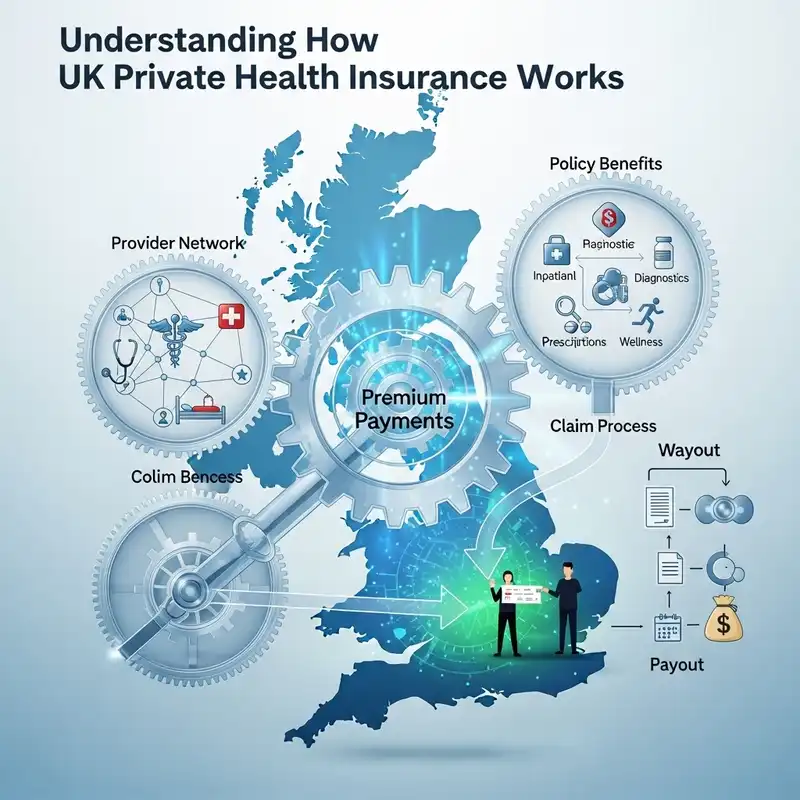
Bridging the Rural Divide: How UK Private Health Insurance Expands Access Through Telemedicine and Mobile Specialist Care
UK Private Health Insurance Bridging Rural Access Gaps with Telemedicine & Mobile Specialist Care
The idyllic charm of rural Britain often masks a significant challenge: access to timely and comprehensive healthcare. While the National Health Service (NHS) strives to provide universal care, geographical distances, limited local resources, and growing waiting lists can create substantial barriers for those living outside urban centres. This is where the landscape of private health insurance (PMI) is evolving, offering innovative solutions through telemedicine and mobile specialist care to help bridge these access gaps.
This comprehensive guide will delve into how private medical insurance, increasingly integrated with digital and mobile healthcare services, is empowering rural residents to access expert medical attention with greater ease and speed. We will explore the unique challenges faced by rural communities, the fundamental principles of UK PMI, and the transformative roles of telemedicine and mobile specialist care in redefining healthcare accessibility across the countryside.
The Rural Healthcare Landscape in the UK: A Web of Challenges
Life in rural areas, while appealing for its tranquility and connection to nature, presents a distinct set of healthcare challenges that urban dwellers rarely encounter. These issues can significantly impact health outcomes and overall quality of life.
Geographic Isolation and Travel Burdens
One of the most immediate problems is sheer distance. Many rural communities are miles from the nearest hospital, diagnostic centre, or specialist clinic. This leads to:
- Extended Travel Times: A simple GP appointment, let alone a specialist consultation, can involve hours of driving, often on winding country roads.
- High Transport Costs: Fuel expenses, bus fares, or taxi charges can accumulate, making regular appointments a financial burden. For many, private car ownership is essential, yet not universal.
- Limited Public Transport: Public transport links in rural areas are often infrequent, non-existent, or poorly connected, rendering access to healthcare facilities challenging for those without private vehicles or the ability to drive.
- Accessibility for Vulnerable Groups: Elderly residents, those with disabilities, or individuals without access to a car face amplified difficulties. Arranging transport can be a major source of stress and delay.
Scarcity of Local Healthcare Professionals and Facilities
Rural areas typically suffer from a lower density of healthcare professionals and fewer facilities compared to their urban counterparts.
- Fewer GPs per Capita: Data consistently shows a disparity in the number of General Practitioners. Rural practices often struggle with recruitment and retention, leading to larger patient lists and increased pressure on existing staff. This translates to longer waits for routine appointments.
- Limited Specialist Services: Access to specialists like dermatologists, orthopaedics, or cardiologists usually necessitates travel to larger towns or cities, exacerbating the travel burden.
- Reduced Diagnostic Capabilities: Rural clinics may lack advanced diagnostic equipment, meaning patients must travel elsewhere for scans, X-rays, or specific blood tests.
- NHS Waiting List Pressures: While an issue nationwide, the compounded effects of fewer local resources and higher demand can mean rural patients experience longer waiting times for elective procedures or specialist consultations on the NHS. As of January 2024, the total NHS waiting list for routine hospital treatment stood at 7.58 million, with particular pressures on specialties such as orthopaedics and ophthalmology.
Demographic Trends and Health Needs
Rural populations often skew older, which brings its own set of healthcare demands.
- Higher Prevalence of Chronic Conditions: An older population naturally has a higher incidence of age-related chronic conditions like arthritis, heart disease, and diabetes, requiring more frequent medical attention and ongoing management.
- Mobility Issues: Age and chronic conditions can lead to reduced mobility, making travel to appointments even more arduous and, in some cases, impossible without assistance.
- Social Isolation: Older individuals in rural settings may experience greater social isolation, which can negatively impact mental health and make it harder to access support services.
Impact on Health Outcomes
The cumulative effect of these challenges can be significant:
- Delayed Diagnosis: Patients might postpone seeking medical advice due to travel difficulties or long waits, leading to conditions being diagnosed at a more advanced stage.
- Poorer Management of Chronic Conditions: Irregular access to specialists or diagnostic tests can hinder effective management of long-term health issues.
- Increased Health Inequalities: The sum of these factors contributes to health inequalities between rural and urban populations, creating a "postcode lottery" for healthcare access.
The pressures on the NHS mean that, while it remains a cornerstone of British healthcare, exploring complementary solutions like private medical insurance, especially those leveraging modern technology, is becoming increasingly pertinent for rural residents seeking timely and convenient access to care.
Understanding UK Private Health Insurance (PMI)
Private Medical Insurance (PMI), often simply called private health insurance, serves as a crucial complement to the NHS, offering an alternative pathway to healthcare for specific types of conditions. It's vital to understand its core purpose and what it typically covers.
The Core Purpose: Acute Conditions Only
The fundamental principle of UK PMI is that it is designed to cover the costs of private medical treatment for acute conditions that arise after your policy begins.
An acute condition is generally defined as a disease, illness or injury that is likely to respond quickly to treatment and enable you to return to your previous state of health. Examples include a broken bone, a new diagnosis of appendicitis, or a sudden onset of back pain requiring investigation.
Critical Constraint: No Cover for Chronic or Pre-Existing Conditions
This is perhaps the most important point to grasp about UK private health insurance:
Standard UK private medical insurance policies DO NOT cover chronic conditions. A chronic condition is a disease, illness or injury that has one or more of the following characteristics:
- It continues indefinitely.
- It has no known cure.
- It comes back or is likely to come back.
- It needs long-term monitoring, consultations, check-ups, examinations or tests.
- It needs long-term medicines or pain relief.
Examples of chronic conditions include diabetes, asthma, hypertension (high blood pressure), epilepsy, most forms of cancer (once diagnosed and requiring ongoing management), and degenerative conditions like arthritis. While some policies might cover acute flare-ups of a chronic condition or new treatments, the ongoing management of the chronic condition itself is typically excluded.
Furthermore, standard PMI policies DO NOT cover pre-existing conditions. A pre-existing condition is any disease, illness or injury for which you have received medication, advice or treatment, or experienced symptoms, before the start date of your policy. This is a non-negotiable rule across the vast majority of standard UK PMI plans. This means if you have, for example, had knee pain and seen a doctor about it before you took out the policy, any future treatment for that knee pain would likely be excluded.
It is paramount that potential policyholders understand these limitations to avoid disappointment. PMI is for new, curable conditions, not for ongoing management of long-term health issues or conditions you already have.
Benefits of Private Medical Insurance for Acute Conditions
Despite these exclusions, PMI offers significant advantages for acute conditions:
- Reduced Waiting Times: One of the primary attractions of PMI is the ability to bypass NHS waiting lists for specialist consultations, diagnostic tests, and elective procedures. This can mean faster diagnosis and treatment, which is crucial for peace of mind and potentially better outcomes.
- Choice of Specialist and Hospital: PMI often allows you to choose your consultant and the hospital where you receive treatment, from a network of approved private facilities. This offers a degree of control and flexibility not always available through the NHS.
- Comfort and Privacy: Private hospitals typically offer en-suite rooms, greater privacy, and more flexible visiting hours, enhancing the patient experience.
- Access to Specific Treatments: In some cases, PMI may cover access to drugs or treatments that are not yet widely available or routinely funded on the NHS.
- Convenient Appointment Times: Private healthcare providers often offer a wider range of appointment slots, including evenings and weekends, which can be more accommodating for busy individuals.
How PMI Works
- GP Referral: Typically, you'll still start with a visit to your NHS GP. If they deem specialist consultation necessary for an acute condition, they can provide an open referral letter.
- Contact Insurer: You then contact your PMI provider with the referral. They will confirm if the condition is covered by your policy.
- Specialist Consultation: Your insurer will help you arrange an appointment with a private consultant.
- Treatment: If further treatment (e.g., surgery, scans) is required and approved by your insurer, it will be arranged privately.
- Payment: The insurer typically pays the hospital and consultant directly, though you may need to pay an "excess" (a fixed amount you agree to pay towards the cost of your treatment each year) or a co-payment.
Underwriting and Pricing
The cost of PMI varies based on several factors, including:
- Age: Older individuals generally pay more.
- Location: Premiums can differ based on where you live (e.g., London usually more expensive).
- Level of Cover: Basic plans are cheaper than comprehensive ones.
- Excess Level: Choosing a higher excess can lower your premium.
- Underwriting Method:
- Full Medical Underwriting (FMU): You provide a detailed medical history at the outset. This offers certainty on what is covered but can be more involved.
- Moratorium Underwriting: No upfront medical questionnaire. Instead, the insurer excludes conditions you've had symptoms, advice, or treatment for in the last few years (typically 5). After a set period (e.g., 2 years) without symptoms or treatment, these conditions may become covered. This is simpler to set up but can lead to ambiguity about exclusions later.
Understanding these fundamentals is key before considering how PMI integrates with modern healthcare solutions like telemedicine and mobile care, particularly for those in rural settings.
Telemedicine: A Digital Lifeline for Rural Areas
Telemedicine, the practice of providing healthcare services remotely using telecommunications technology, has revolutionised how medical advice and consultations are delivered. For individuals in rural UK, it’s not just a convenience; it’s a vital bridge over geographical divides.
What is Telemedicine?
Telemedicine encompasses a range of services, primarily delivered via:
- Video Consultations: Real-time, face-to-face interactions with a doctor or specialist via a secure video link. This is the closest equivalent to an in-person consultation without physically being there.
- Phone Consultations: Advice and consultations provided over the telephone, particularly useful for follow-ups, medication queries, or initial assessments.
- Remote Monitoring: Using wearable devices or home equipment to transmit vital signs (e.g., blood pressure, glucose levels) to healthcare professionals for ongoing management.
- Online Messaging/Chat Bots: Secure platforms for non-urgent queries, prescription requests, or administrative tasks.
Benefits of Telemedicine for Rural Residents
The advantages of telemedicine are amplified for those living in remote or sparsely populated areas:
- Unparalleled Convenience: Access medical advice from the comfort of your home, eliminating the need for long drives, parking struggles, or time off work.
- Reduced Travel Burden: This is perhaps the most significant benefit. For rural residents, a routine GP appointment can be a half-day affair. Telemedicine drastically cuts down on travel time, fuel costs, and environmental impact.
- Faster Access to GPs and Specialists: Many private PMI providers offer 24/7 or rapid access to remote GP services, often within minutes. This can significantly reduce the waiting time for an initial consultation, potentially leading to earlier diagnoses and interventions.
- Continuity of Care: For those who might struggle to see the same GP regularly due to local shortages, telemedicine can offer a more consistent point of contact.
- Access to Diverse Expertise: Rural areas might not have a wide array of specialists locally. Telemedicine expands the pool of available experts, allowing patients to connect with specialists from anywhere in the UK.
- Mental Health Support: Tele-counselling and remote psychiatric consultations have become increasingly common, providing discreet and accessible mental health support without the barrier of travel.
- Reduced Risk of Infection: During periods of high infection rates (e.g., flu season, pandemics), telemedicine offers a safer alternative to in-person visits, protecting both patients and healthcare staff.
Integration with Private Medical Insurance
The COVID-19 pandemic significantly accelerated the adoption of telemedicine, and it has now become a standard feature in many UK PMI policies. Insurers recognise its value in enhancing access and managing claims efficiently.
- Standard Inclusion: Many comprehensive PMI policies now include a remote GP service as a core benefit, often with unlimited usage.
- Pathways to Specialists: A remote GP can often provide the necessary referral to a private specialist, streamlining the entire process. Some insurers even allow direct access to certain digital services without a GP referral for specific conditions (e.g., mental health initial consultations).
- Digital Physiotherapy: Virtual physiotherapy sessions are increasingly offered, allowing assessments and guided exercise programmes to be conducted remotely.
- Remote Mental Health Support: A significant proportion of mental health consultations can be effectively conducted via video or phone, providing crucial support in a convenient format.
Statistics on Telemedicine Adoption
The shift towards telemedicine is evident in recent trends:
- NHS Digital Data: While focused on the NHS, data shows a dramatic increase in remote consultations. In April 2020, at the peak of the first lockdown, 71% of all GP appointments in England were delivered remotely (phone, video, or online), compared to around 25% pre-pandemic. While in-person appointments have recovered, remote consultations remain significantly higher than pre-pandemic levels, illustrating their acceptance.
- Private Sector Growth: Private healthcare providers and PMI insurers report substantial and sustained uptake of their digital GP and specialist services. For example, some major insurers report thousands of remote GP appointments per week, significantly reducing the pressure on their traditional claims pathways.
Telemedicine, therefore, is not merely a passing trend but a fundamental shift in healthcare delivery, offering a pragmatic and effective solution for rural populations covered by private health insurance.
| Telemedicine Service | Description | Benefits for Rural Residents | Common Inclusion in PMI |
|---|---|---|---|
| Virtual GP Consultations | Live video or phone consultations with a qualified GP for diagnosis, advice, prescriptions, or referrals. | Immediate access, no travel, convenience, 24/7 availability on some plans. | Standard inclusion in most comprehensive policies. |
| Online Mental Health Support | Video or phone sessions with therapists, counsellors, or psychiatrists for talking therapies and assessments. | Discreet access to a wider pool of specialists, reduced stigma, convenience. | Often included, sometimes as a separate module or add-on. |
| Digital Physiotherapy | Remote assessments and guided exercise programmes for musculoskeletal conditions via video. | Avoids travel for physical therapy, tailored exercises, ongoing support. | Growing in popularity, often part of rehabilitation benefits. |
| Remote Dermatological Review | Sending photos of skin conditions for review by a dermatologist, followed by a video or phone consultation. | Avoids travel to specialist for initial assessment, faster opinion. | Increasingly offered by some insurers or via specific partnerships. |
| Prescription Services | Online ordering and delivery of prescription medications following a remote consultation. | Eliminates need to visit pharmacy, especially useful for remote locations. | Varies; some insurers facilitate through partner pharmacies. |
| Second Medical Opinion (SMO) | Remote consultation with an expert specialist to review a diagnosis and treatment plan from another doctor. | Access to world-class expertise regardless of location, peace of mind. | Often a standard feature in higher-tier policies. |
Mobile Specialist Care: Bringing Expertise to Your Door
Beyond the digital realm, a more traditional yet increasingly sophisticated form of remote healthcare is gaining traction: mobile specialist care. This involves bringing healthcare professionals and even some diagnostic services directly to the patient’s home or a local community hub, providing a truly localised solution for rural residents.
What is Mobile Specialist Care?
Mobile specialist care involves healthcare professionals travelling to deliver services, as opposed to patients travelling to a fixed facility. This can include:
- Visiting Nurses: For post-operative care, wound management, medication administration, or general health monitoring.
- Home-Based Physiotherapy/Occupational Therapy: Rehabilitation services delivered in the patient's own environment, which can be particularly beneficial for recovery and adapting to home life.
- Mobile Diagnostics (Limited): Services like phlebotomy (blood tests), some basic scans, or ECGs that can be performed with portable equipment.
- Specialist Consultations at Community Hubs: Bringing a specialist (e.g., a podiatrist, dietitian, or certain mental health practitioners) to a local village hall or community centre for scheduled appointments, reducing individual travel distances significantly.
- Home-Based Cancer Care: For certain stages of cancer treatment, services like chemotherapy administration or palliative care can be provided at home.
Benefits for Rural Residents
Mobile specialist care directly addresses some of the most pressing access issues faced by rural communities:
- Overcoming Transport Barriers: This is the most obvious benefit. For those with limited mobility, no car access, or unreliable public transport, having care delivered to them removes a monumental hurdle.
- Personalised Care in a Familiar Setting: Receiving treatment at home can be less stressful and more comfortable, particularly for vulnerable patients or those with anxiety. It also allows practitioners to assess environmental factors impacting health.
- Reduced Burden on Carers: For those relying on family or friends for transport, mobile care alleviates the logistical and time burdens on carers.
- Post-Operative and Rehabilitation Support: Crucial for recovery, allowing patients to be discharged earlier from hospital while ensuring continued professional care.
- Early Intervention and Proactive Management: By making care more accessible, patients are more likely to engage with ongoing management plans, potentially preventing conditions from worsening.
- Bridging Gaps Where Telemedicine Cannot: While telemedicine is powerful, it cannot replace hands-on examinations, specific diagnostic tests, or physical therapies. Mobile care fills this void.
Integration with Private Medical Insurance
While not as universally integrated as telemedicine, an increasing number of PMI providers are expanding their benefits to include elements of mobile specialist care, particularly within specific care pathways.
- Post-Operative Home Care: Many policies offer a certain number of home nursing visits or physiotherapy sessions following surgery.
- Cancer Care Pathways: For cancer treatment, some insurers now fund specific elements of home-based care, from specialist nurse visits to some forms of chemotherapy administration, where clinically appropriate.
- Mental Health Outreach: Some mental health benefits might include funding for community-based specialist support.
- Specific Rehabilitation Programmes: For conditions requiring extensive physical rehabilitation, mobile services can be a part of the covered benefits.
- Concierge Services: Higher-tier or specialist policies might offer "concierge" style services that facilitate mobile care where available.
Challenges and Limitations
Despite its immense benefits, mobile specialist care does have limitations:
- Cost: Delivering care directly to homes can be more expensive than clinic-based services due to travel time and individualised attention.
- Equipment Portability: Only certain diagnostic tests or treatments can be performed with portable equipment, limiting the scope of home-based procedures.
- Specialist Availability: The availability of mobile specialists can vary significantly by region. While beneficial, it's not always a widespread offering due to the number of practitioners willing or able to travel.
- Clinical Suitability: Not all conditions or treatments are suitable for home-based care; complex procedures will always require hospital settings.
Nonetheless, for the appropriate patient and condition, mobile specialist care represents a profound improvement in healthcare accessibility, particularly when integrated into a well-chosen PMI policy.
| Mobile Specialist Care Service | Description | Benefits for Rural Residents | Common Inclusion in PMI |
|---|---|---|---|
| Home Nursing Visits | Qualified nurses visiting for wound care, medication administration, post-operative monitoring, or general health assessment. | Direct care at home, avoids hospital re-admission for minor issues, supports recovery. | Often included post-surgery or for specific serious conditions (e.g., cancer, palliative care). |
| Home-Based Physiotherapy | Physiotherapists providing rehabilitation exercises and treatments in the patient's home environment. | Highly convenient, tailored therapy considering home layout, crucial for mobility issues. | Frequently covered as part of post-operative or injury rehabilitation benefits. |
| Mobile Phlebotomy | A professional collecting blood samples at home for diagnostic testing. | Eliminates need to travel for blood tests, particularly useful for frail or immobile patients. | Less common as a standard benefit, sometimes offered through specialist partners or higher-tier plans. |
| Community Specialist Clinics | Specialists (e.g., podiatrists, dietitians, specific mental health nurses) holding clinics in local village halls or community centres. | Reduces individual travel distance for many, makes specialist access feasible for entire community. | Varies greatly; might be covered if part of a recognised provider network. |
| Home-Based Cancer Support | Specialist nurses providing certain aspects of cancer care (e.g., chemotherapy administration, symptom management, emotional support) at home. | Minimises hospital visits during a challenging time, improves comfort and quality of life. | Increasingly available as part of comprehensive cancer care pathways. |
| Occupational Therapy Home Visits | Assessment of home environment and provision of advice/equipment to improve independence and safety. | Directly addresses daily living challenges, invaluable for recovery from injury or illness. | Often covered under rehabilitation benefits, sometimes linked to specific conditions. |
The Synergy: PMI, Telemedicine, and Mobile Care for Rural Access
The true power in bridging rural healthcare access gaps lies in the combined force of Private Medical Insurance, telemedicine, and mobile specialist care. Separately, each offers distinct advantages; together, they form a robust and responsive healthcare ecosystem for those beyond the reach of major urban medical hubs.
Imagine a rural resident experiencing a new, acute health concern – perhaps persistent, unexplained abdominal pain. Without PMI, their journey might involve:
- A long wait for an NHS GP appointment.
- Another long wait for an NHS referral to a specialist (e.g., gastroenterologist).
- Potentially more travel and further waits for diagnostic tests like an ultrasound or endoscopy.
- Further travel and waits for treatment, if required.
This extended timeline is not just inconvenient; it can cause significant anxiety and potentially delay a critical diagnosis.
Now, consider the same scenario with a comprehensive PMI policy that includes robust telemedicine and mobile care benefits:
- Immediate Telemedicine Access: The resident can typically access a remote private GP within hours, often via video call. This GP can perform an initial assessment, ask relevant questions, and provide an instant referral to a private gastroenterologist.
- Rapid Specialist Consultation (Telemedicine or Local): The referral quickly leads to a private consultation. This might be a video consultation with a specialist based anywhere in the UK, saving a long journey, or, if appropriate, an appointment with a visiting specialist at a nearby community hub, if such a service is part of the PMI's network.
- Convenient Diagnostics (Mobile or Local): If blood tests are needed, a mobile phlebotomist (covered by some policies or specialist services) could come to their home. For a scan like an ultrasound, the private specialist network would quickly arrange an appointment at the nearest available private diagnostic centre, often with much shorter waiting times than the NHS.
- Tailored Treatment and Follow-Up: Once a diagnosis is made (e.g., gallstones), the resident can swiftly move to private treatment. Post-operative care, if required, could involve home nursing visits or remote follow-up consultations via telemedicine, ensuring continuous support without further arduous travel.
This synergistic approach offers:
- Speed and Efficiency: Reducing delays at every stage, from initial consultation to diagnosis and treatment.
- Reduced Burden: Alleviating the physical and financial strain of travel for appointments.
- Personalised Care: Access to expert opinions and care pathways tailored to the individual's needs and circumstances.
- Peace of Mind: Knowing that help is readily accessible, even when living remotely.
At WeCovr, we understand the nuances of the UK private health insurance market, especially for those in rural areas. We see firsthand how integrating these modern solutions transforms healthcare accessibility. We work with all major UK insurers to compare plans, ensuring you find a policy that genuinely meets your needs and leverages the best of telemedicine and mobile care for your specific location and health requirements. Our expertise helps you navigate the options, ensuring that geographical distance doesn't become a barrier to timely and quality healthcare.
Key Considerations When Choosing PMI for Rural Living
Selecting the right private medical insurance is a critical decision, even more so when residing in a rural area where access is a primary concern. It's not simply about finding the cheapest policy; it's about securing comprehensive coverage that truly serves your unique circumstances.
Critical Reinforcement: Acute Conditions, Not Chronic or Pre-Existing
Before diving into specifics, it bears repeating with absolute clarity: standard UK private medical insurance is for acute conditions that arise after your policy starts. It does not cover chronic conditions (those that are ongoing, have no known cure, or require long-term management, like diabetes or asthma) nor pre-existing conditions (any illness, injury, or symptom you had before taking out the policy). If you have a chronic or pre-existing condition, PMI will not cover its treatment or management. Your NHS GP remains your primary port of call for these.
Geographic Coverage and Network
- Provider Network: Check the insurer's network of hospitals, clinics, and specialists. Does it include facilities that are realistically accessible to you in your rural location? Some insurers have more extensive networks than others.
- Local Access Points: Inquire if the insurer has agreements with any local community hubs or smaller private clinics near you for specific mobile services or consultations.
- Geographical Restrictions: While rare for UK-wide policies, confirm there are no unusual geographical exclusions relevant to your postcode.
Telemedicine Inclusion
- Is it Standard or Optional? Many insurers now include a digital GP service as standard, but confirm this. Some might offer enhanced telemedicine features as an optional add-on.
- Scope of Service: What does the telemedicine service include? Is it just GP access, or does it extend to remote specialist consultations (e.g., mental health, dermatology reviews)?
- Availability: Is the service 24/7? What are the typical waiting times for a remote consultation?
- Referral Pathway: Can the remote GP provide a valid referral for private specialist treatment covered by your policy?
Mobile Care Provisions
- Specific Benefits: Does the policy explicitly mention coverage for home nursing, home physiotherapy, or other mobile specialist care? If so, what are the limits (e.g., number of sessions, duration)?
- Conditions Covered: Are these mobile services available for all acute conditions, or only for specific pathways (e.g., post-operative care, cancer treatment)?
- Availability in Your Area: Even if covered, confirm the practical availability of these services in your specific rural location through the insurer's network.
Underwriting Method
- Full Medical Underwriting (FMU): Requires a detailed medical history upfront. This provides clarity on what's covered from the start, but can be more time-consuming to set up.
- Moratorium Underwriting: Simpler to set up, but involves a "moratorium period" (typically 2 years) during which pre-existing conditions are excluded. If you have no symptoms or treatment for a pre-existing condition during this period, it may become covered. However, this can lead to uncertainty if a condition flares up. Choose the method that best suits your comfort level with transparency and future certainty.
Excess and Co-payments
- Excess: This is the amount you agree to pay towards a claim before the insurer pays. A higher excess reduces your premium but means you pay more out-of-pocket per claim. Balance affordability with potential future costs.
- Co-payment: Some policies may require you to pay a percentage of the treatment cost. Understand if this applies and how it affects your financial liability.
Policy Exclusions and Limitations
Beyond chronic and pre-existing conditions, standard exclusions often include:
- Routine dental care (check-ups, fillings)
- Routine optical care (eye tests, glasses)
- Fertility treatment
- Cosmetic surgery
- Emergency care (always via NHS)
- Treatment for drug/alcohol abuse
Always read the policy terms and conditions thoroughly to understand what is not covered.
Mental Health Provisions
Given the challenges of isolation in rural areas, robust mental health support is crucial.
- Does the policy include mental health benefits?
- What type of support is offered (e.g., talking therapies, psychiatric consultation)?
- Can these services be accessed via telemedicine?
Wellness Benefits and Preventative Care
Some policies offer additional benefits like discounts on gym memberships, health assessments, or access to wellness apps. While not core to acute care, these can contribute to overall well-being.
Navigating these choices can be complex, particularly when factoring in the specifics of rural living. This is where expert advice becomes invaluable.
| Consideration | Description | Importance for Rural Residents | Questions to Ask Your Broker/Insurer |
|---|---|---|---|
| Provider Network & Geography | The specific hospitals, clinics, and specialists the insurer has agreements with. | Crucial to ensure accessible facilities exist within a reasonable travel distance. | "Which private hospitals are in my area? Are there any local private clinics or community hubs in the network?" |
| Telemedicine Services | The scope, availability, and types of remote consultations offered (e.g., GP, specialist, mental health). | Essential for reducing travel burden and providing immediate access to care. | "Is a 24/7 remote GP service included? Can I get specialist referrals via telemedicine? Are video consultations available?" |
| Mobile Specialist Care | Coverage for services delivered at home or local community centres (e.g., home nursing, physio, mobile diagnostics). | Directly addresses transport challenges and supports post-operative/rehab needs. | "Does the policy cover home nursing or physiotherapy post-surgery? Are there any mobile diagnostic services available in my region?" |
| Underwriting Method | How your medical history is assessed at the start (Full Medical or Moratorium). | Impacts clarity on exclusions from day one, especially if you have past health issues. | "Which underwriting method is recommended for me? What are the implications for any past conditions I've had?" |
| Excess & Co-payments | The amount you pay towards a claim before the insurer contributes. | Affects affordability of care when a claim is made; a higher excess can lower premiums. | "What excess options are available, and how do they impact the premium? Are there any co-payment clauses I should be aware of?" |
| Exclusions (Chronic/Pre-existing) | Conditions explicitly not covered by the policy. This is critical for PMI. | Avoids disappointment; reinforces that PMI is for new, acute conditions only. | "Please confirm that chronic and pre-existing conditions are excluded. What is the definition of an acute vs. |
| Policy Limits & Sub-limits | Maximum monetary amounts for certain treatments or services. | Ensures there are no unexpected caps on treatment costs for specific conditions. | "Are there any overall annual limits on claims? Are there specific sub-limits for certain treatments like physiotherapy or outpatient consultations?" |
The Future of Rural Healthcare and PMI
The landscape of healthcare is constantly evolving, driven by technological advancements, demographic shifts, and changing patient expectations. For rural healthcare, in particular, the future holds both challenges and exciting opportunities, with private medical insurance poised to play an increasingly dynamic role.
Technological Advancements
The pace of innovation in health technology shows no sign of slowing. Future developments will further enhance the capabilities of remote and mobile care:
- Advanced Remote Diagnostics: Miniaturised, portable diagnostic equipment will become more sophisticated, allowing a wider range of tests (e.g., advanced imaging, detailed pathology) to be performed in a home or community setting.
- AI-Powered Triage and Monitoring: Artificial intelligence could play a greater role in initial symptom assessment, guiding patients to the right level of care more efficiently, and monitoring chronic conditions remotely with greater precision.
- Wearable Technology Integration: Smartwatches and other wearables are already collecting vast amounts of health data. Future PMI policies might integrate this data for proactive health management, early risk identification, and personalised wellness programmes.
- Virtual Reality (VR) for Therapy: VR could offer immersive environments for pain management, rehabilitation, or mental health therapy, delivered remotely.
- Drone Delivery of Medicines/Samples: While still nascent, the potential for drones to deliver urgent medications or collect samples in highly remote areas could become a reality.
Evolving Policy Offerings from Insurers
PMI providers are keenly aware of market demands and technological shifts. We can anticipate:
- More Holistic Wellness Programmes: Moving beyond just illness cover, policies may increasingly focus on preventative care, mental resilience, and overall well-being, offering benefits that encourage healthy living.
- Modular and Flexible Policies: Greater customisation options, allowing individuals to select specific add-ons for mobile care or advanced digital services based on their rural location needs.
- Partnerships and Ecosystems: Insurers will continue to form strategic partnerships with digital health providers, specialist mobile care services, and wellness platforms to offer a comprehensive "health ecosystem" rather than just a financial product.
- Predictive Analytics for Personalised Premiums: Leveraging data (with strict privacy controls) to offer more personalised premiums and interventions, potentially rewarding healthy behaviours or proactive engagement with preventative services.
NHS Integration and Collaboration
While PMI operates independently, there's a growing recognition that both the public and private sectors need to work in tandem to meet the nation's healthcare needs.
- Reduced NHS Burden: By diverting acute, elective care to the private sector, PMI indirectly helps to alleviate pressure on NHS waiting lists, freeing up resources for emergency care, chronic conditions, and complex cases.
- Shared Learning: Innovation in the private sector, particularly around digital and mobile care, can inform and influence improvements in NHS service delivery in rural areas.
- Specific Joint Initiatives: Though less common, there could be future models where the NHS outsources certain services or collaborates with private providers for specific rural outreach programmes, leveraging existing infrastructure and expertise.
Government Policy and Investment
Government policy will continue to shape the healthcare landscape. Investment in digital infrastructure (e.g., broadband access in rural areas) is crucial for the effective rollout of telemedicine. Policies supporting innovative healthcare delivery models could further empower PMI to serve rural communities more effectively.
The Role of Brokers Like WeCovr
As the market becomes more complex with an array of digital tools, mobile services, and flexible policy options, the role of an expert broker like WeCovr becomes even more vital. We are positioned at the forefront of these changes, constantly researching and analysing new offerings from all major UK insurers. We can help rural residents:
- Navigate Complexity: Cut through the jargon and explain the true value and limitations of each policy feature.
- Identify Best-Fit Solutions: Recommend policies that genuinely leverage telemedicine and mobile care where they are most needed.
- Ensure Value for Money: Compare comprehensive options to find the right balance between cost and coverage.
- Stay Informed: Provide up-to-date information on emerging trends and changes in the PMI market.
The future of rural healthcare is likely to be a blend of traditional services, innovative digital solutions, and personalised care delivered with greater flexibility. Private medical insurance, with its increasing embrace of telemedicine and mobile specialist care, is well-positioned to be a significant enabler of this transformation, ensuring that access to quality healthcare is no longer determined by a postcode.
Navigating Your Options with WeCovr
Choosing the right private medical insurance, particularly when considering the unique challenges of rural living, can feel overwhelming. With a multitude of providers, policy types, inclusions, and exclusions, understanding what genuinely meets your needs requires expertise and careful consideration. This is where WeCovr steps in.
At WeCovr, we are expert independent insurance brokers specialising in the UK private health insurance market. We understand the nuances of the various policies available and, crucially, how specific features like telemedicine and mobile specialist care can dramatically impact healthcare accessibility for those in remote areas.
We are not tied to any single insurer. Our independence means we can impartially compare plans from all major UK health insurance providers. This ensures that our recommendations are always in your best interest, focusing on finding the coverage that truly aligns with your personal circumstances, health needs, and budget.
Here's how we help you make an informed decision:
- Personalised Consultation: We take the time to understand your specific situation, including your rural location, current health concerns (remembering the critical exclusion of chronic and pre-existing conditions), and what you hope to gain from PMI.
- Comprehensive Market Comparison: Leveraging our in-depth knowledge and access to the entire UK market, we present you with a tailored selection of policies. We highlight key benefits, explain the differences in underwriting (Full Medical vs. Moratorium), and clarify the specifics of telemedicine and mobile care offerings within each plan.
- Clarity on Inclusions and Exclusions: We ensure you have a crystal-clear understanding of what is covered and, more importantly, what isn't. We will reiterate the crucial point that standard PMI does not cover chronic or pre-existing conditions, so you can make decisions with complete transparency.
- Cost-Benefit Analysis: We help you balance the premium costs with the level of cover and the practical benefits for your rural lifestyle, ensuring you get value for your investment.
- Ongoing Support: Our relationship doesn't end once you've purchased a policy. We are here to answer questions, assist with claims processes, and review your coverage as your needs change over time.
For rural residents, private medical insurance is increasingly becoming a strategic choice to enhance access to timely and expert medical care. By connecting you with the most suitable policies that leverage the power of telemedicine and mobile specialist care, we empower you to take control of your health. Let us help you make an informed decision and secure the right private health insurance for your peace of mind and well-being, no matter where you call home in the UK.
Conclusion
The vast and beautiful landscapes of rural UK present unique challenges when it comes to healthcare access. Geographic isolation, limited local resources, and the inherent delays within national healthcare systems can leave residents feeling vulnerable and disconnected from timely medical attention. However, the evolving landscape of UK private health insurance, powerfully augmented by the integration of telemedicine and mobile specialist care, is presenting a transformative solution.
While it's crucial to remember that standard UK Private Medical Insurance is designed for acute conditions that arise after the policy begins and explicitly excludes chronic and pre-existing conditions, its benefits for curable, new ailments are substantial. PMI offers access to faster consultations, quicker diagnoses, choice of specialists, and the comfort of private facilities.
The rise of telemedicine has digitally bridged vast distances, bringing remote GP consultations, specialist advice, and mental health support directly into rural homes, dramatically cutting down on travel time and waiting lists. Complementing this digital revolution, mobile specialist care physically brings healthcare expertise to the patient, offering services like home nursing, physiotherapy, and even limited diagnostics, directly addressing mobility and transport barriers.
Together, PMI, telemedicine, and mobile specialist care form a synergistic approach, creating a more responsive, accessible, and patient-centric healthcare experience for rural communities. This holistic model empowers individuals to seek help earlier, receive diagnoses quicker, and access treatments more conveniently, regardless of their postcode.
Navigating the intricacies of these policies requires expert guidance. Independent brokers like WeCovr play a vital role in demystifying the options, comparing policies from all major UK insurers, and ensuring that rural residents find tailored coverage that genuinely enhances their access to healthcare.
As technology continues to advance and policy offerings evolve, private medical insurance is set to play an even more critical role in shaping a future where high-quality healthcare is truly accessible to everyone in the UK, irrespective of how rural their home may be. Investing in the right PMI today is an investment in peace of mind and proactive health management for tomorrow.
Why private medical insurance and how does it work?
What is Private Medical Insurance?
Private medical insurance (PMI) is a type of health insurance that provides access to private healthcare services in the UK. It covers the cost of private medical treatment, allowing you to bypass NHS waiting lists and receive faster, more convenient care.How does it work?
Private medical insurance works by paying for your private healthcare costs. When you need treatment, you can choose to go private and your insurance will cover the costs, subject to your policy terms and conditions. This can include:• Private consultations with specialists
• Private hospital treatment and surgery
• Diagnostic tests and scans
• Physiotherapy and rehabilitation
• Mental health treatment
Your premium depends on factors like your age, health, occupation, and the level of cover you choose. Most policies offer different levels of cover, from basic to comprehensive, allowing you to tailor the policy to your needs and budget.
Questions to ask yourself regarding private medical insurance
Just ask yourself:👉 Are you concerned about NHS waiting times for treatment?
👉 Would you prefer to choose your own consultant and hospital?
👉 Do you want faster access to diagnostic tests and scans?
👉 Would you like private hospital accommodation and better food?
👉 Do you want to avoid the stress of NHS waiting lists?
Many people don't realise that private medical insurance is more affordable than they think, especially when you consider the value of faster treatment and better facilities. A great insurance policy can provide peace of mind and ensure you receive the care you need when you need it.
Benefits offered by private medical insurance
Private medical insurance provides numerous benefits that can significantly improve your healthcare experience and outcomes:Faster Access to Treatment
One of the biggest advantages is avoiding NHS waiting lists. While the NHS provides excellent care, waiting times can be lengthy. With private medical insurance, you can often receive treatment within days or weeks rather than months.
Choice of Consultant and Hospital
You can choose your preferred consultant and hospital, giving you more control over your healthcare journey. This is particularly important for complex treatments where you want a specific specialist.
Better Facilities and Accommodation
Private hospitals typically offer superior facilities, including private rooms, better food, and more comfortable surroundings. This can make your recovery more pleasant and potentially faster.
Advanced Treatments
Private medical insurance often covers treatments and medications not available on the NHS, giving you access to the latest medical advances and technologies.
Mental Health Support
Many policies include comprehensive mental health coverage, providing faster access to therapy and psychiatric care when needed.
Tax Benefits for Business Owners
If you're self-employed or a business owner, private medical insurance premiums can be tax-deductible, making it a cost-effective way to protect your health and your business.
Peace of Mind
Knowing you have access to private healthcare when you need it provides invaluable peace of mind, especially for those with ongoing health conditions or concerns about NHS capacity.
Private medical insurance is particularly valuable for those who want to take control of their healthcare journey and ensure they receive the best possible treatment when they need it most.
Important Fact!
We can look at a more suitable option mid-term!
Why is it important to get private medical insurance early?
👉 Many people are very thankful that they had their private medical insurance cover in place before running into some serious health issues. Private medical insurance is as important as life insurance for protecting your family's finances.👉 We insure our cars, houses, and even our phones! Yet our health is the most precious thing we have.
Easily one of the most important insurance purchases an individual or family can make in their lifetime, the decision to buy private medical insurance can be made much simpler with the help of FCA-authorised advisers. They are the specialists who do the searching and analysis helping people choose between various types of private medical insurance policies available in the market, including different levels of cover and policy types most suitable to the client's individual circumstances.
It certainly won't do any harm if you speak with one of our experienced insurance experts who are passionate about advising people on financial matters related to private medical insurance and are keen to provide you with a free consultation.
You can discuss with them in detail what affordable private medical insurance plan for the necessary peace of mind they would recommend! WeCovr works with some of the best advisers in the market.
By tapping the button below, you can book a free call with them in less than 30 seconds right now:
Our Group Is Proud To Have Issued 800,000+ Policies!
We've established collaboration agreements with leading insurance groups to create tailored coverage
























How It Works
1. Complete a brief form

2. Our experts analyse your information and find you best quotes

3. Enjoy your protection!

Any questions?
Learn more

Who Are WeCovr?
WeCovr is an insurance specialist for people valuing their peace of mind and a great service.👍 WeCovr will help you get your private medical insurance, life insurance, critical illness insurance and others in no time thanks to our wonderful super-friendly experts ready to assist you every step of the way.
Just a quick and simple form and an easy conversation with one of our experts and your valuable insurance policy is in place for that needed peace of mind!