UK Private Health Insurance: The Policy Outlook
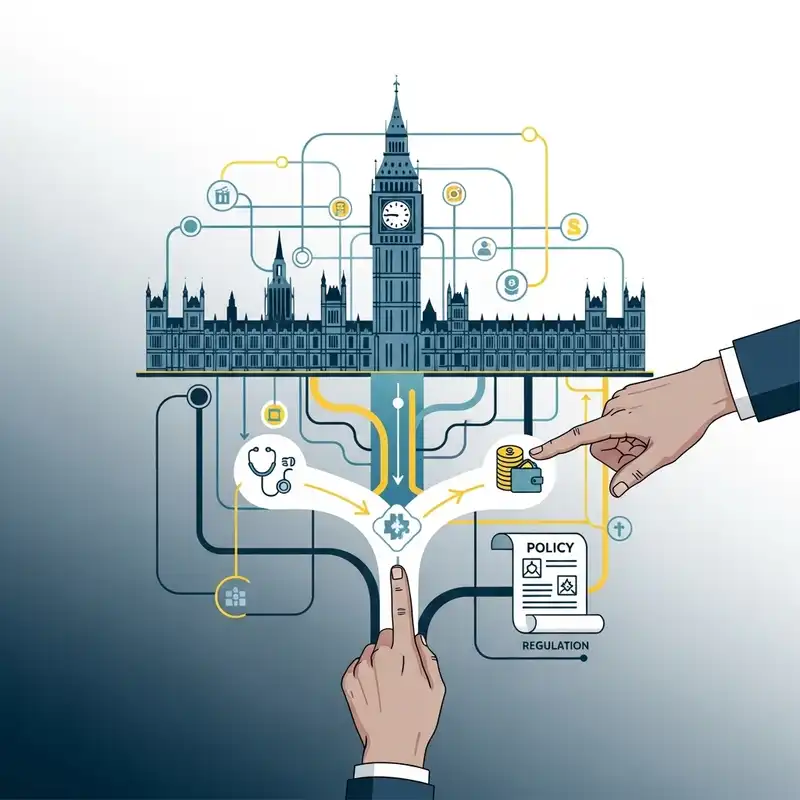
Navigating Tomorrow's Healthcare Landscape: How UK Policy and Regulation Shifts Will Shape Your Private Health Insurance Choices
Navigating the Future: How UK Healthcare Policy and Regulation Will Shape Your Private Health Insurance Choices
The landscape of UK healthcare is in perpetual motion. With the National Health Service (NHS) facing unprecedented challenges and technological advancements reshaping medical care, the role of Private Medical Insurance (PMI) has never been more pertinent. For many, PMI is no longer a luxury but a considered solution to gain faster access to treatment, greater choice of specialist, and improved comfort during a health episode.
However, choosing the right private health insurance is far from straightforward. It's a decision heavily influenced by, and intricately linked to, the broader forces of healthcare policy and regulation. These are not static entities; they evolve, adapt, and respond to economic pressures, societal needs, and medical breakthroughs. Understanding how these factors will shape your PMI choices in the coming years is crucial for securing peace of mind and optimal health outcomes.
This comprehensive guide will delve deep into the interplay between UK healthcare policy, regulatory frameworks, and your future private health insurance options. We'll explore the current challenges, anticipate future trends, and equip you with the knowledge to make informed decisions in an ever-changing environment.
The Current Landscape of UK Healthcare and Private Medical Insurance
To truly understand where we're headed, we must first firmly grasp where we are. The UK's dual-system approach, with the NHS as the cornerstone and PMI as a supplementary option, is unique and constantly under review.
The NHS Under Pressure: A Catalyst for PMI Growth
The National Health Service, a beloved institution, is currently navigating its most challenging period since its inception. Decades of underfunding, exacerbated by an ageing population, lifestyle diseases, and the lingering effects of global pandemics, have led to significant strain.
- Waiting Lists: Record-breaking waiting lists for consultations, diagnostics, and elective surgeries are now a stark reality for millions. Patients often face delays of months, if not years, for non-emergency procedures.
- Staff Shortages: A chronic shortage of doctors, nurses, and allied health professionals across all specialties impacts capacity and service delivery.
- Funding Shortfalls: Despite significant government investment, the NHS consistently struggles to meet demand, leading to difficult rationing decisions and delays in adopting new treatments.
- Infrastructure Challenges: Ageing hospital buildings and equipment, coupled with a lack of investment in modern facilities, contribute to the pressures.
These pressures have a direct impact on public perception and behaviour. Frustration with long waits and a desire for quicker access to care are driving more individuals and families to consider private alternatives. For many, PMI is a practical solution to bypass these delays and ensure timely medical attention.
The Rise of Private Medical Insurance: What it Offers
PMI provides an alternative pathway to healthcare, typically offering:
- Faster Access: Significantly reduced waiting times for consultations, diagnostic tests (e.g., MRI scans, X-rays), and treatment.
- Choice and Control: The ability to choose your consultant and hospital, often with access to private rooms and more flexible appointment times.
- Comfort and Privacy: Access to private hospitals or dedicated private wings within NHS hospitals, offering a more comfortable and private environment during treatment and recovery.
- Specialist Referrals: Direct access to specialists often without a long wait for an NHS GP referral, though a GP referral (NHS or private) is usually required by insurers for claims.
It's crucial to understand what PMI generally covers and, perhaps more importantly, what it doesn't. Private medical insurance is designed to cover the costs of acute conditions. An acute condition is a disease, illness or injury that is likely to respond quickly to treatment and enable you to return to the state of health you were in immediately before suffering the condition, or that existed at the time of purchasing your policy.
What PMI typically does not cover:
- Chronic Conditions: These are conditions that exist for a long time or recur frequently, such as diabetes, asthma, epilepsy, or multiple sclerosis. PMI does not cover the ongoing management, medication, or monitoring of these conditions. While a policy might cover an acute exacerbation or a related acute condition arising from a chronic condition (e.g., an operation for cataracts in a diabetic patient), it will not cover the diabetes itself.
- Pre-existing Conditions: Any medical condition you had or received advice or treatment for before taking out your policy will typically be excluded, often for a period, or permanently, depending on the underwriting method chosen (e.g., moratorium or full medical underwriting).
- Emergency Services: You would still go to an NHS A&E department for life-threatening emergencies.
- Maternity Care: While some policies offer limited benefits for complications, routine maternity care is usually excluded.
- Cosmetic Surgery: Procedures primarily for aesthetic purposes are not covered.
- Organ Transplants: These are complex and high-cost procedures generally managed by the NHS.
- HIV/AIDS: Treatment for HIV/AIDS is typically excluded.
- Drug or Alcohol Abuse: Treatment for addiction is usually not covered.
It's paramount to be crystal clear about these limitations. PMI is about covering the unexpected, acute health challenges, not long-term chronic illness management or pre-existing conditions.
Regulatory Framework: An Overview
The UK's private health insurance market is subject to robust regulation designed to protect consumers and ensure the stability of insurers. Key bodies involved include:
- The Financial Conduct Authority (FCA): Responsible for the conduct of financial services firms, ensuring fair treatment of customers, market integrity, and competition. This includes how PMI policies are sold, advised upon, and administered.
- The Prudential Regulation Authority (PRA): Part of the Bank of England, the PRA regulates and supervises financial institutions, including insurance companies, to ensure they are financially sound and can meet their obligations to policyholders.
- The Competition and Markets Authority (CMA): Ensures healthy competition across industries, including healthcare. Its past investigations have influenced how private healthcare providers operate.
This regulatory oversight ensures a level of trust and security in the PMI market, but understanding its specific impact requires a deeper dive.
Key Policy Drivers Shaping the Future of UK Healthcare
The future of your PMI choices will not solely be determined by the health of the NHS, but by broader policy decisions that ripple through the entire healthcare ecosystem.
Government Funding and NHS Reform
The level of government funding directed towards the NHS directly impacts its capacity and, by extension, the demand for private care.
- Funding Fluctuations: Periods of austerity or increased spending on the NHS can influence the availability of appointments and procedures, either reducing or increasing the incentive for individuals to seek private options. A well-funded NHS might mean shorter waiting times, potentially reducing the perceived urgency for PMI. Conversely, prolonged underfunding often pushes more people towards private healthcare.
- Integration vs. Delineation: There's an ongoing debate about the extent to which the NHS and private sectors should collaborate or remain distinct. Policy decisions around private patient units within NHS hospitals, or NHS patients being treated in private facilities to clear backlogs, can blur the lines. This could lead to new policy structures, potentially allowing PMI to cover services that are currently exclusively NHS, or conversely, stricter separation.
- Public-Private Partnerships: Future policies might encourage more formal partnerships, for instance, where private providers deliver specific NHS services, or where NHS patients are given vouchers for private diagnostic tests to speed up the pathway. This would inevitably influence the cost and scope of PMI.
For example, if a government policy prioritises clearing NHS backlogs by commissioning more services from the private sector, it could potentially free up some private capacity for PMI patients, or, conversely, create competition for beds and consultants.
Technological Advancements in Healthcare
Technology is a massive disruptor and enabler in healthcare, and policy makers are constantly grappling with how to integrate it safely and effectively.
- Telemedicine and Virtual Consultations: The pandemic accelerated the adoption of virtual GP appointments and specialist consultations. Policies will increasingly need to regulate data security, interoperability between systems, and the efficacy of remote diagnoses. For PMI, this means more policies offering virtual GP services as a standard benefit, potentially reducing the need for in-person visits and speeding up initial consultations.
- Artificial Intelligence (AI) and Machine Learning: AI is already revolutionising diagnostics (e.g., analysing scans more accurately), drug discovery, and personalised treatment plans. Policy will need to address ethical considerations, data privacy, liability, and the regulatory approval process for AI-driven medical devices and software. PMI policies may start incorporating benefits for AI-enhanced diagnostics or personalised medicine approaches, provided they meet regulatory approval and clinical effectiveness standards.
- Wearable Technology and Remote Monitoring: Devices that track vital signs, activity levels, and even detect early signs of conditions are becoming commonplace. Policy will focus on data ownership, privacy, and how this data can be used to inform preventative health strategies. Insurers might offer incentives for using such devices or integrate remote monitoring into specific care pathways for acute conditions.
- Genomic Medicine and Personalised Care: Understanding an individual's genetic makeup allows for highly tailored treatments. Regulatory frameworks will need to be established for genetic testing, data storage, and the availability of gene therapies. PMI could evolve to cover certain forms of genomic testing or new, highly specific treatments, but these are often very expensive and would likely come with significant premium implications or very strict criteria.
The integration of these technologies into healthcare delivery will necessitate updated regulatory guidelines, impacting what treatments are considered standard, how they are delivered, and therefore, what PMI policies cover.
Demographic Shifts
The UK's population is ageing, and life expectancy continues to rise. This profound demographic shift has significant implications for healthcare policy and PMI.
- Ageing Population: As people live longer, they inevitably face a higher incidence of acute conditions that require intervention. While PMI does not cover chronic age-related conditions, it would cover acute events like a hip replacement due to injury, or a new cancer diagnosis, for which older individuals are at higher risk. This increased demand for acute care will put pressure on both the NHS and private providers.
- Rising Chronic Conditions: The prevalence of conditions like Type 2 diabetes, cardiovascular disease, and dementia is increasing. While PMI explicitly excludes chronic conditions, the overall burden on the NHS for managing these conditions indirectly impacts the availability of acute services, making PMI more attractive for acute needs.
- Increased Demand for Specialist Care: An older population requires more specialist consultations and procedures, from orthopaedics to ophthalmology. Policy will focus on workforce planning and capacity building, both within the NHS and the private sector. PMI policies may need to adapt by offering more comprehensive specialist access for acute needs.
These demographic shifts mean that healthcare policy will increasingly focus on preventative measures, early diagnosis, and efficient acute care pathways, all of which could see PMI products adapting to support these goals for their members.
Public Health Priorities
Government focus on public health issues also shapes the healthcare landscape.
- Mental Health Awareness and Provision: There's growing recognition of the importance of mental health. Policy initiatives are pushing for greater parity of esteem between mental and physical health. This has led many PMI providers to enhance their mental health offerings, often covering acute psychiatric treatment, counselling, and cognitive behavioural therapy (CBT) for conditions like anxiety or depression. However, long-term, chronic mental health conditions and pre-existing diagnoses remain largely excluded.
- Prevention and Wellness Programmes: Policy is shifting towards preventing illness rather than just treating it. This could see government incentives for health promotion. PMI policies might incorporate more preventative benefits like health assessments, wellness programmes, or discounted gym memberships, aiming to encourage healthier lifestyles among members. While these don't cover existing illnesses, they aim to reduce the likelihood of acute conditions arising.
- Infectious Disease Preparedness: Lessons from recent pandemics are influencing policy on disease surveillance, vaccine development, and emergency response. This may indirectly impact PMI by influencing overall healthcare capacity and the focus on acute infectious disease management.
These policy drivers illustrate that the future of PMI is not isolated; it is deeply interwoven with broader governmental and societal priorities.
The Role of Regulation in Private Health Insurance
Regulation is the invisible hand that guides the operations of private health insurers, ensuring fairness, stability, and consumer protection. Understanding its specific impact is vital.
The Financial Conduct Authority (FCA)
The FCA plays a critical role in how PMI is sold and managed. Its objectives are to protect consumers, enhance market integrity, and promote competition.
- Consumer Protection: The FCA's rules dictate that insurers and brokers must treat customers fairly. This means:
- Clear Information: Policy documents must be easy to understand, with terms, conditions, and exclusions clearly explained. This has led to simpler language and standardised policy summaries.
- Suitable Advice: Any advice given must be appropriate for the customer's individual needs and circumstances.
- Complaint Handling: Robust complaints procedures must be in place, with access to the Financial Ombudsman Service if a resolution isn't reached.
- Market Conduct: The FCA scrutinises how products are designed and marketed to prevent mis-selling or misleading practices. This impacts how benefits are advertised and how policies are presented to potential customers.
- Product Governance: Insurers are required to ensure their products are designed to meet the needs of an identified target market and deliver fair value. This can influence the structure of policies and the benefits they offer.
For you, the policyholder, FCA regulation means greater transparency, better understanding of what you're buying, and a clearer path to recourse if something goes wrong.
The Prudential Regulation Authority (PRA)
The PRA focuses on the financial health of insurance companies. Its primary objective is to ensure that insurers are financially sound and can pay out claims to policyholders, even in challenging economic conditions.
- Solvency Requirements: Insurers must hold sufficient capital reserves to cover potential claims. These requirements are periodically reviewed and can impact an insurer's pricing strategies and appetite for risk.
- Risk Management: The PRA assesses an insurer's risk management frameworks to ensure they can identify, measure, and control various risks (e.g., investment risk, underwriting risk).
- Stress Testing: Insurers are subjected to stress tests to see how they would cope under severe economic scenarios.
The PRA's oversight means that when you buy PMI, you can have confidence that the insurer is financially stable and capable of honouring its commitments. This stability, however, can indirectly influence premiums, as insurers must price policies to meet these stringent capital requirements.
Data Protection (UK GDPR)
With sensitive medical data at the heart of health insurance, data protection regulations are paramount. The UK General Data Protection Regulation (UK GDPR) governs how personal data is collected, stored, processed, and shared.
- Privacy by Design: Insurers must build privacy considerations into their systems from the outset.
- Consent: Clear consent is required for processing medical data.
- Individual Rights: Individuals have rights concerning their data, including access, rectification, and erasure.
The rise of digital health services and AI in insurance necessitates even stricter adherence to data protection. Insurers offering virtual GP services, AI-driven diagnostics, or online claims portals must ensure the highest levels of data security and privacy. This regulatory environment fosters trust but also places responsibility on both insurers and policyholders to understand how data is used.
Competition and Markets Authority (CMA)
The CMA ensures that markets operate competitively and fairly for consumers. In 2014, the CMA conducted a significant investigation into the private healthcare market, which identified issues related to a lack of transparency concerning consultant fees and self-pay prices, as well as potential anti-competitive practices among private hospital groups.
- Transparency Requirements: As a result of the CMA's findings, private hospitals and consultants are now required to publish more information about their fees and performance, making it easier for patients and insurers to compare costs and quality.
- Impact on Insurer-Provider Relationships: The investigation pushed insurers to negotiate harder with hospital groups and encouraged greater competition among providers.
While the CMA doesn't directly regulate individual insurance policies, its actions have influenced the operational environment for private healthcare providers, which in turn affects the costs and choices available through PMI. Future CMA interventions could continue to shape the market, potentially impacting pricing or network access for policyholders.
Specific Policy and Regulatory Impacts on Your PMI Choices
Now, let's bring it all together and examine how these broad policy and regulatory forces directly influence the specifics of your private health insurance.
Premium Volatility and Affordability
One of the most immediate concerns for anyone considering PMI is the premium. These are not static and are influenced by a multitude of factors, some of which are driven by policy and regulation.
- Rising Healthcare Costs: Medical inflation (driven by new technologies, drug costs, and an ageing population) is typically higher than general inflation. As policy dictates the adoption of new, more expensive treatments, or as the NHS struggles, driving demand, these costs are passed on to insurers, who in turn adjust premiums.
- Regulatory Capital Requirements (PRA): Stringent capital requirements mean insurers must price policies to ensure long-term solvency. This adds a baseline cost to premiums.
- Demand-Side Pressure: Increased demand for PMI due to NHS waiting lists can, in a competitive market, lead to more options, but if demand significantly outstrips supply of private providers, it can also drive up prices.
- Government Initiatives: Should the government introduce any form of tax relief for PMI (as some speculate might happen to ease NHS pressure), this could make policies more affordable. Conversely, new taxes or levies on insurance could increase costs.
Strategies for Managing Costs:
- Choosing an Excess: Opting for a higher excess (the amount you pay towards a claim) can significantly reduce your premium.
- Limited Cover Options: Policies that exclude specific hospitals (e.g., central London hospitals) or offer 'guided' choices (where the insurer helps you choose a specialist from their network) are often cheaper.
- Moratorium Underwriting: This is a common underwriting method where pre-existing conditions are automatically excluded for a set period (usually 24 months), but may become covered if you don't experience symptoms or receive treatment for them during that time. It's often quicker and requires less initial medical information, but you must be fully aware of the exclusions.
- No Claims Discount: Building up a no claims discount can also help reduce premiums over time.
Coverage Scope and Exclusions
What a PMI policy covers is precisely defined, and these definitions are constantly refined in response to medical advancements and regulatory clarity.
- Defining "Acute": The distinction between acute and chronic conditions is paramount. Regulatory bodies ensure that these definitions are consistent and clearly communicated by insurers. As medical science advances, and treatments for once-chronic conditions emerge, the definition of 'acute' might subtly shift, potentially allowing new treatments to be covered.
- Exclusion of Pre-existing and Chronic Conditions: This is a non-negotiable aspect of PMI in the UK. Policy and regulation reinforce this boundary. Insurers cannot be expected to cover long-term, ongoing conditions or those you already had, as this would make the product unsustainable. Any implied coverage of such conditions would be misleading and subject to regulatory penalties.
- Emerging Treatments and Technologies: As new procedures, drugs, and diagnostic tools become available, insurers assess whether to include them. This process is often influenced by their clinical effectiveness and cost-effectiveness. Regulatory approval for new treatments (e.g., by NICE for NHS use) often serves as a benchmark for private inclusion. Policies will need to specify whether experimental treatments or therapies not yet widely adopted are covered.
- Mental Health Inclusion: Regulatory and policy pressure has led to greater inclusion of mental health benefits. However, typically, this covers acute episodes requiring short-term intervention, not long-term chronic mental illness, nor pre-existing mental health conditions.
It cannot be stressed enough: Always read your policy wording carefully. Understand the precise definitions, limits, and exclusions, especially concerning chronic and pre-existing conditions.
Access to Services (NHS vs. Private)
The relationship between NHS and private services, and how patients move between them, is a complex area influenced by policy.
- Blurred Lines: Many consultants work across both sectors. Policy might increasingly formalise pathways where, for example, an NHS GP refers a patient to a private consultant for a quick diagnosis (covered by PMI), who then recommends surgery which could be performed either privately (covered by PMI) or on the NHS (if the patient prefers to wait).
- Referral Pathways: Insurers almost universally require a GP referral (NHS or private) to authorise private treatment. Policy could influence this by, for instance, promoting direct self-referral for certain conditions, which insurers would then need to adapt to.
- NHS Waiting Lists: As NHS waiting lists grow, the incentive to use private care for faster access increases. This, in turn, fuels demand for PMI, potentially putting pressure on private sector capacity. Policy decisions to tackle NHS backlogs (e.g., through block-buying private capacity) can temporarily ease or exacerbate private sector availability.
Digitalisation of Services
The rapid adoption of digital tools across healthcare is having a profound impact on PMI.
- Virtual GPs and Consultations: Most PMI policies now include access to a virtual GP. Regulatory bodies are ensuring the safety, privacy, and efficacy of these services. This offers convenience but also raises questions about digital exclusion for those less technologically adept.
- Online Claims and Administration: The ability to manage your policy and submit claims online is becoming standard. Regulation ensures these platforms are secure and user-friendly.
- AI Diagnostics: While still emerging, AI tools for analysing scans or symptoms could speed up diagnosis. Regulators will need to ensure the accuracy and reliability of such tools before they are widely adopted and covered by PMI.
The policy push for digital transformation in healthcare will mean PMI products increasingly integrate these features, potentially leading to more efficient and accessible services.
Navigating the Future: Your Strategy for Optimal PMI
The future of UK healthcare, and by extension your private health insurance, will be dynamic. To ensure you make the best choices for your health and finances, a proactive and informed approach is essential.
1. Stay Informed
Keep abreast of major healthcare news, policy announcements, and regulatory updates. Understand the evolving challenges facing the NHS and how government strategies might influence private healthcare provision. Publications from the Department of Health and Social Care, the FCA, and independent health think tanks can provide valuable insights.
2. Understand Your Needs and Priorities
Before looking at policies, reflect on what you need from your PMI:
- Budget: What can you realistically afford in premiums, and what excess are you comfortable paying?
- Speed of Access: Is rapid access your absolute priority, or are you willing to wait a little longer for a lower premium?
- Choice of Specialist/Hospital: Do you value the freedom to choose any consultant or hospital, or are you happy with a guided choice from a network?
- Specific Acute Conditions: While chronic and pre-existing conditions are excluded, are there any acute conditions you are particularly concerned about (e.g., cancer, cardiac issues) that you want comprehensive cover for?
- In-patient vs. Out-patient: How important are outpatient benefits (consultations, diagnostics) versus just in-patient treatment?
3. Scrutinise Policy Details and Exclusions
This cannot be overemphasised. Read the small print. Understand:
- What is covered and, crucially, what is excluded. Reiterate: no cover for chronic or pre-existing conditions.
- Limits on benefits: Are there caps on mental health benefits, therapies, or specific treatments?
- Underwriting method: Do you understand moratorium vs. full medical underwriting and their implications for pre-existing conditions?
- Claims process: How do you make a claim, and what approvals are needed?
If anything is unclear, ask questions until you fully understand.
4. The Power of Independent Advice: Enter WeCovr
The UK private health insurance market is incredibly complex, with numerous insurers offering a vast array of policies, each with its own nuances, benefits, and exclusions. Navigating this maze alone can be daunting and time-consuming. This is where the expertise of an independent health insurance broker becomes invaluable.
A modern, client-focused broker like WeCovr stands out. WeCovr acts as your advocate, working on your behalf, not for a specific insurer. Their role is to:
- Compare the Entire Market: WeCovr works with all major UK health insurance providers, allowing them to compare a comprehensive range of policies from the likes of Aviva, AXA Health, Bupa, Vitality, WPA, and others. This ensures you're not limited to just one or two options.
- Understand Your Needs: They take the time to understand your specific circumstances, health history (always remembering exclusions for chronic/pre-existing conditions), and priorities to recommend the most suitable policy.
- Expert Knowledge: Their team possesses deep knowledge of policy wording, regulatory changes, and market trends. This means they can explain complex terms, highlight critical exclusions, and help you understand how policy and regulation might impact your cover.
- Cost-Effective Solutions: Crucially, using a broker like WeCovr comes at no cost to you, the client. Brokers are paid a commission by the insurer, but this does not affect the premium you pay. Their value is in finding you the best coverage for your budget, potentially saving you money in the long run by avoiding unsuitable policies or helping you choose an appropriate excess.
Leveraging the expertise of WeCovr empowers you to make an informed decision without the legwork and ensures you find a policy that genuinely meets your acute healthcare needs in the context of evolving policy and regulation.
5. Regular Reviews
Your health needs change, and so do insurance policies and the healthcare landscape. Review your PMI policy annually, ideally with your broker.
- Does it still meet your needs?
- Have there been significant changes in your health (even if it's new acute conditions that could now be covered)?
- Are there new, better-suited policies on the market?
- Have policy or regulatory changes impacted your current cover?
6. Be Realistic About Coverage
Always maintain realistic expectations about what PMI covers. It is a vital tool for managing acute health issues and accessing timely care, but it is not a substitute for the NHS in the management of chronic conditions or pre-existing illnesses. Understanding this distinction is key to avoiding disappointment and making effective use of both healthcare pathways available to you.
Real-World Scenarios and Future Outlook
Let's consider a few hypothetical scenarios to illustrate how policy and regulation might play out:
- Scenario 1: The NHS improves significantly. Imagine a new government policy successfully reforms the NHS, dramatically reducing waiting lists and improving access.
- Impact on PMI: Demand for PMI might decrease for basic access. Insurers might adapt by offering more comprehensive, niche, or luxury benefits to attract clients, or focus more on corporate schemes. Premiums could stabilise or even reduce due to less demand-side pressure.
- Scenario 2: NHS crisis deepens. Conversely, if the NHS continues to face escalating challenges, leading to even longer waiting times and greater service rationing.
- Impact on PMI: A surge in demand for PMI is likely. Premiums could rise significantly due to increased claims and pressure on private sector capacity. Insurers might innovate with new policy types, perhaps 'pay-as-you-go' options for specific acute treatments, or more limited, affordable policies focusing solely on diagnostics or surgical access. Policy might also be forced to encourage further public-private partnerships.
- Scenario 3: Breakthrough Medical Technology. A revolutionary, but very expensive, treatment emerges for a common acute condition.
- Impact on PMI: Regulators would scrutinise the treatment's efficacy and safety. Policy would determine its adoption within the NHS. For PMI, insurers would assess its cost-effectiveness. This could lead to a new, specific benefit being added to policies, potentially at a higher premium, or it could be a highly limited benefit due to its cost. The definition of what constitutes a 'standard' treatment would need to evolve.
The future of UK private health insurance is dynamic, influenced by political will, economic realities, technological innovation, and societal needs. It's a journey of continuous adaptation.
Conclusion
Navigating the future of your private health insurance choices in the UK requires more than simply picking a policy off the shelf. It demands an understanding of the intricate web of healthcare policy, governmental priorities, technological advancements, and the robust regulatory frameworks designed to protect you.
The challenges facing the NHS will continue to shape the demand for PMI, driving innovation and adaptation within the private sector. Meanwhile, regulatory bodies like the FCA and PRA will ensure market stability, fairness, and consumer protection, while data privacy remains paramount in an increasingly digital world.
By staying informed, understanding your individual health needs (always remembering PMI covers acute, not chronic or pre-existing conditions), and critically, by seeking expert, independent advice from specialists like WeCovr, you can confidently make choices that provide peace of mind and ensure timely access to quality care when you need it most. The future may be uncertain, but with the right knowledge and guidance, you can secure your health and well-being effectively.
Why private medical insurance and how does it work?
What is Private Medical Insurance?
Private medical insurance (PMI) is a type of health insurance that provides access to private healthcare services in the UK. It covers the cost of private medical treatment, allowing you to bypass NHS waiting lists and receive faster, more convenient care.How does it work?
Private medical insurance works by paying for your private healthcare costs. When you need treatment, you can choose to go private and your insurance will cover the costs, subject to your policy terms and conditions. This can include:• Private consultations with specialists
• Private hospital treatment and surgery
• Diagnostic tests and scans
• Physiotherapy and rehabilitation
• Mental health treatment
Your premium depends on factors like your age, health, occupation, and the level of cover you choose. Most policies offer different levels of cover, from basic to comprehensive, allowing you to tailor the policy to your needs and budget.
Questions to ask yourself regarding private medical insurance
Just ask yourself:👉 Are you concerned about NHS waiting times for treatment?
👉 Would you prefer to choose your own consultant and hospital?
👉 Do you want faster access to diagnostic tests and scans?
👉 Would you like private hospital accommodation and better food?
👉 Do you want to avoid the stress of NHS waiting lists?
Many people don't realise that private medical insurance is more affordable than they think, especially when you consider the value of faster treatment and better facilities. A great insurance policy can provide peace of mind and ensure you receive the care you need when you need it.
Benefits offered by private medical insurance
Private medical insurance provides numerous benefits that can significantly improve your healthcare experience and outcomes:Faster Access to Treatment
One of the biggest advantages is avoiding NHS waiting lists. While the NHS provides excellent care, waiting times can be lengthy. With private medical insurance, you can often receive treatment within days or weeks rather than months.
Choice of Consultant and Hospital
You can choose your preferred consultant and hospital, giving you more control over your healthcare journey. This is particularly important for complex treatments where you want a specific specialist.
Better Facilities and Accommodation
Private hospitals typically offer superior facilities, including private rooms, better food, and more comfortable surroundings. This can make your recovery more pleasant and potentially faster.
Advanced Treatments
Private medical insurance often covers treatments and medications not available on the NHS, giving you access to the latest medical advances and technologies.
Mental Health Support
Many policies include comprehensive mental health coverage, providing faster access to therapy and psychiatric care when needed.
Tax Benefits for Business Owners
If you're self-employed or a business owner, private medical insurance premiums can be tax-deductible, making it a cost-effective way to protect your health and your business.
Peace of Mind
Knowing you have access to private healthcare when you need it provides invaluable peace of mind, especially for those with ongoing health conditions or concerns about NHS capacity.
Private medical insurance is particularly valuable for those who want to take control of their healthcare journey and ensure they receive the best possible treatment when they need it most.
Important Fact!
We can look at a more suitable option mid-term!
Why is it important to get private medical insurance early?
👉 Many people are very thankful that they had their private medical insurance cover in place before running into some serious health issues. Private medical insurance is as important as life insurance for protecting your family's finances.👉 We insure our cars, houses, and even our phones! Yet our health is the most precious thing we have.
Easily one of the most important insurance purchases an individual or family can make in their lifetime, the decision to buy private medical insurance can be made much simpler with the help of FCA-authorised advisers. They are the specialists who do the searching and analysis helping people choose between various types of private medical insurance policies available in the market, including different levels of cover and policy types most suitable to the client's individual circumstances.
It certainly won't do any harm if you speak with one of our experienced insurance experts who are passionate about advising people on financial matters related to private medical insurance and are keen to provide you with a free consultation.
You can discuss with them in detail what affordable private medical insurance plan for the necessary peace of mind they would recommend! WeCovr works with some of the best advisers in the market.
By tapping the button below, you can book a free call with them in less than 30 seconds right now:
Our Group Is Proud To Have Issued 800,000+ Policies!
We've established collaboration agreements with leading insurance groups to create tailored coverage
























How It Works
1. Complete a brief form

2. Our experts analyse your information and find you best quotes

3. Enjoy your protection!

Any questions?
Learn more

Who Are WeCovr?
WeCovr is an insurance specialist for people valuing their peace of mind and a great service.👍 WeCovr will help you get your private medical insurance, life insurance, critical illness insurance and others in no time thanks to our wonderful super-friendly experts ready to assist you every step of the way.
Just a quick and simple form and an easy conversation with one of our experts and your valuable insurance policy is in place for that needed peace of mind!