UK Private Health Insurance & Virtual GP Services
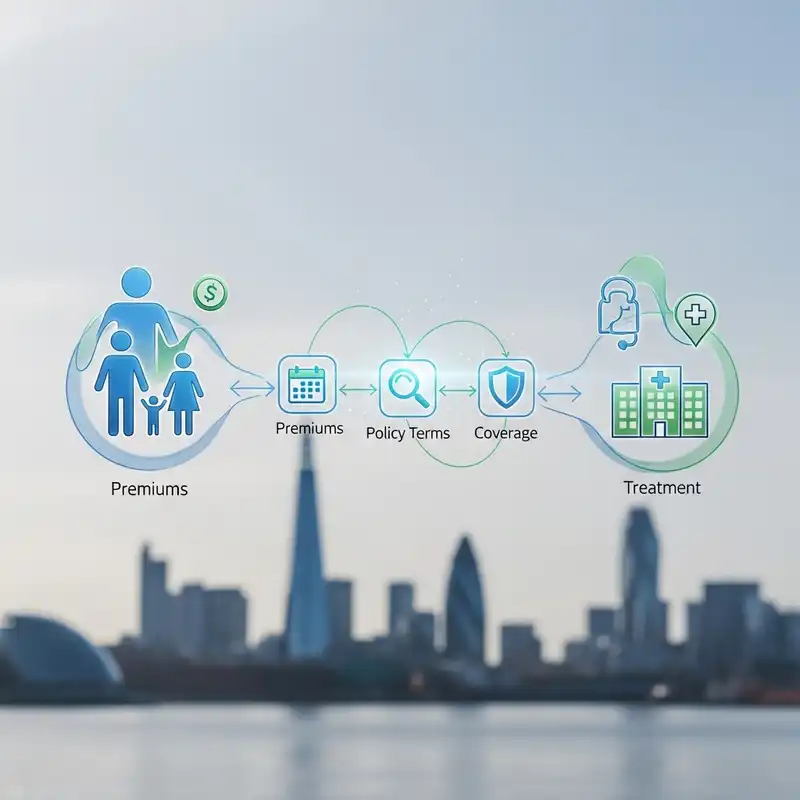
Your First Port of Call for Rapid Access & Expert Health Guidance
UK Private Health Insurance & Virtual GP Services: Your First Port of Call for Fast Advice
In an era where time is precious and health is paramount, navigating the UK healthcare landscape can often feel like a daunting task. The National Health Service (NHS), a cherished institution, faces unprecedented challenges, leading to ever-increasing waiting times for GP appointments, specialist consultations, and essential treatments. For many, the traditional path to medical advice has become a bottleneck, causing anxiety and delaying vital care.
This is where the combined power of UK private health insurance (PMI) and modern virtual GP services steps in, offering a compelling alternative for those seeking swift access to medical advice and a more proactive approach to their wellbeing. Far from being a luxury, these services are rapidly becoming a practical necessity for individuals and families who value peace of mind and prompt attention to their health concerns.
This comprehensive guide will delve deep into how private health insurance complements the NHS, the transformative role of virtual GP services, and why, together, they represent your optimal first port of call for fast, convenient, and effective medical advice in the UK.
The Evolving Landscape of UK Healthcare: Pressures and Solutions
The NHS, for all its strengths, is under immense strain. Record waiting lists for elective procedures, extended waits for GP appointments, and a stretched workforce are frequently reported realities. While the NHS remains the bedrock of UK healthcare, providing emergency and critical care, the pathway for non-urgent or less severe conditions can be slow.
- GP Appointment Delays: Booking a timely appointment with your local GP can often mean waiting days, or even weeks, particularly for routine check-ups or non-emergency concerns. This delay can exacerbate conditions or prolong anxiety.
- Specialist Referrals: Once you do see a GP, a referral to a specialist can add further weeks or months to your waiting time, during which symptoms may worsen, or diagnoses remain elusive.
- Elective Surgery Backlogs: For planned procedures, the waiting lists can be exceptionally long, impacting quality of life and the ability to return to work or daily activities.
This environment has naturally led many to explore private healthcare options. Historically perceived as exclusive, private health insurance is becoming increasingly accessible and sophisticated, offering a crucial layer of support that works in parallel with the NHS. Its core purpose is to provide timely access to diagnosis and treatment for acute conditions, relieving some of the pressure on the public system and offering individuals greater control over their health journey.
Understanding UK Private Health Insurance (PMI): What It Is and Isn't
Private Medical Insurance (PMI), often simply called private health insurance, is designed to cover the costs of private medical treatment for acute conditions that arise after your policy has started. It does not replace the NHS, but rather offers an alternative pathway for certain types of care.
What PMI Covers (Typically)
PMI typically covers the cost of diagnosis and treatment for "acute conditions." An acute condition is generally defined as a disease, illness or injury that:
- Responds quickly to treatment.
- Can be cured.
- Is likely to resolve.
- Has a definite end point.
Examples of what PMI might cover include:
- Consultations with private specialists.
- Diagnostic tests (e.g., MRI scans, X-rays, blood tests).
- Inpatient and outpatient hospital stays in private facilities.
- Surgical procedures for acute conditions.
- Physiotherapy, osteopathy, and other therapies (often as add-ons or within limits).
- Mental health support (often as an add-on or specific benefit).
What PMI Does NOT Cover (Crucial Exclusions)
It is absolutely vital to understand what PMI does not cover, as this is a common area of misunderstanding. Private health insurance is generally NOT designed to cover:
- Chronic Conditions: These are long-term conditions that cannot be cured, require ongoing management, or are likely to recur. Examples include diabetes, asthma, epilepsy, hypertension, and degenerative conditions like arthritis. Once a condition is deemed chronic, any ongoing treatment or monitoring for it will revert to the NHS. PMI typically covers the initial diagnosis of such conditions, but not their long-term management.
- Pre-existing Medical Conditions: These are any illnesses, injuries, or symptoms that you had or received advice/treatment for before taking out the insurance policy. Most policies will exclude these, at least for an initial period. There are different underwriting methods (e.g., moratorium, full medical underwriting) that determine how pre-existing conditions are handled.
- Emergency Care: For serious accidents or life-threatening emergencies (e.g., heart attack, stroke, major trauma), the NHS A&E department is always the appropriate first port of call. PMI is not designed for emergency services.
- Routine Maternity Care: While some policies may offer limited benefits for complications during pregnancy or childbirth, routine antenatal and postnatal care is typically excluded.
- Cosmetic Surgery: Procedures purely for aesthetic enhancement are not covered.
- Infertility Treatment: Most standard policies do not cover fertility investigations or treatments.
- Organ Transplants: Generally excluded.
- Drug Abuse or Self-inflicted Injuries: Typically not covered.
- Overseas Treatment: Policies are usually for treatment within the UK. Travel insurance is needed for medical emergencies abroad.
- Experimental or Unproven Treatments: If a treatment is not widely recognised as effective, it may not be covered.
- Standard GP Services: While virtual GPs are a common add-on, most policies do not cover routine visits to your local NHS GP.
Understanding these exclusions is paramount when considering PMI. It ensures realistic expectations and helps you choose a policy that aligns with your needs, without promises that cannot be met.
How PMI Works: A Simplified Process
- Initial Consultation: For most acute conditions, you would first consult a GP (either NHS or via a virtual service provided by your insurer).
- Referral: If the GP believes you need specialist care, they will write an 'open referral' letter.
- Contact Insurer: You then contact your private health insurer with the referral. They will confirm coverage, advise on specialists within their network, and provide an authorisation code for the consultation and any initial diagnostic tests.
- Specialist Consultation & Diagnosis: You attend your private consultation, and any necessary tests are performed.
- Treatment Plan: If treatment is required, the specialist will submit a treatment plan and estimated costs to your insurer for pre-authorisation.
- Treatment: Once authorised, you undergo the treatment at a private hospital or clinic.
- Payment: The insurer typically pays the hospital and specialists directly, minus any excess you may have chosen.
Key Factors Affecting PMI Premiums
The cost of private health insurance can vary significantly. Several factors influence the premium you pay:
| Factor | Description | Impact on Premium |
|---|---|---|
| Age | As you get older, the likelihood of needing medical treatment increases, hence premiums rise. | Higher premium for older individuals. |
| Location | Costs of private healthcare can vary across regions in the UK, with London typically being the most expensive. | Higher premium in areas with higher private healthcare costs. |
| Lifestyle | Smoking, excessive alcohol consumption, and certain occupations can be seen as higher risk. | Higher premium for higher-risk lifestyles. |
| Policy Type | The level of cover chosen (e.g., inpatient only, comprehensive, level of outpatient cover). | More comprehensive cover = higher premium. |
| Excess | The amount you agree to pay towards a claim before your insurer pays. | Higher excess = lower premium (you take on more initial risk). |
| Underwriting | How your medical history is assessed (e.g., Moratorium, Full Medical Underwriting, Continued Personal Medical Exclusions). | Full Medical Underwriting might offer a clearer picture and potentially lower premium if you're healthy. |
| Hospital List | Some policies allow access to a wide range of hospitals, including expensive central London ones; others have a restricted list. | Wider choice of hospitals = higher premium. |
| Add-ons | Additional benefits like mental health cover, optical/dental cover, travel cover, or extended physiotherapy. | Each add-on increases the premium. |
The Rise of Virtual GP Services: Convenience at Your Fingertips
While PMI handles the costs of private treatment, accessing that initial medical advice has been revolutionised by virtual GP services. These services, often delivered via a mobile app or web portal, allow you to consult with a UK-registered GP remotely, usually via video call or phone. Many private health insurance policies now include virtual GP access as a standard benefit, or offer it as a readily available add-on.
How Virtual GP Services Work
- Booking an Appointment: Typically, you log into an app or website, choose a convenient time slot, and specify if you prefer a video or phone consultation. Appointments can often be booked within minutes or hours, rather than days.
- The Consultation: You connect with a GP who will discuss your symptoms, ask questions, and provide medical advice, diagnosis, or recommendations. They can also offer reassurance and health guidance.
- Prescriptions: Where appropriate, the GP can issue private prescriptions which can be sent to your local pharmacy for collection, or sometimes delivered to your home.
- Referrals: If the GP believes you need further investigation or specialist care, they can issue a private referral letter, which is essential for activating your private health insurance policy.
- Sick Notes: They can also provide digital sick notes if needed.
Key Benefits of Virtual GP Services
| Benefit | Description | Impact |
|---|---|---|
| Speed | Consultations often available within hours, sometimes minutes. | Immediate advice, reducing anxiety and allowing quicker action on health concerns. |
| Convenience | Access medical advice from anywhere – home, office, or while travelling (within the UK). No travel or waiting room time. | Saves time and effort, fits around busy schedules. |
| Accessibility | Particularly beneficial for those in rural areas, with mobility issues, or who find it difficult to leave home. | Broadens access to healthcare for diverse populations. |
| Privacy | Discuss sensitive health issues from the comfort and privacy of your own space. | Can encourage more open discussion about health concerns. |
| Continuity (Optional) | Some services allow you to see the same GP for follow-up appointments, fostering a degree of continuity of care. | Builds rapport and understanding, potentially leading to more personalised advice. |
| Triage & Guidance | Excellent for initial assessment, guiding you on whether you need self-care, a private specialist, or urgent NHS attention. | Prevents unnecessary A&E visits and guides to the most appropriate care pathway. |
| Mental Health Support | Often a discreet and accessible first step for discussing mental health concerns, leading to appropriate referrals. | Lowers barriers to seeking help for mental health, providing early intervention. |
Limitations of Virtual GP Services
While highly beneficial, virtual GPs are not a panacea. They have limitations:
- Physical Examination: They cannot perform a physical examination, which may be crucial for certain diagnoses (e.g., listening to lungs, palpating an abdomen). In such cases, they will advise an in-person consultation.
- Emergencies: Not suitable for medical emergencies. Always call 999 or attend A&E for life-threatening conditions.
- Complex or Chronic Conditions: While they can provide initial advice, ongoing management of complex or chronic conditions is generally best handled by your regular NHS GP who has a full medical history and can coordinate care over time.
Why Virtual GPs are Your First Port of Call for Fast Advice
When a health concern arises, the immediate instinct might be to book an appointment with your local NHS GP. However, for a significant range of conditions, a virtual GP service often proves to be a far more efficient and effective initial step.
1. Immediate Peace of Mind
The moment you feel a twinge, notice a persistent cough, or have a nagging health worry, the fastest way to get reassurance or direction is via a virtual GP. The ability to speak to a medical professional within minutes or hours can alleviate anxiety and provide immediate clarity on whether your concern warrants further investigation or can be managed at home.
2. Rapid Triage and Appropriate Direction
A virtual GP excels at triaging your symptoms. They can quickly assess the severity of your condition and advise on the most appropriate course of action:
- Self-care: For minor ailments, they can provide guidance on over-the-counter remedies and home care.
- Private Specialist Referral: If your symptoms suggest a need for specialist investigation (e.g., persistent digestive issues, unexplained pain, dermatological concerns), they can issue an immediate private referral, allowing you to bypass NHS waiting lists and activate your private health insurance.
- NHS GP Follow-up: For conditions requiring a physical examination or long-term management best handled by your regular GP, they can advise you to book an in-person NHS appointment.
- Emergency Care: Crucially, if your symptoms indicate a serious or emergency condition, they will direct you to call 999 or go to A&E immediately.
This rapid triage prevents unnecessary worry, saves time, and ensures you get to the right healthcare professional faster.
3. Streamlined Access to Private Care
For those with private health insurance, the virtual GP acts as the gateway to your private medical journey. By providing a swift referral, they enable you to access specialist consultations and diagnostic tests far quicker than through the NHS route. This is where the synergy with PMI truly shines, transforming a potentially lengthy waiting game into a rapid pathway to diagnosis and treatment.
4. Discreet and Convenient Support for Sensitive Issues
Some health concerns are sensitive or embarrassing to discuss in person. The anonymity and comfort of a virtual consultation can make it easier to open up about issues like mental health, sexual health, or bladder problems. This lower barrier to entry encourages earlier intervention and support.
5. Managing Minor Illnesses and Prescriptions
For common ailments like colds, flu, urinary tract infections, or minor skin conditions, a virtual GP can often provide a diagnosis and issue a prescription without you needing to leave your home. This convenience is invaluable, particularly for those with busy schedules, limited mobility, or when local GP appointments are scarce.
The Synergy: PMI and Virtual GPs Working Together
The true power lies in the combined force of private health insurance and virtual GP services. They are not merely parallel services but form a cohesive, efficient ecosystem that prioritises your health and time.
Imagine this scenario:
-
Scenario 1: Persistent Knee Pain
- Old Way (NHS only): You develop persistent knee pain. You call your NHS GP, wait 1-2 weeks for an appointment. GP refers you to an orthopaedic specialist; wait 8-12 weeks for an NHS consultation. Specialist recommends an MRI; wait another 4-6 weeks for the scan. Then, wait for results and another specialist appointment for diagnosis and treatment plan. Total time: potentially 4-6 months or more.
- New Way (Virtual GP + PMI): You wake up with persistent knee pain. Within an hour, you book a virtual GP appointment via your insurer's app. The GP, after a video consultation, issues a private referral for an orthopaedic specialist. You contact your insurer, who authorises the referral. Within days, you have a private consultation. The specialist immediately orders an MRI at a private imaging centre. Within 1-2 days, the scan is done, and results are shared rapidly. A follow-up private consultation provides a diagnosis and treatment plan (e.g., physiotherapy or surgery). Total time: potentially 2-4 weeks.
- Outcome: Faster diagnosis, quicker treatment, reduced pain, and a much quicker return to normal life.
-
Scenario 2: Unexplained Fatigue and Headaches
- Old Way (NHS only): You feel constantly tired and have frequent headaches. You wait for an NHS GP appointment. The GP might suggest some basic tests but could also recommend lifestyle changes first. If tests are done, results take time. If specialist referral is needed, long waits ensue. You continue to feel unwell for months, impacting work and daily life.
- New Way (Virtual GP + PMI): You schedule a virtual GP consultation from your office during a break. The GP listens carefully, asks detailed questions, and suggests a range of blood tests to rule out common causes of fatigue (e.g., anaemia, thyroid issues). They provide a private pathology request form. You visit a private clinic for bloods the next day. Results are back within 24-48 hours. The virtual GP reviews results, and if anything looks concerning, or if symptoms persist, they issue a private referral to a relevant specialist (e.g., neurologist, endocrinologist). Your PMI covers the specialist consultation and any further diagnostic imaging.
- Outcome: Quicker identification of potential issues, early specialist intervention, and a faster path to understanding and managing your symptoms.
These examples highlight how the virtual GP acts as the initial highly accessible touchpoint, and PMI then ensures swift progression through the diagnostic and treatment phases, all for acute, curable conditions.
Navigating the PMI Market: How WeCovr Can Help
Choosing the right private health insurance policy can feel overwhelming. The market is diverse, with numerous insurers offering a wide array of plans, benefits, excesses, and underwriting options. Sifting through this complexity to find a policy that precisely meets your needs and budget while avoiding common pitfalls (like misunderstanding exclusions) requires expertise. This is where an independent health insurance broker, like us at WeCovr, proves invaluable.
WeCovr simplifies this intricate process for you. As a modern UK health insurance broker, our core mission is to empower individuals, families, and businesses to make informed decisions about their private healthcare.
Here's how we help:
- Independent, Unbiased Advice: We are not tied to any single insurer. This means our recommendations are purely based on your specific requirements, not on pushing a particular product. We work with all major UK health insurance providers, including Bupa, AXA Health, Vitality, Aviva, WPA, and others.
- Comprehensive Market Comparison: We do the heavy lifting of comparing plans from across the entire market. We analyse policy wordings, benefit limits, exclusions, and pricing to present you with a tailored selection of options that fit your criteria.
- Understanding Your Needs: We take the time to understand your personal health priorities, budget, and any specific concerns. Do you need extensive outpatient cover? Is mental health support a priority? What's your comfort level with an excess? We ask the right questions to pinpoint the ideal solution.
- Navigating Underwriting and Exclusions: This is a critical area. We help you understand the different underwriting methods (Moratorium, Full Medical Underwriting) and how they will affect coverage for any past or current conditions. We ensure you have a clear understanding of what will and won't be covered, especially regarding pre-existing and chronic conditions, avoiding any unwelcome surprises down the line.
- Cost-Effective Solutions: We aim to find you the best possible coverage at the most competitive price. Often, our expertise can identify discounts or tailored plans you might not find searching independently.
- No Cost to You: Our service is completely free for you, the client. We are paid by the insurers when you take out a policy, meaning you get expert advice and support without any additional cost.
- Ongoing Support: Our relationship doesn't end once you've purchased a policy. We're here to answer your questions, help with renewals, and assist if you ever need to make changes to your plan.
By partnering with WeCovr, you gain a trusted advisor who demystifies private health insurance, ensuring you secure a policy that genuinely serves as your safety net and complements your access to services like virtual GPs.
Common Misconceptions and Clarifications
Despite the growing popularity of PMI and virtual GPs, several misconceptions persist. Let's address some of the most common ones:
Misconception 1: "Private Health Insurance Replaces the NHS"
Clarification: This is incorrect. PMI complements the NHS. It's designed for acute, curable conditions, allowing you to access private diagnosis and treatment for these. For emergencies, chronic conditions, and long-term care, the NHS remains vital. Many people use both services, leveraging the NHS for critical care and PMI for speedier access to elective care.
Misconception 2: "Virtual GPs Are Only for Minor Ailments"
Clarification: While excellent for minor issues, virtual GPs are also crucial for initial triaging of more complex symptoms. They can provide essential first advice, guidance, and critically, issue private referrals to specialists for serious, but non-emergency, concerns, which then allows your PMI to kick in. They are a powerful gateway, not just a simple pharmacy substitute.
Misconception 3: "Private Health Insurance is Only for the Rich"
Clarification: While comprehensive policies can be expensive, there are many ways to tailor a policy to fit a more modest budget. Opting for a higher excess, choosing a restricted hospital list, or limiting outpatient cover can significantly reduce premiums. Many employers also offer PMI as part of their benefits package, making it accessible to a wider demographic.
Misconception 4: "Virtual GPs Cannot Diagnose Serious Conditions"
Clarification: Virtual GPs are qualified medical professionals. They can diagnose a wide range of conditions based on symptoms and medical history. What they cannot do is conduct a physical examination or run in-person tests (e.g., blood pressure, heart sounds). If these are necessary, they will advise an in-person visit. Their role is to provide a rapid initial assessment and guide you to the appropriate next step, be that an in-person GP, a specialist, or emergency care.
Misconception 5: "Once I Have Private Health Insurance, I Never Need the NHS"
Clarification: As mentioned, the NHS remains indispensable for emergencies, chronic conditions, and many other services. PMI covers specific types of acute care. You will still be registered with an NHS GP, and you will rely on the NHS for A&E, general preventative care (like vaccinations), and the long-term management of any conditions deemed chronic after their initial acute phase.
Making an Informed Decision
Deciding whether private health insurance and virtual GP services are right for you involves careful consideration. Here's a framework to guide your decision-making process:
-
Assess Your Needs:
- Health History: Do you have any chronic conditions? Are you generally healthy but concerned about future acute issues?
- Family Needs: Are you looking to cover children or a partner? What are their health needs?
- Lifestyle: Do you have a demanding job where time off for appointments is difficult? Do you travel frequently within the UK?
- Priorities: Is rapid access to specialists paramount? Are you concerned about long waiting lists?
-
Budget Realistically:
- Determine how much you can comfortably allocate to monthly or annual premiums.
- Consider different levels of cover and excesses to find a balance between cost and benefits.
-
Understand the Nuances:
- Familiarise yourself with the concept of "acute" vs. "chronic" conditions.
- Be clear about how "pre-existing" conditions are handled by different underwriting methods.
- Understand the limitations of virtual GPs and when an in-person consultation is necessary.
-
Compare Providers and Policies:
- Look beyond just the price. Compare the hospital lists, the scope of outpatient cover, mental health benefits, and included virtual GP services.
- Read policy documents carefully (or have an expert guide you through them).
-
Seek Expert Advice:
- This is perhaps the most crucial step. Engaging with an independent broker like WeCovr removes the complexity and ensures you get tailored, unbiased advice. We can help you navigate the options, clarify exclusions, and secure the best policy for your individual circumstances. Our expertise can save you time, money, and potential frustration.
The Future of UK Healthcare: A Hybrid Approach
The trajectory of UK healthcare suggests an increasing integration of public and private services. For many, a hybrid approach – relying on the NHS for emergencies and chronic care, while utilising private health insurance and virtual GPs for faster access to acute diagnostics and treatment – is becoming the pragmatic solution.
- Empowering Individuals: This model empowers individuals to take a more proactive role in managing their health, offering greater choice and control over their medical journey.
- Technological Advancement: Virtual GP services are just one facet of how technology is transforming healthcare, making it more accessible and patient-centric. We can expect further innovations that enhance remote diagnostics and personalised care.
- Relieving NHS Pressure: By diverting some non-urgent demand, private healthcare options can, to a degree, help alleviate pressure on the NHS, allowing it to focus its vital resources on critical and emergency care.
This evolving landscape is not about abandoning the NHS but rather about strategically supplementing it to ensure that you, the patient, receive the right care at the right time.
Conclusion
In a world where health is your most valuable asset, and time is often in short supply, UK private health insurance combined with the convenience of virtual GP services offers a powerful solution. They provide a streamlined, efficient pathway to medical advice, diagnosis, and treatment for acute conditions, enabling you to bypass lengthy waiting lists and gain greater control over your healthcare journey.
Virtual GPs serve as your immediate first port of call, providing rapid triage, expert advice, and the essential referrals needed to unlock the benefits of your private health insurance. Together, they create a robust safety net, offering peace of mind and ensuring that when health concerns arise, you have swift access to the care you need.
Don't let uncertainty or long waits compromise your wellbeing. Explore the options available and consider how these modern healthcare solutions can enhance your access to timely and effective medical support. For personalised, unbiased advice on navigating the complex world of UK private health insurance, remember that expert assistance is just a call or click away.
Why private medical insurance and how does it work?
What is Private Medical Insurance?
Private medical insurance (PMI) is a type of health insurance that provides access to private healthcare services in the UK. It covers the cost of private medical treatment, allowing you to bypass NHS waiting lists and receive faster, more convenient care.How does it work?
Private medical insurance works by paying for your private healthcare costs. When you need treatment, you can choose to go private and your insurance will cover the costs, subject to your policy terms and conditions. This can include:• Private consultations with specialists
• Private hospital treatment and surgery
• Diagnostic tests and scans
• Physiotherapy and rehabilitation
• Mental health treatment
Your premium depends on factors like your age, health, occupation, and the level of cover you choose. Most policies offer different levels of cover, from basic to comprehensive, allowing you to tailor the policy to your needs and budget.
Questions to ask yourself regarding private medical insurance
Just ask yourself:👉 Are you concerned about NHS waiting times for treatment?
👉 Would you prefer to choose your own consultant and hospital?
👉 Do you want faster access to diagnostic tests and scans?
👉 Would you like private hospital accommodation and better food?
👉 Do you want to avoid the stress of NHS waiting lists?
Many people don't realise that private medical insurance is more affordable than they think, especially when you consider the value of faster treatment and better facilities. A great insurance policy can provide peace of mind and ensure you receive the care you need when you need it.
Benefits offered by private medical insurance
Private medical insurance provides numerous benefits that can significantly improve your healthcare experience and outcomes:Faster Access to Treatment
One of the biggest advantages is avoiding NHS waiting lists. While the NHS provides excellent care, waiting times can be lengthy. With private medical insurance, you can often receive treatment within days or weeks rather than months.
Choice of Consultant and Hospital
You can choose your preferred consultant and hospital, giving you more control over your healthcare journey. This is particularly important for complex treatments where you want a specific specialist.
Better Facilities and Accommodation
Private hospitals typically offer superior facilities, including private rooms, better food, and more comfortable surroundings. This can make your recovery more pleasant and potentially faster.
Advanced Treatments
Private medical insurance often covers treatments and medications not available on the NHS, giving you access to the latest medical advances and technologies.
Mental Health Support
Many policies include comprehensive mental health coverage, providing faster access to therapy and psychiatric care when needed.
Tax Benefits for Business Owners
If you're self-employed or a business owner, private medical insurance premiums can be tax-deductible, making it a cost-effective way to protect your health and your business.
Peace of Mind
Knowing you have access to private healthcare when you need it provides invaluable peace of mind, especially for those with ongoing health conditions or concerns about NHS capacity.
Private medical insurance is particularly valuable for those who want to take control of their healthcare journey and ensure they receive the best possible treatment when they need it most.
Important Fact!
We can look at a more suitable option mid-term!
Why is it important to get private medical insurance early?
👉 Many people are very thankful that they had their private medical insurance cover in place before running into some serious health issues. Private medical insurance is as important as life insurance for protecting your family's finances.👉 We insure our cars, houses, and even our phones! Yet our health is the most precious thing we have.
Easily one of the most important insurance purchases an individual or family can make in their lifetime, the decision to buy private medical insurance can be made much simpler with the help of FCA-authorised advisers. They are the specialists who do the searching and analysis helping people choose between various types of private medical insurance policies available in the market, including different levels of cover and policy types most suitable to the client's individual circumstances.
It certainly won't do any harm if you speak with one of our experienced insurance experts who are passionate about advising people on financial matters related to private medical insurance and are keen to provide you with a free consultation.
You can discuss with them in detail what affordable private medical insurance plan for the necessary peace of mind they would recommend! WeCovr works with some of the best advisers in the market.
By tapping the button below, you can book a free call with them in less than 30 seconds right now:
Our Group Is Proud To Have Issued 800,000+ Policies!
We've established collaboration agreements with leading insurance groups to create tailored coverage
























How It Works
1. Complete a brief form

2. Our experts analyse your information and find you best quotes

3. Enjoy your protection!

Any questions?
Learn more

Who Are WeCovr?
WeCovr is an insurance specialist for people valuing their peace of mind and a great service.👍 WeCovr will help you get your private medical insurance, life insurance, critical illness insurance and others in no time thanks to our wonderful super-friendly experts ready to assist you every step of the way.
Just a quick and simple form and an easy conversation with one of our experts and your valuable insurance policy is in place for that needed peace of mind!