UK Private Health Insurance: Wellness vs. Medical Cover
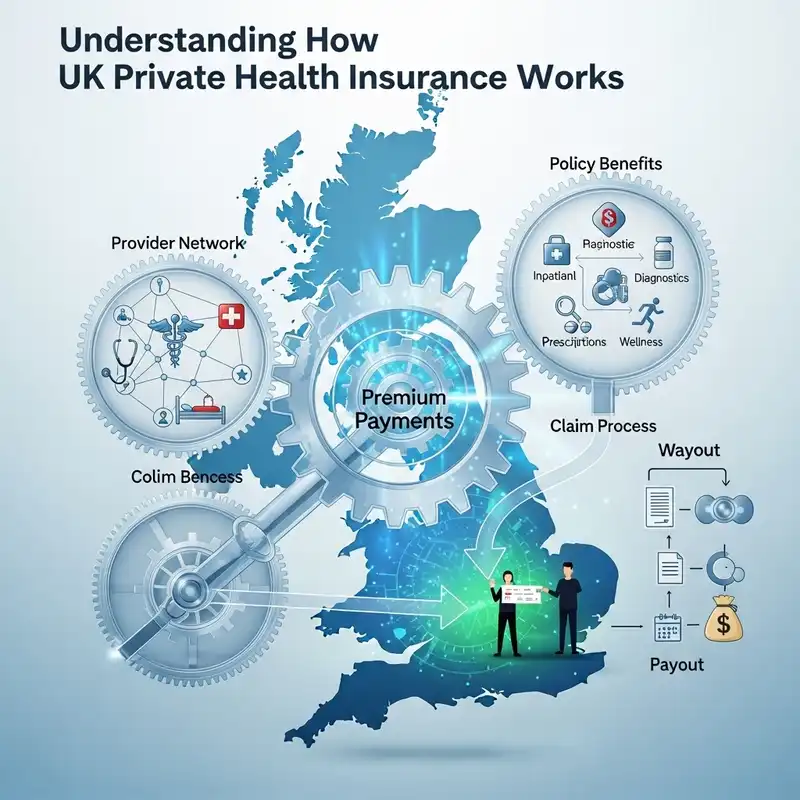
Decoding Your UK Private Health Insurance: How to Tell if Your Policy Covers Wellness, or Just Medical Necessity.
UK Private Health Insurance Wellness vs. Medical Necessity – Decoding What Your Policy Really Covers
In the intricate landscape of UK private health insurance, a common point of confusion for many prospective policyholders revolves around a fundamental question: what exactly does my policy cover? Is it solely for urgent medical treatment, or does it extend to broader aspects of health and wellbeing, like gym memberships or nutritional advice? This article aims to decode the often-complex relationship between "medical necessity" and "wellness" benefits within UK Private Medical Insurance (PMI), providing a definitive guide to ensure you understand what you're truly buying.
Understanding this distinction is crucial, not just for financial clarity but for managing your health expectations. While the National Health Service (NHS) remains the cornerstone of healthcare in the UK, PMI offers a complementary service, providing peace of mind, faster access to specialists, and greater choice. However, it operates under specific principles, chief among them being the focus on acute medical conditions and medical necessity, rather than general wellness or pre-existing health issues.
At WeCovr, we understand that navigating these policy nuances can be challenging. Our mission is to simplify this process, helping you compare plans from all major UK insurers to find the right coverage that aligns with your specific health needs and financial considerations.
Understanding the Fundamentals: What is UK Private Medical Insurance (PMI)?
Private Medical Insurance (PMI), often referred to simply as health insurance, is designed to cover the costs of private medical treatment for acute conditions that arise after your policy has begun. It acts as a financial safety net, allowing you to bypass potentially lengthy NHS waiting lists for non-emergency procedures, consult with specialists rapidly, and choose where and when you receive treatment.
How PMI Complements the NHS
It's vital to understand that PMI is not a replacement for the NHS. The NHS provides universal healthcare free at the point of use for all UK residents, covering everything from emergency care and GP appointments to long-term chronic condition management. PMI, however, offers supplementary benefits for specific circumstances:
- Faster Access: Reduced waiting times for diagnostic tests, consultations, and treatment.
- Choice: The ability to choose your hospital, consultant, and often the timing of your treatment.
- Comfort: Private rooms, often with en-suite facilities, and more flexible visiting hours.
- Specialised Treatments: Access to some treatments or drugs that may not be routinely available on the NHS.
The Defining Principle: Acute Conditions Only
This is perhaps the most critical distinction to grasp about UK PMI: it primarily covers acute medical conditions.
An acute condition is generally defined as a disease, illness, or injury that:
- Responds quickly to treatment.
- Is likely to return you to the state of health you were in before the condition developed.
Examples include a broken bone, appendicitis, cataracts, or a new diagnosis of cancer (which, once treated, would ideally lead to remission, fitting the "return to previous health" criteria).
Crucially, standard UK private medical insurance does not cover chronic or pre-existing conditions. This is a non-negotiable rule across almost all insurers.
- Chronic Conditions: These are long-term illnesses or injuries that have one or more of the following characteristics:
- They continue indefinitely.
- They have no known cure.
- They are likely to recur.
- They require long-term monitoring, control, or relief of symptoms.
- Examples include diabetes, asthma, epilepsy, hypertension, or degenerative arthritis. While an acute flare-up of a chronic condition might be covered for initial diagnosis or symptom relief, the ongoing management of the chronic condition itself is excluded.
- Pre-existing Conditions: These are any medical conditions (symptoms of which you were aware, or for which you received advice or treatment) that existed before you took out your private health insurance policy. Unless specifically declared, agreed to be covered by the insurer (which is rare and often comes with significant additional cost or exclusions), they will not be covered.
Understanding this fundamental limitation is paramount when considering PMI. It is designed for new, unexpected illnesses or injuries, not for managing lifelong health issues or conditions you already have.
The Cornerstone: Medical Necessity in PMI
At the heart of every UK private health insurance policy lies the concept of "medical necessity." This principle dictates whether a treatment, test, or consultation is eligible for coverage. Insurers will only pay for services that are deemed medically necessary for the diagnosis or treatment of an acute condition.
What Constitutes "Medical Necessity"?
From an insurer's perspective, a treatment is medically necessary if it meets the following criteria:
- Diagnosis of an Acute Condition: The primary purpose is to diagnose an acute illness, injury, or disease.
- Treatment of an Acute Condition: The treatment is appropriate and effective for the diagnosed acute condition.
- Clinical Efficacy: The treatment is recognised as an established and effective medical practice within the UK.
- GP Referral: Almost all private health insurance policies require a referral from your NHS GP to see a private specialist. This ensures that the initial assessment of medical necessity is made by a qualified primary care professional.
Typical Medically Necessary Treatments Covered
When you take out a comprehensive PMI policy, the core benefits almost always revolve around medically necessary treatments for acute conditions. These typically include:
- Specialist Consultations: Initial consultations and follow-up appointments with private consultants.
- Diagnostic Tests: X-rays, MRI scans, CT scans, blood tests, endoscopies, and other investigations to diagnose your condition.
- In-patient & Day-patient Treatment: Costs associated with hospital stays, including surgical procedures, nursing care, accommodation, and theatre fees.
- Cancer Treatment: This is often a significant component, covering consultations, diagnostic tests, chemotherapy, radiotherapy, and biological therapies. Many policies offer comprehensive cancer care, sometimes with unlimited benefits.
- Out-patient Treatment: Follow-up physiotherapy, osteopathy, or chiropractic treatment following an acute condition or surgery.
- Minor Surgery: Procedures that can be performed in an out-patient setting, such as mole removal.
For example, if you develop a new, persistent pain in your knee, and your GP refers you to a private orthopaedic specialist, your policy would likely cover the consultation, any necessary MRI scans to diagnose a torn ligament (an acute condition), and subsequent surgery if required. The goal is to treat the acute issue and return you to health.
Common Exclusions Under "Medical Necessity"
While essential, it's equally important to be aware of what is generally not covered under the umbrella of medical necessity:
- Emergency Services: Life-threatening emergencies are always handled by the NHS. PMI does not cover ambulance call-outs or A&E visits.
- Cosmetic Surgery: Procedures primarily for aesthetic improvement rather than medical necessity.
- Fertility Treatment: Often excluded or only very limited cover is provided for initial diagnostic tests.
- Organ Transplants: Generally excluded due to complexity and cost, these are typically NHS services.
- Self-inflicted Injuries/Drug Abuse: Treatment for conditions arising from these causes is usually excluded.
- Overseas Treatment: Unless specified as an add-on, treatment outside the UK is not covered.
Here's a simplified table illustrating the difference between conditions typically covered versus those generally excluded based on medical necessity and the acute/chronic distinction:
| Feature | Example of Medically Necessary (Acute, Covered) | Example of Non-Medically Necessary or Excluded (Chronic/Pre-existing, Not Covered) |
|---|---|---|
| Condition Type | Sudden appendicitis requiring surgery | Long-term diabetes management or a pre-existing heart condition |
| Diagnostic Tests | MRI scan for a new, unexplained back pain (acute onset) | Routine annual health check without specific symptoms (often wellness, not core PMI) |
| Consultations | Seeing a dermatologist for a newly appearing suspicious mole | Ongoing consultations for chronic eczema or psoriasis you've had for years |
| Surgical Treatment | Cataract removal or hip replacement for new, debilitating arthritis | Elective cosmetic surgery for aesthetic purposes |
| Mental Health (Acute) | Short-term therapy for sudden onset depression/anxiety after trauma | Long-term psychotherapy for a personality disorder diagnosed prior to policy |
| Physiotherapy | Post-operative physiotherapy after knee surgery | Ongoing physiotherapy for a chronic back condition that predates your policy |
| Cancer Treatment | Chemotherapy and radiotherapy for a new cancer diagnosis | Experimental or unproven cancer treatments not recognised clinically |
The Growing Trend: Wellness and Preventative Care in PMI
Beyond the core medical necessity for acute conditions, many UK private health insurers are now incorporating or offering optional "wellness" and preventative care benefits. This marks a shift in approach, recognising that investing in health prevention can lead to healthier lives for policyholders and potentially fewer and less severe claims for insurers in the long run.
What is "Wellness" in the Context of Health Insurance?
"Wellness" in this context refers to a more holistic approach to health, focusing on maintaining good health, preventing illness, and improving overall quality of life. These benefits are typically not about treating an acute illness once it's occurred, but rather about proactive health management.
Why Insurers are Embracing Wellness
- Prevention is Better than Cure: Healthier policyholders make fewer and less complex claims, reducing insurer payouts over time.
- Attracting and Retaining Customers: Wellness benefits appeal to a broader demographic, particularly younger, health-conscious individuals who might not see immediate value in traditional PMI.
- Differentiating Offerings: In a competitive market, unique wellness perks can set an insurer apart.
- Data-Driven Insights: Some wellness programmes integrate with wearable tech, providing insurers with anonymised data that can inform future product development and risk assessment (though data privacy is heavily regulated).
- Corporate Demand: Many businesses are seeking comprehensive wellness packages for their employees to boost morale, reduce absenteeism, and promote a healthy workforce.
Types of Wellness Benefits Offered
Wellness benefits are typically offered as add-ons or as part of a more comprehensive policy package. They vary significantly between insurers but can include:
- Digital GP Services: 24/7 access to online GPs for quick consultations, prescriptions, and referrals. While this can lead to a medical necessity claim, the convenience itself is a wellness perk.
- Health Check-ups & Screenings: Annual health assessments, blood tests, or specific screenings (e.g., for heart health, diabetes risk) even without symptoms.
- Mental Health Support Lines: Access to helplines, online resources, or a limited number of counselling sessions for common mental health concerns like stress or anxiety.
- Discounts on Gym Memberships & Wearables: Partnerships with fitness centres or subsidies for smartwatches/fitness trackers.
- Nutritional Advice: Access to qualified nutritionists for dietary guidance.
- Online Health Resources: Libraries of articles, videos, and tools on topics like sleep, stress management, and healthy eating.
- Rewards Programmes: Incentives for healthy living, such as discounts on travel, cinema tickets, or other services for reaching activity goals.
- Physiotherapy for Non-Acute Pain: Some policies might offer a limited number of physiotherapy sessions for general aches and pains that don't stem from an acute injury, but rather from lifestyle or posture.
It's crucial to understand that these wellness benefits are generally supplementary and do not replace the core medical necessity coverage. They are designed to support a healthier lifestyle, not to treat serious illnesses.
Here's a table comparing core PMI medical necessity benefits with common wellness add-ons:
| Feature | Core PMI (Medical Necessity) | Wellness & Preventative (Optional Add-on) |
|---|---|---|
| Purpose | Treat specific acute illnesses/injuries to restore health | Promote general health, prevent illness, improve wellbeing |
| Triggers for Use | Development of new symptoms or diagnosis of an acute condition | Desire for proactive health management, lifestyle improvement, minor concerns |
| Referral Required? | Yes, typically a GP referral for specialist care | Generally no referral needed for access to wellness resources |
| Examples of Coverage | Surgery for a fractured bone, chemotherapy for cancer, MRI for acute herniated disc | Discounted gym membership, online mental health resources, health MOTs |
| Cost Basis | Covers significant medical costs (consultations, diagnostics, surgery) | Often covers smaller benefits, discounts, or access to digital platforms |
| Impact on Health | Direct treatment of specific conditions | Indirectly supports health through lifestyle changes and early detection |
| Inpatient/Outpatient | Covers both | Primarily outpatient or digital resources |
The Critical Distinction: Acute vs. Chronic Conditions – A Core PMI Principle
We cannot stress this enough: the distinction between acute and chronic conditions is the linchpin of UK private medical insurance. Misunderstanding this can lead to significant disappointment and unexpected costs. Standard PMI is designed to cover acute conditions and almost universally excludes chronic and pre-existing conditions.
Defining Acute, Chronic, and Pre-existing Conditions
Let's reiterate these definitions with absolute clarity:
-
Acute Condition: A disease, illness, or injury that is likely to respond quickly to treatment and return you to the state of health you were in immediately before the condition developed. The key here is the resolvable nature and the aim of full recovery or significant improvement to a pre-illness state.
- Examples: A sudden kidney stone, a new onset of appendicitis, a cataract requiring removal, a recently diagnosed cancerous tumour that can be surgically removed or treated to achieve remission.
-
Chronic Condition: A disease, illness, or injury that has one or more of the following characteristics:
- It continues indefinitely.
- It has no known cure.
- It is likely to recur.
- It requires long-term monitoring, control, or relief of symptoms.
- Examples: Diabetes (Type 1 or 2), asthma, epilepsy, multiple sclerosis, rheumatoid arthritis, irreversible heart disease, degenerative joint conditions (like severe osteoarthritis requiring ongoing pain management rather than a single acute surgical fix). While a flare-up of asthma might lead to an acute hospital admission, the underlying asthma itself is chronic and its ongoing management is not covered by PMI.
-
Pre-existing Condition: Any disease, illness, or injury for which you have received medication, advice, or treatment, or had symptoms of, before your health insurance policy started.
- Examples: If you had high blood pressure before taking out your policy, even if well-controlled, it's pre-existing. If you had knee pain and saw a doctor about it two months before your policy started, any future issues with that knee are likely pre-existing.
- Important Note: Even if you weren't officially diagnosed but experienced symptoms or sought advice, it could be considered pre-existing.
Why the Exclusion?
Insurers exclude chronic and pre-existing conditions because they represent an unquantifiable and potentially infinite financial risk. If they covered these, premiums would be prohibitively expensive, and the very concept of insurance (covering unexpected future events) would break down. The NHS is structured to provide lifelong care for these conditions, which is why PMI complements, rather than replaces, it.
Practical Implications for Policyholders
If you have a chronic condition, your PMI will not cover:
- Regular check-ups related to that condition.
- Medication for that condition.
- Treatment for complications directly arising from that condition.
If you develop a new, unrelated acute condition, your PMI will cover that, assuming it meets the medical necessity criteria. For instance, if you have asthma (chronic, excluded) but then develop a new case of appendicitis (acute, covered), your PMI would pay for the appendicitis treatment.
It's vital to be entirely transparent about your medical history when applying for PMI. Non-disclosure can lead to policy invalidation when you need it most. Insurers typically use "moratorium underwriting" (where they exclude conditions you've had in the last 5 years) or "full medical underwriting" (where you declare everything upfront). Understanding which type of underwriting applies to your policy is essential.
Here’s a clear breakdown of how PMI typically views these conditions:
| Condition Type | Definition (PMI Context) | PMI Coverage Status | Example |
|---|---|---|---|
| Acute | Responds quickly to treatment; aims to restore pre-illness health | Generally Covered: If it arises after policy inception and is medically necessary | A sudden, new appendicitis requiring surgery. A recently diagnosed, treatable cancer. |
| Chronic | Long-term, no known cure, requires ongoing management, or likely to recur | Generally EXCLUDED: Ongoing management, monitoring, or symptom relief | Type 1 Diabetes, asthma, long-term osteoarthritis, epilepsy. |
| Pre-existing | Any condition (symptoms/treatment) before policy inception | Generally EXCLUDED: Unless specifically declared and accepted (rare) | High blood pressure diagnosed prior to policy. Back pain you've had for years. |
| Acute Flare-up of Chronic | A sudden worsening of a chronic condition, requiring immediate, short-term treatment | Limited Coverage: May cover initial acute treatment/diagnosis to stabilise, but not ongoing management of the underlying chronic condition. | An acute asthma attack requiring hospital admission. |
This fundamental rule underscores the importance of seeking expert advice when choosing PMI. At WeCovr, we always ensure our clients fully understand these critical distinctions before committing to a policy.
Navigating Policy Wording: The Fine Print You Must Understand
The devil is often in the detail, and nowhere is this truer than in insurance policy documents. Simply knowing the broad categories of medical necessity and wellness isn't enough; you must delve into the specific terms and conditions of your chosen policy.
Key Terms to Look For
Policy documents are replete with specific terminology that can impact your coverage. Understanding these terms is paramount:
- Medical Necessity: As discussed, this is the core criterion. The policy will define what an insurer considers "medically necessary."
- Usual, Customary, and Reasonable (UCR): This refers to the maximum amount an insurer will pay for a specific treatment or procedure, based on typical charges in the region. If your chosen private consultant charges above the UCR, you might have to pay the difference.
- Pre-authorisation: Most policies require you to obtain pre-authorisation from your insurer before undergoing any significant treatment or diagnostic tests. Failing to do so could result in your claim being denied. This is a crucial step that ensures the treatment is medically necessary and falls within your policy's terms.
- Excess: An agreed amount you pay towards the cost of your claim before the insurer pays anything. A higher excess typically means lower premiums.
- Co-payment/Co-insurance: A percentage of the claim you agree to pay, in addition to the excess. For example, an 80/20 co-payment means the insurer pays 80% and you pay 20%.
- Waiting Periods: A period of time from policy inception during which certain benefits are not covered (e.g., you might have to wait 14 days for general claims, or 3 months for specific benefits like mental health or cancer treatment). This prevents people from taking out a policy only when they know they need immediate treatment.
- Benefit Limits: Many benefits have annual or per-condition monetary limits (e.g., £1,000 for physiotherapy, £50,000 for mental health treatment). Unlimited benefits for cancer treatment are common, but always check.
- Exclusions: A comprehensive list of conditions, treatments, or circumstances not covered by the policy. This list will detail chronic conditions, pre-existing conditions (unless agreed otherwise), cosmetic surgery, fertility treatment, and often routine dental or optical care.
- Underwriting Method:
- Moratorium: The insurer will automatically exclude any conditions you've had symptoms, treatment, or advice for in the last 5 years. After a set period (usually 2 years) without symptoms or treatment for that condition, it may become covered.
- Full Medical Underwriting (FMU): You declare your full medical history upfront. The insurer then decides immediately whether to cover or exclude certain conditions. This provides clarity from the outset.
- Continued Personal Medical Exclusions (CPME): If you're switching from an existing PMI policy, some insurers may offer to carry over the exclusions from your previous policy, subject to their terms.
The Role of GP Referral and Initial Diagnosis
Almost all UK PMI policies require you to obtain a referral from your NHS GP before seeing a private specialist. This serves several purposes:
- Clinical Assessment: Your GP provides the initial medical assessment and determines if a specialist referral is appropriate.
- Medical Necessity: It acts as a gatekeeper, helping to ensure that the private consultation is medically justified.
- Insurer Requirement: It’s a standard condition for most claims. Without it, your insurer may refuse to pay.
Always speak to your insurer after your GP referral but before booking any private appointments or tests. They will guide you through the pre-authorisation process.
Impact of Policy Excesses and Benefit Limits
Understanding your excess and any benefit limits is crucial for managing costs.
- If your excess is £250, you'll pay the first £250 of any eligible claim.
- If your policy has an annual limit of £1,000 for physiotherapy and you need £1,500 worth, you'll pay the additional £500.
These elements allow you to tailor your premium, but they also define your out-of-pocket exposure.
Here's a table of common PMI policy terms you must understand:
| Term | Definition (UK PMI Context) | Why it Matters |
|---|---|---|
| Excess | The initial amount you pay towards a claim before the insurer contributes. | Directly impacts your out-of-pocket costs and influences your premium (higher excess = lower premium). |
| Pre-authorisation | Requirement to get insurer approval before planned treatment or tests. | Mandatory for most claims; failure to get it often results in claim denial. |
| Benefit Limits | Maximum monetary amount an insurer will pay for specific treatments or over a policy year. | Defines the maximum coverage for certain benefits, beyond which you pay. |
| Waiting Periods | A set period from policy start during which certain benefits are not covered. | You cannot claim for conditions arising or treatment sought during this period. |
| Exclusions | Specific conditions, treatments, or circumstances explicitly not covered by the policy. | Crucial to know what is never covered (e.g., chronic, pre-existing conditions, cosmetic surgery). |
| Underwriting | The process by which the insurer assesses your health and decides what to cover/exclude. | Determines what pre-existing conditions (if any) are covered or permanently excluded. |
| Acute Condition | Illness/injury that responds quickly to treatment, returning you to prior health. | The only type of condition generally covered by standard PMI. |
| Chronic Condition | Long-term illness/injury with no known cure, requires ongoing management. | Almost universally EXCLUDED from standard PMI coverage. |
| GP Referral | Requirement to be referred by your NHS GP to a private specialist. | Essential for almost all private specialist consultations and subsequent claims. |
The Financial Landscape: Costs, Premiums, and Value
The cost of private health insurance varies significantly, influenced by a multitude of factors. Understanding these, and the value proposition of both core PMI and wellness add-ons, is key to making a financially sound decision.
Factors Influencing Premiums
Your PMI premium is not a one-size-fits-all figure. Several key factors are considered:
- Age: Older individuals typically pay more as the likelihood of needing medical treatment increases with age.
- Postcode: Healthcare costs can vary regionally across the UK, with central London often having higher charges, which reflects in premiums.
- Chosen Level of Cover:
- Core Cover: Basic plans covering inpatient and day-patient treatment are generally cheaper.
- Comprehensive Plans: These include outpatient benefits (consultations, diagnostics), mental health cover, cancer treatment, and potentially wellness add-ons, and are significantly more expensive.
- Excess: A higher voluntary excess will reduce your monthly premium, as you are agreeing to pay a larger initial portion of any claim.
- Underwriting Method: Full medical underwriting might lead to slightly lower premiums if you declare minimal health issues, as the insurer has immediate clarity on your risk. Moratorium can be more expensive initially if you have a recent history of conditions that might become covered.
- Add-ons: Opting for extensive wellness benefits, optical, or dental add-ons will increase your premium.
- Smoker Status: Smokers typically face higher premiums due to increased health risks.
- Medical History (for FMU): While pre-existing conditions are generally excluded, overall health can influence pricing.
Recent data indicates a consistent rise in PMI premiums. According to LaingBuisson's UK Healthcare Market Review 2023, the average PMI premium continued its upward trend. This reflects general inflation, rising medical costs, and increasing demand for private healthcare, partly driven by NHS waiting lists.
Is Wellness Coverage "Worth It"?
The value of wellness coverage is subjective and depends on your lifestyle and priorities:
- For the Health-Conscious: If you actively use gym memberships, are interested in regular health checks, or value mental health support lines, these benefits can offer tangible value and encourage a healthier lifestyle.
- For Employers: Group wellness schemes can boost employee morale, reduce sick days, and show a commitment to employee wellbeing, potentially improving recruitment and retention.
- Potential ROI: While difficult to quantify directly, investing in preventative care could reduce the likelihood or severity of future acute conditions, potentially leading to fewer and smaller claims down the line. However, the direct financial return on the additional premium for wellness benefits alone is not always clear-cut.
- Peace of Mind: Access to digital GPs and mental health helplines offers quick access to advice, which can be invaluable even if it doesn't lead to a major claim.
It's important to weigh the additional premium cost for wellness benefits against how much you genuinely expect to use them and whether you could access similar services more affordably elsewhere (e.g., a standalone gym membership).
The Value Proposition of PMI
Despite the costs, PMI offers significant value for many:
- Speed of Access: Avoiding lengthy NHS waiting lists can be critical for conditions like cancer, where early diagnosis and treatment significantly improve outcomes. NHS England data shows elective waiting lists remain high, with millions awaiting treatment.
- Choice and Control: The ability to choose your consultant and hospital, and often the time of your appointments, offers a level of personal control not always available on the NHS.
- Comfort and Privacy: Private hospital rooms and dedicated nursing care contribute to a more comfortable recovery experience.
- Peace of Mind: Knowing you have a safety net for unexpected acute health issues provides significant reassurance.
Ultimately, the decision to invest in PMI, and how much to spend on wellness add-ons, comes down to balancing cost with your personal health priorities and risk tolerance. For a tailored comparison and transparent advice on what fits your budget and needs, WeCovr offers expert guidance across all major UK insurers.
Who Benefits Most from PMI and Wellness Add-ons?
While PMI can be beneficial for many, certain individuals and groups tend to derive the most significant advantages from the core medical necessity cover and the additional wellness benefits.
Beneficiaries of Core Medical Necessity Cover
The primary beneficiaries of PMI's core medical necessity cover are those who:
- Value Speed of Treatment: Individuals who want to avoid NHS waiting lists for non-emergency conditions, particularly for diagnostic tests, consultations, and elective surgeries. This is especially pertinent given current NHS waiting list statistics (e.g.* Seek Choice and Control: People who want to choose their consultant, hospital, and appointment times. This appeals to those who prefer continuity of care with a specific specialist or a particular hospital environment.
- Desire Enhanced Comfort and Privacy: Those who appreciate private rooms, dedicated nursing care, and more flexible visiting hours during hospital stays.
- Require Extensive Cancer Coverage: Many PMI policies offer very comprehensive cancer care, often with unlimited benefits for treatment, which can be a significant draw for those concerned about this disease. The peace of mind here is substantial.
- Are Self-Employed or Business Owners: A prolonged illness can significantly impact income for the self-employed. PMI helps them get back on their feet faster. Businesses often provide group PMI to reduce employee absenteeism and enhance productivity.
- Are Families: While the acute/chronic rule still applies, families can benefit from quicker access to paediatric specialists or faster diagnostics for children's unexpected illnesses, offering parents peace of mind.
- Live in Areas with NHS Pressures: In regions where NHS services are particularly stretched, PMI can provide a vital alternative route to care.
Beneficiaries of Wellness Add-ons
Wellness benefits appeal to a slightly different, or additional, set of individuals:
- The Proactive Health Manager: Individuals who are already actively engaged in maintaining their health and fitness (e.g., regular gym-goers, those interested in nutrition). The discounts and access to resources enhance their existing habits.
- Those Seeking Digital Convenience: People who value 24/7 access to digital GPs for quick advice, minor ailments, or repeat prescriptions, rather than waiting for an NHS GP appointment.
- Individuals Prioritising Mental Wellbeing: Those who want easy, confidential access to mental health support lines or a limited number of counselling sessions without lengthy NHS referrals or private costs. Recent statistics highlight the growing mental health crisis in the UK, making this benefit increasingly attractive (e.g., 1 in 4 adults experiencing a mental health problem in any given year, Mental Health Foundation).
- Companies Focused on Employee Wellbeing: Employers looking to reduce stress, improve productivity, and demonstrate a commitment to their workforce's overall health often find wellness programmes valuable for group schemes.
- Those Looking for Cost Savings: While not always a direct financial return, discounts on health-related services (like gym memberships, health checks) can add up if regularly used.
In essence, while core PMI is about reacting to and treating new illnesses, wellness add-ons are about proactive engagement with health to potentially prevent issues or manage minor ones before they escalate. Deciding which level of cover is right for you involves an honest assessment of your health habits, your priorities, and your budget.
Making an Informed Choice: How to Find the Right Policy
Choosing the right private health insurance policy requires careful consideration of your individual needs, budget, and understanding of the coverage distinctions. It's not a decision to be rushed.
Self-Assessment of Your Needs
Before you even start comparing policies, ask yourself:
- What are my primary motivations for getting PMI? Is it speed, choice, comfort, or access to specific treatments like cancer care?
- Do I understand the acute vs. chronic condition exclusion? Am I comfortable that my existing conditions will not be covered?
- What is my budget? How much am I willing to pay monthly/annually?
- How important are wellness benefits to me? Will I actively use them, or are they just a nice-to-have?
- Am I prepared to pay an excess? How high an excess am I comfortable with?
- What is my medical history? This will influence underwriting and potential exclusions.
Comparing Providers
The UK private health insurance market has several reputable providers, including Bupa, AXA Health, Vitality, Aviva, and WPA, among others. Each offers a range of policies with different levels of cover, excesses, and optional add-ons.
When comparing:
- Look Beyond the Premium: A cheaper premium might mean a higher excess, fewer benefits, or more exclusions.
- Understand the Core Cover: What inpatient/day-patient benefits are included? What are the limits for outpatient care? How comprehensive is the cancer cover?
- Examine Exclusions: Pay close attention to the general exclusions list and how your pre-existing conditions will be handled based on the underwriting method.
- Review Wellness Options: If these are important to you, compare what each insurer offers and whether the added cost justifies the benefits.
- Read Customer Reviews: While not definitive, they can offer insights into an insurer's customer service and claims process.
The Importance of Independent Advice
Navigating the complexities of PMI policy wordings, benefit limits, and the crucial acute vs. chronic distinction can be overwhelming. This is where independent expert advice becomes invaluable.
At WeCovr, we specialise in helping individuals and businesses find the private health insurance policy that truly fits their unique requirements. We don't just present you with quotes; we take the time to understand your health needs, your budget, and your priorities.
- Unbiased Comparison: We compare plans from all major UK insurers, providing a clear, objective overview of their offerings.
- Expert Guidance: We explain the intricate details of policy wording, including the critical differences between medical necessity and wellness benefits, and, most importantly, the implications of acute vs. chronic and pre-existing condition exclusions. We ensure you are fully aware of what is and isn't covered.
- Tailored Recommendations: We help you identify a policy that provides robust medical necessity cover for new, acute conditions, while also considering if the available wellness add-ons offer genuine value for you.
- Simplifying Complexity: We break down jargon and answer all your questions, ensuring you make an informed decision with confidence, avoiding common pitfalls and unexpected surprises down the line.
Our aim is to empower you with the knowledge to select a policy that gives you peace of mind, knowing exactly what to expect when you need it most.
The Future of UK Private Health Insurance: A Blended Approach?
The private health insurance market in the UK is dynamic, continually evolving in response to technological advancements, changing consumer expectations, and the pressures on the NHS. The line between medical necessity and wellness may become increasingly blurred in the future.
Trends Shaping the Future
- Digital Health and Telemedicine: The COVID-19 pandemic significantly accelerated the adoption of digital GP services and remote consultations. This trend is likely to continue, with more diagnostic pathways potentially starting online. Insurers are investing heavily in these platforms.
- Personalised Medicine: Advances in genetics and data analytics could lead to highly personalised health plans and preventative strategies. Insurers might leverage this to offer more tailored wellness programmes or even underwriting based on individual genetic predispositions.
- AI and Wearable Technology: Artificial intelligence could play a greater role in risk assessment, claims processing, and even guiding preventative health interventions. Wearable technology, already integrated into some wellness programmes, will likely become more sophisticated, offering real-time health monitoring and personalised insights.
- Increased Focus on Preventative Health: As healthcare costs rise, the emphasis on preventing illness rather than just treating it will intensify. This could lead to a more integrated approach, where basic wellness benefits become part of standard policies, rather than just add-ons, or where policyholders are actively incentivised for healthy behaviours.
- Mental Health Integration: Given the growing awareness and prevalence of mental health issues, expect more comprehensive and easily accessible mental health support to be integrated into core policies, moving beyond just helplines to include broader access to therapy and psychiatric consultations.
- Evolving NHS-Private Sector Relationship: The relationship between the NHS and the private sector is complex. While PMI will continue to complement the NHS by taking pressure off elective care, potential collaborations or new models could emerge, particularly in areas like diagnostics or specialist out-patient services.
- Focus on Outcomes: Insurers may increasingly shift from simply paying for treatments to focusing on the health outcomes achieved, potentially rewarding providers or policyholders based on measurable improvements in health.
Towards a Blended Approach?
It is plausible that the distinction between "medical necessity" and "wellness" might evolve into a more blended approach. As preventative measures prove their efficacy in reducing future claims, insurers may be more inclined to include certain proactive health services within core coverage. For example, comprehensive annual health checks or advanced mental health support could become standard components, recognised as essential for long-term health management and acute illness prevention.
However, the fundamental principle of excluding chronic and pre-existing conditions from standard PMI is unlikely to change significantly, as it forms the bedrock of the insurance model. The UK system relies on the NHS to manage these long-term conditions.
Conclusion
Navigating the world of UK private health insurance can feel like decoding a complex language, especially when trying to understand the nuances between medical necessity and wellness coverage. The core takeaway remains clear: standard UK PMI is fundamentally designed to cover acute conditions that arise after your policy begins, driven by the principle of medical necessity. It is a crucial complement to the NHS, offering speed, choice, and comfort for unexpected illnesses or injuries.
Wellness benefits, while a growing and attractive feature, are generally supplementary. They are designed to support a healthier lifestyle and proactively manage minor health concerns, but they do not replace the primary function of PMI, which is to treat serious, acute medical conditions.
Critically, remember that private medical insurance does not cover chronic or pre-existing conditions. This is a steadfast rule across the industry, and it's vital to factor this into your decision-making process.
By understanding these distinctions, carefully reading your policy documents, and being transparent about your medical history, you can ensure that your private health insurance truly serves your needs. For expert, unbiased advice that cuts through the complexity and helps you compare plans from all major UK insurers to find the right coverage, remember that professional brokers like WeCovr are here to guide you every step of the way, helping you secure a policy that provides genuine peace of mind.
Why private medical insurance and how does it work?
What is Private Medical Insurance?
Private medical insurance (PMI) is a type of health insurance that provides access to private healthcare services in the UK. It covers the cost of private medical treatment, allowing you to bypass NHS waiting lists and receive faster, more convenient care.How does it work?
Private medical insurance works by paying for your private healthcare costs. When you need treatment, you can choose to go private and your insurance will cover the costs, subject to your policy terms and conditions. This can include:• Private consultations with specialists
• Private hospital treatment and surgery
• Diagnostic tests and scans
• Physiotherapy and rehabilitation
• Mental health treatment
Your premium depends on factors like your age, health, occupation, and the level of cover you choose. Most policies offer different levels of cover, from basic to comprehensive, allowing you to tailor the policy to your needs and budget.
Questions to ask yourself regarding private medical insurance
Just ask yourself:👉 Are you concerned about NHS waiting times for treatment?
👉 Would you prefer to choose your own consultant and hospital?
👉 Do you want faster access to diagnostic tests and scans?
👉 Would you like private hospital accommodation and better food?
👉 Do you want to avoid the stress of NHS waiting lists?
Many people don't realise that private medical insurance is more affordable than they think, especially when you consider the value of faster treatment and better facilities. A great insurance policy can provide peace of mind and ensure you receive the care you need when you need it.
Benefits offered by private medical insurance
Private medical insurance provides numerous benefits that can significantly improve your healthcare experience and outcomes:Faster Access to Treatment
One of the biggest advantages is avoiding NHS waiting lists. While the NHS provides excellent care, waiting times can be lengthy. With private medical insurance, you can often receive treatment within days or weeks rather than months.
Choice of Consultant and Hospital
You can choose your preferred consultant and hospital, giving you more control over your healthcare journey. This is particularly important for complex treatments where you want a specific specialist.
Better Facilities and Accommodation
Private hospitals typically offer superior facilities, including private rooms, better food, and more comfortable surroundings. This can make your recovery more pleasant and potentially faster.
Advanced Treatments
Private medical insurance often covers treatments and medications not available on the NHS, giving you access to the latest medical advances and technologies.
Mental Health Support
Many policies include comprehensive mental health coverage, providing faster access to therapy and psychiatric care when needed.
Tax Benefits for Business Owners
If you're self-employed or a business owner, private medical insurance premiums can be tax-deductible, making it a cost-effective way to protect your health and your business.
Peace of Mind
Knowing you have access to private healthcare when you need it provides invaluable peace of mind, especially for those with ongoing health conditions or concerns about NHS capacity.
Private medical insurance is particularly valuable for those who want to take control of their healthcare journey and ensure they receive the best possible treatment when they need it most.
Important Fact!
We can look at a more suitable option mid-term!
Why is it important to get private medical insurance early?
👉 Many people are very thankful that they had their private medical insurance cover in place before running into some serious health issues. Private medical insurance is as important as life insurance for protecting your family's finances.👉 We insure our cars, houses, and even our phones! Yet our health is the most precious thing we have.
Easily one of the most important insurance purchases an individual or family can make in their lifetime, the decision to buy private medical insurance can be made much simpler with the help of FCA-authorised advisers. They are the specialists who do the searching and analysis helping people choose between various types of private medical insurance policies available in the market, including different levels of cover and policy types most suitable to the client's individual circumstances.
It certainly won't do any harm if you speak with one of our experienced insurance experts who are passionate about advising people on financial matters related to private medical insurance and are keen to provide you with a free consultation.
You can discuss with them in detail what affordable private medical insurance plan for the necessary peace of mind they would recommend! WeCovr works with some of the best advisers in the market.
By tapping the button below, you can book a free call with them in less than 30 seconds right now:
Our Group Is Proud To Have Issued 800,000+ Policies!
We've established collaboration agreements with leading insurance groups to create tailored coverage
























How It Works
1. Complete a brief form

2. Our experts analyse your information and find you best quotes

3. Enjoy your protection!

Any questions?
Learn more

Who Are WeCovr?
WeCovr is an insurance specialist for people valuing their peace of mind and a great service.👍 WeCovr will help you get your private medical insurance, life insurance, critical illness insurance and others in no time thanks to our wonderful super-friendly experts ready to assist you every step of the way.
Just a quick and simple form and an easy conversation with one of our experts and your valuable insurance policy is in place for that needed peace of mind!