UK Private Health Insurance: Your Early Health Warning
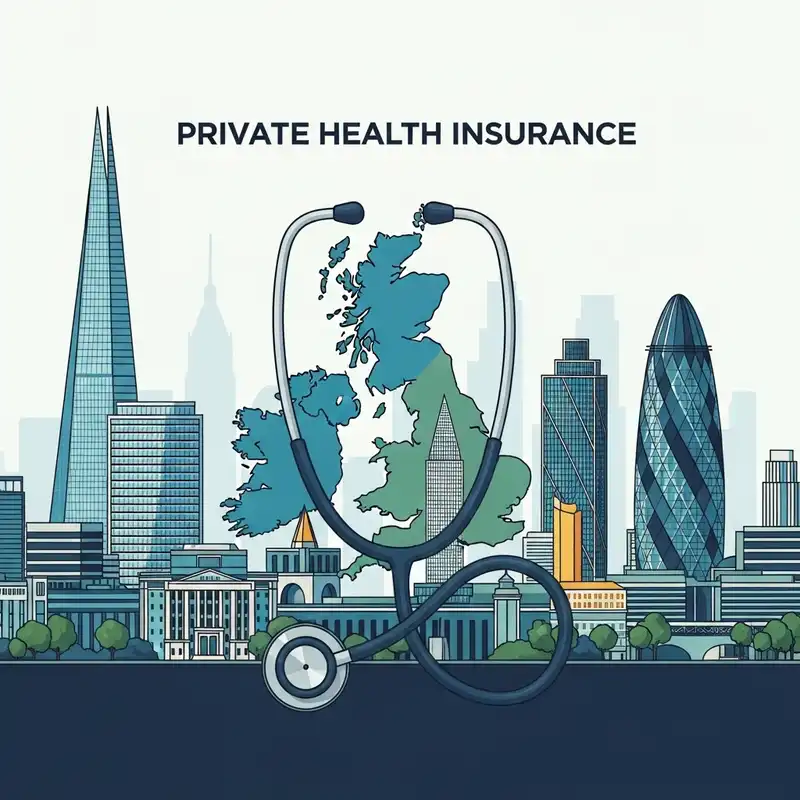
Beyond Treatment: How UK Private Health Insurance Provides Your Personal Health Early Warning System
How UK Private Health Insurance Provides Your Personal Health Early Warning System
In an increasingly complex world, where health concerns can emerge unexpectedly, the ability to detect potential issues early is invaluable. For many in the UK, the National Health Service (NHS) remains a cherished institution, a cornerstone of our society providing universal care. However, the pressures on the NHS are undeniable, leading to unprecedented waiting times for diagnostics, specialist consultations, and treatments. It's in this evolving landscape that UK private health insurance isn't just an alternative; it transforms into a sophisticated personal health early warning system, offering a proactive shield against the unknown.
Imagine having a dedicated mechanism that flags potential health issues before they escalate, providing prompt access to the expertise and technology needed for swift diagnosis and intervention. This isn't a futuristic fantasy; it's the tangible benefit of comprehensive private medical insurance (PMI).
This article will delve deeply into how private health insurance functions as your personal health early warning system, meticulously detailing the mechanisms it employs, the benefits it confers, and how it can empower you to take charge of your health with confidence and clarity. We'll explore the critical components, address common misconceptions, and guide you through understanding its true value in today's healthcare environment.
The Unseen Burden: NHS Pressures and the Growing Need for Proactive Health Management
The NHS is a testament to the UK's commitment to healthcare for all. However, its immense capacity is stretched thin by an ageing population, an increase in chronic conditions, and the lingering effects of global health crises. This often translates into significant waiting lists that, while managed with the best intentions, can cause considerable anxiety and allow conditions to progress when early intervention might have been more beneficial.
Consider these realities:
- Diagnostic Bottlenecks: Getting an MRI, CT scan, or even a routine ultrasound can involve weeks, or even months, of waiting. In some cases, a GP referral for a simple blood test might also take longer than desired. For conditions where time is of the essence – such as certain cancers or neurological issues – these delays can be profoundly worrying.
- Specialist Waiting Times: Once a referral is made, seeing a consultant in a specific field (e.g., cardiology, orthopaedics, dermatology) often means joining another queue. This prolonged wait can delay not just treatment, but also the crucial definitive diagnosis itself.
- Mental Health Access: While significant strides have been made, accessing timely psychological support, cognitive behavioural therapy (CBT), or specialist psychiatric consultations through the NHS can still be challenging due to high demand.
- Impact on Work and Life: Prolonged uncertainty and untreated symptoms can severely impact an individual's quality of life, their ability to work, and their overall mental well-being, creating a domino effect across personal and professional spheres.
It is precisely these pressures that highlight the intrinsic value of private health insurance. It doesn't replace the NHS but complements it, offering an alternative pathway that prioritises speed and direct access, transforming uncertainty into clarity.
Defining the "Early Warning System" in Health
What exactly do we mean when we describe private health insurance as an "early warning system"? It's a multi-faceted concept built upon principles of prompt access, advanced diagnostics, and expert consultations.
At its core, it means:
- Rapid Access to Diagnostics: The ability to undergo essential scans, blood tests, and other diagnostic procedures without significant delay, often within days of a referral.
- Swift Specialist Consultations: Direct access to a consultant in the relevant medical field, bypassing prolonged GP-led referral pathways to gain expert opinion and guidance quickly.
- Proactive Health Management: Depending on the policy, access to health assessments, preventative services, and wellness programmes designed to identify risk factors or nascent issues before they become serious.
- Peace of Mind: The psychological benefit of knowing that if a health concern arises, you have a clear, expedited pathway to investigation and care.
This system is about mitigating the "wait and see" approach that often characterises public healthcare pathways when resources are stretched. It's about empowering individuals to get answers and solutions faster, transforming potential anxieties into actionable steps.
Pillar 1: Rapid Access to Diagnostics – Unmasking Issues Early
Perhaps the most compelling argument for private health insurance as an early warning system lies in its provision of rapid access to advanced diagnostic tools. When you experience symptoms, no matter how vague, the first step towards understanding and addressing them is often through diagnostic tests.
The Diagnostic Advantage: Speed and Technology
With private health insurance, the process typically works like this:
- GP Referral: You still begin with a visit to your GP (General Practitioner). They assess your symptoms and, if a diagnostic test or specialist consultation is deemed necessary, they provide an "open referral" or refer you to a specific private consultant.
- Quick Appointment Booking: Instead of joining an NHS waiting list for, say, an MRI, you can usually book an appointment at a private facility within days. These facilities are often state-of-the-art, equipped with the latest imaging technology.
- Range of Diagnostics: This rapid access applies to a wide spectrum of tests, including:
- MRI (Magnetic Resonance Imaging) Scans: Crucial for detailed images of soft tissues, brains, spinal cords, and joints. Delays in MRI scans can mean delays in diagnosing neurological conditions, certain cancers, or severe musculoskeletal issues.
- CT (Computed Tomography) Scans: Excellent for bones, blood vessels, and soft tissues, often used for chest, abdominal, and pelvic imaging.
- Ultrasound Scans: Versatile and non-invasive, used for internal organs, pregnancy, and some musculoskeletal issues.
- X-rays: Still fundamental for bone fractures, chest infections, and some joint issues.
- Endoscopies/Colonoscopies: For internal examination of the digestive tract, vital for diagnosing conditions like Crohn's disease, ulcers, or bowel cancer.
- Pathology Tests: Comprehensive blood tests, urine tests, and tissue biopsies, often with quicker turnaround times for results.
- Cardiological Investigations: ECGs, echocardiograms, stress tests, and more detailed heart rhythm monitoring.
The Importance of Early Diagnosis
The adage "prevention is better than cure" often extends to "early diagnosis is better than late diagnosis." For numerous conditions, particularly serious ones like cancer, cardiovascular disease, or progressive neurological disorders, the prognosis is significantly improved with earlier detection and intervention.
- Cancer: Early diagnosis of many cancers dramatically increases survival rates. A lump detected swiftly and biopsied within days, rather than weeks, can mean the difference between a localised tumour and one that has metastasised.
- Cardiovascular Health: Timely identification of heart rhythm abnormalities, arterial blockages, or heart valve issues allows for interventions that can prevent heart attacks, strokes, or chronic heart failure.
- Musculoskeletal Issues: Prompt diagnosis of conditions like torn ligaments, trapped nerves, or degenerative joint disease means quicker access to physiotherapy, surgery, or other treatments, preventing chronic pain and long-term disability.
- Neurological Conditions: Early diagnosis of conditions such as multiple sclerosis or Parkinson's allows for earlier management strategies that can slow disease progression and improve quality of life.
Real-Life Example (Fictionalised): Maria, a 48-year-old marketing executive, began experiencing persistent headaches and occasional blurred vision. Concerned, she visited her NHS GP, who referred her for an MRI. The estimated waiting time was 10-12 weeks. With her private health insurance, Maria's GP provided an open referral. She called her insurer, who guided her to a local private hospital. Within three days, she had her MRI. The results were back within 24 hours, showing a small, benign growth that, while not immediately life-threatening, required monitoring. The rapid diagnosis alleviated her anxiety and allowed her to promptly discuss a management plan with a private neurologist, ensuring proactive care. Without PMI, Maria would have endured weeks of anxious waiting, potentially allowing her symptoms to worsen or her anxiety to mount.
Pillar 2: Swift Specialist Consultations – Expert Opinion When It Matters Most
Beyond diagnostics, the second critical pillar of private health insurance as an early warning system is the ability to swiftly consult with a specialist. In the NHS, a GP referral to a consultant can often take many weeks or even months, especially for non-urgent but concerning conditions. Private insurance drastically reduces this waiting period.
Direct Access to Expertise
Once your GP has provided a referral, your private health insurance enables you to:
- Choose Your Consultant: Often, you have a choice of consultants within your insurer's approved network, allowing you to select based on their expertise, location, or even patient reviews.
- Bypass Waiting Lists: Instead of joining a lengthy NHS consultant waiting list, you can typically secure an appointment with a leading specialist within days, or at most, a couple of weeks.
- Comprehensive Consultations: Private consultations are often more unhurried, allowing ample time for a thorough discussion of symptoms, medical history, and proposed treatment plans. This allows for a deeper understanding of your condition and more personalised care.
- Second Opinions: If you have received a diagnosis or treatment plan, private health insurance often facilitates obtaining a second opinion, providing additional reassurance or alternative perspectives before making major health decisions.
The Value of Timely Expertise
Access to a specialist isn't just about speed; it's about getting the right answers from the right person at the right time.
- Accurate Diagnosis: Specialists possess deep knowledge in their specific fields, enabling them to make more precise diagnoses, especially for complex or rare conditions that might be less familiar to a general practitioner.
- Tailored Treatment Plans: Once a diagnosis is made, a specialist can devise a bespoke treatment plan, considering your specific circumstances, preferences, and the latest medical advancements.
- Avoiding Progression: For many conditions, delayed specialist input can lead to the worsening of symptoms, the development of complications, or the condition becoming more challenging to treat effectively. Swift access prevents this.
- Mental Well-being: The uncertainty of symptoms without a clear diagnosis or treatment path can be incredibly stressful. Rapid access to a specialist provides clarity, alleviates anxiety, and empowers the patient to move forward.
Real-Life Example (Fictionalised): David, a 55-year-old self-employed architect, developed persistent knee pain that was impacting his ability to work and enjoy his active lifestyle. His GP suspected early osteoarthritis and referred him to an NHS orthopaedic consultant, with an estimated wait of over three months. This delay was unacceptable for David, as his work involved site visits and prolonged standing. Leveraging his private health insurance, he secured an appointment with a highly-regarded private orthopaedic surgeon within five days. The surgeon, after a thorough examination and reviewing David’s swiftly obtained private MRI, confirmed the diagnosis and immediately outlined options, including targeted physiotherapy and, if needed, a minimally invasive procedure. David was able to start physiotherapy within a week, preventing further deterioration and maintaining his work schedule, something that would have been impossible with the NHS waiting times.
Pillar 3: Proactive Health Management and Preventative Measures
While often associated with treating illness, private health insurance increasingly encompasses elements of proactive health management and preventative care. This pillar shifts the focus from reactive treatment to fostering long-term well-being and identifying potential issues even before symptoms become apparent.
Beyond Illness: Wellness and Prevention
Not all private health insurance policies are identical, and the extent of preventative care varies significantly. However, many comprehensive plans offer or include:
- Annual Health Assessments/Check-ups: Some policies offer or subsidise comprehensive annual health checks. These can include:
- Blood tests for cholesterol, blood sugar, liver and kidney function.
- Blood pressure checks.
- Body mass index (BMI) assessment.
- Urinalysis.
- Consultations with a doctor to discuss lifestyle, family history, and potential risk factors.
- For women, sometimes mammograms or cervical screenings beyond the routine NHS schedule (if medically indicated and approved).
- For men, prostate health checks (if medically indicated). These assessments can be crucial for detecting early signs of conditions like diabetes, hypertension, or certain cancers, even in asymptomatic individuals.
- Mental Health Support: A growing number of policies offer access to mental health services, including:
- Psychological consultations.
- Cognitive Behavioural Therapy (CBT).
- Counselling sessions.
- Psychiatric assessments. Early intervention for mental health issues can prevent them from escalating into more severe conditions, significantly improving an individual's quality of life and overall health.
- Physiotherapy and Rehabilitation: For musculoskeletal injuries or post-operative recovery, prompt access to physiotherapy is vital. Many private policies cover a set number of sessions, allowing individuals to start their recovery process quickly, preventing chronic pain or long-term disability.
- Access to Wellness Benefits: Some insurers partner with wellness programmes, offering discounts on gym memberships, health apps, nutrition advice, or smoking cessation programmes. While not direct medical care, these encourage healthier lifestyles which, in turn, reduce the risk of future illnesses.
- Digital GP Services: Many insurers now include 24/7 digital GP access. This allows for quick, convenient consultations from home, enabling early discussions about symptoms, and potentially leading to quicker referrals or prescriptions, acting as a very first "early warning" interface.
The Power of Proactive Identification
This preventative aspect is where the "early warning system" truly shines in a holistic sense. It moves beyond just reacting to illness and actively seeks to maintain health and identify risks.
- Risk Factor Identification: Health assessments can flag high cholesterol, elevated blood sugar, or borderline blood pressure – all indicators that, if managed early, can prevent the onset of conditions like heart disease or Type 2 diabetes.
- Behavioural Change: Access to wellness programmes and counselling can support individuals in making vital lifestyle changes (e.g., diet, exercise, stress management) that have a profound impact on long-term health.
- Early Intervention for Mental Well-being: Addressing stress, anxiety, or early signs of depression can prevent these from spiralling into more debilitating mental health disorders, preserving overall functioning and quality of life.
By investing in private health insurance that includes these proactive elements, you're not just buying a safety net for when you get sick; you're investing in a system that helps you stay well, identifies potential threats, and empowers you to manage your health proactively.
Understanding the Scope: What Private Health Insurance Covers (and Doesn't)
To fully appreciate how private health insurance acts as an early warning system, it's crucial to understand what it typically covers and, critically, what it generally excludes. This knowledge ensures you make an informed decision and manage expectations.
Typical Inclusions: The Core Benefits
Most comprehensive private health insurance policies in the UK cover acute conditions – meaning conditions that are sudden in onset, severe, and typically short-lived, for which treatment aims to restore you to your previous state of health.
Here’s a breakdown of common inclusions:
- In-patient Treatment: This is the core of most policies. It covers treatment you receive when formally admitted to a hospital bed, including:
- Accommodation in a private room.
- Consultant fees.
- Surgical procedures.
- Nursing care.
- Drugs and dressings.
- Intensive care if needed.
- Diagnostic tests (MRIs, CT scans, blood tests, X-rays) performed while an inpatient.
- Day-patient Treatment: Similar to in-patient but for procedures or treatments that don't require an overnight stay, such as minor surgeries, endoscopies, or some chemotherapy sessions.
- Out-patient Treatment: This is vital for the "early warning system" aspect. It covers treatment where you don't stay overnight in hospital, including:
- Consultant fees: For initial and follow-up consultations with specialists. This is where you get quick expert opinions.
- Diagnostic tests: MRIs, CT scans, X-rays, pathology tests (blood, urine), and other investigations ordered by a consultant. This is where you get quick answers.
- Physiotherapy: Often covered up to a certain number of sessions or monetary limit per year.
- Mental Health Treatment: Increasingly, policies include coverage for talking therapies (CBT, counselling) and psychiatric consultations. The extent varies significantly, often an add-on.
- Cancer Care: This is often a significant benefit, typically covering:
- Diagnosis and staging.
- Chemotherapy, radiotherapy, and targeted therapies.
- Surgical removal of tumours.
- Reconstruction and palliative care.
- Biological therapies and sometimes access to drugs not yet available on the NHS.
- Surgical Procedures: Covers both major and minor surgeries.
- Home Nursing and Palliative Care: In some cases, post-hospitalisation care or end-of-life care can be covered.
- Digital GP Services: As mentioned, many policies now include access to virtual GP consultations 24/7.
Crucial Exclusions: What Private Health Insurance Does NOT Cover
Understanding exclusions is paramount. This is where misconceptions can arise. Private health insurance in the UK is designed to cover new conditions, not pre-existing ones or chronic illnesses.
- Pre-existing Conditions: This is the most significant exclusion. A pre-existing condition is generally defined as any illness, injury, or disease that you have experienced symptoms of, or received treatment for, within a specified period (usually 2-5 years) before you take out the policy. Insurers will not cover treatment for these conditions.
- Underwriting Methods Impact This:
- Moratorium Underwriting: The most common. The insurer doesn't ask for your medical history upfront. Instead, they apply a waiting period (e.g., 2 years). If you have no symptoms or treatment for a pre-existing condition during this period, it may then become covered. However, if symptoms recur or you seek treatment, it remains excluded.
- Full Medical Underwriting (FMU): You declare your full medical history upfront. The insurer then decides which conditions (if any) to permanently exclude, or they might offer terms with a loaded premium. This provides more clarity from the outset.
- Why this exclusion? Insurance works by pooling risk. If insurers covered pre-existing conditions, people would only take out insurance once they knew they were ill, making the system unsustainable and prohibitively expensive for everyone.
- Underwriting Methods Impact This:
- Chronic Conditions: These are long-term conditions that cannot be cured and require ongoing management (e.g., diabetes, asthma, hypertension, epilepsy, multiple sclerosis, arthritis). Private health insurance typically covers the acute flare-ups or initial diagnosis of a chronic condition, but not the long-term management, medication, or ongoing care. The NHS remains the primary provider for chronic disease management.
- For example, if you are diagnosed with Type 1 diabetes through private insurance, the initial diagnostic process might be covered, but ongoing insulin, regular check-ups for diabetes management, and complications arising from diabetes would revert to the NHS.
- Emergency Care: For genuine emergencies (e.g., heart attack, severe accident), you should always go to the nearest NHS A&E department. Private hospitals usually do not have A&E facilities. Once stabilised, you might be transferred to a private hospital for continued care if your policy allows.
- Routine Maternity Care: While some policies offer limited cash benefits for childbirth, full maternity care (prenatal, delivery, postnatal) is usually not covered.
- Cosmetic Surgery: Procedures purely for aesthetic enhancement are not covered unless they are reconstructive following an accident or illness.
- Overseas Treatment: Most UK policies only cover treatment within the UK.
- Experimental Treatment: Treatments that are not widely recognised or are still in trial phases are generally excluded.
- Drug Abuse/Alcoholism: Treatment for conditions arising from substance abuse is typically excluded.
- Self-inflicted Injuries/Dangerous Sports: Injuries sustained from self-harm or participation in high-risk professional sports might be excluded.
Understanding these exclusions is vital. Your private health insurance is an excellent early warning system for new, acute conditions, allowing swift diagnosis and treatment. However, for chronic conditions or pre-existing issues, the NHS remains your core healthcare provider.
The Financial Aspect: Cost vs. Value
The cost of private health insurance is a significant consideration for many. Premiums vary widely, influenced by numerous factors. However, it's essential to view the cost not just as an expense, but as an investment in peace of mind, rapid access to care, and ultimately, your long-term health.
Factors Influencing Premiums
Several key elements determine the price of your policy:
- Age: This is the most significant factor. As you age, the likelihood of developing health conditions increases, leading to higher premiums.
- Postcode: Healthcare costs and availability of private facilities vary across the UK, influencing premiums based on your location.
- Level of Cover: A comprehensive policy covering in-patient, day-patient, and extensive out-patient care (including mental health and diagnostics) will be more expensive than a basic policy that only covers in-patient treatment.
- Excess: This is the amount you agree to pay towards a claim before the insurer covers the rest. A higher excess means a lower premium, but you'll pay more out-of-pocket if you make a claim.
- Underwriting Method: As discussed, full medical underwriting can sometimes lead to lower premiums if you have a very clean bill of health, whereas moratorium is more common and might be slightly more expensive for some.
- Lifestyle Factors: While less common than in life insurance, some insurers might consider smoking status or certain high-risk occupations.
- Medical History: For full medical underwriting, your past health can influence the premium or exclusions.
- Inclusion of Optional Extras: Adding benefits like comprehensive mental health cover, dental, optical, or travel insurance will increase the premium.
- No Claims Discount: Similar to car insurance, a no claims discount can reduce your premiums over time if you don't make claims.
Cost Comparison: PMI vs. Self-Funding
Some individuals consider self-funding private treatment if a need arises, rather than paying regular premiums. While this can be an option for minor issues, the costs for more significant conditions can be prohibitive:
- Consultation: £150 - £350 per consultation.
- MRI Scan: £400 - £1,500 per scan.
- Minor Surgery (e.g., knee arthroscopy): £3,000 - £6,000.
- Major Surgery (e.g., hip replacement): £10,000 - £15,000+.
- Cancer Treatment: This can run into tens or even hundreds of thousands of pounds for diagnosis, surgery, chemotherapy, and radiotherapy.
Clearly, for anything beyond a one-off consultation or basic scan, self-funding becomes a massive financial burden that most people cannot afford. Private health insurance mitigates this risk, providing financial certainty and access to high-quality care without the fear of astronomical bills.
The True Value: Beyond the Price Tag
The value of private health insurance, especially its "early warning system" capabilities, extends far beyond mere financial calculations:
- Peace of Mind: Knowing you have quick access to diagnostics and specialists is a powerful stress reliever. This is invaluable when faced with a concerning symptom.
- Reduced Anxiety: Long waiting times for diagnosis can be incredibly anxiety-inducing. PMI significantly reduces this period of uncertainty.
- Improved Health Outcomes: Earlier diagnosis and treatment often lead to better prognoses and faster recovery, preventing conditions from becoming more severe or chronic.
- Maintained Productivity: For self-employed individuals or those in demanding roles, prolonged illness or delayed treatment can mean significant loss of earnings or career stagnation. PMI helps minimise this disruption.
- Flexibility and Choice: You often have more choice over where and when you receive treatment, and who your consultant is.
- Access to Newer Treatments: Some policies may offer access to drugs or treatments that are not yet widely available on the NHS.
- Private Facilities: Often includes the comfort of a private room, more flexible visiting hours, and a generally calmer hospital environment.
The Role of a Broker Like WeCovr
Navigating the multitude of policies, providers, and underwriting options can be overwhelming. This is where an independent health insurance broker like WeCovr becomes an indispensable asset.
- Expert Guidance: We understand the nuances of each insurer's policies, their terms, conditions, and, crucially, their exclusions. We can explain the pros and cons of different underwriting methods (moratorium vs. full medical) and help you choose the one that best suits your needs and medical history.
- Market Comparison: We work with all major UK health insurance providers. This means we can compare options from the entire market to find the best coverage that aligns with your specific requirements and budget. You don't have to spend hours researching multiple providers yourself.
- Personalised Solutions: We take the time to understand your individual circumstances, your health concerns, and your priorities to recommend a truly tailored policy. For example, if cancer care is a primary concern, we can highlight policies with extensive cancer benefits. If you need robust mental health support, we'll guide you to those options.
- No Cost to You: Critically, our service comes at no direct cost to you. We are remunerated by the insurance provider, meaning you get expert, unbiased advice without any additional financial burden. Our goal is simply to find you the best fit.
We believe that finding the right health insurance should be straightforward and transparent. We remove the complexity, allowing you to focus on what matters most: your health.
Choosing the Right Policy: A Step-by-Step Guide
Selecting the optimal private health insurance policy to serve as your personal early warning system requires careful consideration. It’s not a one-size-fits-all product.
Here’s a structured approach to help you make an informed decision:
Step 1: Assess Your Needs and Priorities
Before looking at policies, understand what you genuinely need.
- Why are you considering PMI? Is it for peace of mind regarding diagnostics? Access to specific treatments? To avoid NHS waiting lists?
- Budget: What can you realistically afford on a monthly or annual basis? This will guide the level of cover you can consider.
- Existing Health Concerns: While pre-existing conditions are generally excluded, understanding your medical history is crucial for choosing the right underwriting method and managing expectations.
- Desired Speed of Access: How important is it for you to have very rapid access to specialists and diagnostics?
- Specific Benefits: Are there particular areas of concern for you, such as mental health, physiotherapy, or extensive cancer cover?
- Family Needs: Are you looking for individual cover, or a family policy? Children typically come at a lower cost but add to the premium.
Step 2: Understand the Different Policy Types
Private health insurance policies come in various forms, offering different levels of coverage.
- Comprehensive Cover: This is the most extensive, typically covering in-patient, day-patient, and a generous amount of out-patient treatment, including diagnostics, consultations, and often mental health. This is where the "early warning system" is most robust.
- Acute Cover (Core Policy): Focuses primarily on in-patient and day-patient treatment (surgeries, hospital stays). Out-patient benefits (consultations, diagnostics) might be limited or require an add-on. This is a more budget-friendly option but provides less of an early warning capability.
- Budget/Basic Policies: These offer very limited cover, usually for serious conditions or emergencies, often with high excesses or restricted hospital lists. While better than nothing, they offer minimal early warning benefits.
Step 3: Choose Your Underwriting Method
This is a critical decision that dictates how your pre-existing conditions are handled.
- Moratorium Underwriting (Most Common): No upfront medical questions. A waiting period (typically 2 years) applies. If you have no symptoms or treatment for a pre-existing condition during this period, it may then become covered. Simpler to set up, but less certainty about what's covered initially.
- Full Medical Underwriting (FMU): You provide your complete medical history upfront. The insurer will review it and decide whether to accept you, offer terms with exclusions, or load your premium. Provides clarity from day one about what is and isn't covered. May be preferable if you have a complex medical history or want certainty.
Step 4: Consider Your Excess and Hospital List
- Excess: A higher excess (the amount you pay per claim or per year) will reduce your premium. Decide what you are comfortable paying out-of-pocket if you need to make a claim.
- Hospital List: Some policies restrict you to a specific list of hospitals or types of hospitals (e.g., lower-cost facilities), which can reduce the premium. Wider access to hospitals often means a higher cost.
Step 5: Explore Optional Extras
Many policies allow you to tailor your cover with add-ons:
- Out-patient Limits: You might choose to cap out-patient benefits at a certain amount to control costs.
- Mental Health: Comprehensive mental health cover is often an add-on or a tier above basic.
- Dental and Optical: Usually separate add-ons, though some policies include limited routine dental/optical benefits.
- Therapies: Extended coverage for physiotherapy, osteopathy, chiropractic, etc.
- Travel Insurance: Some providers bundle this.
- Cash Benefits: For times you use NHS services for treatment your policy would have covered privately.
Step 6: Compare Providers and Read the Fine Print
- Don't just look at price: Compare the scope of cover, the limits on benefits, the reputation of the insurer, and their claims process.
- Read the Policy Wording: Understand the definitions, exclusions, and limitations. This is where an independent broker truly adds value.
Step 7: Leverage Independent Advice
This is where WeCovr comes in. Trying to do all of the above yourself can be incredibly time-consuming and complex.
- Unbiased Comparisons: We aren't tied to any single insurer. We compare policies from all the leading UK providers (e.g., Bupa, Aviva, AXA Health, Vitality, WPA, etc.) to find the best fit for you.
- Simplifying Complexity: We explain the jargon, the underwriting options, and the specific terms in plain English.
- Saving You Time & Money: We do the legwork, saving you hours of research. Our expertise can often identify policies or terms that you might miss, potentially leading to better value for money or more appropriate cover.
- Ongoing Support: Our service doesn't end when you purchase a policy. We're here to answer your questions, help with renewals, and assist if you ever need to make a claim.
Choosing the right private health insurance is a strategic decision for your future health. With the right guidance, it becomes a powerful tool in your personal health management arsenal, functioning as an effective early warning system.
Real-World Impact: Case Studies of the Early Warning System in Action
To further illustrate the tangible benefits of private health insurance as an early warning system, let's explore a few fictionalised scenarios that resonate with common health concerns.
Case Study 1: The Subtle Symptom and the Swift Diagnosis
Sarah, a 32-year-old primary school teacher, noticed persistent fatigue and a subtle, nagging discomfort in her abdomen. Her GP initially suggested it might be stress-related but agreed to run some routine blood tests through the NHS. The wait for these results, and then potentially for a follow-up, was estimated to be several weeks. Sarah, concerned and with a busy schedule, decided to activate her private health insurance.
With her policy, her GP provided an open referral to a private gastroenterologist. Within three days, Sarah had an appointment. The consultant, based on a thorough examination and discussion of her symptoms, immediately ordered a comprehensive set of private blood tests and an urgent ultrasound. Both were conducted within 48 hours. The ultrasound revealed a small, early-stage lesion on her liver. While terrifying news, the speed of diagnosis was crucial. The private consultant then promptly arranged for a biopsy and further imaging, which confirmed it was a very early-stage, treatable cancer. Because of the rapid diagnosis provided by her private health insurance's "early warning system," Sarah was able to begin targeted treatment much sooner than if she had waited through the NHS pathway, significantly improving her prognosis and reducing the emotional toll of prolonged uncertainty.
Case Study 2: Preventing Chronic Pain and Disability
Mark, a 45-year-old freelance graphic designer, twisted his ankle badly during a weekend football match. The NHS urgent care centre confirmed a severe sprain, but suggested a long wait for physiotherapy referrals, and an MRI only if the pain persisted for several more weeks. Mark knew that early, effective physiotherapy was key to a full recovery and preventing chronic instability in his ankle, which would severely impact his ability to sit at his desk for long hours and engage in his active lifestyle.
His private health insurance included good out-patient physiotherapy cover. Mark got a private referral from his GP to a highly-rated sports physiotherapist. He started intensive physiotherapy sessions within 24 hours of his referral. The physio was able to precisely diagnose the extent of the ligament damage using their expertise and promptly implement a targeted rehabilitation programme. This rapid intervention, facilitated by his private cover acting as an early warning system for potential long-term issues, meant Mark regained full mobility much faster, avoided a prolonged period of disability, and prevented the sprain from becoming a chronic problem.
Case Study 3: Addressing Mental Health Before Crisis
Elena, a 28-year-old junior solicitor, found herself increasingly overwhelmed by work stress and a feeling of persistent sadness. She was struggling to sleep and losing interest in hobbies she once loved. Recognising these as early signs of a potential mental health issue, she sought help. The NHS waiting list for talking therapies was extensive, and she felt she needed help sooner.
Her private health insurance policy had a comprehensive mental health benefit. After a brief discussion with a digital GP provided by her insurer, Elena was quickly referred to a private therapist specialising in anxiety and depression. Within a week, she began regular therapy sessions. The early intervention, facilitated by her insurance's "early warning" capability for mental well-being, helped Elena develop coping mechanisms, address the root causes of her stress, and prevent her condition from deteriorating into a more severe depressive episode. She was able to manage her symptoms effectively, maintain her demanding job, and regain control over her mental health before it reached a crisis point.
These examples highlight how, in diverse situations, the speed and direct access afforded by private health insurance can make a profound difference, transforming uncertainty into action and safeguarding long-term health.
Beyond Treatment: The Holistic Benefits
The early warning system that private health insurance provides offers benefits that extend far beyond the immediate medical treatment. It impacts your entire well-being and life quality.
- Reduced Stress and Anxiety: The most immediate and perhaps profound benefit. The fear of the unknown, coupled with long waiting lists, can be crippling. Knowing you have a clear, expedited pathway to diagnosis and treatment significantly alleviates this psychological burden. You're empowered, not helpless.
- Maintaining Productivity and Livelihood: For many, health directly impacts their ability to work and earn. Prompt diagnosis and treatment mean less time off work, faster recovery, and maintained productivity. This is especially crucial for self-employed individuals or those in roles where prolonged absence is not an option.
- Enhanced Quality of Life: By identifying and addressing health issues early, you prevent them from escalating and severely impacting your daily life, hobbies, and family time. This preserves your overall quality of life and enjoyment.
- Empowerment in Health Decisions: Private health insurance often gives you more choice over your consultant, hospital, and even timing of treatment. This sense of control can be incredibly empowering, allowing you to be an active participant in your healthcare journey rather than a passive recipient.
- Family Well-being: If you have dependents, your health directly affects them. Knowing you can address your health concerns quickly provides reassurance to your family and minimises disruption to family life. It also sets a proactive example for children regarding health management.
- Focus on Prevention: As discussed, the increasing inclusion of health assessments and wellness benefits nudges individuals towards proactive prevention, fostering a culture of long-term health management rather than just reactive illness care.
- Access to Comfort and Convenience: While not directly health-related, the comfort of a private room, flexible visiting hours, and quieter environments in private hospitals contribute to a more positive patient experience and can aid recovery.
In essence, private health insurance cultivates a sense of security and control over one of life's most unpredictable elements: your health. It shifts the paradigm from passively waiting for care to actively ensuring you receive timely and comprehensive attention, functioning as an invaluable personal health early warning system.
Navigating the Market with WeCovr
The UK private health insurance market is a dynamic landscape, filled with diverse providers, policy options, and intricate terms and conditions. Finding the right policy that genuinely serves as your personal health early warning system – one that aligns with your specific needs, budget, and priorities – can feel like a daunting task.
This is precisely where WeCovr excels. We are a modern, independent UK health insurance broker dedicated to simplifying this complexity for you.
- Your Trusted Advisor: We act as your unbiased guide, offering expert advice drawn from deep knowledge of the market. We take the time to understand your unique circumstances, whether you're an individual seeking comprehensive cover, a family looking for peace of mind, or a business aiming to provide health benefits to employees.
- Comprehensive Market Access: We work with all the major UK private health insurance providers. This means we don't just offer you a limited selection; we cast a wide net across the entire market, comparing policies from leading insurers like Bupa, Aviva, AXA Health, Vitality, WPA, and others. This ensures you see the full spectrum of options available.
- Tailored Solutions: There's no one-size-fits-all policy. We identify the best coverage options that precisely match your requirements, highlighting policies that excel in areas crucial for an "early warning system" – such as rapid diagnostics, swift specialist access, and comprehensive out-patient benefits. We help you navigate the nuances of underwriting, excesses, and optional extras to craft a solution that fits.
- Zero Cost to You: Our service is completely free to you. We are remunerated by the insurance providers, ensuring you receive impartial advice and access to the best policies without any additional financial burden. You get expert guidance and a comprehensive market comparison at no cost.
- Ongoing Support: Our relationship doesn't end once you've purchased a policy. We're here to assist with any questions, renewal processes, or if you need help understanding your policy when making a claim. We aim to be your long-term partner in health insurance.
Choosing private health insurance is a significant decision. Let WeCovr empower you with the knowledge and choices you need to make it with confidence. We make the complex simple, ensuring your personal health early warning system is robust, reliable, and perfectly suited to you.
Conclusion: Empowering Your Health Journey
In an era of increasing healthcare demand and stretched resources, the concept of a personal health early warning system is not a luxury, but a proactive measure for safeguarding your well-being. UK private health insurance stands as this sophisticated system, offering a crucial pathway to timely diagnosis, expert consultations, and often, proactive health management.
It mitigates the anxiety of waiting, transforms uncertainty into clarity, and provides rapid access to the medical expertise and technology that can make a profound difference to health outcomes. While it complements rather than replaces the vital work of the NHS, its unique benefits in providing swift, direct access to care for new, acute conditions are undeniable.
By understanding what private health insurance covers – particularly its strengths in diagnostics and specialist referrals – and its essential exclusions, you can make an informed decision about its value. It’s an investment in peace of mind, in maintaining productivity, and ultimately, in a healthier, more controlled future for yourself and your loved ones.
If you are considering how private health insurance could serve as your personal health early warning system, remember that expert guidance is available. We at WeCovr are ready to help you navigate the options, compare the market, and find a policy that empowers your health journey. Take control of your health; take control of your future.
Why private medical insurance and how does it work?
What is Private Medical Insurance?
Private medical insurance (PMI) is a type of health insurance that provides access to private healthcare services in the UK. It covers the cost of private medical treatment, allowing you to bypass NHS waiting lists and receive faster, more convenient care.How does it work?
Private medical insurance works by paying for your private healthcare costs. When you need treatment, you can choose to go private and your insurance will cover the costs, subject to your policy terms and conditions. This can include:• Private consultations with specialists
• Private hospital treatment and surgery
• Diagnostic tests and scans
• Physiotherapy and rehabilitation
• Mental health treatment
Your premium depends on factors like your age, health, occupation, and the level of cover you choose. Most policies offer different levels of cover, from basic to comprehensive, allowing you to tailor the policy to your needs and budget.
Questions to ask yourself regarding private medical insurance
Just ask yourself:👉 Are you concerned about NHS waiting times for treatment?
👉 Would you prefer to choose your own consultant and hospital?
👉 Do you want faster access to diagnostic tests and scans?
👉 Would you like private hospital accommodation and better food?
👉 Do you want to avoid the stress of NHS waiting lists?
Many people don't realise that private medical insurance is more affordable than they think, especially when you consider the value of faster treatment and better facilities. A great insurance policy can provide peace of mind and ensure you receive the care you need when you need it.
Benefits offered by private medical insurance
Private medical insurance provides numerous benefits that can significantly improve your healthcare experience and outcomes:Faster Access to Treatment
One of the biggest advantages is avoiding NHS waiting lists. While the NHS provides excellent care, waiting times can be lengthy. With private medical insurance, you can often receive treatment within days or weeks rather than months.
Choice of Consultant and Hospital
You can choose your preferred consultant and hospital, giving you more control over your healthcare journey. This is particularly important for complex treatments where you want a specific specialist.
Better Facilities and Accommodation
Private hospitals typically offer superior facilities, including private rooms, better food, and more comfortable surroundings. This can make your recovery more pleasant and potentially faster.
Advanced Treatments
Private medical insurance often covers treatments and medications not available on the NHS, giving you access to the latest medical advances and technologies.
Mental Health Support
Many policies include comprehensive mental health coverage, providing faster access to therapy and psychiatric care when needed.
Tax Benefits for Business Owners
If you're self-employed or a business owner, private medical insurance premiums can be tax-deductible, making it a cost-effective way to protect your health and your business.
Peace of Mind
Knowing you have access to private healthcare when you need it provides invaluable peace of mind, especially for those with ongoing health conditions or concerns about NHS capacity.
Private medical insurance is particularly valuable for those who want to take control of their healthcare journey and ensure they receive the best possible treatment when they need it most.
Important Fact!
We can look at a more suitable option mid-term!
Why is it important to get private medical insurance early?
👉 Many people are very thankful that they had their private medical insurance cover in place before running into some serious health issues. Private medical insurance is as important as life insurance for protecting your family's finances.👉 We insure our cars, houses, and even our phones! Yet our health is the most precious thing we have.
Easily one of the most important insurance purchases an individual or family can make in their lifetime, the decision to buy private medical insurance can be made much simpler with the help of FCA-authorised advisers. They are the specialists who do the searching and analysis helping people choose between various types of private medical insurance policies available in the market, including different levels of cover and policy types most suitable to the client's individual circumstances.
It certainly won't do any harm if you speak with one of our experienced insurance experts who are passionate about advising people on financial matters related to private medical insurance and are keen to provide you with a free consultation.
You can discuss with them in detail what affordable private medical insurance plan for the necessary peace of mind they would recommend! WeCovr works with some of the best advisers in the market.
By tapping the button below, you can book a free call with them in less than 30 seconds right now:
Our Group Is Proud To Have Issued 800,000+ Policies!
We've established collaboration agreements with leading insurance groups to create tailored coverage
























How It Works
1. Complete a brief form

2. Our experts analyse your information and find you best quotes

3. Enjoy your protection!

Any questions?
Learn more

Who Are WeCovr?
WeCovr is an insurance specialist for people valuing their peace of mind and a great service.👍 WeCovr will help you get your private medical insurance, life insurance, critical illness insurance and others in no time thanks to our wonderful super-friendly experts ready to assist you every step of the way.
Just a quick and simple form and an easy conversation with one of our experts and your valuable insurance policy is in place for that needed peace of mind!