UK Private Health Insurance Your Healths Optimised Outcome
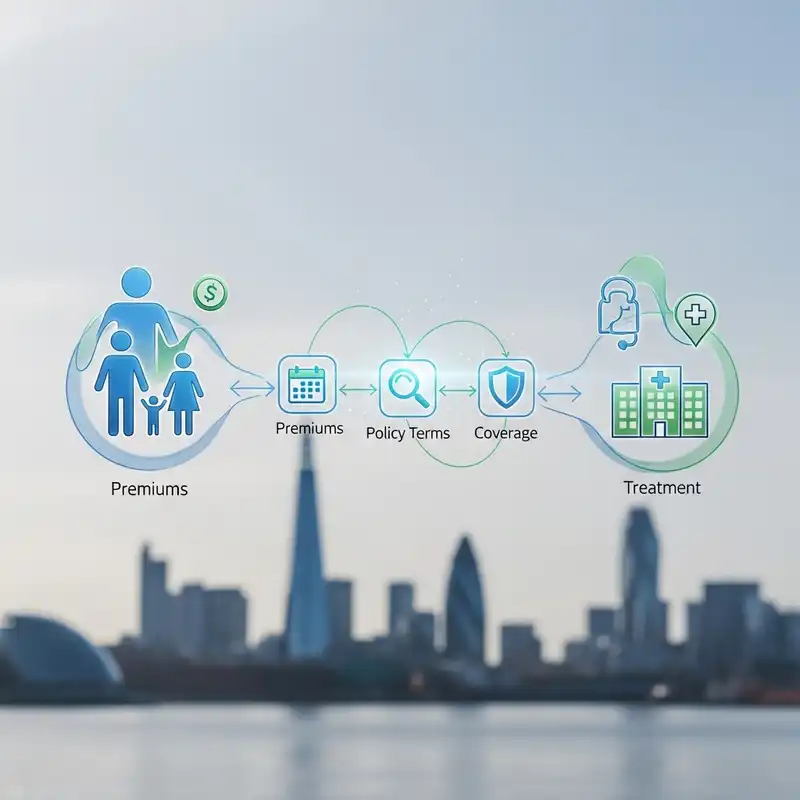
UK Private Health Insurance: Your Health's Optimised Outcome
In the heart of the United Kingdom, where the National Health Service (NHS) stands as a proud cornerstone of our society, the conversation around healthcare is evolving. While the NHS provides universal access to care, a growing number of individuals and families are exploring Private Health Insurance (PMI) not as an alternative, but as a strategic enhancement to their healthcare journey. The objective? To achieve an 'optimised outcome' for their health and wellbeing – a state where access to timely diagnosis, expert care, and swift recovery is paramount, ensuring minimal disruption to life and maximum peace of mind.
This comprehensive guide delves into how Private Health Insurance in the UK can empower you to take a proactive role in your health, providing benefits that go beyond the essential. We'll explore the nuances of PMI, debunk common myths, and illustrate how it can genuinely optimise your health outcomes, from accelerated access to cutting-edge treatments to unparalleled comfort during recovery.
Understanding the UK Healthcare Landscape: NHS vs. PMI
To truly appreciate the value of Private Health Insurance, it's essential to understand the dual nature of healthcare provision in the UK.
The National Health Service (NHS): Our Foundation
The NHS, funded by general taxation, offers comprehensive, free-at-the-point-of-use healthcare to all UK residents. Its founding principles of universal access, based on need rather than ability to pay, are deeply cherished. For many, the NHS is their sole provider of healthcare, and for critical emergencies or long-term chronic care, its role is indispensable.
However, the NHS faces immense pressure. Increased demand, an ageing population, advancements in medical technology, and funding constraints often lead to:
- Waiting Lists: Significant delays for specialist consultations, diagnostic tests, and elective surgeries. These can range from weeks to many months, impacting quality of life and potentially worsening conditions.
- Limited Choice: Patients typically have little say over which consultant they see, which hospital they attend, or the exact timing of their appointments.
- Capacity Issues: Overcrowded A&E departments, bed shortages, and stretched resources are common challenges.
While the NHS remains a vital safety net and handles the vast majority of our healthcare needs, for those seeking speed, choice, and a more personalised experience, Private Health Insurance steps in.
The Role of Private Health Insurance (PMI): An Enhancement, Not a Replacement
Private Health Insurance works in parallel with the NHS. It's designed to cover the costs of private medical treatment for acute conditions that arise after you take out the policy. It doesn't replace the NHS; instead, it complements it, providing an alternative route for specific types of care.
Think of PMI as an accelerator and enhancer. It allows you to bypass NHS waiting lists for non-emergency conditions, choose your specialists, and receive treatment in private facilities often offering a higher degree of comfort and privacy. This proactive approach to health management is key to achieving an optimised outcome, ensuring you return to full health as quickly and comfortably as possible.
What is Private Health Insurance (PMI) and How Does It Work?
At its core, Private Health Insurance is a policy you take out with an insurer that covers the costs of private medical treatment for new, acute conditions. You pay a regular premium (monthly or annually), and in return, the insurer pays for eligible treatments you receive privately.
Key Principles of PMI:
- Premiums: This is the regular payment you make to your insurer to keep your policy active. Premiums are calculated based on various factors, including your age, location, chosen level of cover, medical history, and any selected excesses.
- Benefits: These are the treatments and services covered by your policy. Benefits typically include:
- In-patient treatment: Overnight stays in a hospital, including surgery, anaesthetist fees, and consultants' fees.
- Day-patient treatment: Treatment received in a hospital bed but without an overnight stay.
- Out-patient treatment: Consultations with specialists, diagnostic tests (like MRI, CT scans, X-rays), and minor procedures that don't require hospital admission. This is often an optional add-on.
- Claims: When you need private medical treatment, you typically follow a process:
- GP Referral: You usually start by seeing your NHS GP, who can refer you to a private specialist if appropriate.
- Pre-authorisation: Before any treatment, you or your GP/specialist will contact your insurer to pre-authorise the treatment. This confirms it's covered by your policy and the insurer agrees to pay for it.
- Treatment: You receive your private treatment.
- Payment: The insurer usually pays the private hospital or specialist directly, although sometimes you might pay and then claim reimbursement.
- Underwriting: This is how the insurer assesses your health risks when you apply. It determines what conditions might be excluded from your policy. We'll delve deeper into this, particularly concerning pre-existing conditions, later.
- Excess: This is a fixed amount you agree to pay towards the cost of your treatment each policy year or per claim. Opting for a higher excess can reduce your annual premiums.
The Pillars of an Optimised Health Outcome with PMI
Achieving an 'optimised outcome' through PMI means leveraging its unique advantages to ensure your health journey is as swift, effective, and comfortable as possible. These advantages form the core pillars of PMI's value proposition.
1. Speed and Timeliness: Bypassing the Waits
Perhaps the most compelling immediate benefit of PMI is the dramatic reduction in waiting times. In the NHS, a GP referral to a specialist could mean months of waiting. With PMI:
- Rapid Referrals: Once your GP refers you, you can often see a private consultant within days, or at most, a couple of weeks.
- Prompt Diagnostics: Waiting for MRI scans, CT scans, or other crucial diagnostic tests can be incredibly stressful. PMI typically provides swift access to these, meaning quicker diagnosis and a faster start to treatment.
- Expedited Treatment: Once a diagnosis is made, surgical procedures or other treatments can be scheduled much sooner, preventing conditions from worsening and significantly reducing anxiety.
This speed isn't just about convenience; it's about potentially preventing a condition from becoming more complex, reducing pain and discomfort, and getting you back to your normal life much faster. Time, in health, is often of the essence.
2. Choice and Control: Empowerment in Your Hands
PMI offers a level of control over your healthcare journey that is largely absent in the NHS:
- Choice of Specialist: You can often choose which consultant you see, allowing you to select someone with specific expertise in your condition, or simply a specialist recommended by your GP or trusted sources.
- Choice of Hospital: You can select a private hospital that suits your preferences, whether it's one closer to home, known for a particular specialism, or offering superior facilities.
- Appointment Flexibility: Private appointments offer greater flexibility, often including evening or weekend slots, making it easier to fit around work and family commitments.
- Second Opinions: PMI typically covers the cost of obtaining a second medical opinion, empowering you with more information and confidence in your treatment plan.
This choice empowers you to be an active participant in your healthcare decisions, fostering a sense of control and reducing feelings of helplessness often associated with illness.
3. Comfort and Privacy: A Healing Environment
Private hospitals are designed with patient comfort and privacy in mind:
- Private Rooms: Most private hospital stays involve a private en-suite room, offering a quiet, personal space for recovery away from the general ward environment. This can significantly aid rest and recuperation.
- Enhanced Facilities: Private hospitals often boast modern, well-maintained facilities, with amenities like TV, Wi-Fi, and a choice of meals, contributing to a more comfortable and less stressful stay.
- Personalised Attention: While NHS staff are dedicated, private facilities often have higher staff-to-patient ratios, potentially leading to more personalised care and attention.
- Visitor Flexibility: More flexible visiting hours can allow loved ones to provide support when it's most needed.
A comfortable, private, and calm environment is not merely a luxury; it can genuinely contribute to a faster and more effective recovery, reducing stress and improving overall wellbeing during a vulnerable time.
4. Access to Advanced Treatments and Technologies
Private health insurance can open doors to treatments, drugs, and diagnostic technologies that may not yet be routinely available on the NHS, or for which there are long waiting lists.
- Cutting-Edge Therapies: Newer drugs, innovative surgical techniques, or advanced diagnostic equipment may be accessible more quickly via private routes. Insurers often keep their lists of covered treatments updated with the latest medical advancements.
- Specialised Oncology Care: For cancer care, PMI often provides access to a broad range of cancer drugs, including some that might not yet be funded by the NHS for certain indications. It also typically covers extensive follow-up and supportive care.
- Rehabilitation Technologies: Access to advanced physiotherapy equipment or rehabilitative technologies can significantly improve recovery post-surgery or illness.
This access ensures you receive the most appropriate and effective treatment, leveraging the best of modern medicine to achieve the best possible health outcome.
5. Mental Health Support: Holistic Wellbeing
The importance of mental health is increasingly recognised, and many PMI policies now offer comprehensive coverage for mental health conditions.
- Faster Access to Therapists: Avoid lengthy NHS waiting lists for psychologists, psychiatrists, and therapists.
- Broader Range of Therapies: Access to various talking therapies, counselling, and psychiatric consultations, both on an outpatient basis and, if necessary, inpatient treatment.
- Integrated Care: Some policies aim to integrate mental and physical health support, recognising their profound interconnectedness.
Optimising your health outcome isn't just about physical health; it's about holistic wellbeing. PMI's growing focus on mental health support reflects this vital understanding.
6. Rehabilitation and Aftercare: Comprehensive Recovery
Recovery doesn't end when you leave the hospital. Comprehensive rehabilitation and aftercare are crucial for a full return to health.
- Physiotherapy and Osteopathy: Many policies cover a generous number of sessions for physiotherapy, osteopathy, and chiropractic treatment, essential for recovery from injuries or surgery.
- Home Nursing: Some higher-tier policies may offer coverage for home nursing care post-hospitalisation.
- Post-Treatment Support: Access to dietitians, counsellors, or other supportive therapies can aid comprehensive recovery and adjustment.
This extended care ensures that your recovery is as complete as possible, helping you regain strength, mobility, and confidence.
7. Preventative and Proactive Health Management
While PMI primarily covers acute conditions, some policies are expanding to include elements of preventative care, aligning with the idea of 'optimised outcome' through proactive health management.
- Health Assessments: Some policies offer or provide discounts on annual health checks or screenings, helping to identify potential issues early.
- Wellness Programmes: Access to discounted gym memberships, nutritional advice, or health coaching can encourage a healthier lifestyle and potentially prevent future conditions.
By supporting preventative measures, PMI helps you stay healthier for longer, reducing the likelihood of needing significant acute treatment down the line.
Who Benefits Most from Private Health Insurance?
While anyone can benefit from the peace of mind and access that PMI offers, certain groups often find it particularly advantageous:
- Families: For families with children, prompt access to paediatric specialists and avoiding long waits can be invaluable, especially when a child is unwell. It provides reassurance and minimises disruption to family life.
- Business Owners and Self-Employed Individuals: Time is money. Prolonged illness or waiting for treatment can have significant financial implications. PMI ensures faster return to work, protecting income and business continuity.
- Individuals Seeking Peace of Mind: For those who worry about potential health issues or simply want the assurance of prompt, high-quality care if needed, PMI offers significant comfort.
- People Living in Areas with Stretched NHS Services: If you reside in a region known for particularly long NHS waiting lists, PMI can provide a much-needed alternative.
- Those Desiring Choice and Control: If having a say in your consultant, hospital, and appointment times is important to you, PMI delivers this autonomy.
- Expats and International Residents: While living in the UK, PMI can bridge any gaps in understanding the NHS or simply provide a familiar private healthcare experience.
- Employees (via Company Schemes): Many employers offer PMI as a benefit, recognising its value in supporting employee wellbeing and reducing absence. Even if your employer offers it, understanding how it works for you personally is key.
Navigating the Complexities: What PMI Covers (and Doesn't)
Understanding the scope of your PMI policy is crucial. While it provides extensive coverage for acute conditions, there are specific exclusions and limitations you must be aware of to manage your expectations.
What PMI Typically Covers:
- In-patient and Day-patient Treatment: This is the core of most policies. It includes hospital accommodation, nursing care, surgeon's and anaesthetist's fees, operating theatre costs, and intensive care if required. This applies whether you stay overnight (in-patient) or are admitted and discharged on the same day (day-patient).
- Cancer Care: This is often a comprehensive benefit, covering diagnosis, chemotherapy, radiotherapy, biological therapies, stem cell treatment, and often palliative care. Access to a wider range of drugs, including some not routinely available on the NHS, is a significant draw.
- Out-patient Consultations and Diagnostic Tests: Often an optional add-on, but highly recommended for an optimised outcome. This covers consultations with specialists, MRI, CT, X-ray scans, blood tests, and other diagnostic procedures without requiring hospital admission.
- Mental Health Support: Increasingly, policies include coverage for psychiatric consultations, talking therapies (like CBT), and sometimes inpatient psychiatric treatment.
- Physiotherapy and Complementary Therapies: Usually covered up to a certain number of sessions or monetary limit, for conditions referred by a specialist. This can include osteopathy, chiropractic treatment, and sometimes acupuncture.
- Rehabilitation: Post-treatment support such as physiotherapy, occupational therapy, and sometimes even home nursing for a limited period.
- Minor Operations: Procedures that can be done in a consultant's room or private clinic.
Crucial Exclusions and Limitations (What PMI Doesn't Cover):
This section is paramount. It's vital to understand these exclusions to avoid disappointment and ensure you don't make assumptions about coverage.
-
Pre-existing Conditions: This is arguably the most significant exclusion. A pre-existing condition is generally defined as any illness, injury, or symptom you had, or were aware of, before you took out the insurance policy. Insurers typically do not cover any medical treatment related to these conditions.
- Underwriting Methods: How pre-existing conditions are handled depends on the underwriting method:
- Moratorium Underwriting: This is the most common and often simplest. You don't need to declare your full medical history upfront. Instead, the insurer automatically excludes any condition you've had symptoms or treatment for in the last five years. However, if you go for a continuous two-year period after taking out the policy without symptoms, treatment, medication, or advice for that condition, it may then become covered. This requires careful tracking.
- Full Medical Underwriting (FMU): You declare your full medical history when you apply. The insurer reviews this information and will explicitly tell you which conditions are excluded from the outset. While more involved upfront, it provides clarity on what is and isn't covered from day one. New conditions that arise after the policy starts are covered (subject to terms).
- Why the exclusion? Insurance works on the principle of covering unexpected events. If you already have a condition, it's a known risk, not an unexpected one.
- Underwriting Methods: How pre-existing conditions are handled depends on the underwriting method:
-
Chronic Conditions: These are long-term conditions that cannot be cured, though symptoms may be controlled (e.g., diabetes, asthma, epilepsy, arthritis). PMI is designed to cover acute conditions (those that develop suddenly and are treatable). It does not cover the ongoing management, monitoring, or treatment of chronic conditions. Once an acute condition becomes chronic, private cover for it generally ceases, and ongoing care reverts to the NHS.
-
Emergency Care: Private health insurance does not cover accidents or emergencies requiring immediate treatment. For true emergencies (e.g., heart attack, severe accident, stroke), you should always go to an NHS A&E department. PMI is for planned, elective treatment, not emergency care.
-
Routine Pregnancy and Childbirth: Standard PMI policies do not cover routine maternity care or childbirth. Some policies may offer limited complications cover, but not the full cost of private childbirth.
-
Cosmetic Surgery: Procedures for purely aesthetic reasons are not covered. However, reconstructive surgery following an accident or illness (e.g., after cancer treatment) may be covered if deemed medically necessary.
-
Organ Transplants: Generally excluded as they are highly specialised and performed within the NHS.
-
HIV/AIDS and Related Conditions: Typically excluded from most standard policies.
-
Drug and Alcohol Abuse: Treatment for addiction is usually not covered.
-
Overseas Treatment: Standard UK PMI policies only cover treatment received within the UK. If you need cover for medical emergencies abroad, you'll need travel insurance.
-
Experimental or Unproven Treatments: Insurers only cover treatments that are medically proven and widely accepted.
-
Routine Dental and Optical Care: These are usually separate insurance policies (dental insurance, optical insurance). Some PMI policies might offer limited cash benefits for routine check-ups or contribute towards glasses/contact lenses as part of a wellness package, but not comprehensive cover.
It is absolutely critical to read your policy documents carefully and understand what your chosen plan covers and, just as importantly, what it explicitly excludes. This clarity is key to an 'optimised outcome' that manages expectations effectively.
Choosing the Right Policy: Key Considerations
Selecting the perfect PMI policy can feel daunting due to the array of options available. Making an informed choice involves understanding your needs and the various policy components.
1. Underwriting Methods (Revisited):
- Moratorium (Morrie): Simpler to set up. No need for detailed medical history upfront. Pre-existing conditions from the past 5 years are automatically excluded. If you remain symptom-free, treatment-free, and medication-free for 2 continuous years after the policy starts, that condition may then be covered.
- Full Medical Underwriting (FMU): Requires you to declare all past medical conditions. The insurer will then tell you exactly what is covered and what is explicitly excluded from the start. This offers immediate clarity.
- Continued Personal Medical Exclusions (CPME): If you're switching insurers, your new insurer might agree to honour the underwriting terms of your previous policy, meaning your current exclusions transfer over.
The choice depends on your medical history and your preference for upfront clarity versus potential future coverage.
2. Excess Level:
The excess is the amount you pay towards your treatment each policy year or per claim before your insurer pays out.
- Higher Excess = Lower Premiums: Choosing a higher excess (e.g., £500 instead of £100) will reduce your monthly or annual premiums.
- Consider your budget: Choose an excess you can comfortably afford to pay if you need to make a claim.
3. Policy Types and Levels of Cover:
PMI isn't one-size-fits-all. Policies come in various tiers:
- Comprehensive Cover: Offers the broadest range of benefits, typically including full in-patient, day-patient, and extensive out-patient cover, plus advanced cancer care, mental health, and rehabilitation. This naturally comes at a higher premium.
- Acute Only / Core Cover: Focuses on the essentials – mainly in-patient and day-patient treatment. Out-patient consultations and diagnostics might be limited or excluded, making it a more budget-friendly option. While it still offers speed for hospital admissions, the initial diagnostic process might be slower or rely on the NHS.
- Budget Options / Guided Options: May restrict you to a specific network of hospitals, or require you to use a telephone-based GP service for initial consultations to guide your care. These can be significantly cheaper.
For an 'optimised outcome', comprehensive cover is often preferred as it ensures access at every stage of the healthcare journey, from diagnosis to rehabilitation.
4. Optional Add-ons:
Many policies allow you to customise your cover with bolt-ons:
- Out-patient Cover: Essential for covering consultations with specialists, diagnostic tests (scans, blood tests) that don't require an overnight hospital stay. Highly recommended for swift diagnosis.
- Mental Health Cover: As discussed, crucial for holistic wellbeing.
- Physiotherapy/Complementary Therapies: For rehabilitation and recovery.
- Dental and Optical Cash Benefits: Limited cash back for routine check-ups.
- Travel Insurance Add-on: For medical emergencies while abroad (separate from core PMI).
- Wellness Benefits: Discounts on gym memberships, health assessments.
5. Hospital Network:
Insurers partner with specific hospitals and clinics.
- Full Access: Allows treatment at almost any private hospital in the UK (excluding some top London hospitals unless specified).
- Restricted Network: Limits you to a specific list of hospitals, often excluding those in expensive city centres. This can significantly reduce premiums.
- Six-Week Wait Option: If you opt for this, your insurer only covers treatment if the NHS waiting list for your condition is over six weeks. If it's less, you'd receive treatment via the NHS. This dramatically lowers premiums but ties your access to NHS waiting times.
6. Factors Affecting Cost:
Your premium will be influenced by:
- Age: Premiums generally increase with age, as the likelihood of needing treatment rises.
- Location: Healthcare costs vary across the UK; London and the South East are typically more expensive.
- Chosen Cover Level: More comprehensive cover costs more.
- Excess: Higher excess means lower premiums.
- Medical History: Pre-existing conditions might lead to exclusions, but typically don't increase premiums for new conditions.
- Lifestyle: Smokers may pay higher premiums.
Carefully consider your priorities: Is it speed, choice, or cost-effectiveness that matters most? Balancing these factors is key to choosing the right policy for your 'optimised outcome'.
The Application Process and Making a Claim
Once you've decided on the right policy, understanding the practical steps of applying and claiming is essential.
The Application Process:
- Research and Compare: This is where a broker like WeCovr becomes invaluable (more on this shortly). Gather information on different insurers and policy types.
- Get a Quote: Provide your details (age, location, desired cover level, excess) to get an indicative premium.
- Complete the Application: This involves providing personal details and, if opting for Full Medical Underwriting, your medical history.
- Underwriting: The insurer reviews your application and medical history. They may request further information from your GP (with your consent). This stage determines any specific exclusions on your policy.
- Policy Issuance: Once approved, your policy documents will be sent, detailing your cover, exclusions, and terms.
- Premium Payment: Set up your chosen payment method (monthly or annually).
Making a Claim:
The claims process is generally straightforward:
- See Your NHS GP: For any new medical concern, your first step should always be to see your NHS GP. They will assess your condition and, if appropriate, refer you to a private specialist.
- Contact Your Insurer for Pre-authorisation: Before any private consultation, diagnostic test, or treatment, you must contact your insurer for pre-authorisation. They will confirm if the condition is covered, if the proposed treatment is appropriate, and if the chosen specialist/hospital is within your network. This is a crucial step – skipping it could mean your claim is rejected.
- Attend Your Private Appointment/Treatment: Once pre-authorised, you can proceed with your private consultation, diagnostic test, or hospital admission.
- Invoicing and Payment: In most cases, the hospital or specialist will invoice your insurer directly. You will be responsible for paying any excess agreed upon in your policy. If you pay the provider yourself, you'll need to submit the invoice to your insurer for reimbursement.
- Follow-up: Your insurer will typically cover necessary follow-up appointments and treatment within the scope of your policy.
Always keep clear records of your correspondence with your insurer and any medical documents.
The Role of a Specialist Broker (WeCovr)
Navigating the private health insurance market can be complex. There are numerous insurers, dozens of policy types, varying levels of cover, different underwriting methods, and a myriad of exclusions and optional extras. This is precisely where the expertise of a specialist broker becomes invaluable.
At WeCovr, we understand that finding the right private health insurance policy isn't just about getting a good price; it's about securing the right cover for your unique needs to achieve that 'optimised outcome'.
Why Use a Broker Like WeCovr?
- Impartial Expertise: We work for you, not for a single insurance company. Our goal is to understand your specific health priorities, budget, and circumstances. We then scour the market to find policies from all the UK's leading health insurance providers – including Bupa, Axa Health, Vitality, Aviva, WPA, and more. This ensures you get a truly impartial recommendation tailored to you.
- Comprehensive Market Access: You could spend hours researching each insurer's website, deciphering their terms and comparing like-for-like. WeCovr has direct access to all major insurers and their various products, allowing us to compare options quickly and efficiently on your behalf. We know the nuances of each policy, helping you avoid common pitfalls.
- Simplifying Complexity: We'll explain the jargon, clarify underwriting methods, detail inclusions and exclusions, and help you understand the impact of excesses and hospital networks. We translate complex insurance terms into clear, actionable advice.
- Cost-Effectiveness: Because we have relationships with all major providers, we can often find you the most competitive quotes, sometimes even accessing preferential rates. Crucially, our service to you is completely free of charge. We are paid a commission directly by the insurer if you take out a policy through us, meaning you don't pay anything extra for our expert advice and comparison service.
- Ongoing Support: Our relationship doesn't end once you've purchased a policy. We're here to answer questions, assist with claims, and review your policy at renewal to ensure it continues to meet your evolving needs. We're your advocate, ensuring your policy consistently supports your 'optimised health outcome'.
Choosing the right Private Health Insurance policy is a significant decision. We believe that by working with us at WeCovr, you can make that decision with confidence, knowing you have secured the best possible coverage to protect your health and wellbeing.
Common Myths and Misconceptions about PMI
Despite its growing popularity, private health insurance is still subject to several common misunderstandings. Let's debunk a few:
-
Myth 1: "PMI Replaces the NHS."
- Reality: Absolutely not. PMI works alongside the NHS. For emergencies, chronic conditions, and general care, the NHS remains vital. PMI simply offers an alternative route for acute, planned treatment, providing speed, choice, and comfort that the NHS, due to its pressures, often cannot. You will always revert to the NHS for any conditions not covered by your policy.
-
Myth 2: "PMI is Only for the Rich."
- Reality: While it is an investment, PMI is increasingly accessible. There are many budget-friendly policies and options (like higher excesses or restricted hospital networks) that can significantly reduce costs. Many companies also offer PMI as an employee benefit, making it accessible to a wider demographic.
-
Myth 3: "If I Have PMI, I Don't Need Travel Insurance."
- Reality: Your UK Private Health Insurance typically only covers treatment received within the UK. If you're travelling abroad, you absolutely need separate travel insurance for medical emergencies, repatriation, and other travel-related issues.
-
Myth 4: "PMI Will Cover All My Existing Medical Problems."
- Reality: This is a critical misconception. As thoroughly explained, pre-existing and chronic conditions are generally not covered by private health insurance. Policies cover new, acute conditions that arise after you take out the policy.
-
Myth 5: "I'll Have to Pay Everything Upfront and Claim Back."
- Reality: While you might occasionally pay and claim back, most insurers operate a 'direct settlement' system where they pay the hospital or specialist directly, once pre-authorised. You would only pay your policy excess.
-
Myth 6: "Once I Have PMI, I Can Just Go Straight to a Private Hospital."
- Reality: You almost always need a referral from an NHS GP first. This ensures you're on the right clinical pathway and that your insurer has a legitimate medical referral. You also need to pre-authorise treatment with your insurer before proceeding.
Addressing these myths is important for setting realistic expectations and ensuring you get the most value from your policy.
Future of Private Health Insurance in the UK
The landscape of UK healthcare is constantly evolving, and Private Health Insurance is adapting to meet new demands and challenges.
- Growing Demand: As NHS waiting lists persist and public awareness of PMI benefits increases, demand for private cover is likely to continue rising.
- Focus on Prevention and Wellbeing: Insurers are increasingly recognising the value of proactive health management. Expect more policies to integrate wellness programmes, health assessments, and digital health tools to encourage healthier lifestyles and potentially reduce future claims.
- Digital Transformation: Telemedicine, online GP services, and AI-powered diagnostic tools are becoming more prevalent, offering convenient and rapid access to initial consultations and advice. Many PMI policies now include virtual GP services as a standard benefit.
- Personalisation: Policies will likely become even more tailored, using data analytics to offer highly customised cover and pricing based on individual risk profiles and lifestyle choices.
- Mental Health Integration: The comprehensive coverage for mental health conditions will likely continue to expand, reflecting a more holistic approach to health.
- Technological Advancements in Treatment: As medical science progresses, PMI will play a crucial role in providing access to new, often expensive, treatments and technologies that may take longer to become universally available through the NHS.
The future of PMI is one of increasing integration, innovation, and a sharper focus on empowering individuals to take control of their health outcomes.
Conclusion: Investing in Your Health's Optimised Outcome
In a world where health is increasingly recognised as our most precious asset, Private Health Insurance in the UK stands as a powerful tool for proactive health management. It's not a replacement for the cherished NHS, but rather a robust enhancement, designed to provide you with speed, choice, and comfort when you need it most.
By investing in PMI, you're investing in:
- Rapid Access: Minimising the anxiety and discomfort of waiting.
- Empowered Choices: Having a say in your care, from consultant to hospital.
- Superior Comfort: Ensuring a conducive environment for healing and recovery.
- Cutting-Edge Treatments: Accessing advanced medical solutions.
- Holistic Wellbeing: Including vital mental health support.
Ultimately, Private Health Insurance is about securing an 'optimised outcome' for your health – a path that ensures you receive timely, high-quality care, enabling you to recover faster, live healthier, and enjoy greater peace of mind.
While the complexities of policies, exclusions (particularly for pre-existing and chronic conditions), and various options can seem daunting, remember that expert guidance is available. We at WeCovr are dedicated to simplifying this journey, providing impartial advice and access to the entire market, all at no cost to you. We empower you to make informed decisions that align with your health aspirations, helping you achieve your personal best when it comes to your wellbeing. Take the proactive step today towards optimising your health future.
Why private medical insurance and how does it work?
What is Private Medical Insurance?
Private medical insurance (PMI) is a type of health insurance that provides access to private healthcare services in the UK. It covers the cost of private medical treatment, allowing you to bypass NHS waiting lists and receive faster, more convenient care.How does it work?
Private medical insurance works by paying for your private healthcare costs. When you need treatment, you can choose to go private and your insurance will cover the costs, subject to your policy terms and conditions. This can include:• Private consultations with specialists
• Private hospital treatment and surgery
• Diagnostic tests and scans
• Physiotherapy and rehabilitation
• Mental health treatment
Your premium depends on factors like your age, health, occupation, and the level of cover you choose. Most policies offer different levels of cover, from basic to comprehensive, allowing you to tailor the policy to your needs and budget.
Questions to ask yourself regarding private medical insurance
Just ask yourself:👉 Are you concerned about NHS waiting times for treatment?
👉 Would you prefer to choose your own consultant and hospital?
👉 Do you want faster access to diagnostic tests and scans?
👉 Would you like private hospital accommodation and better food?
👉 Do you want to avoid the stress of NHS waiting lists?
Many people don't realise that private medical insurance is more affordable than they think, especially when you consider the value of faster treatment and better facilities. A great insurance policy can provide peace of mind and ensure you receive the care you need when you need it.
Benefits offered by private medical insurance
Private medical insurance provides numerous benefits that can significantly improve your healthcare experience and outcomes:Faster Access to Treatment
One of the biggest advantages is avoiding NHS waiting lists. While the NHS provides excellent care, waiting times can be lengthy. With private medical insurance, you can often receive treatment within days or weeks rather than months.
Choice of Consultant and Hospital
You can choose your preferred consultant and hospital, giving you more control over your healthcare journey. This is particularly important for complex treatments where you want a specific specialist.
Better Facilities and Accommodation
Private hospitals typically offer superior facilities, including private rooms, better food, and more comfortable surroundings. This can make your recovery more pleasant and potentially faster.
Advanced Treatments
Private medical insurance often covers treatments and medications not available on the NHS, giving you access to the latest medical advances and technologies.
Mental Health Support
Many policies include comprehensive mental health coverage, providing faster access to therapy and psychiatric care when needed.
Tax Benefits for Business Owners
If you're self-employed or a business owner, private medical insurance premiums can be tax-deductible, making it a cost-effective way to protect your health and your business.
Peace of Mind
Knowing you have access to private healthcare when you need it provides invaluable peace of mind, especially for those with ongoing health conditions or concerns about NHS capacity.
Private medical insurance is particularly valuable for those who want to take control of their healthcare journey and ensure they receive the best possible treatment when they need it most.
Important Fact!
We can look at a more suitable option mid-term!
Why is it important to get private medical insurance early?
👉 Many people are very thankful that they had their private medical insurance cover in place before running into some serious health issues. Private medical insurance is as important as life insurance for protecting your family's finances.👉 We insure our cars, houses, and even our phones! Yet our health is the most precious thing we have.
Easily one of the most important insurance purchases an individual or family can make in their lifetime, the decision to buy private medical insurance can be made much simpler with the help of FCA-authorised advisers. They are the specialists who do the searching and analysis helping people choose between various types of private medical insurance policies available in the market, including different levels of cover and policy types most suitable to the client's individual circumstances.
It certainly won't do any harm if you speak with one of our experienced insurance experts who are passionate about advising people on financial matters related to private medical insurance and are keen to provide you with a free consultation.
You can discuss with them in detail what affordable private medical insurance plan for the necessary peace of mind they would recommend! WeCovr works with some of the best advisers in the market.
By tapping the button below, you can book a free call with them in less than 30 seconds right now:
Our Group Is Proud To Have Issued 800,000+ Policies!
We've established collaboration agreements with leading insurance groups to create tailored coverage
























How It Works
1. Complete a brief form

2. Our experts analyse your information and find you best quotes

3. Enjoy your protection!

Any questions?
Learn more

Who Are WeCovr?
WeCovr is an insurance specialist for people valuing their peace of mind and a great service.👍 WeCovr will help you get your private medical insurance, life insurance, critical illness insurance and others in no time thanks to our wonderful super-friendly experts ready to assist you every step of the way.
Just a quick and simple form and an easy conversation with one of our experts and your valuable insurance policy is in place for that needed peace of mind!