UK Private Health Insurance Your Lifes Health Anchor
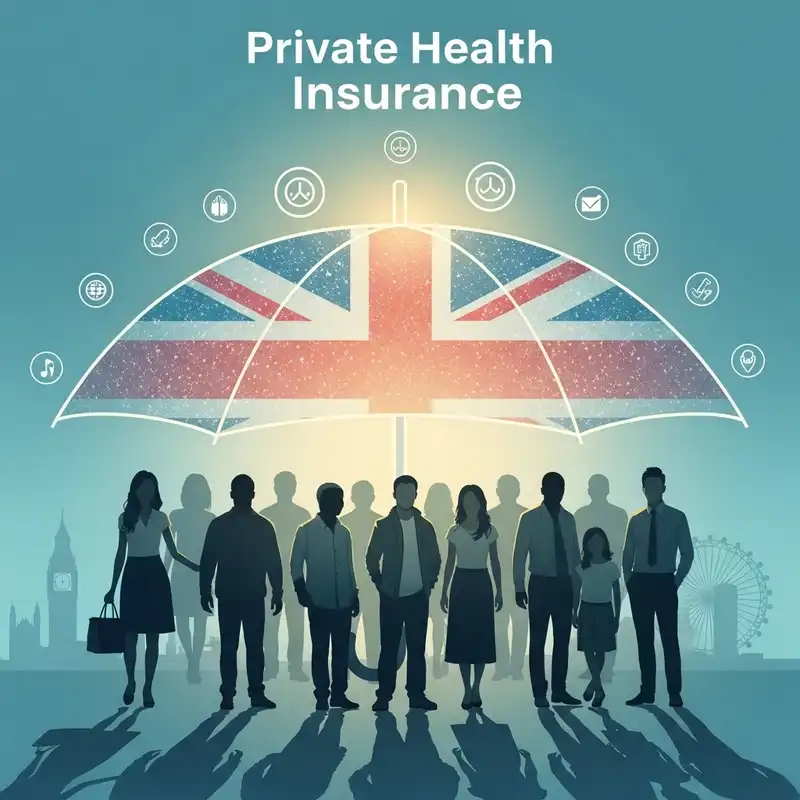
UK Private Health Insurance: Your Life's Health Anchor
In an ever-evolving world, where uncertainty often casts long shadows, one fundamental truth remains: your health is your most precious asset. It underpins your ability to work, to enjoy time with loved ones, and to pursue your passions. While the UK is rightly proud of its National Health Service (NHS), a beacon of universal care, the realities of modern healthcare demand a broader perspective. Waiting lists are growing, resources are stretched, and the pace of life often leaves little room for delays when health is at stake.
This is where UK Private Health Insurance (PMI) steps in, not as a replacement for the NHS, but as a robust and essential complement. Think of it as your life's health anchor – a stable, reliable mechanism that offers peace of mind, swift access to care, and greater control over your medical journey when you need it most. It’s about ensuring that when health challenges arise, you have options, choices, and the ability to navigate them with confidence and efficiency.
This comprehensive guide will delve deep into the world of UK private health insurance, explaining its intricacies, demystifying its benefits, and helping you understand why it might be the vital health anchor you need for yourself and your loved ones.
Introduction: Navigating the UK's Healthcare Landscape
The UK boasts a dual healthcare system. At its core is the NHS, a publicly funded service providing free healthcare at the point of use to all legal residents. Its principles of universality and equity are deeply ingrained in the nation's fabric, and it serves millions with dedication and expertise every day.
However, the NHS faces immense and ever-growing pressures. An aging population, the rising prevalence of chronic diseases, advancements in medical technology, and the persistent challenges of funding and staffing often lead to:
- Extended waiting times: For GP appointments, specialist consultations, diagnostic tests (like MRI or CT scans), and elective surgeries.
- Limited choice: Patients typically have little say in which consultant or hospital they attend.
- Overstretched resources: Leading to potential delays in treatment pathways.
In this context, private health insurance has transitioned from being perceived as a luxury to a pragmatic necessity for many. It offers an alternative pathway to care, designed to alleviate some of these pressures by providing:
- Rapid access: Bypassing NHS waiting lists for non-emergency conditions.
- Choice and control: Allowing you to select your consultant, hospital, and often, appointment times.
- Comfort and privacy: Access to private rooms and facilities.
By investing in PMI, individuals and families are not abandoning the NHS, but rather fortifying their healthcare strategy. They are securing an additional layer of protection, ensuring that when an acute health issue arises, they can access timely and comfortable care, thereby safeguarding their well-being and often, their professional lives.
What Exactly is UK Private Health Insurance (PMI)?
Private Health Insurance, often referred to as Medical Insurance or simply PMI, is a policy designed to cover the costs of private medical treatment for acute conditions that develop after your policy has started. It's an agreement between you and an insurance provider where, in exchange for a regular premium, the insurer agrees to pay for eligible private medical treatment.
Purpose and Scope:
The primary purpose of PMI is to give you access to private healthcare facilities and specialists without the burden of significant out-of-pocket expenses at the point of treatment. It provides cover for a range of medical services, including:
- Consultations with specialists
- Diagnostic tests (e.g., X-rays, MRI scans, blood tests)
- Hospital stays (in-patient and day-patient)
- Surgical procedures
- Post-operative care and rehabilitation (within policy limits)
It's crucial to understand that PMI works alongside the NHS. For emergencies, accidents, or ongoing chronic conditions, the NHS remains your primary point of contact. PMI steps in for those non-emergency, acute conditions where waiting for NHS treatment might cause undue stress, discomfort, or impact on your life.
Key Types of PMI Policies:
- Individual Health Insurance: Designed for single individuals or couples without dependents. It's tailored to personal health needs and budget.
- Family Health Insurance: Covers you, your partner, and your children under a single policy. It often offers cost efficiencies compared to individual policies for each family member. Children are typically covered up to a certain age (e.g., 21 or 25 if in full-time education).
- Company/Corporate Health Insurance: Provided by employers as a benefit to their staff. These policies can range from small business plans to large corporate schemes, often offering more comprehensive benefits and simplified underwriting (such as Medical History Disregarded) compared to individual plans. This is a powerful tool for employee retention and productivity.
Regardless of the type, the core offering of PMI remains consistent: providing faster access, greater choice, and enhanced comfort for eligible acute medical conditions.
Why Consider Private Health Insurance in the UK? The Compelling Benefits
The decision to invest in private health insurance is a personal one, but the benefits it offers are tangible and often life-changing. Beyond simply avoiding NHS waiting lists, PMI provides a suite of advantages that can significantly improve your healthcare experience and overall well-being.
Speed and Access: Bypassing the Queue
Perhaps the most frequently cited benefit of PMI is the ability to bypass the NHS waiting lists. For non-emergency procedures or diagnostic tests, NHS waiting times can range from weeks to many months, causing stress, discomfort, and potentially worsening a condition. With PMI, you typically gain:
- Rapid Specialist Consultations: Get an appointment with a leading consultant within days, not weeks.
- Quick Diagnostic Tests: Access MRI, CT, and other crucial scans much faster, leading to quicker diagnosis.
- Timely Treatment and Surgery: Schedule your surgery or treatment at a time that suits you, rather than waiting indefinitely.
This speed can be critical for mental well-being, getting back to work faster, or simply reducing prolonged suffering.
Choice and Control: Empowerment in Your Healthcare Journey
Unlike the NHS, where referrals are often to the next available consultant or hospital, PMI offers you agency:
- Choose Your Consultant: Select a specialist based on their expertise, reputation, or even gender preference.
- Select Your Hospital: Opt for a private hospital or private wing of an NHS hospital that offers better facilities, location, or reputation.
- Appointment Flexibility: Schedule appointments at times that fit your work-life balance, reducing disruption.
This level of control empowers you to make informed decisions about your health care, ensuring you feel comfortable and confident in your treatment choices.
Comfort and Privacy: A More Personalised Experience
Private hospitals and wards are designed with patient comfort in mind:
- Private Rooms: Enjoy the privacy of your own room with en-suite facilities, allowing for a more peaceful recovery and visits from family without interruption.
- Enhanced Amenities: Access to better food options, TV, Wi-Fi, and often a more relaxed, hotel-like environment.
- Dedicated Nursing Care: Often a higher nurse-to-patient ratio, leading to more personalised attention.
These comforts, while seemingly minor, can significantly aid recovery and reduce the stress associated with hospital stays.
Specialised Treatments and Drugs: Expanding Your Options
While the NHS provides excellent care, private health insurance can sometimes offer access to:
- Drugs and Treatments Not Yet Available on the NHS: In some cases, newer drugs or therapies that have not yet been approved or widely rolled out by the NHS might be accessible privately.
- Alternative Therapies: Some policies offer limited coverage for therapies like osteopathy, chiropractic treatment, or acupuncture, which may not be readily available on the NHS.
It's important to check your policy wording carefully, as coverage for these can vary.
Peace of Mind: The Ultimate Reassurance
Knowing that you have a plan in place for unforeseen health challenges provides immense peace of mind. You can face acute illness or injury with the reassurance that you have access to prompt, high-quality care without financial worry or lengthy delays. This security can reduce anxiety, allowing you to focus on recovery.
Business Continuity: For Employers and the Self-Employed
For businesses, ensuring the swift recovery of key personnel is vital for productivity. Group health insurance can:
- Reduce Absenteeism: Employees get back to work faster, minimising disruption.
- Boost Morale and Retention: Offering PMI as a benefit shows you value your employees' well-being.
- Attract Top Talent: A comprehensive benefits package, including health insurance, is a significant draw.
For the self-employed, quick access to care means less time away from earning, protecting your income and business stability.
Understanding How Private Health Insurance Works
Navigating the world of private health insurance can seem complex initially, but understanding the core mechanics simplifies the process. It's essentially a straightforward system built on a few key principles.
The Basic Principle: Premium for Protection
At its heart, PMI is a contract. You, the policyholder, pay a regular premium (monthly or annually) to an insurance provider. In return, the insurer agrees to cover the costs of eligible private medical treatment for acute conditions that arise after your policy has begun.
Key Components:
- Premium: The amount you pay for your cover. This is influenced by factors like your age, location, chosen level of cover, excess, and your medical history at the time of application (for individual policies).
- Policy Wording: This is the detailed contract outlining what is covered, what is excluded, limits of cover, and the terms and conditions. Reading this carefully is paramount.
- Schedule of Benefits: A summary of what your policy covers, including specific monetary limits for different treatments or services.
The Referral Process: Your Gateway to Private Care
Crucially, almost all private health insurance policies require a referral from a General Practitioner (GP) for specialist consultations and treatments. This means:
- Initial Consultation with Your NHS GP: If you experience a new symptom or health issue, your first step will almost always be to see your NHS GP.
- GP Referral: If your GP determines that you need to see a specialist or undergo diagnostic tests for an acute condition, they will provide you with a referral letter. This letter will typically be addressed "to any consultant," or they might recommend a specific private consultant if you ask.
- Contacting Your Insurer: Before booking any appointments, you must contact your private health insurer with your GP's referral. They will confirm if the condition and proposed treatment are covered under your policy and provide pre-authorisation. This step is vital; proceeding without pre-authorisation can result in your claim being denied.
This GP referral system ensures that private care is accessed appropriately and that unnecessary specialist visits are avoided. It also means your private treatment pathway is integrated with your broader health record.
The Claiming Process: From Diagnosis to Treatment
Once you have your GP referral and your insurer has provided pre-authorisation, the claiming process typically follows these steps:
- Specialist Consultation: Attend your private consultation. The specialist will diagnose your condition and recommend a treatment plan (e.g., further diagnostic tests, surgery, therapy).
- Further Pre-Authorisation (if needed): If the specialist recommends further tests or a procedure, you (or often the hospital/consultant's secretary) will need to seek further pre-authorisation from your insurer. This ensures all subsequent steps are covered.
- Treatment: Undergo the recommended treatment, whether it's a diagnostic scan, surgery, or a course of therapy.
- Invoicing: In most cases, the hospital and consultant will bill your insurer directly. You will only pay any applicable excess or any costs for services not covered by your policy. Sometimes, you might pay upfront and claim reimbursement, but direct billing is increasingly common.
- Follow-up: Attend any necessary follow-up appointments.
Understanding this flow ensures a smooth experience and prevents unexpected costs.
What Does Private Health Insurance Typically Cover?
The exact scope of cover can vary significantly between policies and providers, but most comprehensive private health insurance plans in the UK include a core set of benefits designed to address acute medical conditions.
In-Patient Treatment
This is the cornerstone of most PMI policies and covers treatment that requires an overnight stay in a hospital. This typically includes:
- Hospital Accommodation: A private room in a private hospital or a private wing of an NHS hospital.
- Consultant Fees: Charges for your specialist's time, including consultations and surgical procedures.
- Anaesthetist Fees: Costs associated with anaesthesia during surgery.
- Operating Theatre Fees: Use of surgical facilities.
- Nursing Care: Provided during your hospital stay.
- Drugs and Dressings: Administered while you are an in-patient.
Day-Patient Treatment
Covers medical procedures or investigations that require admission to a hospital bed or day-case unit but do not involve an overnight stay. Examples include minor surgical procedures, endoscopies, or some diagnostic procedures.
Out-Patient Consultations and Diagnostic Tests
This is a vital component as it covers the initial stages of diagnosis and monitoring outside of a hospital admission. Most policies cover:
- Specialist Consultations: Fees for seeing a private consultant for diagnosis or follow-up. Policies often have an annual limit on the number or cost of these consultations.
- Diagnostic Tests: Including X-rays, MRI scans, CT scans, ultrasounds, blood tests, and other pathology tests ordered by a specialist. This is a significant benefit as it greatly speeds up diagnosis.
Cancer Care
Many private health insurance policies offer robust cancer care benefits, which can be a key differentiator. This often includes:
- Diagnosis: Covering consultations and tests to diagnose cancer.
- Treatment: Chemotherapy, radiotherapy, surgical removal of tumours, and biological therapies.
- Reconstructive Surgery: Post-treatment, if medically necessary.
- Palliative Care: Support for symptoms management.
- Innovative Drugs: Access to some cancer drugs that may not yet be routinely available on the NHS (though this varies and is subject to policy limits and medical necessity).
Mental Health Support
There has been a growing emphasis on mental health within PMI. Many policies now include:
- Psychiatric Consultations: Access to private psychiatrists.
- Therapies: Coverage for sessions with psychologists, psychotherapists, and counsellors (often with limits on the number of sessions or monetary value).
- In-patient/Day-patient Mental Health Treatment: For more severe conditions requiring hospitalisation.
However, chronic mental health conditions are typically excluded, similar to other chronic physical conditions.
Physiotherapy and Complementary Therapies
Some policies offer limited coverage for rehabilitative therapies, often requiring a GP or specialist referral:
- Physiotherapy: For musculoskeletal issues (e.g., back pain, sports injuries).
- Osteopathy and Chiropractic Treatment: Sometimes included, but often with annual limits.
- Acupuncture/Homeopathy: Less commonly covered, or only up to very limited amounts.
It is absolutely vital to read your specific policy wording (the "Key Features" document and the full terms and conditions) to understand the exact scope of your chosen cover, including any monetary limits, excesses, and specific exclusions.
Crucial Exclusions: What PMI Does NOT Cover (and Why)
Understanding what private health insurance doesn't cover is just as important as knowing what it does. Misconceptions in this area can lead to disappointment and unexpected costs. The exclusions are in place for various reasons, primarily to manage risk, keep premiums affordable, and focus the policy on its core purpose: covering new, acute medical conditions.
Pre-existing Conditions
This is arguably the most significant and commonly misunderstood exclusion. Private health insurance policies fundamentally do not cover pre-existing medical conditions.
- Definition: A pre-existing condition is any disease, illness, or injury for which you have received medication, advice, or treatment, or had symptoms of, within a certain period (usually the last 5 years) before taking out the policy.
- Why Excluded: Insurance is designed to cover unforeseen future events. If a condition already exists, it is a known risk, and covering it would make policies prohibitively expensive for everyone.
Important Nuance: The way pre-existing conditions are handled depends on the underwriting method of your policy (which we will discuss shortly). Some methods might eventually cover certain pre-existing conditions if you remain symptom-free for a set period, but this is never guaranteed and not for all conditions.
Chronic Conditions
Another major exclusion are chronic conditions.
- Definition: A chronic condition is a disease, illness, or injury that has one or more of the following characteristics:
- It needs ongoing or long-term management.
- It requires a long period of supervision, observation, care or rehabilitation.
- It comes back or is likely to come back.
- It continues indefinitely.
- It has no known cure.
- Examples: Diabetes, asthma, hypertension (high blood pressure), epilepsy, most forms of arthritis, chronic kidney disease, long-term mental health disorders, multiple sclerosis.
- Why Excluded: Like pre-existing conditions, chronic conditions require indefinite and ongoing care, which falls outside the scope of acute, curable treatments that PMI is designed for. The financial burden of covering lifelong conditions would be unsustainable for insurers.
What if an acute flare-up occurs? For chronic conditions, PMI generally covers acute flare-ups (e.g., an asthma attack requiring hospitalisation) only to stabilise the condition. Once stable, ongoing management reverts to the NHS. However, if the chronic condition started before the policy, even the acute flare-up would typically be excluded as it stems from a pre-existing chronic issue. This is a critical distinction.
Emergency Services
Private health insurance is not a substitute for emergency care. It typically excludes:
- Accident & Emergency (A&E) visits: For urgent, life-threatening situations, you should always go to an NHS A&E department.
- GP Visits: Standard GP consultations are not usually covered, as these are primary care services available through the NHS.
- Ambulance Services: For emergencies.
Maternity and Fertility Treatment
- Maternity Care: Routine pregnancy, childbirth, and postnatal care are generally excluded. Some policies may offer very limited cash benefits for childbirth in an NHS hospital, or a very expensive add-on for private maternity care.
- Fertility Treatment: IVF, fertility investigations, and other related treatments are almost universally excluded.
Cosmetic Surgery
Any surgery that is purely for aesthetic reasons and not medically necessary is excluded.
Other Common Exclusions
- Organ Transplants: Highly complex and expensive procedures, typically managed by the NHS.
- HIV/AIDS and Related Conditions: Due to their long-term and chronic nature.
- Drug and Alcohol Abuse/Addiction Treatment: Specialised services that fall outside typical acute care.
- Travel-related Emergencies: These should be covered by specific travel insurance policies.
- Experimental/Unproven Treatments: If a treatment is not medically recognised or approved, it won't be covered.
- Self-inflicted Injuries: Including suicide attempts.
- Participation in Dangerous Sports: Often excluded or require specific endorsements.
- War, Terrorism, Civil Commotion: Acts of war or civil unrest are standard exclusions.
- Routine Health Checks/Screenings: Unless specifically offered as a separate wellness benefit or add-on.
It cannot be stressed enough: always read the policy documentation carefully. Every insurer has slightly different terms, and understanding these exclusions before you commit is paramount to avoiding future disappointment.
Navigating the Policy Landscape: Key Terms and Options
To make an informed decision about private health insurance, it's essential to understand the terminology and options available. These elements directly impact your coverage, costs, and how claims are handled.
Underwriting: How Your Medical History is Assessed
This is one of the most critical aspects of individual private health insurance, determining how your pre-existing conditions are handled.
- 1. Moratorium Underwriting (Mori):
- How it Works: This is the most common and often the simplest option. You don't need to provide your full medical history at the application stage. Instead, the insurer automatically excludes any condition for which you have received treatment, advice, or had symptoms in the past 5 years.
- "Rolling Moratorium": For each excluded condition, if you remain symptom-free and don't require treatment for a continuous period (usually 2 years) after your policy starts, that specific condition may then become covered.
- Pros: Quick to set up, no lengthy medical questionnaires.
- Cons: You won't know exactly what's covered until you make a claim. The insurer will investigate your medical history at the point of claim to determine if it's a pre-existing condition.
- 2. Full Medical Underwriting (FMU):
- How it Works: You declare your full medical history at the time of application. You will likely complete a detailed medical questionnaire, and the insurer may contact your GP for further information.
- Outcome: The insurer will then issue an offer of cover that clearly states any specific exclusions for pre-existing conditions (e.g., "Policy excludes any condition relating to your historic knee pain").
- Pros: You know exactly what's covered (and what's not) from day one, offering greater certainty.
- Cons: Can be a longer application process.
- 3. Continued Personal Medical Exclusions (CPME):
- How it Works: Used when switching from one individual policy to another. The new insurer agrees to carry over the same exclusions from your previous policy, provided you're moving from a similar level of cover.
- Pros: Maintains continuity of cover for previously accepted conditions.
- 4. Medical History Disregarded (MHD):
- How it Works: Almost exclusively offered for corporate or large group schemes. Under this type of underwriting, your personal medical history is largely ignored, and pre-existing conditions are generally covered from day one.
- Pros: Comprehensive cover for employees, regardless of past health.
- Cons: Only available for groups (usually 10+ employees, sometimes fewer for smaller businesses depending on the insurer) and is therefore more expensive per person.
Excess: Your Contribution to a Claim
An excess is the amount you agree to pay towards the cost of any claim before your insurer pays the rest.
- How it Works: If you choose a £250 excess, you pay the first £250 of an approved claim, and the insurer pays the remainder (up to your policy limits).
- Impact on Premium: Opting for a higher excess will reduce your annual premium, as you are taking on more of the initial financial risk.
- Types: Some policies have an excess per claim, others an annual excess, or even per condition.
No Claims Discount (NCD)
Similar to car insurance, many PMI policies offer an NCD.
- How it Works: For each year you don't make a claim, you earn a discount on your next year's premium.
- Impact: A large claim can significantly reduce or eliminate your NCD, leading to a higher premium the following year. Some insurers offer "NCD protection" as an add-on.
Hospital Lists/Networks: Where You Can Be Treated
Insurers partner with specific networks of private hospitals or private wings within NHS hospitals.
- Restricted List: Limits you to a specific, often smaller, list of hospitals. This typically results in lower premiums.
- Comprehensive List: Gives you access to a wider range of hospitals, including often more prestigious facilities, but comes at a higher premium.
- Central London Hospitals: Access to hospitals in prime Central London locations usually incurs an additional premium due to higher costs.
Out-Patient Limits: Controlling Costs for Consultations and Tests
While in-patient treatment is usually fully covered (minus excess), out-patient benefits often have limits.
- Monetary Caps: Your policy might specify, for example, a maximum of £1,000 or £2,000 per year for out-patient consultations and diagnostic tests.
- Number of Consultations: Some policies might limit you to a certain number of specialist consultations per year.
- Impact: If you exceed these limits, you will be responsible for the remaining costs.
Optional Extras and Add-ons
Many insurers offer modules or add-ons to enhance your core cover:
- Dental and Optical Cover: For routine check-ups, fillings, glasses, and contact lenses.
- Travel Insurance: Integrated travel cover.
- Complementary Therapies: Broader access to alternative treatments.
- Health and Wellness Programmes: Discounts on gym memberships, health assessments, online GP services, mental health apps.
Understanding these terms allows you to tailor a policy that genuinely meets your needs and budget, transforming private health insurance from a mysterious product into a clear, valuable asset.
Choosing the Right Policy: A Step-by-Step Guide
Selecting the right private health insurance policy can feel overwhelming given the array of options and complexities. However, by adopting a structured approach, you can make an informed decision that truly anchors your health for the future.
1. Assess Your Needs and Budget
Before looking at policies, reflect on what you truly need and what you can afford:
- Who Needs Cover? Just you? Your partner? Your whole family including children?
- What's Your Budget? Be realistic about how much you can comfortably spend on premiums each month or year. This will guide your choices regarding excesses and levels of cover.
- Current Health Status: Are you generally healthy? Do you have any existing conditions (remember they won't be covered)? Are you worried about specific conditions running in your family?
- Lifestyle: Do you play high-impact sports? Do you travel frequently?
- Location: Living in or near London typically means higher premiums due to higher treatment costs.
- Priorities: Is rapid access your top priority? Or choice of consultant? Or perhaps comprehensive cancer care?
2. Understand Underwriting Options and Their Implications
This is a critical step, especially if you have any medical history.
- Moratorium: Simplest to set up, but uncertainty until a claim. Best if you have very little or no recent medical history.
- Full Medical Underwriting (FMU): Provides certainty from day one about what's excluded. Ideal if you want clarity or have specific conditions you want to know about upfront. Requires more upfront effort.
- Existing Policy (CPME): If you're switching, check if your new insurer offers CPME to maintain continuity.
Remember: No individual policy will cover acute conditions that are pre-existing or conditions that are chronic. Be wary of any offer that suggests otherwise.
3. Compare Insurers and Policy Features
Don't just look at the premium. A cheaper policy often means less comprehensive cover, higher excesses, or a more restricted hospital list.
- Core Cover: What's included as standard (in-patient, day-patient, out-patient limits, cancer care)?
- Hospital List: Does it include hospitals convenient for you and those you might prefer?
- Excess Options: What excess levels are available, and how do they impact the premium?
- Optional Extras: Are there add-ons like dental, optical, or mental health support that you value?
- Customer Service and Claims Process: Research insurer reputations. How easy is it to make a claim? What's their customer service like? Online reviews can be helpful here.
- Benefit Limits: Are there annual limits on specific treatments (e.g., number of physiotherapy sessions, total out-patient spend)?
4. Read the Fine Print (Seriously!)
The policy wording, terms, conditions, and schedule of benefits are your contract. Understand:
- Specific Exclusions: Beyond the general exclusions, are there any specific to your policy or medical history?
- Waiting Periods: Some benefits might have initial waiting periods before you can claim.
- Claim Notification Requirements: How quickly must you inform the insurer of a potential claim?
- Pre-authorisation Rules: Reinforce the necessity of getting approval before treatment.
5. Seek Expert Advice
The complexity of comparing policies, understanding underwriting, and navigating the fine print is precisely where expert guidance becomes invaluable. This is where we at WeCovr come in.
As a modern UK health insurance broker, we are dedicated to simplifying this intricate process for you. We work with all major insurers in the UK, including but not limited to, AXA Health, Bupa, Vitality, Aviva, WPA, National Friendly, Freedom Health Insurance, and General & Medical. Our role is to:
- Understand Your Unique Needs: We take the time to listen to your specific requirements, budget, and health concerns.
- Provide Unbiased Comparisons: We can compare policies from across the entire market, highlighting the pros and cons of each, tailored to your situation.
- Explain Complexities: Demystify underwriting, exclusions, and policy terms in plain English.
- Find the Best Coverage: Identify the policy that offers the most suitable cover for you at the most competitive price.
- Facilitate the Application: Guide you through the application process efficiently.
Crucially, our service comes at no cost to you. We are remunerated by the insurers, meaning you get expert, personalised advice and access to the best deals on the market without paying a penny for our assistance. We pride ourselves on being your advocate, ensuring you secure a policy that truly serves as your life's health anchor.
The Cost of Private Health Insurance in the UK
The cost of private health insurance premiums can vary significantly, making it one of the first questions people ask. It's not a one-size-fits-all figure, as premiums are calculated based on a multitude of individual factors. Understanding these factors can help you anticipate costs and identify ways to manage them.
Key Factors Influencing Premiums:
- Age: This is often the biggest driver of cost. As you get older, the likelihood of needing medical treatment increases, so premiums generally rise with age.
- Location: Where you live in the UK significantly impacts your premium. Areas with higher medical costs (e.g., London and the South East due to higher property costs and specialist fees) will typically have higher premiums. Insurers use "postcode rating" to reflect regional variations in treatment costs.
- Level of Cover: More comprehensive policies that include extensive out-patient cover, broader hospital lists, and more optional extras will naturally cost more than basic policies.
- Excess Chosen: As discussed, agreeing to pay a higher excess (e.g., £500 instead of £100) will reduce your annual premium, as you're taking on more of the initial financial risk.
- Underwriting Method: Full Medical Underwriting (FMU) can sometimes lead to slightly lower premiums than Moratorium if your medical history is very clear, as the insurer has a complete picture upfront.
- Medical History: While individual policies don't cover pre-existing conditions, a history of multiple acute conditions (even if now resolved) might influence some insurers' pricing, particularly under FMU.
- Lifestyle: Some insurers (especially those with wellness programmes like Vitality) may offer discounts for healthy lifestyle choices, such as regular exercise or non-smoking.
- No Claims Discount (NCD): A good NCD will reduce your premium.
- Number of People Covered: Family policies often offer a slight discount per person compared to purchasing individual policies for everyone.
- Insurers' Pricing Strategy: Each insurer has its own pricing algorithms and market positioning, leading to variations for similar levels of cover.
Example Premium Ranges (General Indication Only):
It's impossible to give exact figures as premiums are highly personalised and fluctuate, but here's a very rough guide for individual policies:
- Young Adults (20s-30s): For a basic policy with a reasonable excess, you might expect to pay anywhere from £30 - £60 per month.
- Middle-Aged Adults (40s-50s): Premiums often increase, potentially ranging from £50 - £100+ per month for good cover.
- Older Adults (60s+): Premiums can become significantly higher, starting from £100 - £200+ per month, and potentially more for comprehensive plans or those with extensive medical history.
For family policies, the total cost is a sum of the individual premiums, often with a slight multi-person discount.
Ways to Reduce Your Premium:
- Increase Your Excess: This is often the most effective way to lower your premium.
- Choose a More Restricted Hospital List: Limiting your choice of hospitals, especially avoiding Central London options, can lead to significant savings.
- Opt for Lower Out-Patient Limits: While convenient, extensive out-patient cover adds to the cost. If you're comfortable relying on the NHS for diagnostics and initial consultations for minor issues, reducing this can save money.
- Select a "Core Only" Plan: Focus on in-patient and day-patient cover, which is where the major costs lie, and forgo optional extras like dental, optical, or extensive therapies.
- Pay Annually: Many insurers offer a small discount (e.g., 5-10%) if you pay your premium once a year rather than monthly.
- Maintain a Healthy Lifestyle: Some insurers reward this with lower premiums or NCD protection.
- Shop Around Annually: Don't automatically renew. Premiums can increase significantly year-on-year, so compare policies from different providers (or have us do it for you!) to ensure you're still getting the best value.
While private health insurance is an investment, the benefits of rapid access, choice, and peace of mind often far outweigh the costs, particularly when considering the potential impact of health delays on your life and livelihood.
Making a Claim: A Practical Overview
The claims process for private health insurance is designed to be as straightforward as possible, especially once you understand the necessary steps. Adhering to the correct procedure ensures your treatment is covered smoothly.
1. The Importance of GP Referral
As reiterated throughout this guide, your journey to private treatment almost always begins with a visit to your NHS GP.
- New Symptoms: If you develop new symptoms or an acute condition, schedule an appointment with your GP.
- Diagnosis and Referral: Your GP will assess your condition. If they determine you need to see a specialist or undergo diagnostic tests for an acute condition (something new, treatable, and not pre-existing or chronic), they will write a referral letter. This letter is crucial for your insurance claim.
2. Contacting Your Insurer for Pre-authorisation
This is the most critical step in the claims process. Never proceed with private treatment without obtaining pre-authorisation from your insurer.
- Call Your Insurer: With your GP's referral in hand, contact your private health insurance provider. You'll need to provide:
- Your policy number.
- Details of your GP's referral (what condition you're being referred for, which type of specialist).
- Any proposed treatment or diagnostic tests.
- Insurer Assessment: The insurer will review your policy terms and medical history (especially for moratorium underwriting) to confirm if the condition and proposed treatment are covered. They will check if it's an acute condition, not pre-existing, and falls within your policy limits.
- Authorisation Number: If approved, the insurer will provide you with an authorisation number. This number confirms that they will cover the costs of the agreed treatment, subject to your policy's terms (e.g., excess). Keep this number safe.
- Specialist/Hospital Booking: Only once you have this authorisation number should you book your appointment with a private specialist or hospital. Provide them with your authorisation number.
3. Direct Billing vs. Reimbursement
- Direct Billing (Most Common): In the majority of cases, the private hospital and consultant will directly invoice your insurer for their fees. This is the most convenient method for you. You will only be responsible for paying your policy excess (if applicable) and any costs for treatments or services not covered by your policy (e.g., telephone calls, non-medical items).
- Reimbursement: Less common, but some smaller costs or specific services might require you to pay upfront and then claim the money back from your insurer. Always keep detailed receipts.
4. Dealing with Shortfalls (Less Common with Direct Billing)
While direct billing aims to cover all eligible costs, sometimes a "shortfall" can occur. This happens if:
- Consultant Charges More: A consultant charges fees higher than the insurer's "reasonable and customary" rates for a particular procedure.
- Policy Limits Reached: You exceed an annual limit for a specific benefit (e.g., out-patient consultations).
In such cases, you might be responsible for paying the difference. To avoid this, it's always advisable to use consultants and hospitals within your insurer's network and to confirm that the proposed fees are within your policy's benefit limits during the pre-authorisation stage. Your insurer can often provide a list of fee-assured consultants.
5. Ongoing Treatment
If your treatment involves multiple appointments, tests, or a course of therapy, ensure each stage is pre-authorised by your insurer. Your consultant's secretary often assists with this, but it remains your responsibility to ensure coverage.
The claims process, while requiring a few steps, is designed to give you peace of mind that your medical expenses for eligible acute conditions are managed effectively, allowing you to focus on your recovery.
Group and Corporate Health Insurance: A Powerful Employee Benefit
Beyond individual policies, private health insurance plays a significant role in the corporate world. Group or Corporate Health Insurance is a policy taken out by an employer to provide private medical cover for their employees, and often their families too. It's a hugely valuable employee benefit that offers advantages for both the business and its workforce.
Benefits for Employers:
- Reduced Absenteeism and Presenteeism:
- Faster Return to Work: Employees can access diagnosis and treatment quickly, leading to quicker recovery and less time off work.
- Reduced "Presenteeism": Employees who are at work but unwell can be less productive. Rapid treatment helps them return to full health and productivity sooner.
- Enhanced Employee Morale and Retention:
- Valued Workforce: Offering health insurance demonstrates a tangible commitment to employee well-being, fostering a sense of being valued.
- Improved Morale: Employees feel more secure knowing they have access to quality care.
- Retention: A strong benefits package helps retain top talent, reducing recruitment costs.
- Attraction of Talent: In a competitive job market, comprehensive benefits, especially health insurance, can be a significant differentiator, helping to attract high-calibre candidates.
- Tax-Efficient Benefit (for employees): While there is a Benefit in Kind (BIK) tax implication for the employee, the perceived value often outweighs this, and it's generally more cost-effective for an employee to receive this benefit via their employer than to buy an equivalent policy individually.
- Simplified Administration: For larger groups, insurers often offer dedicated account managers and streamlined administration, reducing the burden on HR departments.
Benefits for Employees:
- Access to Cover (Often with MHD): For larger groups (typically 10+ employees, sometimes fewer), corporate policies often come with Medical History Disregarded (MHD) underwriting. This means that, unlike individual policies, pre-existing conditions are generally covered from day one. This is an enormous advantage for employees who might not qualify for individual cover or would face extensive exclusions.
- Comprehensive Coverage: Corporate plans often provide a higher level of coverage than many individuals might be able to afford privately, including more extensive out-patient limits, broader hospital lists, and additional benefits.
- Peace of Mind: Employees gain peace of mind knowing that if an acute health issue arises, they have quick access to private care, reducing stress for themselves and their families.
- No Direct Cost: The premium is paid by the employer, making the benefit accessible without direct financial outlay for the employee (though, as noted, there is a BIK tax to consider).
- Family Options: Many corporate schemes allow employees to add family members (partner and children) to the policy, often at a subsidised rate, extending the health anchor to the entire household.
Types of Group Schemes:
- Small Business Plans: For companies with as few as 2 or 3 employees, though underwriting may be simpler than individual plans, it might not always be MHD.
- Large Corporate Schemes: For larger businesses, offering comprehensive benefits with full MHD.
- Self-Funded Options: For very large organisations, where the company effectively pays for claims themselves up to a certain limit, with an insurer providing administration and stop-loss cover.
Group health insurance is a strategic investment for businesses, fostering a healthier, more productive, and more loyal workforce, while providing invaluable health security for employees.
Debunking Common Myths About Private Health Insurance
Misconceptions about private health insurance are common, often leading people to dismiss its value without fully understanding its purpose or benefits. Let's set the record straight on some of the most prevalent myths.
Myth 1: "It's Only for the Rich."
Reality: While private health insurance is an investment, it's becoming increasingly accessible and is certainly not exclusive to the super-rich.
- Affordable Options: There's a wide spectrum of policies available, from basic, cost-effective plans focusing on in-patient care to more comprehensive ones. By adjusting the excess, hospital list, and out-patient limits, many can find a policy that fits their budget.
- Value Proposition: For many, the cost is justified by the peace of mind, rapid access to care, and the ability to get back to work or family life sooner, often preventing greater financial strain in the long run.
- Employer Benefits: Many people access private health insurance through their employer, making it an affordable (or even free) benefit regardless of their personal income.
Myth 2: "It Replaces the NHS."
Reality: This is perhaps the biggest misconception. Private health insurance is designed to complement, not replace, the NHS.
- Emergency Care: For emergencies, accidents, or urgent medical situations (e.g., heart attack, stroke, broken bones), the NHS A&E is always the first port of call. PMI does not cover emergency services.
- GP Services: Your NHS GP remains your primary healthcare provider, handling routine appointments, prescriptions, and crucially, providing referrals for private treatment.
- Chronic Conditions: For ongoing, long-term conditions like diabetes, asthma, or hypertension, the NHS continues to provide primary care and management. PMI focuses on acute (new, curable) conditions.
PMI works in parallel with the NHS, providing an alternative pathway for elective treatments and faster diagnosis, alleviating pressure on the public system while ensuring individuals get timely care.
Myth 3: "It Covers Everything."
Reality: Like all insurance, private health insurance has specific terms, conditions, and, importantly, exclusions.
- Pre-existing Conditions: A major exclusion. Conditions you've had symptoms of, or received treatment for, before taking out the policy are almost always excluded from individual policies.
- Chronic Conditions: Ongoing, long-term conditions (e.g., lifelong diabetes, multiple sclerosis) are not covered.
- Routine Care: General practitioner visits, routine dental check-ups (unless added as an extra), eyesight tests, and routine maternity care are typically excluded.
- Cosmetic Surgery, Fertility Treatment, and Substance Abuse: These are also standard exclusions.
It's vital to read your policy wording carefully to understand exactly what is and isn't covered.
Myth 4: "You Can Get Instant Treatment for Anything."
Reality: While PMI offers much faster access than the NHS, it's not truly "instant" care for everything, and there are still processes to follow.
- GP Referral Required: You almost always need a referral from your NHS GP before you can see a private specialist or initiate a claim.
- Pre-authorisation: You must obtain pre-authorisation from your insurer before any treatment or diagnostic test. This step can take a day or two for the insurer to process and approve.
- Scheduling: While private appointments are quick, you still need to schedule them, and specialist availability might vary.
PMI significantly speeds up the pathway to care, but it operates within a structured framework.
Myth 5: "Once I have PMI, I'll never use the NHS again."
Reality: As established, PMI complements the NHS. You will likely continue to use the NHS for:
- Emergency A&E services.
- GP appointments.
- Management of chronic conditions.
- Maternity care.
- Services specifically excluded by your policy.
Many individuals with PMI appreciate the flexibility of being able to choose the NHS or private care depending on the urgency, nature, and covered status of their health issue.
By understanding these realities, individuals can make more informed decisions about the true value and role of private health insurance in their overall healthcare strategy.
The Future of UK Healthcare and the Role of PMI
The landscape of UK healthcare is constantly evolving, shaped by demographic shifts, technological advancements, and economic pressures. As the NHS continues to face significant challenges, the role of Private Health Insurance (PMI) is becoming increasingly central to a comprehensive national health strategy.
Increasing Strain on the NHS
The NHS, despite its foundational principles and incredible dedication, is under immense and growing strain.
- Aging Population: An increasing proportion of older people means a higher prevalence of complex and chronic conditions, requiring more healthcare resources.
- Rising Chronic Diseases: Lifestyle factors contribute to an increase in long-term conditions like diabetes, heart disease, and obesity, demanding continuous care.
- Funding Gaps and Workforce Shortages: Persistent challenges in securing adequate funding and retaining sufficient staff exacerbate waiting times and service pressures.
- Post-Pandemic Backlog: The COVID-19 pandemic significantly worsened existing backlogs for elective surgeries and diagnostic tests, which will take years to clear.
These pressures suggest that relying solely on the NHS for all medical needs, particularly for non-emergency acute conditions, may lead to prolonged waiting times and impact quality of life for many.
Technological Advancements in Private Care
The private sector often has greater flexibility to adopt and invest in new technologies and innovative treatments more rapidly than the publicly funded NHS.
- Cutting-Edge Diagnostics: Access to the latest MRI, CT, and PET scanners, often with shorter waiting lists.
- Robotic Surgery: Private hospitals are often early adopters of advanced surgical techniques using robotics, which can lead to faster recovery times and better outcomes.
- New Drugs and Therapies: While subject to policy limits, PMI can sometimes facilitate access to newer drugs or therapies not yet routinely available on the NHS.
- Digital Health Tools: Many private insurers are integrating telemedicine, virtual GP services, and health apps into their offerings, promoting proactive health management and convenient access to advice.
Growing Public Awareness and Demand for Choice
As awareness of NHS waiting lists grows, so too does the public's understanding of and demand for alternatives.
- Desire for Control: People increasingly want more control over their healthcare journey – choosing specialists, scheduling appointments, and accessing comfortable environments.
- Impact on Livelihood: Delays in diagnosis or treatment can severely impact an individual's ability to work, care for family, or maintain their quality of life. For the self-employed or small business owners, this can directly affect income and business viability.
- Shift in Perception: PMI is shifting from being seen as an elite luxury to a practical, necessary component of personal and family resilience.
PMI as a Crucial Part of a Hybrid Healthcare Model
The future of UK healthcare is likely to be a hybrid model, where the NHS continues to provide crucial universal care for emergencies, chronic conditions, and essential services, while private health insurance plays an increasingly vital role in delivering rapid access to acute elective treatments, diagnostics, and a wider choice for those who can afford it or have it provided by employers.
This dual approach could:
- Reduce NHS Burden: By diverting a segment of elective care to the private sector, it can help free up NHS resources for its most critical functions.
- Offer Patient Choice: Provide individuals with the autonomy to select their preferred path to treatment, based on their needs, urgency, and financial capacity.
- Promote Innovation: The private sector can act as an incubator for new technologies and service models, which may eventually filter into the public system.
In this evolving landscape, private health insurance is not just a personal convenience but an integral component of a resilient and adaptable healthcare ecosystem, helping to ensure that health remains an anchor, even amidst systemic pressures.
Conclusion: Securing Your Health and Peace of Mind
Your health is the bedrock of your life, enabling you to pursue your goals, support your family, and enjoy every moment. While the NHS stands as a testament to collective care, the realities of modern healthcare demand a proactive approach to safeguarding your well-being. UK Private Health Insurance emerges as your essential health anchor, providing stability, speed, and choice when you need it most.
We’ve explored the compelling benefits: the ability to bypass lengthy waiting lists, the freedom to choose your preferred specialists and hospitals, the comfort and privacy of private facilities, and access to advanced treatments for acute conditions. We’ve also clearly delineated the crucial exclusions, particularly concerning pre-existing and chronic conditions, ensuring you understand the boundaries of your cover.
From understanding the nuances of underwriting to navigating the claims process, private health insurance empowers you with control over your medical journey. It offers not just a treatment pathway, but profound peace of mind, knowing that if an unexpected acute illness or injury arises, you have a robust plan in place. For businesses, it’s a powerful tool for employee retention and productivity, reflecting a commitment to their team’s welfare.
In a world where healthcare pressures are intensifying, private health insurance is no longer a luxury but a considered investment in your future. It complements the NHS, creating a comprehensive safety net that prioritises your health and swift recovery.
At WeCovr, we pride ourselves on making this process straightforward and transparent. Our dedicated team is here to guide you through every step, comparing options from all major UK insurers to find the policy that truly acts as your life's health anchor. We provide unbiased advice, tailored to your specific needs and budget, ensuring you secure the best possible coverage without any hidden costs or fees.
Take the proactive step today to secure your health and peace of mind. Explore how private health insurance can become your steadfast health anchor.
Why private medical insurance and how does it work?
What is Private Medical Insurance?
Private medical insurance (PMI) is a type of health insurance that provides access to private healthcare services in the UK. It covers the cost of private medical treatment, allowing you to bypass NHS waiting lists and receive faster, more convenient care.How does it work?
Private medical insurance works by paying for your private healthcare costs. When you need treatment, you can choose to go private and your insurance will cover the costs, subject to your policy terms and conditions. This can include:• Private consultations with specialists
• Private hospital treatment and surgery
• Diagnostic tests and scans
• Physiotherapy and rehabilitation
• Mental health treatment
Your premium depends on factors like your age, health, occupation, and the level of cover you choose. Most policies offer different levels of cover, from basic to comprehensive, allowing you to tailor the policy to your needs and budget.
Questions to ask yourself regarding private medical insurance
Just ask yourself:👉 Are you concerned about NHS waiting times for treatment?
👉 Would you prefer to choose your own consultant and hospital?
👉 Do you want faster access to diagnostic tests and scans?
👉 Would you like private hospital accommodation and better food?
👉 Do you want to avoid the stress of NHS waiting lists?
Many people don't realise that private medical insurance is more affordable than they think, especially when you consider the value of faster treatment and better facilities. A great insurance policy can provide peace of mind and ensure you receive the care you need when you need it.
Benefits offered by private medical insurance
Private medical insurance provides numerous benefits that can significantly improve your healthcare experience and outcomes:Faster Access to Treatment
One of the biggest advantages is avoiding NHS waiting lists. While the NHS provides excellent care, waiting times can be lengthy. With private medical insurance, you can often receive treatment within days or weeks rather than months.
Choice of Consultant and Hospital
You can choose your preferred consultant and hospital, giving you more control over your healthcare journey. This is particularly important for complex treatments where you want a specific specialist.
Better Facilities and Accommodation
Private hospitals typically offer superior facilities, including private rooms, better food, and more comfortable surroundings. This can make your recovery more pleasant and potentially faster.
Advanced Treatments
Private medical insurance often covers treatments and medications not available on the NHS, giving you access to the latest medical advances and technologies.
Mental Health Support
Many policies include comprehensive mental health coverage, providing faster access to therapy and psychiatric care when needed.
Tax Benefits for Business Owners
If you're self-employed or a business owner, private medical insurance premiums can be tax-deductible, making it a cost-effective way to protect your health and your business.
Peace of Mind
Knowing you have access to private healthcare when you need it provides invaluable peace of mind, especially for those with ongoing health conditions or concerns about NHS capacity.
Private medical insurance is particularly valuable for those who want to take control of their healthcare journey and ensure they receive the best possible treatment when they need it most.
Important Fact!
We can look at a more suitable option mid-term!
Why is it important to get private medical insurance early?
👉 Many people are very thankful that they had their private medical insurance cover in place before running into some serious health issues. Private medical insurance is as important as life insurance for protecting your family's finances.👉 We insure our cars, houses, and even our phones! Yet our health is the most precious thing we have.
Easily one of the most important insurance purchases an individual or family can make in their lifetime, the decision to buy private medical insurance can be made much simpler with the help of FCA-authorised advisers. They are the specialists who do the searching and analysis helping people choose between various types of private medical insurance policies available in the market, including different levels of cover and policy types most suitable to the client's individual circumstances.
It certainly won't do any harm if you speak with one of our experienced insurance experts who are passionate about advising people on financial matters related to private medical insurance and are keen to provide you with a free consultation.
You can discuss with them in detail what affordable private medical insurance plan for the necessary peace of mind they would recommend! WeCovr works with some of the best advisers in the market.
By tapping the button below, you can book a free call with them in less than 30 seconds right now:
Our Group Is Proud To Have Issued 800,000+ Policies!
We've established collaboration agreements with leading insurance groups to create tailored coverage
























How It Works
1. Complete a brief form

2. Our experts analyse your information and find you best quotes

3. Enjoy your protection!

Any questions?
Learn more

Who Are WeCovr?
WeCovr is an insurance specialist for people valuing their peace of mind and a great service.👍 WeCovr will help you get your private medical insurance, life insurance, critical illness insurance and others in no time thanks to our wonderful super-friendly experts ready to assist you every step of the way.
Just a quick and simple form and an easy conversation with one of our experts and your valuable insurance policy is in place for that needed peace of mind!