UK Rapid Access Private Healthcare Guide
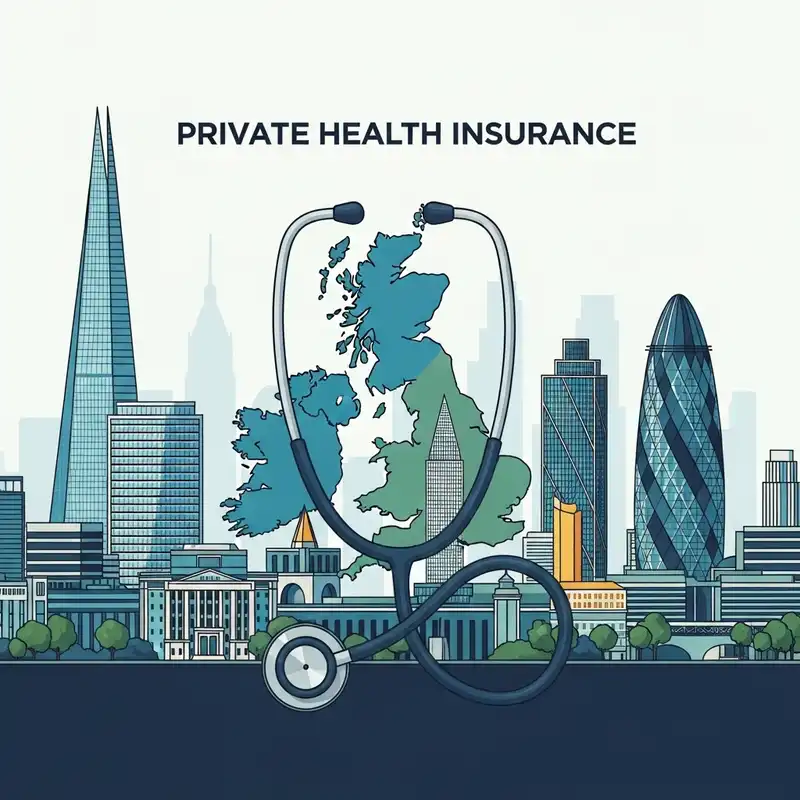
Your Definitive Playbook for UK Private Healthcare: Discover Your Fastest Care Pathway, Region by Region & Insurer by Insurer.
The UK's Rapid Access PHI Playbook: Finding Your Fastest Care Pathway by Region & Insurer
In the intricate tapestry of the UK's healthcare system, the National Health Service (NHS) stands as a cornerstone, providing comprehensive care free at the point of use. However, persistent challenges – from an ageing population and rising demand to workforce shortages and funding pressures – have led to unprecedented waiting lists for various treatments and diagnostics. For many individuals, the prospect of prolonged waits for essential medical attention is not only a source of anxiety but can also impact quality of life and long-term health outcomes.
This is where Private Health Insurance (PHI), also known as Private Medical Insurance (PMI), enters the picture. Designed to complement, not replace, the NHS, PHI offers an alternative pathway for acute conditions, promising quicker access to diagnosis and treatment, greater choice of consultants and hospitals, and often more comfortable care environments.
This in-depth guide, your definitive playbook, is crafted to demystify the world of UK private health insurance. We'll explore how PHI functions, its critical limitations (especially concerning pre-existing and chronic conditions), and delve into the nuances of finding the fastest care pathway tailored to your specific needs, region, and the offerings of various insurers. Our goal is to equip you with the knowledge to make informed decisions, ensuring you can navigate the healthcare landscape with confidence and secure timely access to the care you need, when you need it.
Understanding Private Health Insurance (PHI) in the UK
Private Health Insurance is a policy that covers the cost of private medical treatment for acute conditions that arise after your policy begins. It functions by allowing you to bypass NHS waiting lists for certain treatments, enabling you to access private hospitals, consultants, and diagnostic tests, often more quickly and with a greater degree of flexibility.
What is PHI and How Does it Complement the NHS?
PHI acts as a parallel healthcare service. While the NHS remains available for emergencies, chronic conditions, and general practitioner (GP) services, PHI steps in when you need specialist consultations, diagnostic scans (like MRI or CT scans), surgery, or other treatments for new, short-term illnesses or injuries.
Think of it as an express lane for non-urgent medical needs. You would still typically consult your NHS GP first, who might then recommend a referral to a specialist. With PHI, instead of joining an NHS waiting list for that specialist, your insurer can authorise a private consultation, often within days or weeks.
Crucial Distinction: Acute vs. Chronic Conditions – The PHI Limitation
This is perhaps the most vital distinction in understanding UK private health insurance, and it's a point that cannot be overstated:
Standard UK Private Health Insurance DOES NOT cover chronic or pre-existing conditions.
- Acute Conditions: These are illnesses, injuries, or diseases that respond quickly to treatment and are likely to return you to good health. Examples include a broken bone, appendicitis, cataracts, or a hernia. PHI is designed to cover the diagnosis and treatment of these new, short-term conditions.
- Chronic Conditions: These are long-term illnesses that require ongoing management and are unlikely to be cured. Examples include diabetes, asthma, hypertension, arthritis, or certain heart conditions. While PHI may cover an acute flare-up of a chronic condition (e.g., an asthma attack requiring hospitalisation), it will not cover the ongoing management, medication, or regular monitoring associated with the chronic condition itself. This ongoing care remains the responsibility of the NHS.
- Pre-existing Conditions: These are any medical conditions, symptoms, or illnesses that you have experienced, been diagnosed with, or received treatment for before you take out your PHI policy, regardless of whether you are currently suffering from them. Standard PHI policies will explicitly exclude coverage for these conditions. This exclusion is a fundamental aspect of how the market operates to manage risk and premiums.
The logic is simple: PHI is designed for unforeseen medical events that arise after the policy starts. It is not a mechanism to circumvent NHS care for long-term health issues or conditions you already have.
Benefits of PHI in the UK
Despite its limitations, PHI offers compelling advantages for those seeking faster, more tailored care for acute conditions:
- Faster Access to Diagnosis and Treatment: This is the primary driver for most people. Instead of waiting weeks or months for an NHS appointment or procedure, PHI can significantly reduce waiting times, often to a matter of days or weeks.
- Choice of Consultant and Hospital: You often have the flexibility to choose your specialist and the private hospital or facility where you receive treatment, allowing you to select based on reputation, location, or specific expertise.
- Private Room and Enhanced Comfort: Private hospitals typically offer private en-suite rooms, greater privacy, more flexible visiting hours, and higher quality catering, contributing to a more comfortable recovery experience.
- Access to New Drugs and Treatments: In some cases, PHI may cover new drugs or treatments that are not yet widely available or routinely funded by the NHS.
- Flexible Appointment Times: Private facilities often offer a wider range of appointment times, making it easier to fit medical care around work and personal commitments.
- Faster Rehabilitation: Some policies include cover for private physiotherapy or other rehabilitative therapies, helping to speed up recovery post-treatment.
Common Exclusions Beyond Chronic and Pre-Existing Conditions
It's important to be aware of other standard exclusions in PHI policies:
- Emergency Medical Treatment: Accidents and emergencies are typically handled by the NHS A&E departments. PHI is not designed for emergency care.
- Cosmetic Surgery: Procedures for aesthetic purposes are almost always excluded.
- Fertility Treatment: Most standard policies do not cover IVF or other fertility treatments.
- Normal Pregnancy and Childbirth: While complications may be covered, routine maternity care is usually excluded.
- Overseas Treatment: Policies generally cover treatment within the UK.
- Self-inflicted injuries, drug/alcohol abuse, hazardous sports injuries, and certain psychiatric conditions (though mental health cover is increasingly available as an add-on).
Understanding these fundamental aspects is the first step in building your rapid access playbook.
The UK Healthcare Landscape: Why PHI is Becoming Increasingly Relevant
The decision to consider private health insurance in the UK is often driven by the evolving state of the NHS. While deeply valued, the service is under immense strain, leading to a growing disparity between demand and capacity.
NHS Waiting Lists Crisis: Current Statistics
The statistics paint a clear picture of increasing pressure on the NHS. * Record High Waiting List: As of December 2023, the total number of people waiting for routine hospital treatment stood at approximately 7.6 million, with some patients waiting for more than one referral or treatment. This represents an unprecedented backlog.
- Long Waits for Diagnosis and Treatment: Of those on the waiting list, a significant proportion face extended waits. For example, in December 2023, approximately 391,000 people had been waiting for over 52 weeks for treatment. While the target to eliminate waits of over 18 months was met, the sheer volume of those waiting over a year remains substantial.
- Diagnostics Backlog: The waiting list for diagnostic tests (e.g., MRI, CT scans, endoscopies) also remains high, with over 1.5 million people waiting for key diagnostic tests in November 2023. Delays in diagnostics can, in turn, delay treatment pathways.
- A&E Performance: While not directly tied to PHI's role, the pressure on emergency services often funnels into the wider system. In December 2023, only 70.9% of A&E attendances in England were seen within the four-hour target, falling short of the 95% target.
These figures underscore the reality of an overstretched NHS, where non-urgent care, despite being medically necessary, is often subject to significant delays.
Impact of an Ageing Population and Complex Conditions
The UK's demographic shift towards an older population contributes significantly to healthcare demand. Older individuals typically require more complex and frequent medical interventions. Coupled with the rise in prevalence of multiple long-term conditions (multi-morbidity), the NHS faces a continuous uphill battle to meet the diverse and growing needs of the population. This sustained demand makes it challenging to clear backlogs, even with increased funding or initiatives.
Regional Disparities in NHS Wait Times
The experience of NHS waiting lists is not uniform across the country. Geographical location plays a significant role in how long you might wait for certain procedures or appointments.
- Postcode Lottery: Data often reveals a "postcode lottery" for healthcare access. For example, while the national average for specific orthopaedic surgeries might be X weeks, some Integrated Care Boards (ICBs) or hospital trusts in one region might consistently have waits of X+50% weeks, while others are closer to X-20% weeks. These disparities are influenced by:
- Local hospital capacity and staffing levels.
- Population density and demographic needs.
- Historical investment in healthcare infrastructure.
- Seasonal pressures and local outbreaks.
- Impact on PHI Value: In regions with particularly long NHS waiting lists, the value proposition of PHI for rapid access becomes even more compelling. Conversely, in areas with shorter NHS waits, the primary driver for PHI might shift more towards choice and comfort.
Growing Uptake of PHI
Driven by these systemic pressures, the private health insurance market in the UK has seen steady growth. According to LaingBuisson's UK Healthcare Market Review 2023, the number of people covered by private medical insurance in the UK reached its highest level in a decade, with over 7 million individuals having PHI coverage. This resurgence highlights a growing public awareness and willingness to invest in private options for faster care when the NHS is struggling to meet demand promptly.
This growing trend is a clear indicator that for many, PHI is no longer a luxury but a pragmatic solution to navigate the current healthcare challenges.
Navigating Speed and Access: Key Factors Influencing Your Care Pathway
When seeking rapid access to care through PHI, several critical factors come into play. Understanding these elements is essential for optimising your policy choice and maximising its effectiveness.
Insurers' Networks: Open Referral vs. Guided Option
A fundamental aspect dictating your access speed and choice is the insurer's network of approved hospitals and consultants.
- Open Referral (Consultant Choice): This option provides the greatest flexibility. Your GP refers you to a specialist area (e.g., orthopaedics), and you can then choose almost any consultant or private hospital that your insurer approves within their wider network. This typically offers the widest choice but might come at a slightly higher premium.
- Guided Option (Restricted Networks / Consultant Gateways): Many insurers offer "guided" or "network-restricted" options. In this model, once your GP has provided an open referral, the insurer's in-house team (or a digital tool) will suggest an approved consultant or facility from a smaller, pre-selected network. These networks are often curated for cost-effectiveness and efficiency. While this might slightly limit your personal choice of consultant, it frequently leads to:
- Faster appointments: As the network is more streamlined and relationships with providers are strong.
- Lower premiums: Insurers can negotiate better rates with their preferred providers, passing savings onto the customer.
- Guaranteed quality: The selected consultants and hospitals are vetted by the insurer.
- Example: AXA Health's "Directory of Hospitals" or Bupa's "Finder" tool guide members to specific specialists within their network. Vitality often uses a 'Consultant Panel' or 'Hospital List'.
Choosing between these options depends on your priority: maximum choice versus maximum speed and potential cost savings.
Hospital Groups: The Backbone of Private Care
The UK's private healthcare landscape is dominated by several large hospital groups, which form the backbone of insurers' networks. Knowing these groups can give you an insight into the geographical reach and types of facilities available:
- Nuffield Health: The largest not-for-profit healthcare provider in the UK, operating hospitals, fitness centres, and wellbeing services. Known for a strong focus on holistic health.
- Spire Healthcare: One of the UK's largest private hospital groups by revenue, with hospitals across the country. Offers a wide range of treatments.
- Circle Health Group (formerly BMI Healthcare): Acquired by Circle in 2020, this is now one of the UK's largest independent hospital providers.
- Ramsay Health Care: An international group with a significant presence in the UK, operating over 30 hospitals.
- HCA Healthcare UK: Focuses primarily on complex care and specialist hospitals, particularly in London, known for high-tech facilities.
- Other independent hospitals: A number of standalone private hospitals also operate across the UK, often specialising in particular fields.
Your insurer's policy will specify which of these hospital groups (or specific hospitals within them) are included in your chosen network.
Regional Differences: How Geography Impacts Access and Cost
As touched upon with NHS waiting lists, geography is a major determinant in private healthcare too.
- Cost of Treatment: Private medical treatment, and consequently PHI premiums, tend to be higher in urban centres, especially London and the South East. This is due to higher operational costs (rent, staff wages) and often a greater density of specialist consultants and cutting-edge facilities.
- Availability of Facilities: Major cities and densely populated areas generally have a higher concentration of private hospitals and clinics, offering more choice and potentially faster appointment availability. Rural areas might have fewer private options, potentially requiring travel for specialist treatment.
- Consultant Availability: The number of consultants specialising in a particular field can vary by region, impacting how quickly you can secure an appointment.
- Illustrative Regional Variations in PHI Access (General Trends):
| Region | Typical PHI Premium (Index) | Private Hospital Density | Consultant Availability | Average Initial Appointment Wait (Days) |
|---|---|---|---|---|
| London | High (150-200) | Very High | Very High | 3-7 |
| South East | High (130-160) | High | High | 5-10 |
| North West | Medium (100-120) | Medium-High | Medium-High | 7-14 |
| South West | Medium (90-110) | Medium | Medium | 10-18 |
| Scotland | Medium (90-110) | Medium | Medium | 10-20 |
| Wales | Medium-Low (80-100) | Low-Medium | Medium | 12-22 |
| North East / Yorkshire | Low-Medium (80-100) | Low-Medium | Medium | 12-25 |
(Note: Index is illustrative, based on 100 for national average. Wait times are general estimates for non-urgent specialist appointments, subject to specific condition and consultant availability.)
If you live in a region with fewer private facilities, ensuring your chosen insurer has strong coverage there, or being prepared to travel, becomes crucial for rapid access.
Policy Type: Comprehensive vs. Budget
The level of cover you choose significantly impacts the breadth and speed of access.
- Comprehensive Policies: Offer the widest range of benefits, including extensive outpatient limits, mental health cover, alternative therapies, and often no restrictions on hospital networks (or very broad ones). While more expensive, they provide the greatest flexibility and choice, which can translate to faster access to a wider pool of specialists.
- Budget/Entry-Level Policies: These are designed to be more affordable, often by:
- Limiting outpatient cover (e.g., no specialist consultations or diagnostic tests unless they lead to inpatient treatment).
- Restricting hospital networks to a smaller, more cost-effective list.
- Having higher excesses or co-payments.
- Excluding certain benefits like mental health or therapies. While they provide essential inpatient cover, they might require you to fund initial consultations or diagnostics yourself, or accept fewer choices, potentially impacting the speed of your initial pathway to diagnosis.
Underwriting Methods: Full Medical Underwriting (FMU) vs. Moratorium
The method by which your policy is underwritten plays a critical role in how pre-existing conditions (or lack thereof) are handled, which in turn affects claim processing for new conditions.
- Full Medical Underwriting (FMU):
- Process: You complete a comprehensive medical questionnaire at the outset, detailing your full medical history. The insurer reviews this and may request GP reports.
- Decision: Based on this information, the insurer will either accept your application, apply specific exclusions (for declared pre-existing conditions), or decline it.
- Benefit for New Conditions: Once the policy starts, assuming a condition isn't an explicit exclusion, claims for new conditions are typically straightforward, as your medical history has already been assessed. This can lead to quicker authorisation for subsequent claims.
- Moratorium Underwriting:
- Process: You are not typically asked detailed medical questions upfront. Instead, the policy applies a "moratorium period" (usually 1-2 years, commonly 12 months) during which any condition for which you have experienced symptoms, received treatment, or taken medication in the 5 years prior to the policy start date is automatically excluded.
- Benefit for New Conditions: Conditions that arise after the policy begins and have no link to your pre-moratorium history are generally covered.
- Impact on Speed: For conditions that might be related to your past, the insurer will investigate during a claim to determine if it falls within the moratorium exclusion. This can sometimes lead to slight delays in the claims process while this assessment occurs, compared to a clean FMU policy. However, for genuinely new and unrelated conditions, it can be very quick.
Important Reiterartion: Regardless of the underwriting method, the fundamental principle remains: standard PHI does not cover chronic conditions. And with moratorium, any pre-existing acute conditions that show symptoms within the moratorium period will remain excluded even after the moratorium if you experience symptoms again.
The choice of underwriting method affects how straightforward your claims process will be, particularly if there's any ambiguity regarding a new condition's link to your past health. For truly rapid access, understanding your underwriting approach is key.
Regional Spotlight: How Location Affects PHI Access and Cost
The UK is diverse, not just in its landscape but also in its healthcare provision. Your geographical location significantly influences the cost of your private health insurance, the availability of private medical facilities, and consequently, the speed at which you can access care.
Factors Driving Regional Variation
- Cost of Living & Operations: Areas with higher property costs and wages (e.g., London and the South East) translate to higher operational costs for private hospitals and clinics. These costs are then reflected in the charges for medical procedures and, subsequently, in the premiums insurers charge.
- Concentration of Private Facilities: Major urban centres, particularly London, Manchester, Birmingham, and Glasgow, boast a higher concentration of private hospitals, specialist clinics, and leading consultants. This greater choice often means more availability and shorter waits for appointments.
- Local NHS Pressures: In regions where NHS waiting lists are exceptionally long, demand for private care might be higher, which can, in some cases, influence pricing. However, equally, the NHS's struggles can motivate private providers to expand their services in those areas.
- Specialist Availability: For highly specialised treatments, the number of consultants skilled in those areas might be limited to specific regional hubs. If you require such a specialist and live remotely, travel time and accommodation costs become additional considerations.
Illustrative Regional Impact on PHI and Access
While precise, real-time data on average wait times for private treatment by region is highly dynamic and depends on the specific condition and consultant, we can provide general trends:
| Factor / Region | London | South East | Midlands/North West | Scotland | Wales/North East |
|---|---|---|---|---|---|
| Average PHI Premium | Very High | High | Medium-High | Medium | Medium-Low |
| Number of Private Hospitals | Excellent | Very Good | Good | Good | Moderate |
| Consultant Choice | Extensive | Broad | Good | Good | Moderate |
| Typical Wait for Initial Consult (Days) | 3-7 | 5-10 | 7-14 | 7-15 | 10-20 |
| Access to Niche Specialists | Excellent | Very Good | Good | Moderate | Limited |
| Rural Access Challenges | Low | Low | Medium | High | High |
(Note: "Typical Wait" refers to a general, non-emergency first specialist appointment. These are illustrative averages and can vary significantly based on specific clinics, consultants, and time of year.)
Considerations for Urban vs. Rural Areas
- Urban Centres:
- Pros: Abundance of private hospitals, clinics, and specialists. High competition among providers can sometimes keep prices competitive for specific procedures. Excellent choice for specific consultants. Generally the fastest access due to capacity.
- Cons: Higher overall premiums due to higher operating costs. Traffic and parking can be issues.
- Rural Areas:
- Pros: Lower premiums for equivalent cover due to lower operating costs in local facilities (if available).
- Cons: Fewer private hospitals and clinics, meaning less choice and potentially longer travel times for specialist treatment. For complex conditions, you might need to travel to a larger urban centre, incurring additional costs (travel, accommodation) not covered by your PHI.
When choosing a PHI policy, it is crucial to consider the location of private hospitals within a reasonable travel distance from your home or workplace. Ensure your chosen insurer's network has adequate coverage in your preferred area. Some insurers offer "London Weighting" or "Hospital List" options where you can choose a lower premium if you're willing to exclude London hospitals, or pay more to include them. This flexibility is key for regional optimisation.
Deconstructing Insurer Offerings: Who Offers the Fastest Access?
While all major PHI providers aim to offer efficient access, subtle differences in their networks, claims processes, and digital tools can impact how quickly you receive care. It's not just about the premium; it's about the practical experience of getting an appointment.
Major UK Insurers and Their Approach to Access
The UK market is dominated by a few key players, each with their own strengths:
- Bupa: As one of the largest, Bupa boasts an extensive network of hospitals and consultants nationwide. Their "Bupa Finder" tool allows members to search for consultants and facilities. They often prioritise direct access for certain therapies (e.g., mental health, physiotherapy) without a GP referral, which can speed things up.
- AXA Health: Another major player with a comprehensive network. AXA has invested heavily in digital services, including a "Medical Helpine" and an app for managing claims and finding specialists. They often provide "Fast Track Appointments" for certain conditions via their network.
- Vitality: Known for its unique rewards programme that incentivises healthy living, Vitality also offers a robust private medical insurance product. They often guide members towards their "Consultant Panel" or "Hospital List" which can ensure faster access to vetted providers and sometimes lower costs. Their digital platform for booking and managing care is highly integrated.
- Aviva: A well-established insurer with a strong focus on customer service. Aviva offers flexible plans and a broad network. Their claims process is generally efficient, and they often highlight direct access for mental health support.
- WPA: A mutual organisation, WPA is known for its personal service and a more bespoke approach, often favoured by consultants themselves. They offer different levels of network access, including an "NHS Top-Up" plan that might integrate with NHS waiting lists for some conditions, providing faster access if a private option is needed.
- National Friendly: A smaller, mutual friendly society offering straightforward, traditional health insurance. They may offer a more personal touch but might have less extensive digital tools than larger providers.
- Freedom Health Insurance: An independent UK provider offering a range of health insurance plans, including those for international individuals in the UK. They focus on clear, flexible policies.
Key Differences Influencing Speed and Access
| Feature Category | Factors Influencing Speed | Insurer Strengths (Illustrative) |
|---|---|---|
| Network & Choice | Size & density of approved hospitals/consultants. Flexibility to choose. | Bupa, AXA Health (extensive), Vitality (curated for speed) |
| Digital Tools | App-based appointment booking, online claims submission, "find a specialist" tools. | AXA Health, Vitality, Bupa (strong digital platforms) |
| Claims Process | Efficiency of authorisation, clear communication, direct settlement with providers. | All major insurers aim for this; check reviews for consistency. |
| Direct Access | Ability to access physio/mental health without GP referral. | Bupa, AXA Health, Aviva (common feature) |
| In-house Medical Teams | Nurses/medical professionals to guide you to the right specialist. | Bupa, AXA Health, Vitality (strong in-house guidance) |
| Consultant Gateways | Insurer-guided specialist selection, potentially for faster access. | Vitality, AXA Health (can be faster due to pre-negotiated slots) |
| Customer Service | Responsiveness and helpfulness in facilitating appointments. | WPA (often praised for personal touch), check independent reviews. |
Finding the Right Insurer for You
- Prioritise Your Needs: If speed is paramount, look for insurers with robust digital tools, in-house medical teams that can guide you to appointments swiftly, and networks known for efficiency. Consider their "guided option" if available and suitable for you.
- Check Network Coverage in Your Area: Use the insurer's online tools or speak to a broker to confirm that their network has suitable hospitals and specialists within a reasonable distance of your home or work.
- Read Reviews: Look at independent customer reviews on claims processing and ease of access.
- Speak to a Broker: An expert health insurance broker, such as WeCovr, can provide invaluable assistance. We compare policies from all major UK insurers, understand their nuances regarding access and speed, and can help you navigate the options to find a policy that aligns with your regional requirements and desire for rapid care. We can offer impartial advice based on your specific circumstances, saving you time and potentially money.
The Role of Underwriting: Moratorium vs. Full Medical Underwriting and Speed
As previously highlighted, the underwriting method chosen for your PHI policy is critical, especially concerning how quickly claims for new conditions are processed and how pre-existing conditions are handled.
Understanding the Two Main Methods
-
Moratorium Underwriting:
- How it Works: This is the most common and often the fastest way to get a policy set up initially. You don't have to provide detailed medical history upfront. Instead, the insurer applies an automatic exclusion for any medical condition you've had, experienced symptoms of, or received treatment for in the 5 years leading up to the policy start date. This exclusion typically lasts for a 'moratorium period', usually 12 or 24 months. If, during this period, you have no symptoms or treatment for that pre-existing condition, it may then become covered. However, if symptoms recur, the clock effectively restarts or the condition remains permanently excluded.
- Impact on Speed:
- Initial Setup: Very quick, as no GP reports or detailed health declarations are needed.
- For Genuinely New Conditions: Generally very fast claims process. If you develop a new acute condition that has no link whatsoever to your past medical history, the claim can be authorised quickly.
- For Potentially Related Conditions: If a new symptom or condition could be related to something you experienced in the 5 years prior to the policy start, the insurer will need to investigate. This can involve requesting medical records from your GP, which can delay the claims approval process. This is where "speed" can be impacted.
-
Full Medical Underwriting (FMU):
- How it Works: This method involves a thorough review of your medical history before the policy starts. You'll complete a detailed health questionnaire, and the insurer might request reports from your GP or specialists. Based on this, they will provide a clear decision on what is covered and what is specifically excluded (e.g., "Policy excludes all claims related to your previously diagnosed back pain").
- Impact on Speed:
- Initial Setup: Slower, as it requires gathering medical information and insurer review, which can take days or weeks.
- For New Conditions (Not Excluded): Once the policy is in force, claims for new conditions that are not explicitly excluded are often processed very quickly and smoothly. There's less ambiguity because your history has already been scrutinised and formal exclusions applied. This provides greater certainty regarding coverage.
- Clarity on Pre-existing Conditions: You know exactly what is and isn't covered from day one. This can prevent disputes or delays at the point of claim.
The Clear Rule: Pre-existing and Chronic Conditions
It is paramount to reiterate: No standard UK private health insurance policy, regardless of whether it's underwritten by Moratorium or FMU, will cover chronic conditions. Furthermore, pre-existing conditions (as defined by your policy and the underwriting method) will also be excluded.
- Example: If you had asthma (a chronic condition) before taking out a policy, your PHI will not cover its ongoing management or medication, even if you choose FMU. If you had an acute bout of sciatica (a potentially acute condition that can become chronic) in the past 5 years and opt for Moratorium, any future sciatica issues may be excluded during or after the moratorium period if symptoms persist or recur. With FMU, you might receive a specific exclusion for "all back conditions" if it was severe enough.
Which Underwriting Method is Best for Speed?
- If you have a very clean medical history and are unlikely to have any borderline "pre-existing" issues, Moratorium offers the fastest setup. For genuinely new conditions, claims are usually swift.
- If you have some past medical history, even if you feel it's resolved, Full Medical Underwriting can provide greater certainty and potentially faster claims processing for new conditions down the line, as any potential exclusions are clear from the outset, avoiding delays caused by medical record investigations.
Discussing your medical history openly with a trusted broker, such as WeCovr, is crucial. We can advise on which underwriting method might be most suitable for your circumstances, helping you understand the implications for future claims and access speed.
Tailoring Your PHI Playbook: How to Choose the Right Policy for Rapid Access
Choosing the right private health insurance policy is a highly personal decision, influenced by your health needs, financial situation, and priorities regarding access and choice. Here's how to tailor your "playbook" for rapid access.
1. Assess Your Needs and Priorities
Before looking at policies, consider:
- Budget: What can you realistically afford each month or year? Premiums vary significantly.
- Geographical Location: Do you need access to private hospitals primarily near your home, or do you travel frequently for work and need broader coverage? Remember regional variations in facility availability and cost.
- Preferred Hospital Networks: Are there specific private hospitals or hospital groups (e.g., Nuffield, Spire) you prefer, or does proximity and convenience outweigh brand name?
- Family Needs: Are you covering just yourself, a partner, or the whole family? Child-friendly benefits or family discounts might be important.
- Specific Concerns: While PHI doesn't cover pre-existing or chronic conditions, if you have a family history of certain acute conditions (e.g., cataracts, common orthopaedic issues), you might want to ensure your policy has strong coverage for these.
2. Compare Policy Features Beyond the Basic Cover
All policies will cover inpatient treatment for acute conditions. But the devil is in the detail when it comes to speed and comprehensive access:
- Outpatient Limits: This is crucial for rapid diagnosis.
- Full Outpatient Cover: Includes all consultations with specialists, diagnostic tests (MRI, CT, X-rays), and therapies (physiotherapy, chiropractic) as an outpatient. This offers the fastest diagnostic pathway.
- Limited Outpatient Cover: Might cap the number of consultations or the monetary value of tests. You might need to self-fund initial consultations, which could slow down the process if you then need to claim for inpatient treatment.
- No Outpatient Cover: Only covers treatment once you're admitted as an inpatient. This is the cheapest option but provides no "rapid access" benefit for initial diagnosis.
- Mental Health Cover: Increasingly important. Does the policy offer full mental health support or only limited psychiatric inpatient care? Direct access to talking therapies can be very fast.
- Cancer Cover: A critical component. Does it include advanced drug therapies, radiotherapy, and support services? Comprehensive cancer cover provides rapid access to cutting-edge treatments.
- Therapies: Does it cover physiotherapy, osteopathy, chiropractic treatment, and other rehabilitative therapies? Direct access without a GP referral for these can significantly speed up recovery.
- Hospital List/Network Options: As discussed, choosing a restricted list can lower premiums, but ensure it includes facilities convenient to you. Opting for "London Weighting" if you need access to central London hospitals.
3. Understand Excesses and Co-payments
These financial levers can reduce your premium but influence your out-of-pocket costs and potentially your willingness to claim:
- Excess: A fixed amount you pay towards a claim before the insurer pays the rest (e.g., £100, £250, £500). A higher excess means a lower premium.
- Co-payment/Co-insurance: You pay a percentage of the claim cost (e.g., 10% or 20%). This caps the insurer's liability but means you always share the cost. Choosing an excess or co-payment that you are comfortable with is essential, as these choices directly impact the affordability and the perceived value of your policy.
4. Read the Small Print and Ask Questions
- Referral Requirements: Most policies require a GP referral. Check if yours allows "direct access" for certain specialists or therapies.
- Authorisation Process: Understand how to get pre-authorisation for treatment – it's crucial for avoiding unexpected bills.
- Benefit Limits: Are there annual or per-condition limits on certain benefits?
The Invaluable Role of an Expert Health Insurance Broker
Navigating the complexities of PHI, comparing features, understanding exclusions, and making sense of underwriting methods can be daunting. This is where an expert health insurance broker, like WeCovr, proves invaluable.
- Impartial Advice: We work for you, not the insurers. We can provide unbiased recommendations based on your unique circumstances and priorities.
- Market Knowledge: We have in-depth knowledge of all major UK insurers' products, their networks, claims processes, and what they truly excel at – including which policies are best for rapid access in your region.
- Time-Saving: Instead of spending hours researching and getting quotes from multiple providers, we do the legwork for you, presenting a clear comparison of suitable options.
- Understanding the Nuances: We can explain the subtle differences in policy wording, underwriting methods, and exclusions that might not be immediately obvious but could significantly impact your experience.
- Tailored Solutions: We help you identify the most cost-effective way to achieve your desired level of rapid access and coverage, ensuring you don't pay for benefits you don't need or miss out on crucial ones.
- Ongoing Support: Many brokers provide support not just at the point of sale but also with claims assistance and policy renewals.
When seeking the fastest care pathway, leveraging the expertise of WeCovr ensures you make an informed decision, leading to a policy that truly serves your needs for timely, quality healthcare.
Dispelling Myths and Understanding Realities of PHI
Private health insurance is often misunderstood. Let's separate common myths from the practical realities.
- Myth 1: PHI covers everything and completely replaces the NHS.
- Reality: PHI is designed for acute conditions that arise after the policy begins. It does not cover chronic conditions (e.g., diabetes, asthma, ongoing heart conditions) or pre-existing conditions. The NHS remains essential for emergencies, chronic condition management, and general practice. PHI complements, rather than replaces, the NHS.
- Myth 2: You get instant access to treatment the moment you buy a policy.
- Reality: While significantly faster than the NHS, it's not "instant." You'll typically still need a GP referral (even an NHS one is usually accepted). The insurer needs to pre-authorise treatment. There can also be short waiting periods at the start of your policy (e.g., 14 days before you can claim for an illness, though accident cover often starts immediately). Access speed depends on consultant availability and the efficiency of your insurer's processes.
- Myth 3: PHI is only for the very wealthy.
- Reality: While comprehensive policies can be expensive, there's a wide range of policy options available, from budget-friendly plans that cover essential inpatient care to more comprehensive offerings. By adjusting excess levels, choosing restricted hospital lists, or limiting outpatient cover, PHI can be made more affordable for many. The growing uptake of PHI across different income brackets demonstrates its accessibility.
- Myth 4: If you have PHI, you can't use the NHS.
- Reality: You retain full rights to use the NHS. Many people with PHI still use NHS GPs for routine care, NHS A&E for emergencies, and NHS services for chronic conditions. You simply have the option to use your private insurance for eligible acute conditions.
- Myth 5: All private hospitals are the same.
- Reality: There's variation in quality, facilities, and specialisation among private hospitals, just as there is in the NHS. Major hospital groups generally maintain high standards, but it's worth researching specific facilities if you have a choice. Insurers often vet hospitals within their network for quality and safety.
- Myth 6: Claims are always difficult and slow.
- Reality: While some claims can involve investigation (especially with moratorium underwriting for conditions that might be linked to past history), most claims for clear, new acute conditions are straightforward and processed efficiently by major insurers. Digital claims processes have also sped things up considerably.
- Myth 7: Once you have PHI, you can ditch your GP.
- Reality: Your GP remains your primary port of call. Most PHI policies require a GP referral for specialist consultations. Your GP is crucial for initial diagnosis, ongoing chronic care, and linking you to the most appropriate healthcare pathway, whether NHS or private.
Understanding these realities ensures you have realistic expectations and can leverage your PHI effectively for rapid, acute care when needed.
Practical Steps for Rapid Access When You Need Care
Having the right PHI policy is just the first step. Knowing how to use it efficiently is key to ensuring rapid access when a health concern arises.
1. Consult Your GP First (NHS or Private)
- Initial Point of Contact: For any new symptom or concern, your General Practitioner (GP) should be your first point of contact. This applies whether you use an NHS GP or a private GP service (some PHI policies include access to private GPs).
- Referral: Most PHI policies require a GP referral to a specialist before you can claim. This ensures you're seeing the right specialist for your condition. Your GP will write a referral letter that you can then share with your insurer.
2. Contact Your Insurer for Pre-Authorisation
- Crucial Step: This is arguably the most important step for rapid, smooth access. Never proceed with private treatment or diagnostics without your insurer's prior approval.
- How to Contact: Use your insurer's preferred method:
- Dedicated Phone Line: Most insurers have a specific claims or medical helpline.
- Online Portal/App: Many insurers offer online platforms or mobile apps where you can submit your GP referral, detail your symptoms, and request authorisation. This is often the fastest method.
- Information Needed: Be ready to provide:
- Your policy number.
- Your symptoms and condition.
- Details of your GP referral.
- The name of the consultant or hospital recommended (if your GP specified one, or if you have a "choice" option).
- Authorisation Code: Once approved, the insurer will issue an authorisation code. This code confirms that the treatment is covered and allows the hospital or consultant to bill the insurer directly.
3. Using Insurer Apps and Online Portals
- Streamlined Process: Modern PHI providers have invested heavily in digital tools to enhance speed and convenience.
- Benefits:
- Find a Specialist: Many apps allow you to search for approved consultants and hospitals within your network, often showing their availability.
- Book Appointments: Some apps allow direct booking or facilitate easy contact with specialists.
- Submit Claims: Upload referral letters and other documents directly.
- View Policy Details: Access your policy documents, benefit limits, and remaining allowances.
- Virtual GP Services: Many policies now include virtual GP consultations, which can provide an immediate first assessment and referral without waiting for an in-person GP appointment. This significantly speeds up the initial step.
4. Understand Your Policy Limits
- Review Your Benefit Schedule: Familiarise yourself with your policy's benefit limits. This includes overall annual limits, specific limits for outpatient consultations, therapies, mental health, or specific types of cancer treatment.
- Excesses and Co-payments: Remember any excess or co-payment you need to contribute. Be prepared to pay this directly to the provider when applicable.
5. Be Proactive and Communicate
- Follow Up: If you haven't heard back from your insurer or a private provider within their stated timeframe, don't hesitate to follow up.
- Ask Questions: If anything is unclear about your cover or the claims process, ask your insurer or your broker. It's better to clarify upfront than face unexpected bills or delays.
By following these practical steps, you can significantly streamline your journey through the private healthcare system, ensuring you maximise the rapid access benefits your PHI policy offers for any acute conditions that may arise.
Conclusion
The UK's healthcare landscape is in a state of continuous evolution. While the NHS remains a cherished national institution, the undeniable pressures it faces, particularly regarding waiting lists for routine procedures and diagnostics, have solidified the role of Private Health Insurance as a vital complement. For those seeking quicker access to diagnosis and treatment for acute conditions, greater choice, and enhanced comfort, PHI offers a compelling solution.
This playbook has outlined the fundamental principles of UK PHI, meticulously clarifying its essential limitations, most notably the non-coverage of chronic or pre-existing conditions. We've explored how regional variations, insurer networks, policy types, and underwriting methods all play a crucial role in determining the speed and quality of your care pathway. From the extensive networks of Bupa and AXA Health to the innovative approaches of Vitality, understanding the nuances of each provider is key.
Ultimately, the goal is to empower you with the knowledge to create your own rapid access strategy. By assessing your needs, comparing policy features, understanding the fine print, and leveraging the expertise of impartial brokers like WeCovr, you can navigate the private health insurance market with confidence.
In an era where timely medical intervention can significantly impact health outcomes and quality of life, a well-chosen PHI policy is more than just an expense; it's an investment in peace of mind and proactive health management. It's about taking control of your healthcare journey, ensuring that when an acute health challenge arises, your path to recovery is as swift and seamless as possible.
Why private medical insurance and how does it work?
What is Private Medical Insurance?
Private medical insurance (PMI) is a type of health insurance that provides access to private healthcare services in the UK. It covers the cost of private medical treatment, allowing you to bypass NHS waiting lists and receive faster, more convenient care.How does it work?
Private medical insurance works by paying for your private healthcare costs. When you need treatment, you can choose to go private and your insurance will cover the costs, subject to your policy terms and conditions. This can include:• Private consultations with specialists
• Private hospital treatment and surgery
• Diagnostic tests and scans
• Physiotherapy and rehabilitation
• Mental health treatment
Your premium depends on factors like your age, health, occupation, and the level of cover you choose. Most policies offer different levels of cover, from basic to comprehensive, allowing you to tailor the policy to your needs and budget.
Questions to ask yourself regarding private medical insurance
Just ask yourself:👉 Are you concerned about NHS waiting times for treatment?
👉 Would you prefer to choose your own consultant and hospital?
👉 Do you want faster access to diagnostic tests and scans?
👉 Would you like private hospital accommodation and better food?
👉 Do you want to avoid the stress of NHS waiting lists?
Many people don't realise that private medical insurance is more affordable than they think, especially when you consider the value of faster treatment and better facilities. A great insurance policy can provide peace of mind and ensure you receive the care you need when you need it.
Benefits offered by private medical insurance
Private medical insurance provides numerous benefits that can significantly improve your healthcare experience and outcomes:Faster Access to Treatment
One of the biggest advantages is avoiding NHS waiting lists. While the NHS provides excellent care, waiting times can be lengthy. With private medical insurance, you can often receive treatment within days or weeks rather than months.
Choice of Consultant and Hospital
You can choose your preferred consultant and hospital, giving you more control over your healthcare journey. This is particularly important for complex treatments where you want a specific specialist.
Better Facilities and Accommodation
Private hospitals typically offer superior facilities, including private rooms, better food, and more comfortable surroundings. This can make your recovery more pleasant and potentially faster.
Advanced Treatments
Private medical insurance often covers treatments and medications not available on the NHS, giving you access to the latest medical advances and technologies.
Mental Health Support
Many policies include comprehensive mental health coverage, providing faster access to therapy and psychiatric care when needed.
Tax Benefits for Business Owners
If you're self-employed or a business owner, private medical insurance premiums can be tax-deductible, making it a cost-effective way to protect your health and your business.
Peace of Mind
Knowing you have access to private healthcare when you need it provides invaluable peace of mind, especially for those with ongoing health conditions or concerns about NHS capacity.
Private medical insurance is particularly valuable for those who want to take control of their healthcare journey and ensure they receive the best possible treatment when they need it most.
Important Fact!
We can look at a more suitable option mid-term!
Why is it important to get private medical insurance early?
👉 Many people are very thankful that they had their private medical insurance cover in place before running into some serious health issues. Private medical insurance is as important as life insurance for protecting your family's finances.👉 We insure our cars, houses, and even our phones! Yet our health is the most precious thing we have.
Easily one of the most important insurance purchases an individual or family can make in their lifetime, the decision to buy private medical insurance can be made much simpler with the help of FCA-authorised advisers. They are the specialists who do the searching and analysis helping people choose between various types of private medical insurance policies available in the market, including different levels of cover and policy types most suitable to the client's individual circumstances.
It certainly won't do any harm if you speak with one of our experienced insurance experts who are passionate about advising people on financial matters related to private medical insurance and are keen to provide you with a free consultation.
You can discuss with them in detail what affordable private medical insurance plan for the necessary peace of mind they would recommend! WeCovr works with some of the best advisers in the market.
By tapping the button below, you can book a free call with them in less than 30 seconds right now:
Our Group Is Proud To Have Issued 800,000+ Policies!
We've established collaboration agreements with leading insurance groups to create tailored coverage
























How It Works
1. Complete a brief form

2. Our experts analyse your information and find you best quotes

3. Enjoy your protection!

Any questions?
Learn more

Who Are WeCovr?
WeCovr is an insurance specialist for people valuing their peace of mind and a great service.👍 WeCovr will help you get your private medical insurance, life insurance, critical illness insurance and others in no time thanks to our wonderful super-friendly experts ready to assist you every step of the way.
Just a quick and simple form and an easy conversation with one of our experts and your valuable insurance policy is in place for that needed peace of mind!