UK Regional Insurers: Local Risk Blind Spots
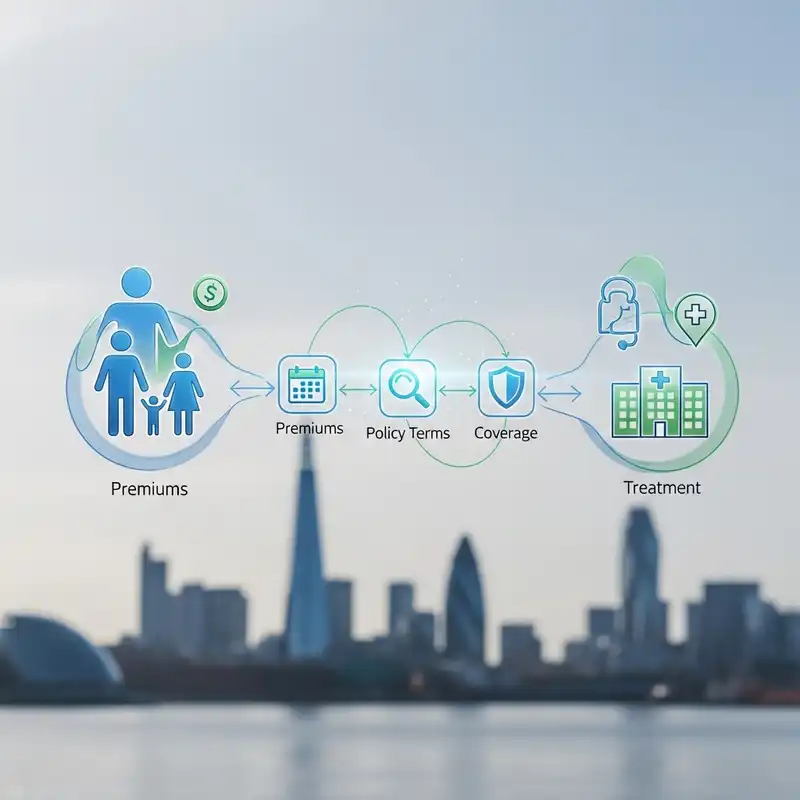
Are UK Regional Insurers Overlooking Crucial Local Health and Work Risks, Potentially Leaving Your Community Unprotected?
UK LCIIP Blind Spots: Are Regional Insurers Missing Your Local Health & Work Risks?
In the seemingly uniform landscape of UK financial protection, where life insurance, critical illness cover, and income protection (LCIIP) policies are designed to offer peace of mind, a critical oversight often goes unnoticed. While individual medical histories, lifestyle choices, and occupational hazards are meticulously assessed, the profound impact of where you live and work can be significantly underestimated or even overlooked by many insurers.
The United Kingdom, for all its relatively small size, is a country of stark contrasts. From the bustling financial hubs of London to the industrial heartlands of the North, the agricultural expanses of the East, and the coastal communities of the South West, health outcomes, prevalent industries, and socio-economic realities vary dramatically. These regional disparities create "blind spots" for LCIIP insurers using broad-brush national data, potentially leading to mispriced premiums, unsuitable cover, or even barriers to protection for segments of the population.
This in-depth guide delves into these critical regional blind spots, exploring how geographical and socio-economic factors influence your health and work risks, and crucially, how they might impact your ability to secure appropriate and affordable LCIIP coverage. We'll examine the data, challenge the status quo, and empower you with the knowledge to navigate this complex terrain, ensuring your protection truly aligns with your unique circumstances.
The UK's Patchwork Quilt of Health and Socio-Economic Realities
To understand the LCIIP blind spots, one must first appreciate the profound differences that characterise the UK's regions. It's far from a homogenous nation; instead, it's a vibrant, yet often disparate, collection of communities, each with its own health profile, economic drivers, and social challenges.
Deep Dive into Health Disparities
The idea that where you live significantly impacts your health is not new, but its implications for insurance underwriting are often under-explored. Across the UK, postcode can indeed be a predictor of health outcomes.
Life Expectancy Gaps: A Stark Divide
One of the most telling indicators of regional health disparity is life expectancy. The gap between the healthiest and least healthy areas of the UK is significant and persistent.
- ONS Data (2020-2022):
- Male Life Expectancy: Ranges from 75.5 years in Blackpool to 83.1 years in Hart in Hampshire. That's a staggering 7.6-year difference.
- Female Life Expectancy: Ranges from 79.5 years in Blackpool to 86.9 years in Kensington and Chelsea. A 7.4-year gap.
These figures illustrate a clear North-South divide, but also significant variations within regions and between urban and rural areas. Factors contributing to this include:
- Socio-economic Deprivation: Areas with higher levels of deprivation consistently show lower life expectancies. This isn't just about income; it encompasses access to healthy food, safe housing, quality education, and employment opportunities.
- Healthcare Access and Quality: While the NHS is national, access to GPs, specialists, and waiting times for critical treatments can vary regionally.
- Lifestyle Factors: These are often linked to socio-economic conditions, including smoking rates, diet, and physical activity levels.
Chronic Illnesses: A Regional Prevalence
Certain chronic conditions show a higher prevalence in specific UK regions, directly impacting health risks and potential insurance claims.
- Obesity: The West Midlands and North East often report higher rates of adult and childhood obesity compared to the South East. For instance, according to NHS Digital data (2022/23), parts of the North East have adult obesity rates exceeding 30%, while some areas in London are closer to 20%. Obesity is a significant risk factor for heart disease, diabetes, and certain cancers.
- Heart Disease and Stroke: Areas with a history of heavy industry (e.g., parts of Scotland, the North East, Wales) often face higher rates of cardiovascular disease, partly due to historical dietary patterns, smoking, and environmental factors.
- Respiratory Illnesses: Regions with a legacy of coal mining or heavy manufacturing (e.g., Yorkshire, South Wales Valleys, North West) tend to have higher instances of chronic obstructive pulmonary disease (COPD) and other respiratory conditions, often due to historical occupational exposure and air quality.
- Diabetes: Type 2 diabetes prevalence often correlates with obesity rates, showing similar regional patterns.
- Cancer Rates: While cancer is widespread, incidence and survival rates can vary by region, influenced by screening uptake, lifestyle, and diagnostic pathways.
Mental Health: A Silent Regional Burden
Mental health challenges are increasingly recognised as a major public health issue, with clear regional variations. Areas experiencing high unemployment, economic decline, and social isolation often report higher rates of common mental health disorders like depression and anxiety.
- ONS Data: Surveys consistently show regional differences in reported well-being and mental health conditions. For example, some inner-city areas and deprived coastal towns report higher rates of self-reported anxiety and depression compared to more affluent rural or suburban areas.
- Access to Services: The availability of mental health support services, including talking therapies and crisis teams, can vary significantly across NHS trusts and regions, impacting treatment effectiveness and long-term prognosis.
Environmental Factors and Health
Beyond individual choices and historical legacies, environmental factors also play a role:
- Air Quality: Major urban centres, particularly London and other large cities, grapple with higher levels of air pollution (nitrogen dioxide, particulate matter), contributing to respiratory and cardiovascular issues.
- Access to Green Space: Urban areas, especially deprived ones, often have less access to green spaces, which are proven to boost mental and physical well-being.
- Diet and Food Deserts: Availability of fresh, affordable, and healthy food can be limited in certain deprived urban and rural areas, leading to reliance on less nutritious options.
| Region | Male Life Expectancy (2020-22) | Female Life Expectancy (2020-22) | Adult Obesity Rate (Avg.) | Common Health Concerns (Examples) |
|---|---|---|---|---|
| North East | 77.0 | 80.8 | 30%+ | CVD, Respiratory, Obesity |
| North West | 77.3 | 81.1 | 28-30% | CVD, Respiratory, Mental Health |
| Yorkshire & Humber | 77.5 | 81.3 | 28-30% | CVD, Respiratory, Diabetes |
| West Midlands | 77.9 | 81.6 | 29-31% | Obesity, CVD, Diabetes |
| East Midlands | 78.7 | 82.2 | 27-29% | Diabetes, CVD |
| East of England | 80.0 | 83.6 | 25-27% | Cancer (some types), Lifestyle |
| South East | 80.1 | 83.7 | 24-26% | General population health |
| South West | 80.1 | 83.7 | 23-25% | Ageing population health needs |
| London | 79.3 | 83.7 | 20-22% | Air pollution, Mental Health |
| Wales | 77.8 | 81.7 | 28-30% | CVD, Respiratory, Obesity |
| Scotland | 76.5 | 80.7 | 29-31% | Highest CVD, Alcohol-related |
| Northern Ireland | 78.4 | 82.3 | 27-29% | CVD, Mental Health |
Note: Data points are indicative averages and subject to local variations within regions. Life expectancy figures are from ONS 2020-2022. Obesity rates are indicative from various NHS and public health sources for recent years.
Work and Industry Risks: A Geographic Mosaic
Beyond health, the primary industries and employment patterns within a region directly influence the income protection and critical illness risks faced by its residents.
Industrial Heritage and Occupational Diseases
Regions with a strong history of heavy industry continue to face elevated health risks related to those past occupations.
- Mining: Former mining communities in the North East, Yorkshire, and South Wales still see higher rates of lung diseases like pneumoconiosis among older generations.
- Manufacturing: Areas that relied heavily on manufacturing (e.g., parts of the North West, West Midlands) may have residual risks from exposure to chemicals, asbestos, or repetitive strain injuries.
- Agriculture: Rural areas, particularly in the East of England and South West, have a higher proportion of workers in agriculture, forestry, and fishing. These sectors carry risks of accidents, exposure to chemicals, and zoonotic diseases.
Modern Economies and Emerging Risks
The shift to service-based and digital economies has reshaped occupational risks, but these are also geographically concentrated.
- Financial and Professional Services: Concentrated in London, Edinburgh, and other major cities, these roles typically involve lower physical risk but higher levels of stress, leading to potential mental health claims and conditions like burnout.
- Gig Economy: The prevalence of precarious, insecure work (e.g., delivery drivers, casual labour) is rising, especially in urban areas. This raises questions about stable income for income protection, as irregular earnings make assessment challenging.
- Tourism and Hospitality: Coastal areas and popular tourist destinations (e.g., Cornwall, Scottish Highlands) rely heavily on hospitality, which often involves seasonal work, lower wages, and less job security.
- Healthcare and Social Care: These sectors are dispersed but significant. Healthcare workers face infection risks, long hours, and high stress, leading to potential long-term sick leave.
| UK Region | Dominant Industries (Examples) | Associated LCIIP Risks (Illustrative) |
|---|---|---|
| London | Finance, Tech, Professional Services | Stress-related illness, Mental Health, Burnout |
| South East | Tech, Logistics, Research & Dev | Repetitive Strain, Stress, Sedentary issues |
| North West | Manufacturing, Digital, Logistics | Physical injury, Mental Health, Respiratory |
| Yorkshire & Humber | Manufacturing, Digital, Agriculture | Physical injury, Respiratory, Mental Health |
| North East | Manufacturing, Renewable Energy | Physical injury, Historical respiratory |
| West Midlands | Manufacturing, Automotive, Logistics | Physical injury, Musculoskeletal |
| East of England | Agriculture, Tech, Research | Accidents (farm), Chemical exposure, Repetitive strain |
| South West | Tourism, Agriculture, Marine | Accidents, Seasonal employment instability |
| Wales | Public Sector, Manufacturing, Tourism | Public health risks, Physical injury |
| Scotland | Finance, Energy, Manufacturing | Stress, Physical injury, Historical risks |
| Northern Ireland | Public Sector, Agri-Food, Tech | Public health risks, Physical injury |
Socio-Economic Factors: The Undercurrent of Risk
Underpinning both health and work risks are broader socio-economic factors that also exhibit significant regional variation.
- Deprivation: Areas with high levels of multiple deprivation (e.g., parts of Glasgow, Liverpool, and coastal towns) experience poorer health outcomes, higher unemployment, and lower educational attainment. These factors collectively increase the likelihood of needing LCIIP but also make it harder to access and afford.
- Education Levels: Higher educational attainment generally correlates with better health literacy, access to higher-paying and safer jobs, and greater financial resilience, all of which reduce LCIIP risk factors.
- Access to NHS Services: While the NHS is a national service, waiting times for diagnostics and elective procedures, availability of specialist services, and GP access can vary. Longer waits can exacerbate conditions, turning what might have been a short-term illness into a long-term critical condition, impacting income protection claims.
The cumulative effect of these interconnected regional factors creates a complex risk profile for individuals that is often missed by a one-size-fits-all underwriting approach.
How Insurers Currently Assess Risk: A Broad-Brush Approach?
For decades, the life insurance industry has refined its underwriting processes. These are designed to accurately assess the risk presented by an individual applicant and set a premium that reflects that risk. However, the models predominantly rely on individual-level data, which, while crucial, may not fully account for the ambient risks of one's environment.
Standard Underwriting Models: The Pillars of Assessment
When you apply for LCIIP, insurers typically gather extensive personal information:
- Medical History: Past and present diagnoses, treatments, medications, family medical history.
- Lifestyle Factors: Smoking status, alcohol consumption, diet, exercise habits, high-risk hobbies (e.g., mountaineering, skydiving).
- Occupation: The specific nature of your job, including physical demands, hazardous materials exposure, and stress levels.
- Age and Gender: Fundamental demographic risk factors.
- Financial Details: Income (for income protection), existing debts, and financial dependents.
The Data Sources: What Do They Typically Use?
Insurers primarily use:
- Applicant Questionnaires: Detailed forms completed by the individual.
- GP Reports (GPRs): Accessed with the applicant's consent, providing comprehensive medical records.
- Medical Examinations: For higher sums assured or specific health disclosures.
- Publicly Available Data: General demographic trends (e.g., national obesity rates) are factored in, but often at a very high, aggregated level.
The Problem of Aggregation: Missing the Local Context
The challenge arises when insurers rely heavily on national or broad regional averages without sufficient granularity. If a national model suggests a certain prevalence of heart disease, it might apply that to everyone, regardless of whether they live in a low-risk suburban area or a high-risk former industrial town.
- Risk Pool Homogenisation: Insurers aim to create risk pools that are balanced. However, if these pools are too broad, individuals in lower-risk regional contexts might end up subsidising those in higher-risk ones without a direct correlation to their personal habits or health status.
- Complexity and Data Acquisition: It's undeniably complex for insurers to integrate highly granular, real-time regional data into their underwriting systems. Data needs to be reliable, consistently updated, and ethically sourced. Regulatory hurdles and data privacy concerns also play a significant role.
- "Fairness" Definition: The traditional insurance principle of mutuality means risks are shared across a pool. The question then becomes: how granular should that pool be before it becomes discriminatory rather than fair? The Financial Conduct Authority (FCA) closely monitors for unfair treatment of customers.
While insurers are constantly evolving their underwriting, the current broad-brush approach for regional factors can indeed create blind spots, leading to potentially inequitable outcomes for consumers.
The LCIIP Blind Spots: What's Being Missed?
These regional disparities, when not adequately accounted for in underwriting, manifest as tangible "blind spots" in LCIIP provision. The implications for consumers can be significant, affecting both affordability and suitability of cover.
Overpaying for Low Risk
Consider a healthy, non-smoking individual living in a prosperous, low-deprivation area of the South East with excellent healthcare access. Their personal risk profile is demonstrably low. However, if their insurer's model broadly averages the risk across the entire region – or even the entire country – they might be paying a premium that implicitly accounts for higher health risks prevalent in other, less fortunate areas.
- Subsidisation: Effectively, these low-risk individuals could be subsidising the higher claims costs associated with higher-risk regions within the same national risk pool.
- Lost Opportunity: They might miss out on potentially lower premiums that a more regionally sensitive underwriting model could offer, or on products specifically tailored to lower-risk populations.
Under-Protection for High Risk
Conversely, individuals living in regions with high levels of deprivation, prevalent chronic illnesses, or historical occupational health issues might face different challenges.
- Exorbitant Premiums: Their premiums might be inflated due to perceived higher regional risk, even if their personal health is currently good. This can make vital LCIIP unaffordable.
- Excessive Exclusions: Insurers, cautious of regional trends, might apply blanket exclusions or terms that don't precisely fit an individual's specific health or occupational reality.
- Difficulty Obtaining Cover: In some cases, individuals from certain areas or professions might find it harder to get coverage at all, contributing to the protection gap. For instance, a manual labourer in a historically industrial region might struggle more with income protection than a financial services professional, even if both have similar personal health.
- Mismatched Products: A policy designed with a national average in mind may not adequately cover the specific critical illnesses or income protection needs more prevalent in a particular local context.
Case Studies: Illustrating the Disparity
Let's imagine two hypothetical scenarios:
-
Case A: The Rural Professional: Sarah, 40, a healthy, non-smoking marketing consultant, lives in a picturesque village in the Cotswolds. Her local area boasts excellent air quality, high life expectancy, and low rates of chronic disease. She works from home, mostly sedentary but active in her spare time. She seeks critical illness cover.
- Blind Spot Impact: An insurer using broad national/regional data might not fully account for the very low environmental and community health risks in her specific locale, potentially offering a slightly higher premium than is strictly necessary for her exceptionally low risk.
-
Case B: The Urban Manual Worker: Mark, 45, a skilled factory worker, lives in a post-industrial town in the North West. While personally fit and active, his town has historically high rates of respiratory diseases, higher unemployment, and a generally lower life expectancy. He seeks income protection.
- Blind Spot Impact: Mark might face higher premiums for income protection due to his occupation (manual work has a higher injury/illness rate) and the perceived higher health and employment risks associated with his postcode. This is despite his personal fitness, making essential protection potentially less accessible or more costly, even though his need for income protection might be greater due to less job security in his regional industry.
These examples highlight how crucial it is for underwriting to move beyond mere personal data to incorporate a nuanced understanding of the individual's context.
The Data Revolution: Paving the Way for Granular Underwriting
The good news is that the insurance industry is on the cusp of a data revolution. Advances in big data analytics, artificial intelligence (AI), and geospatial analysis offer unprecedented opportunities to bridge these LCIIP blind spots.
Leveraging Big Data and AI: Towards Sophisticated Models
Insurers are increasingly investing in sophisticated analytical tools that can process vast amounts of data, identify complex patterns, and build more predictive risk models.
- Predictive Analytics: AI and machine learning algorithms can analyse demographic trends, public health statistics, environmental data, and anonymised claims data to identify granular risk correlations at a much finer geographic level than ever before.
- Dynamic Underwriting: This could potentially lead to more dynamic underwriting, where premiums are more closely linked to real-time, localised risk factors.
Geospatial Analysis: Pinpointing Risk by Postcode
Geospatial data, combined with public health records (anonymised), environmental agency data, and ONS statistics, allows insurers to map health and work risks down to specific postcodes.
- Mapping Health Hotspots: Identifying areas with higher prevalence of specific diseases, lower life expectancy, or poorer access to healthcare.
- Overlaying Occupational Data: Combining this with regional employment statistics, industry concentrations, and unemployment rates to get a comprehensive view of work-related risks.
- Environmental Factors: Including data on air quality, pollution levels, and even access to green spaces can add further layers of insight into health outcomes.
Emerging Data Sources: A Richer Picture
Beyond traditional sources, new data streams could provide valuable insights:
- Public Health Datasets: Greater integration of anonymised public health data could allow insurers to understand the health burden of specific regions.
- Environmental Data: Satellite imagery and local environmental monitoring data can provide real-time information on air and water quality.
- Anonymised Regional Employment Statistics: More detailed breakdowns of employment stability, types of contracts (e.g., gig economy vs. permanent), and industry health can inform income protection assessments.
Ethical Considerations: Balancing Innovation with Fairness
The move towards more granular data necessitates a careful consideration of ethical boundaries and regulatory compliance.
- Data Privacy: Protecting personal data and ensuring compliance with GDPR is paramount. All data used must be anonymised and aggregated where appropriate.
- Avoiding Discrimination: Regulators like the FCA are vigilant about ensuring that pricing and policy terms do not unfairly discriminate based on protected characteristics or create "postcode lotteries" where essential protection is unattainable for certain communities.
- The Principle of Mutuality: Insurance is founded on the principle of pooling risks. While more granular data can lead to fairer individual pricing, pushing it too far could undermine the collective nature of insurance, where slightly lower-risk individuals contribute to covering higher-risk ones. Finding the right balance is key.
The data revolution promises a future where LCIIP underwriting can be more precise and equitable, but it requires careful navigation of the technical, ethical, and regulatory landscape.
Navigating the Regional Maze: Advice for Consumers
For you, the consumer, understanding these regional blind spots is the first step towards securing the most appropriate and affordable LCIIP coverage. You don't have to wait for the entire industry to adapt; there are proactive steps you can take today.
Understand Your Local Context
Be aware of the health trends and employment risks specific to your local area. While your personal health and occupation are primary, understanding the broader context can help you ask more informed questions and identify potential discrepancies in quotes.
- Research Local Health Data: A quick search for "health statistics [your county/town]" can reveal insights into local obesity rates, life expectancy, or prevalent conditions.
- Consider Local Industry: What are the dominant industries in your area? Do they present specific occupational risks?
The Importance of Honesty and Detail
Always provide full and accurate information to insurers. Attempting to conceal information will invalidate your policy and could lead to claims being rejected. However, ensure that any "generic" questions are answered with specific, personal detail, not just broad assumptions about your area.
Don't Settle for the First Quote: Compare, Compare, Compare
Premiums for LCIIP can vary significantly between insurers, even for seemingly identical cover. This variation is often due to differing underwriting philosophies, risk appetites, and the specific algorithms they use to assess risk. Some insurers may be more (or less) sensitive to certain regional factors than others.
The Broker Advantage: Your Expert Navigator
This is precisely where an expert, independent insurance broker like WeCovr becomes invaluable. We don't just compare prices; we understand the nuanced underwriting criteria of a wide panel of leading UK insurers and can identify which providers might be more flexible or better suited to your specific circumstances, including your regional context.
- Market Insight: We have deep knowledge of the LCIIP market, including which insurers specialise in certain risk profiles or have more sophisticated data models that might better reflect your unique situation.
- Tailored Solutions: We can help you articulate your personal health and occupational risks in a way that maximises your chances of securing favourable terms, even if your postcode might otherwise flag a broader regional risk.
- Advocacy: If an initial quote seems unusually high, we can delve into the reasons and challenge insurers on your behalf, providing additional context or clarifying details that might have been misinterpreted.
- Comprehensive Comparison: We work with a wide panel of UK insurers, ensuring you get access to the broadest range of options tailored to your needs, helping to mitigate the impact of potential regional blind spots. Our goal is to ensure you get the right cover at the right price, regardless of where you live.
Review Your Policies Regularly
Life circumstances change, as do regional dynamics. What was an appropriate policy five years ago might not be today. Reviewing your LCIIP annually or whenever significant life events occur (new job, moving house, health changes) is crucial. This also allows you to benefit from any improvements in insurer underwriting or new products that better account for regional data.
| Key Questions to Ask Your Broker | Why It Matters for Regional Risks |
|---|---|
| "Which insurers are best for my specific health condition?" | Some specialise, potentially offering better terms. |
| "How does my occupation affect my premium?" | Critical for income protection; helps understand risk. |
| "Do insurers differentiate premiums by postcode or region?" | Directly addresses the LCIIP blind spot. |
| "Can my policy be adapted if my job/location changes?" | Ensures flexibility as your life evolves. |
| "Are there any specific exclusions I should be aware of?" | Crucial for critical illness; might relate to region. |
Recommendations for a More Equitable LCIIP Landscape
Addressing the LCIIP blind spots requires a collaborative effort from insurers, policymakers, and consumers. The goal should be a future where protection is accessible, affordable, and accurately priced for everyone, regardless of their postcode.
For Insurers: Embracing Granular Risk Assessment
The future of LCIIP lies in more sophisticated and nuanced underwriting.
- Invest in Advanced Analytics: Prioritise the development and deployment of AI and machine learning tools capable of integrating and analysing granular geospatial and public health data.
- Develop Flexible Product Lines: Design policies that can be more easily customised to regional health trends, occupational risks, and socio-economic realities. This could include regional-specific benefits or more modular cover options.
- Engage with Regional Health Initiatives: Collaborate with local authorities, NHS trusts, and public health bodies to understand regional health challenges and contribute to preventative measures. This proactive approach can reduce overall claims and foster goodwill.
- Transparency: Be more transparent about how regional data (if used) impacts underwriting decisions, fostering trust with consumers.
For Policymakers and Regulators (FCA): Ensuring Fairness and Data Sharing
Regulatory bodies have a crucial role in shaping a fair and efficient LCIIP market.
- Encourage Responsible Data Sharing: Facilitate secure, anonymised sharing of public health, environmental, and employment data with the insurance industry to improve risk assessment without compromising privacy. This requires robust governance frameworks.
- Monitor for Disparity: Actively monitor LCIIP access and pricing across regions to identify and address any emerging "postcode lottery" scenarios that could lead to unfair discrimination or a widening protection gap.
- Support Health and Work Initiatives: Policies that aim to reduce regional health disparities and improve job security will inherently make LCIIP more accessible and affordable for all.
For Consumers: Continuing to Advocate and Seek Expertise
Your role as a consumer is vital.
- Stay Informed: Understand the unique health and work risks in your area.
- Demand Transparency: Ask questions about how your premium is calculated and if regional factors are considered.
- Utilise Expert Advice: Leverage the knowledge and market access of independent brokers. At WeCovr, we constantly monitor the market for innovative products and work to bridge the gap between consumer needs and insurer offerings, advocating for policies that truly serve the diverse population of the UK. Our mission is to help you navigate the complexities and find the best fit for your unique circumstances.
Conclusion
The notion of LCIIP "blind spots" due to regional health and work risks is not a theoretical concern; it's a tangible reality impacting countless individuals across the UK. The disparities in life expectancy, chronic illness prevalence, mental health, and occupational hazards across the nation's diverse regions mean that a one-size-fits-all approach to insurance underwriting is increasingly inadequate.
While insurers have made significant strides in personalised risk assessment, the full potential of integrating highly granular regional data remains largely untapped. This creates a scenario where some consumers may be overpaying for their protection, while others, who need it most, face barriers to access or unsuitable terms.
The path forward lies in leveraging the power of data and technology, responsibly and ethically, to develop more nuanced and equitable underwriting models. For consumers, the immediate solution is to be informed and proactive. Engaging with an expert, independent broker like WeCovr can be the single most effective step in navigating this complex landscape. We empower you to find policies that genuinely reflect your personal risk and your regional context, ensuring your family and your income are protected against life's uncertainties, wherever you call home in the UK. Don't let regional blind spots leave you exposed; take control of your protection today.
Why life insurance and how does it work?
What is Life Insurance?
Life insurance is an insurance policy that can provide financial support for your loved ones when you or your joint policy holder passes away. It can help clear any outstanding debts, such as a mortgage, and cover your family's living and other expenses such costs of education, so your family can continue to pay bills and living expenses. In addition to life insurance, insurance providers offer related products such as income protection and critical illness, which we will touch upon below.How does it work?
Life insurance pays out if you die. The payout can be in the form of a lump sum payment or can be paid as a replacement for a regular income. It's your decision how much cover you'd like to take based on your financial resources and how much you'd like to leave to your family to help them deal with any outstanding debts and living expenses. Your premium depends on a number of factors, including your occupation, health and other criteria.The payout amount can change over time or can be fixed. A level term or whole of life policy offers a fixed payout. A decreasing term policy offers a payout that decreases over the term of the cover.
With critical illness policies, a payout is made if you’re diagnosed with a terminal illness with a remaining life expectancy of less than 12 months. While income protection policies ensure you can continue to meet your financial commitments if you are forced to take an extended break from work. If you can’t work because you’ve had an accident, fallen sick, or lost your job through no fault of your own, income protection insurance pays you an agreed portion of your salary each month.
Income protection is particularly helpful for people in dangerous occupations who want to be sure their mortgage will always be covered. Income protection only covers events beyond your control: you’re much less likely to be covered if you’re fired from your job or if you injure yourself deliberately.
Questions to ask yourself regarding life insurance
Just ask yourself:👉 Who would pay your mortgage or rent if you were to pass away or fall seriously ill?
👉 Who would pay for your family’s food, clothing, study fees or lifestyle?
👉 Who would provide for the costs of your funeral or clear your debts?
👉 Who would pay for your costs if you're unable to work due to serious illness or disability?
Many families don’t realise that life, income protection and critical illness insurance is one of the most effective ways to protect their finances. A great insurance policy can cover costs, protect a family from inheriting debts and even pay off a mortgage.
Many would think that the costs for all the benefits provided by life insurance, income protection insurance or critical illness insurance are too high, but the great news is in the current market policies are actually very inexpensive.
Benefits offered by income protection, life and critical illness insurance
Life insurance, income protection and critical illness insurance are indispensable for every family because a child loses a parent every 22 minutes in the UK, while every single day tragically 60 people suffer major injuries on the UK roads. Some people become unable to work because of sickness or disability.Life insurance cover pays out a lump sum to your family, loved ones or whomever you choose to get the money. This can be used to secure the financial future of your loved ones meaning they would not have to struggle financially in the event of your death.
If it's a critical illness cover, the payout happens sooner - upon diagnosis of a serious illness, disability or medical condition, easing the financial hardship such an event inevitably brings.
Income protection insurance can be very important for anyone who relies on a pay check to cover their living costs, but it's especially important if you’re self-employed or own a small business, where your employment and income is a bit less stable. It pays a regular income if you can't work because of sickness or disability and continues until you return to paid work or you retire.
In a world where 1 in 4 of us would struggle financially after just four weeks without work, the stark reality hits hard – a mere 7% of UK adults possess the vital shield of income protection. The urgency of safeguarding our financial well-being has never been more palpable.
Let's face it – relying on savings isn't a solution for everyone. Almost 25% of people have no savings at all, and a whopping 50% have £1,000 or less tucked away. Even more concerning, 51% of Brits – that's a huge 27 million people – wouldn't last more than one month living off their savings. That's a 10% increase from 2022.
And don't even think about state benefits being a safety net. The maximum you can expect from statutory sick pay is a mere £109.40 per week for up to 28 weeks. Not exactly a financial lifeline, right?
Now, let's tackle a common objection: "But I have critical illness insurance. I don't need income protection too." Here's the deal – the two policies apply to very different situations. In a nutshell:
- Critical illness insurance pays a single lump sum if you're diagnosed with or undergo surgery for a specified potentially life-threatening illness. It's great for handling big one-off expenses or debts.
- Income protection, on the other hand, pays a percentage of your salary as a regular payment if you can't work due to illness or injury. It's the superhero that tackles those relentless monthly bills.
Types of life insurance policies
Common reasons for getting a life insurance policy are to:✅ Leave behind an amount of money to keep your family comfortable
✅ Protect the family home and pay off the mortgage in full or in part
✅ Pay for funeral costs
Starting from as little as a couple of pounds per week, you can do all that with a Life Policy.
Level Term Life Insurance
One of the simplest forms of life insurance, level term life insurance works by selecting a length of time for which you would want to be covered and then deciding how much you would like your loved ones to receive should the worst happen. Should your life insurance policy pay out to your family, it would be in a lump sum amount that can be used in whatever way the beneficiary may wish.
Decreasing Term Life Insurance
Decreasing term life insurance works in the same way as level term, except the lump sum payment amount upon death decreases with time. The common use for decreasing term life cover is to protect against mortgage repayment as the lump sum decreases along with the principal of the mortgage itself.
Increasing Term Life Insurance
Increasing term life insurance aims to pay out a cash sum growing each year if the worst happens while covered by the policy. With increasing term life cover amount insured increases annually by a fixed amount for the length of the policy. This can protect your policy's value against inflation, which could be advantageous if you’re looking to maintain your loved ones’ living standards, continue paying off your mortgage in line with its repayment schedule and cover your children’s education fees.
Whole of Life Insurance
Whereas term life insurance policies only pay out if you pass away during their term, whole of life insurance pays out to your beneficiaries whenever this should happen. The most common uses for whole life insurance are to cover the costs of a funeral or as a vehicle for your family's inheritance tax planning.
Family Income Benefit
Family income benefit is a somewhat lesser-known product in the family of life insurance products. Paying out a set amount every month of year to your beneficiaries, it is the most cost-effective way of maintaining your family's living standards to an age where you'd expect them to be able to support themselves financially. The most common use would be for a family with children who are not working yet so are unable to take care of themselves financially.
Relevant Life Insurance
Relevant Life Insurance is a tax-efficient policy for a director or single employee. A simple level term life insurance product, it is placed in a specific trust to ensure its tax efficiency. The premiums are tax deductible and any benefit payable should a claim arise is also paid out tax free, which makes it an attractive product for entrepreneurs and their businesses.
Important Fact!
We can look at a more suitable option mid-term!
Why is it important to get life insurance early?
👉 Many people are very thankful that they had their life, income protection, and critical illness insurance cover in place before running into some serious issues. Critical illness and income protection insurance is as important as life insurance for protecting your family's finances.👉 We insure our cars, houses, bicycles and even bags! Yet our life and health are the most precious things we have.
Easily one of the most important insurance purchases an individual or family can make in their lifetime, the decision to buy life, income protection, critical illness and private medical health insurance can be made much simpler with the help of FCA-authorised advisers. They are the specialists who do the searching and analysis helping people choose between various types of life insurance policies available in the market, including income protection, critical illness and other types of policies most suitable to the client's individual circumstances.
It certainly won't do any harm if you speak with one of our experienced FCA-authorised insurance partner experts who are passionate about advising people on financial matters related to life insurance and are keen to provide you with a free consultation.
You can discuss with them in detail what affordable life, income protection, critical illness or private medical health insurance plan for the necessary peace of mind they would recommend! WeCovr works with some of the best advisers in the market.
By tapping the button below, you can book a free call with them in less than 30 seconds right now:
Our Group Is Proud To Have Issued 800,000+ Policies!
We've established collaboration agreements with leading insurance groups to create tailored coverage
























How It Works
1. Complete a brief form

2. Our experts analyse your information and find you best quotes

3. Enjoy your protection!

Any questions?
Learn more

Who Are WeCovr?
WeCovr is an insurance specialist for people valuing their peace of mind and a great service.👍 WeCovr will help you get your private medical insurance, life insurance, critical illness insurance and others in no time thanks to our wonderful super-friendly experts ready to assist you every step of the way.
Just a quick and simple form and an easy conversation with one of our experts and your valuable insurance policy is in place for that needed peace of mind!