UK Regional Protection Insurance Deep Dive
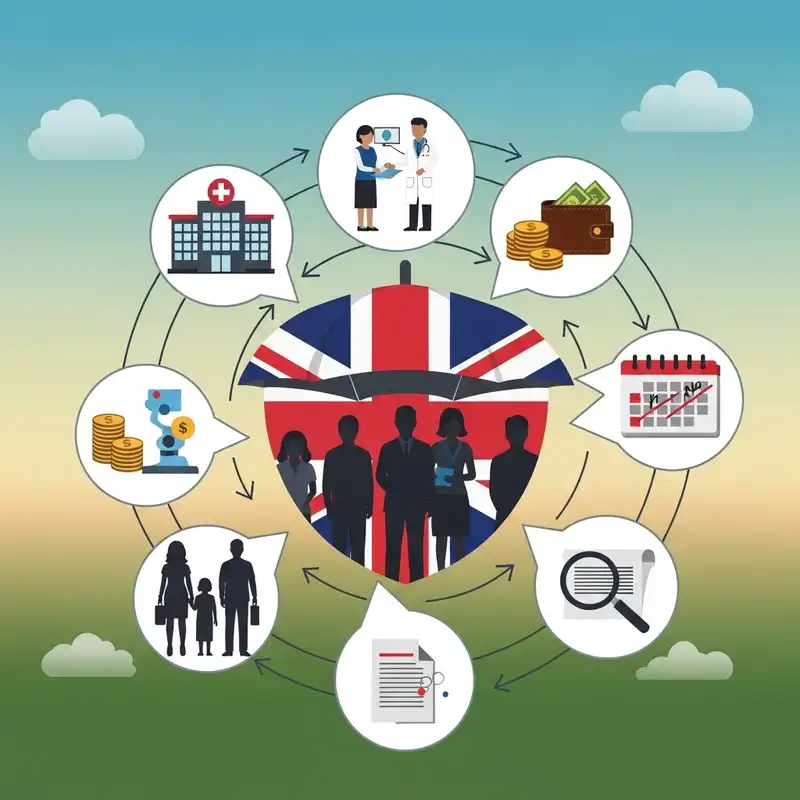
A Comprehensive Deep Dive into UK Regional Insurers: Finding the Best Life, Critical Illness, and Income Protection for Your Postcode's Specific Needs
UK Life, Critical Illness & Income Protection Regional Insurer Deep Dive – Who Excels for Your Postcodes Unique Risks
In the intricate world of personal protection insurance, where securing your financial future against unforeseen life events is paramount, many assume that factors like age, health, and occupation are the sole determinants of policy suitability and cost. While these individual characteristics are undeniably crucial, there's a lesser-understood, yet profoundly impactful, variable at play: your postcode.
Welcome to the "postcode lottery" of UK life, critical illness, and income protection insurance. Far from being a mere address, your location within the UK can significantly influence the risks you face, the claims you're likely to make, and, consequently, the insurers who are best positioned to offer you competitive terms or even provide coverage at all. From the health disparities between the North and South to the varying occupational landscapes of our major cities and rural communities, the UK's diverse geography presents a unique challenge and opportunity for both consumers and insurers.
This in-depth guide will take you on a journey through the regional nuances of the UK insurance market. We'll explore how factors specific to your postcode – from average life expectancy and prevalent health conditions to environmental risks and economic stability – shape an insurer's underwriting decisions. We'll peel back the layers to reveal why some insurers might be a better fit for a resident of Glasgow than for someone in Guildford, or why a self-employed individual in Cornwall might have different options than a finance professional in Canary Wharf. Our goal is to empower you with the knowledge to understand your unique risk profile and, crucially, to help you identify which insurers might excel in providing tailored protection for your specific regional circumstances.
Understanding the "Postcode Lottery" in UK Insurance
The concept of a "postcode lottery" often evokes images of varied access to public services like healthcare or education. However, in the private insurance sector, it refers to the subtle, yet significant, ways in which your geographical location can influence your premiums, policy terms, and even the availability of certain types of cover. Insurers are sophisticated risk assessors, and while they underwrite individuals, they rely heavily on aggregated data to inform their models.
Why Your Location Matters to Insurers
Insurers don't just look at you; they look at the environment you live, work, and commute in. Here's why your postcode is more than just lines on a map to them:
- Regional Health Disparities: The UK, despite its relatively small size, exhibits marked regional differences in health outcomes, life expectancy, and prevalence of certain diseases. An area with higher rates of heart disease or lower life expectancy poses a different level of risk for a life or critical illness insurer.
- Environmental Factors: Proximity to industrial areas, air quality, flood risk, and even noise pollution can all have a measurable impact on health, and therefore on claims. For instance, areas prone to flooding might see increased stress-related illnesses or injuries.
- Socioeconomic Conditions: Deprivation levels are strongly correlated with health outcomes. Areas with higher unemployment, lower average incomes, and less access to healthy food or recreational facilities often face poorer health statistics, which insurers factor into their risk assessments.
- Occupational Landscape: Certain regions are dominated by specific industries. The North East, for example, has historically had strong links to heavy industry, whereas London is a hub for finance and professional services. These different occupational profiles carry varying levels of physical and mental health risks, directly impacting income protection and, to some extent, critical illness policies.
- Lifestyle Trends: Regional variations in lifestyle choices, such as smoking rates, alcohol consumption, and physical activity levels, contribute to the overall health profile of an area.
- Crime Rates (Indirectly): While less direct for personal protection, high crime rates can correlate with socioeconomic factors that impact health, or affect the perceived safety and stress levels of residents.
In essence, your postcode offers insurers a statistically significant snapshot of the aggregated risks associated with living in that specific area. This data, combined with your individual health and lifestyle information, allows them to build a comprehensive risk profile and price your policy accordingly. It's not about discriminating against individuals based on location, but rather about accurately pricing the collective risk pool associated with different geographies.
Life Insurance: Regional Nuances
Life insurance is designed to pay out a lump sum upon your death, providing financial security for your loved ones. Its pricing is heavily influenced by factors that predict longevity and the likelihood of early demise. Regional data plays a significant role here.
Health Disparities and Life Expectancy
One of the most striking regional disparities in the UK is life expectancy. According to the Office for National Statistics (ONS), there remains a significant gap between the healthiest and least healthy areas. For example, men in parts of Kensington and Chelsea can expect to live several years longer than those in some areas of Glasgow or Blackpool.
- Glasgow Effect: The term "Glasgow Effect" refers to the unexpectedly low life expectancy and high rates of ill-health in Glasgow compared to other similarly deprived UK cities. Factors include deindustrialisation, poverty, and possibly unique historical health determinants. Insurers will be aware of such specific regional health challenges.
- North-South Divide: Generally, life expectancy is higher in the South East of England and lower in parts of the North of England, Scotland, and Wales. This is often linked to socioeconomic factors, historical industries, and lifestyle choices.
- Specific Conditions: Regions with higher prevalence of smoking-related diseases (e.g., chronic obstructive pulmonary disease – COPD) or cardiovascular diseases will naturally pose a higher risk for life insurers. The North East and North West, for instance, have historically had higher rates of smoking and related illnesses.
Occupational Risks by Region
Beyond individual occupations, the dominant industries in a region can influence an insurer's aggregated view.
- Heavy Industry & Manufacturing: Areas with a legacy of mining, shipbuilding, or heavy manufacturing (e.g., parts of the North East, Yorkshire, South Wales) may have a population with a higher prevalence of occupational diseases (e.g., respiratory conditions, musculoskeletal issues) that can impact longevity.
- Agriculture & Rural Professions: Rural areas (e.g., South West, East Anglia, parts of Scotland) see a concentration of agricultural workers, who face specific risks from machinery, chemicals, and outdoor work.
- Professional & Service Industries: Large urban centres like London, Manchester, and Birmingham, dominated by finance, tech, and service industries, might present a different risk profile – perhaps lower physical risks but potentially higher stress-related conditions.
Environmental Factors
Environmental pollution and natural disasters also factor into life insurance risk.
- Air Quality: Urban areas, particularly those with high traffic or industrial emissions, suffer from poorer air quality. Long-term exposure to particulate matter and nitrogen dioxide is linked to respiratory and cardiovascular diseases, directly impacting life expectancy. Greater London and the West Midlands often report higher levels of air pollution.
- Flood Risk: While directly impacting property insurance, severe and repeated flooding events can lead to significant stress, mental health issues, and even injuries, which might indirectly contribute to health declines relevant to life insurance. The Environment Agency identifies thousands of properties at risk across the UK, particularly in areas like the Somerset Levels, Hull, and parts of Yorkshire.
Insurers' Approaches to Regional Life Insurance
Different insurers have varying appetites for risk and use diverse underwriting algorithms. Some might have more detailed postcode analysis, while others rely more heavily on individual medical assessments. An insurer that actively supports health and wellbeing initiatives in specific regions might also have a different pricing structure for those areas. Some providers are known for being more competitive for individuals with specific pre-existing conditions, which might be more prevalent in certain regions.
Critical Illness Insurance: Regional Health Burdens
Critical illness insurance pays out a tax-free lump sum if you're diagnosed with one of a predefined list of serious illnesses, such as cancer, heart attack, or stroke. The likelihood of suffering from these conditions varies significantly across the UK.
Disease Prevalence and Regional Hotspots
- Cancer: While cancer is a leading cause of critical illness claims nationwide, its incidence varies regionally. For instance, according to Cancer Research UK, incidence rates for certain cancers (e.g., lung cancer) are higher in more deprived areas, particularly in parts of the North East and North West, often linked to historical smoking rates and occupational exposures.
- Heart Disease & Stroke: Cardiovascular diseases also show a strong regional pattern. Areas with higher rates of obesity, smoking, and lower physical activity (often correlated with socioeconomic deprivation) tend to have higher incidence of heart attacks and strokes. NHS data often highlights higher rates of these conditions in Scotland, the North of England, and parts of the Midlands.
- Diabetes: Type 2 diabetes is strongly linked to lifestyle factors and obesity, which again display regional disparities. The West Midlands, for example, has seen some of the highest rates of diabetes prevalence.
- Respiratory Illnesses: Regions with a history of heavy industry or higher air pollution (e.g., parts of the South Wales Valleys, industrial Northern cities) may see a higher prevalence of chronic respiratory conditions like COPD.
Lifestyle Diseases and Environmental Influences
The prevalence of lifestyle diseases is a significant factor for critical illness insurers.
- Obesity: The UK has one of the highest obesity rates in Western Europe, but this isn't uniform. Latest figures from NHS Digital indicate higher obesity rates in more deprived areas and certain regions such as the North East and West Midlands compared to the South East. Obesity increases the risk of numerous critical illnesses including heart disease, stroke, diabetes, and certain cancers.
- Smoking & Alcohol: While national smoking rates have declined, regional pockets with higher rates persist. Similarly, harmful alcohol consumption patterns vary across the UK. These habits directly contribute to the risk of critical illnesses.
- Environmental Toxins: Exposure to certain environmental toxins (e.g., industrial pollutants) can increase the risk of specific cancers or respiratory diseases. While difficult to quantify for individual policies, insurers' aggregated data models will account for areas with historically higher exposure.
Underwriting Differences for Critical Illness
Insurers' critical illness underwriting can be particularly sensitive to regional health data. If an area consistently shows a higher claim rate for specific critical illnesses, it might influence the terms offered to residents there. Some insurers might apply broader exclusions for conditions more prevalent in certain high-risk areas, or simply have less competitive pricing. However, it's crucial to remember that individual health information will always take precedence over general regional statistics. A healthy individual in a 'high-risk' postcode will still likely get better terms than an unhealthy individual in a 'low-risk' postcode.
Income Protection Insurance: Regional Economic & Occupational Landscape
Income protection insurance pays out a regular tax-free income if you're unable to work due to illness or injury. Its pricing is heavily influenced by your occupation, but the regional economic and occupational landscape also plays a subtle role.
Employment Stability and Industry Concentration
- Economic Resilience: Regions with more diversified economies (e.g., London, South East) might be perceived as having greater employment stability, potentially reducing the risk of long-term unemployment contributing to stress-related illness or mental health issues.
- Industry Dominance: If a region is heavily reliant on a single industry (e.g., tourism in some coastal areas, finance in London), widespread issues within that industry could lead to localised economic downturns, potentially impacting mental health and long-term disability claims.
- Regional Unemployment Rates: While income protection covers illness/injury, not unemployment, regions with consistently higher unemployment rates (e.g., North East, some Welsh valleys) might suggest broader socioeconomic challenges that indirectly impact health and wellbeing, and potentially the duration of claims.
Common Causes of Claims: Regional Variations
The leading causes of income protection claims are often musculoskeletal issues and mental health conditions. Their prevalence can vary by region and occupational sector.
- Musculoskeletal Issues: Manual labour roles, common in construction, agriculture, or manufacturing (prevalent in the Midlands, North West, rural areas), carry a higher risk of injuries and musculoskeletal disorders. Office-based roles, common in urban centres, might see more claims related to repetitive strain injuries or back problems from sedentary work.
- Mental Health: Mental health claims are a growing category across all sectors. While universal, factors like high-stress professional environments (e.g., London finance), long commutes, and job insecurity (more prevalent in economically vulnerable regions) can contribute to higher rates of anxiety, depression, and stress-related conditions. Access to mental health services also varies regionally, which can impact recovery and return-to-work rates.
- Accidents: Regions with higher concentrations of high-risk occupations (e.g., construction, logistics, heavy industry) may see more claims arising from workplace accidents.
Occupational Risk Profiles
Insurers categorise occupations by risk (Class 1-4, with 1 being lowest risk like office workers, and 4 being highest risk like heavy manual labour). The regional distribution of these occupations naturally influences the overall risk profile of an area.
- London & South East: Dominated by Class 1 and 2 occupations (office workers, professionals, IT).
- North West, North East, Midlands, Scotland, Wales: Greater mix, with significant proportions of Class 3 and 4 occupations (manufacturing, construction, agriculture, transport).
Some insurers have specific expertise or more competitive rates for certain occupational groups. For example, an insurer with a large book of business in healthcare might be very competitive for nurses or doctors, who are distributed across all regions. However, if a region has a particularly high concentration of certain high-risk roles, insurers might adjust their overall pricing for that postcode.
Key Regional Risk Factors & Their Insurance Impact
Let's consolidate the key regional risk factors that insurers scrutinise and their potential impact on your personal protection policies.
| Regional Risk Factor | Description | Impact on Life Insurance | Impact on Critical Illness | Impact on Income Protection |
|---|---|---|---|---|
| Socioeconomic Deprivation | Areas with lower income, higher unemployment, poorer education outcomes. | Lower life expectancy, higher mortality rates. | Higher prevalence of chronic diseases (e.g., heart disease, diabetes, certain cancers). | Poorer general health, longer recovery times, potential mental health challenges. |
| Environmental Risks | Air pollution (urban/industrial), noise pollution, flood risk (specific areas). | Higher rates of respiratory & cardiovascular diseases, stress. | Increased risk of respiratory diseases, stress-related conditions. | Stress-related conditions, reduced wellbeing, potential for injury from events. |
| Specific Health Epidemics | Localised high prevalence of certain conditions (e.g., "Glasgow effect," high obesity areas). | Significantly higher mortality and early death rates. | Higher incidence of specific critical illnesses in that region. | Increased likelihood of illness-related absence from work. |
| Lifestyle Trends | Regional variations in smoking, alcohol consumption, physical activity, diet. | Direct impact on life expectancy and chronic disease risk. | Direct link to increased risk of heart disease, cancer, diabetes. | Higher rates of lifestyle-related illnesses causing work absence. |
| Occupational Landscape | Dominant industries in a region (e.g., heavy industry vs. finance). | Higher risk of occupational diseases/accidents in some areas. | Higher incidence of specific critical illnesses linked to occupation. | Direct impact on risk of injury or illness causing inability to work. |
| Access to Healthcare | Variations in primary/secondary care, mental health services. (Indirect impact on premiums) | Can impact long-term health outcomes and recovery rates. | Affects early diagnosis and treatment effectiveness. | Influences recovery and duration of work absence due to illness. |
Insurers Who Excel Where: A Regional Deep Dive
It's crucial to understand that no single insurer is "best" for every postcode or every individual. The "best" insurer is the one whose underwriting philosophy and risk appetite align most closely with your individual circumstances and the statistical profile of your location. Insurers continually update their underwriting guidelines, making it impossible to provide a definitive list. However, we can discuss the types of approaches insurers take and how they might fare in different regional contexts.
Understanding Insurer Specialities
- Generalist Providers: Large, well-established insurers like Legal & General, Aviva, Royal London, and Scottish Widows often have broad underwriting criteria and competitive pricing for individuals who fit within average risk profiles. They are a good starting point for most.
- Lifestyle-Focused Insurers: Vitality is unique in offering discounts and rewards for healthy living. If you live in an area with generally good health outcomes and you are proactive about your wellbeing, Vitality could be very competitive. They might particularly appeal to residents of healthier, affluent areas of the South East or rural communities with active lifestyles.
- Flexible Underwriters / Specialist Insurers: Providers like Guardian, LV=, and AIG are sometimes known for being more flexible or having a nuanced approach to pre-existing conditions or complex cases. If you live in a region with historically poorer health outcomes, or you have a health condition that is more prevalent in your area, these insurers might be more willing to offer cover, or at more reasonable terms, than a generalist insurer.
- Profession-Specific Focus: While less tied to geography, some insurers have historically been competitive for certain professions (e.g., medical professionals, teachers). If your region has a high concentration of such professions, you might find specific insurers are more competitively priced.
Hypothetical Regional Scenarios & Insurer Alignments
To illustrate, let's consider how different regional profiles might align with various insurer approaches:
1. London & South East (e.g., Surrey, Berkshire, parts of Greater London)
- Profile: Generally higher life expectancy, lower rates of smoking/obesity, higher proportion of professional/office-based jobs, high disposable income, often good access to private healthcare.
- Potential Challenges: High-stress environments, long commutes, potentially higher rates of mental health conditions related to work pressure, high cost of living.
- Insurers that might excel:
- Vitality: If individuals are health-conscious and actively engage with the Vitality programme, their rewards and pricing can be very competitive here, capitalising on generally healthier lifestyles.
- Generalist Providers (L&G, Aviva, Royal London): For standard, healthy professional risks, these providers are often highly competitive due to the statistically lower overall health risks in these regions.
- AIG/Zurich: May be competitive for high-earning professionals seeking comprehensive critical illness cover with extensive definitions.
2. North East & Parts of Scotland (e.g., Newcastle, Glasgow, Sunderland)
- Profile: Historically lower life expectancy, higher rates of smoking/obesity, legacy industrial diseases, higher socioeconomic deprivation in some areas, more manual labour roles.
- Potential Challenges: Higher prevalence of chronic diseases (heart disease, respiratory conditions, certain cancers), lower overall health statistics.
- Insurers that might excel:
- LV= / Guardian: These insurers are often praised for more flexible underwriting, especially for individuals with pre-existing conditions or complex medical histories. This could be beneficial for individuals from areas with statistically higher rates of certain conditions.
- Some Generalist Providers: While overall rates might be higher, some generalists may still offer competitive terms for individuals who are personally in good health, proving that individual assessment always overrides general postcode data.
3. Rural & Agricultural Areas (e.g., Cornwall, Norfolk, Scottish Highlands)
- Profile: Often lower population density, mixed health outcomes (some very healthy, some isolated and deprived), concentration of agricultural and rural trades.
- Potential Challenges: Higher risk of outdoor/manual labour accidents, potential issues with access to healthcare services, isolated living may impact mental health for some.
- Insurers that might excel:
- Zurich / Royal London: Can be competitive for a wide range of occupations, including those in agricultural or rural trades, sometimes offering favourable terms for income protection.
- LV=: Often has a good reputation for flexible income protection underwriting, which can be useful for those with varied or less standard occupations.
- Generalists: For life and critical illness, healthy individuals in these areas can often find very competitive rates from the major providers, as overall mortality and morbidity can be good.
4. Midlands & North West (e.g., Birmingham, Manchester, Liverpool)
- Profile: Diverse urban centres and industrial towns, significant economic activity, but also areas of deprivation, varied health outcomes.
- Potential Challenges: Air quality in urban areas, some areas with higher obesity/diabetes rates, mixed occupational risks.
- Insurers that might excel:
- Aviva / Legal & General: As large generalist providers, they often have strong propositions for the diverse risk profiles found across these regions, from urban professionals to skilled tradespeople.
- AIG / Guardian: May offer more comprehensive critical illness definitions that appeal to urban professionals, while their flexible underwriting could assist those with more complex health histories.
A Simplified Illustrative Table of Insurer Tendencies
This table provides a general guide based on typical underwriting appetites and common perceptions. Actual competitiveness will always depend on individual circumstances.
| Insurer Type / Approach | Potential Regional Alignment Strengths | Why They Might Excel There |
|---|---|---|
| Generalists (e.g., L&G, Aviva, Royal London, Scottish Widows) | Broadly competitive across all regions for "standard" risks. Particularly strong in areas with average or better than average health/economic profiles. | Wide market reach, efficient underwriting for common risk profiles, large data sets. |
| Lifestyle-Focused (e.g., Vitality) | Healthier, more affluent areas; regions with high engagement in fitness/wellness. | Rewards for healthy living benefit those in areas with generally healthier populations. |
| Flexible Underwriters (e.g., LV=, Guardian, AIG) | Regions with historically higher rates of specific pre-existing conditions, diverse occupational risks, or complex medical histories. | Willingness to take on more nuanced risks, bespoke underwriting, less rigid criteria. |
| Profession-Specific Competitive (e.g., Zurich, sometimes L&G for specific roles) | Regions with high concentrations of particular professions (e.g., finance in London, healthcare nationwide). | Tailored rates and terms for specific professional groups where they have strong data/expertise. |
How Insurers Assess Regional Risk
Insurers use a multi-layered approach to assess risk, integrating broad regional data with individual specifics.
- Postcode Data Aggregation: This is the starting point. Insurers subscribe to vast databases that link postcodes to various socioeconomic, environmental, and health statistics. This includes:
- ONS Data: Life expectancy, mortality rates, deprivation indices.
- NHS Digital: Disease prevalence, hospital admission rates for specific conditions.
- Environment Agency/SEPA/NRW: Flood risk mapping.
- Police.uk: Crime rates (though less direct for personal protection, can correlate with deprivation).
- Proprietary Data: Insurers often combine public data with their own historical claims data, identifying patterns and correlations within specific postcode areas.
- Medical Underwriting: While regional data informs the initial assessment and potential 'flags', individual medical underwriting remains paramount. Your personal medical history, current health status, family history, and lifestyle questionnaire responses will always be the most critical factors.
- Lifestyle Questionnaires: These capture individual habits like smoking, alcohol consumption, exercise, and hobbies, overriding broad regional generalisations. A non-smoker in a high-smoking-rate area will be assessed as a non-smoker.
- Technological Advancements: Big data analytics and AI are increasingly used to process vast amounts of information quickly. This allows insurers to identify more granular risk patterns at a hyper-local level, refining their pricing and product offerings. This precision means that while your postcode matters, it's increasingly just one piece of a very complex, data-driven puzzle.
Navigating the Insurance Landscape: Your Postcode, Your Policy
Understanding the regional impact on insurance can seem overwhelming, but it offers a powerful insight into why some policies may be more expensive or why certain insurers might be a better fit. The key is to leverage this knowledge to your advantage.
Personalised Assessment is Key
While regional data provides a valuable context, it's vital to remember that policies are underwritten on an individual basis. Your unique health, occupation, and lifestyle will always be the primary drivers of your premium and terms. A healthy individual in a statistically 'higher risk' postcode can still secure excellent terms, often better than an unhealthy individual in a 'lower risk' area.
The Indispensable Role of an Independent Broker
This is precisely where an expert independent broker like WeCovr becomes invaluable. We don't just look at national averages; we understand how your specific postcode, health history, and occupation intersect with different insurers' complex underwriting criteria.
- Market Access & Expertise: We have access to the entire UK market, understanding the nuances of each insurer's risk appetite, their specific policy definitions, and their competitive strengths for various scenarios. This means we know which insurers are typically more competitive or flexible for residents of certain regions, or for individuals with health conditions more prevalent in specific areas.
- Tailored Comparisons: Instead of you sifting through endless policy documents and trying to decipher complex underwriting guides, we compare quotes and policy details from a wide range of leading UK insurers. This helps us find a policy that not only fits your needs but also factors in your unique regional circumstances, often uncovering options you might not find elsewhere.
- Navigating Complexity: The interplay between regional data and individual factors is complex. By leveraging our expertise and access to comprehensive market data, we can guide you through these complexities. We explain how your postcode might influence your options and help you present your application in the most favourable light, ensuring you get optimal coverage at a competitive price, tailored to your individual postcode's profile. We can highlight where one insurer might be more lenient on a particular regional health trend, or more competitive for your specific occupation common in your area.
What to Ask Your Broker/Adviser
When discussing your personal protection needs, consider asking your broker questions like:
- "How might my postcode influence my policy options or premiums?"
- "Are there specific insurers known to be more competitive for residents in my area, given its health or economic profile?"
- "If I have a pre-existing condition, how might the regional prevalence of that condition affect my application with different insurers?"
- "Given the common occupations in my area, which insurers offer the best terms for income protection for people like me?"
Tips for Applying
- Be Honest and Comprehensive: Always provide full and accurate information about your health, lifestyle, and medical history. Non-disclosure can invalidate your policy.
- Gather Medical Records: Having details of any diagnoses, treatments, or medication readily available can expedite the underwriting process.
- Understand Your Specific Risks: Be aware of your personal health risks, but also how regional factors might play into the broader picture. This knowledge empowers you during discussions with your broker.
Future Trends: What's Next for Regional Underwriting?
The landscape of insurance underwriting is constantly evolving, driven by data, technology, and societal changes.
- Hyper-localisation: The trend towards more granular data analysis will likely continue. Insurers may move beyond postcode districts to even smaller geographical units, allowing for more precise risk assessment.
- Predictive Analytics & AI: Advances in AI will enable insurers to identify even more subtle correlations between geographical factors, individual behaviour, and claims data, leading to increasingly sophisticated and potentially more personalised pricing.
- Climate Change Impact: As the effects of climate change become more pronounced, the impact of environmental risks like flooding, extreme weather, and heatwaves will become an increasingly direct factor in health and wellbeing, influencing personal protection insurance. Regions most affected will see these risks explicitly factored into models.
- Evolving Health Disparities: Public health initiatives and socioeconomic changes may slowly narrow some regional health gaps, while others might persist or new ones emerge. Insurers will continually adapt their models to reflect these demographic and health shifts. If a resident in a 'high-risk' postcode can demonstrate exceptional personal health data, it could override the aggregated regional statistics.
Conclusion
The UK insurance market is dynamic and complex, with numerous factors converging to determine the right policy for you. While your individual circumstances are paramount, it’s clear that your postcode is far more than just a delivery address; it’s a data point that offers insurers a window into the statistical risks associated with your location. From regional health disparities to varying occupational landscapes and environmental exposures, where you live undeniably plays a role in the "postcode lottery" of life, critical illness, and income protection insurance.
Understanding these regional nuances is not about fearing disadvantage but about empowering yourself to find the most suitable and competitively priced cover. By recognising how your location might influence an insurer's perspective, you can better prepare to navigate the market.
Ultimately, securing the optimal protection for yourself and your loved ones requires more than just a quick online comparison. It demands a detailed understanding of your personal risk profile combined with an expert's knowledge of the entire market. This is precisely where an independent broker becomes your most valuable asset. By collaborating with experts like WeCovr, you can ensure that your unique circumstances – including the often-overlooked influence of your postcode – are fully considered, helping you secure robust, tailored protection that truly excels for your specific needs.
Why life insurance and how does it work?
What is Life Insurance?
Life insurance is an insurance policy that can provide financial support for your loved ones when you or your joint policy holder passes away. It can help clear any outstanding debts, such as a mortgage, and cover your family's living and other expenses such costs of education, so your family can continue to pay bills and living expenses. In addition to life insurance, insurance providers offer related products such as income protection and critical illness, which we will touch upon below.How does it work?
Life insurance pays out if you die. The payout can be in the form of a lump sum payment or can be paid as a replacement for a regular income. It's your decision how much cover you'd like to take based on your financial resources and how much you'd like to leave to your family to help them deal with any outstanding debts and living expenses. Your premium depends on a number of factors, including your occupation, health and other criteria.The payout amount can change over time or can be fixed. A level term or whole of life policy offers a fixed payout. A decreasing term policy offers a payout that decreases over the term of the cover.
With critical illness policies, a payout is made if you’re diagnosed with a terminal illness with a remaining life expectancy of less than 12 months. While income protection policies ensure you can continue to meet your financial commitments if you are forced to take an extended break from work. If you can’t work because you’ve had an accident, fallen sick, or lost your job through no fault of your own, income protection insurance pays you an agreed portion of your salary each month.
Income protection is particularly helpful for people in dangerous occupations who want to be sure their mortgage will always be covered. Income protection only covers events beyond your control: you’re much less likely to be covered if you’re fired from your job or if you injure yourself deliberately.
Questions to ask yourself regarding life insurance
Just ask yourself:👉 Who would pay your mortgage or rent if you were to pass away or fall seriously ill?
👉 Who would pay for your family’s food, clothing, study fees or lifestyle?
👉 Who would provide for the costs of your funeral or clear your debts?
👉 Who would pay for your costs if you're unable to work due to serious illness or disability?
Many families don’t realise that life, income protection and critical illness insurance is one of the most effective ways to protect their finances. A great insurance policy can cover costs, protect a family from inheriting debts and even pay off a mortgage.
Many would think that the costs for all the benefits provided by life insurance, income protection insurance or critical illness insurance are too high, but the great news is in the current market policies are actually very inexpensive.
Benefits offered by income protection, life and critical illness insurance
Life insurance, income protection and critical illness insurance are indispensable for every family because a child loses a parent every 22 minutes in the UK, while every single day tragically 60 people suffer major injuries on the UK roads. Some people become unable to work because of sickness or disability.Life insurance cover pays out a lump sum to your family, loved ones or whomever you choose to get the money. This can be used to secure the financial future of your loved ones meaning they would not have to struggle financially in the event of your death.
If it's a critical illness cover, the payout happens sooner - upon diagnosis of a serious illness, disability or medical condition, easing the financial hardship such an event inevitably brings.
Income protection insurance can be very important for anyone who relies on a pay check to cover their living costs, but it's especially important if you’re self-employed or own a small business, where your employment and income is a bit less stable. It pays a regular income if you can't work because of sickness or disability and continues until you return to paid work or you retire.
In a world where 1 in 4 of us would struggle financially after just four weeks without work, the stark reality hits hard – a mere 7% of UK adults possess the vital shield of income protection. The urgency of safeguarding our financial well-being has never been more palpable.
Let's face it – relying on savings isn't a solution for everyone. Almost 25% of people have no savings at all, and a whopping 50% have £1,000 or less tucked away. Even more concerning, 51% of Brits – that's a huge 27 million people – wouldn't last more than one month living off their savings. That's a 10% increase from 2022.
And don't even think about state benefits being a safety net. The maximum you can expect from statutory sick pay is a mere £109.40 per week for up to 28 weeks. Not exactly a financial lifeline, right?
Now, let's tackle a common objection: "But I have critical illness insurance. I don't need income protection too." Here's the deal – the two policies apply to very different situations. In a nutshell:
- Critical illness insurance pays a single lump sum if you're diagnosed with or undergo surgery for a specified potentially life-threatening illness. It's great for handling big one-off expenses or debts.
- Income protection, on the other hand, pays a percentage of your salary as a regular payment if you can't work due to illness or injury. It's the superhero that tackles those relentless monthly bills.
Types of life insurance policies
Common reasons for getting a life insurance policy are to:✅ Leave behind an amount of money to keep your family comfortable
✅ Protect the family home and pay off the mortgage in full or in part
✅ Pay for funeral costs
Starting from as little as a couple of pounds per week, you can do all that with a Life Policy.
Level Term Life Insurance
One of the simplest forms of life insurance, level term life insurance works by selecting a length of time for which you would want to be covered and then deciding how much you would like your loved ones to receive should the worst happen. Should your life insurance policy pay out to your family, it would be in a lump sum amount that can be used in whatever way the beneficiary may wish.
Decreasing Term Life Insurance
Decreasing term life insurance works in the same way as level term, except the lump sum payment amount upon death decreases with time. The common use for decreasing term life cover is to protect against mortgage repayment as the lump sum decreases along with the principal of the mortgage itself.
Increasing Term Life Insurance
Increasing term life insurance aims to pay out a cash sum growing each year if the worst happens while covered by the policy. With increasing term life cover amount insured increases annually by a fixed amount for the length of the policy. This can protect your policy's value against inflation, which could be advantageous if you’re looking to maintain your loved ones’ living standards, continue paying off your mortgage in line with its repayment schedule and cover your children’s education fees.
Whole of Life Insurance
Whereas term life insurance policies only pay out if you pass away during their term, whole of life insurance pays out to your beneficiaries whenever this should happen. The most common uses for whole life insurance are to cover the costs of a funeral or as a vehicle for your family's inheritance tax planning.
Family Income Benefit
Family income benefit is a somewhat lesser-known product in the family of life insurance products. Paying out a set amount every month of year to your beneficiaries, it is the most cost-effective way of maintaining your family's living standards to an age where you'd expect them to be able to support themselves financially. The most common use would be for a family with children who are not working yet so are unable to take care of themselves financially.
Relevant Life Insurance
Relevant Life Insurance is a tax-efficient policy for a director or single employee. A simple level term life insurance product, it is placed in a specific trust to ensure its tax efficiency. The premiums are tax deductible and any benefit payable should a claim arise is also paid out tax free, which makes it an attractive product for entrepreneurs and their businesses.
Important Fact!
We can look at a more suitable option mid-term!
Why is it important to get life insurance early?
👉 Many people are very thankful that they had their life, income protection, and critical illness insurance cover in place before running into some serious issues. Critical illness and income protection insurance is as important as life insurance for protecting your family's finances.👉 We insure our cars, houses, bicycles and even bags! Yet our life and health are the most precious things we have.
Easily one of the most important insurance purchases an individual or family can make in their lifetime, the decision to buy life, income protection, critical illness and private medical health insurance can be made much simpler with the help of FCA-authorised advisers. They are the specialists who do the searching and analysis helping people choose between various types of life insurance policies available in the market, including income protection, critical illness and other types of policies most suitable to the client's individual circumstances.
It certainly won't do any harm if you speak with one of our experienced FCA-authorised insurance partner experts who are passionate about advising people on financial matters related to life insurance and are keen to provide you with a free consultation.
You can discuss with them in detail what affordable life, income protection, critical illness or private medical health insurance plan for the necessary peace of mind they would recommend! WeCovr works with some of the best advisers in the market.
By tapping the button below, you can book a free call with them in less than 30 seconds right now:
Our Group Is Proud To Have Issued 800,000+ Policies!
We've established collaboration agreements with leading insurance groups to create tailored coverage
























How It Works
1. Complete a brief form

2. Our experts analyse your information and find you best quotes

3. Enjoy your protection!

Any questions?
Learn more

Who Are WeCovr?
WeCovr is an insurance specialist for people valuing their peace of mind and a great service.👍 WeCovr will help you get your private medical insurance, life insurance, critical illness insurance and others in no time thanks to our wonderful super-friendly experts ready to assist you every step of the way.
Just a quick and simple form and an easy conversation with one of our experts and your valuable insurance policy is in place for that needed peace of mind!