UK Tailored PHI Guide
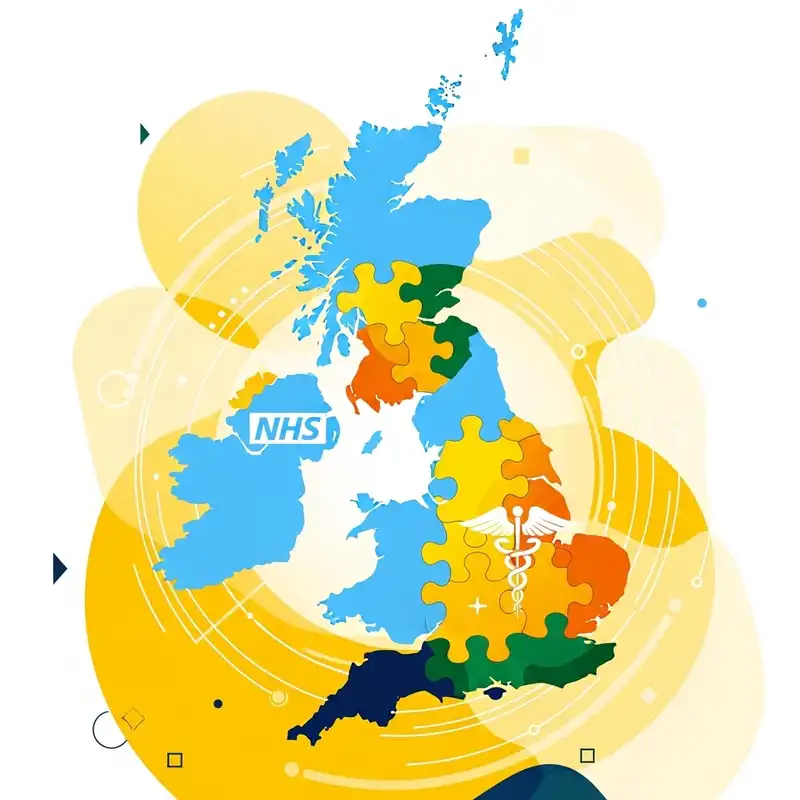
The Definitive Guide to Tailored Private Health Insurance: How UK Regional Champions Protect London's Elite, Scottish Clubs & Welsh Amateurs
UK Insurer Regional Champions: Tailored PHI for London's Elite, Scottish Clubs & Welsh Amateurs (WeCovr's Definitive Guide)
In the diverse tapestry of the United Kingdom, healthcare needs and preferences are as varied as the landscapes themselves. While the National Health Service (NHS) remains the cornerstone of our nation's healthcare, a growing number of individuals and families are exploring the benefits of private health insurance (PHI) for its speed, choice, and comfort. Yet, it's a common misconception that all PHI policies are created equal, or that a one-size-fits-all approach can genuinely serve the unique demands of, say, a high-flying executive in the City of London, a keen amateur rugby player in the Scottish Borders, or a family-oriented individual in rural Wales.
The truth is, UK private health insurers are becoming increasingly sophisticated, acting as regional champions by tailoring their offerings to specific demographics, local healthcare infrastructure, and prevalent lifestyle factors. This meticulous customisation ensures that policyholders receive not just any health coverage, but the right health coverage for their precise circumstances and geographical location.
At WeCovr, we understand these nuances implicitly. As expert brokers specialising in the UK private health insurance market, we empower you to navigate this complex landscape, comparing plans from all major UK insurers to find a policy that truly aligns with your unique needs. This definitive guide will delve into how insurers adapt their strategies across the UK, highlighting the distinct provisions designed for London's elite, Scotland's active clubs, and Wales's vibrant amateur communities.
Understanding Private Health Insurance (PHI) in the UK
Private Health Insurance, often referred to as Private Medical Insurance (PMI), is designed to cover the costs of private healthcare treatment for acute conditions that arise after your policy begins. It offers a complementary, not replacement, service to the NHS, providing benefits such as:
- Faster access to treatment: Reduced waiting times for consultations, diagnostics, and procedures.
- Choice of consultant and hospital: The ability to select where and by whom you are treated, often with private rooms and facilities.
- Convenient appointments: Flexibility to schedule appointments around your work and personal life.
- Access to treatments not routinely available on the NHS: Though less common, some insurers may offer access to experimental drugs or therapies not yet widely adopted by the NHS.
- Peace of mind: The assurance that if an acute medical issue arises, you have immediate access to high-quality care.
How PHI Complements the NHS
It's vital to understand that PHI does not replace the NHS. The NHS will always provide emergency care, GP services, and cover for chronic or pre-existing conditions (more on this crucial point shortly). PHI steps in primarily for elective treatments of acute conditions, allowing individuals to bypass NHS waiting lists for non-emergency procedures. This dual system offers the best of both worlds for many: the security of universal healthcare coupled with the speed and choice of private provision.
The Crucial Distinction: Acute vs. Chronic & Pre-existing Conditions
This is arguably the most critical aspect to grasp when considering private health insurance in the UK. Standard UK private medical insurance policies are designed to cover the costs of treatment for acute conditions that arise after the policy has commenced.
An acute condition is a disease, illness or injury that is likely to respond quickly to treatment and return you to the state of health you were in immediately before suffering the condition. Examples include a broken bone, appendicitis, or a cataract that needs removal.
Conversely, private health insurance does not typically cover chronic conditions or pre-existing conditions.
- Chronic Conditions: These are conditions that generally cannot be cured, require ongoing management, and are likely to recur or persist. Examples include diabetes, asthma, hypertension (high blood pressure), and most forms of arthritis. While PHI might cover the initial diagnosis of a chronic condition, it will not cover ongoing treatment, medication, or monitoring related to it. This remains the responsibility of the NHS.
- Pre-existing Conditions: This refers to any disease, illness, or injury for which you have received medication, advice, or treatment, or experienced symptoms, before the start date of your private health insurance policy. Unless explicitly agreed upon with the insurer (which is rare, comes at a significant premium, and is usually only for specific, minor conditions), pre-existing conditions are typically excluded from coverage.
This fundamental rule ensures the sustainability of private health insurance schemes by focusing on new, treatable conditions. It is a non-negotiable aspect of the vast majority of UK PHI policies and must be thoroughly understood by anyone considering private cover.
Why Regional Differences Matter to PHI Insurers
The UK is a patchwork of distinct regions, each with its own economic profile, healthcare infrastructure, demographic trends, and lifestyle choices. For PHI insurers, these variations are not just interesting facts but critical data points that influence everything from product design to pricing.
- Cost of Living & Healthcare Provision: The cost of private healthcare can vary significantly across the UK. London, for instance, has a higher concentration of elite private hospitals with cutting-edge technology and specialists, leading to higher treatment costs compared to other regions. This impacts premiums.
- Demographics & Income Levels: Areas with higher average incomes (e.g., parts of London and the South East) often have a greater demand for premium services and are willing to pay more for comprehensive cover. Regions with lower average incomes may seek more budget-friendly, essential plans.
- Lifestyle & Health Trends:
- Urban vs. Rural: Access to private hospitals and specialists is easier in urban centres. Rural areas may require different approaches, such as extended telemedicine options or travel allowances.
- Activity Levels: Regions known for outdoor pursuits or strong community sports (like Scotland and Wales) might see a higher incidence of sports-related injuries, influencing the types of benefits (e.g., physiotherapy) that are most valued.
- Stress & Work Culture: High-pressure environments, such as London's financial districts, might lead to a greater emphasis on mental health support and stress-related conditions.
- Local NHS Pressures: While PHI complements the NHS, regional variations in NHS waiting times and service availability can influence the perceived value and demand for private cover. If local NHS services are particularly strained, the impetus for private care may be stronger.
- Provider Networks: Insurers must build robust networks of hospitals, clinics, and specialists. The density and quality of these private facilities vary by region, impacting network design and customer choice.
These factors enable insurers to create highly targeted products that offer genuine value to their regional customer base, moving beyond a generic national offering.
London's Elite: Tailored PHI Solutions
London stands alone in the UK healthcare landscape. It is a global hub for finance, culture, and innovation, attracting a diverse and often affluent population, including high-net-worth individuals, international executives, and discerning families. Their expectations for private healthcare are exceptionally high, often mirroring the luxury and efficiency they experience in other aspects of their lives.
Characteristics of the London Market:
- High Net Worth & International Clientele: Demand for premium services, often with international travel cover.
- Time-Sensitive Professionals: Need for rapid appointments, minimal disruption to busy schedules.
- Access to World-Class Facilities: Expectation of treatment at renowned hospitals like The Harley Street Clinic, The Portland Hospital, The London Clinic, or King Edward VII's Hospital.
- Focus on Discretion & Concierge Services: Preference for personalised, confidential service.
- Stress & Mental Health: High-pressure careers often lead to a demand for comprehensive mental health support.
Specific Offerings for London's Elite:
Insurers catering to this segment often go beyond standard benefits, including:
- Extensive Hospital Networks: Access to the most prestigious private hospitals in London and beyond, often with "Any Hospital" options for ultimate flexibility.
- Concierge Medical Services: Dedicated personal medical helplines, second opinion services, and even private GP access available 24/7. Some plans offer a medical concierge who can arrange appointments, transfers, and manage administrative tasks.
- International & Repatriation Cover: For those who travel frequently or work globally, policies may include cover for emergency treatment abroad and even repatriation back to the UK for ongoing care.
- Enhanced Mental Health Support: Beyond basic psychiatric cover, policies might include access to a wider range of therapists, counsellors, and longer-term outpatient support, recognising the significant mental health pressures in high-octane careers.
- Executive Health Screenings: Comprehensive annual health checks, often including advanced diagnostics, tailored to detect early signs of conditions common in high-stress environments.
- Physiotherapy & Complementary Therapies: Generous allowances for physio, osteopathy, chiropractic treatment, and sometimes even acupuncture or homeopathy, reflecting a holistic approach to well-being.
- Dental & Optical Add-ons: While typically separate, premium plans may include robust dental and optical cash plans as part of or an easy add-on to the main medical policy.
| Feature | London Elite PHI Offering |
|---|---|
| Hospital Access | Elite "Any Hospital" lists, including central London's most prestigious clinics. |
| Personalised Service | Dedicated medical concierge, 24/7 private GP line, second opinion services. |
| International Benefits | Emergency international cover, repatriation services, global access networks. |
| Mental Health | Extensive outpatient therapy, counselling, psychiatric consultations, stress management. |
| Preventative Care | Comprehensive executive health screens, advanced diagnostics. |
| Rehabilitation | Unlimited or generous physiotherapy, access to exclusive rehabilitation centres. |
| Lifestyle Benefits | Often include gym memberships, wellness programmes, bespoke health advice. |
Anecdotally, a City professional might find themselves undergoing a routine executive health screen at a private clinic near their office, and if an issue is detected, seamless access to a top specialist for rapid diagnosis and treatment, all orchestrated by their insurer's concierge service. This level of seamless, high-touch service is what defines PHI for London's elite.
Scottish Clubs: PHI for Community & Active Lifestyles
North of the border, the private health insurance landscape takes on a different hue. Scotland boasts a strong sense of community, a love for outdoor pursuits, and a vibrant amateur sports scene, from rugby and football clubs to golf, cycling, and hillwalking. These cultural elements shape the demand for PHI, with a greater emphasis on musculoskeletal health, sports injury recovery, and access to local services.
Characteristics of the Scottish Market:
- Community-Oriented: Group schemes for sports clubs or local businesses are often highly valued.
- Active Lifestyles: Higher propensity for sports-related injuries (e.g., knees, shoulders, ankles).
- Geographical Spread: Access to private facilities can be more challenging in remote or rural areas.
- Value-Conscious: While quality is important, affordability and practical benefits often drive decisions.
- NHS Reliance: Strong public trust in NHS Scotland, so PHI needs to demonstrate clear, tangible benefits beyond routine care.
Specific Offerings for Scottish Clubs & Individuals:
Insurers tailor plans to cater to these regional characteristics, focusing on:
- Robust Physiotherapy Networks: Recognising the prevalence of sports injuries, policies often offer generous outpatient physiotherapy allowances, access to sports injury specialists, and a broad network of practitioners across Scotland.
- Sports Injury Cover: Specific benefits for diagnosis and treatment of injuries sustained during sports, including access to orthopaedic surgeons with expertise in sports medicine.
- Remote Consultation Options: Given the geographical spread of Scotland, telemedicine and video consultations are particularly valuable for initial assessments, reducing the need for travel.
- Mental Health Support: Acknowledging the mental as well as physical aspects of recovery, plans often include good access to psychological therapies.
- Regional Hospital Networks: Insurers will have carefully curated networks of private hospitals and clinics that are accessible to the population centres, from Glasgow and Edinburgh to Aberdeen, Dundee, and Inverness.
- Group Schemes: Many insurers offer attractive discounts and simplified underwriting for group schemes, making it easier for sports clubs, local businesses, or community organisations to provide PHI to their members or employees. This fosters a sense of collective well-being.
- Optical and Dental Benefits: Often available as optional add-ons, or as part of a cash plan, to cater to everyday health needs.
| Feature | Scottish PHI Offering (Clubs & Active Individuals) |
|---|---|
| Injury Focus | Enhanced sports injury cover, rapid access to orthopaedics, extensive physio. |
| Rehabilitation | Strong emphasis on post-injury recovery, broad network of accredited therapists. |
| Access & Convenience | Widespread regional hospital network, telemedicine for initial consultations. |
| Group Options | Attractive rates and simplified underwriting for club/company group policies. |
| Mental Well-being | Good access to psychological support for injury recovery and general stress. |
| Value & Affordability | Options for core coverage with flexible add-ons to manage premiums. |
| Community Support | Potential for wellness initiatives or educational resources for groups. |
Consider a rugby player in the Scottish Borders who twists a knee during a match. Their tailored PHI policy would likely allow them swift access to an MRI scan, followed by a consultation with an orthopaedic surgeon in Edinburgh or Glasgow, and then extensive physiotherapy near their home, ensuring a quicker return to the pitch.
Welsh Amateurs: Accessible PHI for Everyday Needs
Wales, with its strong community spirit, beautiful landscapes, and passionate amateur sports scene, presents another unique market for private health insurers. Here, the focus often shifts towards practical, accessible, and affordable cover that supports everyday health challenges, provides peace of mind for families, and offers viable alternatives to NHS waiting lists for common conditions.
Characteristics of the Welsh Market:
- Family & Community Focus: Demand for policies that can cover multiple family members affordably.
- Geographical Diversity: From urban Cardiff and Swansea to rural Snowdonia, access to facilities varies.
- Emphasis on Affordability: Value for money is a primary concern for many households.
- Common Conditions: Focus on swift treatment for common ailments like joint pain, cataracts, or general surgical procedures.
- Localised Access: Need for networks that include private units within NHS hospitals or smaller standalone clinics.
Specific Offerings for Welsh Amateurs & Families:
Insurers serving the Welsh market often prioritise:
- Wider Hospital Networks (Regional Focus): Plans will encompass a network of private facilities strategically located across Wales, including private wings within NHS hospitals where available, to ensure local accessibility.
- Core Cover & Essential Benefits: Policies often focus on inpatient and day-patient treatment, with options to add outpatient cover (consultations, diagnostics) to manage costs.
- Family Discounts & Add-ons: Attractive multi-person discounts and often free cover for children up to a certain age if parents are covered, recognising the importance of family well-being.
- Mental Health Access: Growing awareness of mental health needs means policies typically include some level of outpatient mental health support, often via telephone or online services, which can be particularly useful in rural areas.
- Physiotherapy & Rehabilitation: Good provision for physiotherapy, recognising the prevalence of musculoskeletal issues and sports-related injuries from activities like football, cycling, or hiking.
- Online GP Services: A valuable feature for those in more remote areas, providing immediate access to a doctor for advice, prescriptions, or referrals without needing to travel.
- Affordable Excess Options: More flexibility with excesses (the amount you pay towards a claim) to help lower premiums, making PHI more attainable for a broader demographic.
| Feature | Welsh PHI Offering (Amateurs & Families) |
|---|---|
| Accessibility | Extensive regional hospital network, including private units within NHS facilities. |
| Affordability | Flexible excesses, family discounts, core cover options to manage premiums. |
| Family Benefits | Multi-person discounts, potential for free children's cover with adult policies. |
| Common Ailments | Fast-track access for routine surgeries (e.g., cataracts, joint issues). |
| Digital Health | Online GP services, telemedicine for convenient consultations. |
| Physical Well-being | Generous physiotherapy and rehabilitation options for everyday aches and injuries. |
| Community Support | May offer tailored wellness programmes or partnerships with local sports clubs. |
Imagine a parent in North Wales whose child needs a minor orthopaedic procedure that has an NHS waiting list. Their tailored Welsh PHI policy would enable them to access private treatment at a convenient local hospital, ensuring the child can quickly return to school and their amateur football club, all within a budget-conscious framework.
How Insurers Tailor Plans: The Mechanisms
The ability of insurers to become regional champions relies on several sophisticated mechanisms:
-
Underwriting Methods:
- Full Medical Underwriting (FMU): Requires a detailed health declaration from the applicant, allowing the insurer to assess risk comprehensively and potentially offer specific exclusions or loadings based on medical history. This is common for London's elite seeking bespoke policies.
- Moratorium Underwriting: More common and simpler. Insurers ignore your medical history for a set period (usually 2 years). If you have no symptoms or treatment for a pre-existing condition during this period, it may become covered. This is often preferred for larger groups or more straightforward individual applications, prevalent in Scottish and Welsh markets.
- Medical History Disregarded (MHD): Primarily for large corporate schemes (e.g., 20+ employees). The insurer agrees to cover all conditions regardless of past history (excluding chronic conditions), as long as they aren't acute. This offers the broadest cover but is exclusive to large groups.
-
Provider Network Design: Insurers strategically build their hospital and clinic networks based on regional accessibility, quality of care, and cost. They negotiate rates with providers, creating tiered networks (e.g., "Key," "Essential," "Comprehensive," "Countrywide," "London Weighting") that directly impact premiums. A policy for London's elite will typically include access to all major London private hospitals, while a Welsh policy might focus on local private units within NHS hospitals and regional clinics.
-
Pricing Strategies: Premiums are influenced by age, location, chosen excess, level of cover, and any added optional benefits. Regional variations in the cost of private medical care significantly impact pricing. London, for instance, has significantly higher private healthcare costs, reflected in higher premiums.
-
Optional Extras & Add-ons: Insurers offer a modular approach, allowing policyholders to add benefits like:
- Outpatient cover (consultations, diagnostics)
- Mental health support
- Therapies (physiotherapy, chiropractic)
- Dental and optical cash plans
- International travel cover
- Cancer cover enhancements
-
Partnerships & Collaborations: Insurers may partner with specific sports clubs, local businesses, or wellness providers to offer tailored packages or discounted rates within certain regions.
Choosing the Right PHI: Factors to Consider
Navigating the multitude of options can be daunting, but by focusing on key factors, you can narrow down the choices:
- Your Budget: Determine what you can comfortably afford in monthly or annual premiums. Remember that opting for a higher excess, choosing a more restricted hospital list, or limiting outpatient cover can reduce costs.
- Your Needs & Priorities:
- Are you primarily concerned about fast access to surgery for common issues (like in Wales)?
- Do you require extensive physiotherapy and sports injury cover (like in Scotland)?
- Do you demand the highest level of luxury, discretion, and concierge services (like in London)?
- Is mental health support a key priority?
- How important is outpatient cover (consultations, diagnostics before inpatient treatment)?
- Your Location: Where do you live and work? Which hospitals and specialists are most accessible and convenient for you? Check the insurer's hospital list for your postcode.
- Your Medical History: Remember the critical distinction about pre-existing and chronic conditions. Be transparent with insurers about your health history.
- Family or Individual Cover: Do you need coverage just for yourself, or for your partner and children too? Look for family discounts.
- Underwriting Method: Understand how your medical history will be assessed (Full Medical Underwriting vs. Moratorium).
- Insurer Reputation & Customer Service: Research reviews and ratings to gauge an insurer's reliability and claims process.
| Factor | Key Questions to Ask Yourself |
|---|---|
| Budget | What can I realistically afford monthly/annually? |
| Location | Which local private hospitals/clinics do I want access to? |
| Health Priorities | What acute conditions am I most concerned about? Do I need specific therapies? |
| Medical History | Do I have any pre-existing conditions that need to be declared? |
| Coverage Level | Do I need inpatient only, or comprehensive inpatient/outpatient cover? |
| Excess Level | Am I comfortable paying a higher excess to reduce my premium? |
| Network Type | Do I need a full "Any Hospital" list or a more restricted, cost-effective one? |
| Family Coverage | Do I need cover for a partner, children, or my whole family? |
| Optional Extras | Are dental, optical, mental health, or travel add-ons important to me? |
The Role of a Specialist Broker: WeCovr
The UK private health insurance market is dynamic and complex. With numerous insurers, a myriad of policy options, and subtle differences in terms and conditions, finding the best policy for your specific regional needs can be a daunting task. This is where the expertise of a specialist broker like WeCovr becomes invaluable.
At WeCovr, we act as your independent advocate, not tied to any single insurer. Our role is to:
- Understand Your Unique Needs: We take the time to listen to your individual or family circumstances, your budget, your location, and your priorities.
- Compare the Market: We have access to plans from all major UK health insurers. We leverage our knowledge of their product offerings, regional specialisms, and underwriting criteria to find the most suitable options.
- Simplify Complexity: We explain jargon, clarify policy wording, and highlight critical inclusions and exclusions, such as the vital distinction regarding chronic and pre-existing conditions.
- Save You Time and Money: We do the legwork of comparing quotes and negotiating terms on your behalf, often securing deals or benefits you might not find by going directly to an insurer.
- Provide Ongoing Support: Our relationship doesn't end once you've purchased a policy. We're here to answer your questions, assist with claims, and review your policy at renewal to ensure it continues to meet your evolving needs.
We pride ourselves on providing clear, impartial advice that empowers you to make an informed decision about your private healthcare. By using our expertise, you can confidently choose a tailored PHI solution that truly serves you, whether you're navigating London's elite health services, recovering from a sports injury in Scotland, or seeking accessible family care in Wales.
Future Trends in Regional PHI
The private health insurance market is continually evolving, driven by technological advancements, changing demographics, and consumer expectations. We can anticipate several key trends shaping regional PHI:
- Hyper-Personalisation: Beyond broad regional tailoring, insurers will likely use more granular data (e.g., postcode-level health data, lifestyle analytics) to offer even more bespoke policies. This could mean highly specific plans for particular neighbourhoods or even individual health risk profiles.
- Integrated Wellness & Prevention: Moving beyond just 'sickness insurance,' policies will increasingly incorporate proactive wellness programmes, preventative health screenings, and digital health tools (e.g., fitness trackers, health apps) to encourage healthier lifestyles and potentially reduce future claims.
- Telemedicine & Digital Health: The accelerated adoption of online GP services and virtual consultations post-pandemic will continue. This is particularly beneficial for remote areas in Scotland and Wales, bridging geographical gaps in access to specialists.
- Mental Health Parity: Continued expansion of mental health coverage, with a growing focus on early intervention and a wider range of therapeutic options, reflecting societal shifts in mental well-being awareness. This is a critical area for urban centres like London, but also for general population well-being across all regions.
- Environmental & Social Factors: Insurers may increasingly consider local environmental factors (e.g., air quality) or social determinants of health when assessing risk and designing regional products.
- Focus on Specific Conditions: While chronic conditions remain excluded, insurers might innovate with 'pathway' plans for specific acute conditions (e.g., knee surgery, back pain) that offer pre-defined treatment journeys for efficiency and cost-effectiveness.
Conclusion
The UK private health insurance market is far from a monolithic entity. It is a nuanced and adaptable ecosystem where leading insurers are increasingly acting as regional champions, crafting highly tailored policies to meet the distinct needs of London's elite, Scotland's active clubs, and Wales's vibrant amateur communities. This bespoke approach ensures that whether you're seeking world-class facilities and concierge services, robust sports injury cover, or accessible, affordable family healthcare, there's a private health insurance solution designed with your specific regional context in mind.
However, the complexity of this market, coupled with the crucial distinction that standard PHI does not cover chronic or pre-existing conditions (only acute conditions arising after the policy begins), underscores the importance of expert guidance.
At WeCovr, we are committed to providing that clarity and expertise. We empower you to cut through the complexity, compare the market effectively, and secure a private health insurance policy that truly champions your health, wherever you are in the UK. Don't settle for a generic policy when a tailored solution could offer precisely the peace of mind and access to care you need. Let us help you find your perfect fit.
Why private medical insurance and how does it work?
What is Private Medical Insurance?
Private medical insurance (PMI) is a type of health insurance that provides access to private healthcare services in the UK. It covers the cost of private medical treatment, allowing you to bypass NHS waiting lists and receive faster, more convenient care.How does it work?
Private medical insurance works by paying for your private healthcare costs. When you need treatment, you can choose to go private and your insurance will cover the costs, subject to your policy terms and conditions. This can include:• Private consultations with specialists
• Private hospital treatment and surgery
• Diagnostic tests and scans
• Physiotherapy and rehabilitation
• Mental health treatment
Your premium depends on factors like your age, health, occupation, and the level of cover you choose. Most policies offer different levels of cover, from basic to comprehensive, allowing you to tailor the policy to your needs and budget.
Questions to ask yourself regarding private medical insurance
Just ask yourself:👉 Are you concerned about NHS waiting times for treatment?
👉 Would you prefer to choose your own consultant and hospital?
👉 Do you want faster access to diagnostic tests and scans?
👉 Would you like private hospital accommodation and better food?
👉 Do you want to avoid the stress of NHS waiting lists?
Many people don't realise that private medical insurance is more affordable than they think, especially when you consider the value of faster treatment and better facilities. A great insurance policy can provide peace of mind and ensure you receive the care you need when you need it.
Benefits offered by private medical insurance
Private medical insurance provides numerous benefits that can significantly improve your healthcare experience and outcomes:Faster Access to Treatment
One of the biggest advantages is avoiding NHS waiting lists. While the NHS provides excellent care, waiting times can be lengthy. With private medical insurance, you can often receive treatment within days or weeks rather than months.
Choice of Consultant and Hospital
You can choose your preferred consultant and hospital, giving you more control over your healthcare journey. This is particularly important for complex treatments where you want a specific specialist.
Better Facilities and Accommodation
Private hospitals typically offer superior facilities, including private rooms, better food, and more comfortable surroundings. This can make your recovery more pleasant and potentially faster.
Advanced Treatments
Private medical insurance often covers treatments and medications not available on the NHS, giving you access to the latest medical advances and technologies.
Mental Health Support
Many policies include comprehensive mental health coverage, providing faster access to therapy and psychiatric care when needed.
Tax Benefits for Business Owners
If you're self-employed or a business owner, private medical insurance premiums can be tax-deductible, making it a cost-effective way to protect your health and your business.
Peace of Mind
Knowing you have access to private healthcare when you need it provides invaluable peace of mind, especially for those with ongoing health conditions or concerns about NHS capacity.
Private medical insurance is particularly valuable for those who want to take control of their healthcare journey and ensure they receive the best possible treatment when they need it most.
Important Fact!
We can look at a more suitable option mid-term!
Why is it important to get private medical insurance early?
👉 Many people are very thankful that they had their private medical insurance cover in place before running into some serious health issues. Private medical insurance is as important as life insurance for protecting your family's finances.👉 We insure our cars, houses, and even our phones! Yet our health is the most precious thing we have.
Easily one of the most important insurance purchases an individual or family can make in their lifetime, the decision to buy private medical insurance can be made much simpler with the help of FCA-authorised advisers. They are the specialists who do the searching and analysis helping people choose between various types of private medical insurance policies available in the market, including different levels of cover and policy types most suitable to the client's individual circumstances.
It certainly won't do any harm if you speak with one of our experienced insurance experts who are passionate about advising people on financial matters related to private medical insurance and are keen to provide you with a free consultation.
You can discuss with them in detail what affordable private medical insurance plan for the necessary peace of mind they would recommend! WeCovr works with some of the best advisers in the market.
By tapping the button below, you can book a free call with them in less than 30 seconds right now:
Our Group Is Proud To Have Issued 800,000+ Policies!
We've established collaboration agreements with leading insurance groups to create tailored coverage
























How It Works
1. Complete a brief form

2. Our experts analyse your information and find you best quotes

3. Enjoy your protection!

Any questions?
Learn more

Who Are WeCovr?
WeCovr is an insurance specialist for people valuing their peace of mind and a great service.👍 WeCovr will help you get your private medical insurance, life insurance, critical illness insurance and others in no time thanks to our wonderful super-friendly experts ready to assist you every step of the way.
Just a quick and simple form and an easy conversation with one of our experts and your valuable insurance policy is in place for that needed peace of mind!