UK Uninsured Motorist Cost
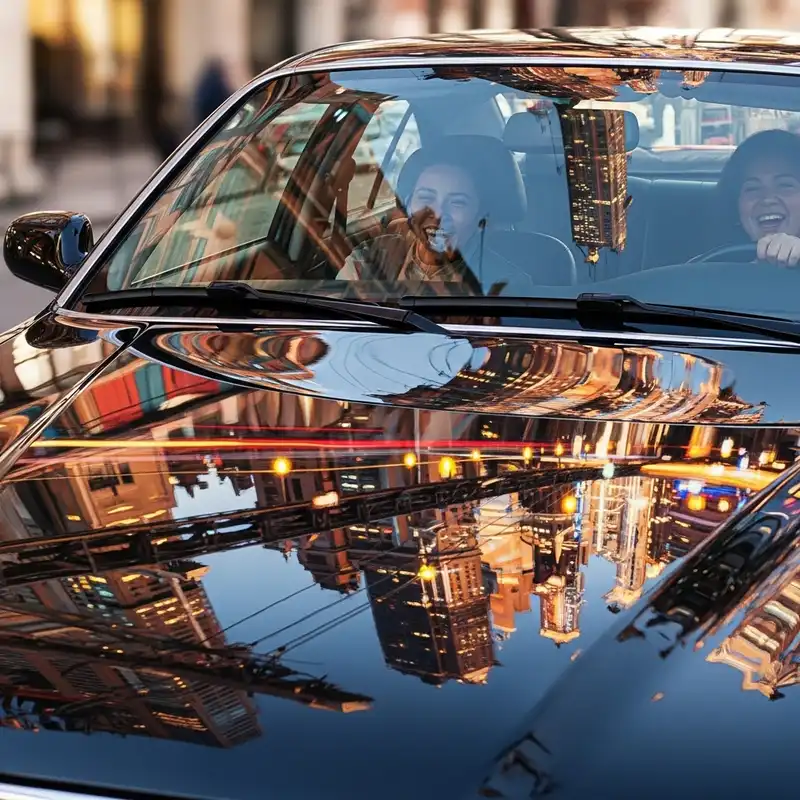
As FCA-authorised experts who have helped arrange over 800,000 insurance policies, WeCovr understands the hidden risks on UK roads. This article unpacks the alarming cost of uninsured drivers and explains how robust motor insurance is your essential financial shield against this growing threat.
UK 2025 Shock New Data Reveals Over 1 in 20 UK Motorists Will Experience a Costly Incident with an Uninsured Driver, Fueling a Staggering £450 Million+ Annual Burden of Higher Premiums, Unrecovered Damages, Legal Battles, and Eroding No Claims Bonuses – Is Your Motor Insurance Policy Your Undeniable Protection Against This Hidden Financial Threat
The statistics are sobering. New analysis for 2025 suggests a significant portion of law-abiding British motorists will, at some point, have the misfortune of a collision with a driver who has no insurance. This isn't just a minor inconvenience; it's a gateway to a world of financial pain, stress, and administrative nightmares.
Every time you pay your motor insurance premium, a portion of it—estimated between £25 and £35—goes directly towards covering the chaos left behind by uninsured and untraced drivers. This collective pot, managed by the Motor Insurers' Bureau (MIB), pays out over £450 million annually for vehicle repairs and personal injury compensation.
This is the hidden tax every insured driver pays. But what happens when you are the one left standing on the roadside, staring at a damaged vehicle and a driver who either flees the scene or admits they have no cover? This is where the quality and level of your motor insurance policy becomes not just a legal document, but your first and last line of financial defence.
The Alarming Scale of the Uninsured Driver Problem in the UK
While it may feel like a remote risk, the presence of uninsured drivers on Britain's roads is a persistent and costly epidemic. According to the latest data from the DVLA and the MIB, the problem is stark:
- Over 1 Million Uninsured Vehicles: It is estimated that more than one million vehicles are being driven on UK roads without even the most basic level of insurance.
- Daily Seizures: Police forces across the country seize over 350 uninsured vehicles every single day using Automatic Number Plate Recognition (ANPR) technology.
- A £450 Million Burden: The Motor Insurers' Bureau (MIB) pays out hundreds of millions each year to compensate victims. This money is not provided by the government; it is funded by a levy on the premium of every honest, insured driver.
- The Human Cost: Beyond the financial metrics, uninsured drivers are statistically more likely to be involved in serious collisions, engage in other criminal activity, and fail to maintain their vehicles to a safe standard.
This isn't a victimless crime. The consequences ripple outwards, impacting everyone from the individual involved in the crash to every single person who buys a motor insurance policy in the UK.
UK Motor Insurance: Your Legal Duty and Your Financial Shield
In the United Kingdom, motor insurance is not optional; it is a legal requirement under the Road Traffic Act 1988. Driving a vehicle on a road or in a public place without at least third-party insurance is a serious offence, carrying penalties of significant fines, penalty points on your licence, and even vehicle seizure.
Understanding the different levels of cover is crucial to ensuring you are not only legally compliant but also adequately protected.
The Three Core Levels of UK Motor Insurance
| Level of Cover | What It Covers for Others (Third Parties) | What It Covers for You and Your Vehicle | Ideal For |
|---|---|---|---|
| Third-Party Only (TPO) | ✅ Damage to their vehicle and property. ✅ Their medical expenses/injury claims. | ❌ Nothing. You are personally liable for all repair costs to your own vehicle. | The absolute legal minimum. Rarely the cheapest option and offers dangerously low protection. |
| Third-Party, Fire & Theft (TPFT) | ✅ Damage to their vehicle and property. ✅ Their medical expenses/injury claims. | ✅ Repair or replacement if your vehicle is stolen. ✅ Repair or replacement if your vehicle is damaged by fire. ❌ No cover for accident damage to your vehicle. | Drivers of lower-value cars who are primarily concerned with theft or fire, but can afford to repair or replace their car after an accident. |
| Comprehensive | ✅ Damage to their vehicle and property. ✅ Their medical expenses/injury claims. | ✅ Full cover for accidental damage to your vehicle, even if the accident was your fault. ✅ Often includes windscreen cover and personal belongings cover as standard. ✅ Crucially, includes protection against uninsured drivers. | The vast majority of UK drivers. Often priced competitively with lower levels of cover, offering vastly superior protection. |
Business and Fleet Insurance Obligations
For businesses, the legal requirements are just as strict. Whether you operate a single van for deliveries or manage a large fleet of company cars, every vehicle must have a minimum of third-party insurance. Commercial and fleet insurance policies are specifically designed to cover business use, passenger liability, and goods in transit, offering a level of protection that standard private car policies do not. Failing to have the correct business use cover can invalidate your insurance entirely, even if you have a comprehensive policy.
The Real Cost: How a Collision with an Uninsured Driver Hits Your Wallet
Imagine the scenario: you're waiting at a roundabout when another car crashes into the back of yours. The driver gets out, apologises, but has no insurance details to give you. Or worse, they simply speed away.
Here’s a breakdown of the immediate and long-term financial consequences you could face:
-
Losing Your No-Claims Bonus (NCB): Your NCB is one of the most valuable assets in motor insurance, potentially cutting your premium by 70% or more after several years of claim-free driving. If you cannot claim from another driver's insurer, your own provider has to cover the costs. This is treated as a "fault" claim, and your NCB will be drastically reduced or wiped out entirely, leading to significantly higher premiums for years to come.
-
Paying Your Policy Excess: To initiate a claim on your own comprehensive policy, you must first pay the policy excess. This is the amount you agree to contribute towards a claim, and it can range from £100 to over £1,000. Even if the accident was 100% not your fault, you have to pay this amount to get your car repaired.
-
Unrecoverable Costs (If You Lack Comprehensive Cover): If you only have Third-Party or TPFT cover, the situation is dire. Your insurance will not pay a penny towards your vehicle repairs. You are left with two options: pay for the repairs out of your own pocket or write the car off, absorbing the total loss yourself.
-
The MIB Claim Process: While the Motor Insurers' Bureau exists to help, making a claim can be a lengthy process. For damage to your vehicle, the MIB will only consider claims where the responsible driver has been identified. If it was a "hit and run," you may be unable to claim for vehicle damage. Furthermore, MIB claims are subject to their own excess (currently £300 for property damage claims) and do not cover everything.
-
Inflated Future Premiums: An accident, even a non-fault one, flags you as a higher risk to insurers. Having a claim on your record, especially one where costs couldn't be recovered from a third party, will almost certainly lead to higher quotes at renewal time.
A Real-Life Example: The Financial Fallout
| Cost Item | With Comprehensive Cover (and Uninsured Driver Promise) | With Third-Party Only Cover |
|---|---|---|
| Car Repair Bill | £0 (Covered by insurer) | £2,500 (Paid by you) |
| Policy Excess | £0 (Waived by insurer) | N/A |
| No-Claims Bonus | Protected | Lost (Value of £400/year) |
| Legal Fees | £0 (Included in policy) | £1,000+ (If pursuing driver) |
| Hire Car | Provided by insurer | £350 (Paid by you for a week) |
| **Total Immediate & First-Year Cost | ||
| ** | £0 | £4,250+ |
This stark comparison demonstrates why a comprehensive policy is not a luxury, but a necessity on modern UK roads. An expert broker like WeCovr can help you compare the best car insurance provider options, ensuring you have this vital protection without overpaying.
Your Policy's Secret Weapon: The "Uninsured Driver Promise"
Recognising the unfairness of this situation, most reputable UK insurers offering comprehensive motor policies include a vital feature often called the "Uninsured Driver Promise" or "Vandalism Promise."
This is your single most important piece of protection.
What is the Uninsured Driver Promise? If you are involved in a non-fault accident with a driver who is identified but confirmed to be uninsured, the insurer promises that:
- You will not have to pay your policy excess.
- Your No-Claims Bonus will be fully protected and reinstated.
This promise effectively ensures you are not financially penalised for the criminal actions of another driver. However, to benefit from it, you must provide the insurer with key information.
Checklist for a Successful Uninsured Driver Claim: To activate this benefit, you typically need to provide your insurer with: ✅ The vehicle registration number of the other car. This is non-negotiable. ✅ The make and model of the other vehicle. ✅ The name and address of the other driver, if possible. ✅ A police report reference number (you must report the incident to the police). ✅ Details of any independent witnesses.
Without the registration number of the third-party vehicle, it becomes an untraced driver incident, and claiming under this promise is usually not possible.
Decoding Your Motor Insurance Policy: Key Terms Explained
To truly understand your protection, you need to be familiar with the language of insurance. Here are the core components of a typical motor policy.
No-Claims Bonus (NCB) or No-Claims Discount (NCD)
This is a discount applied to your premium for each consecutive year you go without making a claim. It is one of the most significant factors in reducing your insurance cost.
- Earning it: You earn one year of NCB for every 12-month policy period without a claim.
- Losing it: A single "fault" claim (where your insurer cannot recover its costs) can reduce your NCB by two or more years, or wipe it out completely.
- Protecting it: For an additional premium, you can purchase "NCB Protection." This allows you to make one or two claims within a set period without your discount level being affected. It does not prevent your overall premium from rising after an accident, but it preserves the percentage discount.
The Policy Excess
The excess is the fixed amount you must contribute towards any claim you make. It is made up of two parts:
- Compulsory Excess: Set by the insurer and non-negotiable. It is often higher for young or inexperienced drivers.
- Voluntary Excess: An amount you agree to pay on top of the compulsory excess. Choosing a higher voluntary excess can lower your overall premium, but you must be certain you can afford to pay the total amount if you need to make a claim.
Essential Optional Extras for Enhanced Protection
While a standard comprehensive policy provides good cover, certain add-ons offer peace of mind and can save you thousands in the event of an incident.
| Optional Extra | What It Provides | Why It's Worth Considering |
|---|---|---|
| Motor Legal Protection | Covers the cost of legal fees (up to a limit, e.g., £100,000) to pursue a claim for uninsured losses against a third party. | Essential for recovering costs like your policy excess, loss of earnings, or personal injury compensation if the other party is at fault. Invaluable in uninsured driver scenarios. |
| Guaranteed Courtesy Car | Provides you with a replacement vehicle while yours is being repaired after an insured incident. "Guaranteed" means you get one regardless of repairer availability. | Standard courtesy cars are often small and only provided if your car is repairable. This extra ensures you stay mobile, often with a similar-sized vehicle. |
| Breakdown Cover | Provides roadside assistance, recovery, and onward travel if your vehicle breaks down. | Can be purchased as a standalone policy but is often cheaper when bundled with your motor insurance. Different levels are available (roadside, national, home start). |
| Personal Accident Cover | Provides a lump-sum payment in the event of death or serious, life-altering injury to the policyholder or named drivers resulting from a motor accident. | Offers a financial safety net for you and your family beyond what standard third-party liability might cover. |
When comparing motor insurance UK quotes, it's vital to look beyond the headline price and assess the quality of these features. As an FCA-authorised broker, WeCovr has years of experience helping drivers, businesses, and fleet managers find policies that balance cost with comprehensive protection. Our clients often benefit from discounts on other policies, such as life insurance, when purchasing their motor cover through us.
For Fleet and Business Owners: A Magnified Risk
For a business, the threat posed by uninsured drivers is amplified. An incident involving a company vehicle can lead to:
- Vehicle Downtime: A van off the road means lost revenue, delayed deliveries, and reputational damage.
- Increased Fleet Premiums: A fault claim on a fleet policy can significantly increase the premium for every vehicle at renewal.
- Duty of Care: Businesses have a legal duty of care to their employees. Failing to have adequate insurance, including features to handle uninsured incidents, could be seen as a breach of this duty.
Proactive Fleet Management Strategies:
- Regular Licence Checks: Use the DVLA's online service to regularly check the licence status and penalty points of all employees who drive company vehicles.
- Invest in Telematics: Black box technology provides irrefutable data on speed, location, and impact force. This can be crucial in proving your driver was not at fault in a collision, protecting your fleet's claims history.
- Robust Policy Reviews: Work with a specialist broker to ensure your fleet insurance includes a strong uninsured driver promise and appropriate extras like guaranteed replacement vans.
Practical Steps: What to Do After a Collision with an Uninsured Driver
Being prepared can make all the difference. If you are involved in an accident and suspect the other driver is uninsured, follow these steps calmly and safely.
- Stop and Secure the Scene: Stop your vehicle as soon as it is safe to do so. Turn on your hazard lights. Check yourself and your passengers for injuries.
- Do Not Admit Fault: Never apologise or admit liability at the scene, as this can be used against you later.
- Gather Crucial Evidence: This is the most important step.
- GET THE REGISTRATION NUMBER. Use your phone to take a clear picture of the other vehicle's number plate. This is the single most critical piece of information.
- Take photos of the accident scene from multiple angles, showing the position of the vehicles and the damage to both.
- If the other driver stops, ask for their name and address. Even if the details are fake, the attempt to gather them is important.
- Note the make, model, and colour of their vehicle.
- Look for independent witnesses and ask for their contact details.
- Report to the Police: Call the police to report the incident, especially if anyone is injured, the other driver is aggressive, or they flee the scene. You must do this and obtain a crime reference number to support an insurance or MIB claim.
- Contact Your Insurer: Report the incident to your insurance provider as soon as possible, even if you don't intend to claim immediately. Provide them with all the evidence you have gathered. They will guide you on the next steps.
You can also use the Motor Insurance Database (askMID) website for a small fee to check if a vehicle is showing as insured, which can be useful information for your report.
Frequently Asked Questions (FAQ)
Here are answers to some of the most common questions about uninsured driver incidents in the UK.
1. What happens if I'm hit by an uninsured driver and I only have third-party insurance? If you have third-party only (TPO) or third-party, fire and theft (TPFT) cover, your own insurance will not pay for your vehicle's repairs. You will be responsible for the full cost. Your only recourse is to make a claim directly to the Motor Insurers' Bureau (MIB). However, the MIB will only consider a claim for property damage if the uninsured driver is identified. If it was a hit-and-run, you cannot claim for vehicle damage through the MIB. You may still be able to claim for personal injury.
2. Will my No-Claims Bonus (NCB) always be protected if an uninsured driver hits me? No, not automatically. Your NCB will only be protected if you have a comprehensive policy that includes an "Uninsured Driver Promise" and you are able to meet the insurer's criteria. This almost always requires you to provide the registration number of the vehicle that hit you, prove you were not at fault, and report the incident to the police. Without this, your insurer will treat it as a fault claim, and your NCB will be reduced.
3. What are the penalties for being caught driving without insurance in the UK? The consequences are severe. If caught, you can receive a fixed penalty of £300 and 6 penalty points on your licence. If the case goes to court, you could face an unlimited fine and be disqualified from driving. The police also have the power to seize, and in some cases, crush your vehicle.
4. How can I find the best motor insurance provider to protect me from this risk? The key is to look beyond the price and compare the features of comprehensive policies. Use an independent, FCA-authorised broker like WeCovr. Our experts can help you compare quotes from a wide panel of UK insurers, highlighting those with excellent Uninsured Driver Promises, fair excess levels, and valuable optional extras like motor legal protection, ensuring you get the best possible protection for your money.
The threat of uninsured drivers is a clear and present danger on UK roads, imposing a hidden financial tax on every law-abiding motorist. While we cannot eliminate this risk, you can build an undeniable wall of protection around yourself, your vehicle, and your finances. A robust, comprehensive motor insurance policy is not an expense—it is your essential investment in peace of mind.
Don't wait until you're standing by the side of the road to discover gaps in your cover.
Get a free, no-obligation motor insurance quote from WeCovr today and let our experts find the right policy to shield you from the UK's £450 million uninsured driver problem.
Any questions?
Learn more

Who Are WeCovr?
WeCovr is an insurance specialist for people valuing their peace of mind and a great service.👍 WeCovr will help you get your private medical insurance, life insurance, critical illness insurance and others in no time thanks to our wonderful super-friendly experts ready to assist you every step of the way.
Just a quick and simple form and an easy conversation with one of our experts and your valuable insurance policy is in place for that needed peace of mind!