TL;DR
UK's Silent Workforce Health Crisis: New Data Reveals Over 1 in 2 Working Britons Will Face Significant Mental Health Challenges by 2026, Leading to a Staggering £5 Billion+ Annual Productivity Loss and Eroding National Well-being. Discover How Private Medical Insurance Offers a Vital Pathway to Rapid Specialist Support, Early Intervention, and Robust Future Resilience The United Kingdom is standing on the precipice of a profound and silent crisis. It isn't unfolding in our hospitals' A&E departments or on our high streets, but in our offices, our home-working spaces, and the minds of our workforce.
Key takeaways
- Work-Related Stress: The Health and Safety Executive (HSE) reported that in 2022/23, an estimated 914,000 workers were suffering from work-related stress, depression or anxiety(hse.gov.uk) (new or long-standing). This trend has been accelerating, forming the basis for the 2025 projection.
- Economic Fallout: The £5 billion+ productivity loss is a conservative estimate. It's composed of two main factors:
- Absenteeism: Employees taking time off due to poor mental health. The ONS reports that in 2022, a record 185.6 million working days were lost because of sickness or injury, with mental health conditions being a leading cause.
- Presenteeism: This is the hidden cost. An employee struggling with anxiety may be at their desk but operating at a fraction of their capacity. Deloitte estimates the cost of presenteeism is at least three times that of absenteeism.
- Demographic Disparities: The crisis does not affect everyone equally. Younger workers (18-29) report the highest levels of anxiety and are more likely to switch jobs due to a lack of mental health support from their employer. Sectors with high-pressure environments, such as finance, law, tech, and healthcare, are also seeing disproportionately high rates of burnout.
UK's Silent Workforce Health Crisis: New Data Reveals Over 1 in 2 Working Britons Will Face Significant Mental Health Challenges by 2026, Leading to a Staggering £5 Billion+ Annual Productivity Loss and Eroding National Well-being. Discover How Private Medical Insurance Offers a Vital Pathway to Rapid Specialist Support, Early Intervention, and Robust Future Resilience
The United Kingdom is standing on the precipice of a profound and silent crisis. It isn't unfolding in our hospitals' A&E departments or on our high streets, but in our offices, our home-working spaces, and the minds of our workforce. Alarming new projections for 2025 reveal a stark reality: more than one in two working adults in the UK are expected to experience a significant mental health challenge, from burnout and anxiety to depression.
This isn't merely a personal struggle; it's a national economic and social catastrophe in the making. The Centre for Mental Health estimates the annual cost of poor mental health to UK employers is already between £53 and £56 billion. As the crisis deepens, projections indicate a direct productivity loss exceeding £5 billion annually due to absenteeism and "presenteeism"—where employees are physically present but mentally disengaged and unable to perform at their best.
While the National Health Service (NHS) remains the cornerstone of our healthcare system, it is straining under unprecedented demand. Waiting lists for mental health services stretch for months, sometimes even years, leaving millions in a painful limbo. This critical treatment gap can turn manageable conditions into debilitating long-term struggles.
But there is a powerful and increasingly vital alternative. Private Medical Insurance (PMI) is emerging as a critical lifeline, offering a pathway to bypass the queues and access specialist mental health support in days, not months. This guide will explore the true scale of the UK's workforce mental health crisis, the pressures on the NHS, and how PMI can provide the rapid intervention, choice, and robust support needed to build a more resilient and healthier future for you and your career.
The Scale of the Crisis: Unpacking the 2026 Projections
The headline figure is staggering: by 2025, over 50% of the UK's working population will grapple with their mental health. This projection, based on trend analysis from sources like the Office for National Statistics (ONS) and mental health charities, paints a picture of a nation under immense psychological strain.
Let's break down the numbers to understand the true depth of the issue:
- Work-Related Stress: The Health and Safety Executive (HSE) reported that in 2022/23, an estimated 914,000 workers were suffering from work-related stress, depression or anxiety(hse.gov.uk) (new or long-standing). This trend has been accelerating, forming the basis for the 2025 projection.
- Economic Fallout: The £5 billion+ productivity loss is a conservative estimate. It's composed of two main factors:
- Absenteeism: Employees taking time off due to poor mental health. The ONS reports that in 2022, a record 185.6 million working days were lost because of sickness or injury, with mental health conditions being a leading cause.
- Presenteeism: This is the hidden cost. An employee struggling with anxiety may be at their desk but operating at a fraction of their capacity. Deloitte estimates the cost of presenteeism is at least three times that of absenteeism.
- Demographic Disparities: The crisis does not affect everyone equally. Younger workers (18-29) report the highest levels of anxiety and are more likely to switch jobs due to a lack of mental health support from their employer. Sectors with high-pressure environments, such as finance, law, tech, and healthcare, are also seeing disproportionately high rates of burnout.
To put the current situation into perspective, consider the key data points revealing the sharp decline in our collective mental wellbeing.
| Statistic Category | Key Data Point (2024/2025 Projections) | Source |
|---|---|---|
| Overall Prevalence | Over 1 in 2 UK workers to face mental health issues by 2025. | Trend Analysis (ONS, Mind) |
| Economic Cost to Employers | £53-£56 billion annually. | Centre for Mental Health / Deloitte |
| Lost Working Days | Mental health is a leading cause of the 185.6 million days lost. | Office for National Statistics (ONS) |
| Dominant Condition | Stress, depression, or anxiety accounts for ~50% of all work-related ill health. | Health and Safety Executive (HSE) |
| Youth Impact | 76% of UK employees aged 18-29 feel their employer should do more for their mental health. | McKinsey Health Institute |
These figures are more than just statistics; they represent millions of individual stories of struggle, diminished quality of life, and careers put on hold.
Why is This Happening? The Driving Forces Behind the Decline
The surge in mental health challenges is not a random event. It is the result of a "perfect storm" of societal, economic, and workplace pressures that have converged over the last few years.
- The Post-Pandemic Echo: The COVID-19 pandemic fundamentally reshaped our lives and work. Many are still dealing with the lingering effects of health anxiety, social isolation, and grief. The shift to remote and hybrid work, while offering flexibility, has also led to increased loneliness and a blurring of the lines between work and home life for many.
- The Crushing Cost of Living: Persistent inflation and the rising cost of living have placed an immense financial strain on households across the UK. Financial anxiety is a potent trigger for stress, depression, and sleep problems. When employees are worried about paying their bills, their ability to focus and perform at work inevitably suffers.
- "Always-On" Digital Culture: Technology has tethered us to our jobs like never before. The expectation to be constantly available via email, Slack, or Teams has created a culture of "digital presenteeism." This inability to switch off prevents the mental recovery and rest that is essential for long-term wellbeing.
- Economic and Job Insecurity: Talk of economic slowdowns and high-profile layoffs has created a pervasive sense of job insecurity. This fear can be a chronic stressor, undermining confidence and contributing to a constant state of high alert.
- A Positive Shift: Reduced Stigma: Paradoxically, a positive development is also contributing to the rising numbers. As societal stigma around mental health slowly diminishes, more people feel able to speak up and seek help. This is a crucial step forward, but it also reveals the true, previously hidden, scale of the problem, placing further demand on already stretched services.
These factors combine to create an environment where the psychological resilience of the UK workforce is being tested to its limits.
The NHS Under Pressure: The Reality of Mental Health Support
The NHS is one of the UK's greatest achievements, providing care to millions regardless of their ability to pay. Its mental health professionals are dedicated and highly skilled. However, the system is facing a crisis of demand that far outstrips its capacity.
For anyone seeking mental health support through the NHS, the journey often begins with a long and frustrating wait.
- NHS Talking Therapies (formerly IAPT): This is the main service for mild to moderate issues like anxiety and depression. While the target is for 75% of people to start treatment within 6 weeks of referral, a significant number wait much longer. In some areas, this wait can stretch to several months. By the end of 2023, the overall waiting list for community-based mental healthcare stood at an estimated 1.8 million people(kingsfund.org.uk).
- Specialist and Community Services: For more complex conditions requiring a psychiatrist or community mental health team (CMHT), the waits are even more severe. It's not uncommon for individuals to wait over a year for an assessment, let alone the start of a consistent treatment plan.
- Child and Adolescent Mental Health Services (CAMHS): The situation for young people is particularly acute, which has a direct impact on the future workforce. Stories of teenagers waiting up to two years for specialist support are tragically common.
This "treatment gap" is dangerous. It leaves individuals unsupported at their most vulnerable, allowing manageable conditions to escalate into severe crises that can lead to job loss, relationship breakdown, and a profound decline in overall health.
| Service Pathway | Typical NHS Waiting Time (2024/2025 estimate) | Potential Impact on an Employee |
|---|---|---|
| GP Referral | 1-3 weeks for an appointment. | Initial hurdle to seeking help. |
| NHS Talking Therapies | 6 weeks to 6+ months for first session. | Prolonged anxiety, declining work performance, risk of absenteeism. |
| Psychiatrist Assessment | 3 months to 18+ months. | Condition may worsen without diagnosis and correct medication. |
| Inpatient Bed | Crisis-dependent, but often involves long A&E waits or transfers far from home. | Extreme distress for individual and family; prolonged time off work. |
The reality is that while the NHS provides excellent care when you can access it, for mental health, access is the primary challenge. This is where Private Medical Insurance offers a completely different proposition.
A Lifeline for Mental Wellbeing: How Private Medical Insurance (PMI) Works
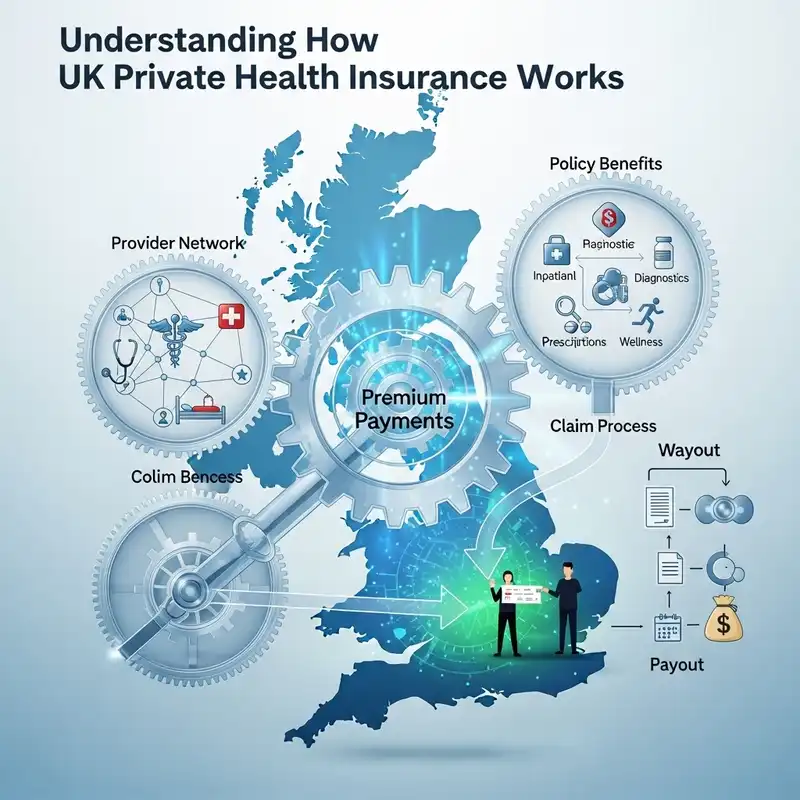
Private Medical Insurance is a health insurance policy that pays for the costs of private, non-emergency medical treatment. In the context of the current mental health crisis, its primary benefit is speed of access. It allows you to bypass NHS waiting lists and get the help you need, when you need it.
However, it is absolutely crucial to understand what PMI does, and does not, cover.
The Golden Rule: Acute vs. Chronic & Pre-existing Conditions
This is the most important concept to grasp when considering PMI. Standard UK private medical insurance policies are designed to cover acute conditions that arise after you take out your policy.
- An Acute Condition is a disease, illness, or injury that is likely to respond quickly to treatment and lead to a full recovery. Examples in mental health could include a sudden bout of anxiety due to a specific stressor, reactive depression following a bereavement, or post-traumatic stress disorder (PTSD).
- A Chronic Condition is an illness that is long-lasting and cannot be fully cured. It requires ongoing management. Examples in mental health include conditions like bipolar disorder, schizophrenia, or long-term recurrent depression. Standard PMI policies do not cover the ongoing management of chronic conditions.
- A Pre-existing Condition is any condition for which you have experienced symptoms, sought advice, or received treatment before your policy's start date. These are typically excluded from cover, at least for an initial period.
Navigating these definitions and understanding how they apply to your personal history is complex. This is where an expert broker can be invaluable. At WeCovr, we specialise in demystifying the policy jargon, helping you understand the different types of underwriting (like Moratorium or Full Medical Underwriting) to find a plan that offers the clearest and most appropriate cover for your future needs.
The Mental Health Benefits of PMI: Beyond the Basics
Once you have a policy in place, a world of proactive and responsive mental healthcare opens up. For a new, acute mental health condition that develops after your policy starts, PMI provides a clear and rapid pathway to recovery.
The benefits are transformative:
- Rapid Access to Specialists: This is the cornerstone of PMI's value. Instead of waiting months, you can often see a private psychiatrist, psychologist, or therapist within days or weeks of a GP referral. This early intervention is clinically proven to lead to better outcomes and faster recovery.
- Choice and Control: PMI gives you control over your care. You can often choose your specialist from a list of approved providers and select a hospital or clinic that is convenient for you. Appointments can be scheduled around your work and family commitments, reducing additional stress.
- A Comprehensive Range of Therapies: Most comprehensive PMI policies provide cover for a wide range of talking therapies, including:
- Cognitive Behavioural Therapy (CBT)
- Counselling
- Psychotherapy
- Eye Movement Desensitisation and Reprocessing (EMDR) for trauma
- Digital Mental Health Platforms: The modern PMI market has embraced technology. Leading insurers like Bupa, Aviva, and Vitality now include access to innovative digital health services as standard. These can include:
- 24/7 remote GP appointments
- AI-powered symptom checkers
- Direct access to online therapy sessions via video call
- Self-help courses for managing stress and anxiety
- Inpatient and Day-Patient Care: Should your condition require more intensive treatment, most policies provide cover for stays in a private psychiatric hospital. This ensures you receive structured, specialist care in a comfortable and therapeutic environment.
Let's compare the journey of an employee facing a new bout of work-related anxiety under the two systems.
| Stage of Care | Typical NHS Pathway | Typical PMI Pathway |
|---|---|---|
| Initial Concern | Waits 2 weeks for a GP appointment. | Uses policy's Digital GP app; gets a video call the same day. |
| Referral | GP refers to NHS Talking Therapies. | Digital GP provides an open referral for therapy. |
| First Treatment | Waits 12 weeks for an initial assessment, then another 4 weeks for the first CBT session. | Contacts insurer, is authorised for treatment, and has their first CBT session within 7-10 days. |
| Outcome | Spends nearly 4 months in a state of anxiety before treatment begins. Performance dips, takes some sick days. | Back on the path to recovery within 2 weeks. Minimal disruption to work and life. |
The difference is not in the quality of the ultimate therapy, but in the speed and ease of access, which is often the most critical factor in a successful recovery.
Unlocking Value: The Added Extras That Bolster Resilience
The best Private Medical Insurance policies today are not just for when you are sick; they are designed to keep you well. They often include a suite of value-added benefits and wellness tools aimed at building mental and physical resilience.
- Employee Assistance Programmes (EAPs): Many group PMI schemes (and some individual ones) include access to an EAP. This is a confidential 24/7 helpline that provides immediate support for a huge range of issues, including mental health, financial worries, legal queries, and relationship problems. It acts as a vital first line of defence.
- Wellness Apps and Rewards: Insurers are increasingly partnering with leading wellness brands. It's common for policies to include free subscriptions to apps like Headspace or Calm. Furthermore, providers like Vitality have pioneered a model that actively rewards you with discounts and perks for engaging in healthy behaviours like exercise and mindfulness.
- Proactive Health Support: Beyond mental health, these policies encourage a holistic view of wellbeing. They often include cover for physiotherapy, health screenings, and nutritional advice, all of which play a role in supporting your mental state.
At WeCovr, we believe in this holistic approach to wellbeing. We understand that physical and mental health are intrinsically linked. That’s why, in addition to finding you the most competitive insurance policy from across the market, we provide all our customers with complimentary access to our proprietary AI-powered calorie tracking app, CalorieHero. It's our way of going the extra mile to support your physical health, which in turn builds a stronger foundation for your mental resilience.
Navigating the Market: Choosing the Right PMI Policy for Mental Health
Choosing a PMI policy can feel overwhelming, especially when focusing on something as nuanced as mental health. Here are the key factors to consider when comparing plans:
- The Level of Mental Health Cover: This is the most important variable. Mental health cover is not always standard and can vary significantly.
- Basic (illustrative): May only cover a few therapy sessions or have a low financial limit (e.g., £1,000 per year).
- Intermediate: Might offer more extensive outpatient cover (e.g., 8-10 therapy sessions) and some day-patient care.
- Comprehensive: Offers extensive or even unlimited outpatient cover and full cover for inpatient psychiatric treatment.
- Outpatient Limits (illustrative): Check the specific limits on therapy. Does the policy cap the number of sessions or the total financial value? A policy with a £1,500 limit will cover more sessions than one with a £500 limit.
- The Excess (illustrative): This is the amount you agree to pay towards any claim. A higher excess (£500 or £1,000) will lower your monthly premium, but you'll need to pay that amount before the insurer contributes. A lower excess (£100 or £0) means higher premiums but less to pay when you claim.
- Hospital List: Insurers have different tiers of hospitals you can use. Ensure the list includes facilities that are convenient for you and have good psychiatric units.
- Policy Exclusions: Read the fine print carefully. Re-confirm the rules on chronic and pre-existing conditions. Check for any other specific exclusions, such as treatment for addiction or developmental disorders.
The Value of an Expert Broker
Trying to compare these variables across a dozen different insurers is a complex and time-consuming task. A specialist health insurance broker does this work for you.
Using a broker like WeCovr offers significant advantages:
- Whole-of-Market Advice: We are not tied to any single insurer. We compare plans from all the major UK providers to find the one that truly fits your needs and budget.
- Expert Guidance: We translate the jargon and explain the critical differences between policies, ensuring you don't get caught out by the small print.
- Finding Value: We know the market inside out and can often find more comprehensive cover for your budget than you might find going direct.
- Support for Life: We assist with the application process and are there to help if you ever need to make a claim.
The Business Case: Why Employers Are Investing in Workforce Health Insurance
The conversation around mental health is no longer confined to HR departments; it's a boardroom issue. Forward-thinking companies understand that investing in their employees' mental health is not just the right thing to do—it's a strategic business decision.
- A Clear Return on Investment (ROI): Research by Deloitte has consistently shown a strong ROI for employers who invest in mental health support. For every £1 spent on interventions like Private Medical Insurance or EAPs, businesses can expect an average return of £5 in the form of reduced absenteeism, presenteeism, and staff turnover.
- The War for Talent: In a competitive job market, a comprehensive benefits package is a powerful tool for attracting and retaining top talent. Candidates, particularly from younger generations, actively look for employers who demonstrate a genuine commitment to employee wellbeing.
- Fostering a Positive Culture: Providing robust mental health support sends a clear message that the company values its people as human beings, not just as assets. This fosters loyalty, engagement, and a more positive and productive workplace culture.
- Mitigating Risk: By providing a clear pathway to fast treatment, companies can mitigate the risk of small issues escalating into major crises that could lead to long-term sick leave or even employment tribunals.
Real-Life Scenarios: How PMI Makes a Difference
Let's move from the theoretical to the practical. Here is how PMI can change outcomes in the real world for acute conditions that begin after the policy is in force.
Scenario 1: Sarah, the Marketing Manager Sarah, 34, begins experiencing overwhelming anxiety and panic attacks due to a high-pressure product launch. She feels burnt out and unable to focus. Her GP says the NHS waiting list for CBT is at least four months. Fortunately, her company provides PMI. She uses the insurer's app to book a digital GP appointment that afternoon. The GP refers her for therapy. Within 48 hours, the insurer authorises a course of CBT, and Sarah has her first session with a private therapist the following week. She learns coping mechanisms, her anxiety subsides, and she successfully navigates the product launch without needing to take time off.
Scenario 2: David, the IT Consultant David, 45, is a freelance IT consultant with a personal PMI policy. After losing a major client, he falls into a deep depression, a condition he has never experienced before. He struggles to get out of bed and is unable to work. His NHS GP suggests antidepressants but says a referral to a psychiatrist for a formal diagnosis will take over six months. David calls his insurer. They arrange and pay for a private consultation with a psychiatrist within two weeks. He is diagnosed with severe reactive depression and begins a treatment plan involving both medication and weekly psychotherapy. The early, intensive support helps him turn a corner, and within three months, he is well enough to start looking for new contracts.
Conclusion: Taking Control of Your Mental Wellbeing in 2026 and Beyond
The data is undeniable: the UK's workforce is facing an unprecedented mental health challenge. The economic and human costs are immense, and the traditional safety net of the NHS, while invaluable, is simply too stretched to provide the timely care that people need.
We can no longer afford to be reactive. Waiting for a crisis to hit is a recipe for prolonged suffering and disruption. The key to navigating the pressures of modern work and life is to be proactive and build resilience.
Private Medical Insurance offers a powerful, practical, and effective tool to do just that. It provides a vital safety net, ensuring that if you or your family face an acute mental health challenge, you can access expert help without delay. It gives you choice, control, and the peace of mind that comes from knowing a pathway to recovery is available.
Investing in a PMI policy is an investment in your most valuable asset: your health. It is a commitment to your wellbeing, your productivity, and your ability to thrive in an increasingly demanding world. Don't wait until you're on a waiting list.
Ready to explore how Private Medical Insurance can provide you with peace of mind? The team of experts at WeCovr is here to help. We compare plans from all of the UK's leading insurers to find cover that fits your needs and budget, giving you a vital safety net in these uncertain times.
Sources
- Department for Transport (DfT): Road safety and transport statistics.
- DVLA / DVSA: UK vehicle and driving regulatory guidance.
- Association of British Insurers (ABI): Motor insurance market and claims publications.
- Financial Conduct Authority (FCA): Insurance conduct and consumer information guidance.